
Jeonju Hanji Museum
Located on the grounds of the Jeonju Paper factory, this is Korea’s only museum specializing in hanji, traditional Korean paper. It opened in 1997 as the Hansol Paper Museum and was renamed in 2007. The museum houses more than 2,500 hanji-related artifacts, including a Goryeo-period Buddhist scripture designated as a National Treasure. Admission is free, and visitors can also try making hanji by hand using a paper-making frame at no charge.
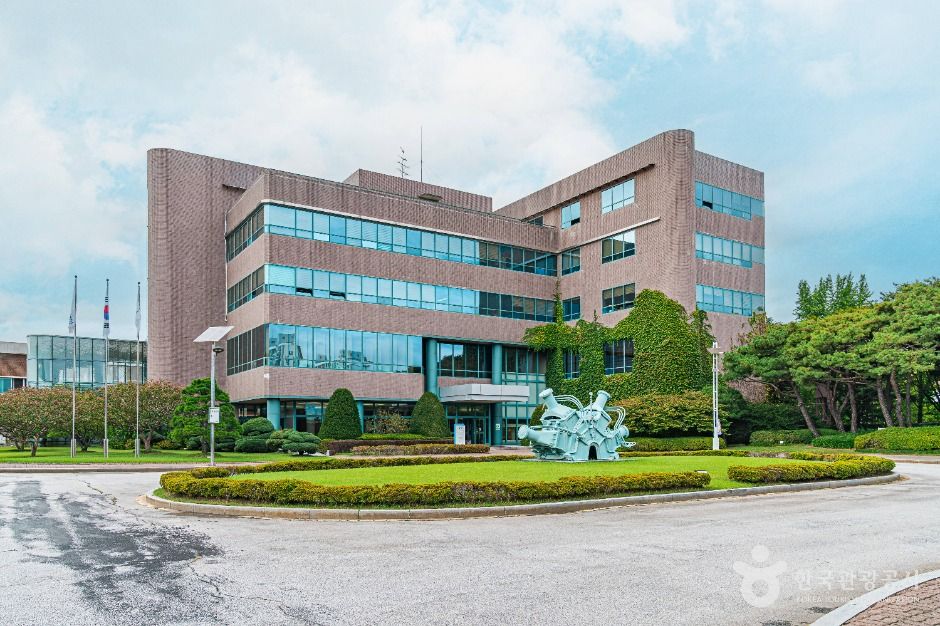

Why Jeonju Paper Co., Ltd. Operates a Hanji Museum
The Jeonju Hanji Museum is operated directly on its own factory grounds by Jeonju Paper Co., Ltd., a leader in Korea's paper industry that produces newsprint and publication paper. Local tourism materials describe the museum as a project launched as part of the company's efforts to give back its profits to society.
This is also why the address is listed as “Jeonju Paper.” In practice, visitors state the purpose of their visit at the main entrance of Jeonju Paper Co., Ltd., complete a brief access procedure, and then walk to the museum building. Unlike a typical standalone museum, its most distinctive feature is that it is located within the grounds of an operating paper mill.
From Hansol Paper Museum in 1997 to Jeonju Hanji Museum in 2007: Three Name Changes
The museum has changed its name three times. It opened in 1997 as the “Hansol Paper Museum,” changed its name to the “Pan-Asia Paper Museum” on October 5, 2001, and was renamed the “Paper Museum” in 2005 before adopting its current name, the “Jeonju Hanji Museum,” in 2007. The museum's name changed whenever the company's ownership structure and brand changed, and 2007 was the first time the name “Hanji” was used.
In 2020, it had to close because of COVID-19. Jeonju Hanji Museum, the only specialized hanji museum in Korea, temporarily closed in February 2020 and reopened on November 20, 2024, after a long closure lasting four years and nine months. Opened in October 1997 as Korea's first paper museum, it became one of Jeonbuk's representative tourist attractions, welcoming more than 1.3 million visitors from the name change in 2007 until its reopening.
National Treasure: the First Printing of the Avatamsaka Sutra, and More Than 2,500 Items in the Collection
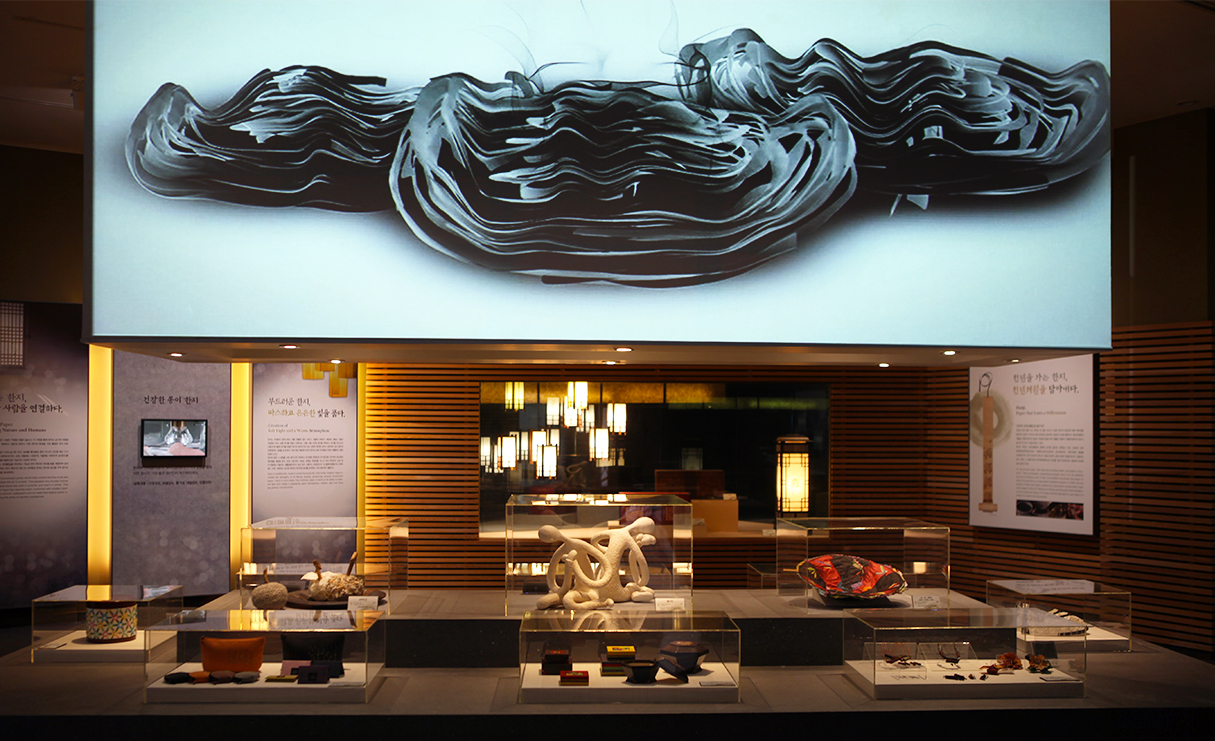
The reason this museum is classified as a formal museum rather than merely an experience facility is its collection. Jeonju Hanji Museum holds more than 2,500 artifacts, including Volume 36 of the First Printing of the Avatamsaka Sutra (National Treasure, designated in 1993), a Goryeo-period artifact, as well as Buddhist scriptures from the Goryeo and Joseon periods, treasures, old documents, antique books, hanji materials, hanji crafts, and hanji-making tools. It is a rare case in Korea for a privately operated museum to hold ancient documents of National Treasure caliber.
Special exhibitions have also continued steadily since the museum opened. After presenting Kim Young-hee's “Dak Paper Doll Exhibition” as its opening commemorative exhibition in 1997, the museum has promoted the excellence of hanji culture through two to four special exhibitions each year, including the “Spirit of the Seonbi Exhibition” (1999), “Kings of Joseon: Royal Handwriting Exhibition” (2001), “Our Seasonal Customs Exhibition” (2002), and “Newly Reborn Hanji Exhibition” (2004). Because the special exhibition changes annually with a new theme, separate from the permanent exhibition, even previous visitors have a reason to return.
Five Exhibition Spaces: Hanji History Hall, Hanji Future Hall, Special Exhibition Room, Hanji in Daily Life Hall, and Hanji Recreation Hall
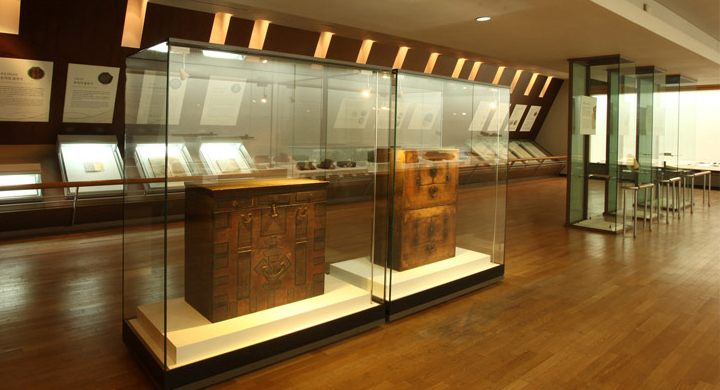
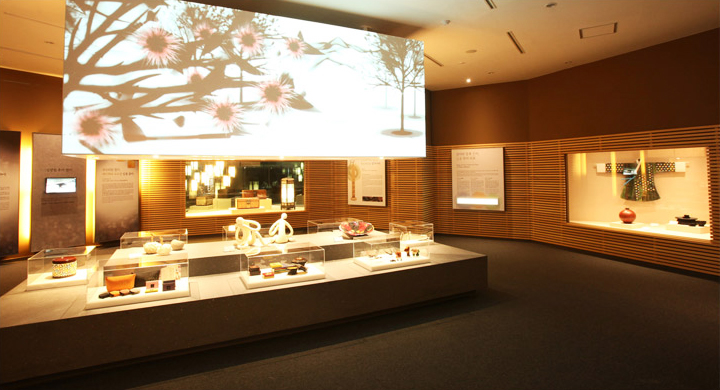
According to media reports at the time of its 2024 reopening, Jeonju Hanji Museum consists of two permanent exhibition halls, a special exhibition room, and a Hanji Recreation Hall. The two permanent exhibition halls are the Hanji History Hall and Hanji Future Hall. The Hanji History Hall explores recording media from around the world before paper, along with the history and manufacturing process of hanji, while the Hanji Future Hall presents the present and future of hanji through a variety of exhibits. The official website's exhibition hall introduction page lists the Hanji in Daily Life Hall and Hanji Recreation Hall as separate sections in addition to these two halls, so the actual visitor route is closer to a circuit through five spaces.
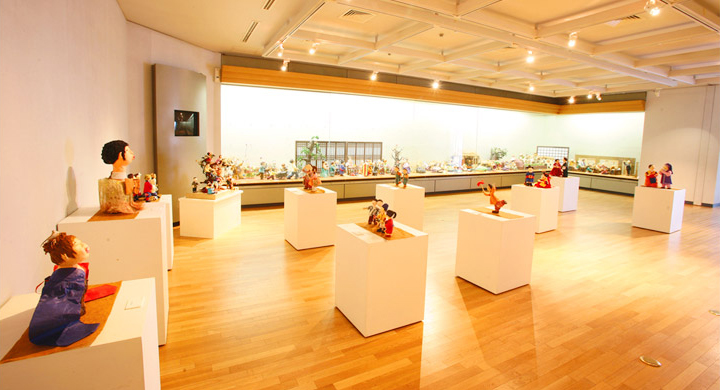
One visitor account mentions that the Hanji Recreation Hall is the first space visitors encounter after passing the information desk, so the actual route may vary somewhat depending on the season or available staff. The permanent exhibitions can be viewed freely at any time during operating hours.
Making Hanji with a Paper-Making Frame, Plus Paid Experiences Linked to Special Exhibitions
The museum's core content is not simply viewing but hands-on participation. According to the official information, Jeonju Hanji Museum gives every visitor the opportunity to make hanji personally with the help of an expert, and the experience is free. The process involves holding the center of the handles on both sides of the paper-making frame placed over the practice vat with both hands, lifting the frame after filling it with paper pulp from the vat, and then quickly shaking the frame containing the pulp back and forth and from side to side for about 8 to 10 seconds. One visitor account explains that the hanji is normally dried in the natural breeze, but for the faster experience it is rapidly dried, stamped with a “Jeonju Hanji Museum” stamp, and then the experience is complete. This basic hanji-making experience was also featured on tvN's <Altteulshinjob>.
Paid experiences connected to special exhibitions are also offered separately. In summer 2025, coloring activities costing 7,000 won and hanji decorating programs costing 8,000 won were operated for approximately 30 to 40 minutes. These paid experiences change from time to time depending on the theme of the special exhibition, with activities such as decorating fans, making bookmarks, and making a jeonrip (a traditional combat hat). It is therefore best to check the notices on the official website before visiting to see which experiences are available at that time. There is also a gift shop next to the experience area where visitors can purchase hanji fans, stationery, and other items.
Tuesday to Saturday, 09:00–17:00; Closed on Sundays and Mondays
The visiting hours and fees are clear. According to the official website, visiting hours are Tuesday to Saturday from 09:00 to 17:00, with entry allowed until 30 minutes before closing. The museum is closed every Sunday and Monday, January 1, and during the Lunar New Year and Chuseok holidays, and admission is free. Reports on the 2024 reopening likewise stated that visiting hours are every day from 9 a.m. to 5 p.m., that the museum is closed every Sunday and Monday, January 1, and during the Seollal and Chuseok holidays, that admission is free, and that groups of 20 or more must make an advance online reservation. Individual visitors may come without a reservation, but schools or groups traveling with 20 or more people must make an advance reservation through the website.
Inquiries can also be made by phone. For visitor-related inquiries, call Jeonju Hanji Museum at 063-210-8103; inquiries about experience programs are handled separately at 063-210-8102–3. Whether the museum will be closed on public holidays or during holiday periods is posted separately in the notices on the official website as needed, so if you plan to visit around a holiday, it is safest to check the website once before setting out.
Palbok-ro 59: How to Reach the Area Inside the Jeonju Paper Main Entrance
Public transportation requires a transfer. From the Jeonbuk Ilbo office (31-003) bus stop near Jeonju Express Bus Terminal, take bus 7-2 (Samcheondong Terminus) and get off at Palbok Namyang Apartment bus stop; the museum is a four-minute walk away. If you are using the KTX, the taxi ride from Jeonju Station takes about 14 minutes and costs approximately 6,800 won. Since the site is not in an area with dense city-bus connections, TripAdvisor reviews also mention that it may be inconvenient to reach by public transportation. If traveling by car, the spacious parking lot near the entrance is a convenient alternative.
Because the museum is located within the Jeonju Paper factory grounds, the most reliable way to arrive is to enter “Jeonju Hanji Museum” or the road-name address “59 Palbok-ro, Deokjin-gu, Jeonju-si, Jeonbuk Special Self-Governing Province” in your navigation system and ask for directions at the main entrance. It is located near the Palbok-dong industrial complex, somewhat far from attractions around Jeonju Hanok Village and Jeonju Station, so it may feel rather out of the way if you are following a short itinerary focused mainly on the hanok village.
What to See Alongside the 2026 Summer Special Exhibition, “Paper That Loved Ceramics”
If you are planning a visit in 2026, it is a good idea to check the schedule of the current special exhibition. According to the official website, the exhibition is titled “Paper That Loved Ceramics,” runs from June 25 to August 29, 2026, and is held in the Special Exhibition Room on the second floor of Jeonju Hanji Museum. The preceding special exhibition was held to commemorate the 2024 reopening, featuring artist Lee Mi-na's exhibition on the theme “Royal Flowers Revived with Hanji.” Unlike the permanent exhibition, the special exhibition is completely replaced each time, so returning visitors can discover new content even by revisiting only the Special Exhibition Room.
If you want to explore the subject of hanji in greater depth, you can combine this visit with Jeonju Millennium Hanji Center in Heukseok-dong, Wansan-gu. It is introduced as a hanji cultural complex with Korea's largest hanji manufacturing facility, and traditional hanji-making experiences can be reserved separately. However, the two facilities are separated by the city center, so you should allow plenty of travel time if combining them in a single day. Some travel reviews praise the exhibition route as neat and easy to understand even for first-time visitors, and note that guests can see actual hanji up close and experience its texture. Reviews from visitors with children also say that learning about the hanji-making process is educational for children, making this a particularly suitable destination for families traveling with young visitors.
Before You Go
- Address
- 59 Palbok-ro, Deokjin-gu, Jeonju-si, Jeonbuk Special Self-Governing Province (inside Jeonju Paper)
- Hours
- Tuesday–Saturday, 09:00–17:00 (entry allowed until 30 minutes before closing)
- Closed
- Every Sunday and Monday, January 1, and the Seollal and Chuseok holidays
- Admission
- Free (groups of 20 or more require an advance online reservation)
- Phone
- 063-210-8103 (experience inquiries: 063-210-8102–3)
- Official site
- https://www.hanjimuseum.co.kr
- Transport
- Take bus 7-2 (Samcheondong Terminus) from the Jeonbuk Ilbo office (31-003) bus stop, get off at Palbok Namyang Apartment bus stop, then walk 4 minutes / About 14 minutes by taxi from KTX Jeonju Station (approximately 6,800 won)
- Parking
- Parking available near the museum entrance
- Time needed
- 1–2 hours
The information above is current as of the time of writing. Check the official information again before visiting.

Places
Nearby Attractions 5
-
 1
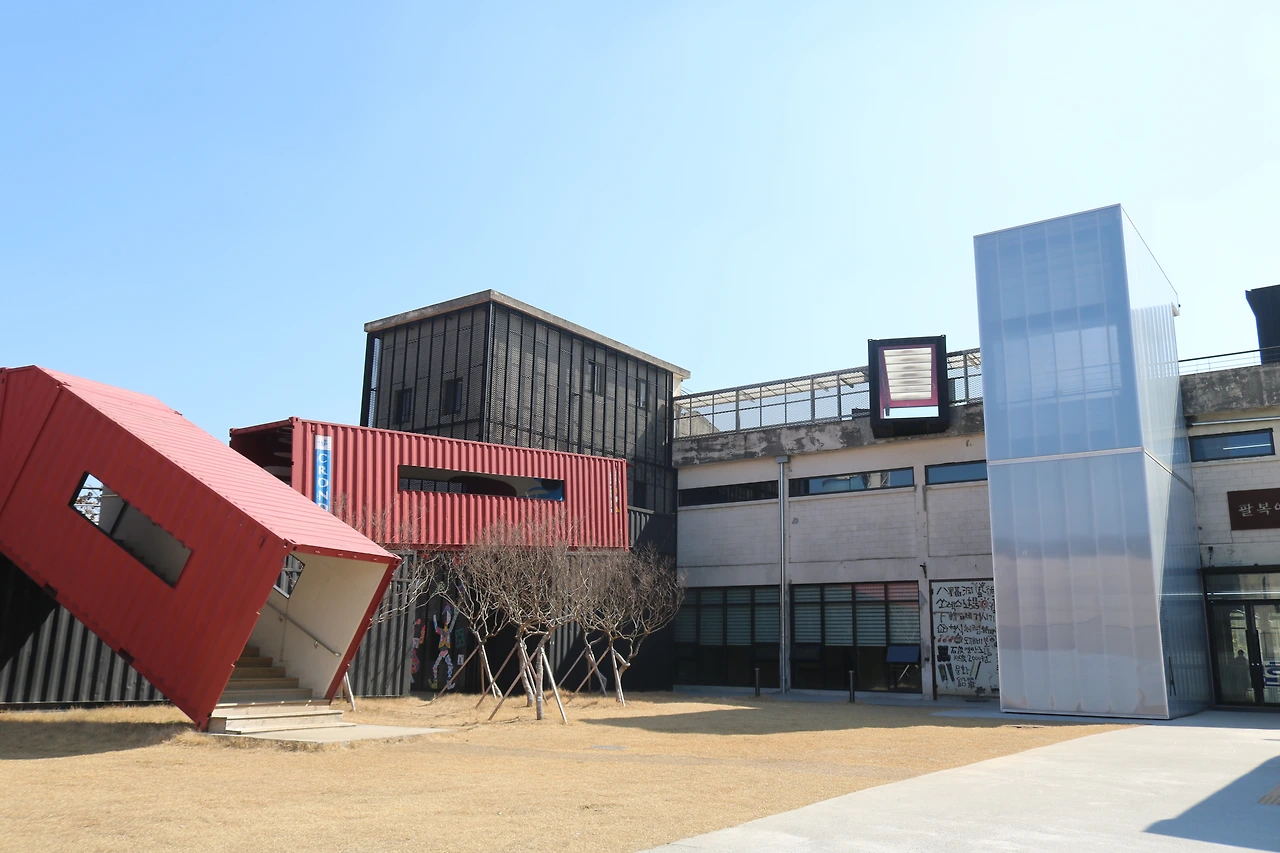
Palbok Art FactoryA multifunctional cultural space created by transforming a former industrial facility into a venue for exhibitions and arts experiences.
1
Palbok Art FactoryA multifunctional cultural space created by transforming a former industrial facility into a venue for exhibitions and arts experiences. -
 2
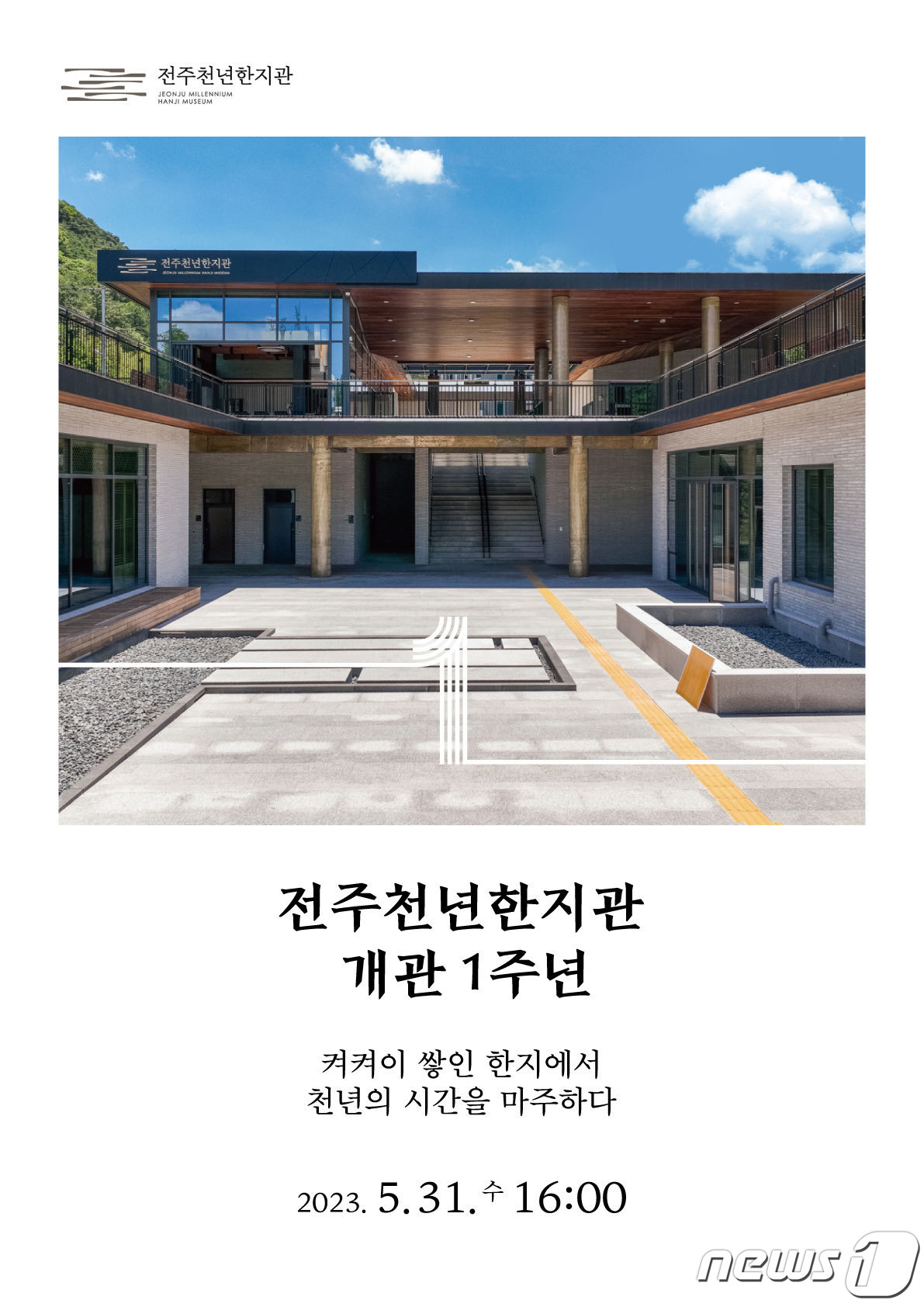
Jeonju Millennium Hanji CenterA cultural complex where visitors can learn about traditional hanji-making and take part in hands-on experiences.
2
Jeonju Millennium Hanji CenterA cultural complex where visitors can learn about traditional hanji-making and take part in hands-on experiences. -
 3
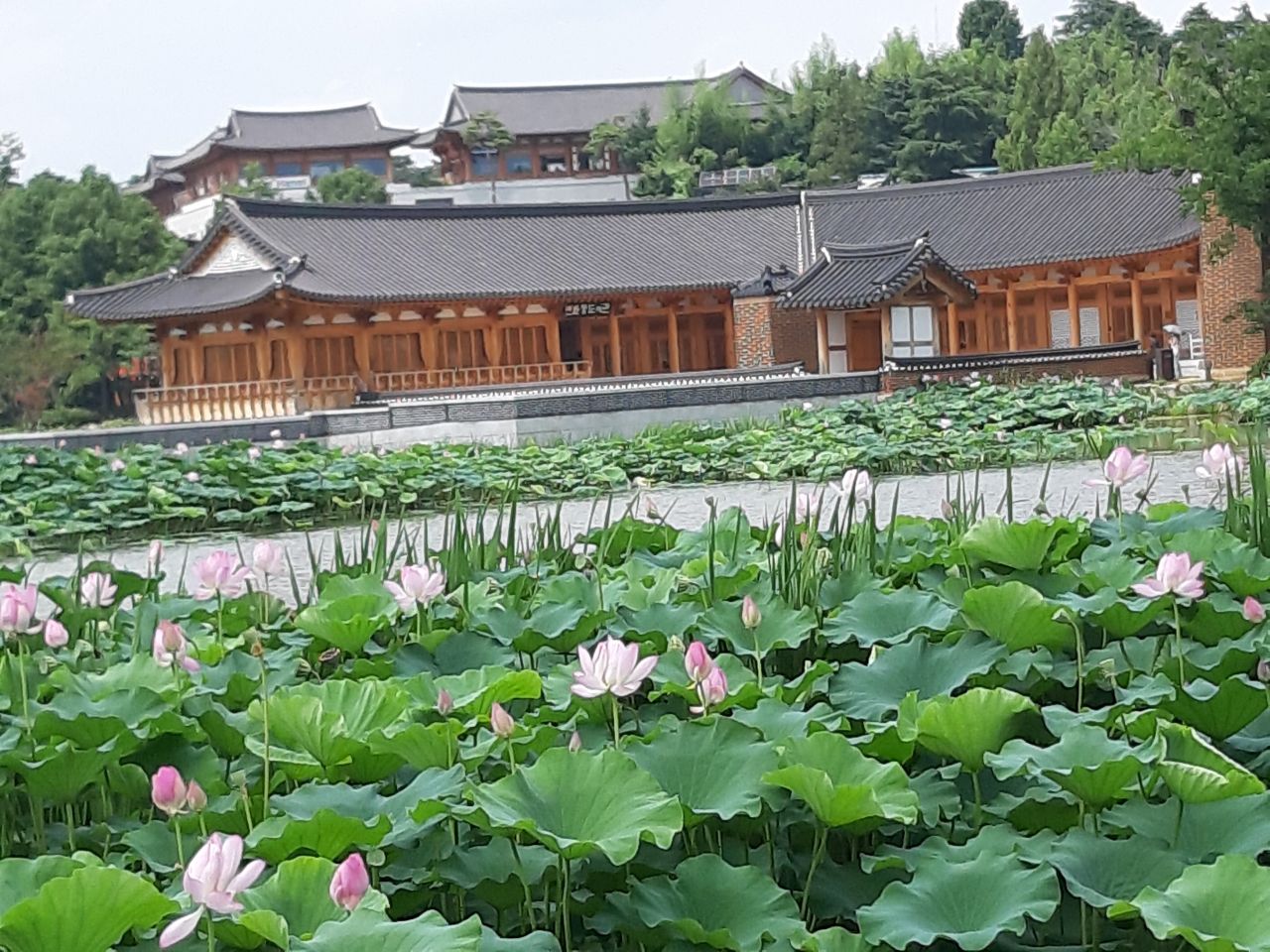
Deokjin ParkAn ecological park in downtown Jeonju where visitors can enjoy a lotus pond and walking trails.
3
Deokjin ParkAn ecological park in downtown Jeonju where visitors can enjoy a lotus pond and walking trails. -
 4
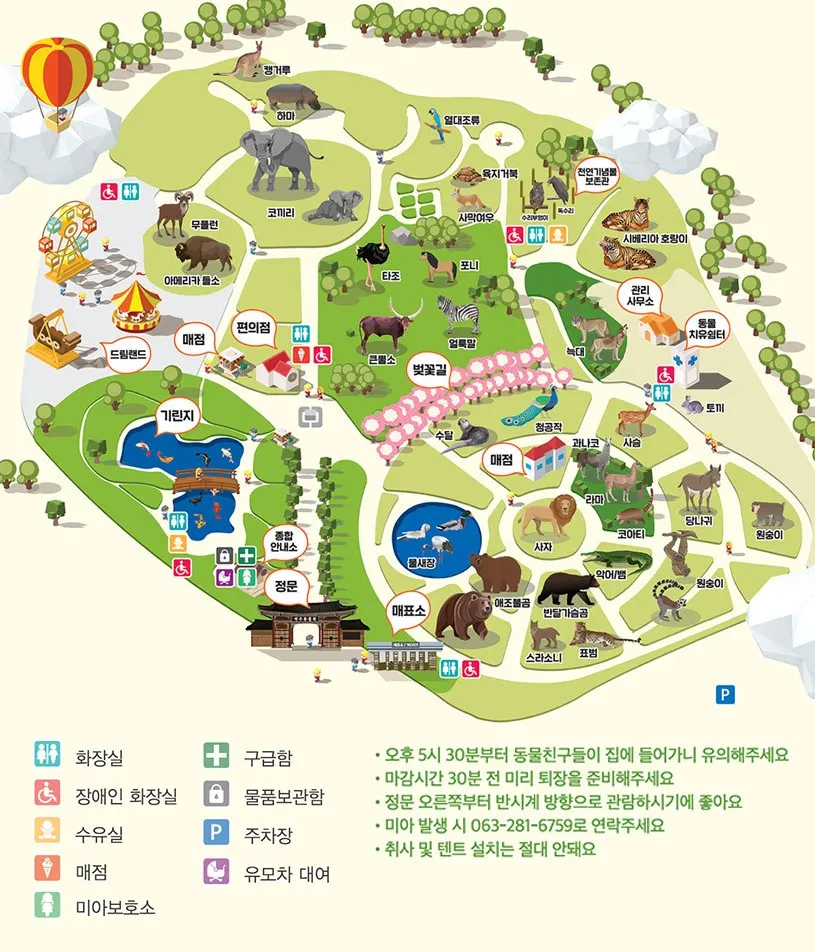
Jeonju ZooA family-friendly zoo where visitors can explore a variety of animals and green spaces together.
4
Jeonju ZooA family-friendly zoo where visitors can explore a variety of animals and green spaces together. -
 5
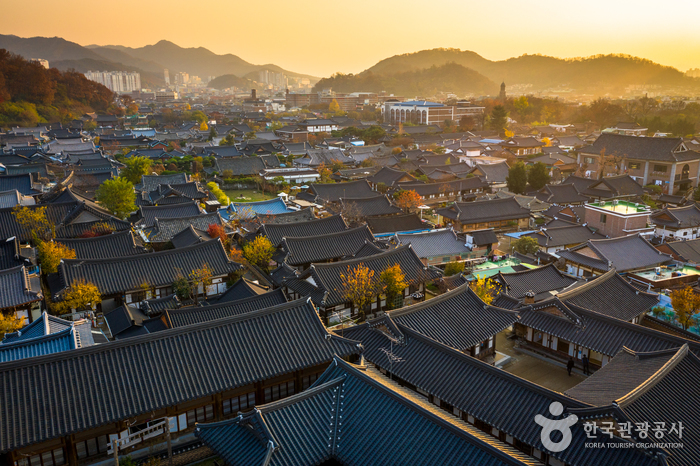
Jeonju Hanok VillageA tourist destination where you can stroll through hanok-lined alleys and enjoy traditional culture and local delicacies.
5
Jeonju Hanok VillageA tourist destination where you can stroll through hanok-lined alleys and enjoy traditional culture and local delicacies.
Food & Dining 1
-
 6
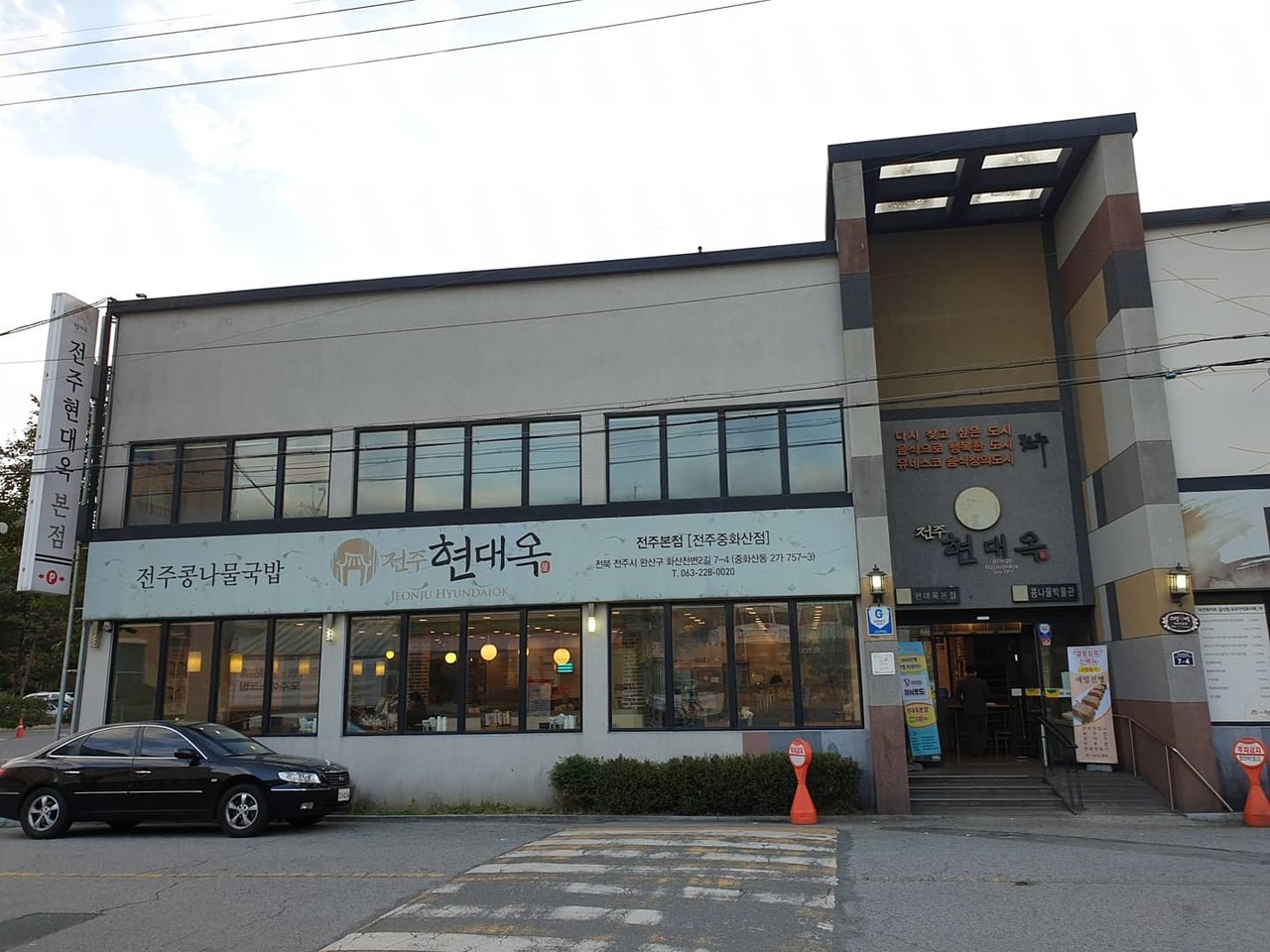
Hyundaiok Jeonju Main BranchA gukbap specialty restaurant serving toryeom-style bean sprout gukbap and moju.
6
Hyundaiok Jeonju Main BranchA gukbap specialty restaurant serving toryeom-style bean sprout gukbap and moju.
More Travel Guides in This Area
 Travel Guide
A Kettle-Centered Spread in Jeonju’s Samcheon-dong, Continuing Since the 1990s
 Travel Guide
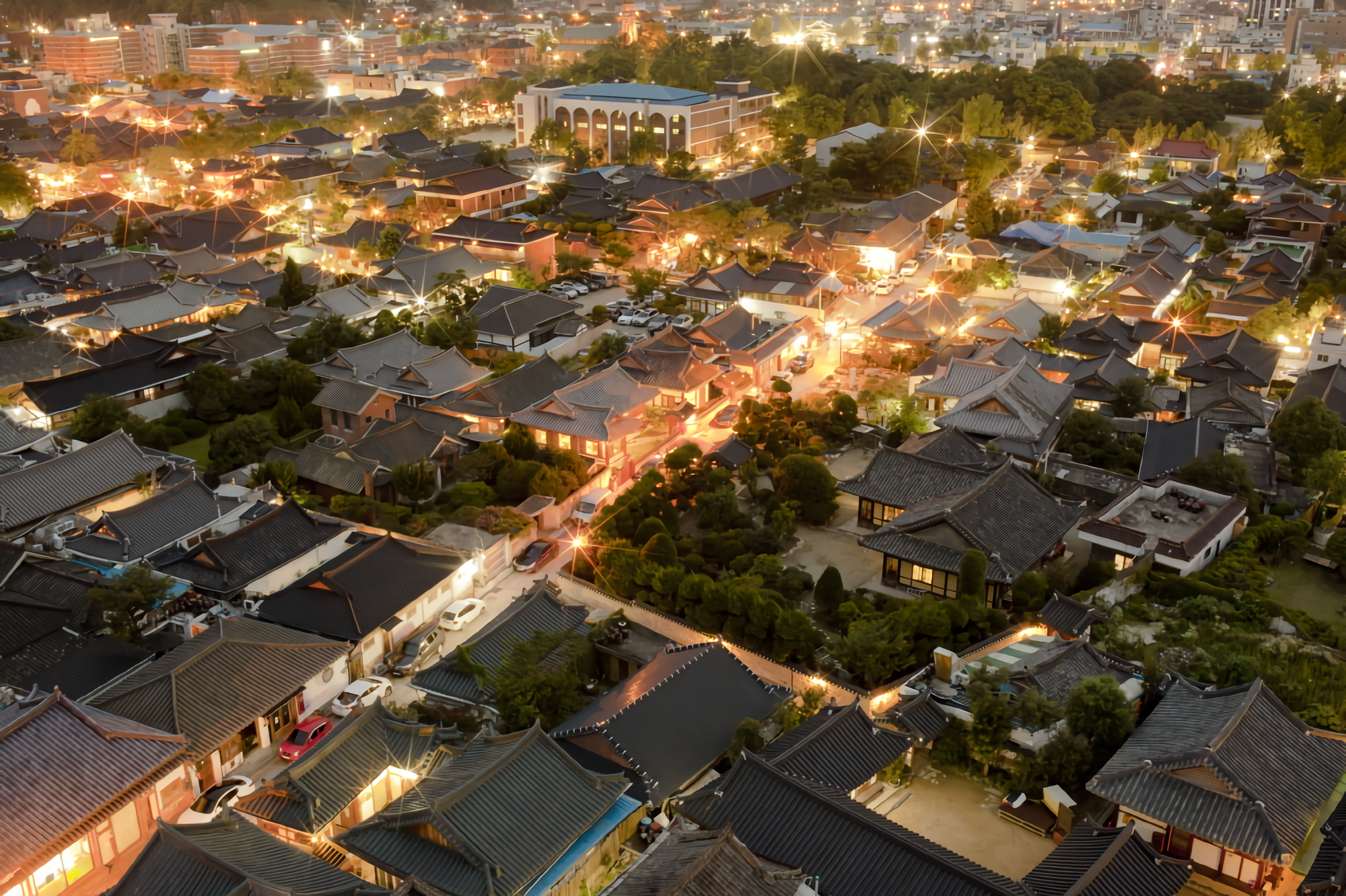
Under 700 Roofs, Jeonju Hanok Village Brings Together a Joseon Fortress Site and 1930s Residential Areas
 Travel Guide
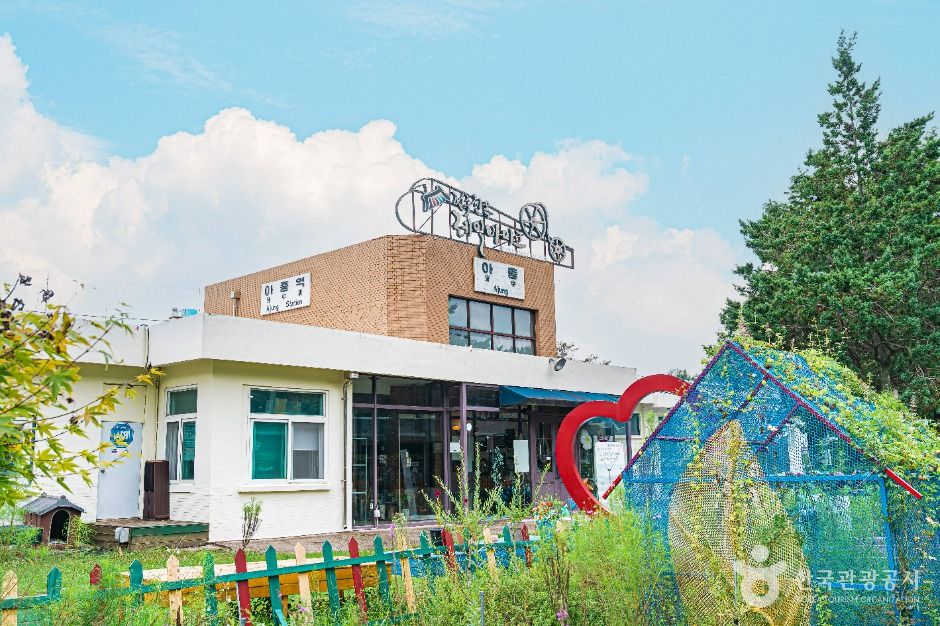
Jeonju Hanok Rail Bike on the Old Ajung Station Railway Line
 Travel Guide
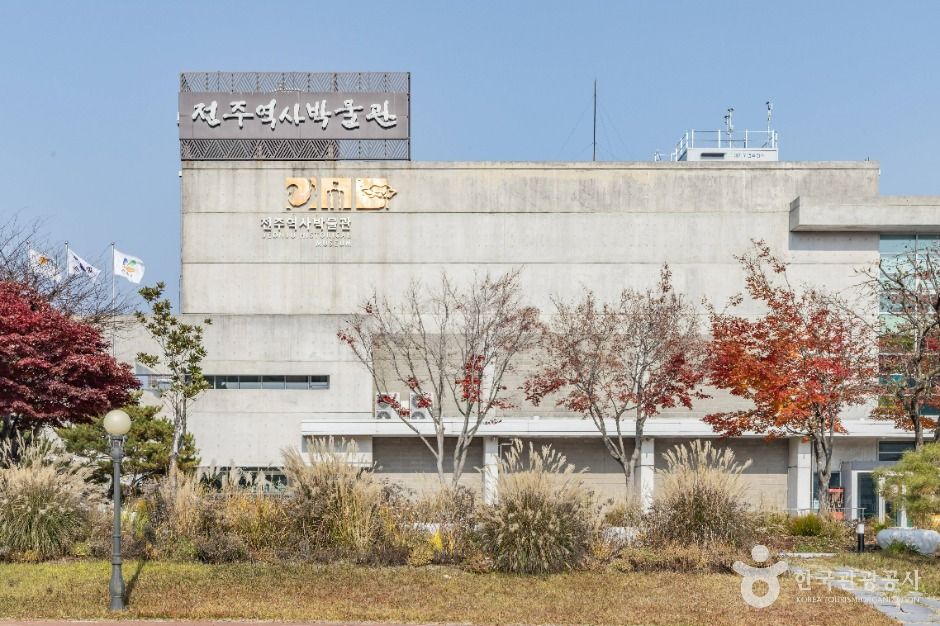
Jeonju History Museum
Korea News
![ZEROBASEONE ‘ZEROBASEONE Shining Even at Night!’ [★Video]](https://kotourlive-images.s3.ap-northeast-1.amazonaws.com/news/1786629298196_13d8a4bb_news_075face7-fb4e-402c-b833-25ccaf88cf8f.jpg) News
News
ZEROBASEONE ‘ZEROBASEONE Shining Even at Night!’ [★Video]
 News
News
Kwon Eun-bi, First Comeback Since Moving from Woollim to RBW: “Aiming for a September Release”
 News
News
“Did Jungkook’s connection continue?” Pop star Usher spotted warmly hugging BTS’s RM and J-Hope
 News
News