Meet the 1604 Wooden Amitabha Buddha at Buljeongsa Temple on Jeonju’s Godeoksan Mountain
Buljeongsa Temple, a Taego Order temple nestled in the forest of Godeoksan Mountain in Jeonju, is a quiet mountain temple on the slopes of Namgosanseong Fortress. Visitors can see a wooden seated Amitabha Tathagata statue made in 1604 and a Buddhist dharani woodblock from the Joseon period, but it is best to contact the temple in advance to confirm its hours and accessible areas.
I’ve been here?
Your check-in helps the next traveler.
26 people viewed this week Be the first
One tap — no writing needed
Buljeongsa Hidden in the Godeoksan Forest, East of Jeonju Namgosanseong Fortress
Buljeongsa is a Korean Buddhist Taego Order temple located on Godeoksan Mountain in Jeonju. It is situated in the Dongseohak-dong area of Wansan-gu, Jeonju, and its street address is 53-140, Namgosanseong 1-gil, Wansan-gu, Jeonju, Jeonbuk State, postal code 55113. Its lot-based address is 153-4, Dongseohak-dong, Wansan-gu, Jeonju, Jeonbuk State.
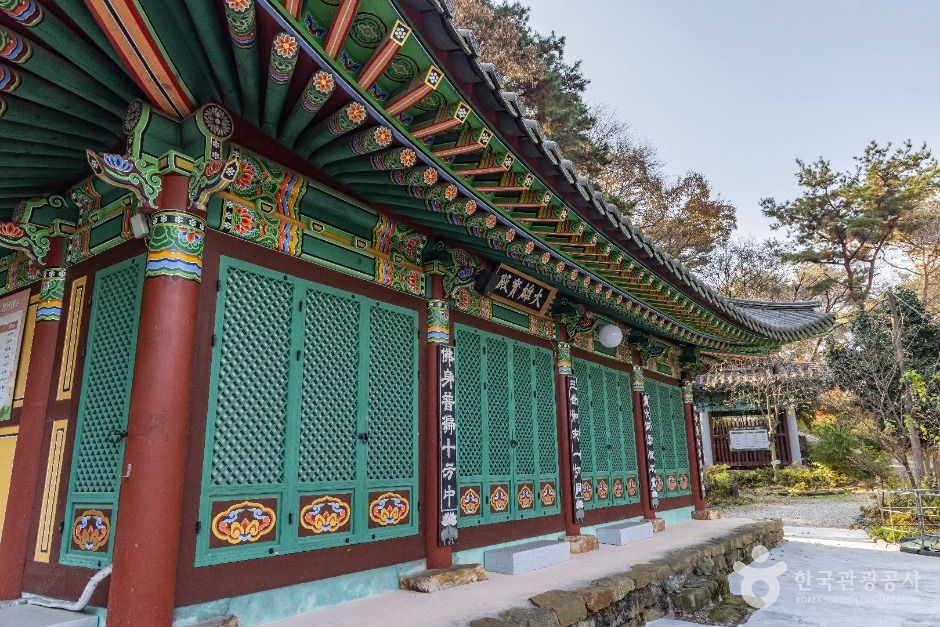
Buljeongsa lies east of Namgosanseong Fortress. It is described as a cool place because it is located in a deep, shaded forest on Godeoksan Mountain. The temple grounds contain Daeungjeon Hall, monks’ quarters, a mountain-spirit shrine, a bell pavilion, and various stone monuments. Tourism information for Buljeongsa was first registered on December 4, 2007, and the page was last modified on December 17, 2025.
The Story Behind the Name Change from ‘Bulgwangsa’ to Buljeongsa
Tourist information explains that Buljeongsa was formerly called Bulgwangsa. The name changed from Bulgwangsa, meaning “the Buddha’s teachings shine,” to Buljeongsa at some point, and it is said that the new name was chosen because the rounded shape of the mountain behind the temple resembles the Buddha’s head.
Local materials record Buljeongsa as a temple where Buddhist activities had taken place for a long time east of Namgosanseong Fortress. Along the foothills of Namgosanseong Fortress, Namgosa, Buljeongsa, and Seungamsa are located within walking distance of one another. Following Namgosanseong 1-gil, Namgosa appears first, followed by Buljeongsa farther up the same road.
Wooden Seated Amitabha Tathagata Statue Created in 1604 by Hyeonjin and His Group
Daeungjeon Hall at Buljeongsa enshrines a wooden seated Amitabha Buddha statue and a stone Arhat statue. The wooden seated Amitabha Tathagata statue was created in 1604 during the Joseon period as a collaborative work by Hyeonjin, Seokjun, Wono, Gakmin, and Haengsa. The Buddha statue is 36.5 cm high, 17.5 cm across the shoulders, and 25.0 cm across the knees.
The statue was regilded and repaired in Jeonju in 1896. A designation notice for Jeonbuk State Tangible Cultural Heritage dated May 20, 2022, lists “Wooden Seated Amitabha Tathagata Statue and Internal Relics of Buljeongsa Temple in Jeonju” as the subject. The quantity is one statue and one set of internal relics. The internal relics include one prayer text, one repair record, one relic container, one copy of the Lotus Sutra, one bead, and one glass plate, among other items.
What You Can See Inside Daeungjeon Hall and the Monks’ Quarters
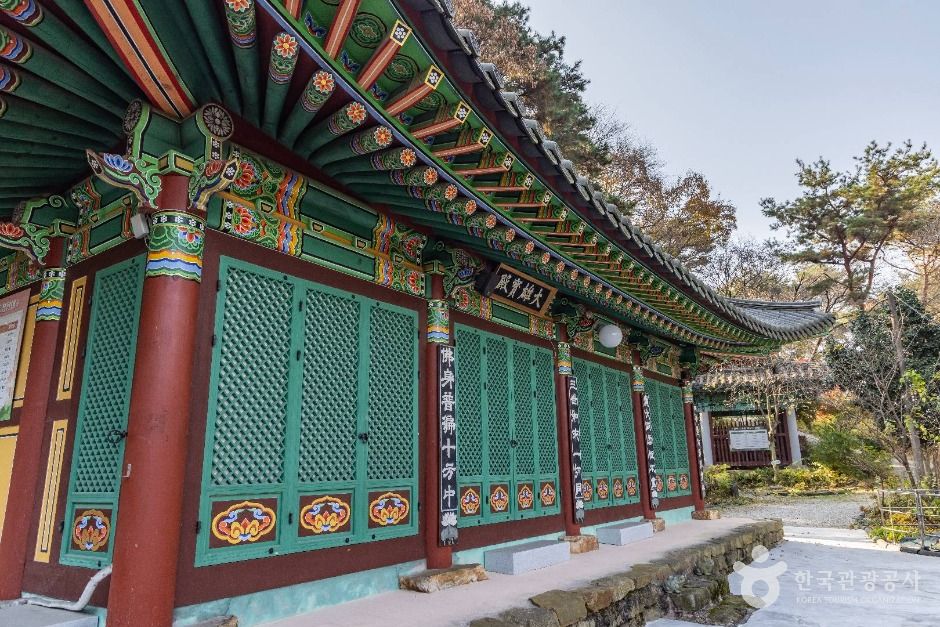
The main attractions at Buljeongsa are the wooden seated Amitabha Tathagata statue and the stone Arhat statue inside Daeungjeon Hall. However, publicly available materials do not confirm whether visitors can always view the statues up close or clarify photography restrictions and accessible areas. Since access to the halls may vary depending on Buddhist services and temple management, inquiries before visiting are recommended.
Records state that the monks’ quarters contain woodblocks inscribed with dharani texts from the Joseon period. Daeungjeon Hall, the monks’ quarters, the mountain-spirit shrine, and the bell pavilion are introduced as having forms different from conventional temple halls, while stone objects and statues are arranged throughout the grounds. Since no separate English information service is indicated, visitors should be prepared for the possibility of touring without explanations in English.
The Road from Jeonju’s National Route to About 200 m Before Namgosa
For visitors from outside the area, the simplest method is to enter Buljeongsa’s address into a taxi or navigation system from downtown Jeonju. According to local directions, from the national route between Jeonju and Namwon, turn up to the left of the Dongseohak-dong police substation, enter toward Namgosanseong Fortress, and then follow the road on the right uphill.
Buljeongsa is located about 200 m before reaching Namgosa. The road winds uphill, but local information describes it as not particularly difficult. However, publicly available materials do not provide bus routes, stops, or walking times, and indicate that the temple cannot be accessed by subway or low-floor bus. Parking is available, but the number of spaces and parking fees have not been disclosed.
Open Year-Round, but Operating Hours and Last Admission Are Not Published
As of the revision dated December 17, 2025, Buljeongsa is listed as open year-round. Separate operating hours and a last admission time have not been published, and other information also lists it as open year-round without specifying business hours. Admission is listed as free, or 0 won, as of September 2026, but the latest official or public-agency fee schedule could not be confirmed.
The visitor inquiry telephone number is 063-284-8025. No official independent website URL could be confirmed, and the tourism information page is the Korea Tourism Organization’s VisitKorea page. Asking in advance about access inside the halls, permitted photography, and whether cash payment is necessary can help avoid confusion on site.
A Mountain Temple Where Steps and Facilities Should Be Considered First
There is a level difference at the main entrance, and no elevator for visitors with disabilities. There is also no designated accessible parking space or accessible restroom, and wheelchair and stroller rental services are not provided. Accordingly, wheelchair and stroller users should consider both the uphill approach toward Namgosanseong Fortress and the level differences within the temple grounds.
Convenience services for visitors with visual or hearing impairments are unavailable, and there is no nursing room. A general restroom is reportedly available, but there is no accessible restroom. The site may suit visitors seeking a quiet mountain temple and views over Jeonju, but it may be inconvenient for travelers expecting detailed foreign-language interpretation or step-free routes.
An Itinerary Combining the Namgosanseong Temple Cluster at Sunset
Buljeongsa is introduced as a beautiful place to see the sunset. Temple scenery can be partially seen between the mountains and trees, and from some sections along the foothills of Namgosanseong Fortress, visitors can enjoy views of Jeonju spreading below. However, publicly available materials do not specify a recommended viewing duration.
A practical itinerary is to combine Namgosa and Buljeongsa along the foothills of Namgosanseong Fortress. The distance from Namgosa toward Buljeongsa is about 200 m, and Buljeongsa, Namgosa, and Seungamsa are introduced as a group of temples that can be visited on foot. If you plan to travel along the mountain road after sunset, consider the winding route and whether the halls are open; arriving while it is still light is safer.
Before You Go
- Address
- 53-140, Namgosanseong 1-gil, Wansan-gu, Jeonju, Jeonbuk State
- Hours
- Separate operating hours not confirmed
- Closed
- Open year-round
- Admission
- Listed as free admission (0 won). The latest official or public-agency fee schedule has not been confirmed.
- Phone
- 063-284-8025
- Official site
- https://korean.visitkorea.or.kr/detail/ms_detail.do?cotid=7b4dbcbd-4012-4033-b779-1531d2aec729
- Transport
- From the national route between Jeonju and Namwon, go up to the left of the Dongseohak-dong police substation, enter toward Namgosanseong Fortress, and follow the road on the right. Buljeongsa is located about 200 m before Namgosa.
- Parking
- Parking available. The number of spaces and parking fees have not been confirmed.
- Accessibility
- There is a level difference at the main entrance, and no accessible restroom, elevator, designated accessible parking space, wheelchair rental, or stroller rental. The site is indicated as inaccessible by subway or low-floor bus.
The information above is based on the time of writing. Check official information again before visiting.

Places
Nearby Attractions 3
-
 1
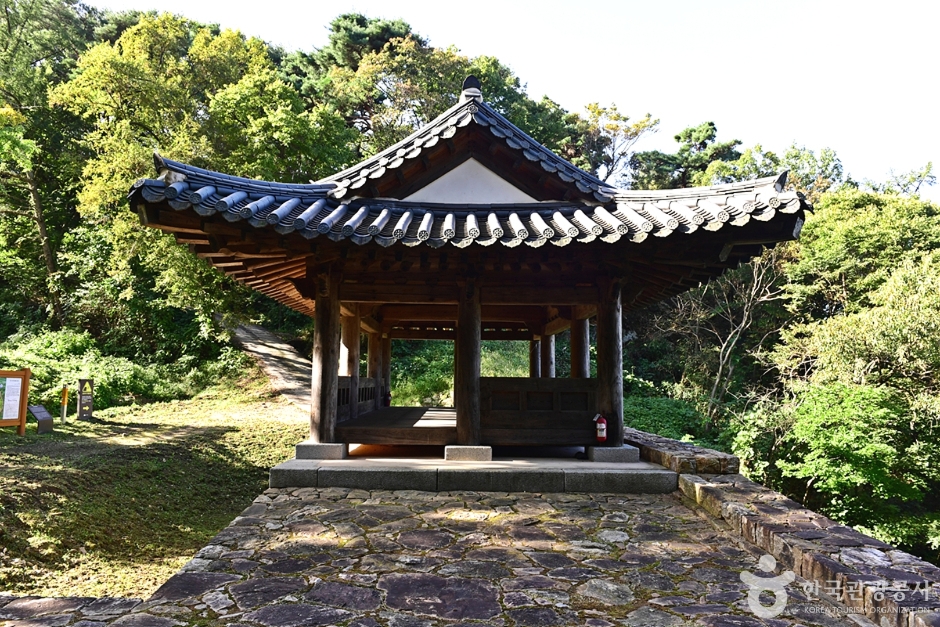
Namgosanseong Fortress, JeonjuA place where you can walk along the fortress walls and enjoy views of Jeonju’s urban landscape and surrounding mountains.
1
Namgosanseong Fortress, JeonjuA place where you can walk along the fortress walls and enjoy views of Jeonju’s urban landscape and surrounding mountains. -
 2
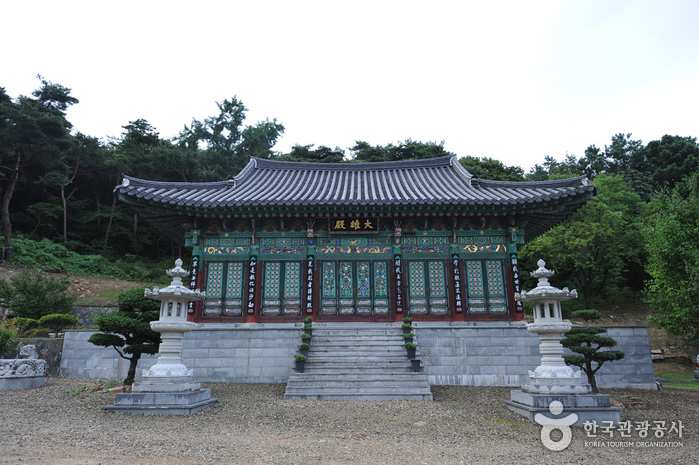
Namgosa TempleA temple offering both a tranquil mountain retreat and views over Jeonju’s urban landscape
2
Namgosa TempleA temple offering both a tranquil mountain retreat and views over Jeonju’s urban landscape -
 3
3
Food & Dining 3
-
 4
4
-
 5
5
-
 6
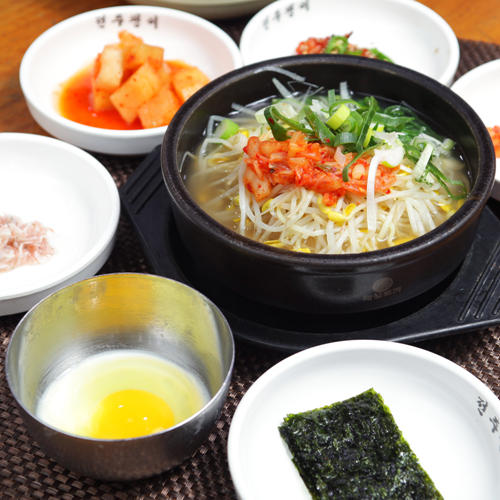
Jeonju Waengi Bean Sprout Soup RestaurantA restaurant specializing in Jeonju-style bean sprout soup and moju
6
Jeonju Waengi Bean Sprout Soup RestaurantA restaurant specializing in Jeonju-style bean sprout soup and moju
More Travel Guides in This Area
 Travel Guide
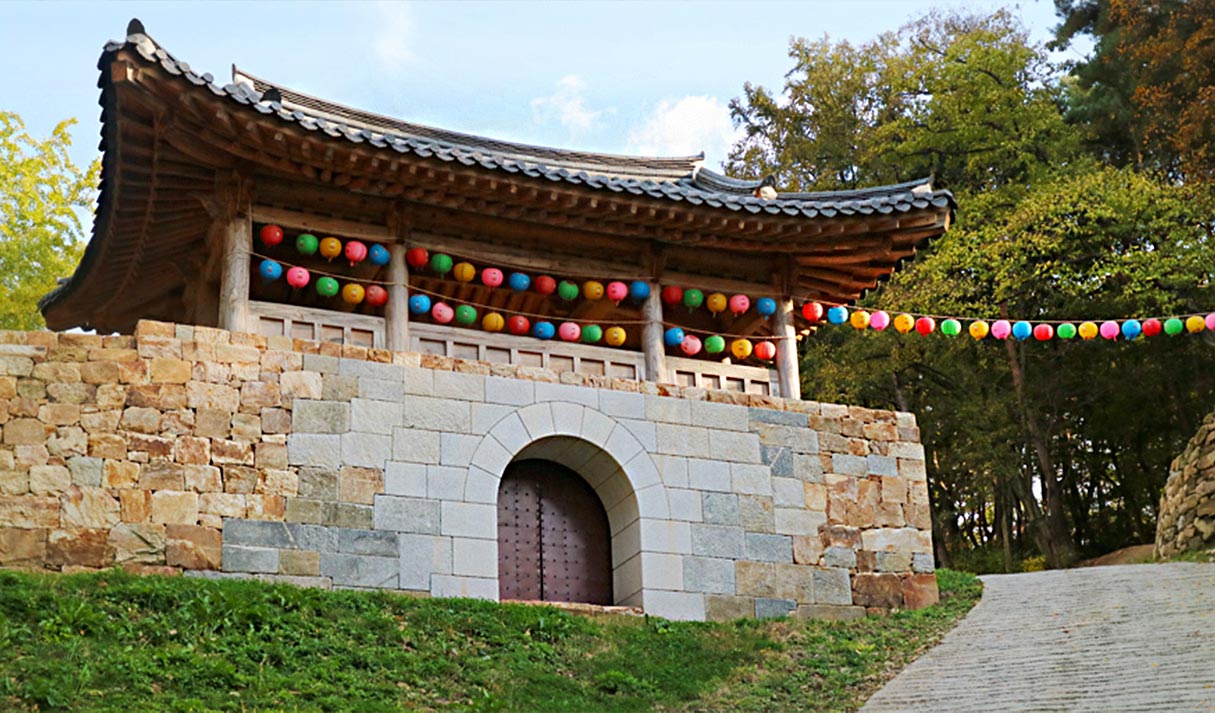
Namgօ Fortress in Jeonju: Baekje Fortress Ridges and Namgosa Temple
 Travel Guide
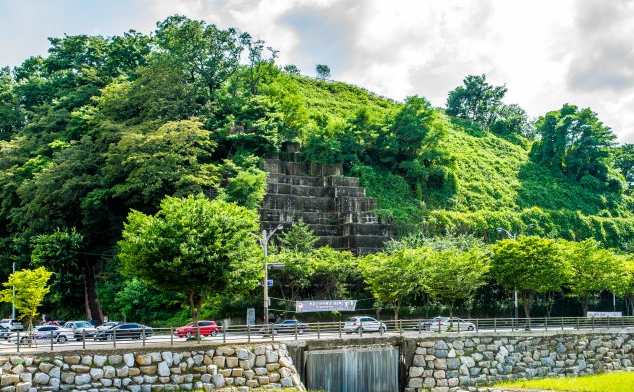
The Seven Martyrs at the Summit of Seungamsan Mountain and the 200 m Golgotha Way: Chimyongjasan Shrine
 Travel Guide
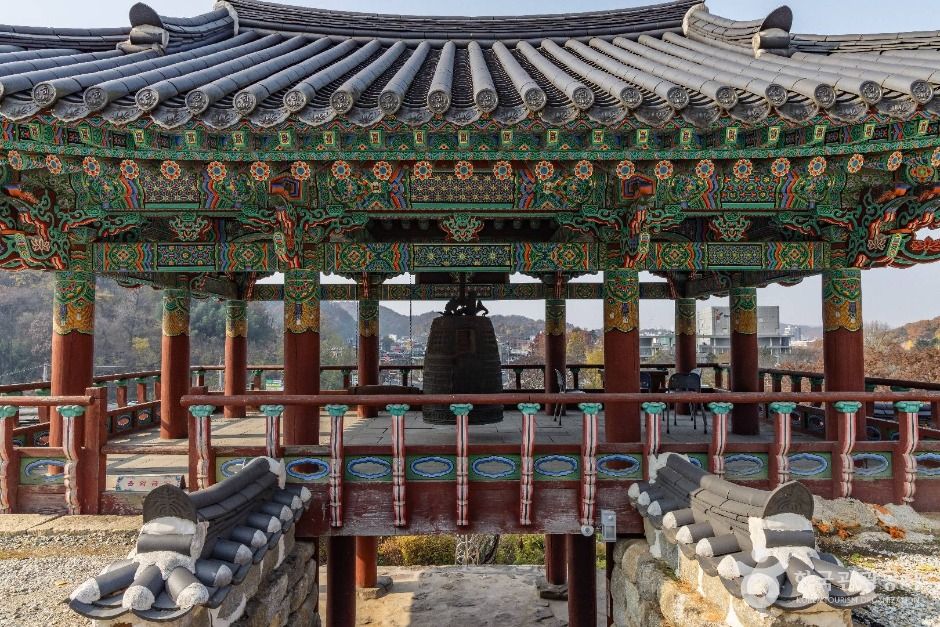
How to Walk Seungamsa Temple and the 3.4 km Baramssoeneun-gil Trail Together
 Travel Guide
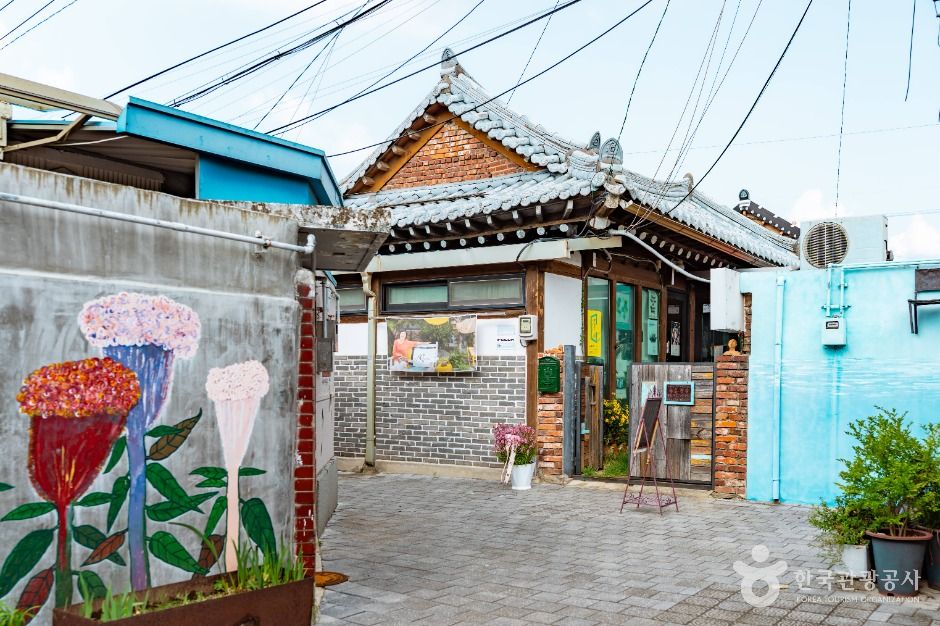
Photography and Jeonju’s Art Village at the Seohak-dong Photography Museum, at the End of a Hanok Alley
Korea News
![BLACKPINK’s Lisa Dominates the VMA Red Carpet in a Sheer Corset Dress and Red Fur [Star Issue]](https://kotourlive-images.s3.ap-northeast-1.amazonaws.com/news/1790557894714_010e956a_news_94409db1-fab6-40bf-bc7b-4b985b1fbac7.jpg) News
News
BLACKPINK’s Lisa Dominates the VMA Red Carpet in a Sheer Corset Dress and Red Fur [Star Issue]
![BLACKPINK’s Jisoo Spotted by Surprise with BIGBANG in London… Their Special Loyalty as Labelmates [IS High Cut]](https://kotourlive-images.s3.ap-northeast-1.amazonaws.com/news/1790557854683_6ea979f5_news_caab62e5-8462-43c8-8622-da794f3df9de.png) News
News
BLACKPINK’s Jisoo Spotted by Surprise with BIGBANG in London… Their Special Loyalty as Labelmates [IS High Cut]
 News
News
Tattoos All Over Her Body… AOA’s Jimin Draws Shocked Attention After Kwon Mina’s ‘Bullying’ Allegations
![You’ll Have to Look Twice… Choi Min-a-soo Perfectly Pulls Off Everything from a Daring Illusion Dress at the Awards Ceremony to Long Braided Hair [RE:STAR]](https://kotourlive-images.s3.ap-northeast-1.amazonaws.com/news/1790492384850_1f293dad_news_d834c50e-0685-43ef-9aa5-6995cd6d8848.jpg) News
News