Namgօ Fortress in Jeonju: Baekje Fortress Ridges and Namgosa Temple
Namgo Fortress in Jeonju is a valley-enclosing stone fortress that surrounds the summit of Godeoksan Mountain and its valleys. It is a fortress walking destination where you can explore the walls, former gate sites, Namgosa Temple, Gwanseongmyo Shrine, and Mangyeongdae Pavilion along the ridge. Open year-round and free of charge, but public transportation and parking information is limited, and preparation for walking mountain trails is necessary.
I’ve been here?
Your check-in helps the next traveler.
20 people viewed this week Be the first
One tap — no writing needed
A Valley-Encircling Stone Fortress on Godeoksan Mountain at 274 m Above Sea Level
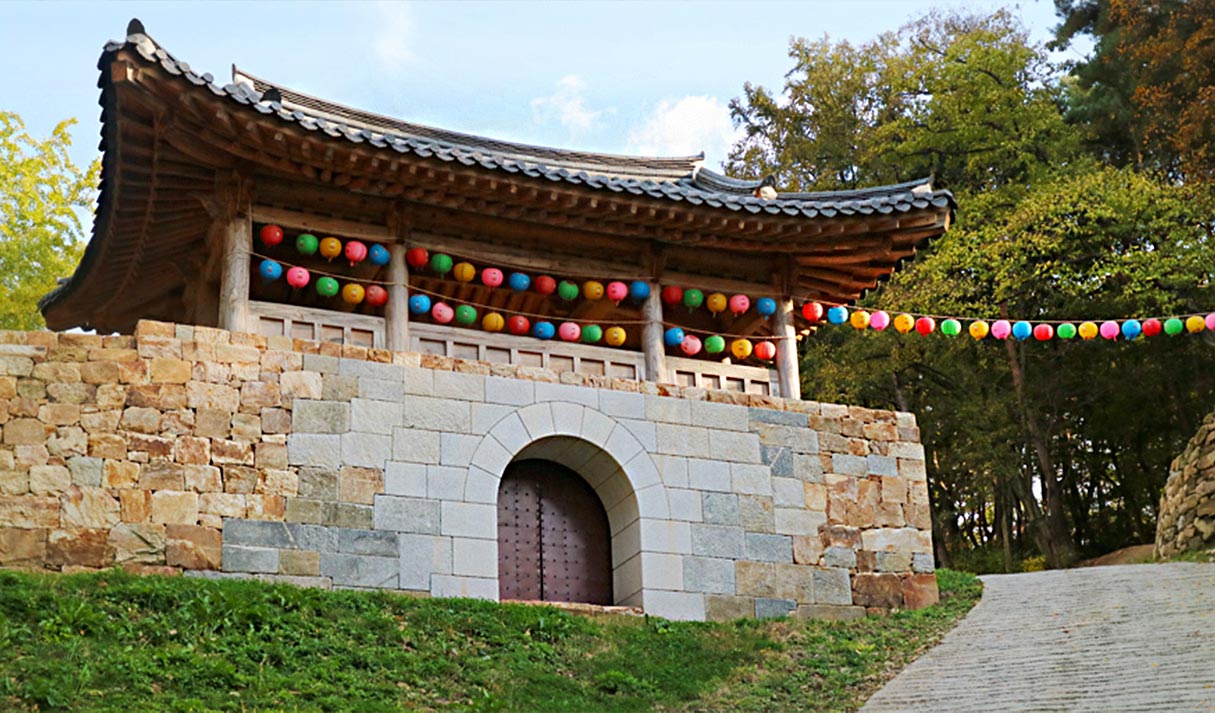
Namgoseongsan Fortress is a valley-encircling stone fortress situated on Godeoksan Mountain in Dongseohak-dong, Wansan-gu, Jeonju-si, Jeonbuk State. It surrounds the summit area of Namgoseongsan Fortress at 274 m above sea level and the southern valley, and was built around the northwestern valley, which opens toward Jeonju’s old city center.
The fortress walls follow the ridgelines of Godeoksan Mountain, Cheonggyeongdae, Mangyeongdae, and Eokgyeongdae. The terrain is higher in the southeast and lower in the northwest. The walls are 3–4 m high, the circumference is 2,950 m, and the area is 163,970㎡. The location recorded in the National Heritage records is San 228, Dongseohak-dong, Wansan-gu, Jeonju-si, Jeonbuk State, and the address provided for visitors is 641 Dongseohak-dong, Wansan-gu, Jeonju-si, Jeonbuk State.
The Possibilities of 685 and 757 and the Name Gyeonhwon Fortress
The original construction date of Namgoseongsan Fortress has not been conclusively established from the records alone. However, the Sejong Sillok jiriji records it as the “stone fortress of Godeoksan Mountain,” while the Sinjeung Dongguk yeoji seungnam describes it as an abandoned fortress, showing that its function and condition changed over time.
Excavation results have raised the possibility that its construction dates back to the Unified Silla period. It may have been built in 685, the fifth year of King Sinmun, when Wansanju was established, or in 757, the sixteenth year of King Gyeongdeok, when Wansanju was renamed Jeonju. Its purpose may also have included controlling the route from Jeonju to Namwon. Other names for the fortress are Gyeonhwon Fortress and Godeoksan Fortress.
From the 1811 Expansion to the Establishment of Namgojin in 1813
The fortress that remains today reflects both later repairs and military reorganization. Governor Yi Sang-hwang began expanding it in 1811, the eleventh year of King Sunjo’s reign, and Governor Bak Yun-su completed the work the following year.
In 1813, the thirteenth year of King Sunjo’s reign, Namgoseongsan Fortress was built within Jeonju-bu and a military garrison was established, with a byeoljang, a military post of the Joseon period, appointed. Jeonju’s official tourism guide explains that the existing walls were constructed for defense during the Imjin War and rebuilt in 1813. Visitors should therefore understand the fortress not as a relic from a single period, but as a space where defensive facilities from several periods overlap.
The 1991 Excavation of Gate Sites and Traces of Square-cut Masonry
For maintenance and restoration, excavation surveys were conducted in 1991 at the western gate site and the southern-wall secret gate site; both ruins have now been restored. The National Heritage Digital Records also include materials on the northeastern and northwestern fortress walls, allowing visitors to compare different sides of the fortification.
In 2015 and 2016, surveys were conducted on the southeastern section of the wall and on building sites attached to it. The surveys found that the wall had been reduced and rebuilt once after its initial construction. In the original section, foundation stones were laid at the lowest level and then the wall was built inward. Processed square-cut stones were arranged in regular horizontal courses, wedge stones were driven into gaps in the rebuilt section, and the foundation of a parapet measuring 110 cm wide remains at the top.
Namgosa Temple, Gwanseongmyo Shrine, and the Namgojin Monument in One Area
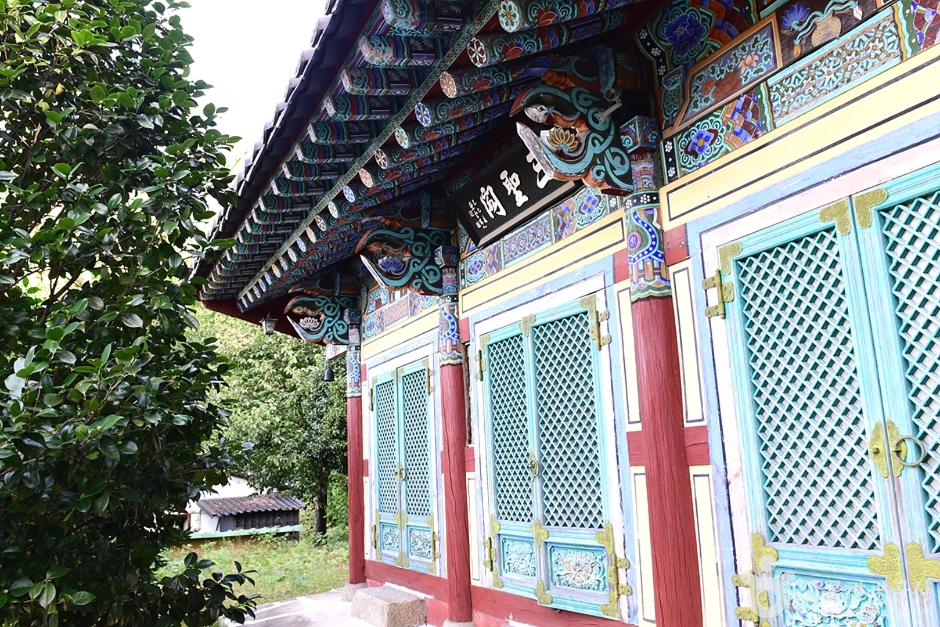
Namgosa Temple, Gwanseongmyo Shrine, and the Namgojin Monument remain inside the fortress. Gwanseongmyo is a shrine dedicated to General Guan Yu, while the Namgojin Monument is introduced as a commemorative monument recording the fortress’s structure and scale.
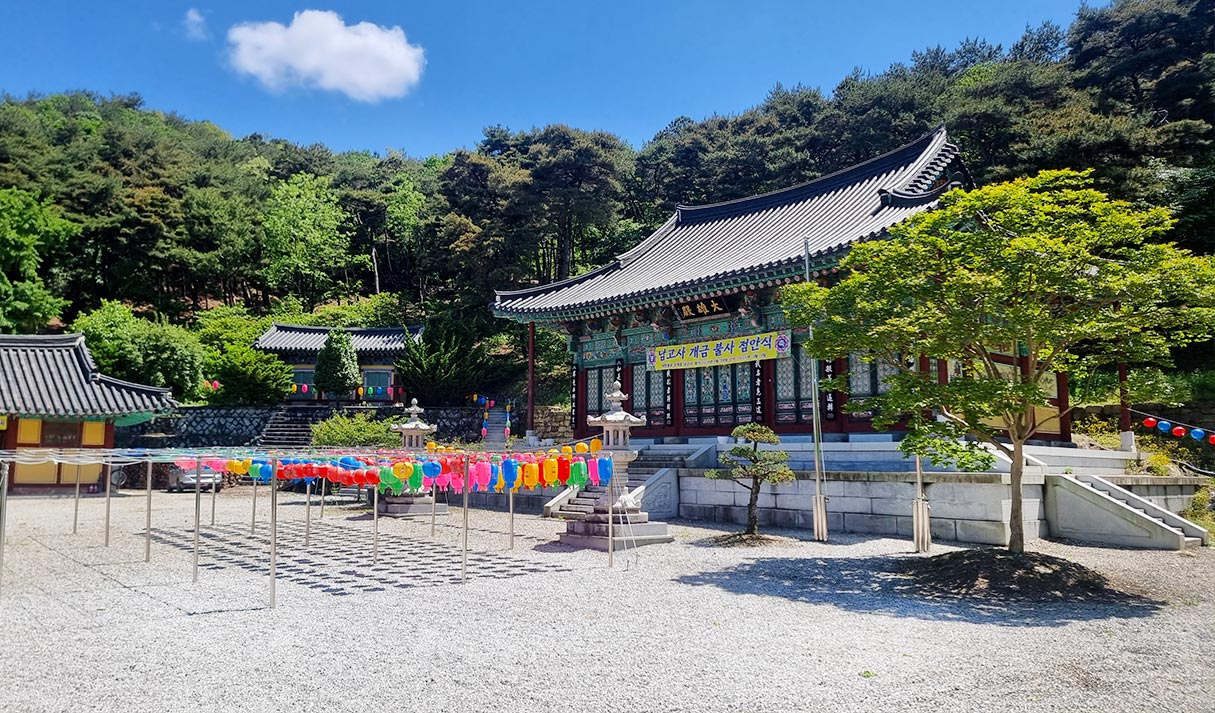
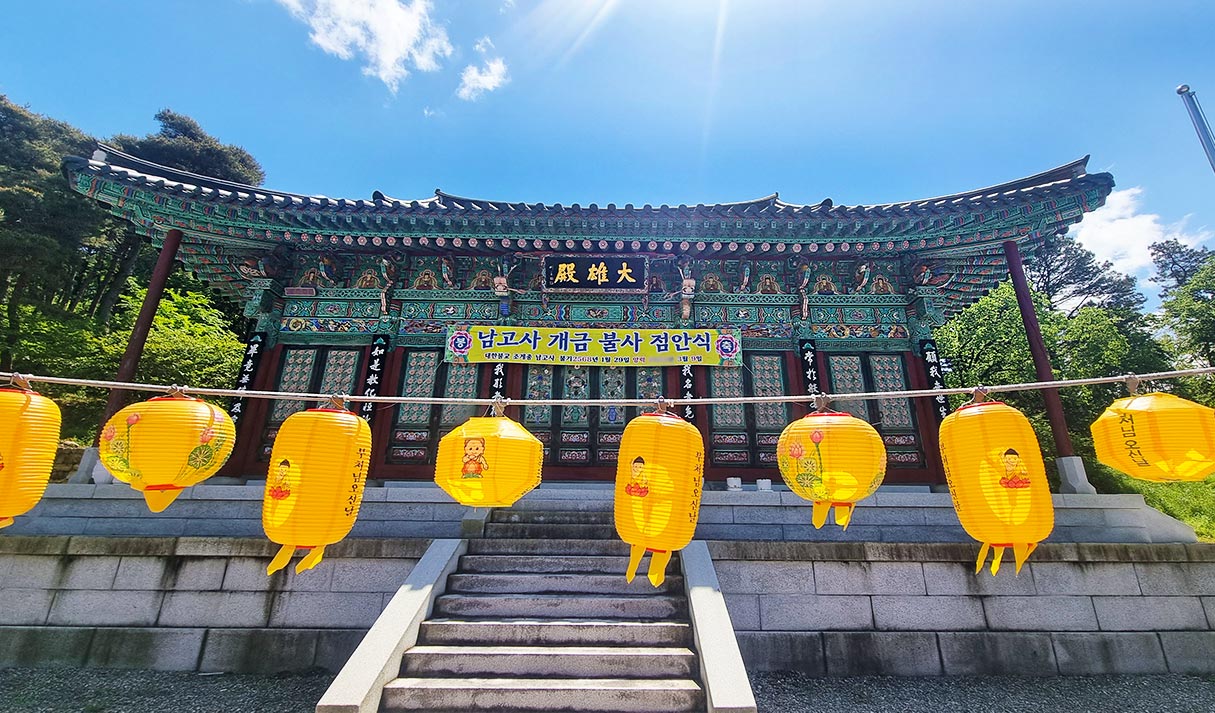
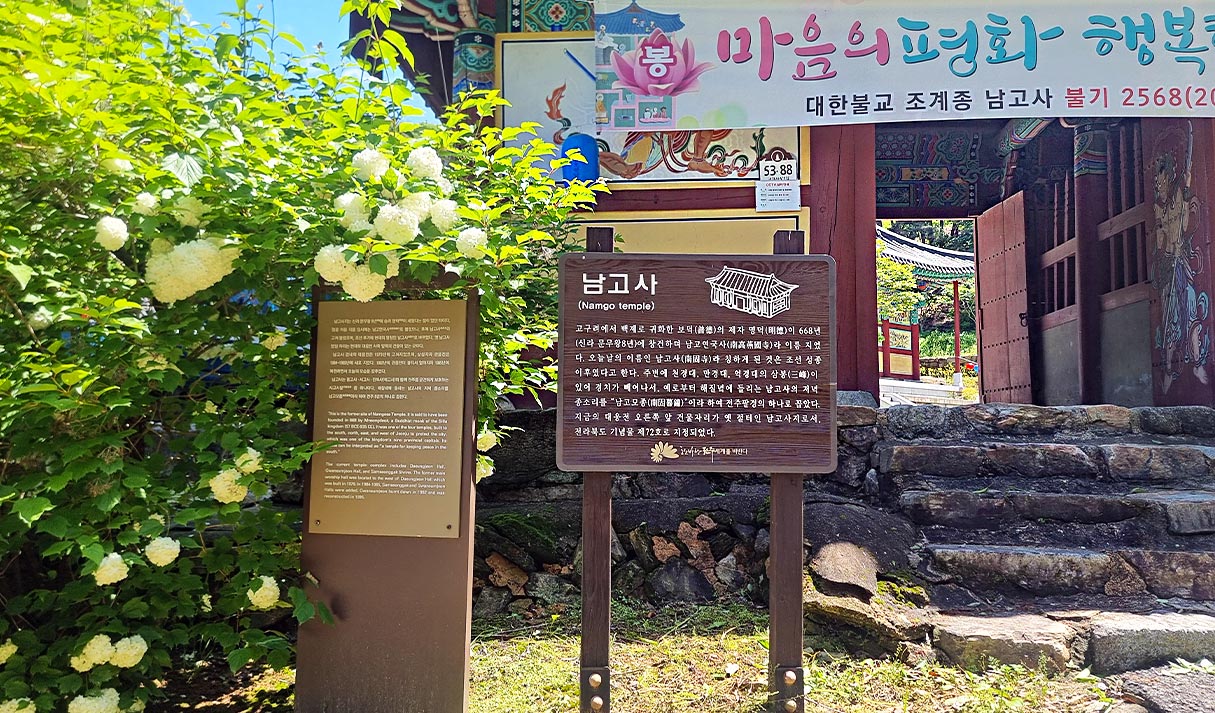
Jeonju’s official tourism guide introduces Namgosa Temple as having been founded by Myeongdeok in 668, the eighth year of King Munmu of Silla, and originally being called Namgoyeongguksa. The name Namgosa came into use after the reign of King Seongjong of Joseon. The temple compound consists of Cheonwangmun Gate, Daeungjeon Hall, Gwaneumjeon Hall, and Samseonggak Pavilion. Namgosa was designated as a cultural heritage site in 1985, and Namgomojong, the evening bell, is introduced as one of Jeonju’s Eight Scenic Views.
Mangyeongdae near the Western Gate Site and Jeong Mong-ju’s Patriotic Poem
Mangyeongdae is a prominent rocky formation rising near the western gate site. A patriotic poem by Jeong Mong-ju, a late Goryeo scholar-official, is engraved on the southern cliff, allowing visitors to examine the fortress’s military remains and literary traces in one place.
Eokgyeongdae is introduced as offering broad views, while the area below Namgosa provides vistas overlooking downtown Jeonju. Cheongyeondae has a temple surrounded by forest, and the route combining the fortress-wall ridges with the temple and rocky terrain is the core experience of Namgoseongsan Fortress.
How to Walk 3.8 km from Seohak-dong Art Village
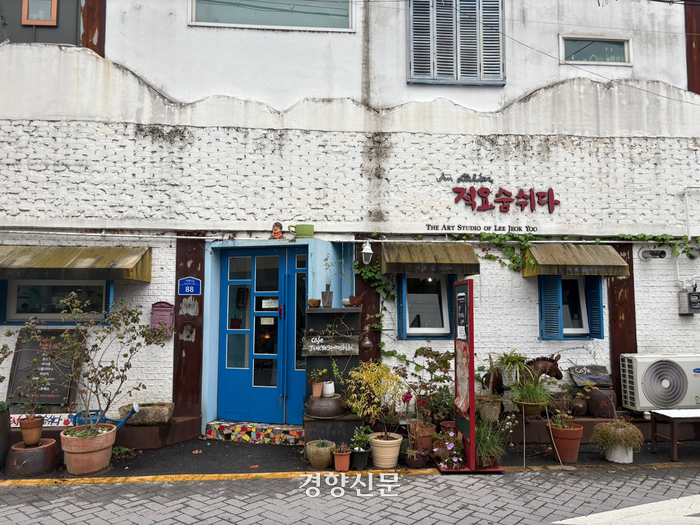
For foreign visitors coming to Jeonju for the first time, the most specific approach route is the official walking-tour course provided by Jeonju City. Starting at Omokgyo Bridge, it passes the National Intangible Heritage Center, Seohak-dong Art Village, Sinabro-gil, Chunggyeongsa Temple, Samgyeongsa Temple, and Gwanseongmyo Shrine in sequence before continuing to Namgosa, Mangyeongdae, and Yeonggyeongdae at Namgoseongsan Fortress.
The course is described as 3.8 km long and taking 1 hour 30 minutes. However, Namgoseongsan Fortress itself is a trekking-style attraction involving ridges and summit sections, so visitors should not skip sturdy walking shoes as they might at a flat tourist site. The National Heritage Digital Records also include a record of wooden materials falling from the northern-wall trail, so particular care should be taken with trail conditions after rain or snow.
Open at All Times and Free, but Not a Place with a Ticket Office
As of August 2026, Namgoseongsan Fortress is listed as open at all times, with free admission. It should therefore be planned not as a museum where visitors buy tickets at a designated ticket office before entering exhibition rooms, but as an outdoor heritage site where they walk along fortress walls and ridges and through gate-site and temple areas.
Information on closure days, parking availability and fees, bus routes and stops, photography restrictions, cash-only policies, English information and audio guides, and weather-related closures has not been separately confirmed. The telephone number listed in the official tourism guide is 063-222-1000, and the official information page is the Jeonju City tourism website. Jeonju’s guide describes the area as visitable within half a day, but this may differ from the time required to walk the entire 2,950 m fortress at a consistent pace.
- Opening hours: Open at all times
- Admission: Free
- Recommended stay: Within half a day according to Jeonju tourism information
- Inquiries: 063-222-1000
Before You Go
- Address
- 641 Dongseohak-dong, Wansan-gu, Jeonju-si, Jeonbuk State
- Hours
- Open at all times
- Admission
- Free
- Phone
- 063-222-1000
- Official site
- https://tour.jeonju.go.kr/eng/board/view.jeonju?boardId=BBS_0000016&dataSid=14522&menuCd=DOM_000000201005001000
- Transport
- Official Jeonju walking-tour course: Omokgyo Bridge → National Intangible Heritage Center → Seohak-dong Art Village → Sinabro-gil → Chunggyeongsa Temple → Samgyeongsa Temple → Gwanseongmyo Shrine → Namgoseongsan Fortress (Namgosa, Mangyeongdae, Yeonggyeongdae), 3.8 km · 1 hour 30 minutes
- Time needed
- Within half a day according to Jeonju tourism information
- Accessibility
- A trekking-style attraction involving fortress ridges and summit sections; a record confirms fallen wooden materials on the northern-wall trail
The information above is current as of the time of writing. Check the official information again before visiting.

Places
Nearby Attractions 3
-
 1
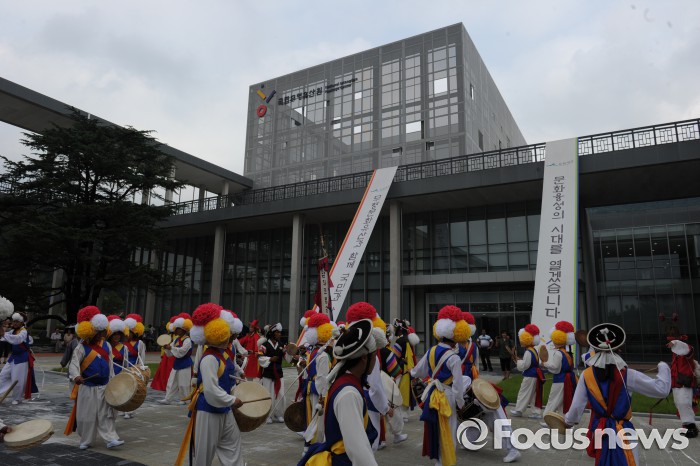
National Intangible Heritage CenterA cultural facility showcasing and offering hands-on experiences of Korea’s intangible heritage
1
National Intangible Heritage CenterA cultural facility showcasing and offering hands-on experiences of Korea’s intangible heritage -
 2
2
-
 3
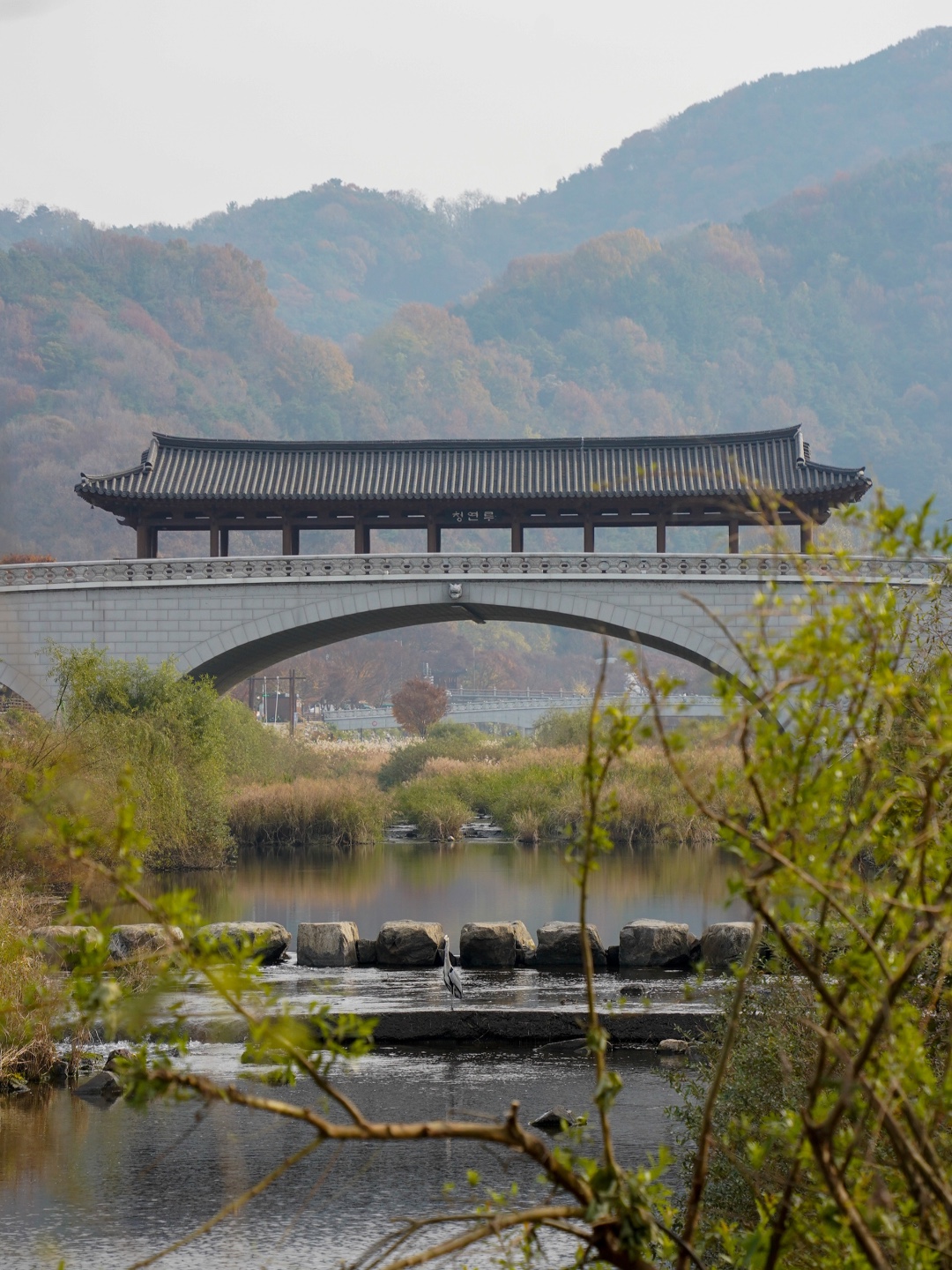
Namcheon Bridge Cheongyeonru PavilionA pavilion offering views of the Jeonjucheon Stream and the Hanok Village landscape
3
Namcheon Bridge Cheongyeonru PavilionA pavilion offering views of the Jeonjucheon Stream and the Hanok Village landscape
Food & Dining 3
-
 4
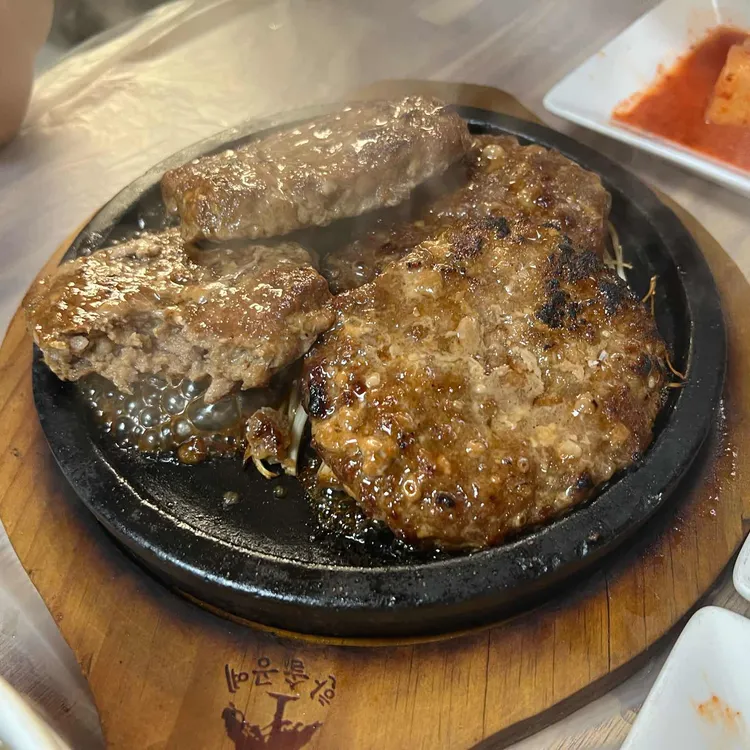
Gangchon TteokgalbiA place to enjoy traditional-style tteokgalbi and a Korean table setting.
4
Gangchon TteokgalbiA place to enjoy traditional-style tteokgalbi and a Korean table setting. -
 5
Veteran KalguksuA Jeonju-style kalguksu specialty restaurant featuring noodles with perilla seed powder and red pepper flakes.
5
Veteran KalguksuA Jeonju-style kalguksu specialty restaurant featuring noodles with perilla seed powder and red pepper flakes. -
 6
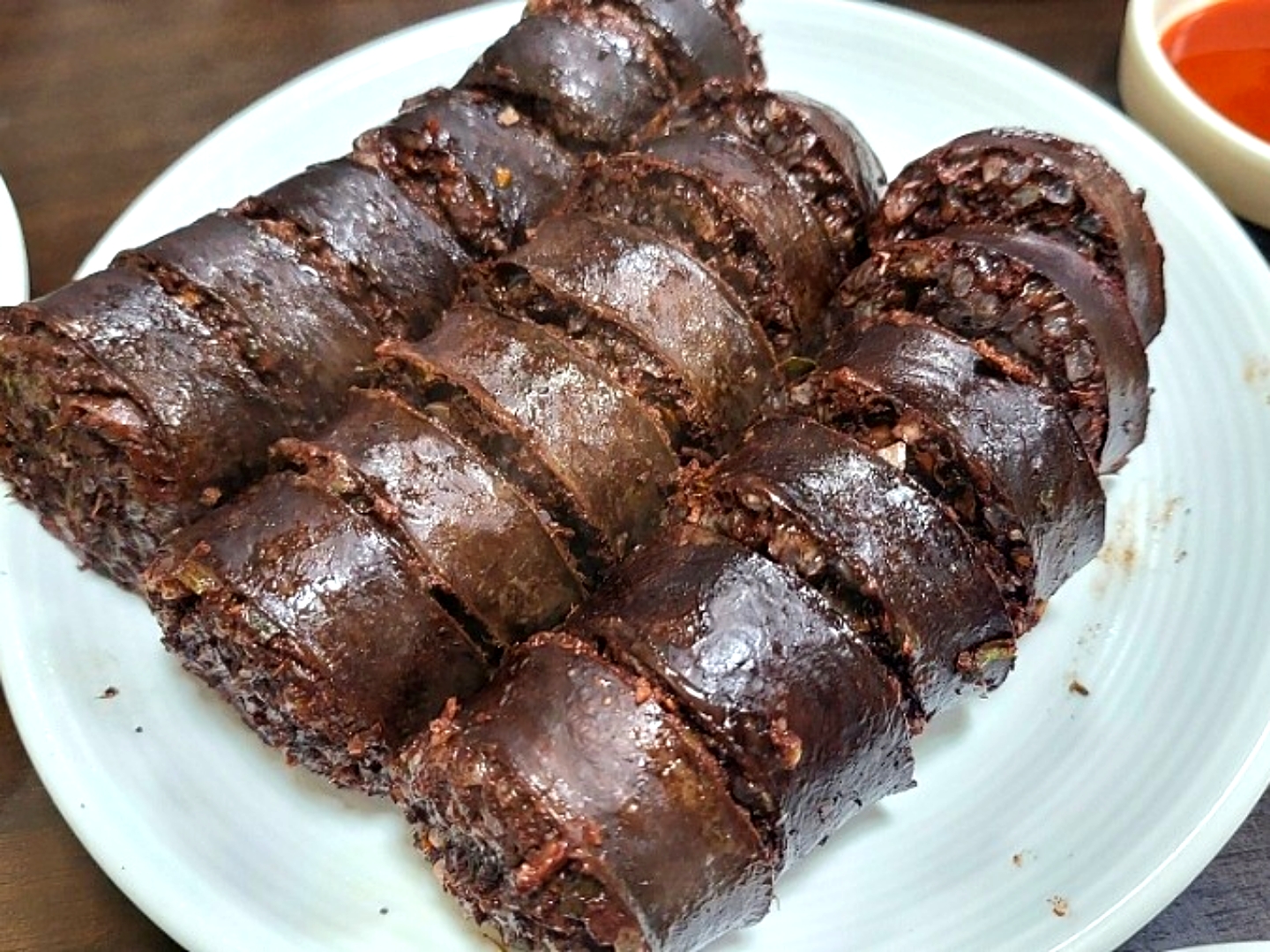
Jojeomrye Nammun Blood SausageA Nambu Market restaurant specializing in blood sausage and sundae-gukbap (blood sausage soup with rice).
6
Jojeomrye Nammun Blood SausageA Nambu Market restaurant specializing in blood sausage and sundae-gukbap (blood sausage soup with rice).
More Travel Guides in This Area
 Travel Guide
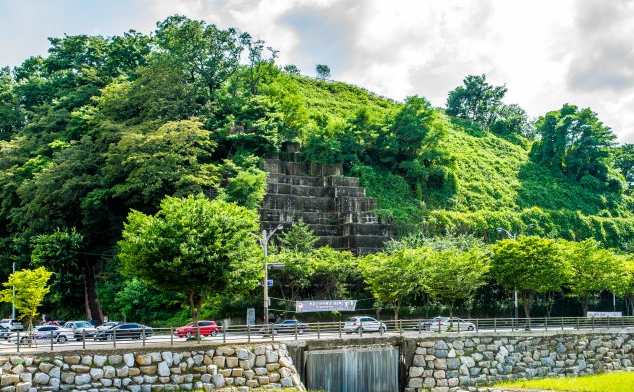
The Seven Martyrs at the Summit of Seungamsan Mountain and the 200 m Golgotha Way: Chimyongjasan Shrine
 Travel Guide
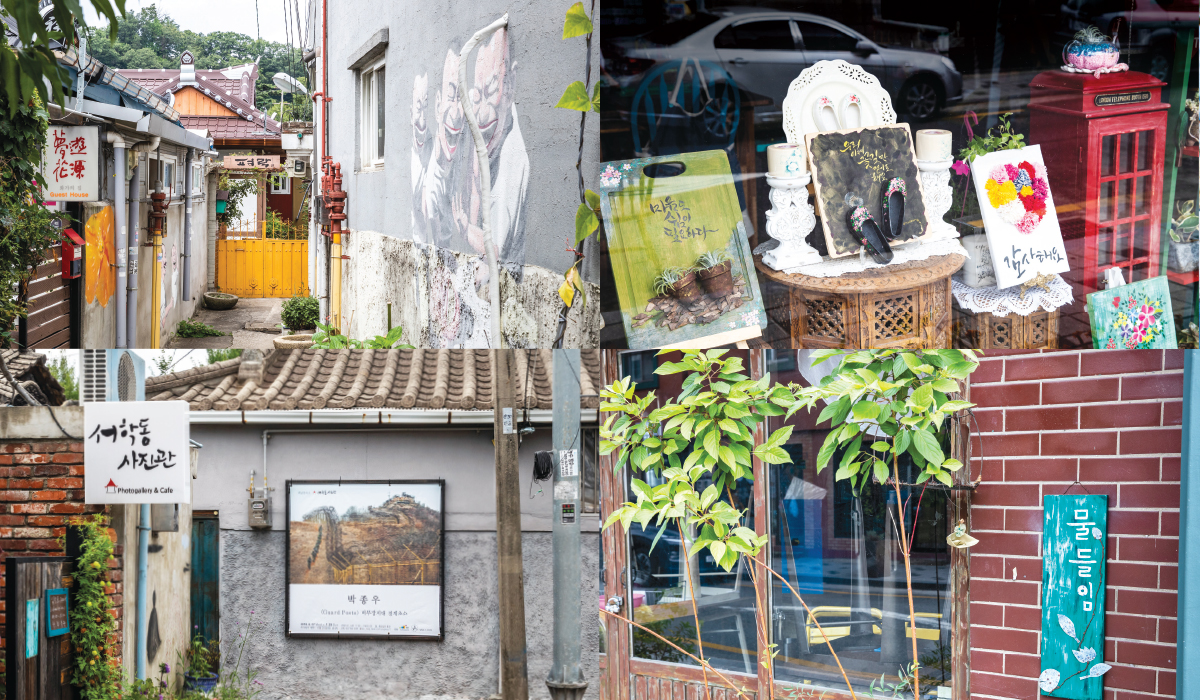
Creative Spaces to Discover in the Alleys of Seohak-dong Art Village
 Travel Guide
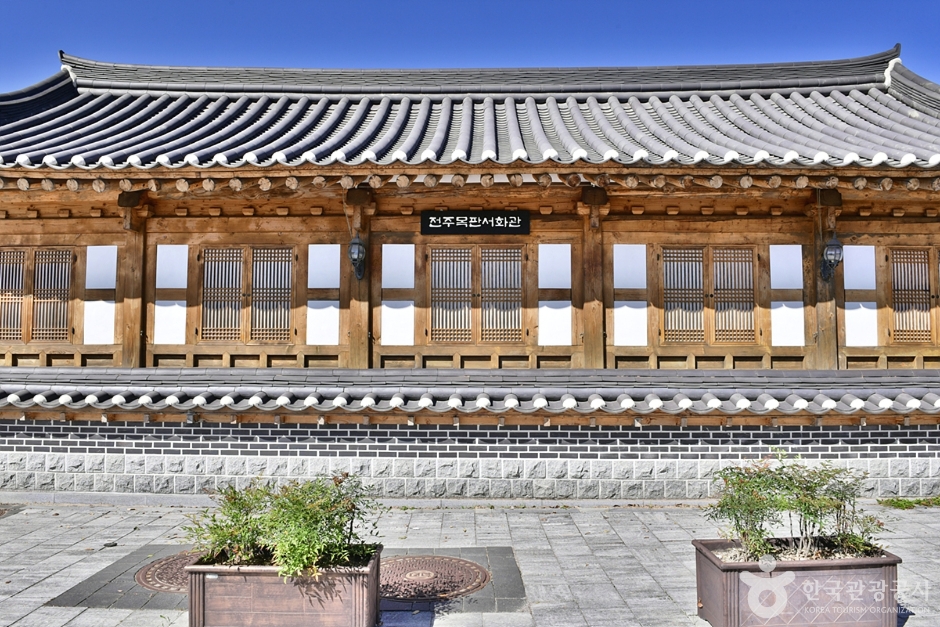
How to Make Your Own Wanpan Edition Print at the Jeonju Woodblock Printing and Calligraphy Experience Center
 Travel Guide
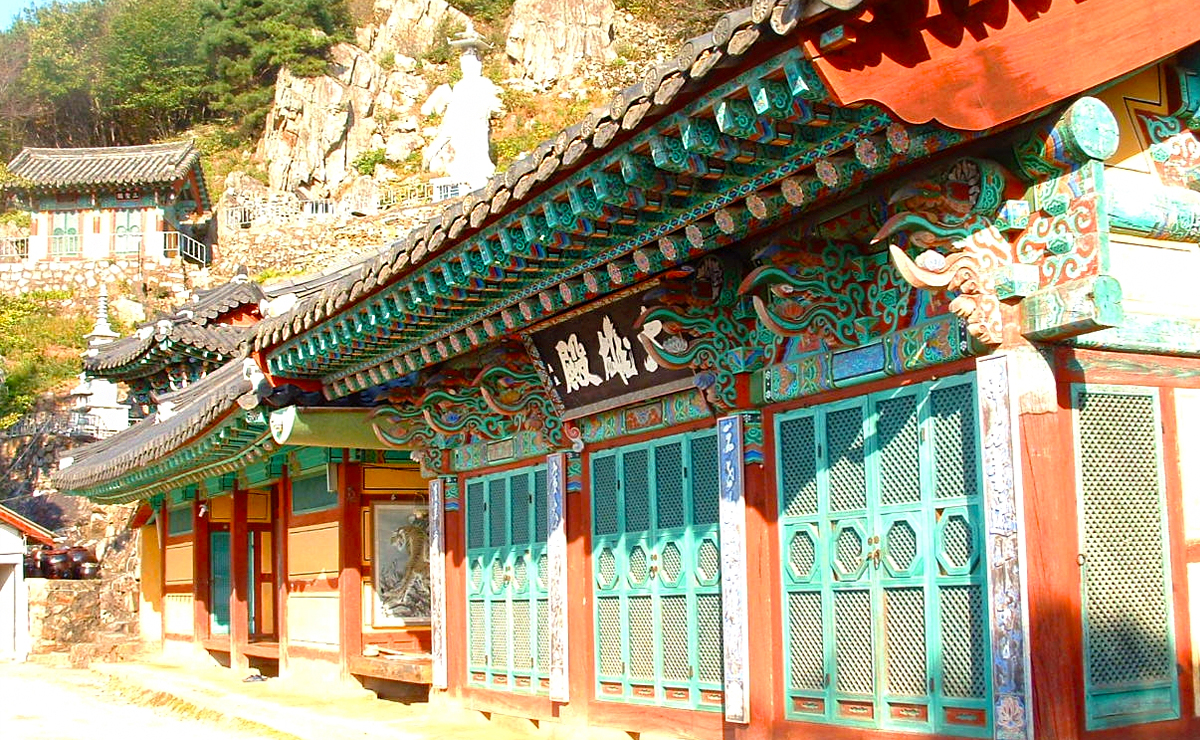
Donggosa Temple and Hanok Village Views on the Slopes of Seungamsan Mountain in Jeonju
Korea News
 News
News
‘NewJeans Expulsion’ Danielle Releases Her First YouTube Video… “We Don’t Know What Will Happen Next”
![aespa’s North American Tour Has Remaining Seats Despite ‘$49’ Bargain Prices… A Stark Popularity Gap with KATSEYE [TEN Starfield]](https://kotourlive-images.s3.ap-northeast-1.amazonaws.com/news/1788485037424_a59b1932_naver_rank_thumb_0000774618_1788485037424.jpg) News
News
aespa’s North American Tour Has Remaining Seats Despite ‘$49’ Bargain Prices… A Stark Popularity Gap with KATSEYE [TEN Starfield]
![[Photo] TWICE’s Dahyun attends a film festival red carpet as an actress](https://kotourlive-images.s3.ap-northeast-1.amazonaws.com/news/1788485316508_edd43ecd_news_870a60a6-6f11-4d73-aa7c-48d91318a0f7.jpg) News
News
[Photo] TWICE’s Dahyun attends a film festival red carpet as an actress
![[On-Site Video] “We’re Departing Separately Together”… BIGBANG Begins ‘COSMOS’ World Tour](https://kotourlive-images.s3.ap-northeast-1.amazonaws.com/news/1788485226518_c5719641_news_fdd4764a-0f4e-4968-8e4e-e98a02872f88.jpg) News
News