Jeonju Wooden Pillows and Kim Jong-yeon’s Woodcraft at Moguheon
Moguheon, across from Jeonju Hanok Village, is the workshop and exhibition space of Kim Jong-yeon, Jeollabuk-do Intangible Cultural Heritage No. 58 and a master of folk wood carving. Visitors can see traditional wooden pillows, the Ten Symbols of Longevity, Irworobongdo, and Buddhist statues, then check the opening hours, closing days, and parking information before visiting.

I’ve been here?
Your check-in helps the next traveler.
17 people viewed this week Be the first
One tap — no writing needed
Finding Moguuheon at 88 Girin-daero, beside the Jeonju Hanok Village Tourist Information Center
Moguuheon is located at 88 Girin-daero, Wansan-gu, Jeonju-si, Jeonbuk State, across from Jeonju Hanok Village and beside the Jeonju Hanok Village Tourist Information Center. It is introduced as a woodcraft space. Moguuheon is also marked on the 2024 Jeonju Hanok Village experience map, making the tourist information center a useful reference point for locating it within the village.
Station names, exit numbers, bus route numbers, and walking times to Moguuheon could not be confirmed from publicly available sources. Moguuheon's telephone number is 063-286-9285, so you can call ahead to ask about its location and whether it is open that day.
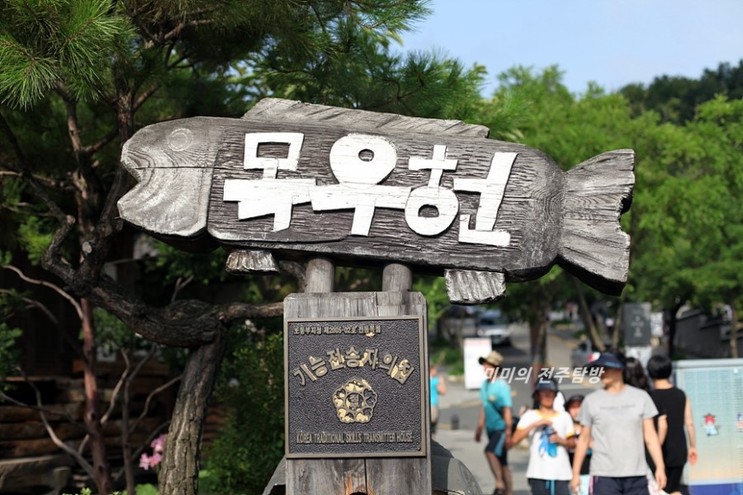
Open 09:00–17:30; closed Saturdays and Sundays
The currently listed hours are 09:00–17:30, and the weekly closing days are Saturday and Sunday. The final admission time and seasonal hours have not been confirmed, so it is safest to plan a visit during weekday daytime hours.
The admission fee for general exhibition viewing could not be confirmed. Previous materials listed wood engraving, traditional wooden wild goose, and nameplate-making programs at ₩10,000–₩15,000 for groups of five or more, with sessions lasting one to three hours, but whether these prices still apply in 2026 has not been confirmed.
No official website URL could be confirmed. You can use the Jeonju tourism information page together with the telephone number 063-286-9285 to check whether the site is operating that day and whether experiences are available.
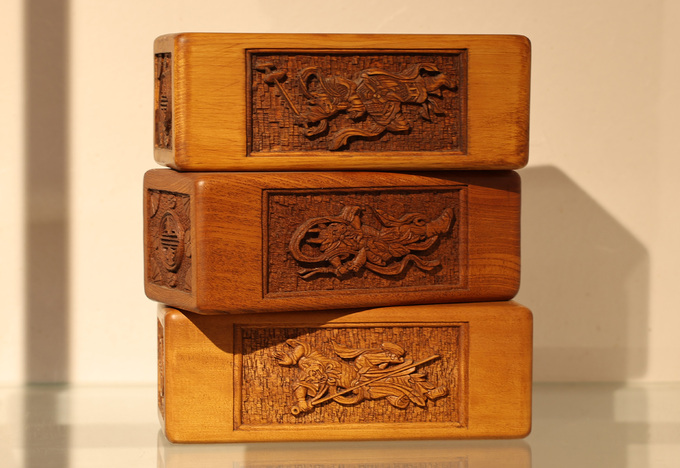
A name meaning “a house where one happens to meet wood”
Moguuheon (木遇軒) means “a house where one happens to meet wood,” and the name was given by literary figures including novelist Lee Byeong-cheon and poet Ahn Do-hyun. In 2002, it was introduced as a woodcraft workshop in Jeonju Hanok Village, and a 2010 report mentioned it as a facility where visitors could view contemporary craftworks.
This space is not merely a retail shop; it also serves as the workshop and exhibition hall of folk woodcarver Kim Jong-yeon. According to a 2018 report, it covers 244 square meters and has become a place to encounter contemporary woodcraft along the traditional cultural tourism route of Jeonju Hanok Village.
From 1981 to 1985, Kim Jong-yeon studied Buddhist sculpture under Park Chan-su, Woodcarving Master No. 108 of the Important Intangible Cultural Heritage, at the Mok-A Museum in Yeoju, Gyeonggi Province. His settlement in Jeonju after making Buddhist statues following the 1986 fire at Geumsansa Temple in Gimje provides useful background for understanding Moguuheon as a working studio.
The workshop of Kim Jong-yeon, Jeonbuk Intangible Cultural Heritage No. 58
Kim Jong-yeon is a folk woodcarving master designated as Jeonbuk Intangible Cultural Heritage No. 58 and has been introduced as a Master Craftsman of the Republic of Korea recognized by the Ministry of Employment and Labor and the Human Resources Development Service of Korea. A 2023 report described him as a traditional wooden-pillow craft successor who has worked in woodcraft for 43 years and as the only traditional wooden-pillow craft successor in Korea.
His inspiration to begin recreating traditional wooden pillows came from a late-Joseon tiger-shaped wooden pillow brought by an antique dealer about 30 years ago. He later recreated duchim and jokchim, wooden pillows excavated from the Tomb of King Muryeong of Baekje, and entered graduate school later in life to study traditional wooden pillows and lacquerwork.
Hard specialty woods such as zelkova, birch, and jujube are used to make the pillows, while around 340 carving knives of different shapes and sizes are used for detailed carving. Kim Jong-yeon has stated that he is training around 20 successors in traditional wooden-pillow craftsmanship.
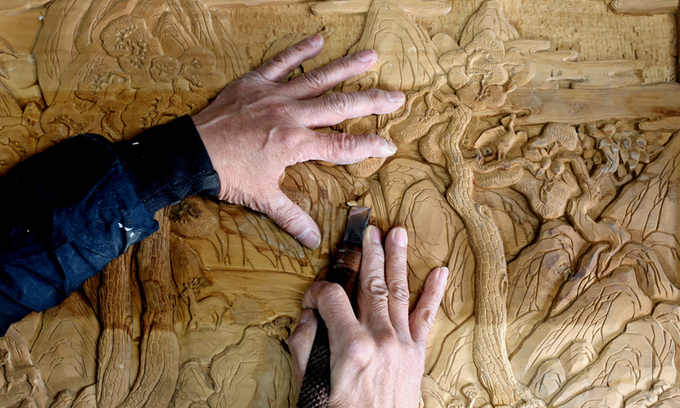
From tiger-shaped wooden pillows to the Ten Symbols of Longevity and Ilwol Obongdo
The exhibition is introduced as displaying works carved from wood, including traditional wooden pillows, the Ten Symbols of Longevity, Ilwol Obongdo, wooden Buddhist statues, and a wooden statue of Jesus on the cross. In the categories of household and decorative goods, dasik molds, yakgwa molds, wood engraving, and sculptural works are also mentioned.
Reported representative works include the Twelve-Animal Wooden Pillow and the Double-Lion Wooden Pillow. The tiger-shaped wooden pillow in particular has been described as having intricate and lavish carving. Traditional wooden pillows are characterized by symmetrical animal carvings, such as tigers and turtles, on the left and right, so they can be viewed as carved artworks rather than simple pillows.
When viewing the exhibition, it is appropriate to compare not only the animal carvings on the pillows but also works that transfer household tools and religious or royal-court painting imagery into wood. It has not been confirmed whether individual works have explanatory labels, English information, or audio guides.
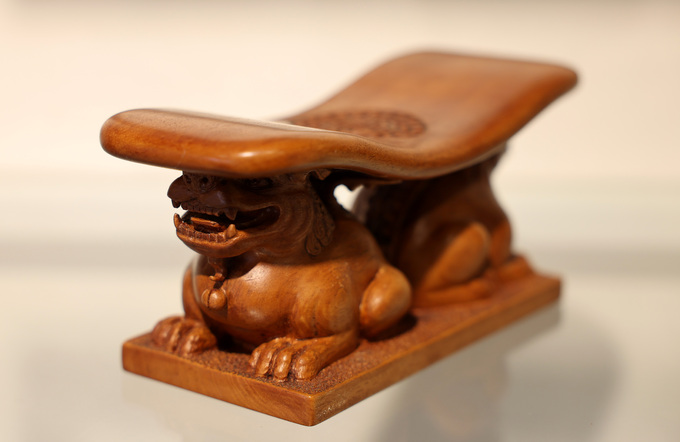
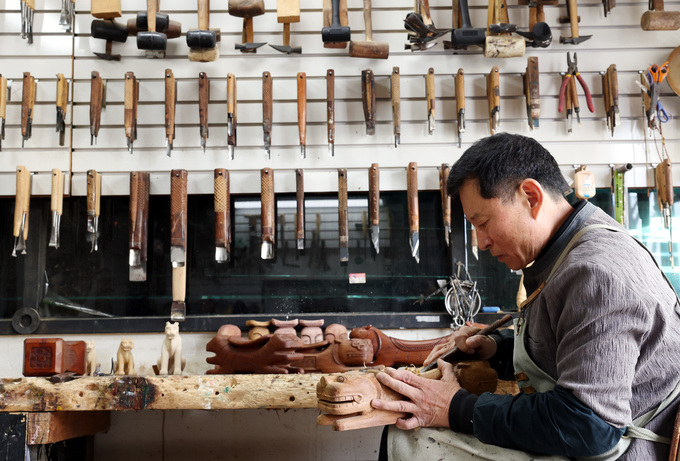
Current conditions for wood engraving, traditional wooden wild goose, and nameplate-making experiences
Moguuheon has introduced wood engraving, traditional wooden wild goose, and nameplate-making experiences. Previous experience materials listed sessions lasting one to three hours, with a minimum of five participants and fees of ₩10,000–₩15,000.
However, these prices were based on 2011 materials, and it has not been confirmed whether the operating days, reservation method, capacity, and fees remain the same in 2026. If you are visiting for an experience, first call 063-286-9285 with your preferred date, group size, and desired program.
Because the space serves as both a workshop and an exhibition hall, actual production work may be underway. Publicly available sources do not confirm the permitted extent of photography during experiences, how tools are used, conditions for children to participate, or whether explanations are available in English.
Photography is allowed, but dedicated parking and accessibility require separate confirmation
In 2026 guidance, Moguuheon was introduced as a place that is always open to the public and where visitors are not stopped from taking photographs of the works. However, because production takes place in the workshop, it is best to ask permission on site before photographing people or works currently in progress.
Whether Moguuheon has dedicated parking could not be confirmed. The nearby Jeonju Hanok Village Public Parking Lot No. 1 is listed at 99 Girin-daero, Wansan-gu, Jeonju-si, with a fee of ₩1,200 for the first 30 minutes, ₩600 for every additional 15 minutes, ₩2,400 for one hour, and ₩14,400 per day.
The entrance threshold, ramps, interior mobility, and recommended viewing time for wheelchair and stroller users could not be confirmed. Travelers who need to walk after parking and those using mobility aids should call 063-286-9285 before visiting to ask about physical access conditions.
Gyeonggijeon, Jeondong Cathedral, and Pungnammun after Moguuheon
Moguuheon is near Jeonju Hanok Village, Gyeonggijeon, Jeondong Cathedral, and Pungnammun. Rather than visiting Moguuheon on its own, you can therefore plan it together with the wooden architecture of the hanok village and Gyeonggijeon, Jeondong Cathedral, and Pungnammun within the same area.
However, the exact walking distances and travel times between each location could not be confirmed from publicly available sources. It is practical to mark 88 Girin-daero, Moguuheon's address, and the Jeonju Hanok Village Tourist Information Center on a map first, then include Moguuheon within the operating hours of 09:00–17:30.
Moguuheon focuses more on observing a workshop and exhibited works than on exploring the interior of a historic building in depth. It is better suited to travelers interested in production processes and everyday craft, such as traditional wooden pillows, wood engraving, and carving tools, than to those who want to visit only the major sights of the hanok village quickly.
Before You Go
- Address
- 88 Girin-daero, Wansan-gu, Jeonju-si, Jeonbuk State
- Hours
- 09:00–17:30
- Closed
- Every Saturday and Sunday
- Admission
- The general exhibition admission fee could not be confirmed. Previous experience programs were listed at ₩10,000–₩15,000 for groups of five or more.
- Phone
- 063-286-9285
- Official site
- https://tour.jeonju.go.kr/board/list.jeonju?boardId=BBS_0000003&contentsSid=1&paging=ok&startPage=2
- Transport
- Introduced as being beside the Jeonju Hanok Village Tourist Information Center, with Moguuheon marked on the 2024 Jeonju Hanok Village experience map. Station, exit, bus number, and walking time could not be confirmed.
- Parking
- Whether Moguuheon has dedicated parking could not be confirmed. Nearby paid public parking lots, including Jeonju Hanok Village Public Parking Lot No. 1 at 99 Girin-daero, Wansan-gu, Jeonju-si, may be used. Public parking fees are listed as ₩1,200 for the first 30 minutes, ₩600 for every additional 15 minutes, ₩2,400 for one hour, and ₩14,400 per day.
The information above is current as of the time of writing. Check the official information again before visiting.

Places
Nearby Attractions 3
-
 1
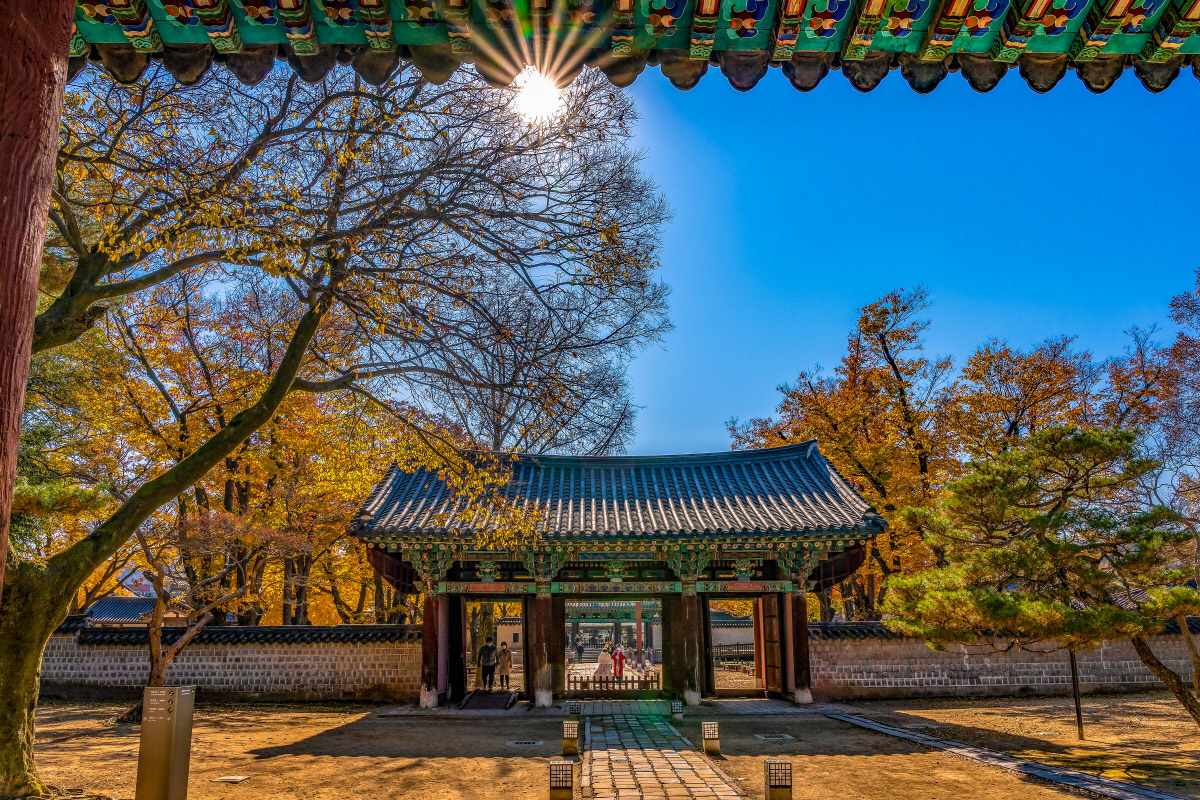
Gyeonggijeon ShrineA historic site where visitors can view the portrait of King Taejo, founder of the Joseon Dynasty, and the Jeonju History Repository.
1
Gyeonggijeon ShrineA historic site where visitors can view the portrait of King Taejo, founder of the Joseon Dynasty, and the Jeonju History Repository. -
 2
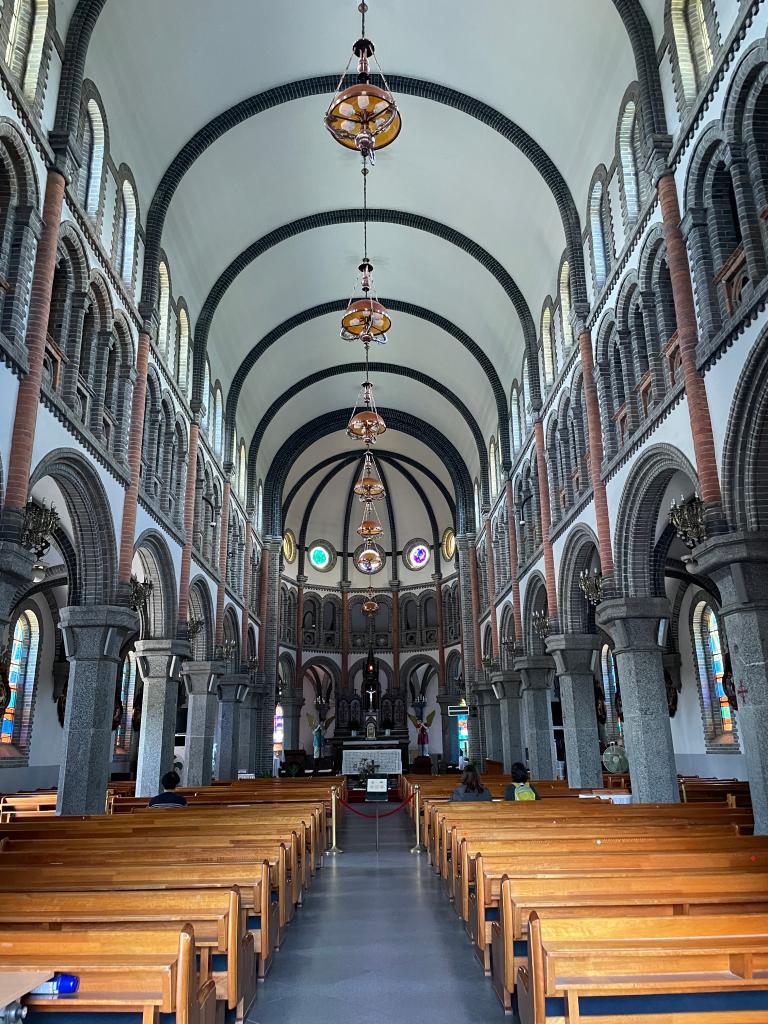
Jeondong CathedralA Romanesque-style cathedral built on a site where Korean Catholic martyrs were executed.
2
Jeondong CathedralA Romanesque-style cathedral built on a site where Korean Catholic martyrs were executed. -
 3
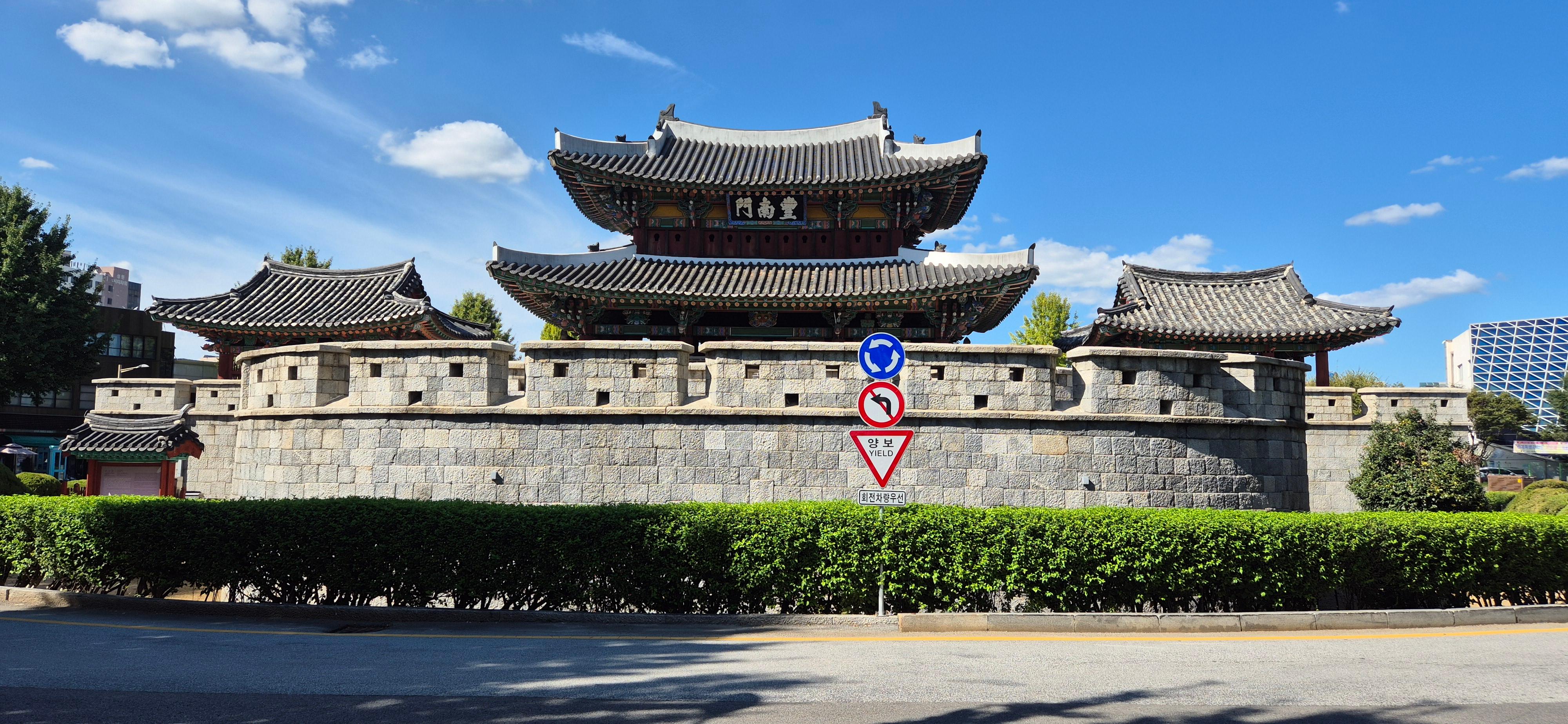
Pungnammun GateA place to explore the remains of Pungnammun Gate, the southern gate of Jeonju Fortress during the Joseon Dynasty.
3
Pungnammun GateA place to explore the remains of Pungnammun Gate, the southern gate of Jeonju Fortress during the Joseon Dynasty.
Food & Dining 3
-
 4
4
-
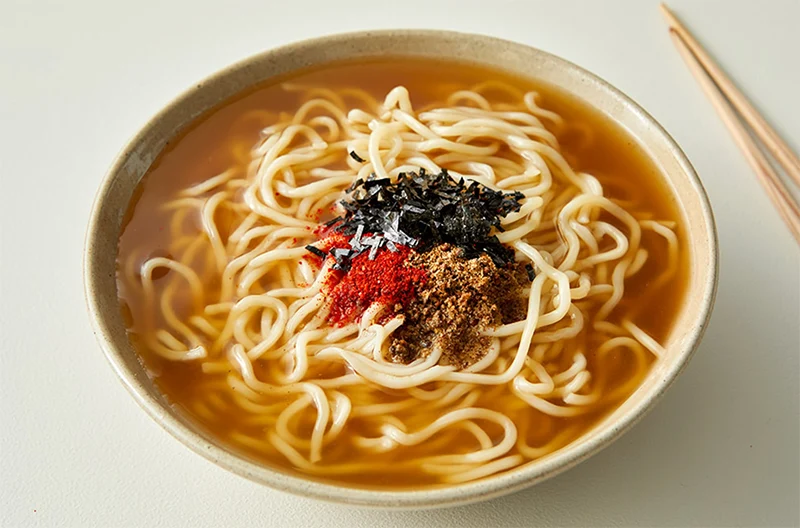 5
Veteran KalguksuKalguksu noodles made with perilla seeds and egg; dumplings and jjolmyeon are also served.
5
Veteran KalguksuKalguksu noodles made with perilla seeds and egg; dumplings and jjolmyeon are also served. -
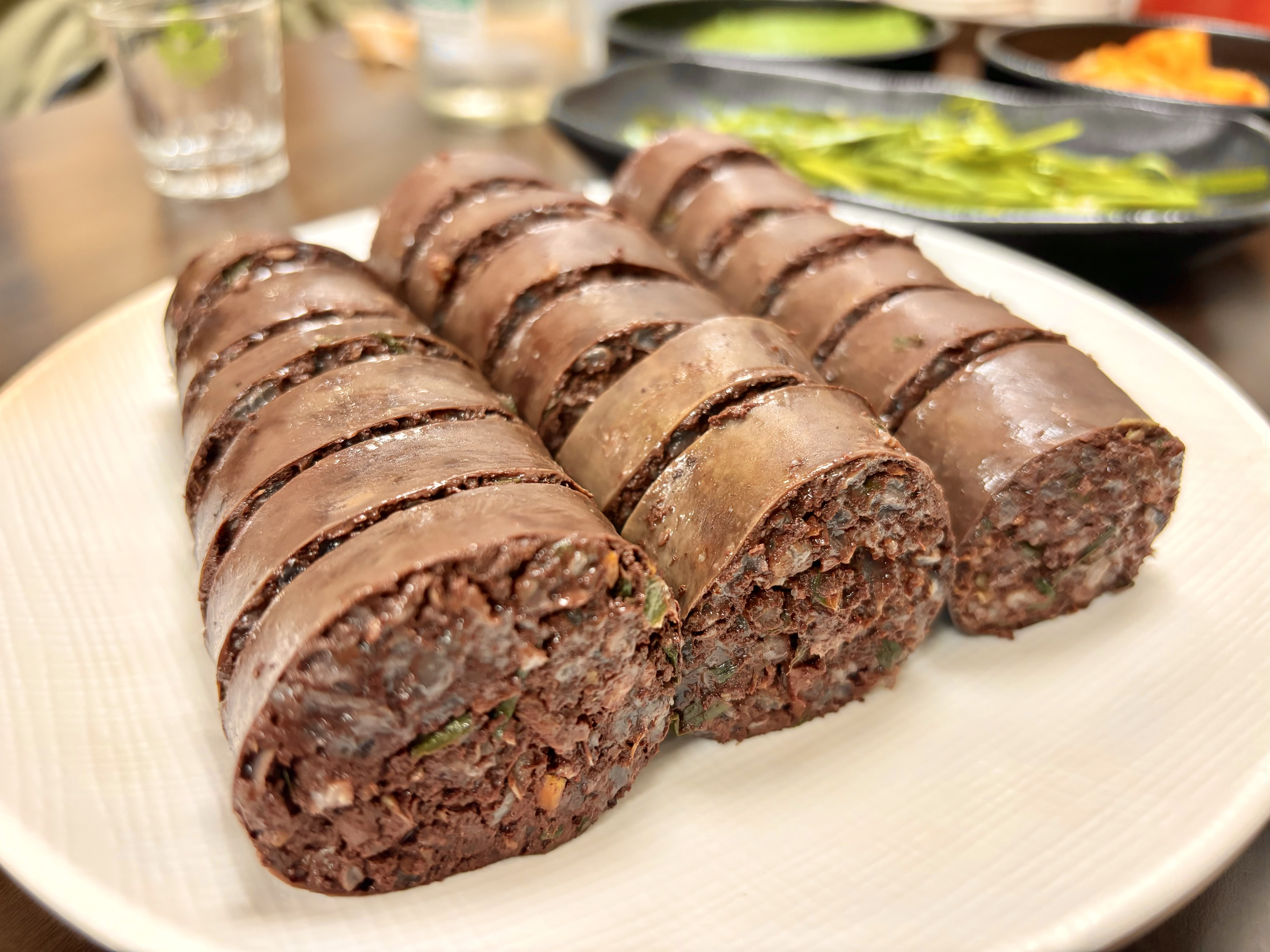 6
Jo Jeom-rye Nammun Pi SundaeA place to enjoy Jeonju-style sundae dishes, centered around blood sausage and sundae soup with rice.
6
Jo Jeom-rye Nammun Pi SundaeA place to enjoy Jeonju-style sundae dishes, centered around blood sausage and sundae soup with rice.
More Travel Guides in This Area
 Travel Guide
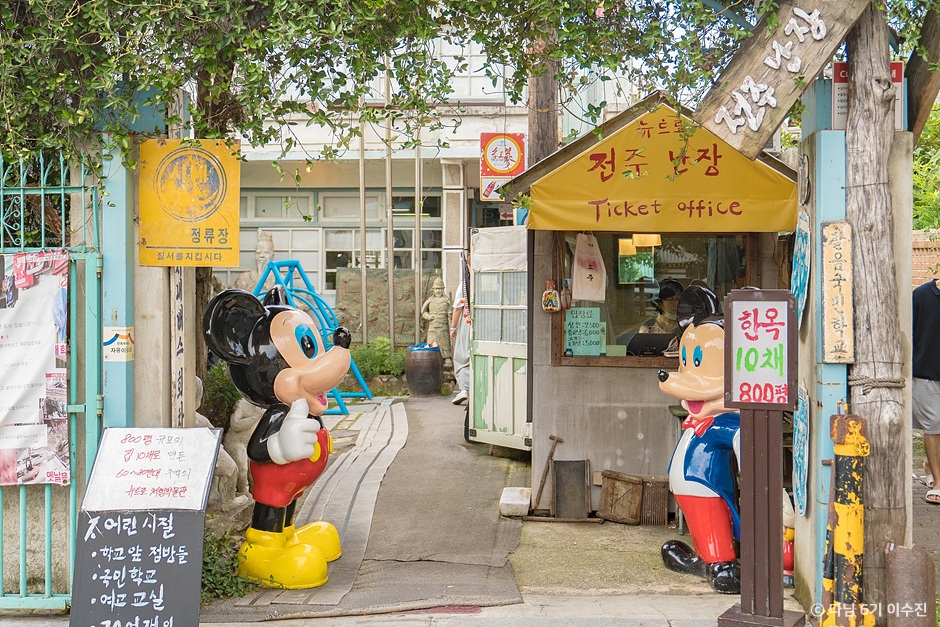
77 Hands-On Modern Life Themes at Jeonju Nanjang
 Travel Guide
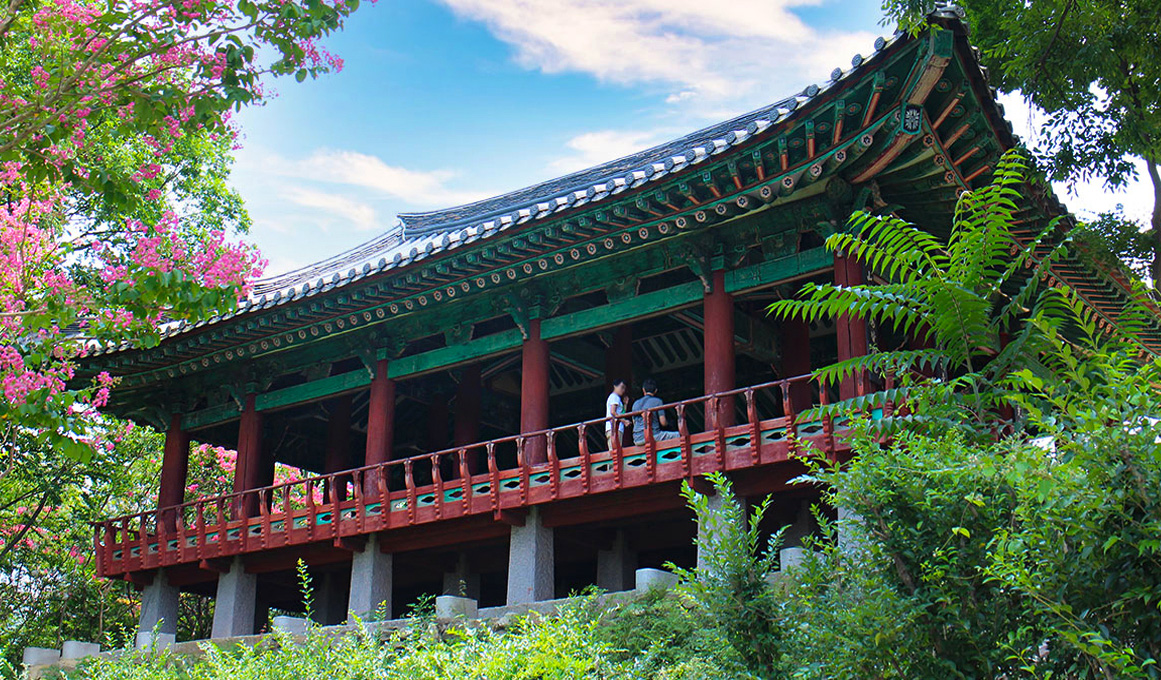
How to Experience Jeonbuk Art Beside Jeolla Gamyeong at Jeonju Museum of Art
 Travel Guide
Omokdae and Imokdae, where traces of King Taejo meet the nightscape of the Hanok Village
 Travel Guide
Discovering Hapjukseon and Fan Masters at the Jeonju Fan Culture Museum
Korea News
![BLACKPINK’s Lisa Dominates the VMA Red Carpet in a Sheer Corset Dress and Red Fur [Star Issue]](https://kotourlive-images.s3.ap-northeast-1.amazonaws.com/news/1790557894714_010e956a_news_94409db1-fab6-40bf-bc7b-4b985b1fbac7.jpg) News
News
BLACKPINK’s Lisa Dominates the VMA Red Carpet in a Sheer Corset Dress and Red Fur [Star Issue]
![BLACKPINK’s Jisoo Spotted by Surprise with BIGBANG in London… Their Special Loyalty as Labelmates [IS High Cut]](https://kotourlive-images.s3.ap-northeast-1.amazonaws.com/news/1790557854683_6ea979f5_news_caab62e5-8462-43c8-8622-da794f3df9de.png) News
News
BLACKPINK’s Jisoo Spotted by Surprise with BIGBANG in London… Their Special Loyalty as Labelmates [IS High Cut]
 News
News
Tattoos All Over Her Body… AOA’s Jimin Draws Shocked Attention After Kwon Mina’s ‘Bullying’ Allegations
![You’ll Have to Look Twice… Choi Min-a-soo Perfectly Pulls Off Everything from a Daring Illusion Dress at the Awards Ceremony to Long Braided Hair [RE:STAR]](https://kotourlive-images.s3.ap-northeast-1.amazonaws.com/news/1790492384850_1f293dad_news_d834c50e-0685-43ef-9aa5-6995cd6d8848.jpg) News
News