Discovering Hapjukseon and Fan Masters at the Jeonju Fan Culture Museum
Located in a central alley of Jeonju Hanok Village, the Jeonju Fan Culture Museum is a free exhibition and hands-on experience space that opened in 2011. In about an hour, visitors can see around 60 fan artifacts in Cheongpung Hall, a special exhibition, and try drawing fans.

I’ve been here?
Your check-in helps the next traveler.
27 people viewed this week Be the first
One tap — no writing needed
A Fan Cultural Space Opened in Jeonju Hanok Village in 2011
Jeonju Fan Culture Center opened in 2011 and is located in a central alley of Jeonju Hanok Village. Jeonju, once home to Jeolla Gamyeong, the administrative headquarters overseeing Jeolla Province, had a Seonjacheong office responsible for producing and managing fans. Old maps of Jeonju record Seonjacheong as a large facility consisting of four buildings.
During the Joseon period, Jeonju was a center of fan production because it was known for high-quality bamboo and hanji, traditional Korean paper. Today, the center introduces the history and art of fans in the region as well as the work of artisans. Jeonju fan-making techniques have been passed down since the craft was designated as Seonjajang, Jeollabuk-do Intangible Cultural Heritage No. 10, in 1993, and later as National Intangible Cultural Heritage No. 128 in 2015.
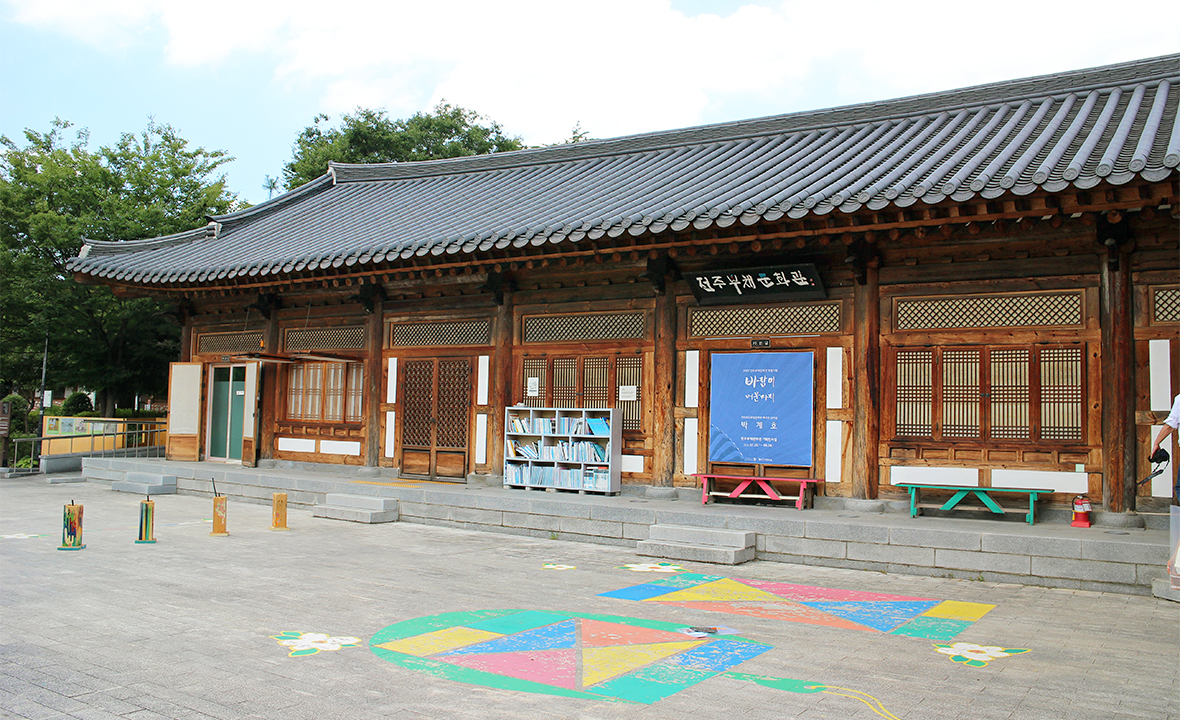
More Than 60 Works in Cheongpung Hall and Special Exhibitions in Jiseon Hall
Cheongpung Hall, the permanent exhibition room, displays works and fan artifacts by Seonjajang artisans who have continued the tradition of Jeonju fans. Korea Tourism Organization information states that more than 60 fan artifacts are permanently displayed in Cheongpung Hall and also introduces donated works by the late artisan Lee Gi-dong.
Jiseon Hall, the special exhibition room, hosts invitation exhibitions by Jeonju fan artisans and exhibitions combining fans with calligraphy and painting, literature, and contemporary art. Exhibits include danseon, hapjukseon, and creative fans, so comparing folding fans with round fans is an easy way to understand Jeonju’s production traditions.
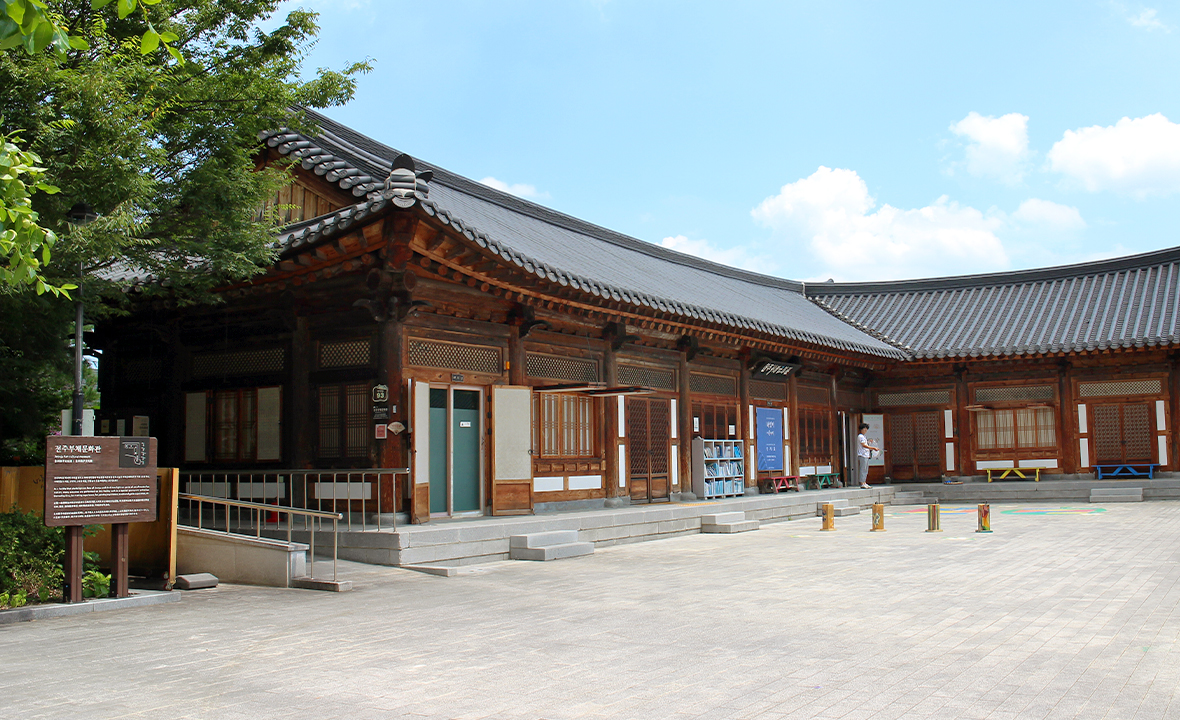
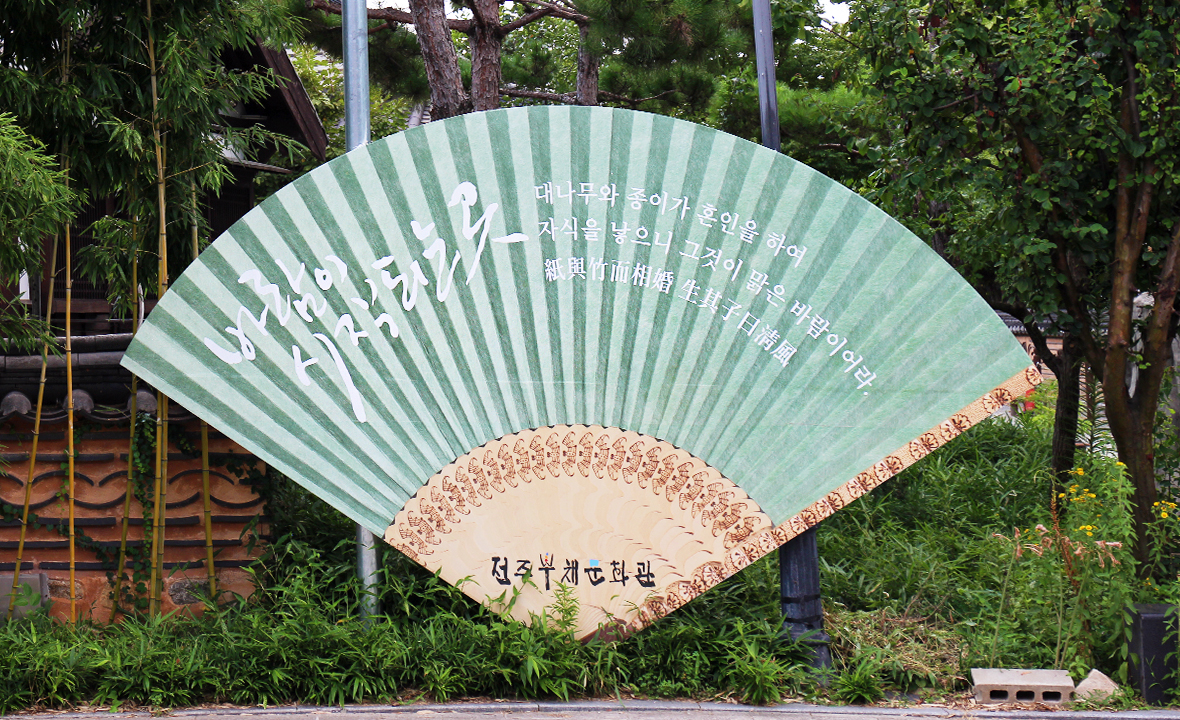
Why Hapjukseon and Taegeukseon Became Symbols of Jeonju
Among Jeonju fans, the best-known forms are hapjukseon, which can be folded and unfolded, and taegeukseon, a round fan decorated with a taegeuk pattern. Danseon and jeopseon are used not only for exhibitions but also to distinguish fan-drawing activities.
A fan is not merely a summer accessory but a product resulting from the combination of local techniques for working with bamboo and hanji. By displaying artisans’ works and artifacts together, the Jeonju Fan Culture Center shows why Jeonju developed as a center of fan production and why these techniques continue to be protected and passed down today.
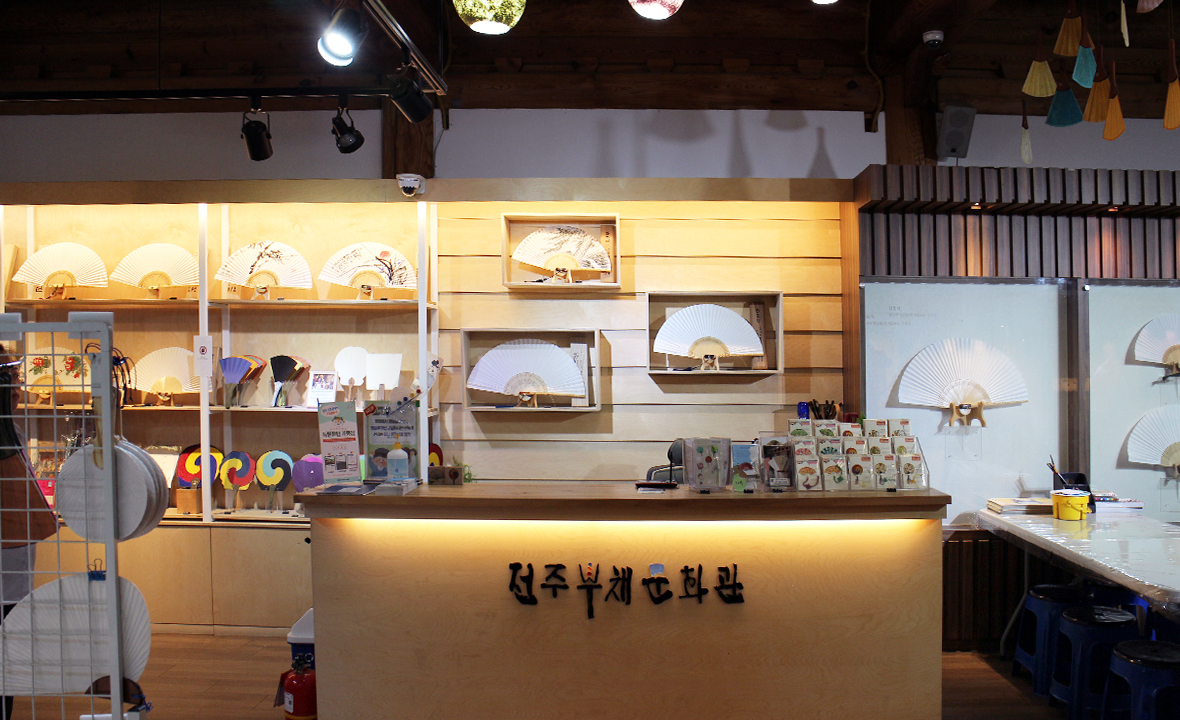
Hands-On Activities Starting at 7,000 Won for Danseon and 10,000 Won for Jeopseon
Visitors can take part in a fan-drawing activity in the activity room. The listed fees are 7,000–12,000 won for danseon and 10,000–15,000 won for jeopseon. Admission is free, but activities incur a separate fee, so visitors expecting only free admission should note that additional charges apply.
The activity is introduced as a process of choosing hanji, securing bamboo ribs, and then adding color. Official information states that the activity programs operate regularly, but visitors can call 063-231-1774 to ask about the status of each activity and same-day availability.
Open from 10:00 to 18:00, Closed on Mondays
The Jeonju Fan Culture Center is open from 10:00 to 18:00 and closed on Mondays. Other information lists its operating days as Tuesday through Sunday, so plan visits for days other than Monday.
Admission is free, and official tourism information recommends allowing less than one hour. Since no admission-closing time is specified, it is safer to leave enough time to visit Cheongpung Hall, Jiseon Hall, and the activity room in sequence rather than arriving just before 18:00. For the latest operating information, visit the official website http://jeonjufan.kr/ or call 063-231-1774.
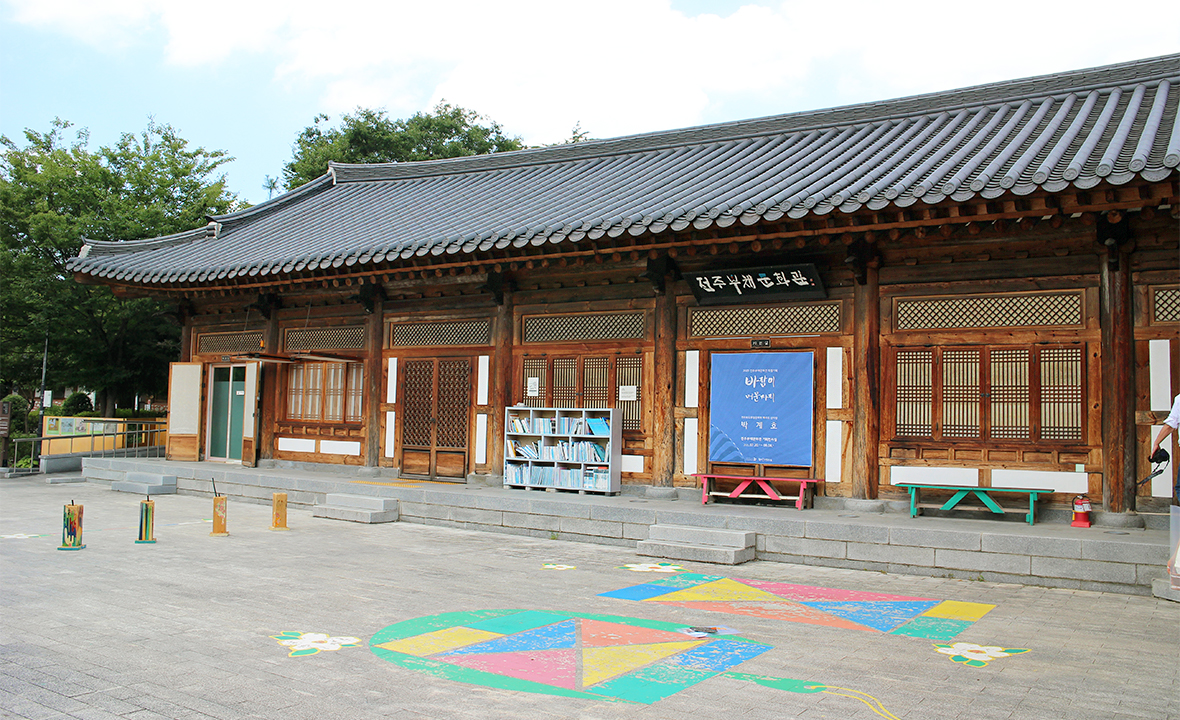
From Jeondong Cathedral·Hanok Village Stop into the Heart of Hanok Village
Visitors coming to Jeonju for the first time can set Jeondong Cathedral·Hanok Village Stop as their destination. Major transfer routes listed near this stop include 3-1, 3-2, routes in the 50 series, 61, 88, 101, 119, 165, routes in the 350 series, 380, routes in the 940 series, and routes in the 970 series.
Separate information on the exact walking distance and travel time after getting off the bus, or subway station exit details, is not provided. The official walking route starting from the Jeonju Hanok Village Tourist Information Center parking lot includes Kimchi Culture Center, Sori Culture Center, Traditional Liquor Museum, Seunggwangjae, Eunhaeng-ro, and Hanok Village History Museum, followed by the Jeonju Fan Culture Center and Choi Myeong-hui Literary Museum. The center is introduced as being in an alley behind Jungang Elementary School, next to the Choi Myeong-hui Literary Museum.
Combine a Hanok Village Walk with Your Visit Without Parking at the Center
Private-car parking is listed as unavailable, so visitors arriving by car should leave their vehicle at the Jeonju Hanok Village Tourist Information Center parking lot and continue along the official walking route. If you plan your route on the assumption that parking is available at the center, you may have to search for another parking space in the Hanok Village alleys.
Programs such as the outdoor exhibition “Fan Stories in Famous Paintings,” an art market, and an outdoor play area may be offered at the center, and traditional play activities may also be available in the courtyard. An exhibition-only visit can be completed in less than one hour, but visitors who add hands-on activities or outdoor programs should allow extra free time in their Hanok Village itinerary.
Wheelchair Access and Information Unavailable Before Visiting
A ramp is installed at the main entrance, and the entrance has an automatic door without a threshold, making wheelchair access possible. The accessible restroom includes a toilet for people with disabilities. However, it has not been confirmed whether stroller rental is available.
No separate information is provided about photography restrictions, cash-only payment, English information, audio guides, or the exact walking time from the bus stop to the building. Foreign visitors should distinguish between free admission and activity fees. If participation in an activity or its operation is important, the most direct option is to inquire in advance at 063-231-1774. The address is 93 Gyeonggijeon-gil, Wansan-gu, Jeonju-si, Jeonbuk State.
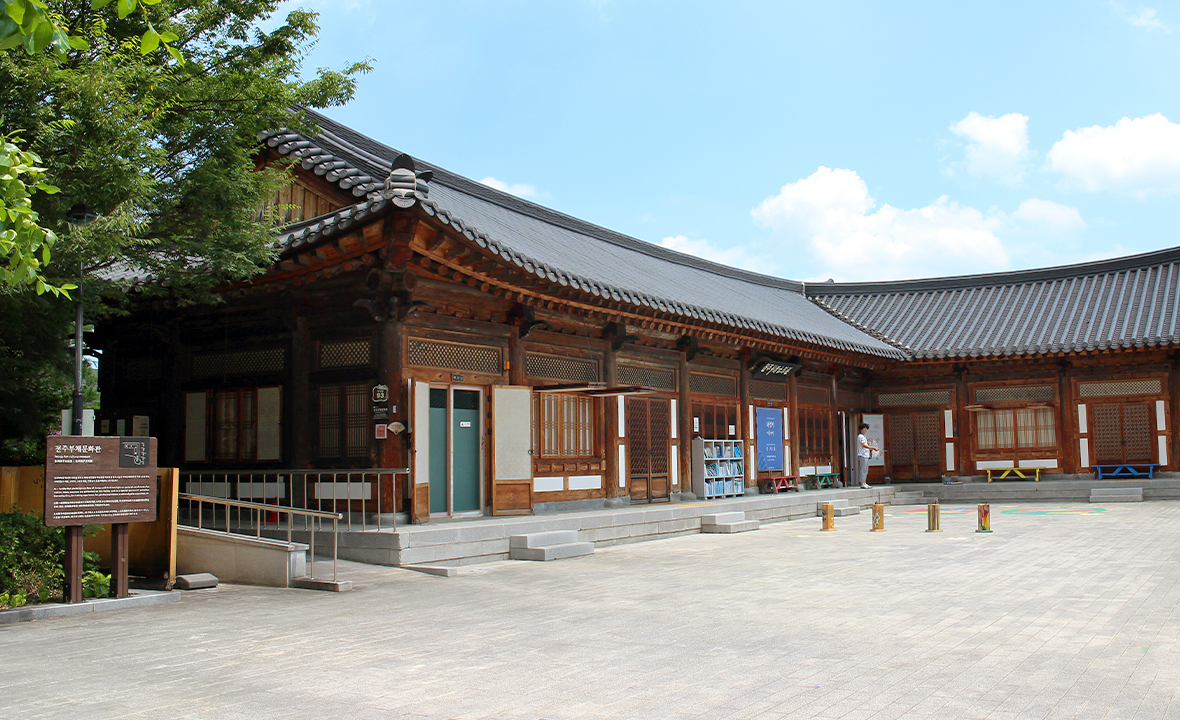
How to Choose an Artisan Fan at Baram Store
Baram Store inside the center sells works and souvenirs by Jeonju fan artisans. In 2018, 200 souvenir fans depicting images of Jeonju attractions Pungnammun Gate and Deokjin Pond were produced and sold, and they sold out in just four days.
In 2018, the Jeonju Fan Culture Center gave 120 Jeonju fans as gifts to overseas performance groups attending the Jeonju International Sori Festival, as well as foreign exchange students and native-speaking teachers. In 2019, it signed a business agreement with the National Jeonju Museum and conducted an educational program called “Let’s Play with Fans” for elementary school students. Travelers looking for souvenirs should visit both the exhibition and sales areas and check whether a work is a hapjukseon or a taegeukseon.
Before You Go
- Address
- 93 Gyeonggijeon-gil, Wansan-gu, Jeonju-si, Jeonbuk State
- Hours
- 10:00–18:00 (Tuesday–Sunday)
- Closed
- Every Monday
- Admission
- Free
- Phone
- 063-231-1774
- Official site
- http://jeonjufan.kr/
- Transport
- Near Jeondong Cathedral·Hanok Village Stop. Major transfer routes: 3-1, 3-2, routes in the 50 series, 61, 88, 101, 119, 165, routes in the 350 series, 380, routes in the 940 series, and routes in the 970 series. Accessible via the official walking route from the Jeonju Hanok Village Tourist Information Center parking lot.
- Parking
- Parking unavailable
- Time needed
- Less than 1 hour
- Accessibility
- A ramp leads to the main entrance, which has an automatic door without a threshold and is accessible by wheelchair. The accessible restroom includes a toilet for people with disabilities. Stroller rental availability has not been confirmed.
The information above is current as of the time of writing. Check the official information again before visiting.

Places
Nearby Attractions 3
-
 1
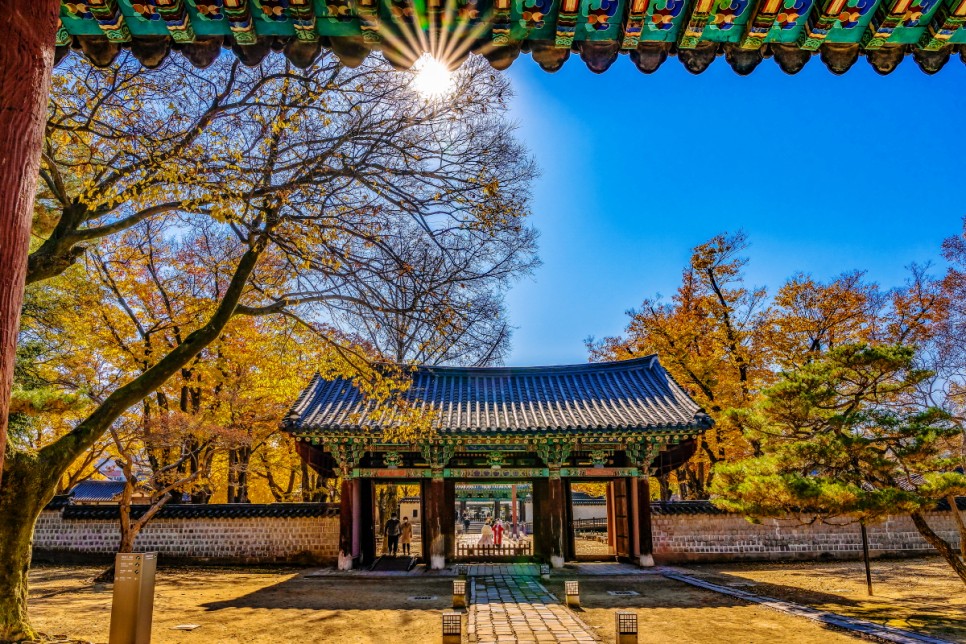
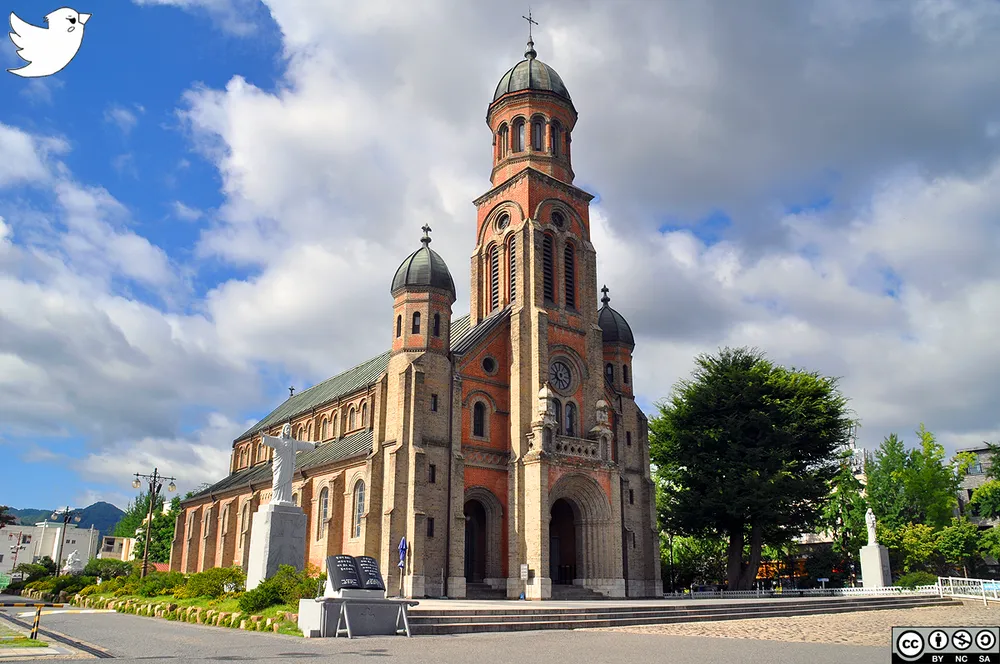
Gyeonggijeon ShrineA place to view portraits of the kings of the Joseon Dynasty and historical sites
1
Gyeonggijeon ShrineA place to view portraits of the kings of the Joseon Dynasty and historical sites -
 2
2
-
 3
3
Food & Dining 3
-
 4
4
-
 5
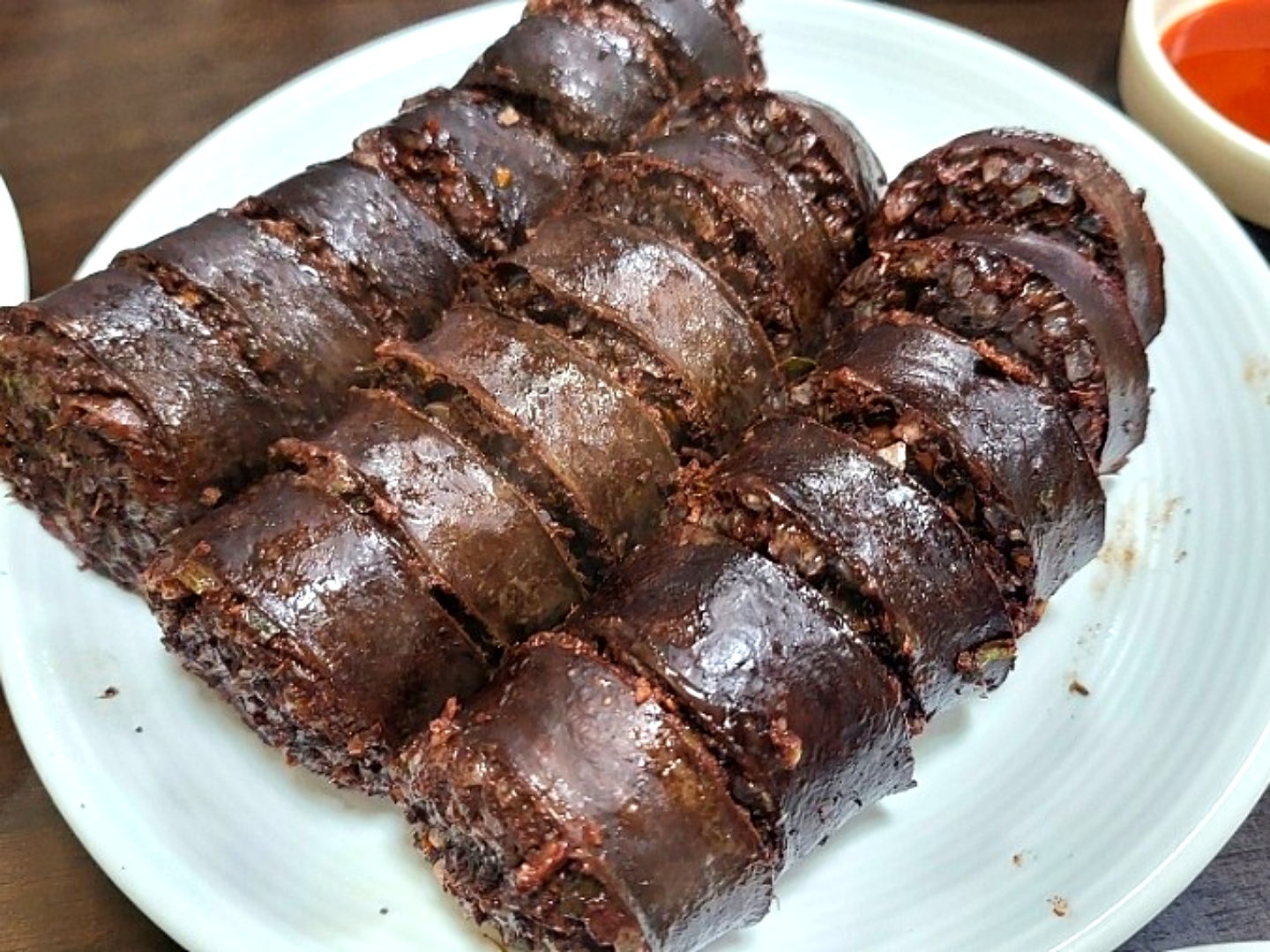
Jojeomnye Nammun Pi SundaeA restaurant specializing in blood sausage and blood sausage soup with rice.
5
Jojeomnye Nammun Pi SundaeA restaurant specializing in blood sausage and blood sausage soup with rice. -
 6
6
More Travel Guides in This Area
 Travel Guide
How to Experience Jeonbuk Art Beside Jeolla Gamyeong at Jeonju Museum of Art
 Travel Guide
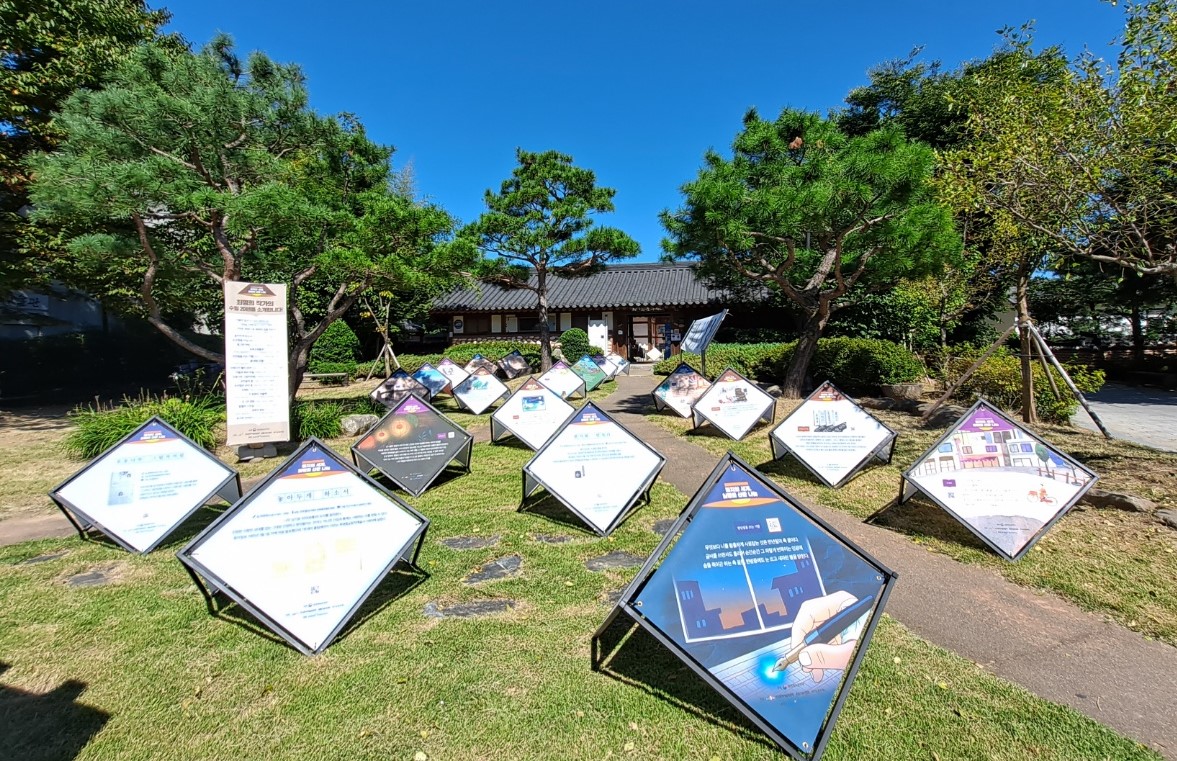
The Literary Space of 『Honbul』 at 29 Choi Myeong-hui-gil
 Travel Guide
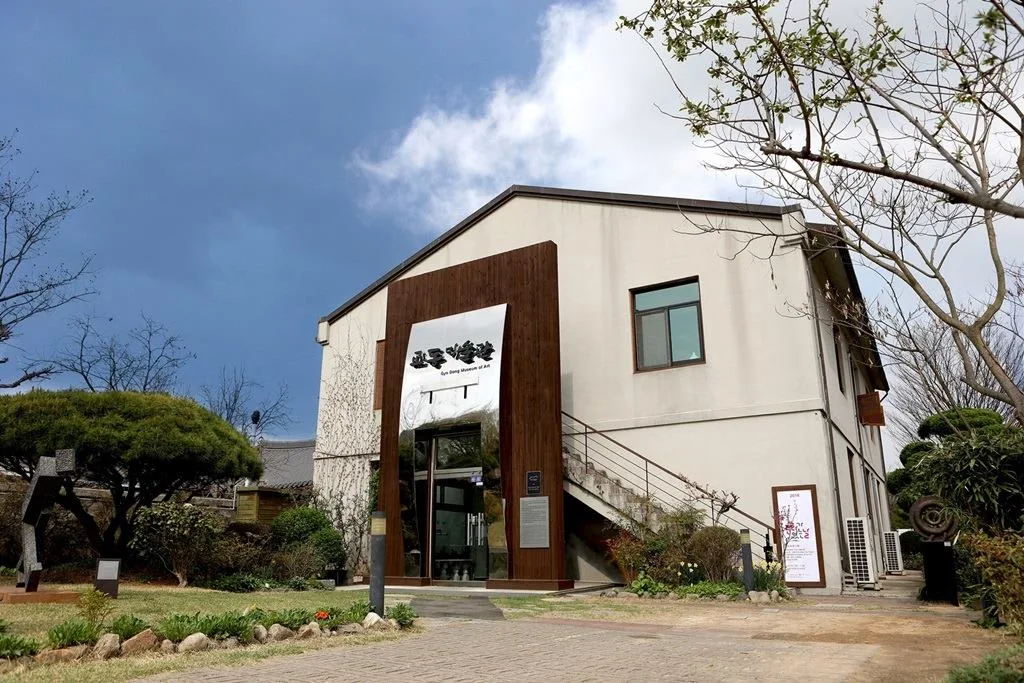
Jeonju Gyodong Art Museum, Where Factory Sewing Machines Meet Contemporary Art
 Travel Guide
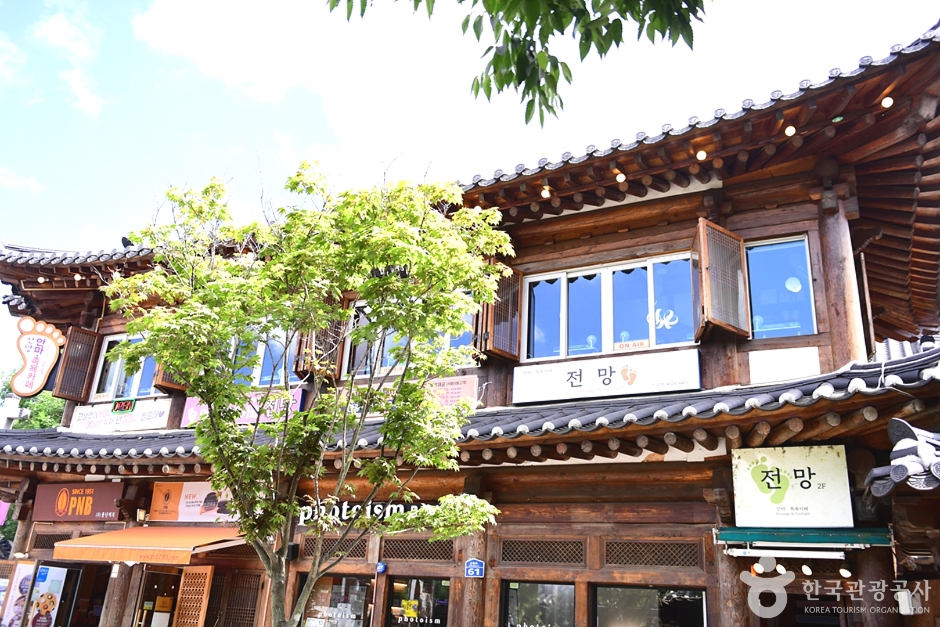
How to Use Gyodong Foot Bath on the 2nd Floor at 61 Eunhaeng-ro
Korea News
 News
News
‘NewJeans Expulsion’ Danielle Releases Her First YouTube Video… “We Don’t Know What Will Happen Next”
![aespa’s North American Tour Has Remaining Seats Despite ‘$49’ Bargain Prices… A Stark Popularity Gap with KATSEYE [TEN Starfield]](https://kotourlive-images.s3.ap-northeast-1.amazonaws.com/news/1788485037424_a59b1932_naver_rank_thumb_0000774618_1788485037424.jpg) News
News
aespa’s North American Tour Has Remaining Seats Despite ‘$49’ Bargain Prices… A Stark Popularity Gap with KATSEYE [TEN Starfield]
![[Photo] TWICE’s Dahyun attends a film festival red carpet as an actress](https://kotourlive-images.s3.ap-northeast-1.amazonaws.com/news/1788485316508_edd43ecd_news_870a60a6-6f11-4d73-aa7c-48d91318a0f7.jpg) News
News
[Photo] TWICE’s Dahyun attends a film festival red carpet as an actress
![[On-Site Video] “We’re Departing Separately Together”… BIGBANG Begins ‘COSMOS’ World Tour](https://kotourlive-images.s3.ap-northeast-1.amazonaws.com/news/1788485226518_c5719641_news_fdd4764a-0f4e-4968-8e4e-e98a02872f88.jpg) News
News