A Royal Heritage Site with a Relocated Placenta, King Yejong’s Placenta Chamber and Stele in Gyeonggijeon Shrine
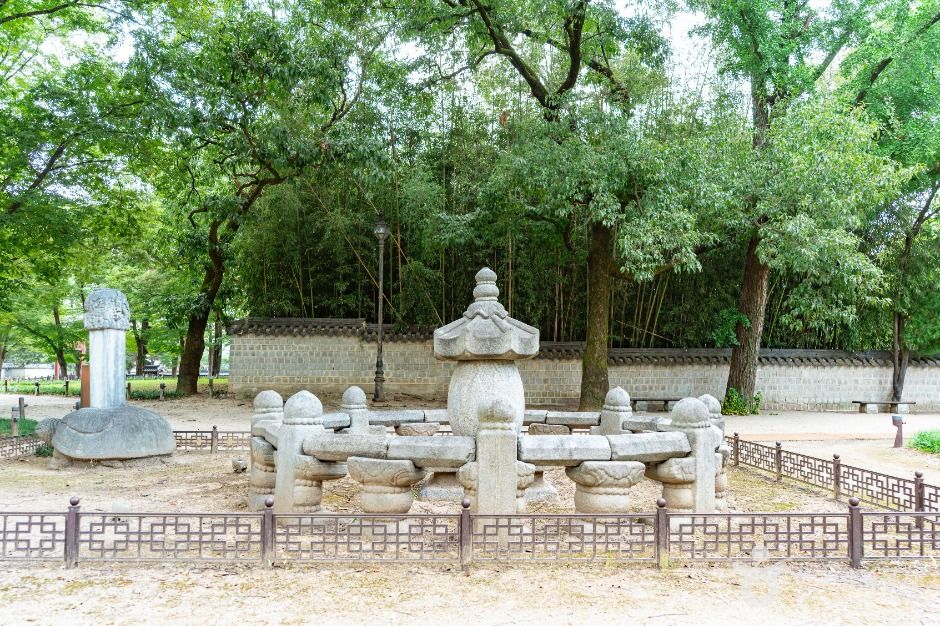
King Yejong’s Placenta Chamber and Stele comprise the historic site and stele where the placenta of Yejong, the eighth king of Joseon, was enshrined. Originally located in Gui-myeon, Wanju-gun, the site was moved to Gyeonggijeon Shrine in Jeonju in 1970 and can be visited along with the Jeonju Sago Archives on the Gyeonggijeon tour route.

I’ve been here?
Your check-in helps the next traveler.
16 people viewed this week Be the first
One tap — no writing needed
The Actual Destination to Find at 44 Taejo-ro
The address of King Yejong’s Placenta Chamber and Stele is 44 Taejo-ro, Wansan-gu, Jeonju, Jeonbuk State, and national heritage information identifies it as the site of Jeonju Sago in Pungnam-dong 3-ga. The provided coordinates are 35.814981° north latitude and 127.150671° east longitude.
This heritage site is not an independent outdoor attraction but is included along the visitor route inside Gyeonggijeon Shrine. The viewing route through Gyeonggijeon continues from the red-spiked gate, outer gate, inner gate, and main hall to Jeonju Sago, followed by King Yejong’s Placenta Chamber and Stele. Materials from the Korea Tourism Organization also introduce a route that passes Jogyeongmyo Shrine before reaching the Placenta Chamber and Stele.
151 m from the Jeondong Cathedral·Hanok Village Stop
The nearest stop when arriving by public transportation is the Jeondong Cathedral·Hanok Village stop. It is approximately 151 m from the site, and the stop number is listed as 3050061. A total of nine routes are displayed at the stop.
The route information also includes Rural Bus No. 201 and No. 203. Route 201 connects Unam Terminal and Imsil Terminal in Imsil County, while Route 203 connects Gangjin Terminal and Imsil Terminal in Imsil County. After getting off the bus, find the entrance to Gyeonggijeon at 44 Taejo-ro, enter, and then follow the signs inside toward the route behind Jeonju Sago.
Seasonal Admission Closing Times and Year-Round Operation
The operating hours of King Yejong’s Placenta Chamber and Stele should be checked based on the currently announced visiting hours for Gyeonggijeon.
The operating hours of King Yejong’s Placenta Chamber and Stele should be checked based on the currently announced visiting hours for Gyeonggijeon. The closure schedule for King Yejong’s Placenta Chamber and Stele requires separate confirmation. The admission fee for King Yejong’s Placenta Chamber and Stele requires separate confirmation. The inquiry phone number for King Yejong’s Placenta Chamber and Stele requires separate confirmation.
How to See All of Gyeonggijeon with a 3,000-Won Admission Ticket
No separate ticket office or separate admission fee has been listed for King Yejong’s Placenta Chamber and Stele itself. Plan to purchase a Gyeonggijeon admission ticket and follow the internal route to see Jeonju Sago and the Placenta Chamber and Stele together. Since a recommended viewing duration for the site alone has not been separately confirmed, it is more practical to include it in a full Gyeonggijeon viewing itinerary.
Discounted or free admission to King Yejong’s Placenta Chamber and Stele requires separate confirmation. Parking is indicated as available, but the parking lot name and parking fee are not provided. Specific information about ramps, stairs, and ground surfaces for wheelchair and stroller access has also not been presented.
- Phone: 063-281-2788
- Official National Heritage Information: https://www.heritage.go.kr/heri/cul/culGuidePostDetail.do?ccbaCpno=2443500260000&ccgbGbtype=IND&ccgbGbtypeNo=2&pageNo=1_5_0_0
- Address: 44 Taejo-ro, Wansan-gu, Jeonju, Jeonbuk State (Pungnam-dong 3-ga, Jeonju Sago)
The Meaning of a Place Housing Yejong’s Placenta
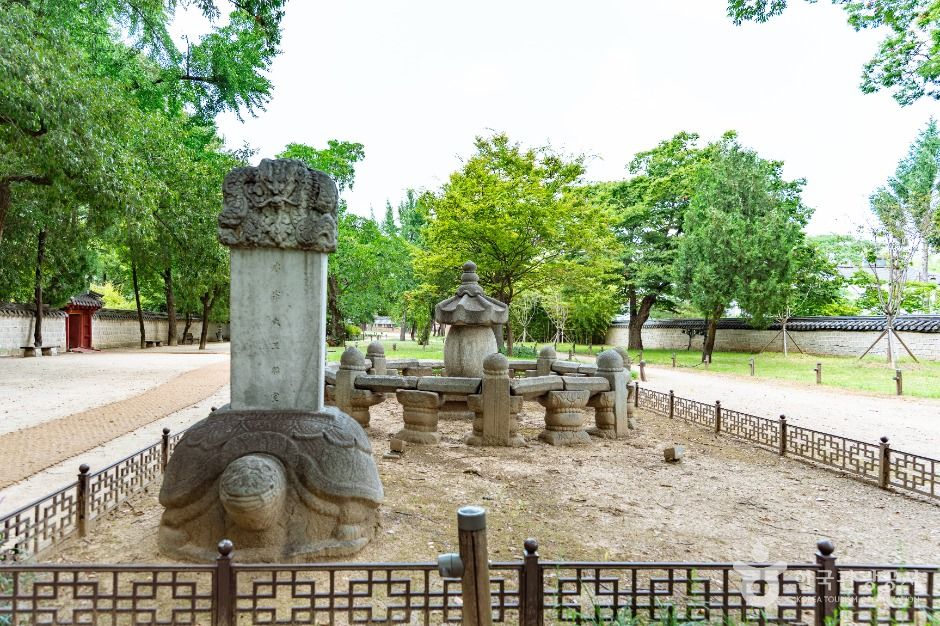
King Yejong’s Placenta Chamber and Stele consist of the placenta chamber and stele where the placenta of Yejong, the eighth king of Joseon, was buried. Yejong lived from 1450 to 1469 and reigned from 1468 to 1469. Its Chinese-character name is 睿宗大王胎室and碑, and national heritage information introduces it as a folk cultural heritage of Jeonbuk State and Folk Cultural Heritage No. 26 of Jeollabuk-do.
“Placenta” refers to the placenta and umbilical cord. During the Joseon period, from 1392 to 1910, newborns’ placentas were regarded as the source of life, and the royal family placed them in placenta jars and buried them in stone chambers. The royal family devoted considerable effort to selecting auspicious sites and times for building placenta chambers, and the construction ritual is described as a unique Korean rite.
The Process of Moving It from Placenta Chamber Village in Wanju County to Gyeonggijeon
King Yejong’s Placenta Chamber was originally located on the mountain behind Placenta Chamber Village in Wondeok-ri, Gui-myeon, Wanju County. However, in 1928, during the Japanese colonial period, the Government-General of Korea moved placenta jars from placenta chambers across the country to Seoul, damaging many of the chambers. Yejong’s Placenta Chamber was also damaged during this process.
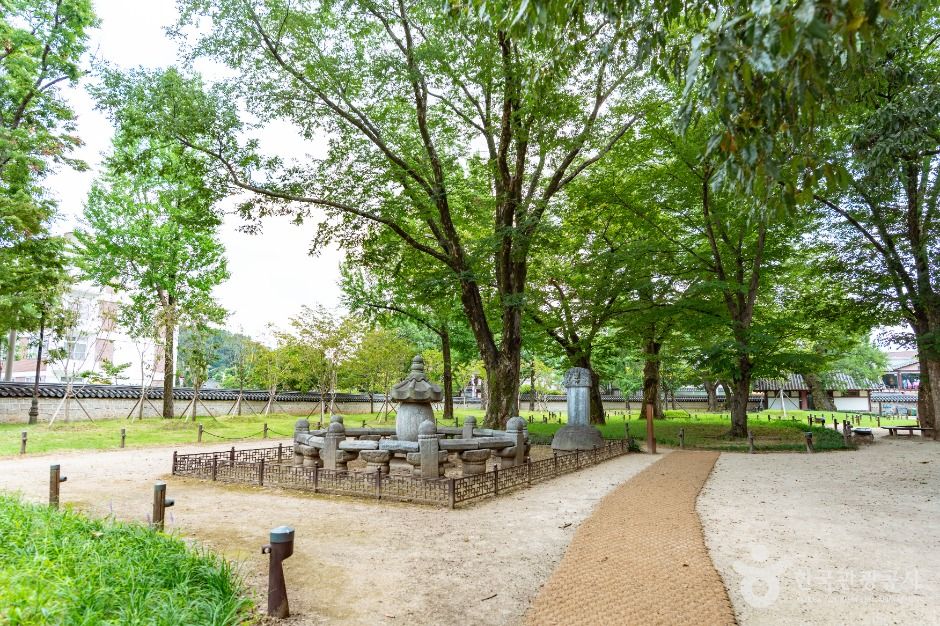
The damaged placenta chamber was later moved to the north of Gui Elementary School and then relocated to Gyeonggijeon in 1970. Since the placenta stele was also moved to Gyeonggijeon along with the chamber, what visitors see today at 44 Taejo-ro is not the original location in the mountainous area of Wanju County but a relocated site inside Gyeonggijeon in central Jeonju.
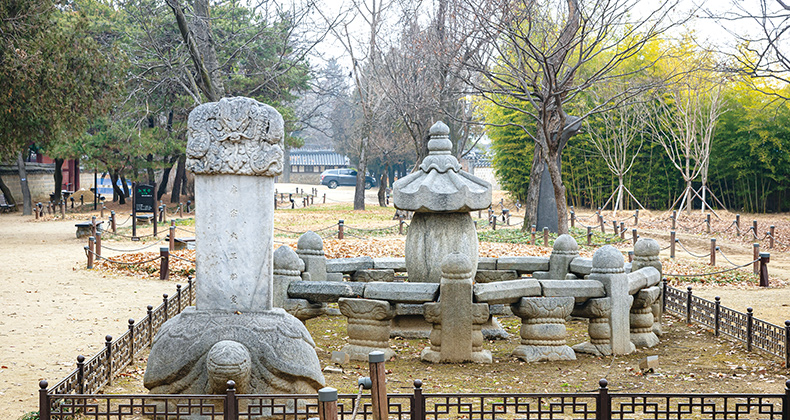
Inscriptions on the Placenta Stele from 1578 and 1734
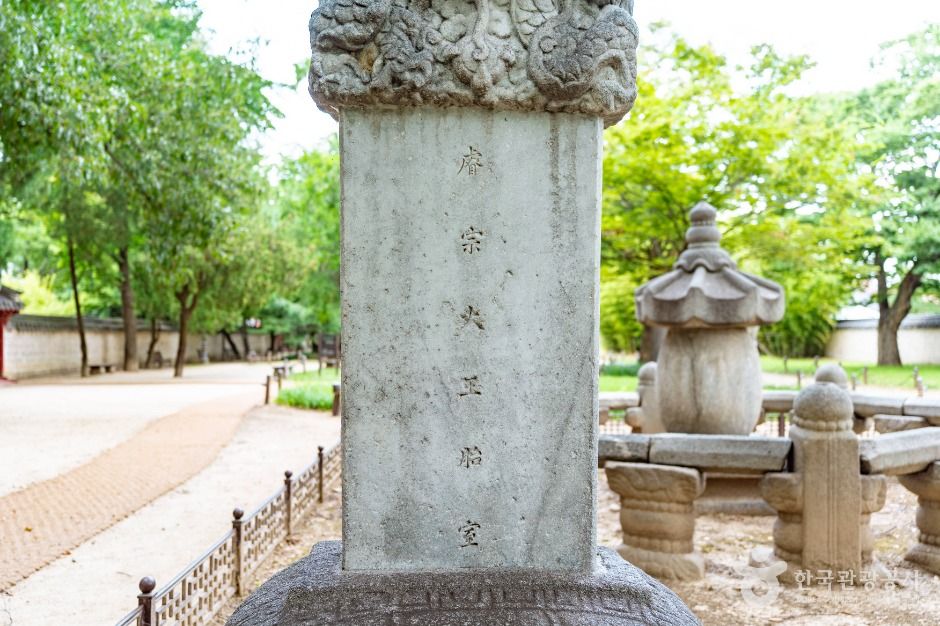
The front of the placenta stele is engraved with the characters “King Yejong’s Placenta Chamber,” translated in English materials as “Placenta Chamber of the Great King Yejong.” The stele was first erected in 1578, the 11th year of King Seonjo’s reign, and erected again in 1734, the 10th year of King Yeongjo’s reign.
The inner jar that held the placenta and the memorial tablet are housed at the National Palace Museum of Korea, while the outer jar that held the inner jar is housed at the National Museum of Korea. Since the memorial tablet records the name and birth date of the placenta’s owner, visitors should connect the inscriptions on the placenta stele with the museum collections rather than ending their visit after viewing only the structures at the site.
The Gyeonggijeon Route That First-Time Visitors Often Miss
Visitors looking for King Yejong’s Placenta Chamber and Stele should not expect to see the heritage site immediately from the entrance to Gyeonggijeon. It is part of the internal route that passes through the red-spiked gate, outer gate, inner gate, main hall, and Jeonju Sago, so visitors must pass Jeonju Sago and look for the sign to the Placenta Chamber and Stele. The national heritage information sign was installed in 2020 and is made of aluminum.
Foreign visitors accompanied by others, groups of 20 or more, and school field trips can reserve Jeonju City’s walking interpretation tour by phone before their visit. However, based on the available information, it is not possible to confirm whether photography is prohibited, whether payment is cash-only, or whether English signs and audio guides are available, nor whether the heritage site itself has a separate ticket office. Programs covering the entire Gyeonggijeon route include Jeonju Sago and King Yejong’s Placenta Chamber and Stele.
- Viewing route: Red-spiked gate → Outer gate → Inner gate → Main hall → Jeonju Sago → King Yejong’s Placenta Chamber and Stele
- Related point: Jogyeongmyo Shrine
- Sign installation year: 2020
Before You Go
- Address
- 44 Taejo-ro, Wansan-gu, Jeonju, Jeonbuk State (Pungnam-dong 3-ga, Jeonju Sago)
- Hours
- [March–May] 09:00–19:00 (admission closes at 18:00) / [June–August] 09:00–20:00 (admission closes at 19:00) / [September–October] 09:00–19:00 (admission closes at 18:00) / [November–February] 09:00–18:00 (admission closes at 17:00)
- Closed
- Open year-round
- Admission
- [Individual] Adults 3,000 won / Youth·military personnel 2,000 won / Children 1,000 won; [Groups] Adults 2,500 won / Youth·military personnel 1,500 won / Children 500 won; free admission on the last Wednesday of each month, Culture Day; 50% discount on admission on the fourth Saturday of each month, Jeonju Hanbok Day
- Phone
- 063-281-2788
- Official site
- https://www.heritage.go.kr/heri/cul/culGuidePostDetail.do?ccbaCpno=2443500260000&ccgbGbtype=IND&ccgbGbtypeNo=2&pageNo=1_5_0_0
- Transport
- Jeondong Cathedral·Hanok Village stop, approximately 151 m away; stop number 3050061; listed routes include Rural Bus No. 201 and No. 203
- Parking
- Indicated as available, but the parking lot name and fee could not be confirmed
- Accessibility
- Included in the viewing route through the main areas inside Gyeonggijeon; specific information about wheelchair and stroller accessibility could not be confirmed
The information above is current as of the time of writing. Check the official information again before visiting.

Places
Nearby Attractions 3
-
 1
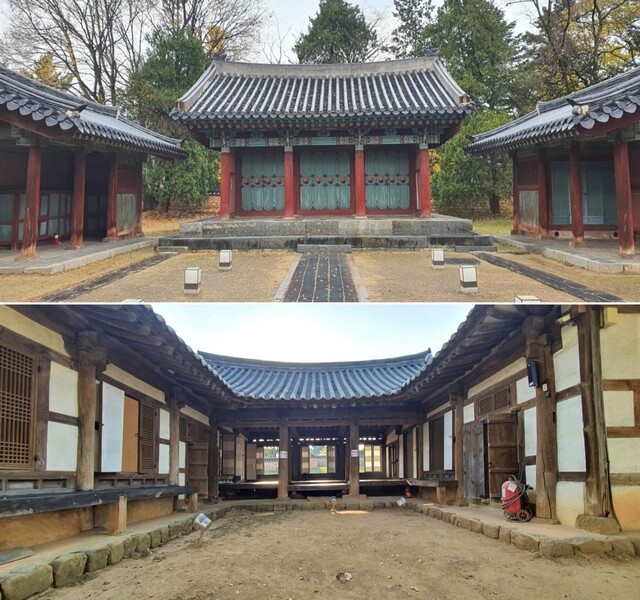
Jogyeongmyo ShrineExplore the shrine that houses the spirit tablets of the founding couple of the Jeonju Yi clan.
1
Jogyeongmyo ShrineExplore the shrine that houses the spirit tablets of the founding couple of the Jeonju Yi clan. -
 2
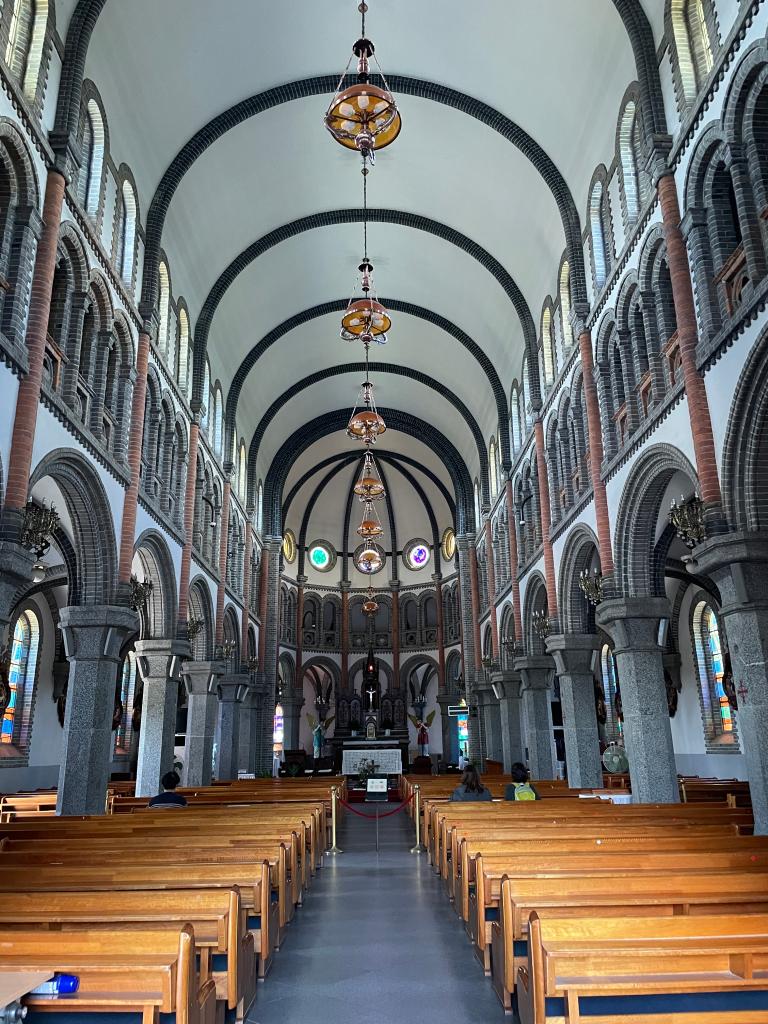
Jeondong CathedralVisit this Western-style cathedral that preserves the early history of Catholicism in Korea.
2
Jeondong CathedralVisit this Western-style cathedral that preserves the early history of Catholicism in Korea. -
 3
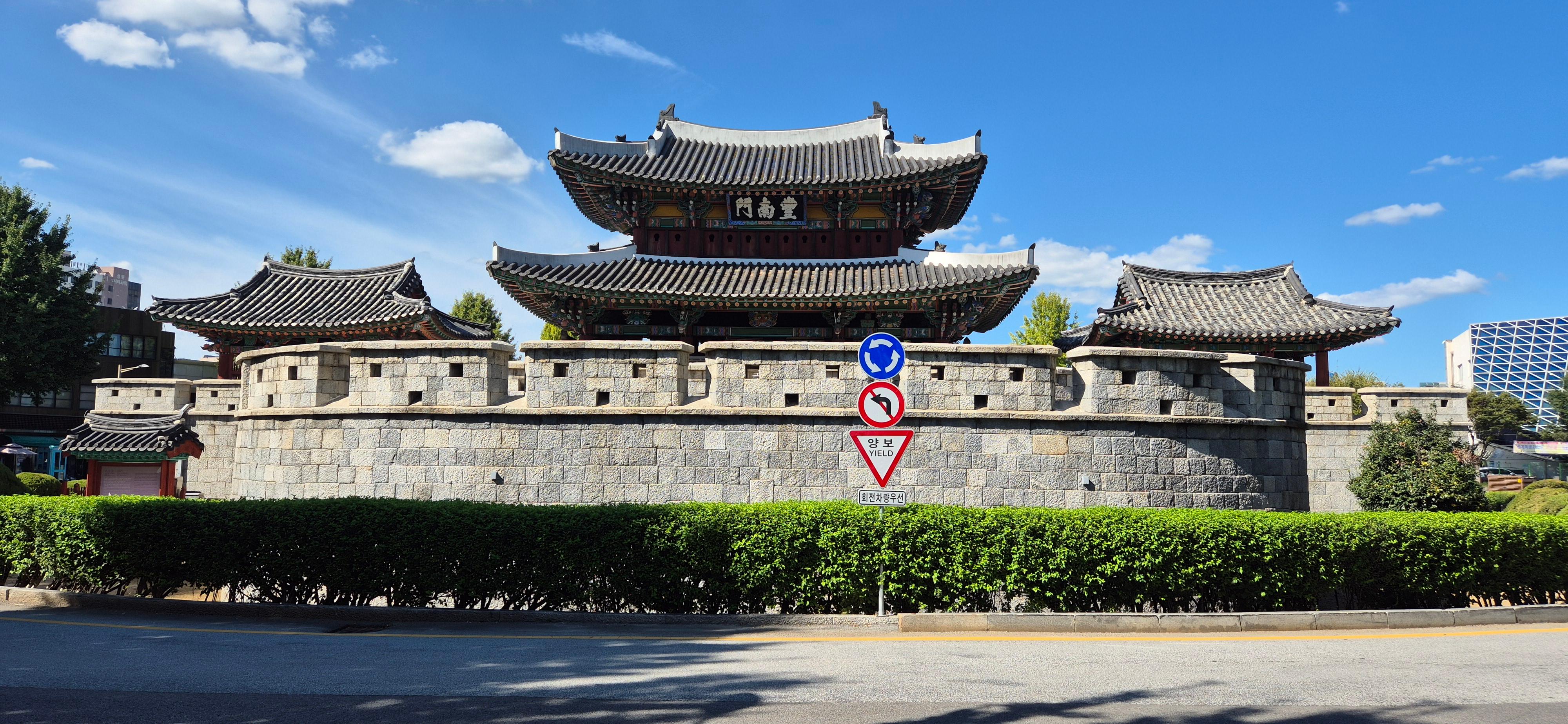
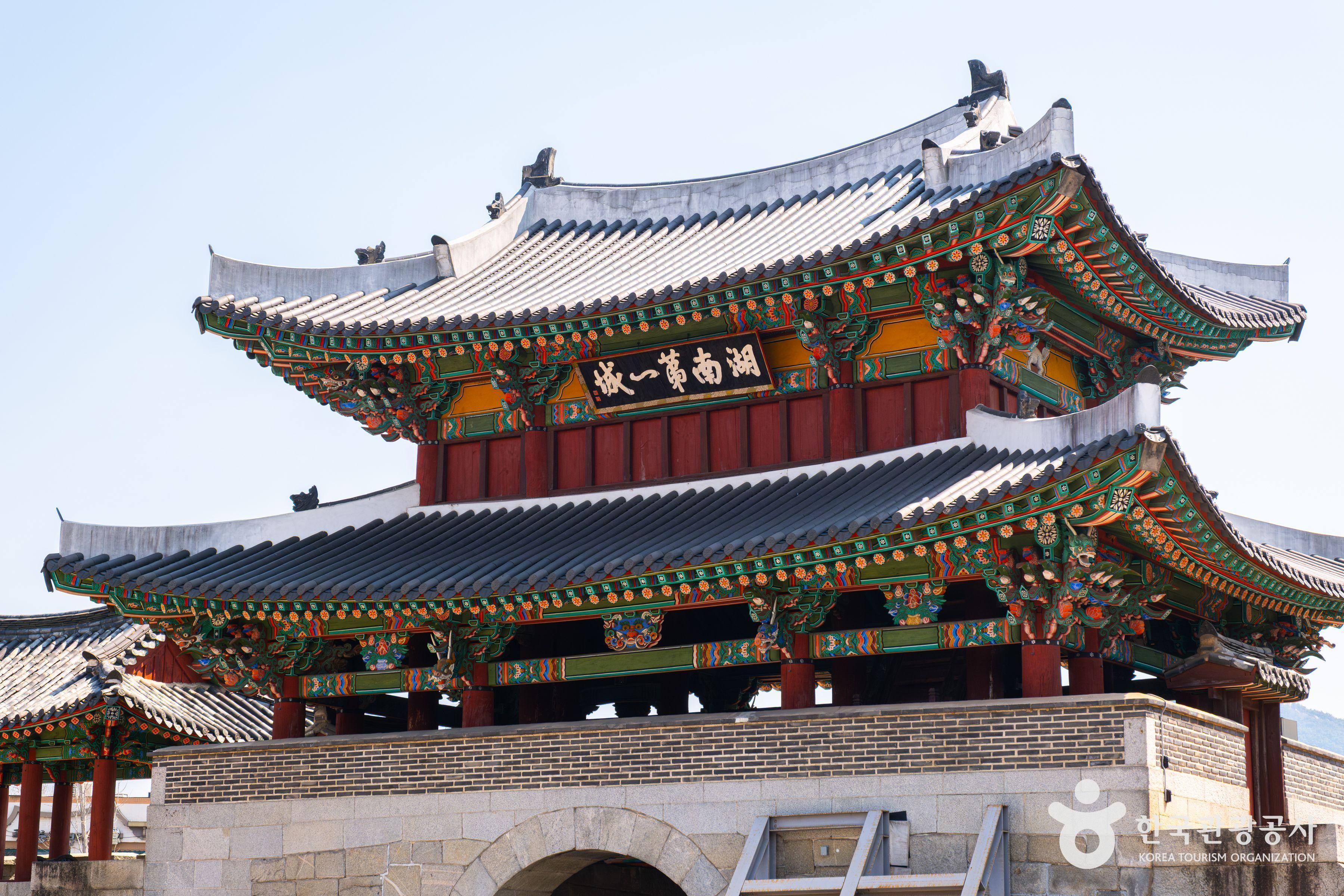
Pungnammun GateClimb the southern gate of the former Jeonju Fortress and take in views of the fortress walls and the cityscape.
3
Pungnammun GateClimb the southern gate of the former Jeonju Fortress and take in views of the fortress walls and the cityscape.
Food & Dining 3
-
 4
4
-
 5
5
-
 6
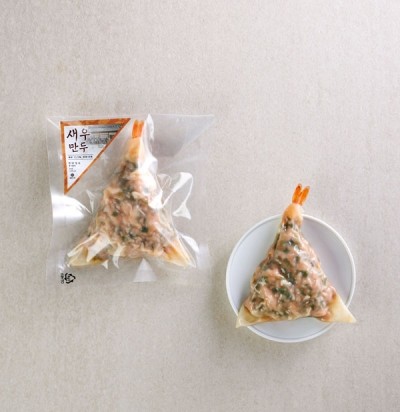
DaurangEnjoy handmade dumplings in the style of Jeonju Hanok Village, along with a variety of other dumplings.
6
DaurangEnjoy handmade dumplings in the style of Jeonju Hanok Village, along with a variety of other dumplings.
More Travel Guides in This Area
 Travel Guide
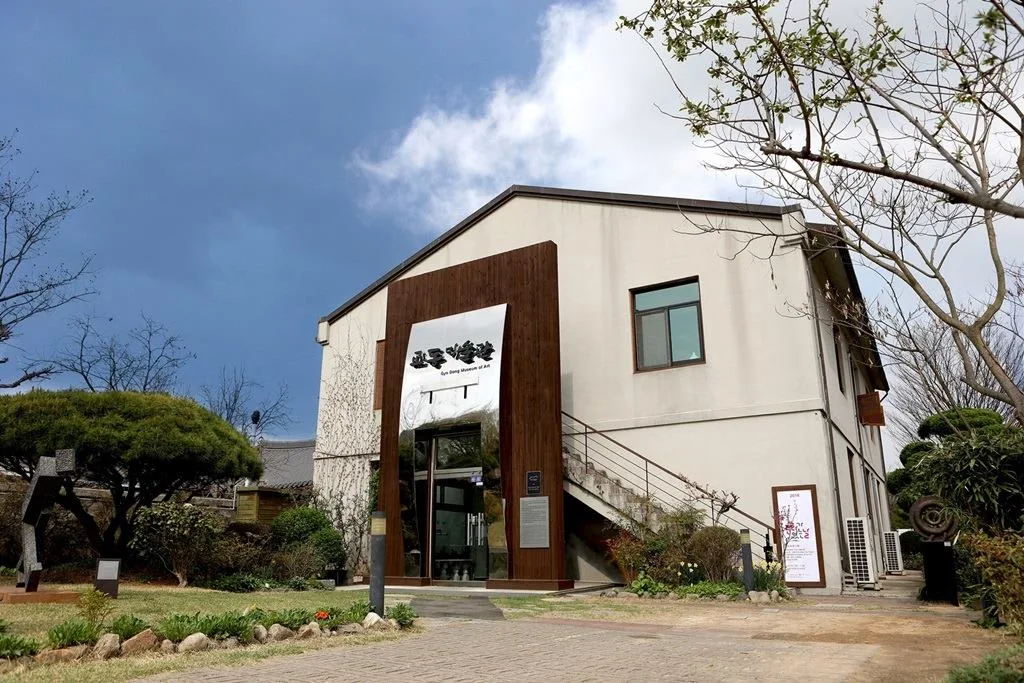
Jeonju Gyodong Art Museum, Where Factory Sewing Machines Meet Contemporary Art
 Travel Guide
Jeonju Gyeonggijeon, where Taejo’s portrait and the Jeonju Archives remain within the same grounds
 Travel Guide
The Literary Space of 『Honbul』 at 29 Choi Myeong-hui-gil
 Travel Guide
Discovering Hapjukseon and Fan Masters at the Jeonju Fan Culture Museum
Korea News
![BLACKPINK’s Lisa Dominates the VMA Red Carpet in a Sheer Corset Dress and Red Fur [Star Issue]](https://kotourlive-images.s3.ap-northeast-1.amazonaws.com/news/1790557894714_010e956a_news_94409db1-fab6-40bf-bc7b-4b985b1fbac7.jpg) News
News
BLACKPINK’s Lisa Dominates the VMA Red Carpet in a Sheer Corset Dress and Red Fur [Star Issue]
![BLACKPINK’s Jisoo Spotted by Surprise with BIGBANG in London… Their Special Loyalty as Labelmates [IS High Cut]](https://kotourlive-images.s3.ap-northeast-1.amazonaws.com/news/1790557854683_6ea979f5_news_caab62e5-8462-43c8-8622-da794f3df9de.png) News
News
BLACKPINK’s Jisoo Spotted by Surprise with BIGBANG in London… Their Special Loyalty as Labelmates [IS High Cut]
 News
News
Tattoos All Over Her Body… AOA’s Jimin Draws Shocked Attention After Kwon Mina’s ‘Bullying’ Allegations
![You’ll Have to Look Twice… Choi Min-a-soo Perfectly Pulls Off Everything from a Daring Illusion Dress at the Awards Ceremony to Long Braided Hair [RE:STAR]](https://kotourlive-images.s3.ap-northeast-1.amazonaws.com/news/1790492384850_1f293dad_news_d834c50e-0685-43ef-9aa5-6995cd6d8848.jpg) News
News