A Home of Pansori in the Hanok Village: Jeonju Sound Culture Center
Located in Jeonju Hanok Village, the Jeonju Sound Culture Center is a cultural facility where visitors can explore the history of pansori and experience Korean traditional music performance arts. From the perspective of a first-time foreign visitor, this guide covers free admission, the Master Singer Oh Jeong-suk Memorial Hall, the special exhibition room, hands-on and educational programs, as well as transportation, parking, and accessibility.

I’ve been here?
Your check-in helps the next traveler.
19 people viewed this week Be the first
One tap — no writing needed
A Pansori Space Opened in the Hanok Village on August 26, 2011
Jeonju Sori Culture Center is located in Jeonju Hanok Village and began trial operations on August 26, 2011. Its purpose is to create a traditional vocal music and arts environment together with citizens and support the transmission and preservation of pansori cultural heritage.
Jeonju City introduces it as a facility that builds and preserves traditional cultural performing arts infrastructure centered on pansori and supports preservation and creative activities. Therefore, it is less a place simply to view Hanok Village architecture and more a place to understand the cultural context of Jeonju, which presents itself as the home of pansori.
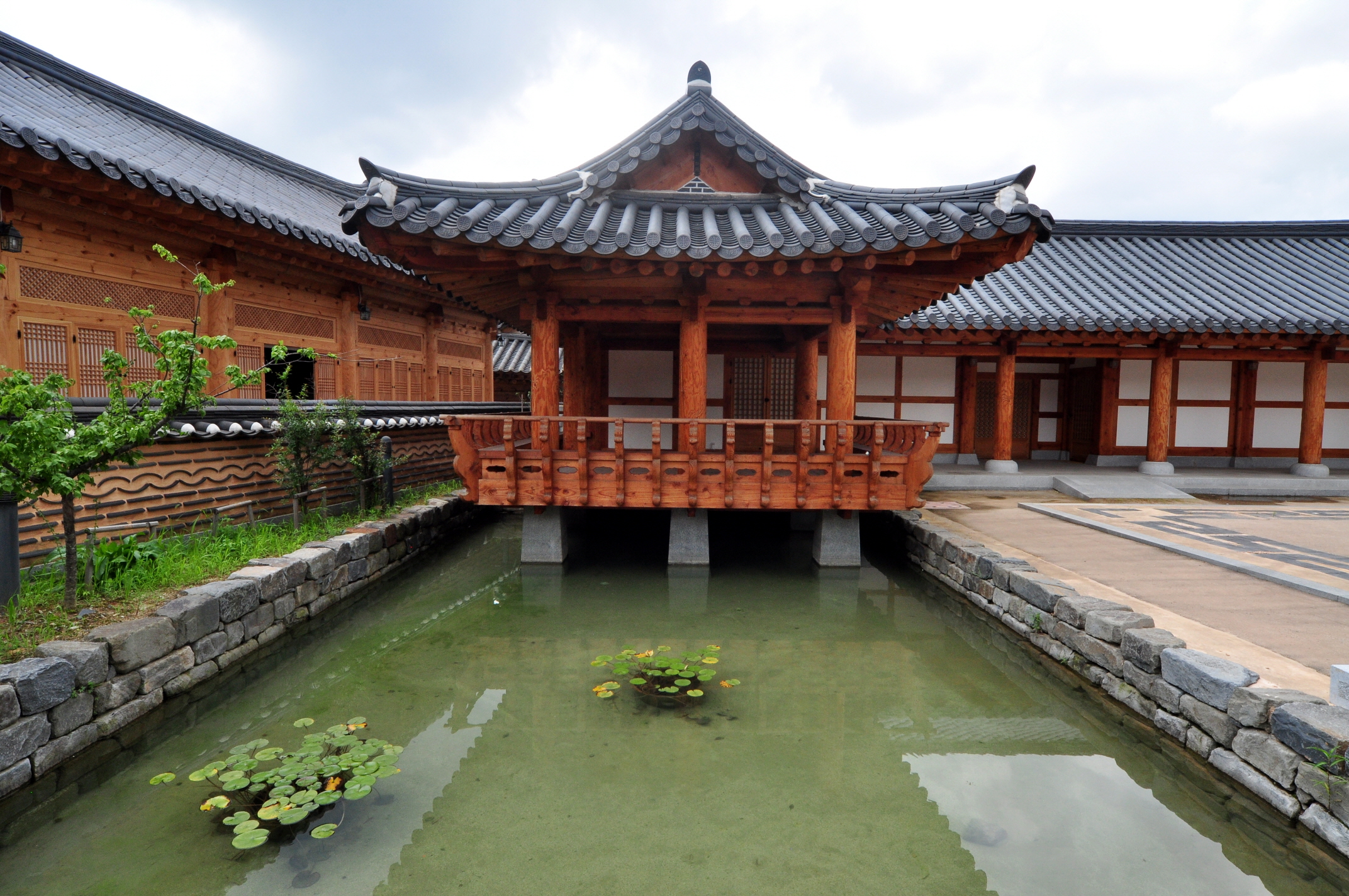
What to See in the Special Exhibition Room and the Master Singer Oh Jeong-suk Memorial Hall
The center operates a special exhibition room where visitors can learn about pansori history and the Master Singer Oh Jeong-suk Memorial Hall. Since these facilities cover the development of pansori and renowned singers through exhibitions, stopping by before seeing a performance can help visitors understand Jeonju’s vocal music culture.
However, publicly available information does not confirm the current detailed opening scope of the exhibition room and memorial hall, exhibition change schedule, or whether English information and audio guides are available. Some materials state that admission itself is free, but experience programs may incur separate fees.
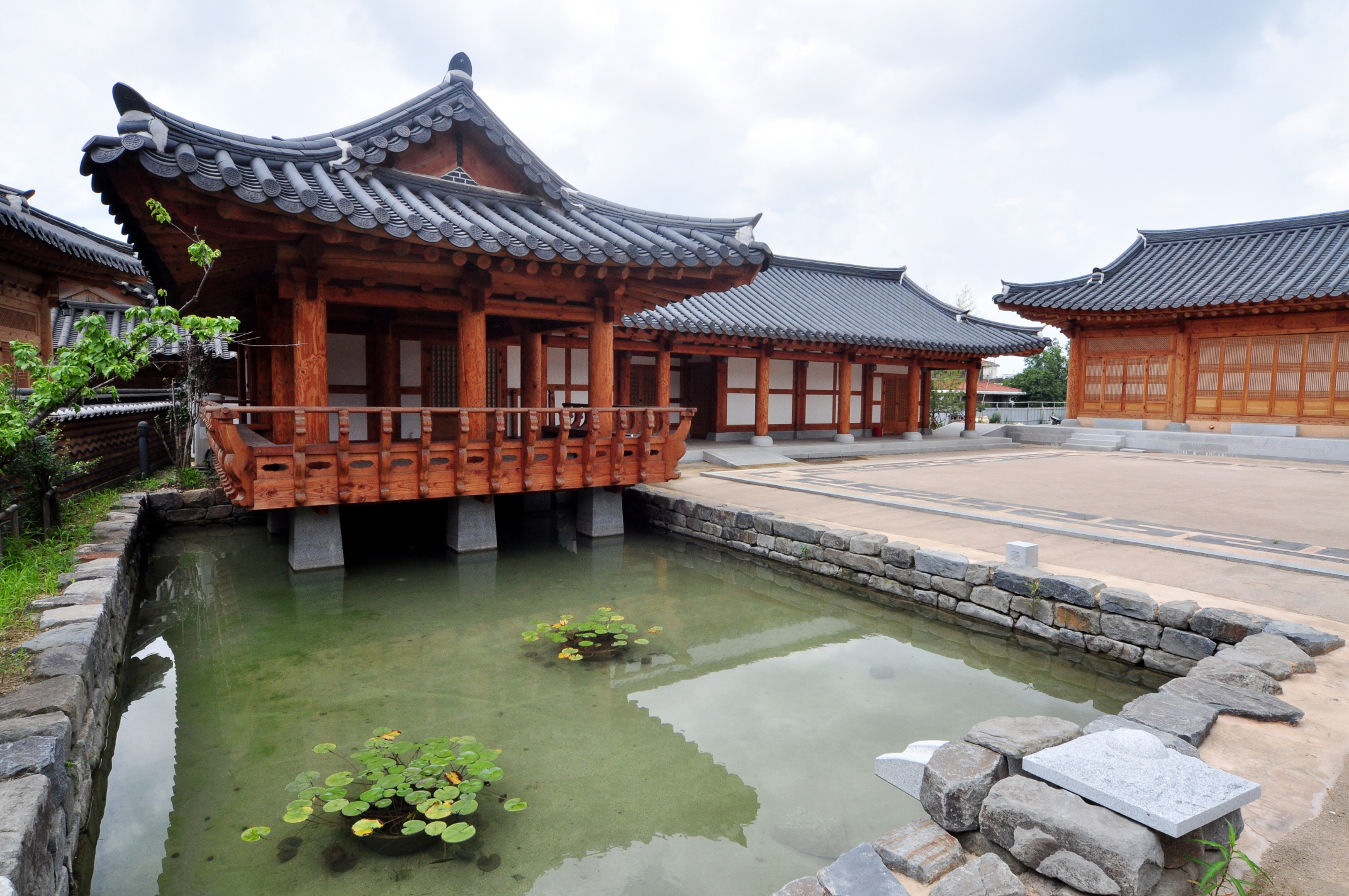
Visit from Tuesday to Sunday between 09:00 and 18:00
According to Jeonju tourism information, the center is open from Tuesday to Sunday, from 09:00 to 18:00. The same information includes a closing time written as “6 a.m.,” but in context it is presented as 18:00, or 6 p.m.
The center is closed on Mondays. Since operating hours may change, schedules that include Monday are not suitable, and it is safest to confirm current performance, education, experience schedules, and the admission cutoff time by calling 063-231-0771 before visiting.
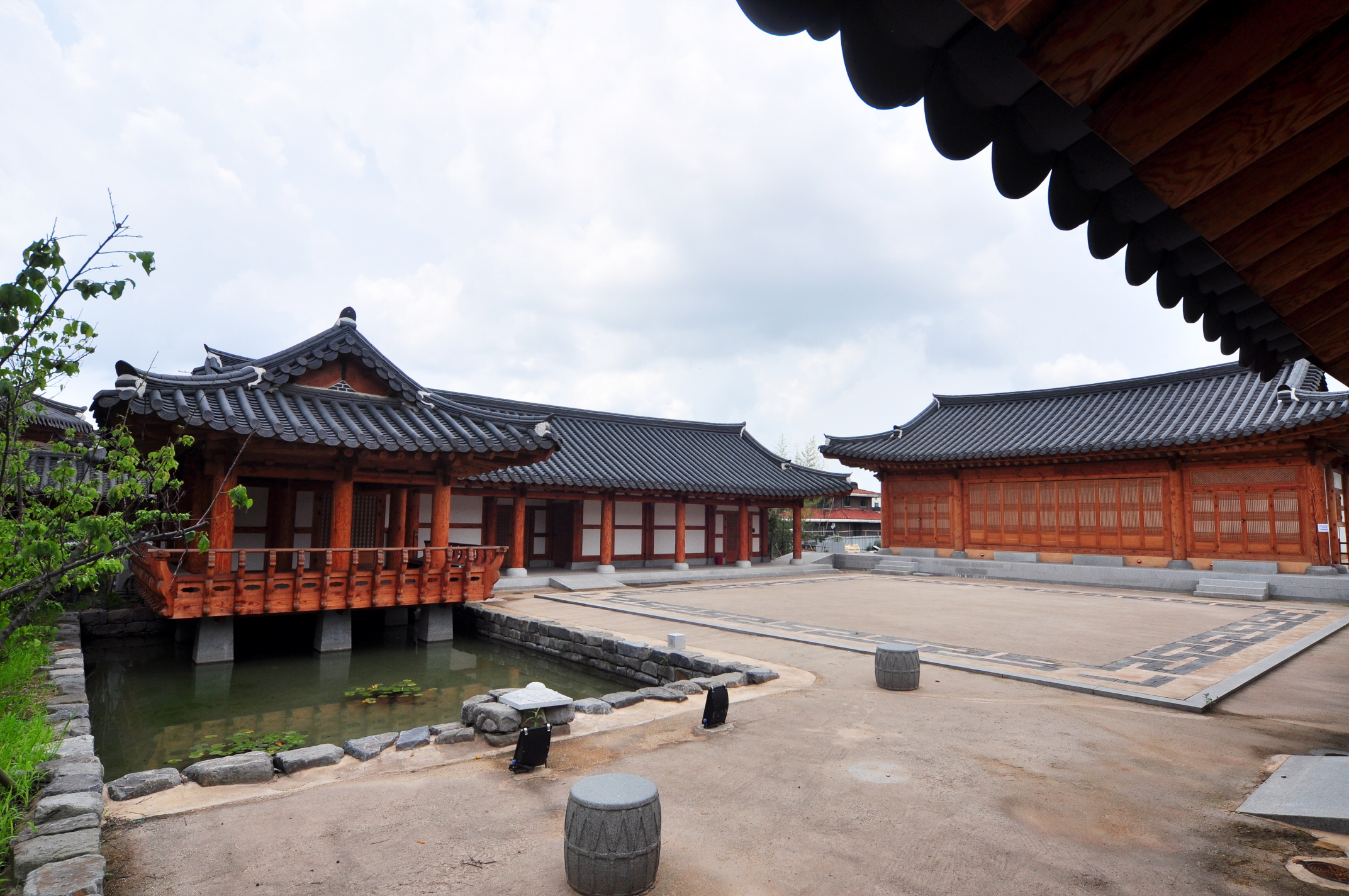
The Difference Between Free Admission and the 2015 Permanent Experience Program
Jeonju City’s 2015 permanent experience information listed basic admission as free and stated that experience fees were separate. At that time, the permanent experience program ran from January 2 to December 31, 2015, every Tuesday through Sunday from 10:00 to 19:00.
The program was intended for all age groups, and the organizing institution was Jeonju Sori Culture Center. Because current fees and reservation requirements for each experience have not been confirmed, visitors should not assume that all experiences are free simply because admission is free.
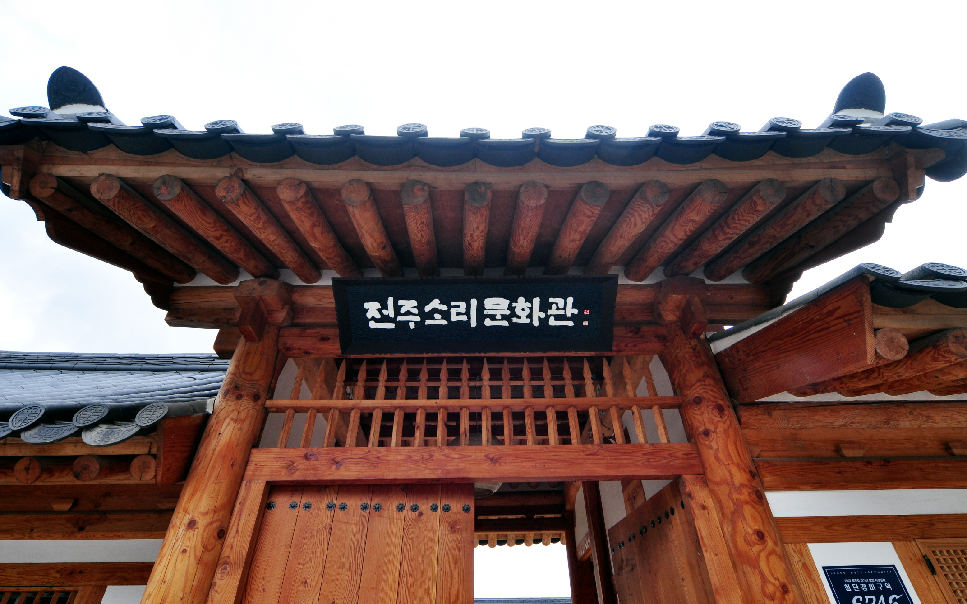
Program Activities Experienced in “Come Over! Our Sound!”
The 2015 traditional music guide program was called “Come Over! Our Sound!” The listed locations were the pond pavilion, seminar room, and Deoneumbang, and the program was designed for people of all ages to make pansori part of everyday life and broaden its popularity.
In the drummer experience, participants learned the buk rhythms of Jinyangjo, Jungmori, Jungjungmori, and Jajinmori. In the traditional instrument experience, they could try playing the gayageum, geomungo, haegeum, daegeum, ajaeng, and piri. These details come from the 2015 program record, so it cannot be assumed that the same activities are currently offered.
Videos Watched in the Hwaeumgamsil and the Wooden Flute Experience
At that time, pansori performance videos were shown in Hwaeumgamsil from 10:00 to 19:00. Videos of master singer performances titled “Ilsejijung,” “Gwangdaejeon,” and “The Blind Man of All Under Heaven Opens His Eyes” were introduced. This video-viewing program was listed as free.
Wooden flute making was also offered in Hwaeumgamsil from 10:00 to 19:00, allowing participants to make a flute directly from wooden materials. The Hanbok experience operated in the seminar room from 10:00 to 19:00 and was described as putting on Hanbok, walking around the cultural center, and taking photos.
Traveling from Jeonju Station to Hanok Village and 56 Hanji-gil
If departing from Seoul, visitors can take a KTX train or similar service from Yongsan Station to Jeonju Station. The listed number of daily services is 21–22, operating between 05:20 and 22:45, with travel times of approximately 1 hour 40 minutes to 3 hours 30 minutes.
The address of Jeonju Sori Culture Center is 56 Hanji-gil, Wansan-gu, Jeonju-si, Jeonbuk, and it is located inside Hanok Village. Specific bus route numbers, stop names, transfer routes, and walking times from Jeonju Station, Jeonju Express Bus Terminal, and Jeonju Intercity Bus Terminal have not been confirmed, so set “Jeonju Sori Culture Center” as the destination in a map app.
Hanok Village Public Parking and Wheelchair Access Information
Whether the cultural center itself has parking and its fees have not been separately confirmed, but visitors can use nearby Jeonju Hanok Village public parking lots. Public Parking Lot 1 is at 99 Girin-daero, Wansan-gu, Jeonju-si, with space for more than 290 vehicles; Public Parking Lot 2 is at 30-10 Eojin-gil, with space for more than 170 vehicles; and Public Parking Lot 3 is at 20 Gannap-ro, with space for more than 70 vehicles.
According to the relevant information, fees at nearby Jeonju Hanok Village public parking lots are 1,200 won for the first 30 minutes, 600 won for each additional 15 minutes, and a daily maximum of 14,400 won. Public Parking Lot 4 is listed as free. The cultural center’s main entrance has an approximately 5-degree ramp, and there is an accessible restroom on site. Hanok Village is introduced as a place where wheelchair mobility improved after the 2019 Accessible Tourism Destination Development Project.
Four Things Easy to Miss on a First Visit
The recommended viewing time for Jeonju Sori Culture Center has not been confirmed in publicly available reliable information. Current performance, education, and experience schedules; experience fees; reservation requirements; cash and card payment methods; photography restrictions; and the availability of English information and audio guides have also not been confirmed.
There are four practical details to remember before visiting. Avoid Monday, distinguish free admission from experiences that may require payment, enter the address as 56 Hanji-gil, Wansan-gu, Jeonju-si, Jeonbuk, and call 063-231-0771 for operating and program inquiries. The official website is http://sori.jjcf.or.kr/19.
Before You Go
- Address
- 56 Hanji-gil, Wansan-gu, Jeonju-si, Jeonbuk
- Hours
- Tuesday–Sunday, 09:00–18:00. Jeonju tourism information lists the closing time as “6 a.m.,” which appears to be an error; based on the existing information and context, it is confirmed as 18:00 (6 p.m.).
- Closed
- Closed on Mondays
- Admission
- Some materials list exhibition admission as free, but experience fees were separate. Current fees for individual experiences have not been confirmed.
- Phone
- 063-231-0771
- Official site
- http://sori.jjcf.or.kr/19
- Transport
- Located inside Jeonju Hanok Village, with nearby Jeonju Hanok Village public parking available. The main entrance has an approximately 5-degree ramp and an accessible restroom is available. KTX and similar trains run from Yongsan Station to Jeonju Station 21–22 times daily, from 05:20 to 22:45, with travel times of approximately 1 hour 40 minutes to 3 hours 30 minutes.
- Parking
- Whether Jeonju Sori Culture Center itself has parking and its fees have not been separately confirmed. According to the relevant information, nearby Jeonju Hanok Village public parking costs 1,200 won for the first 30 minutes, 600 won for each additional 15 minutes, and up to 14,400 won per day. Public Parking Lot 4 is listed as free.
- Accessibility
- Introduced as one of the more accessible cultural facilities in Jeonju Hanok Village. The main entrance of Jeonju Sori Culture Center has an approximately 5-degree ramp for wheelchair access, and there is an accessible restroom on site.
The information above is current as of the time of writing. Check the official information again before visiting.

Places
Nearby Attractions 3
-
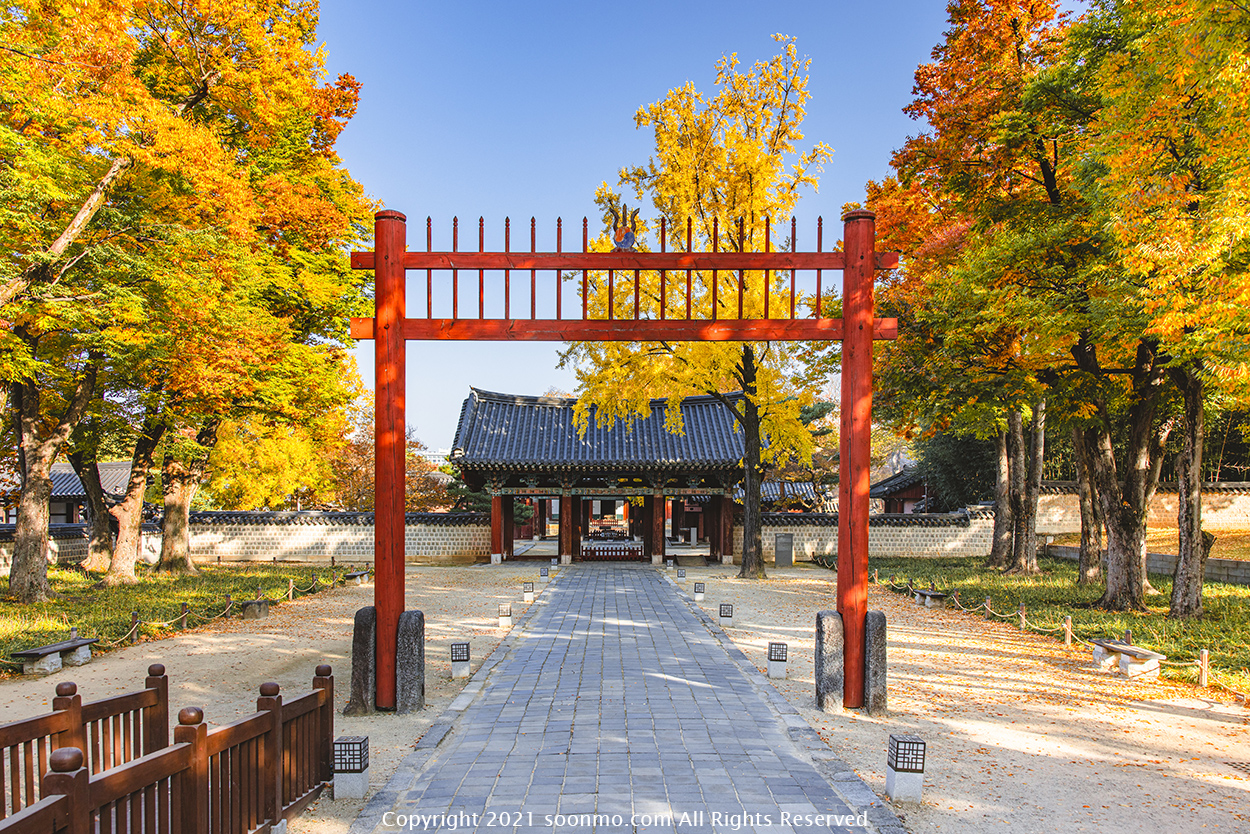 1
Gyeonggijeon ShrineA historical site where visitors can view King Taejo’s portrait and relics of the Joseon royal family
1
Gyeonggijeon ShrineA historical site where visitors can view King Taejo’s portrait and relics of the Joseon royal family -
 2
2
-
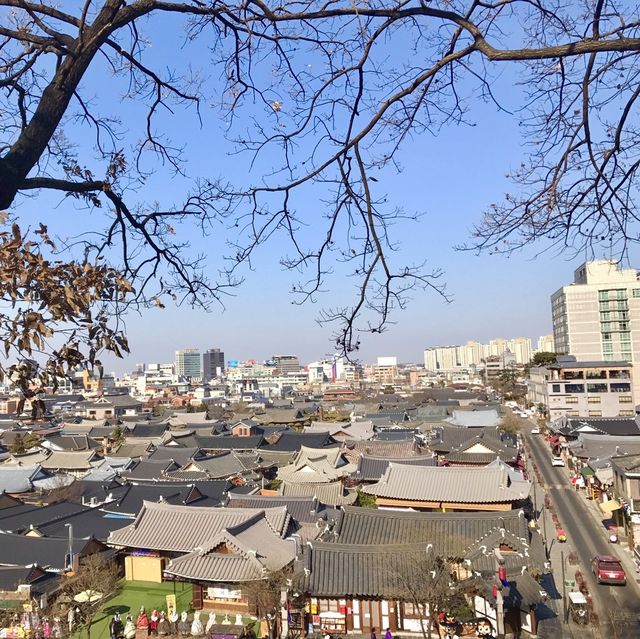 3
OmokdaeA scenic viewpoint offering panoramic views of Jeonju Hanok Village and insights into the history associated with Yi Seong-gye
3
OmokdaeA scenic viewpoint offering panoramic views of Jeonju Hanok Village and insights into the history associated with Yi Seong-gye
Food & Dining 3
-
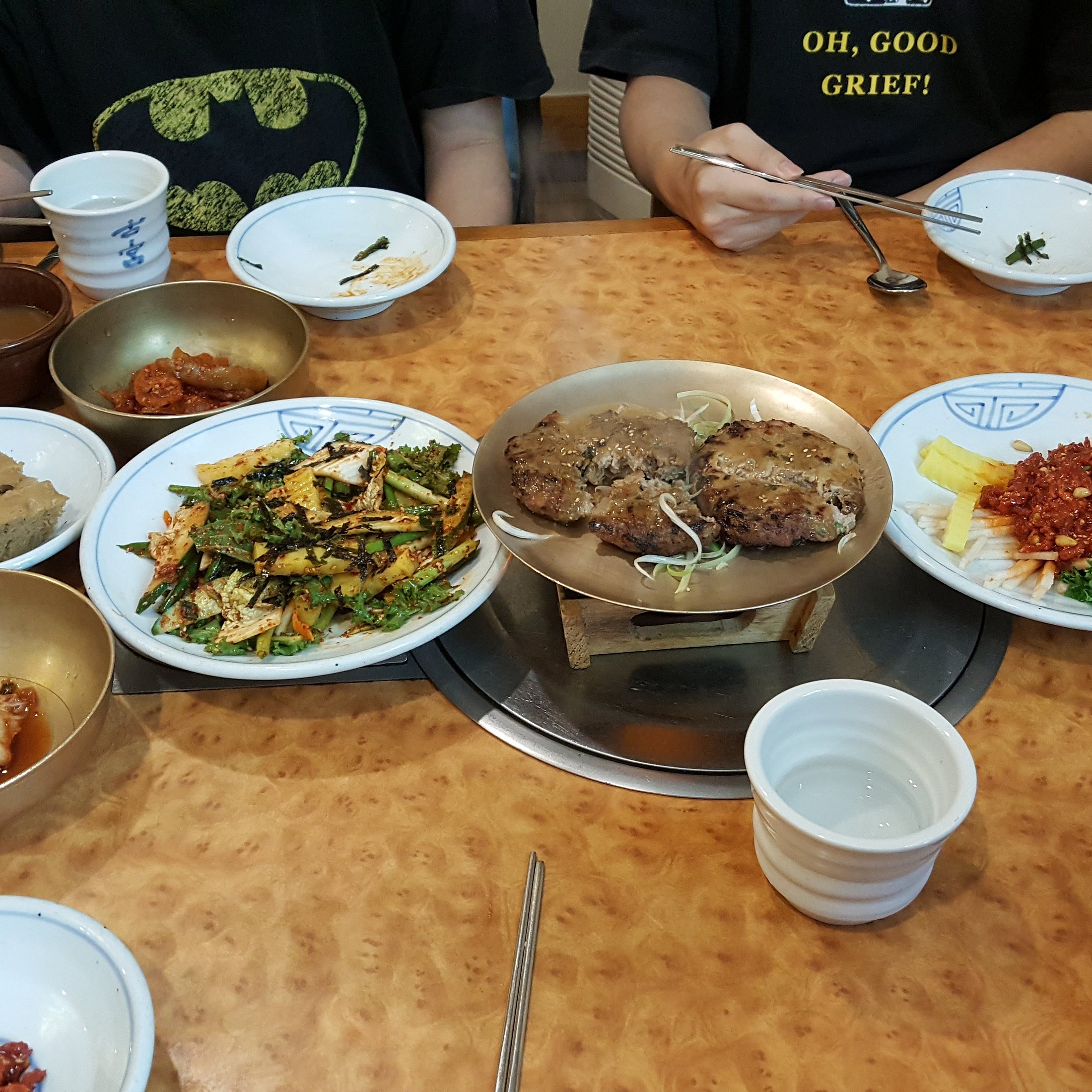 4
Gogung Suragan Hanok Village BranchA Korean restaurant serving traditional-style Jeonju bibimbap
4
Gogung Suragan Hanok Village BranchA Korean restaurant serving traditional-style Jeonju bibimbap -
 5
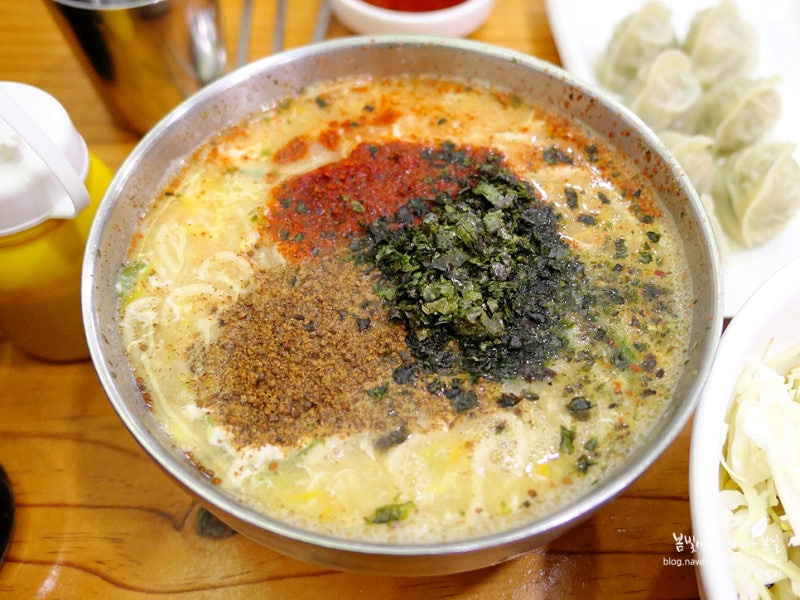
Veteran KalguksuA restaurant where you can enjoy unique kalguksu topped with perilla seeds and seaweed.
5
Veteran KalguksuA restaurant where you can enjoy unique kalguksu topped with perilla seeds and seaweed. -
 6
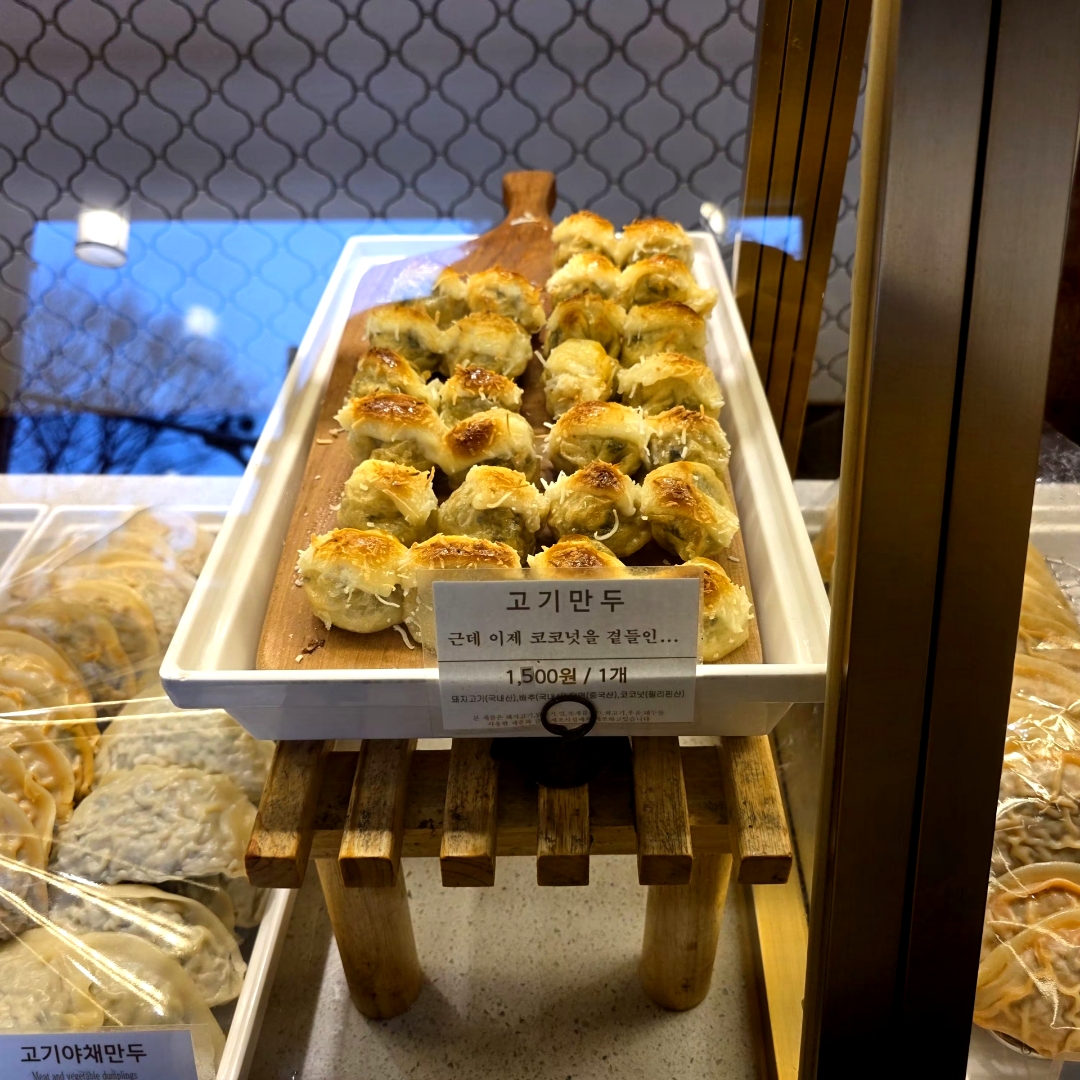
DaurangA dumpling specialty restaurant offering a variety of handmade dumplings, including shrimp dumplings.
6
DaurangA dumpling specialty restaurant offering a variety of handmade dumplings, including shrimp dumplings.
More Travel Guides in This Area
 Travel Guide
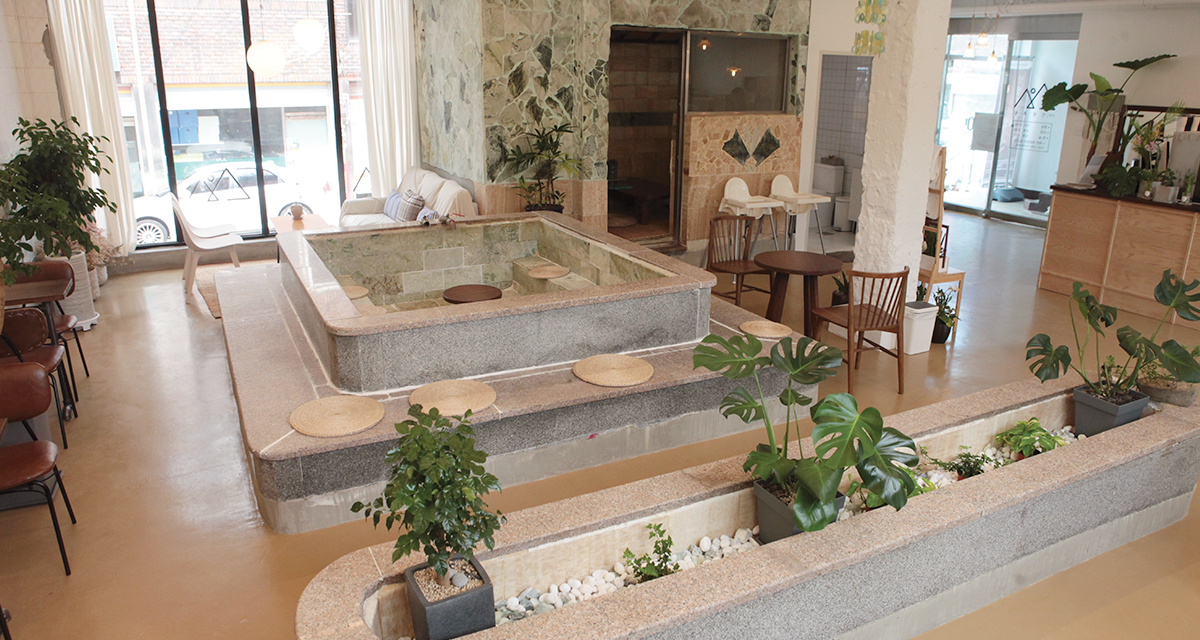
Girin Towol, Where a Hot Bath Became a Café
 Travel Guide
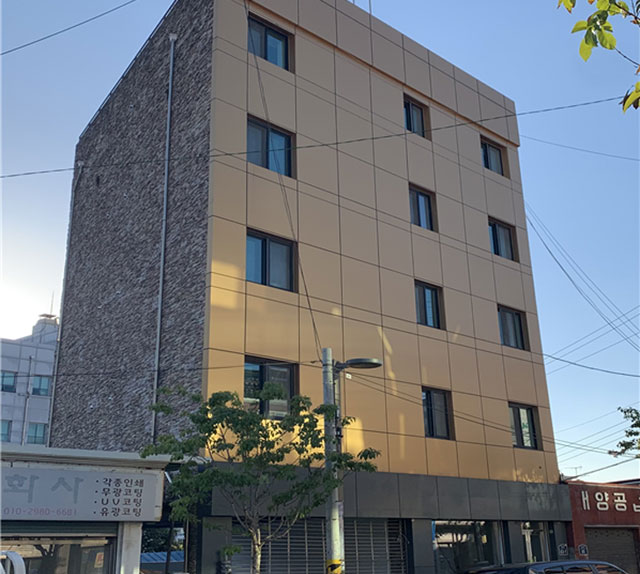
Jeonju Seonosong Art Village: An Urban Regeneration Site Where 20 Rooms of Seonmi Village Were Transformed
 Travel Guide
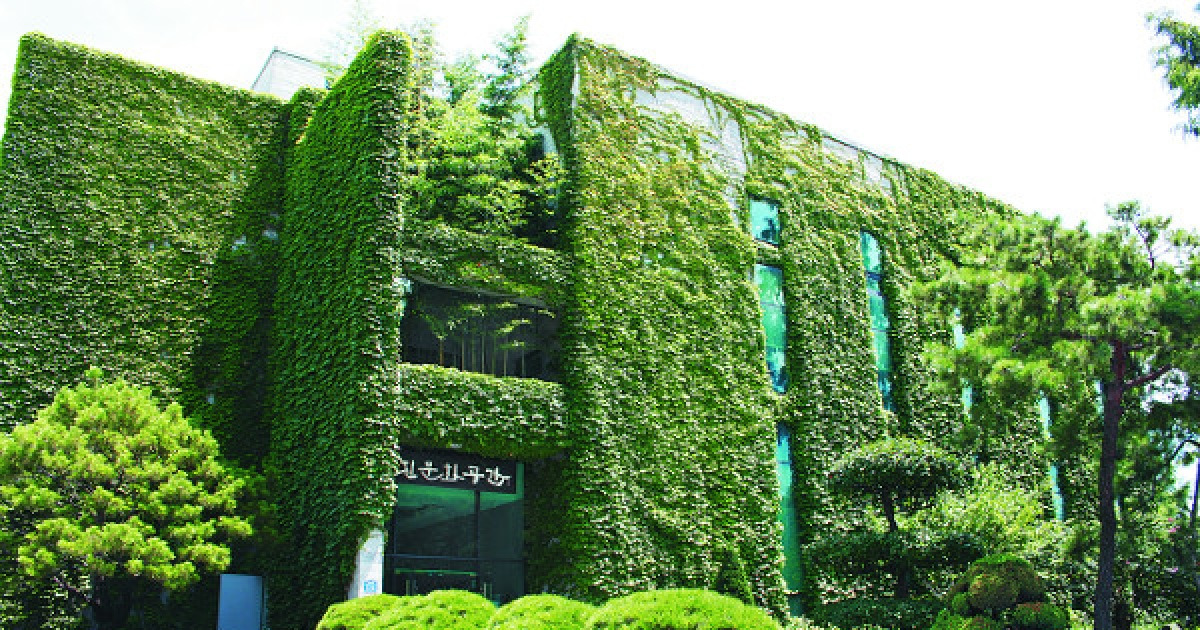
Performances and Exhibitions at Ujin Cultural Space by Jeonjucheon Stream
 Travel Guide
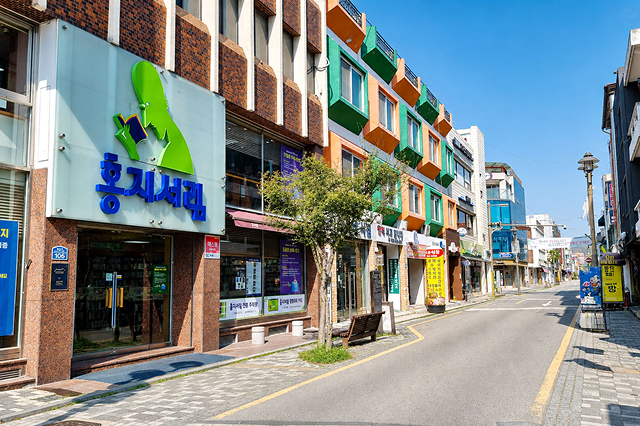
Jeonju Dongmun Art Street: An Old Downtown Walk Connecting Used Bookstores and Samyang Dabang
Korea News
 News
News
‘NewJeans Expulsion’ Danielle Releases Her First YouTube Video… “We Don’t Know What Will Happen Next”
![aespa’s North American Tour Has Remaining Seats Despite ‘$49’ Bargain Prices… A Stark Popularity Gap with KATSEYE [TEN Starfield]](https://kotourlive-images.s3.ap-northeast-1.amazonaws.com/news/1788485037424_a59b1932_naver_rank_thumb_0000774618_1788485037424.jpg) News
News
aespa’s North American Tour Has Remaining Seats Despite ‘$49’ Bargain Prices… A Stark Popularity Gap with KATSEYE [TEN Starfield]
![[Photo] TWICE’s Dahyun attends a film festival red carpet as an actress](https://kotourlive-images.s3.ap-northeast-1.amazonaws.com/news/1788485316508_edd43ecd_news_870a60a6-6f11-4d73-aa7c-48d91318a0f7.jpg) News
News
[Photo] TWICE’s Dahyun attends a film festival red carpet as an actress
![[On-Site Video] “We’re Departing Separately Together”… BIGBANG Begins ‘COSMOS’ World Tour](https://kotourlive-images.s3.ap-northeast-1.amazonaws.com/news/1788485226518_c5719641_news_fdd4764a-0f4e-4968-8e4e-e98a02872f88.jpg) News
News