How to See Hwanggang Seowon and Munhakdae in Jeonju When the Gate Is Closed
Hwanggang Seowon is a Confucian academy of the Jeonju Yi clan honoring Yi Mun-jeong, a Confucian scholar from the late Goryeo period. After the Imjin War and the 1868 decree ordering the closure and demolition of seowon academies, it was rebuilt at its present location in 1898. Since information about interior access, operating hours, and admission fees has not been made public, the most practical option is to focus on the red-lacquered gate and exterior while also visiting Munhakdae.
I’ve been here?
Your check-in helps the next traveler.
12 people viewed this week Be the first
One tap — no writing needed
Why Hwanggang Seowon Stands in Majeon Village Beneath Hwangbangsan Mountain
Hwanggang Seowon is a Confucian academy of the Jeonju Yi clan located at 8-7 Hwanggangseowon 5-gil, Wansan-gu, Jeonju-si, Jeonbuk State, in Hyoja-dong 3-ga. Majeon Village, where the academy stands, is a village where the Jeonju Yi clan has lived for generations, and Hwanggang Seowon is described as being situated beneath Hwangbangsan Mountain.
“Hwanggang” was the pen name of the late Goryeo Confucian scholar Yi Mun-jeong. Yi Mun-jeong served as a chief scholar-official during the reign of King Gongmin at the end of the Goryeo dynasty. He advocated reforms that promoted Confucianism instead of Buddhism and sought to change customs by establishing schools. After retiring from office, he opened Munhakdae in his hometown, where he taught Neo-Confucianism.
How It Was Moved from Gonji Mountain to Its Present Site in 1898
Hwanggang Seowon was originally built beneath Gonji Mountain in Jeonju. After being destroyed during the Imjin War, it was rebuilt, but was demolished in 1868 under the royal order to abolish seowon academies issued in the fifth year of King Gojong’s reign. In 1898, during the second year of the Gwangmu era, it was moved to its present location and reconstructed.
For this reason, today’s Hwanggang Seowon is a place where traces of four periods overlap: Yi Mun-jeong’s educational activities in the late Goryeo period, destruction during the Imjin War, the abolition of seowon academies in the late Joseon period, and reconstruction during the Korean Empire. On April 1, 1984, it was designated Jeollabuk-do Cultural Heritage Material No. 12.
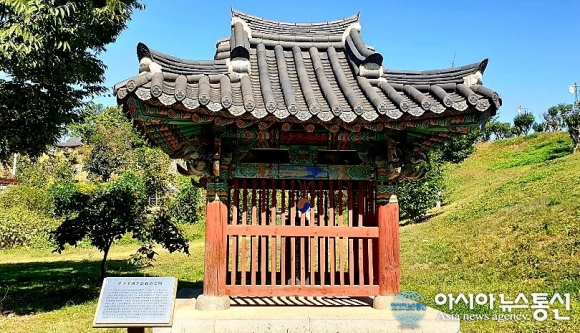
A Front-School-and-Back-Shrine Layout Beyond the Red-Arrow Gate
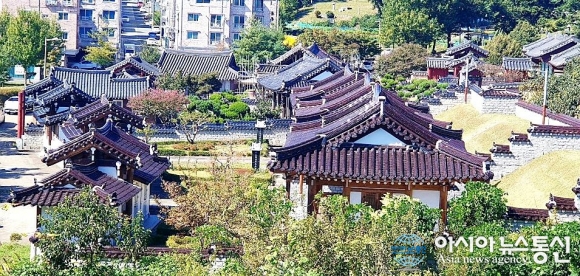
At the entrance stands a hongsalmun, a wooden gate painted red. The seowon is described as having a front-school-and-back-shrine layout, with education conducted in front and ancestral rites held behind. Passing through the outer three-gate entrance leads to a lecture hall with a hipped-and-gabled roof.
Three stele stand side by side in front of the lecture hall, and each of its six pillars bears a column inscription. The “Hwanggang Seowon” and “Wansanjae” hanging plaques in the lecture hall are introduced as calligraphy by Yeosan Song Seong-yong (1913–1999).

Figures to Learn About at Hwanggangsa, Yanghusa, and Yeongmojae
Hwanggangsa, behind the lecture hall, is a shrine that enshrines memorial tablets and holds ancestral rites for Yi Mun-jeong and other exemplary scholars. East of Hwanggangsa is Yanghusa, whose name derives from the posthumous title of Yi Baek-yu, a civil official who lived from the late Goryeo to the early Joseon period. Passing through another outer three-gate entrance leads to Yeongmojae.
In addition to Yi Mun-jeong, Hwanggang Seowon enshrines the memorial tablets of seven people in total. The figures introduced are Yi Mun-jeong, Yi Baek-yu, Yi Gyeong-dong, Yi Mok, Yi Deok-rin, Yu In-hong, and Gang Hae-u. Yi Gyeong-dong is described as having served as chief inspector of the Joseon censorate.
Looking Outside the Seowon as Far as the 1884 Memorial Gate
Outside the seowon are the “Memorial Gate for Jeong of Dongnae, a Filial Daughter-in-Law,” which records the filial conduct of the ancestors, the stele for “Yi Chun-seon, a Filial Son of the Jeonju Yi Clan,” and the “Record of the Pavilion for Yi, a Filial Son.” The memorial gate honors Jeong of Dongnae, the wife of Yi Hui-geuk, a 13th-generation descendant of Yi Baek-yu, and was erected in 1884 by royal order of King Gojong.
Thus, Hwanggang Seowon is not merely a place to view a shrine and lecture hall; it is an area where traces connected to the Jeonju Yi clan’s education, ancestral rites, and filial conduct are gathered together. Even if you cannot enter, you can focus on the hongsalmun, the stele in front of the lecture hall, and the exterior memorial gate.
Take the Uphill Path on Hwanggang Seowon’s Left to Reach Munhakdae
Munhakdae is introduced as being accessed by walking uphill along the wall on the left side of Hwanggang Seowon. Munhakdae is a pavilion with a room in the center and wooden floors on all four sides. It is described as the place where Yi Mun-jeong studied Neo-Confucianism, educated disciples, and spent his later years.
Munhakdae was built in 1357, the sixth year of King Gongmin’s reign, and burned down during the Imjin War before being rebuilt by descendants in 1824, the 24th year of King Sunjo’s reign. It is a three-bay-by-three-bay building with a hipped-and-gabled roof and was designated Jeollabuk-do Monument No. 24 on April 2, 1976.
Munhakdae’s Relocation Due to Development in 2006 and 2007
Records state that Munhakdae was originally located at San 334-1, Hyoja-dong 3-ga, Wansan-gu, but was moved to its present location in 2006 due to development of the Seobu New Town. Official Jeonju materials explain that it was moved behind the shrine of Hwanggang Seowon along with the development of the Seobu New Town in 2007.
Munhakdae’s relocation is also reflected in the names of nearby roads. The current road name Munhak-ro is introduced as having been derived from Munhakdae. Its address is given as 8-7 Hwanggangseowon 5-gil, Wansan-gu, Jeonju-si, Jeonbuk State, the same as Hwanggang Seowon, so the two historic sites can be explored along one route.
How to Visit a Seowon Without Published Hours or Admission Fees
Hwanggang Seowon’s official operating hours and regular closing days have not been published in the available sources. An official admission fee has also not been confirmed, so it cannot be assumed to be free. Therefore, rather than planning this as a tourist attraction where you buy a ticket and enter at set times like a museum, it is safer to treat it as a place where you arrive at the address and prioritize viewing the exterior.
A visitor review dated December 9, 2019, records that interior viewing was not possible to protect the cultural heritage and that the doors were locked, so only the exterior was examined. The available sources do not specify whether interior photography is prohibited, whether English guidance or an audio guide is available, whether parking is possible, or how long a visit is recommended. There is an uphill path toward Munhakdae, so wheelchair and stroller users should assess accessibility separately on site.
Navigate by Address and the Majeon Village Marker Rather Than Public Transportation
For visitors from outside the area, the clearest option is to enter “8-7 Hwanggangseowon 5-gil, Wansan-gu, Jeonju-si, Jeonbuk State” into a navigation app. The access route described in the sources is to pass the entrance to Munhakdae First Park, where the Majeon burial mounds are located, find the marker for Marat (Majeon) Village, and then head toward Hwanggang Seowon on the low hill behind it.
The available sources do not provide a specific station exit, bus route number or stop, or walking distance to Hwanggang Seowon. Parking availability and fees have also not been published. On site, use the hongsalmun as the reference point for the seowon entrance. If looking for Munhakdae, follow the wall and uphill path on the left side of the seowon.
2025 Restoration Work and Contact Information Before Visiting
The Hwanggang Seowon area was included in a 2025 public notice for repairs to interior and exterior drainage channels, stairs, and walls, as well as restoration work on the hongsalmun. The construction period was set at 90 days from the start date, and the estimated cost was 148,720,000 won.
The same notice stated that quotations could be submitted from 10:00 on September 9, 2025, to 10:00 on September 11, 2025. The phone number for Jeonju City’s National Heritage Management Division, listed for restoration-work inquiries, is 063-281-5127. Since the scope of access after the 2025 restoration has not been separately confirmed, do not enter if the gate is closed or signs of construction are visible.
Two Records You Can Watch First
Before visiting, the Hwanggang Seowon video from the History and Cultural Contents Department channel of Jeonju University may be useful. “[Yeokmuncon TV] Storytelling Media Lab | Hwanggang Seowon | An Unknown Hidden Story of Jeonju” was posted on July 18, 2021.
JTV’s video “[Discovering Jeonbuk] Jeonju Story, Part 2: Hwanggang Seowon and the Majeon Yi Clan” was posted on May 18, 2018. Both videos help viewers understand not only the seowon buildings but also the local context of Majeon Village and the Jeonju Yi clan in advance.
Before You Go
- Address
- 8-7 Hwanggangseowon 5-gil, Wansan-gu, Jeonju-si, Jeonbuk State (Hyoja-dong 3-ga)
- Phone
- 063-281-5127 (Jeonju City National Heritage Management Division contact for restoration work around Hwanggang Seowon)
- Official site
- https://daum.jeonju.go.kr/main/menu?do=view&gc=WEBZINE7&page=29&webzine_code=p3779w521lqkr75k&wgroup_code=g9d728cqyhng6ypj
- Transport
- The described route approaches via the low hill after passing the entrance to Munhakdae First Park and the Majeon Village marker. Walk uphill along the wall on the left side of Hwanggang Seowon to reach Munhakdae.
- Accessibility
- Reports state that the interior of Hwanggang Seowon was locked and only the exterior could be viewed, while other sources note an uphill path leading to Munhakdae.
The information above is current as of the time of writing. Check official guidance again before visiting.

Places
Nearby Attractions 3
-
 1
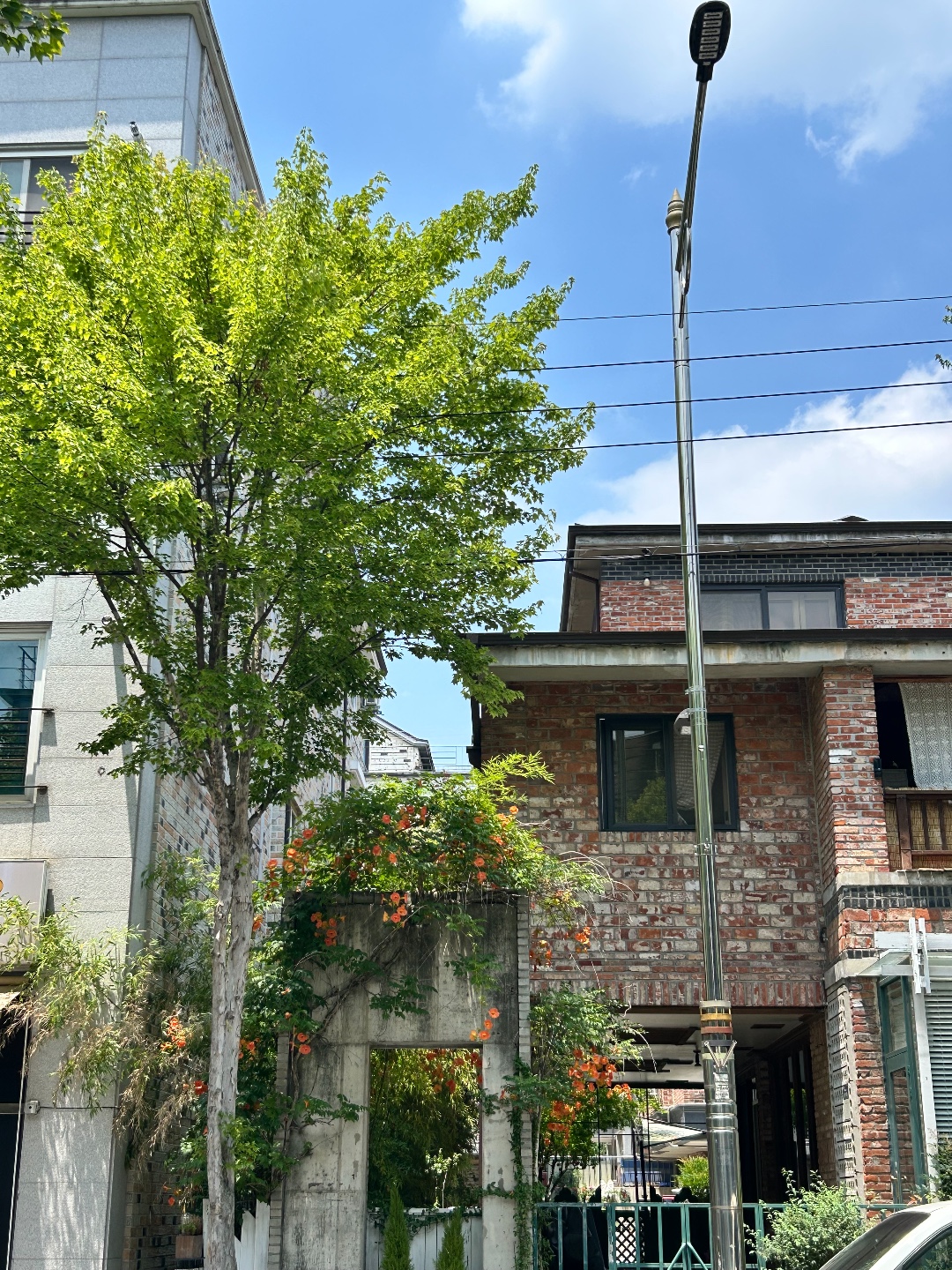
Munhakdae PavilionA pavilion where Yi Mun-jeong, a Confucian scholar of the late Goryeo period, taught his disciples.
1
Munhakdae PavilionA pavilion where Yi Mun-jeong, a Confucian scholar of the late Goryeo period, taught his disciples. -
 2
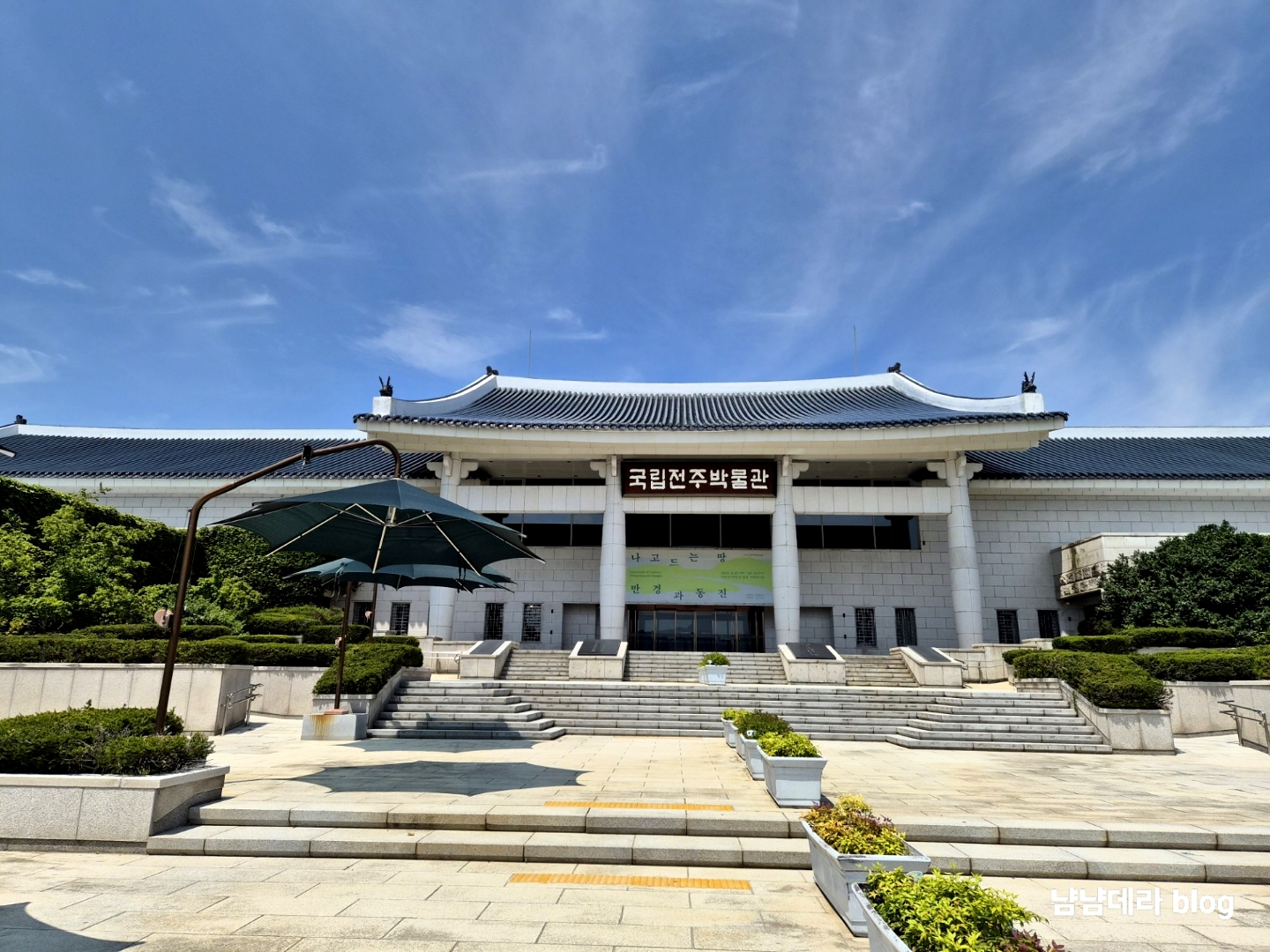
Jeonju National MuseumA national museum showcasing the history and cultural heritage of Jeonbuk Province
2
Jeonju National MuseumA national museum showcasing the history and cultural heritage of Jeonbuk Province -
 3
3
Food & Dining 3
-
 4
4
-
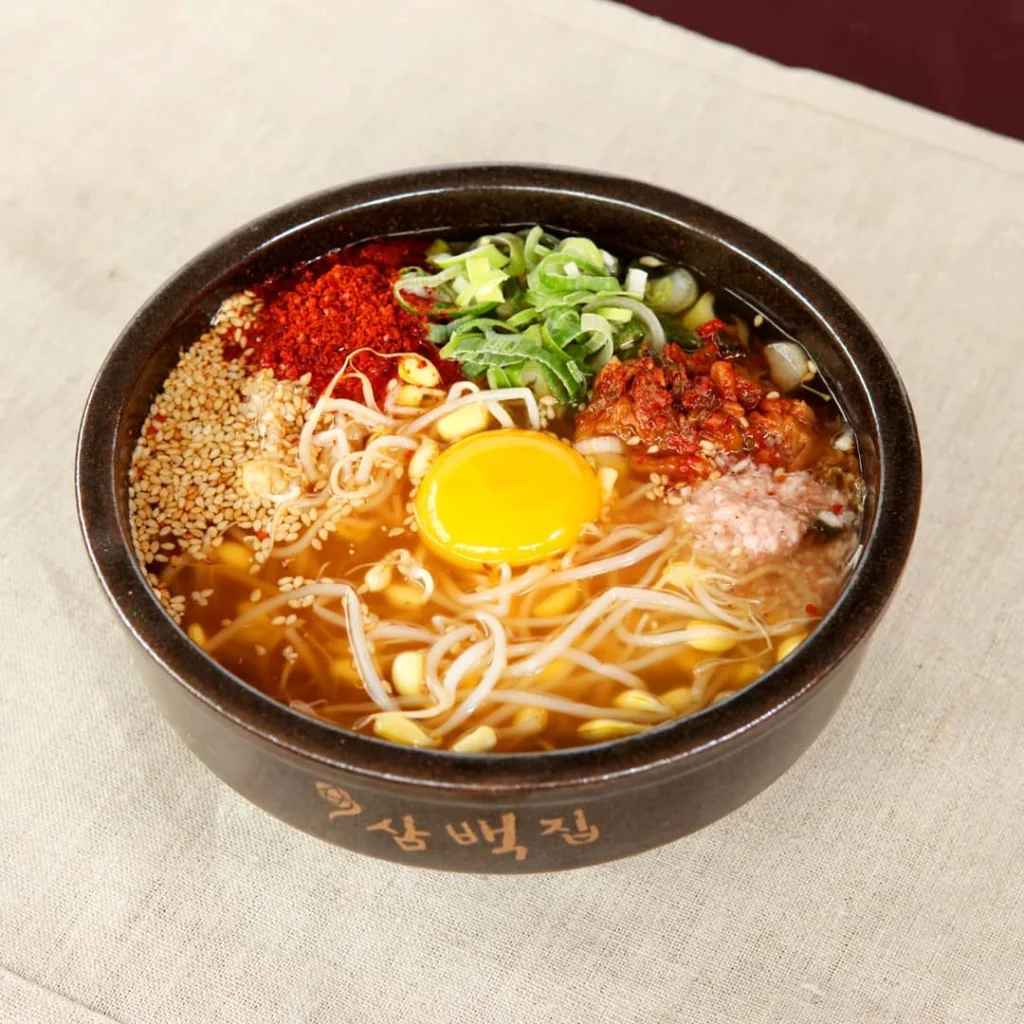 5
5
-
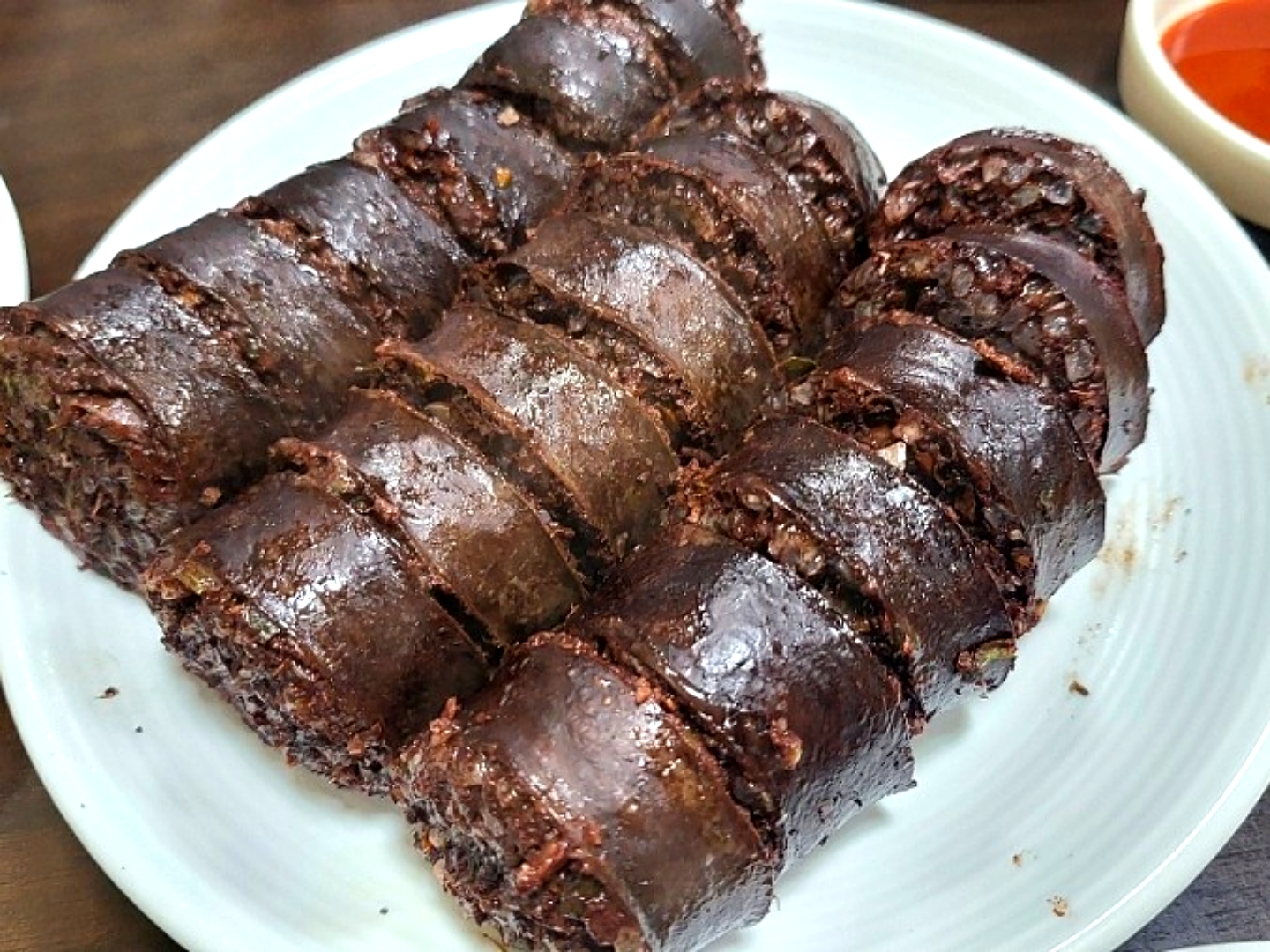 6
Jo Jeom-rye Nammun Pi SundaeA Nambu Market restaurant serving blood sausage and sundae soup with rice.
6
Jo Jeom-rye Nammun Pi SundaeA Nambu Market restaurant serving blood sausage and sundae soup with rice.
More Travel Guides in This Area
 Travel Guide
Jeonbuk Provincial Government Library’s Role as the Representative Library at 225 Hyoja-ro
 Travel Guide
How to Discover Independent Publishing and Jeonju Resources at Jeonju Wansan Library
 Travel Guide
A Book Playground in Jeonju at Jeonju Municipal Library Kkotsim
 Travel Guide
Jeonju Hanji Museum
Korea News
![BLACKPINK’s Lisa Dominates the VMA Red Carpet in a Sheer Corset Dress and Red Fur [Star Issue]](https://kotourlive-images.s3.ap-northeast-1.amazonaws.com/news/1790557894714_010e956a_news_94409db1-fab6-40bf-bc7b-4b985b1fbac7.jpg) News
News
BLACKPINK’s Lisa Dominates the VMA Red Carpet in a Sheer Corset Dress and Red Fur [Star Issue]
![BLACKPINK’s Jisoo Spotted by Surprise with BIGBANG in London… Their Special Loyalty as Labelmates [IS High Cut]](https://kotourlive-images.s3.ap-northeast-1.amazonaws.com/news/1790557854683_6ea979f5_news_caab62e5-8462-43c8-8622-da794f3df9de.png) News
News
BLACKPINK’s Jisoo Spotted by Surprise with BIGBANG in London… Their Special Loyalty as Labelmates [IS High Cut]
 News
News
Tattoos All Over Her Body… AOA’s Jimin Draws Shocked Attention After Kwon Mina’s ‘Bullying’ Allegations
![You’ll Have to Look Twice… Choi Min-a-soo Perfectly Pulls Off Everything from a Daring Illusion Dress at the Awards Ceremony to Long Braided Hair [RE:STAR]](https://kotourlive-images.s3.ap-northeast-1.amazonaws.com/news/1790492384850_1f293dad_news_d834c50e-0685-43ef-9aa5-6995cd6d8848.jpg) News
News