Bomunsa Temple Facing the West Sea Beyond 419 Steps on Seokmodo Island
Founded in 635, the fourth year of Queen Seondeok’s reign in Silla, Bomunsa Temple is a seaside Avalokitesvara prayer sanctuary located on Nakgasan Mountain on Seokmodo Island, Incheon. To explore the stone chamber, Geungnakbojeon Hall, and the seated rock-carved Avalokitesvara statue at the top of the 419 steps, check the operating hours and stair access in advance.
I’ve been here?
Your check-in helps the next traveler.
No one has checked in yet Be the first
One tap — no writing needed
How to Get from Ganghwa Bus Terminal to Bomunsa Temple Bus Stop
For visitors from outside the area, Ganghwa Passenger Vehicle Terminal is a convenient starting point. As of 2023, local buses bound for Samsan-myeon were listed as 31A, 31B, 35A, 35B, and 39A, while Samsan village buses were listed as 905-1, 905-2, 906-1, and 906-2.
One recommended route is to take branch bus 31B from Ganghwa Bus Terminal, get off at Bomunsa Temple Bus Stop, and walk approximately 2 minutes to Bomunsa Temple. However, since the interval between buses was not provided, Seokmodo City Tour, listed as operating on Fridays, is another option if it is difficult to coordinate your schedule with the bus timetable.
- The city tour departs from the Incheon Comprehensive Tourist Information Center, accessible from Central Park Station Exit 3.
- As of 2023, the city tour was listed as operating once every Friday, with a total duration of approximately 8 hours.
Bomunsa Temple Admission and Fees from 07:00
Bomunsa Temple is open from 07:00 to 19:00 in summer and from 07:00 to 18:00 in winter. It is listed as open year-round. Admission is 2,000 won for adults, 1,500 won for middle school students, and 1,000 won for elementary school students.
Parking is available, with fees listed as 2,000 won for small vehicles and 5,000 won for large vehicles. The telephone number is 032-933-8271~3, and the official website is http://www.bomunsa.me. The official address is Bomunsa Temple, 44 Samsannam-ro 828beon-gil, Samsan-myeon, Ganghwa-gun, Incheon Metropolitan City. Since this differs from another address that has been entered, using the official address in your vehicle navigation system is recommended.
- The recommended visiting time is approximately 1.5–2 hours based on visitor reviews.
- After passing residential homes and the shopping street near the parking lot and walking uphill approximately 100 m, you will reach the Iljumun Gate.
- Simple snacks and drinks can be purchased at the shopping street near the parking lot.
Founded in 635 and the Name Nakkasan
Bomunsa Temple was founded in 635, the fourth year of the reign of Queen Seondeok of Silla, by Master Hoejeong. According to the official explanation, Master Hoejeong came down to Ganghwa Island and established the temple after encountering Avalokiteshvara while practicing asceticism at Geumgangsan Mountain.
At the time of its founding, the mountain was named Nakkasan, meaning that Avalokiteshvara resides there. The temple was named Bomunsa to symbolize the vast and boundless power of Avalokiteshvara’s vows. The terrain of Nakkasan on Seokmodo Island, facing the sea, forms the backdrop for Bomunsa’s present recognition as a sacred site of Avalokiteshvara overlooking the West Sea.
- Bomunsa is introduced as one of Korea’s three major seaside prayer sites dedicated to Avalokiteshvara, along with Naksansa Temple in Yangyang and Boriam Hermitage on Geumsan Mountain in Namhae.
- The Korea Tourism Organization explains that because the temple faces the sea, the sound of the waves reaches the main shrine.
The Stone Chamber and the Story of the 649 Sea-Borne Stone Statues
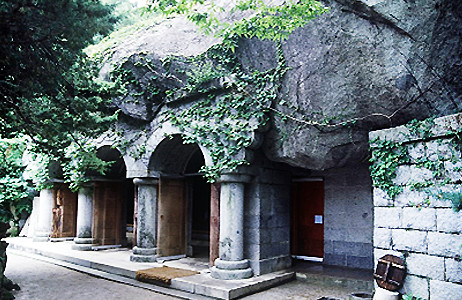
Bomunsa Stone Chamber is Incheon Metropolitan City Tangible Cultural Heritage No. 27. A legend says that in 649, 14 years after the temple was founded, 22 stone statues, including statues of Shakyamuni Buddha and Maitreya Bodhisattva, were retrieved from the sea and enshrined in the grotto Dharma hall.
This Arhat Hall is also called Singtonggul, or the Cave of Spiritual Powers, because of the efficacy of prayers offered there. The Stone Chamber is not a hall meant to be viewed in its entirety from outside, but rather a space to explore with the enshrined stone statues as its focus. Visitors should move quietly so as not to disturb the atmosphere of the worship space.
- Between the Stone Chamber and the Beomjonggak Bell Pavilion stands a juniper tree approximately 600 years old.
- This juniper tree is Incheon Metropolitan City Monument No. 17.
The Five-Bay Structure of Geungnakbojeon and 3,000 Jade Buddhas
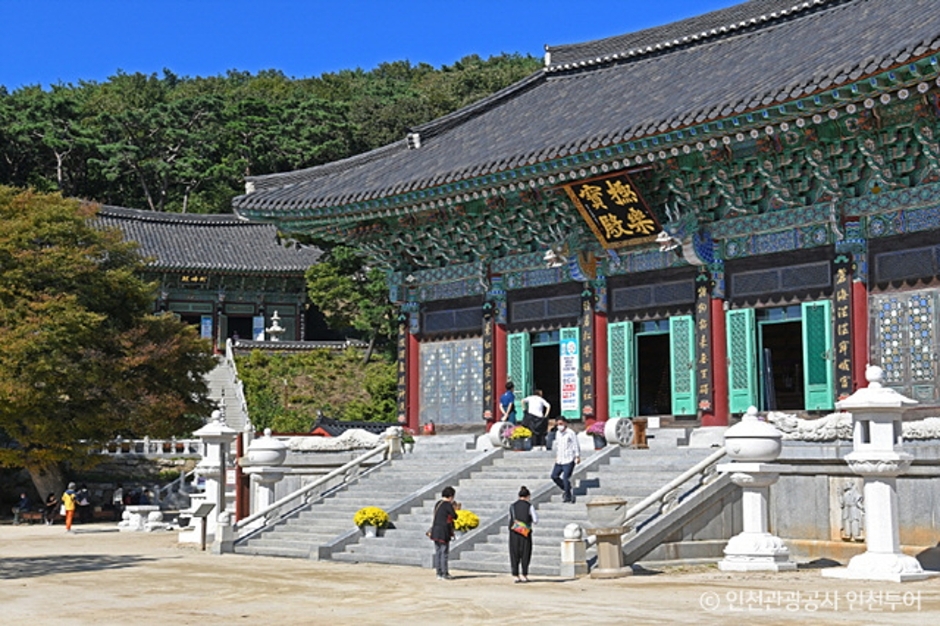
Geungnakbojeon, the central shrine hall of Bomunsa, is five bays wide at the front and three bays deep at the sides. Amitabha Buddha and attendant bodhisattvas are enshrined in the upper section of the Dharma hall, while guardian paintings and Ksitigarbha Bodhisattva are enshrined in the middle and lower sections.
Behind the upper section are 3,000 jade Buddha statues, making them a prominent feature inside Geungnakbojeon. The temple grounds also contain Museol Hyejungjeon, a four-story above-ground building constructed in 1995. The temple office responsible for administration is located on the first floor.
- The communal dining hall underwent comprehensive facility renovations in 2011.
- The on-site café “Obun, Rest” was listed as open from 09:00 to 17:30.
- Café prices were listed as approximately 3,000–6,000 won.
The 1928 Rock-Carved Seated Avalokiteshvara Reached by Climbing 419 Steps
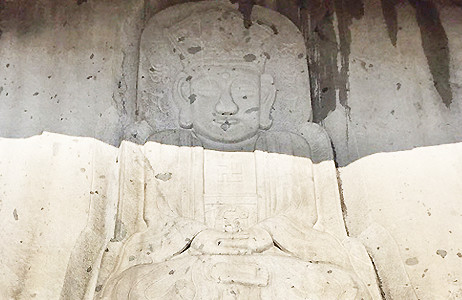
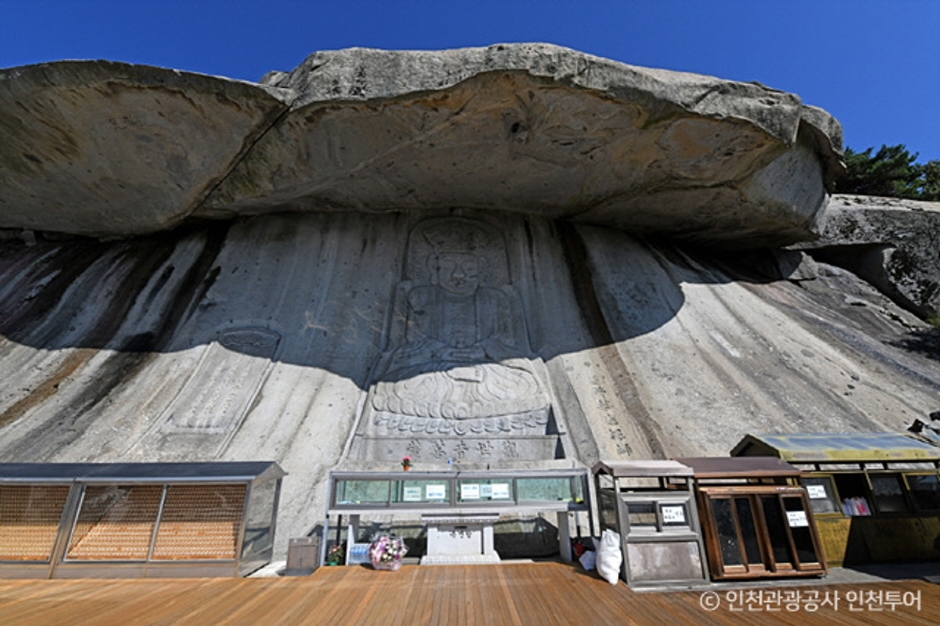
The rock-carved seated Avalokiteshvara can be reached by following 419 steps beside Daeungjeon Hall. Other reviews call this route the “Road of Wishes” and describe it as more than 400 steps. Therefore, visitors whose main goal is the rock-carved Buddha should prepare comfortable walking shoes and sufficient stamina for climbing stairs.
This seated statue was created in 1928 below the Eyebrow Rock of Nakkasan by Bae Seonju, the head monk of Bomunsa, together with Monk Ihwaeung of Pyohunsa Temple on Geumgangsan Mountain. It is a colossal statue measuring 920 cm high and 330 cm wide, positioned to overlook the wide-open West Sea.
- The Rock-Carved Seated Buddha is Incheon Metropolitan City Tangible Cultural Heritage No. 29.
- The exact distance and gradient of the route to the rock-carved Avalokiteshvara were not provided in the available materials.
- From the Eyebrow Rock observatory, visitors can see the West Sea sunset, introduced as one of the Eight Scenic Views of Ganghwa.
What to Find on the Grounds, from Samseonggak Built in 1960 to the 5-Ton Bell
Samseonggak was built in 1960 and is introduced as a shrine hall with a neat appearance following recent restoration work. The Bell Pavilion was built in 1975 at the vow of Head Monk Jeongsu, and its large bell is 215 cm high and weighs 5 tons.
The reclining Buddha at Wabuljeon measures 10 m in total length. Beside it are a stupa containing the relics of the 33 Avalokiteshvara manifestations and statues of the Five Hundred Arhats. The millstone near the entrance is 69 cm in diameter and 20 cm thick, approximately twice the size of an ordinary millstone, and is Incheon Metropolitan City Folk Material No. 1.
- At the entrance to the Cheonindae staircase, two zelkova trees approximately 290 years old have been designated as protected trees.
- A ginkgo tree 31 m high and approximately 600 years old stands in the parking lot.
A Viewing Route Considering Strollers and Winter Steps
Although guidance indicates that strollers can be used from the Iljumun Gate to the temple grounds, strollers are difficult to use on the stairway leading to the rock-carved Buddha. Visitors with strollers should therefore plan a route centered on the shrine halls and Stone Chamber, and decide separately whether to tackle the 419-step section.
Winter scenes of the temple covered in snow are often introduced, but there is also guidance that the steps may be slippery. The available materials do not confirm whether photography is prohibited, whether English guidance or audio guides are provided, whether payment is cash-only, or whether there are queues at specific times, so this article does not make definitive claims on those points.
- The time required to view Bomunsa is approximately 1.5–2 hours based on visitor reviews.
- When using the city tour, free time at Bomunsa was listed as 11:30–13:30.
- The city tour itinerary was introduced as including travel from the Incheon Comprehensive Tourist Information Center to Bomunsa from 09:30 to 11:30.
Selection Criteria to Review at a Glance Before Visiting Bomunsa
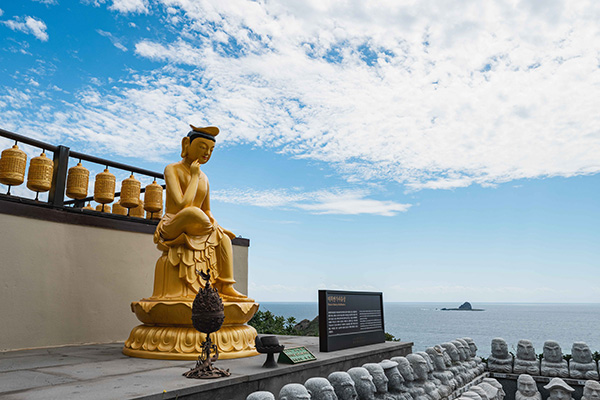
Bomunsa allows visitors to see the seaside temple setting, Stone Chamber, Geungnakbojeon, and the rock-carved seated Avalokiteshvara in one visit, but reaching the main viewpoint requires climbing 419 steps. It is better suited to travelers who want to explore the shrine halls and stairways over 1.5–2 hours than to those seeking a short walk.
For public transportation travelers, the route using bus 31B from Ganghwa Bus Terminal is described most specifically. When choosing among multiple routes, you can refer to 31A, 31B, 35A, 35B, 39A, and 905-1, 905-2, 906-1, 906-2. Visitors arriving by car can plan based on the official address, 44 Samsannam-ro 828beon-gil, and parking fees of 2,000 won for small vehicles and 5,000 won for large vehicles.
- Hours are 07:00–19:00 in summer and 07:00–18:00 in winter.
- Admission is 2,000 won for adults, 1,500 won for middle school students, and 1,000 won for elementary school students.
- The telephone number is 032-933-8271~3.
Before You Go
- Address
- Bomunsa Temple, 44 Samsannam-ro 828beon-gil, Samsan-myeon, Ganghwa-gun, Incheon Metropolitan City
- Hours
- Summer 07:00–19:00 / Winter 07:00–18:00
- Closed
- Listed as open year-round
- Admission
- Adults 2,000 won / Middle school students 1,500 won / Elementary school students 1,000 won
- Phone
- 032-933-8271~3
- Official site
- http://www.bomunsa.me
- Transport
- From Ganghwa Bus Terminal, take local bus 31A, 31B, 35A, 35B, or 39A, or Samsan village bus 905-1, 905-2, 906-1, or 906-2. Guidance indicates that it is approximately a 2-minute walk after getting off at Bomunsa Temple Bus Stop.
- Parking
- Parking available. Listed as 2,000 won for small vehicles / 5,000 won for large vehicles
- Time needed
- Approximately 1.5–2 hours based on visitor reviews
- Accessibility
- Guidance indicates that strollers can be used from the Iljumun Gate to the temple grounds, but the stairway to the rock-carved Buddha is difficult to access with a stroller and has more than 400 steps
The information above is based on the time of writing. Check the official guidance again before visiting.

Places
Nearby Attractions 2
-
 1
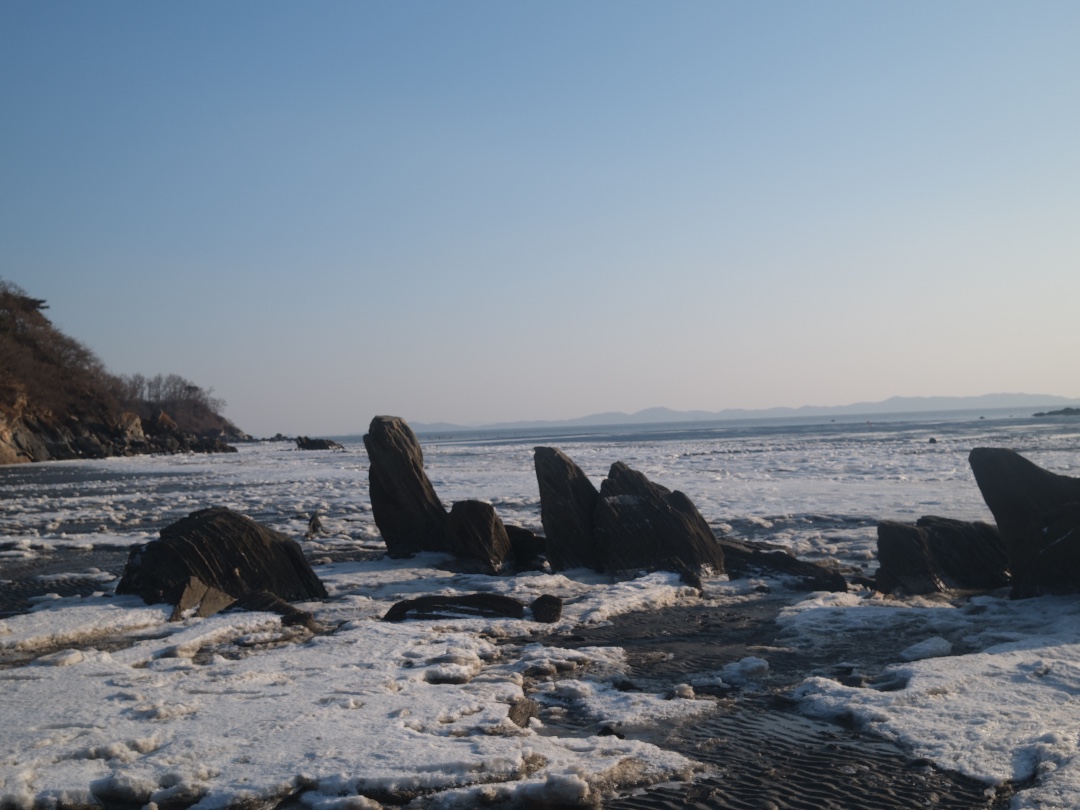
Minmeoru BeachA beach where you can walk along the sandy shore and mudflats and admire the sunset over the West Sea.
1
Minmeoru BeachA beach where you can walk along the sandy shore and mudflats and admire the sunset over the West Sea. -
 2
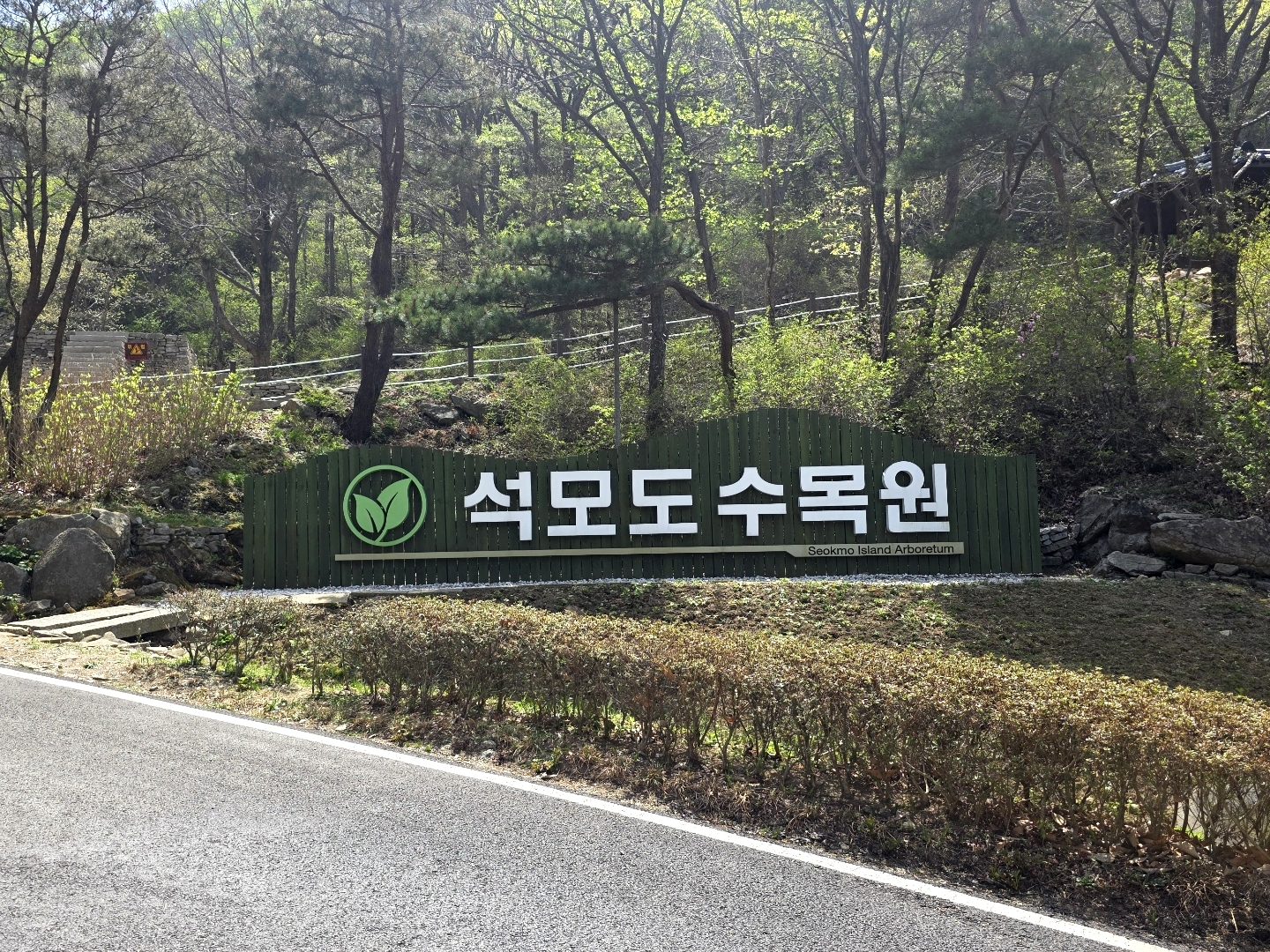
Seokmodo ArboretumAn arboretum where you can observe nature while strolling along forest trails and among native plants.
2
Seokmodo ArboretumAn arboretum where you can observe nature while strolling along forest trails and among native plants.
Food & Dining 2
-
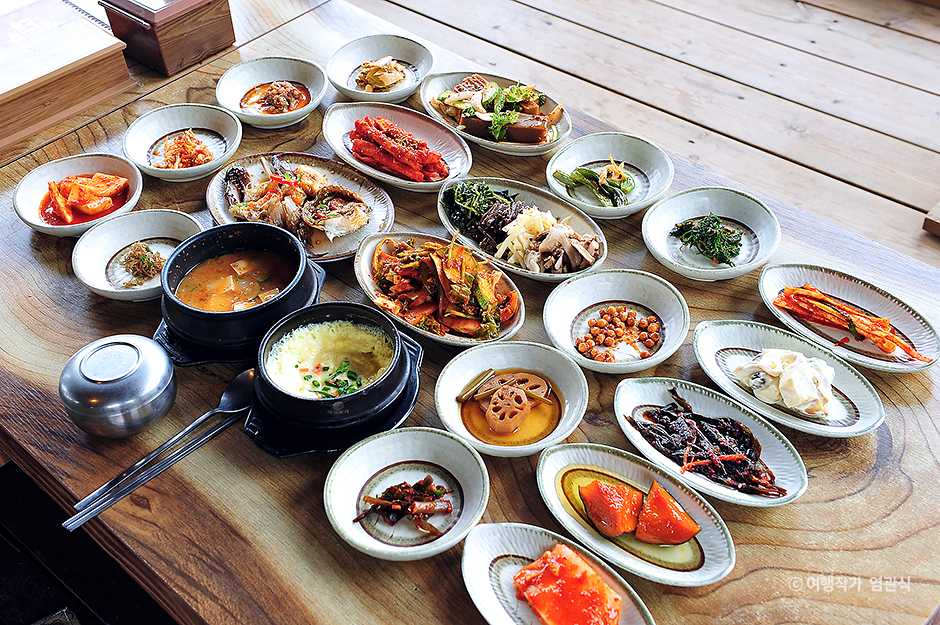 3
Mullebang-a RestaurantA Korean restaurant serving Ganghwa local specialties such as wild vegetable bibimbap, seafood pajeon, and marinated crab.
3
Mullebang-a RestaurantA Korean restaurant serving Ganghwa local specialties such as wild vegetable bibimbap, seafood pajeon, and marinated crab. -
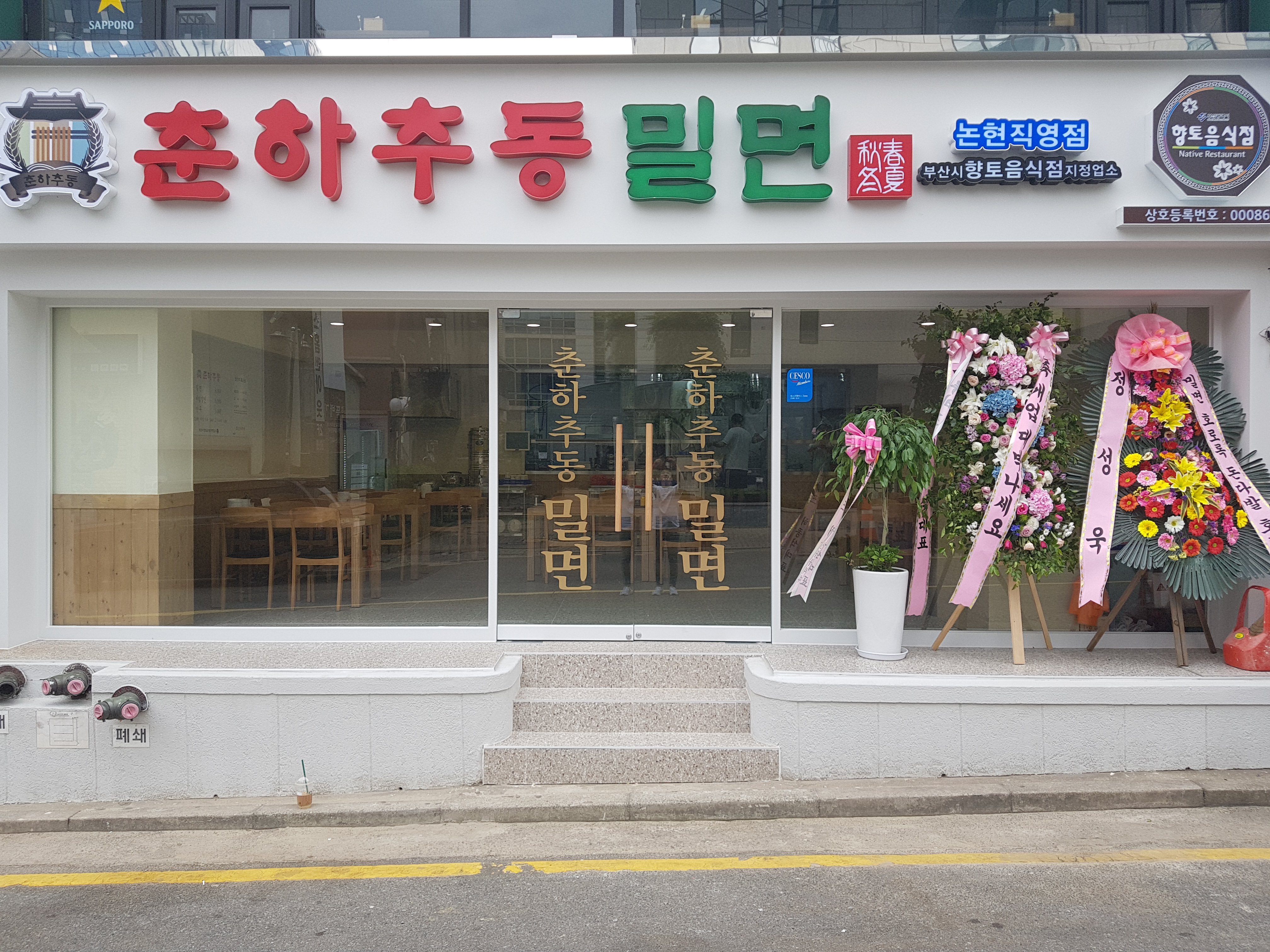 4
Chunhachu-dongA Korean restaurant serving blue crab stew, soy sauce-marinated crab, and seasoned halfbeak, among other dishes.
4
Chunhachu-dongA Korean restaurant serving blue crab stew, soy sauce-marinated crab, and seasoned halfbeak, among other dishes.
Events in This Area


Festivals in This Area
More Travel Guides in This Area
 Travel Guide
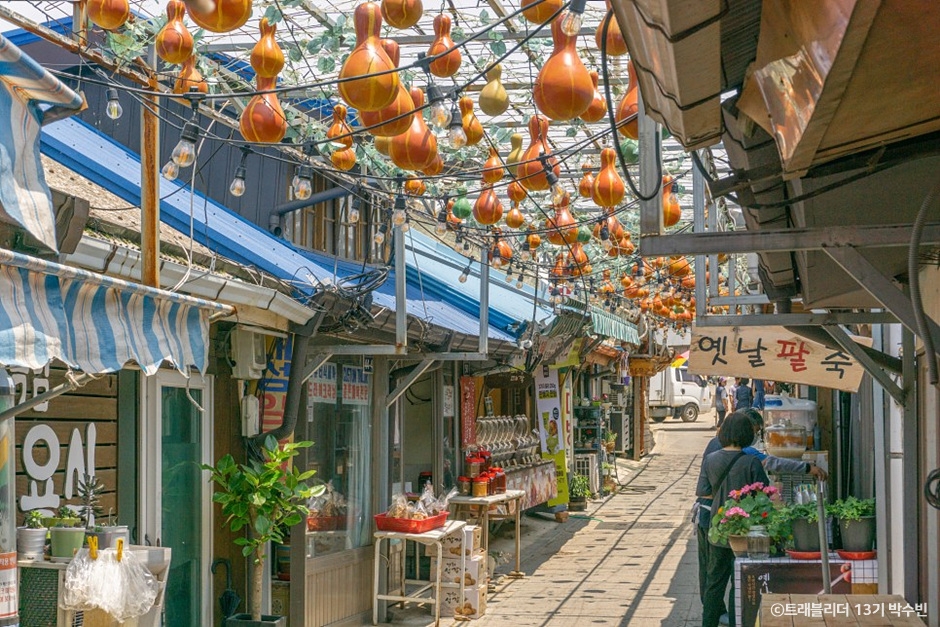
Daeryong Market in Gyodong-do, Where Memories of Yeonbaek Market Remain, from ID Check to Hwagae Mountain
 Travel Guide
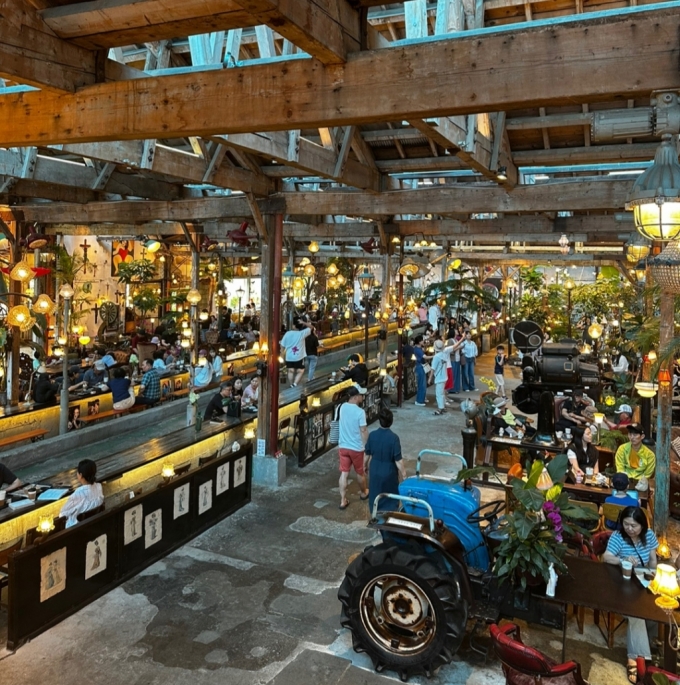
A Day in Ganghwa-do Starting from a 1933 Textile Mill Alley
 Travel Guide
20 Minutes at the Site of Goryeo's 1232 Capital Palace, Ganghwa Goryeo Palace Site
 Travel Guide
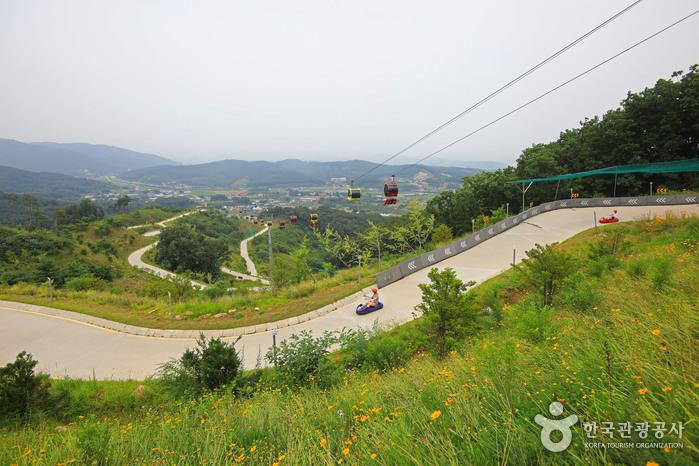
1.8 km Luge Track on Gilsangsan Mountain and 360° Observation Deck: How to Use Ganghwa Seaside Resort
Korea News
 News
News
'Rami Controversy' NewJeans' Hyein Has Grown More Mature, Yet Is Still Adorable… A Cat Draped in Luxury Brands
 News
News
“If you get too close, I’ll bite”… BTS’s V issues a chilling warning to Jungkook
 News
News
“BTS No Longer Needs the Grammys”… Kim Tae-hoon Assesses the ‘Grammys Boycott’
![[Exclusive] Oh My Girl’s YooA, who switched to acting, parts ways with Saram Entertainment after just one year](https://kotourlive-images.s3.ap-northeast-1.amazonaws.com/news/1787658671060_036c47f7_news_8a403746-8bba-4e3c-8827-19d99be6d4fb.jpg) News
News