20 Minutes at the Site of Goryeo's 1232 Capital Palace, Ganghwa Goryeo Palace Site
Ganghwa Goryeo Palace Site was the main royal palace of Goryeo after the dynasty moved its capital to Ganghwa in 1232 to resist the Mongol invasion, remaining there until the capital returned to Gaegyeong in 1270. Today, Seungpyeongmun Gate, Myeongwiheon, Yibangcheong, and Oegyujanggak offer insights into Goryeo's Gangdo period, the Joseon-era Ganghwa Yusubu government office, and the memory of the Byeonginyangyo, the French expedition to Korea in 1866.
I’ve been here?
Your check-in helps the next traveler.
No one has checked in yet Be the first
One tap — no writing needed
The Site of the ‘Main Palace’ Left by the 1232 Capital Relocation to Gangdo
Ganghwa Goryeo Palace Site is the former palace grounds built after the capital was relocated from Gaegyeong to Ganghwado in June 1232, the 19th year of King Gojong’s reign, in response to the Mongol invasion. Goryeo returned to Gaegyeong in 1270, the 11th year of King Wonjong’s reign, and during this period Ganghwa became another capital known as ‘Gangdo’ (江都). The present area of the Goryeo Palace Site is presumed to have been where the main palace stood.
The palace was built under the direction of Choe U, the de facto ruler at the time. The Essentials of Goryeo History records that Choe U mobilized the Iryeong Army to construct the palace. Although it was smaller than the palace in Gaegyeong, it was modeled after that palace, and the mountain behind it was also called Songak. The main gate was called Seungpyeongmun, and the eastern gate was known as Gwanghwamun.
Three Eras—Goryeo, Joseon, and the Modern Period—Encountered Inside Seungpyeongmun
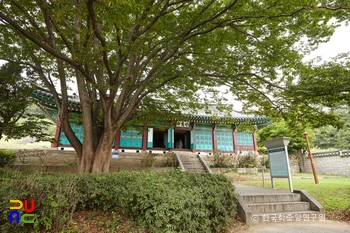
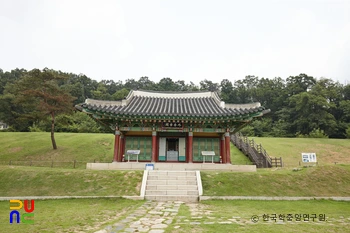
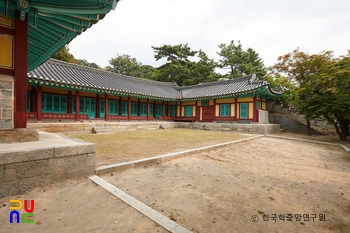
Although this is the site of a Goryeo palace, the major buildings remaining before visitors today are heritage sites associated with the Ganghwa Local Government Office of the Joseon period. The Goryeo palace was dismantled when the capital returned to Gaegyeong in 1270, and in 1631, the ninth year of King Injo’s reign, Joseon built a temporary palace here as a base to be used during national emergencies.
Within the grounds, visitors can see Myeongwiyeon, the main hall of the Ganghwa Local Government Office; Ibangcheong, the administrative office; the bell pavilion housing the Ganghwa Bronze Bell; and Oegyujanggak, in that order. The Goryeo Palace Site was designated Historic Site No. 133 on June 10, 1964, and was developed into its present visitor area through a restoration and maintenance project for national-defense heritage sites in 1977.
On-Site Guidelines: 09:00–18:00 and an Adult Admission Fee of ₩1,200
The Goryeo Palace Site is open daily from 09:00 to 18:00 year-round. The cultural tourism information provided by Ganghwa County recommends 20 minutes for viewing. Rather than passing through quickly, entering through Seungpyeongmun and following a circuit connecting Myeongwiyeon, Ibangcheong, and Oegyujanggak is a suitable way to understand the differences between the eras represented by the buildings. The information telephone number is 032-930-7078.
Admission is ₩1,200 for adults and ₩900 for children, teenagers, and military personnel. Parking is free; Ganghwa County information indicates 15 spaces, while accessibility information indicates two accessible spaces in front of the management office. Restrooms are provided separately for men and women, but stairs at the entrance limit wheelchair access.
- Pets are not permitted, but assistance dogs may enter.
- The main entrance is equipped with an automatic door that accommodates wheelchairs.
- Stroller rental is not available.
Reaching 42 Bukmun-gil on Buses 33 or 96 from Ganghwa Bus Terminal
As there is no railway station, it is easiest to plan your route from Ganghwa Passenger Vehicle Terminal. From western Seoul, take Bus 3000 toward Sinchon or Hongdaeipgu; from Incheon or Bupyeong, take Bus 90 or a route in the 800 series to Ganghwa Terminal, then transfer to a county bus.
At the terminal, take County Bus 33 or 96 and get off at either the ‘Jungang Market · Goryeo Palace Site Entrance’ or ‘Ganghwa Super’ stop. It is about 1.5 km on foot directly from the terminal. For car navigation, enter ‘Ganghwa Goryeo Palace Site’ as the destination and use the address Incheon Metropolitan City, Ganghwa-gun, Ganghwa-eup, Bukmun-gil 42.
Traces of Oegyujanggak in 1782 and the Byeonginyangyo in 1866
Oegyujanggak was a royal library completed in February 1782, the sixth year of King Jeongjo’s reign. Because Ganghwa was a military stronghold west of the capital region and a refuge with a temporary palace, it served as the outlying branch of Gyujanggak, where royal books, writings by kings, and the Uigwe royal protocols could be stored more securely.
During the Byeonginyangyo, the French campaign of 1866, French forces looted books and silver ingots from Oegyujanggak and burned the building. The Oegyujanggak building within the grounds is not the original structure but a reconstruction completed in 2003. Standing before it therefore offers three overlapping meanings: a storage place for late-Joseon royal records, the site of a looting incident, and a restored heritage site.
A 1.5 km Route Linking Yongheunggung, Ganghwa Anglican Cathedral, and Ganghwa Fortress
Following the route from the Goryeo Palace Site through the old downtown area brings together the Goryeo-era Gangdo, the Joseon temporary palace and local government office, and the living area of modern and contemporary Ganghwa-eup. Ganghwa County’s old-town walking interpretation course is approximately 1.5 km and takes about 90 minutes, linking Yongheunggung, Ganghwa Anglican Cathedral, the southern gate of Ganghwa Fortress, the Goryeo Palace Site, Guseuiwon, and traces of the textile industry.
Yongheunggung is the site of the house where King Cheoljong, the 25th king of Joseon, lived before ascending the throne, while Ganghwa Anglican Cathedral is a traditional Korean-style cathedral built in 1900. After visiting the Goryeo Palace Site, continue toward Ganghwa Fortress to the north gate to compare at once the defensive terrain of the capital city built when Goryeo relocated its capital and the changes in central Ganghwa-eup after the Joseon period. The old-town walking interpretation program operates free of charge year-round at 10:30 and 13:30. For inquiries, call 032-930-3568.
Media Art Schedule: September 11–October 4, 2026
From September 11 to October 4, 2026, the area around the Goryeo Palace Site is scheduled to host ‘2026 National Heritage Media Art: Ganghwa Goryeo Palace Site.’ Ganghwa County plans to present an evening program covering Goryeo’s relocation of the capital to Ganghwa and its spirit of defending the nation, combining media projection mapping, laser performances, media content, and history lectures.
The event venue will extend beyond the Goryeo Palace Site to Yongheunggung Park, Ganghwa Anglican Cathedral, and the north gate of Ganghwa Fortress. Since regular visits to the Goryeo Palace Site end at 18:00, during the September event period visitors can view the palace architecture and information panels during the day and follow the separate event route in the evening, distinguishing the different character the same place takes on by day and night.
Before You Go
- Address
- Incheon Metropolitan City, Ganghwa-gun, Ganghwa-eup, Bukmun-gil 42
- Hours
- 09:00–18:00
- Closed
- Open year-round
- Admission
- Adults ₩1,200 / Children, teenagers, and military personnel ₩900
- Phone
- 032-930-7078
- Official site
- https://www.ganghwa.go.kr/open_content/tour/tour/tourInfoDetail.do?tour_seq=36&tourdiv=all
- Transport
- Take County Bus 33 or 96 from Ganghwa Terminal and get off at ‘Jungang Market · Goryeo Palace Site Entrance’ or ‘Ganghwa Super.’ Approximately 1.5 km on foot from the terminal.
- Parking
- Free parking available; Ganghwa County information indicates 15 spaces / two accessible parking spaces in front of the management office
- Time needed
- Approximately 20 minutes
- Accessibility
- The automatic door at the main entrance accommodates wheelchairs. Two accessible parking spaces are available in front of the management office; stairs at the restroom entrance limit wheelchair access. Assistance dogs are permitted.
The information above is accurate as of the time of writing. Check the official information again before visiting.

Places
Nearby Attractions 5
-
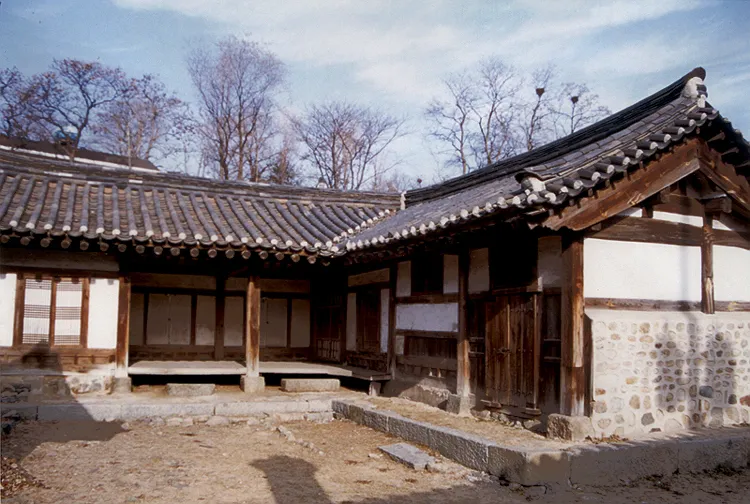 1
Yongheunggung PalaceThe former residence of King Cheoljong before his accession to the throne and a major historic site in the old downtown area of Ganghwa-eup.
1
Yongheunggung PalaceThe former residence of King Cheoljong before his accession to the throne and a major historic site in the old downtown area of Ganghwa-eup. -
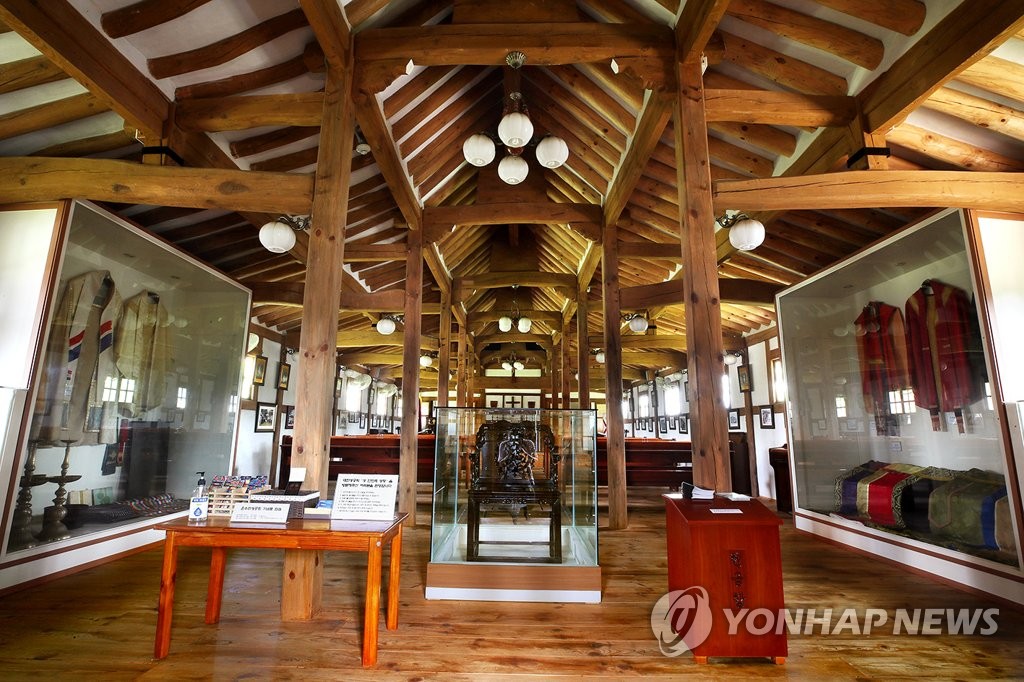 2
Ganghwa Anglican ChurchA modern architectural landmark where you can explore a church in the traditional Korean hanok style.
2
Ganghwa Anglican ChurchA modern architectural landmark where you can explore a church in the traditional Korean hanok style. -
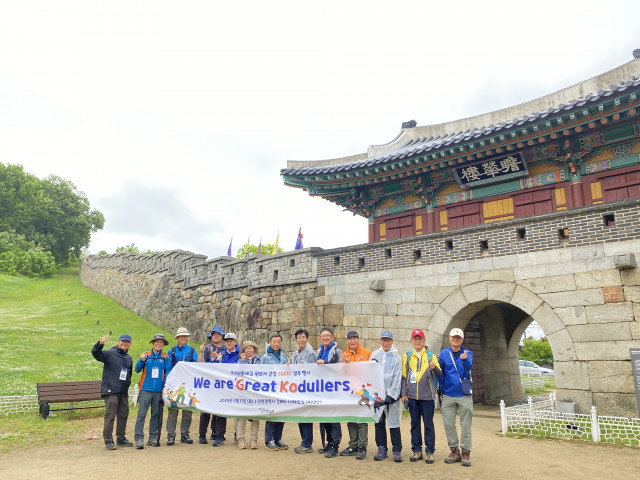 3
South Gate of Ganghwasanseong FortressA place to explore the southern gate and walls of a fortress from the Joseon period
3
South Gate of Ganghwasanseong FortressA place to explore the southern gate and walls of a fortress from the Joseon period -
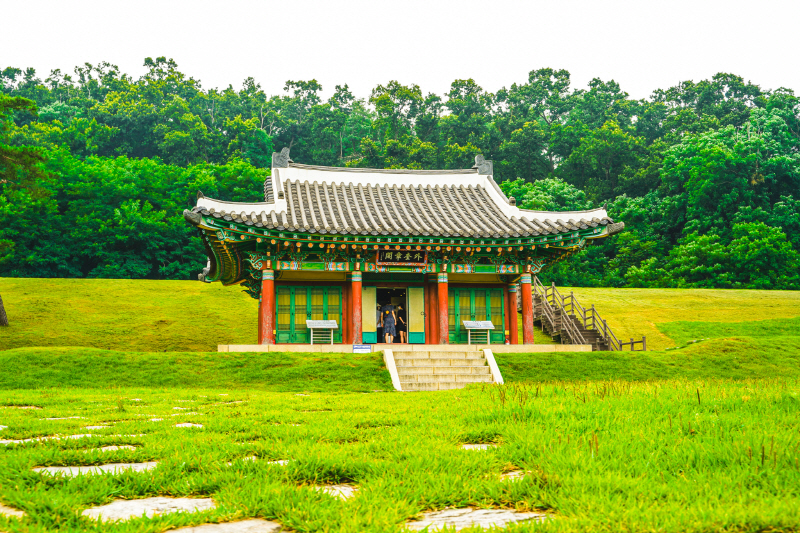 4
OegyujanggakA place to learn about history while viewing the restored Royal Library building.
4
OegyujanggakA place to learn about history while viewing the restored Royal Library building. -
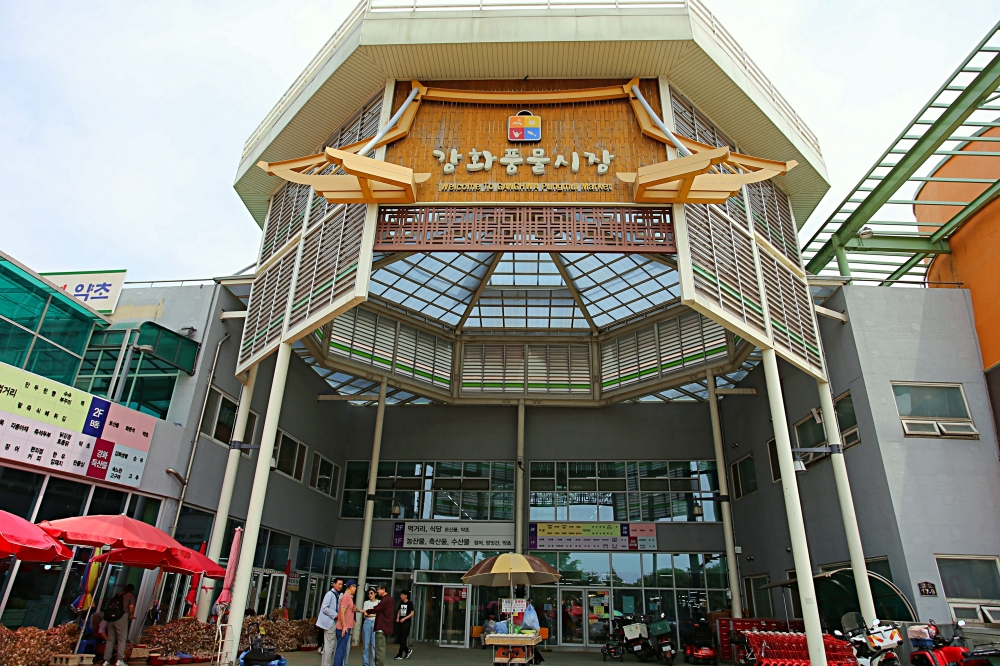 5
Ganghwa Pungmul MarketA traditional market where you can browse Ganghwa specialties and everyday goods
5
Ganghwa Pungmul MarketA traditional market where you can browse Ganghwa specialties and everyday goods
Food & Dining 1
-
 6
6
Events in This Area

Festivals in This Area
More Travel Guides in This Area
 Travel Guide
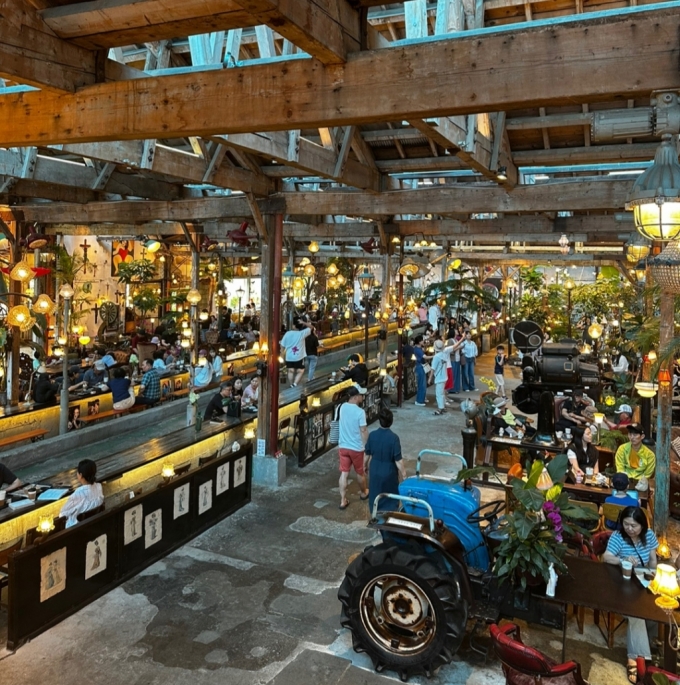
A Day in Ganghwa-do Starting from a 1933 Textile Mill Alley
 Travel Guide
Ganghwa Cultural Center and Ganghwa Art Museum at 52 Nammun-ro: A Local Cultural Space Since 1947
 Travel Guide
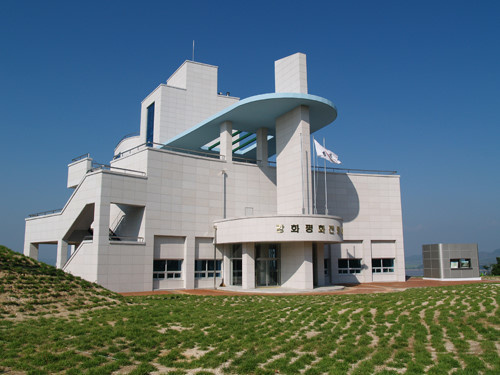
Ganghwa Peace Observatory: Facing North Korea Across 2.3 km of Sea
 Travel Guide
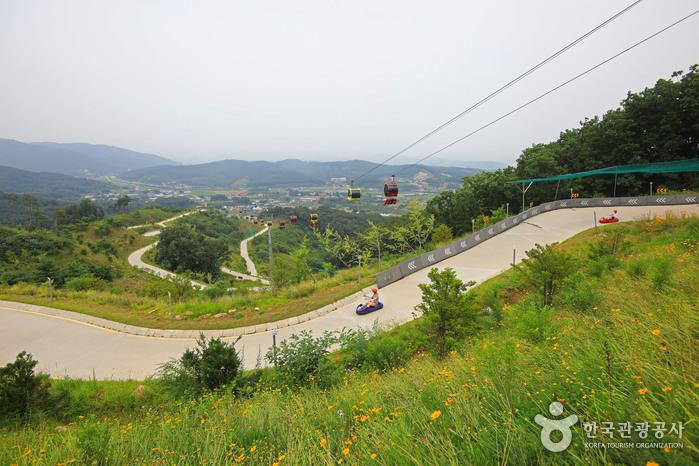
1.8 km Luge Track on Gilsangsan Mountain and 360° Observation Deck: How to Use Ganghwa Seaside Resort
Korea News
![Did Jang Won-young ‘break up’? From the airport to social media, she was decked out in Brand D [MD Issue]](https://kotourlive-images.s3.ap-northeast-1.amazonaws.com/news/1790644492843_025fcab4_news_06d49363-285b-4cd5-93e3-ace2c4344710.jpg) News
News
Did Jang Won-young ‘break up’? From the airport to social media, she was decked out in Brand D [MD Issue]
 News
News
Oh, What a Surprise… BLACKPINK’s Rosé—Did She Get a Bob Cut?
![[On-Site Photos] “Equipped with a Third Eye”… RM’s Intense Eye Contact](https://kotourlive-images.s3.ap-northeast-1.amazonaws.com/news/1790644823332_c0c6ec29_news_001c0a59-4eb7-40e6-af6a-4f26183f5e8c.jpg) News
News
[On-Site Photos] “Equipped with a Third Eye”… RM’s Intense Eye Contact
 News
News