Ganghwa Peace Observatory: Facing North Korea Across 2.3 km of Sea
Ganghwa Peace Observatory is a viewing facility in Ganghwa County, Incheon, overlooking the North Korean coast from the northern area of the Civilian Control Line, approximately 2.3 km away. This guide brings together admission fees, checkpoint entry procedures, floor-by-floor viewing routes, and accessibility information for wheelchair and stroller users.
I’ve been here?
Your check-in helps the next traveler.
No one has checked in yet Be the first
One tap — no writing needed
Why the Ganghwa Peace Observatory Was Built North of the Civilian Control Line
The Ganghwa Peace Observatory was built north of the Civilian Control Line as a structure with one underground floor and four above-ground floors, and opened on September 5, 2008. It was created as a cultural tourism space where visitors can observe the daily lives of North Korean residents with the naked eye from a close distance in South Korea, while helping restore national homogeneity and establish a foundation for peaceful reunification.
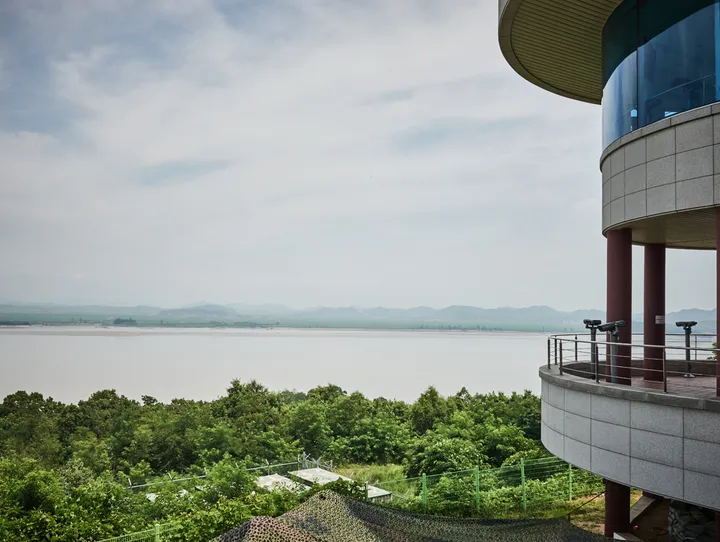
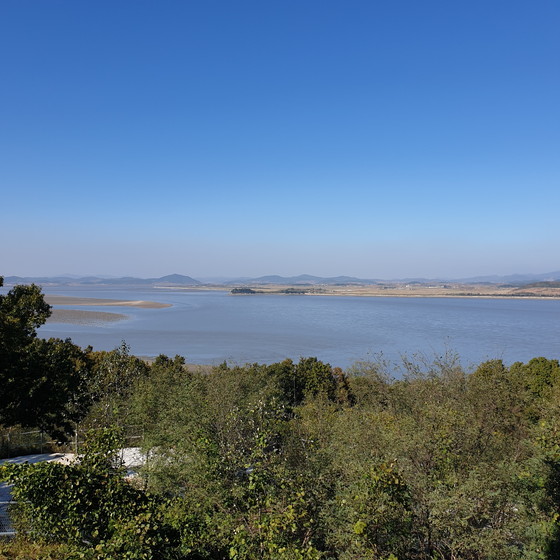
From this location, visitors can see the Yeseonggang River across the approximately 2.3 km coastal area ahead. To the left, the Yeonbaek Plain stretches toward Yeonan County and Baekcheon County in Hwanghae Province, while to the right visitors can view Gaepung County, the daily lives of North Korean residents, a disguised village for propaganda purposes, the Gaeseong transmission tower, and Mount Songak.
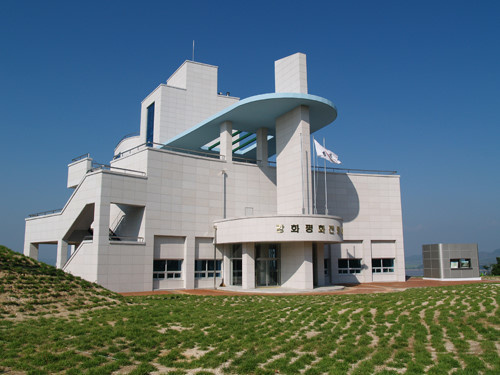
Areas Actually Open to Visitors in the Building Opened in 2008
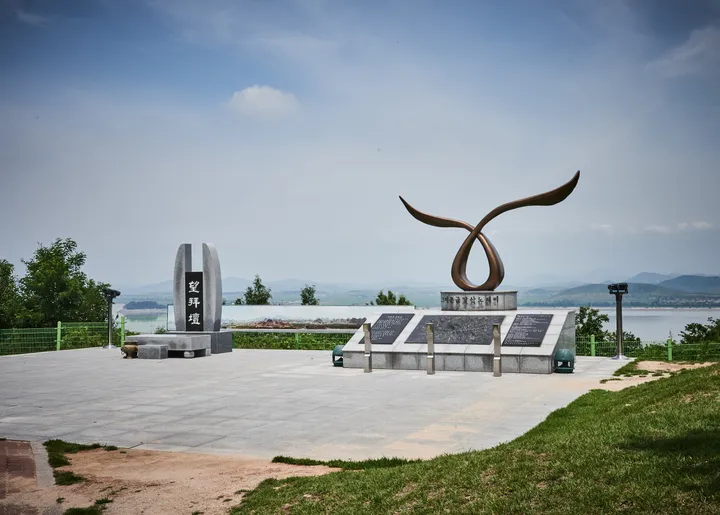
The visitor route begins on the first floor and continues to the second floor, third floor, outdoor Mangbaedan Altar, and Jejeokbong Monument before exiting. The basement level and fourth floor are military facilities and are not areas that general visitors may enter freely.
The first floor has a management office, a place for praying for reunification, a lounge, and restrooms. It also includes a local products shop selling Ganghwa specialties and North Korean specialty products, as well as a restaurant. The second floor has exhibition rooms and a North Korea viewing room. The exhibitions are organized around the themes “Ganghwa and National Defense,” “The Unfinished War,” and “The Road to Reunification.”
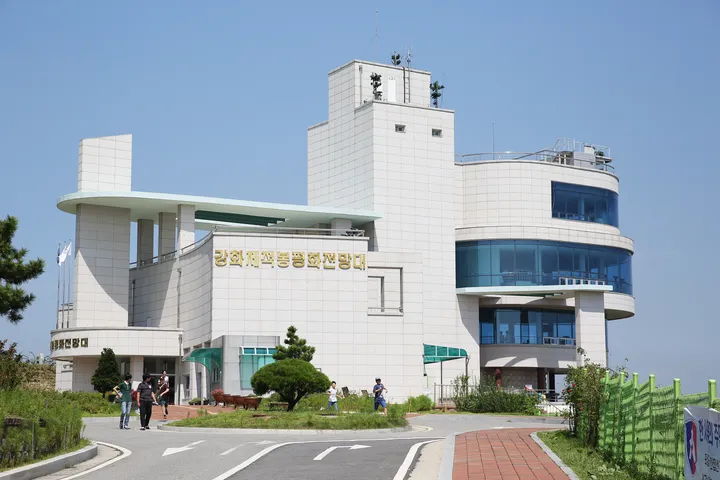
The Third-Floor Viewing Room and Scenery 2.3 km Away
The third floor has a North Korea viewing room and an outdoor observation deck. On clear days, visitors can directly view the North Korean scenery toward the Yeseonggang River, the Yeonbaek Plain, and Gaepung County, as well as the Gaeseong transmission tower and Mount Songak.
To accommodate days when cloudy weather makes observation with the naked eye difficult, the third floor has screens showing panoramic videos of North Korea. Outdoors, the Mangbaedan Altar allows visitors to continue along the official route to its final section instead of leaving immediately after seeing only the indoor exhibitions and views.
09:00 Opening and Seasonal Ticket-Sales Closing Times
The Ganghwa Peace Observatory is open year-round. From December through February, it can be visited from 09:00 to 17:00, with ticket sales and admission closing at 16:00. From March through November, it is open from 09:00 to 18:00, with ticket sales and admission closing at 17:00.
Operating hours may change flexibly depending on the period, so visitors arriving in the late afternoon should allow sufficient time rather than planning a very short visit. The main inquiry numbers are 032-930-7062 and 032-930-7063. The official website is the Ganghwa Peace Observatory information page of the Ganghwa County Facilities Management Corporation.
Adult Admission: 2,500 Won, and How to Use the 500-Won Telescope
As of August 2026, individual admission for adults is 2,500 won, while groups of 20 or more pay 2,200 won per person. Teenagers and military personnel pay 1,700 won individually or 1,500 won in groups. Children pay 1,000 won individually or 800 won in groups. Infants and senior citizens enter free of charge.
Children aged six or under accompanied by a guardian, people aged 65 or older, and foreigners aged 65 or older are eligible for free admission. If visitors purchase tickets for at least three of the designated facilities—Manisan, the Peace Observatory, the Hwamunseok Culture Center, and the History and Natural History Museum—they receive a 15% discount on the total admission fee. The paid telescope costs 500 won and can be used for two minutes per session.
How Long to Stay If You Want to Hear the 10:00 Guided Commentary
According to the official information, the observatory commentary program takes one hour and operates from 10:00 to 12:00 and from 13:00 to 17:00. A guide is stationed during visiting hours, and other information states that the commentary is offered seven times during those periods.
The commentary schedule and times may change depending on the circumstances of the day. For foreign visitors making their first visit, following the official route—first viewing the second-floor exhibition rooms and then moving to the third-floor North Korea viewing room—makes it easier to connect the exhibition themes with the actual terrain. On cloudy days, the third-floor screens provide an alternative to viewing the landscape with the naked eye.
Preparing for a Vehicle Visit Through the Checkpoint
Because the observatory is located north of the Civilian Control Line, vehicles must pass through a checkpoint when approaching it. For vehicle visitors, only one representative driver has their identification checked and receives an access control pass before entering. This vehicle access-pass procedure does not apply to visitors using public transportation.
Parking is free and accommodates 54 vehicles in total. There are 10 spaces for large vehicles and 44 spaces for small vehicles. However, visitors are advised not to leave valuables inside their vehicles because any vehicle damage or theft occurring in the parking lot is stated to be the owner's responsibility. The official facility address is given as 797 Jeonmang-daero, Yangsa-myeon, Ganghwa-gun, Incheon (formerly San 6-1, Cheolsan-ri), which differs from the 795 Jeonmang-daero notation shown in the input address.
Wheelchair and Stroller Access and On-Site Visitor Rules
The main entrance is accessible to wheelchairs, and a wheelchair-accessible ramp and elevator are installed. The elevator can accommodate one wheelchair. One wheelchair and two strollers are available for free rental. A nursing room is also available on the first floor.
Assistance dogs are permitted, but pets may not enter. Food and beverages may not be brought into the exhibition hall, and disruptive behavior is prohibited. Damage to facilities inside and outside the exhibition hall is prohibited; in particular, visitors must not subject the telescopes to impact. Information about whether photography is prohibited and whether an English audio guide is available was not included in the provided guidance.
Before You Go
- Address
- 797 Jeonmang-daero, Yangsa-myeon, Ganghwa-gun, Incheon (formerly San 6-1, Cheolsan-ri)
- Hours
- December–February 09:00–17:00 (ticket sales and admission close at 16:00) / March–November 09:00–18:00 (ticket sales and admission close at 17:00). Hours may change flexibly depending on the period.
- Closed
- Open year-round
- Admission
- Adults: individual 2,500 won · group 2,200 won / Teenagers and military personnel: individual 1,700 won · group 1,500 won / Children: individual 1,000 won · group 800 won / Infants and senior citizens: free. Telescope: 500 won, 2 minutes per session.
- Phone
- 032-930-7062, 032-930-7063
- Official site
- https://www.ghss.or.kr/user/facilities/tour/ghTower.do
- Transport
- Because the observatory is north of the Civilian Control Line, vehicle visitors must have the identification of one driver checked at the checkpoint and receive an access control pass. Visitors using public transportation are not subject to this procedure.
- Parking
- Free parking, 54 spaces total (10 large-vehicle spaces · 44 small-vehicle spaces). Vehicle damage and theft are the owner's responsibility.
- Time needed
- One hour according to the official guided commentary program
- Accessibility
- Wheelchair ramp, elevator, and accessible main entrance; one free wheelchair and two free strollers; nursing room on the first floor; assistance dogs permitted
The information above is current as of the time of writing. Check the official guidance again before visiting.

Places
Nearby Attractions 3
-
 1
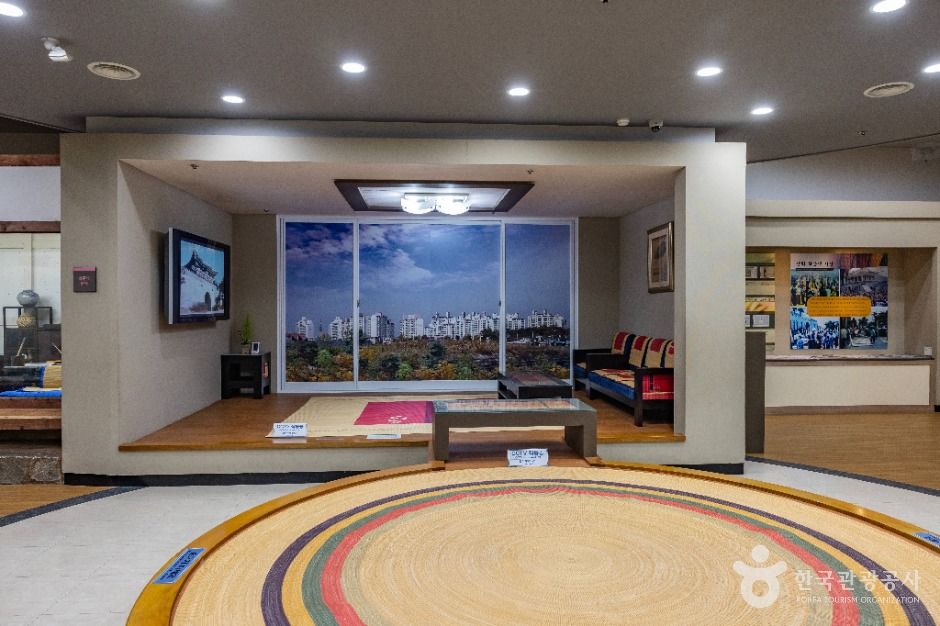
Ganghwa Hwamunseok Cultural CenterA cultural center showcasing the history of Ganghwa hwamunseok (patterned sedge mats) and offering hands-on experiences in sedge craft.
1
Ganghwa Hwamunseok Cultural CenterA cultural center showcasing the history of Ganghwa hwamunseok (patterned sedge mats) and offering hands-on experiences in sedge craft. -
 2
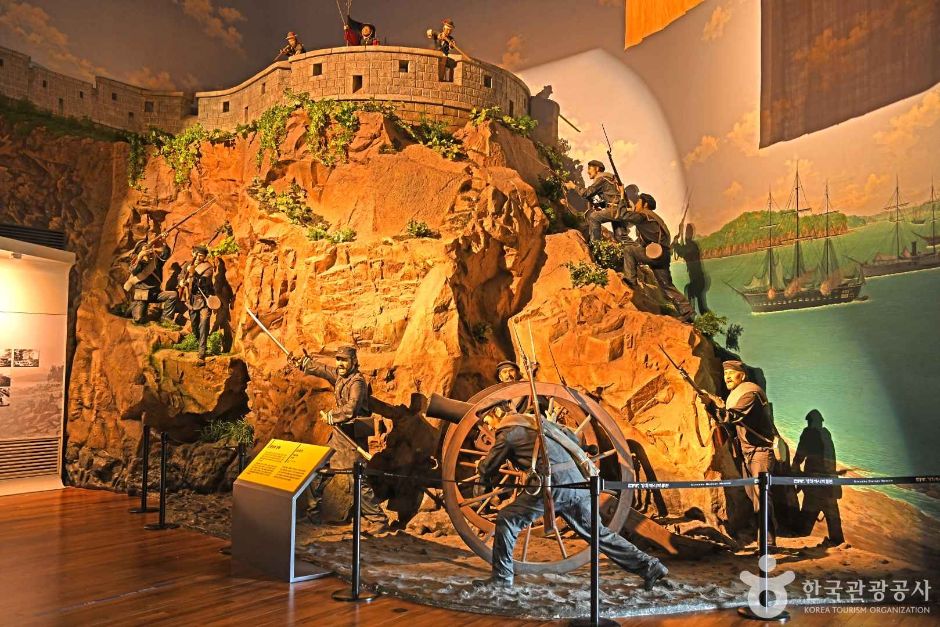
Ganghwa History MuseumA museum showcasing the history of Ganghwa from prehistoric times to the modern and contemporary era.
2
Ganghwa History MuseumA museum showcasing the history of Ganghwa from prehistoric times to the modern and contemporary era. -
 3
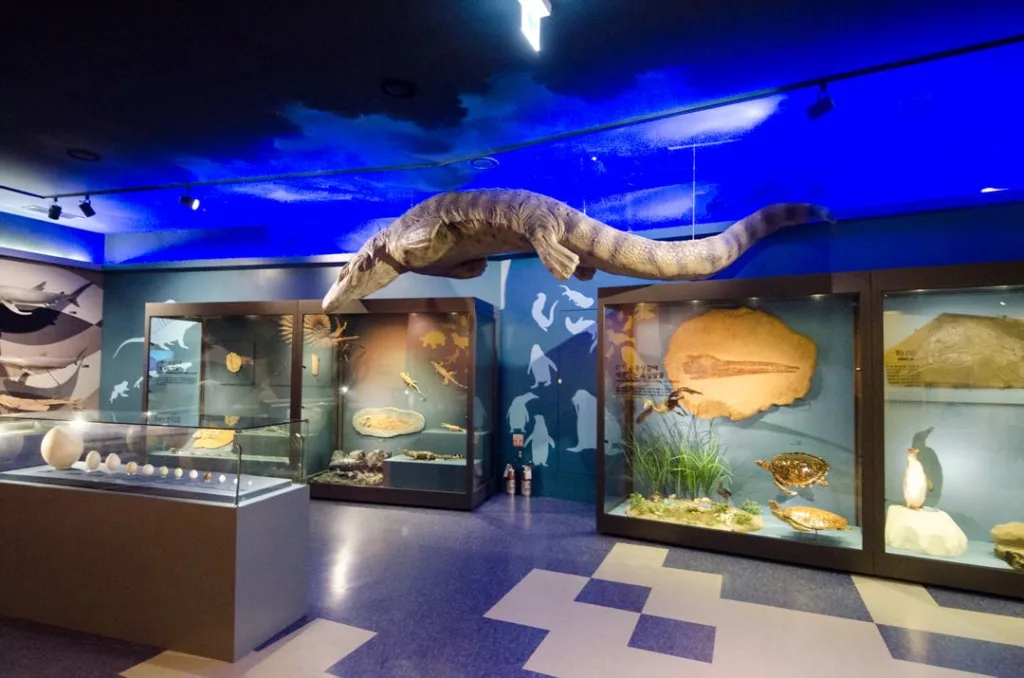
Ganghwa Natural History MuseumA museum exploring natural history, including rocks, minerals, living organisms, and fossils.
3
Ganghwa Natural History MuseumA museum exploring natural history, including rocks, minerals, living organisms, and fossils.
Food & Dining 1
-
 4
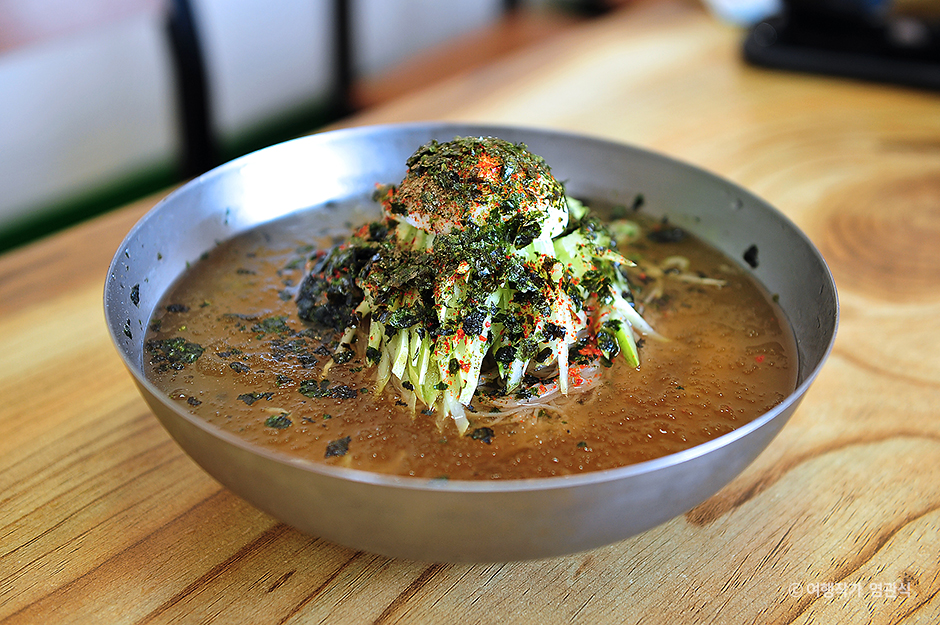
Daepung SikdangA representative restaurant on Gyodongdo Island serving Hwanghae-style gukbap and naengmyeon.
4
Daepung SikdangA representative restaurant on Gyodongdo Island serving Hwanghae-style gukbap and naengmyeon.
Events in This Area

Festivals in This Area
More Travel Guides in This Area
 Travel Guide
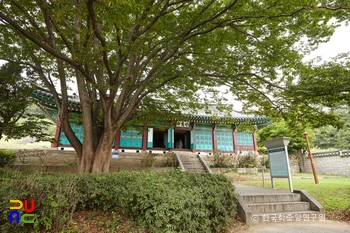
20 Minutes at the Site of Goryeo's 1232 Capital Palace, Ganghwa Goryeo Palace Site
 Travel Guide
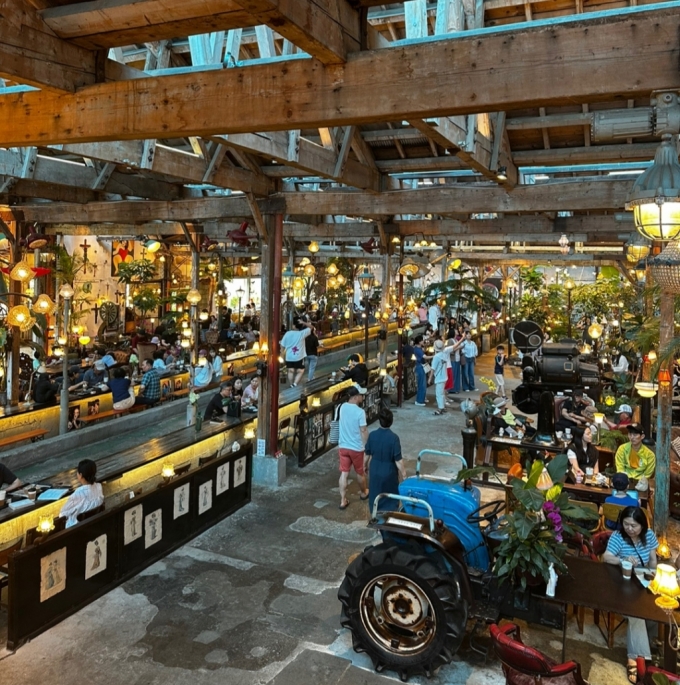
A Day in Ganghwa-do Starting from a 1933 Textile Mill Alley
 Travel Guide
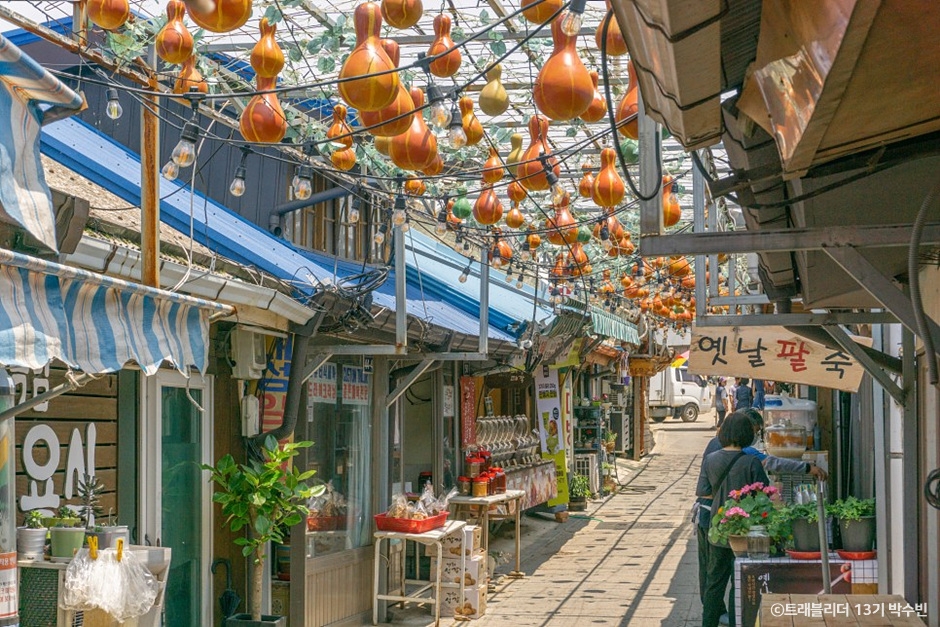
Daeryong Market in Gyodong-do, Where Memories of Yeonbaek Market Remain, from ID Check to Hwagae Mountain
 Travel Guide
Bomunsa Temple Facing the West Sea Beyond 419 Steps on Seokmodo Island
Korea News
 News
News
'Rami Controversy' NewJeans' Hyein Has Grown More Mature, Yet Is Still Adorable… A Cat Draped in Luxury Brands
 News
News
“If you get too close, I’ll bite”… BTS’s V issues a chilling warning to Jungkook
 News
News
“BTS No Longer Needs the Grammys”… Kim Tae-hoon Assesses the ‘Grammys Boycott’
![[Exclusive] Oh My Girl’s YooA, who switched to acting, parts ways with Saram Entertainment after just one year](https://kotourlive-images.s3.ap-northeast-1.amazonaws.com/news/1787658671060_036c47f7_news_8a403746-8bba-4e3c-8827-19d99be6d4fb.jpg) News
News