Incheon Hongyemun Gate, a Port-Opening District Road Through a Stone Gate Built in 1908
Hongyemun Gate is a stone gate measuring 4.5 meters wide and 13 meters high. Construction began in 1906 and was completed in 1908. It is free to view at all times, but because it is a road structure used by vehicles, visitors should take care for their safety. It is easy to combine with Exit 2 of Dongincheon Station and a sightseeing route through the Open Port District.

I’ve been here?
Your check-in helps the next traveler.
33 people viewed this week Be the first
One tap — no writing needed
Hongyemun, completed in 1908 after construction began in 1906
The Chinese-character name of Hongyemun is Incheon Hongyemun (仁川 虹霓門), and the National Heritage Portal lists it as ‘Hongyemun, Gate.’ Hongye (虹霓) means ‘rainbow’ or ‘arch,’ and it was designated an Incheon Metropolitan City Tangible Cultural Heritage on December 23, 2002.
According to official Incheon City materials, tunnel construction began in 1906 and was completed in 1908. At the time, mostly Korean laborers were mobilized, and they cut through the rock with tools such as pickaxes without blasting machines. Records remain that laborers died or were injured during the construction.
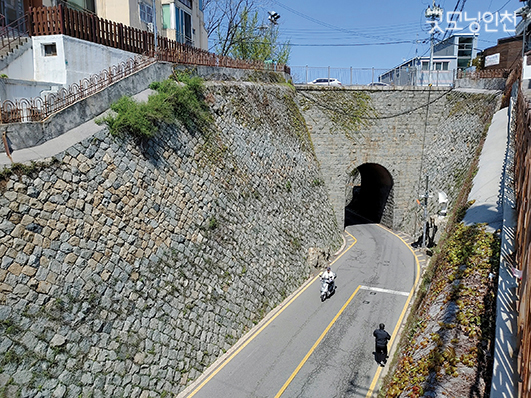
A functioning 4.5-meter-wide passage cut through Eungbongsan Mountain
Hongyemun is a stone gate created by cutting through the mountainside of Eungbongsan Mountain. Incheon City materials describe it as a small tunnel 4.5 meters wide and 13 meters high, while the National Heritage Portal records one structure with an area of 1,952.6㎡.
Cut granite was used for the stonework, and the ceiling was finished with red bricks. Since it remains a road structure through which vehicles pass, do not treat the inside of the gate as a place where you can stay freely for a long time like an exhibition space. Vehicles wait for one another to pass, and pedestrians and cars must yield to each other, so do not stand in the middle of the roadway when taking photos.
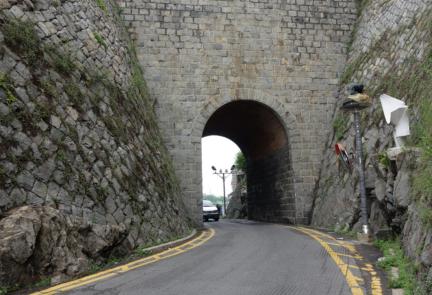
Access starting from Exit 2 of Dongincheon Station
For public transportation, Exit 2 of Dongincheon Station on the Gyeongin Line can be used as a starting point. Nearby transportation information lists buses 15 and 28, but it does not provide the service intervals or the exact walking distance from the stops to Hongyemun.
The address listed by the National Heritage Portal is 20, Songhak-dong 2-ga, Jemulpo-gu, Incheon Metropolitan City, while the road-name address provided by a visitor is 26, Hongyemun-ro, Jemulpo-gu, Incheon Metropolitan City. Because the official conversion relationship between the two addresses has not been confirmed, it is safest to enter Hongyemun or each of the two addresses separately into your navigation system.
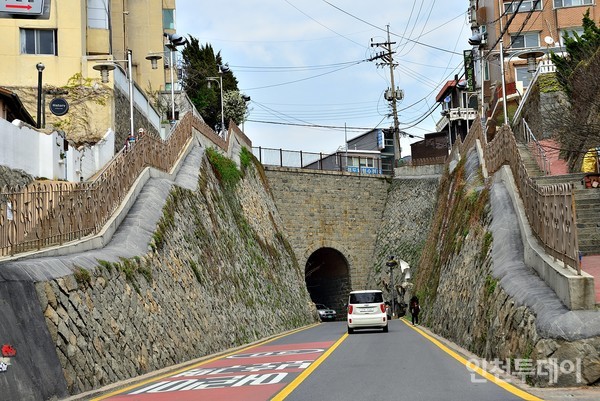
Always open and free, but with no ticket office
According to tourism information, Hongyemun is open at all times throughout the year. Admission is free, and no separate ticket office is listed, so this is not a tourist facility where you buy an adult ticket or other admission ticket; rather, it is a place to view a road and cultural heritage together.
The inquiry telephone number is 032-760-6474. The officially confirmed website is the Hongyemun page on the National Heritage Portal, and no separate operating-hours subpage for the facility itself has been confirmed. The notice that credit cards cannot be used should be understood together with the fact that admission is free; it does not mean that paid tickets are sold.
Scenes that change inside and above Hongyemun
Hongyemun is a passage connecting Sinpodong and Dongincheon, as well as Jung-gu and Dong-gu. Official Incheon City materials introduce it as a communication route between Jung-gu and Dong-gu, and those materials were posted on April 30, 2021.
Below the gate, you can view the granite stonework and red-brick ceiling up close, while the road above Hongyemun is introduced as offering views of Incheon Port and the waters off Incheon. However, the exact viewpoint and access distance along the upper road, as well as whether there are stairs or slopes, have not been confirmed. Travelers with limited mobility should therefore avoid planning an unnecessarily difficult detour.
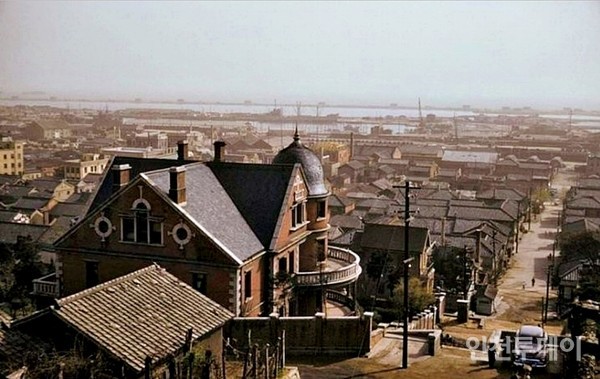
A place where stroller and vehicle traffic should be considered first
Hongyemun is listed as having no parking facilities, so travelers by car should not expect to park immediately beside the site. The operating status and fees of nearby public parking lots have not been confirmed. If you arrive by car, plan to park elsewhere and walk rather than drive all the way to the front of Hongyemun.
Stroller rental is listed as unavailable, and Hongyemun itself is a road structure with vehicle traffic. Information about the surface condition and slopes for wheelchair and stroller users, as well as the availability of English signs or an audio guide, has not been confirmed. Therefore, when traveling with young children or mobility aids, first observe vehicle movement through the passage and plan for a short stop rather than an extended visit.
An open-port-area route continuing to Sinpo Market and Jayu Park
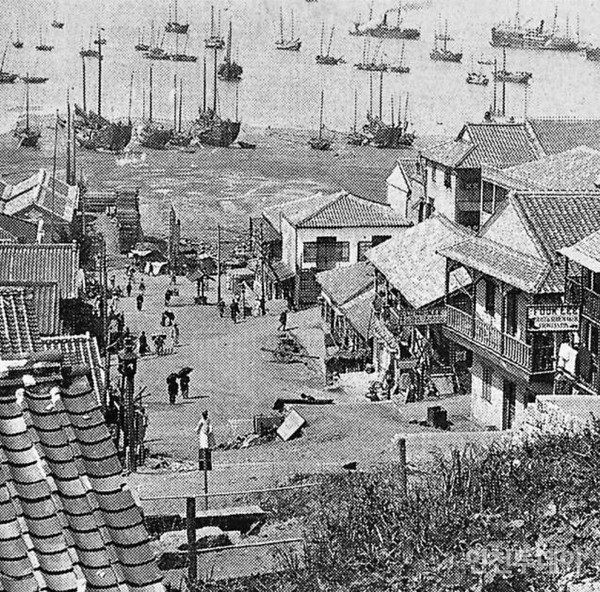
Hongyemun is included in the open-port-area sightseeing route around Dongincheon Station. The listed order is Dongincheon Station, Jungang Market, Baedari Intersection, Dapdong Cathedral, Sinpo Market, Hongyemun, and Jayu Park. Combining Hongyemun with part of this route, rather than visiting it alone, makes the purpose of the trip clearer.
Nearby connected attractions include Jayu Park, Sinpo International Market, Chinatown, Songwol-dong Fairy Tale Village, Dapdong Cathedral, and Yankee Park. Incheon Dulle-gil Course 12 is introduced as a route where visitors can encounter Incheon's history and culture from the modern opening of the port to the present. At Hongyemun, you can view the road structure and scenery toward the harbor without paying admission to a facility.
Photography and sightseeing limitations to know before visiting
No separate photography prohibition or access-restricted area has been confirmed for Hongyemun. However, because it is both a cultural heritage site and a road currently used by vehicles, take photos briefly from the edge of the stonework or another safe pedestrian area, and do not block the direction from which vehicles enter.
The recommended sightseeing duration, the distance from the ticket office to the destination, and bus service intervals have not been confirmed. Because the site is always open and free, there is no need to coordinate with a specific admission time. Even if you choose a time when there are fewer vehicles, remember that traffic on the road itself does not disappear.
A communication route recorded by Incheon City 115 years ago
An official Incheon City article introduces Hongyemun as ‘a communication route between Jung-gu and Dong-gu built 115 years ago through the blood, sweat, and tears of Koreans.’ This expression encourages visitors to see Hongyemun not simply as a stone gate for taking photos, but as a passage facility built to connect different areas after the opening of the port.
In the past, vines covered the walls, but after conservation concerns were raised, the stonework is now presented as exposed. The National Heritage Portal classifies it as a historic structure, transportation and communications, transportation, and road heritage. The owner is the Ministry of Land, Infrastructure and Transport, and the administrator is the Jung-gu Office of Incheon Metropolitan City.
Before You Go
- Address
- 20, Songhak-dong 2-ga, Jemulpo-gu, Incheon Metropolitan City
- Hours
- Open at all times
- Closed
- Open year-round
- Admission
- Free
- Phone
- 032-760-6474
- Official site
- https://www.heritage.go.kr/heri/cul/culSelectDetail.do?ccbaAsno=00490000&ccbaCpno=2112300490000&ccbaCtcd=23&ccbaKdcd=21&ccbaLcto=11&culPageNo=1&header=region&pageNo=1_1_3_0&s_ctcd=23&sngl=Y
- Transport
- Exit 2 of Dongincheon Station on the Gyeongin Line. Information for buses 15 and 28 has been confirmed.
- Parking
- Listed as having no parking facilities.
- Accessibility
- Stroller rental is listed as unavailable. It is a road structure with vehicle traffic, and the presence of stairs or slopes could not be finally confirmed through reviews.
The information above is based on the time of writing. Check official information again before visiting.

Places
Nearby Attractions 3
-
 1
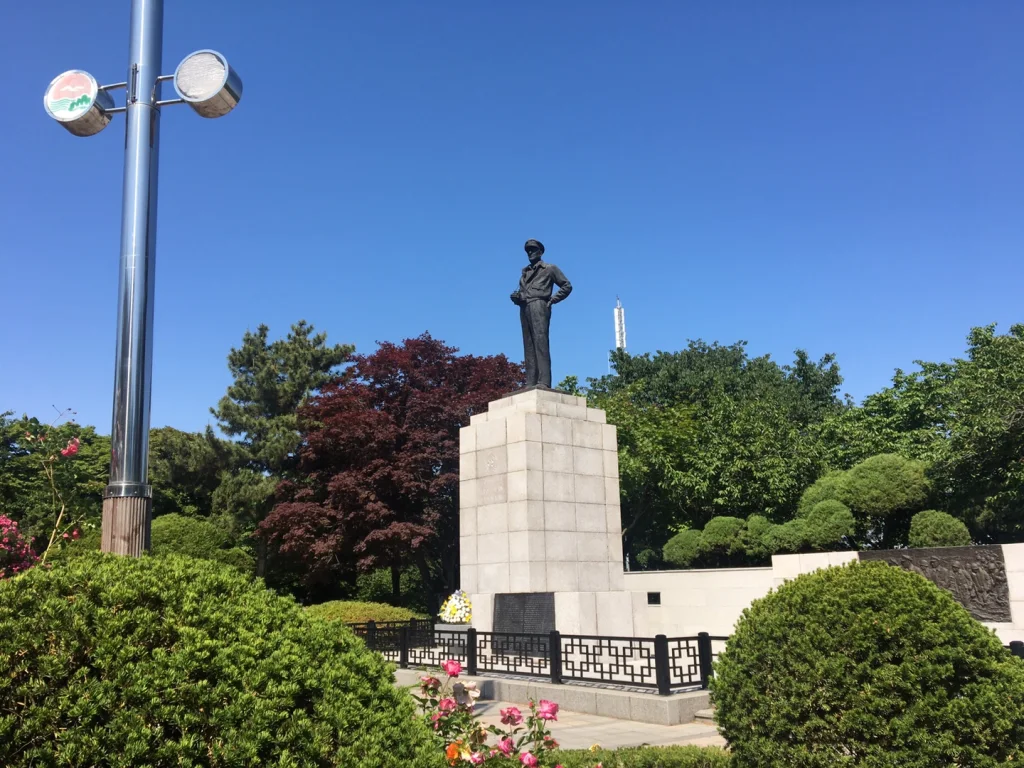
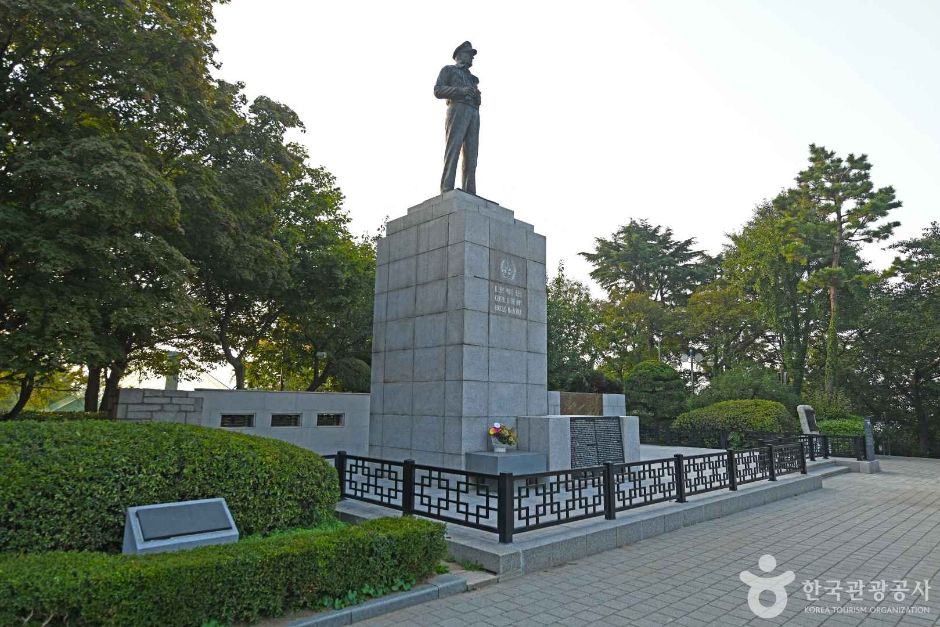
Jayu ParkAn urban park where you can enjoy views of the harbor alongside the statue of General MacArthur
-
 2
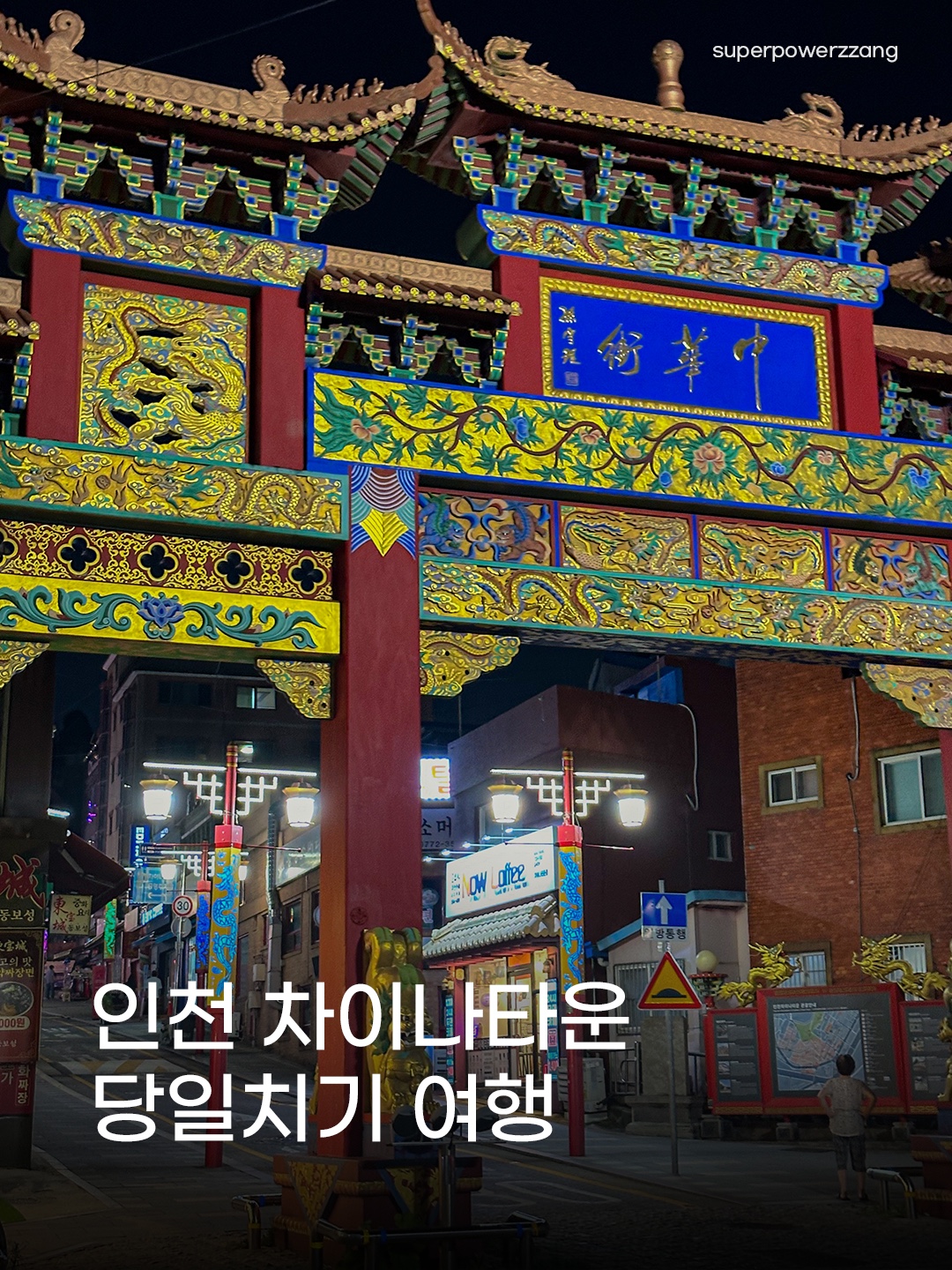
Incheon ChinatownA place to explore Chinese-style street scenes and the culture of the port-opening period
-
 3
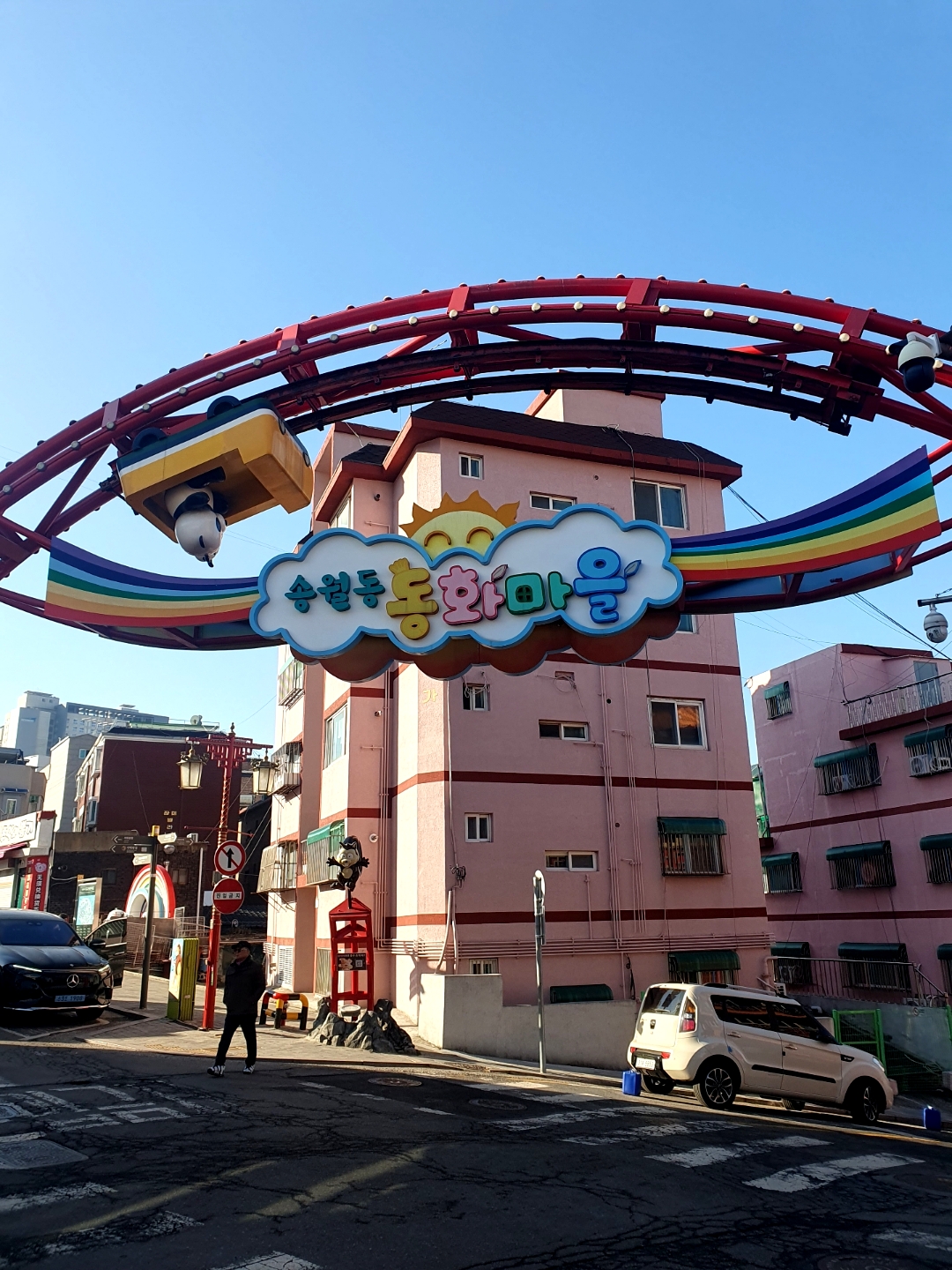
Songwol-dong Fairy Tale VillageA village where you can enjoy fairy tale-themed murals and sculptures in its alleys
Food & Dining 3
-
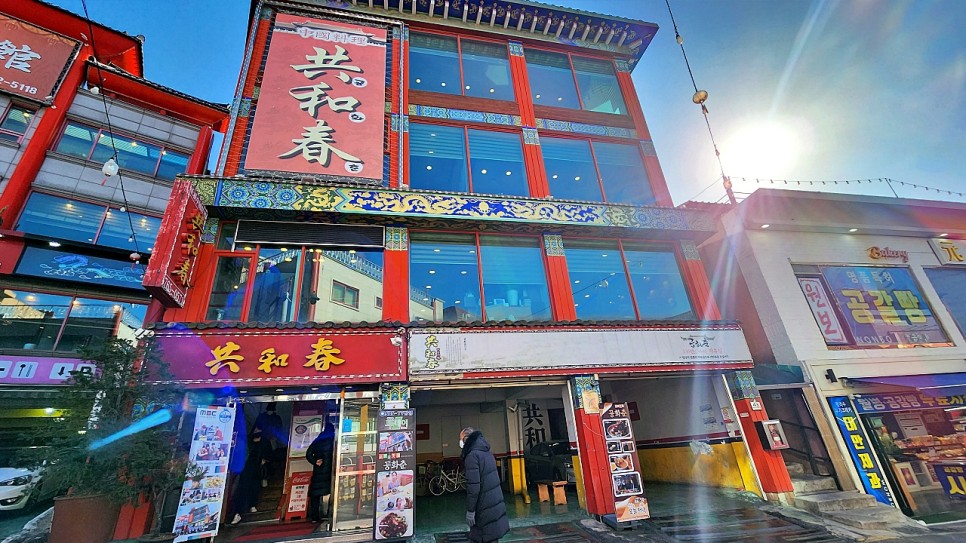 4
-
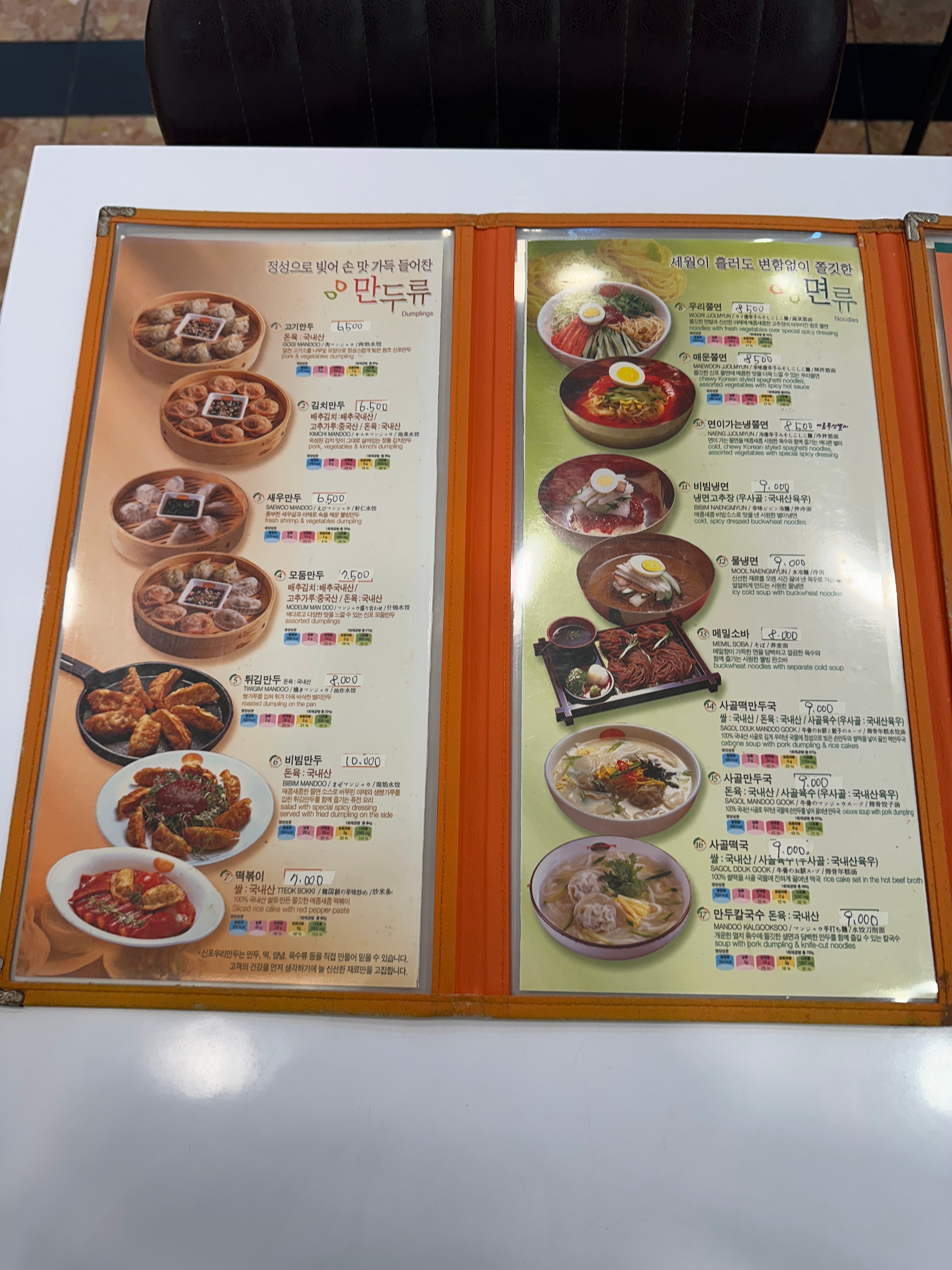 5
Sinpo Uri Mandu Sinpo-dong BranchA Sinpo-dong restaurant serving bunsik dishes such as dumplings and jjolmyeon.
-
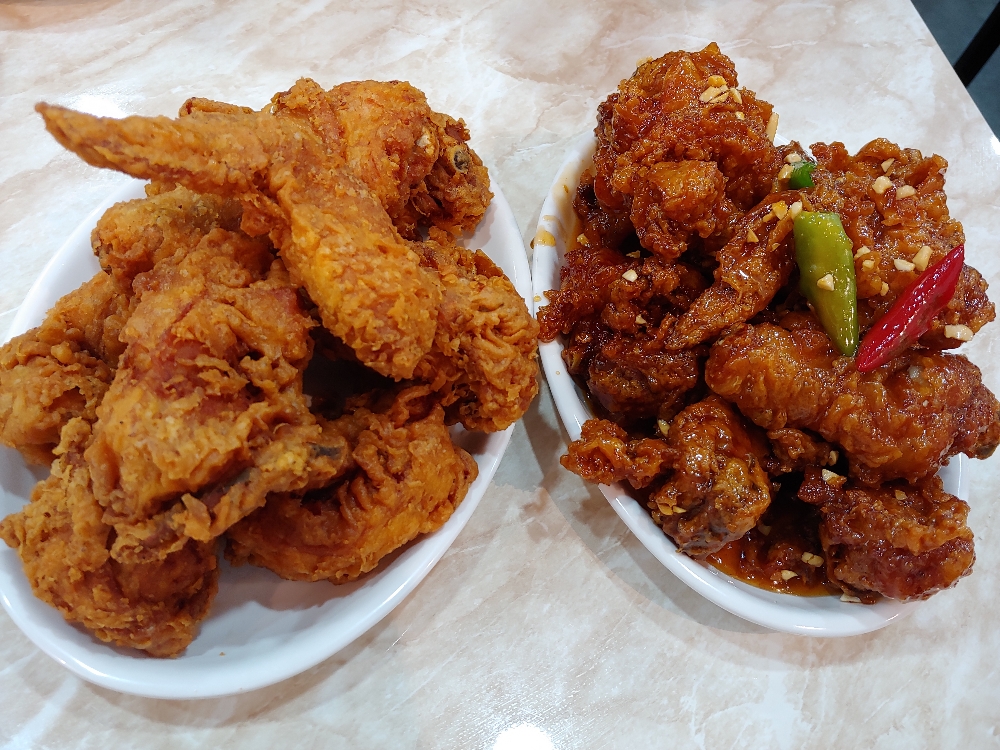 6
Events in This Area

Festivals in This Area
More Travel Guides in This Area
 Travel Guide
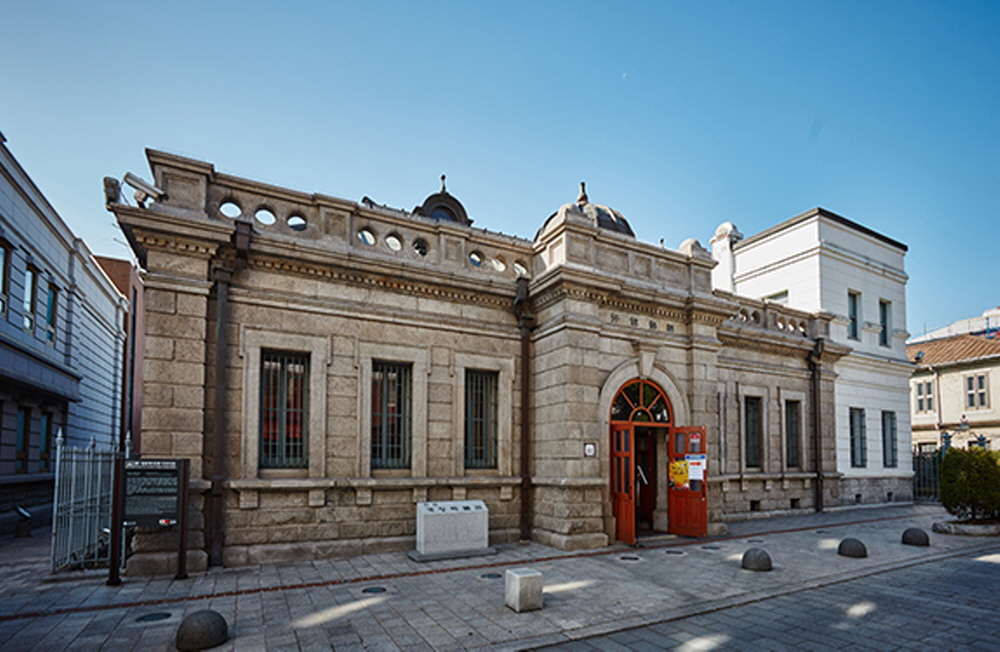
Walking Along the 1883 Concession Boundary in Incheon’s Open Port District
 Travel Guide
How to Enjoy Views of Incheon Port and Explore the History of the Open Port from Incheon Jayu Park
 Travel Guide
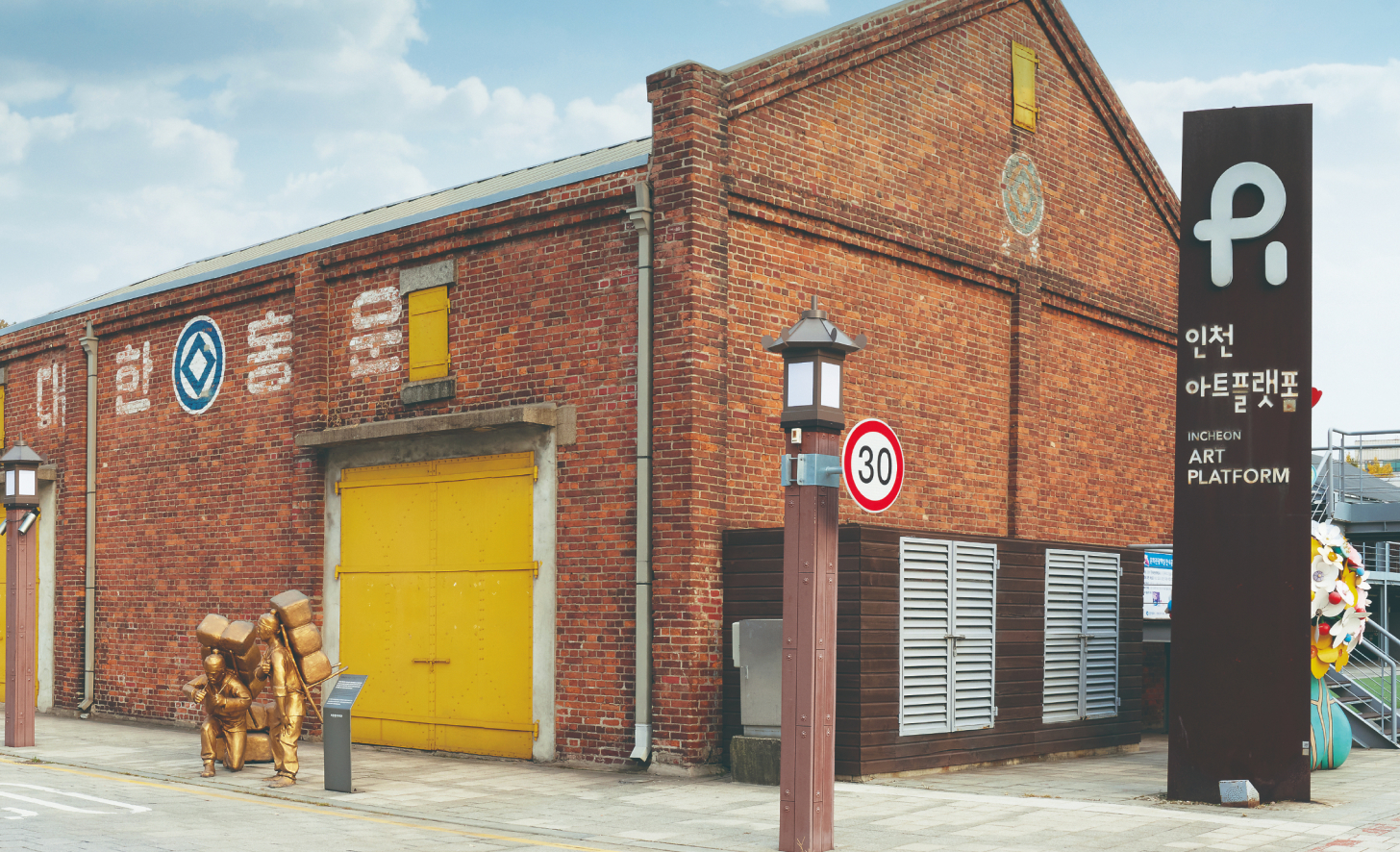
Walking Among the Red-Brick Warehouses of Incheon Art Platform
 Travel Guide
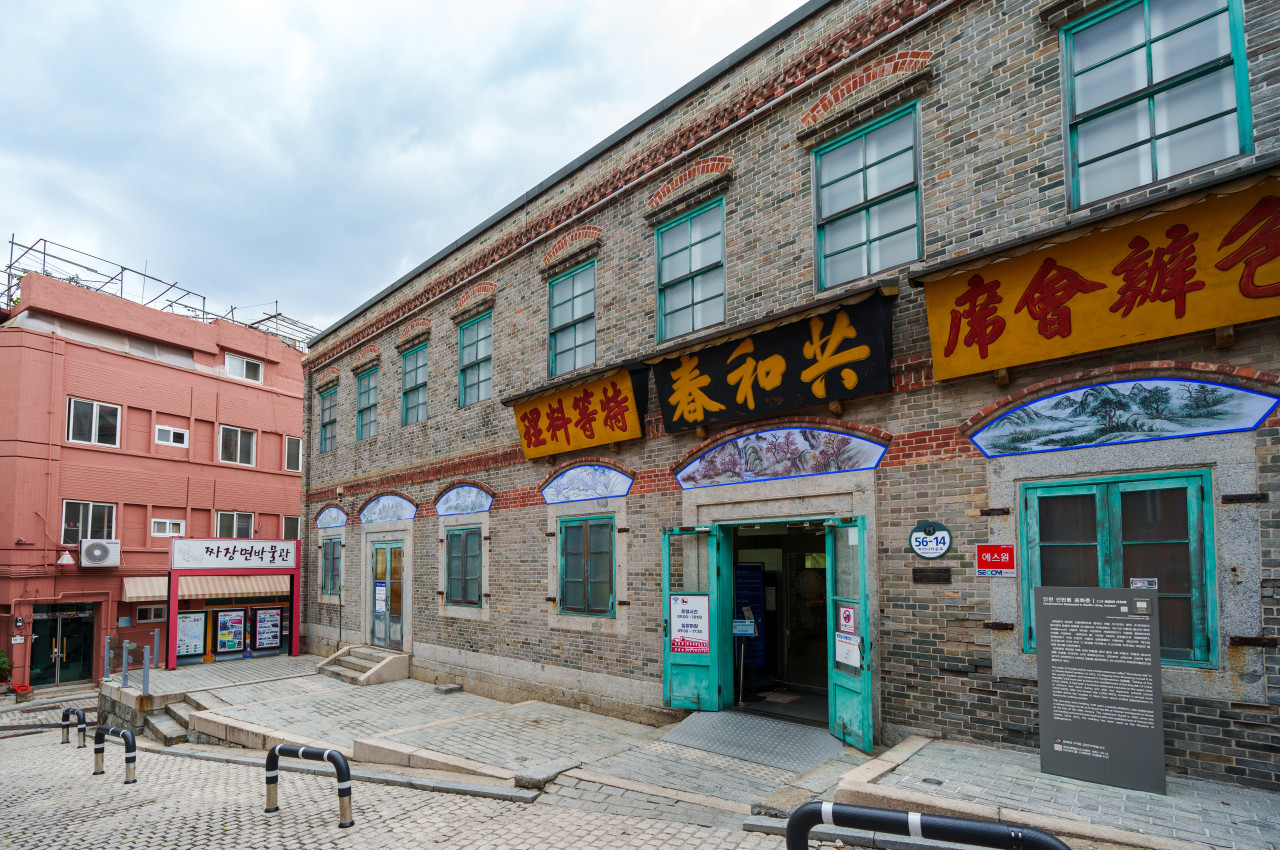
The Birth of Incheon Jajangmyeon and Six Exhibition Rooms at the Gonghwachun Building
Korea News
 News
'There Is No Danielle': NewJeans Unleashes a Massive B-Cut Collection to Celebrate the 4th Anniversary of Their Fandom, Bunnies
 News
G-Dragon Kneels to Propose in Public…The Recipient Turns Out to Be Daesung: “We’re Still Newlyweds”
 News
ATEEZ’s San, the Grand Duke of the North with Rock-Solid Abs
 News