From Crown Prince Sado to King Jeongjo, the 2.2 km Forest Trail Connecting the Two Royal Tombs of Hwaseong Yungneung and Geolleung
Hwaseong Yungneung and Geolleung is a Joseon royal tomb UNESCO World Heritage site that houses Yungneung, the tomb of Crown Prince Sado and Lady Hyegyeong Hong, and Geolleung, the tomb of King Jeongjo and Queen Hyi of the Kim clan. This guide organizes the seasonal opening hours, the 1,000 won admission fee, bus access from Byeongjeom Station, and the forest trail route connecting the two tombs from the History and Culture Center in actual travel order.

I’ve been here?
Your check-in helps the next traveler.
17 people viewed this week Be the first
One tap — no writing needed
Jongjo's Hwaseong Plan, Which Began with the 1789 Relocation of a Tomb
Yunggeunleung is the name used to refer collectively to two joint royal tombs. In the eastern Yungneung rest the posthumously honored Crown Prince Jangjo, namely Prince Sado, and Queen Heon-gyeong of the Hong clan, while in the western Geonneung lie the 22nd king of Joseon, King Jongjo, and Queen Hyoeui of the Kim clan. The two tombs were inscribed as part of the UNESCO World Heritage site "Royal Tombs of the Joseon Dynasty" in 2009.
In 1789, King Jongjo moved the tomb of his father, Prince Sado, from beneath Baebongsan in Seoul to Hwaseong and named it Hyeonryungwon. In 1899, during the Korean Empire period, Jangjo was posthumously honored as an emperor, and the tomb's name was changed to Yungneung. Because Jongjo personally planned and improved Yongjusa Temple and Suwon Hwaseong Fortress around his father's tomb, this place is more than a royal burial ground; it is a starting point for reading the development of the Hwaseong area in the late Joseon period and Jongjo's political vision.
How to Compare the Construction Years of Yungneung and Geonneung
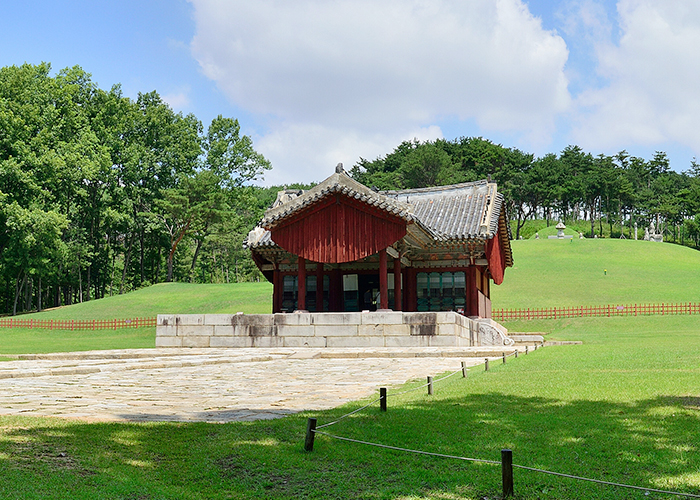
Yungneung was first established in 1789, the 13th year of King Jongjo's reign, and became a joint tomb when Queen Hyeongyeong Hong passed away in 1816. Later, in 1899, its name and rank were reorganized as Jangjo and Queen Heon-gyeong were posthumously honored. If you first confirm at the on-site information board that it is a joint tomb in which a husband and wife are buried together in one burial mound, it becomes easier to understand the layout of the tomb precinct.
Geonneung was built in 1800, the year King Jongjo passed away, and became a joint tomb when Queen Hyoeui of the Kim clan was buried there in 1821. Both tombs follow the basic order of royal tombs, with a red-spiked gate, a ceremonial path, a ritual pavilion, and the burial mound, but Yungneung is especially worth observing for its stone figures and sacrificial spaces because of its historical background as a tomb to which King Jongjo devoted special care to restore his father's honor.
- Yungneung: the joint tomb of Jangjo and Queen Heon-gyeong Hong
- Geonneung: the joint tomb of King Jongjo and Queen Hyoeui Kim
- Ceremonial path: the path leading to the ritual pavilion, the sacred ceremonial space
- Burial mound area: the sacred zone where the mound and stone figures are located
9:00 Opening and the Seasonal 1-Hour Closing Rule
Visiting begins at 09:00 year-round. From February to May and from September to October, admission is open until 18:00, and entry closes at 17:00. From June to August, hours are extended by 30 minutes until 18:30, and from November to January they are shortened to 17:30, with entry closing at 17:30 and 16:30 respectively.
The site is closed every Monday. If Monday is a public holiday, it closes the following day. The management office's main phone number is 031-222-0142, and the official Royal Palaces and Tombs website's admission fee page lists the common royal tomb fees and exemption rules. If your schedule is tight, it is better to arrive earlier than 90 minutes before ticket sales close so you can see the history and culture museum and both tombs together.
1,000 KRW for Adults and Free Entry on the Last Wednesday
The regular admission fee is 1,000 KRW for domestic visitors aged 25 to 64 and foreign visitors aged 19 to 64, and 800 KRW for groups of 10 or more. Hwaseong residents receive a 50% discount on the regular admission fee and can enter for 500 KRW by presenting proof of residence such as an ID card. A one-month all-access pass for royal tombs and royal gardens costs 10,000 KRW.
Entry is free for domestic visitors aged 24 or under and 65 or older, and foreign visitors aged 18 or under and 65 or older. Pregnant visitors and one accompanying guardian, visitors wearing hanbok, registered persons with disabilities, and one accompanying guardian for a person with a severe disability are also eligible for free admission. Free entry is applied on the last Wednesday of every month, "Culture Day," so if the date matches, you can enter without buying a ticket.
- General adult: 1,000 KRW
- Group of 10 or more: 800 KRW
- Regular admission for Hwaseong residents: 500 KRW
- Domestic visitors aged 24 or under or 65 or older: free
From Exit 2 of Byeongjeom Station to the Yungneung-Geonneung Stop
By public transportation, Exit 2 of Byeongjeom Station on Line 1 is the simplest starting point. From near the exit, take bus 34, 34-1, 35-1, 46, or 50 and get off at the "Yungneung-Geonneung" stop; according to the guide, the bus ride takes about 15 minutes. From Suwon Station and the northern and southern gates of Suwon Hwaseong Fortress, bus 46 takes about 40 minutes.
By car, set the destination to 21, Hyohaeng-ro 481beon-gil, Hwaseong-si, Gyeonggi-do. There is a public parking lot near the entrance, and the Korea Tourism Organization's tourism data indicates that parking is available. A June 2026 visitor review confirms a case of free use of the public parking lot, but reviews repeatedly note that it fills up quickly on weekend mornings. If you are driving, arriving right at the 09:00 opening time helps reduce both parking and sightseeing time.
A 90-Minute Walk Starting with the History and Culture Museum and Continuing to Yungneung and Geonneung
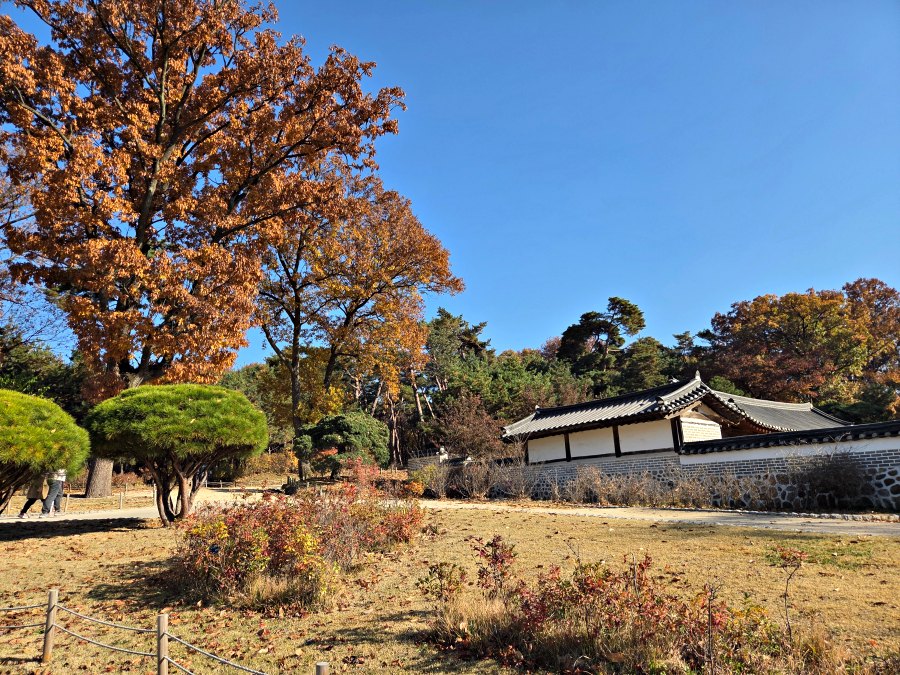
After passing the ticket office, it is best to head first to the Yungneung-Geonneung History and Culture Museum. Here, panels, videos, and models introduce the structure of Joseon royal tombs, the lineage of Jangjo and Jongjo, and the construction process of Yungneung and Geonneung. The Korea Tourism Organization explains that, from the ticket office, Yungneung and Geonneung are located on both sides, and visiting both places takes about 1 hour to 1 hour and 30 minutes.
If you include the forest path at a relaxed pace, plan for about 2 hours. A June 2026 visitor review introduced the "A" course connecting the two tombs as 2.2 km and about 50 minutes, and a straight route only to Yungneung was recorded as about 10 to 15 minutes one way. In front of the ritual pavilion, do not step off the ceremonial path, and view the burial mound from outside the protective fence.
- History and Culture Museum: the section where you first learn about the structure of the royal tombs and the stories of King Jongjo and Prince Sado
- Yungneung: the route where you sequentially see the red-spiked gate, ceremonial path, ritual pavilion, and burial mound
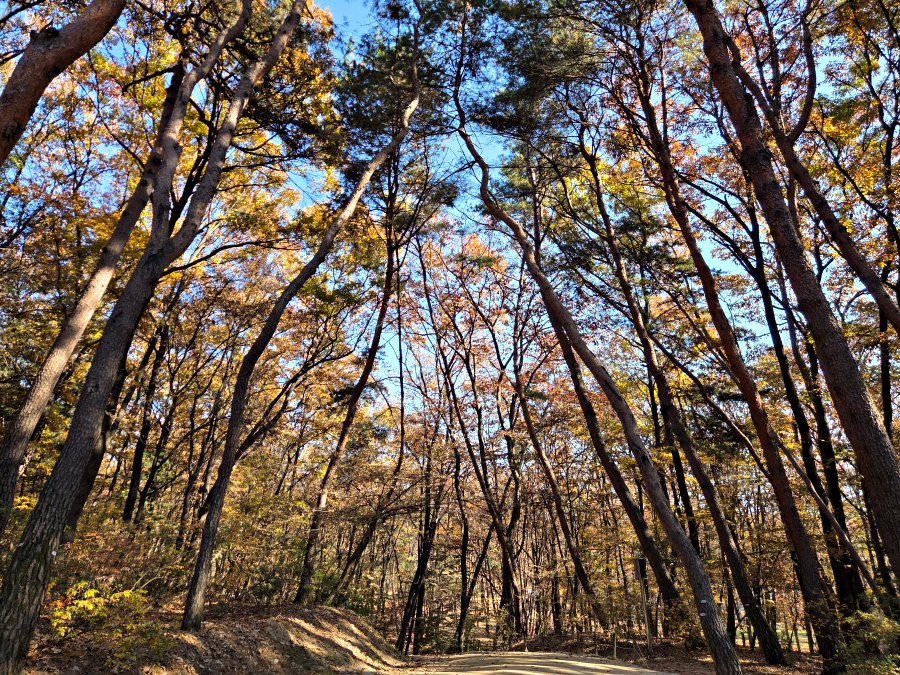
- Yungneung-Geonneung forest path: the connecting section through pine and oak trees
- Geonneung: the final section where you face the joint tomb of King Jongjo and Queen Hyoeui
Pine Forest Paths, Biota Orientalis, and Visitor Etiquette
The Biota orientalis tree beside the ceremonial house is designated as a natural monument. After touring the royal tombs, it is good to extend your route to the area around the ceremonial house and look at the tree's branching trunk together with the information board. The forest path between Yungneung and Geonneung is also one of the Joseon royal tomb forest paths periodically opened by the Cultural Heritage Administration in spring and autumn.
Food and drinks, pets, picnic mats, and kickboards are not allowed inside. A June 2026 review mentioned stroller and wheelchair storage next to the ticket office, but because the interior mixes dirt paths and paved paths, moving through the entire two tombs by wheelchair or stroller can be difficult in some sections. Foreign-language interpretation is available in English and Japanese, and Hwaseong City cultural tourism interpretation can be reserved by phone from 09:30 to 16:30.
Before You Go
- Address
- 21, Hyohaeng-ro 481beon-gil, Hwaseong-si, Gyeonggi-do
- Hours
- 09:00~18:00 (Feb~May, Sep~Oct, last entry 17:00) / 09:00~18:30 (Jun~Aug, last entry 17:30) / 09:00~17:30 (Nov~Jan, last entry 16:30)
- Closed
- Every Monday; if Monday is a public holiday, closed the following day
- Admission
- Domestic visitors aged 25~64 and foreign visitors aged 19~64: 1,000 KRW / groups of 10 or more: 800 KRW / Hwaseong residents: 500 KRW / domestic visitors aged 24 or under or 65 or older: free
- Phone
- 031-222-0142
- Official site
- https://royal.khs.go.kr/ROYAL/contents/R703000000.do
- Transport
- From Exit 2 of Byeongjeom Station on Line 1, take buses 34, 34-1, 35-1, 46, or 50 and get off at the 'Yungneung-Geonneung' stop, about 15 minutes
- Parking
- Public parking available near the entrance; a June 2026 visitor review confirms a case of free use
- Time needed
- History and Culture Museum plus Yungneung-Geonneung: 1 hour to 1 hour 30 minutes; relaxed visit including forest path: about 2 hours
- Accessibility
- Stroller and wheelchair storage is mentioned next to the ticket office. The interior combines dirt paths and paved paths, and cultural tourism interpretation is available in English and Japanese (phone reservation)
The information above is current as of the time of writing. Please check the official guidance again before visiting.

Places
Nearby Attractions 4
-
 1
1
-
 2
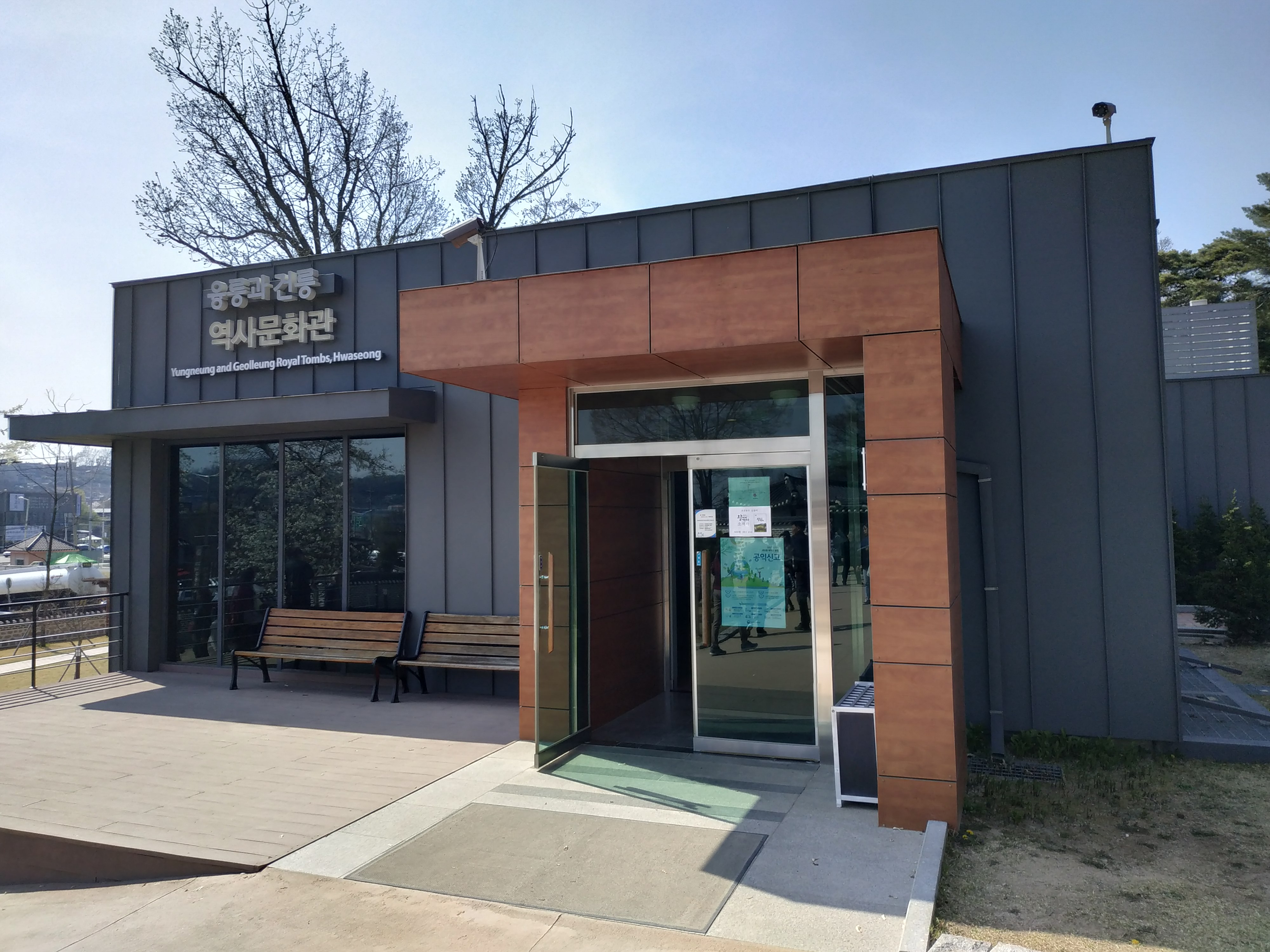
Yungneung and Geolleung History and Culture CenterA place exhibiting the structure and construction process of royal tombs
2
Yungneung and Geolleung History and Culture CenterA place exhibiting the structure and construction process of royal tombs -
 3
3
-
 4
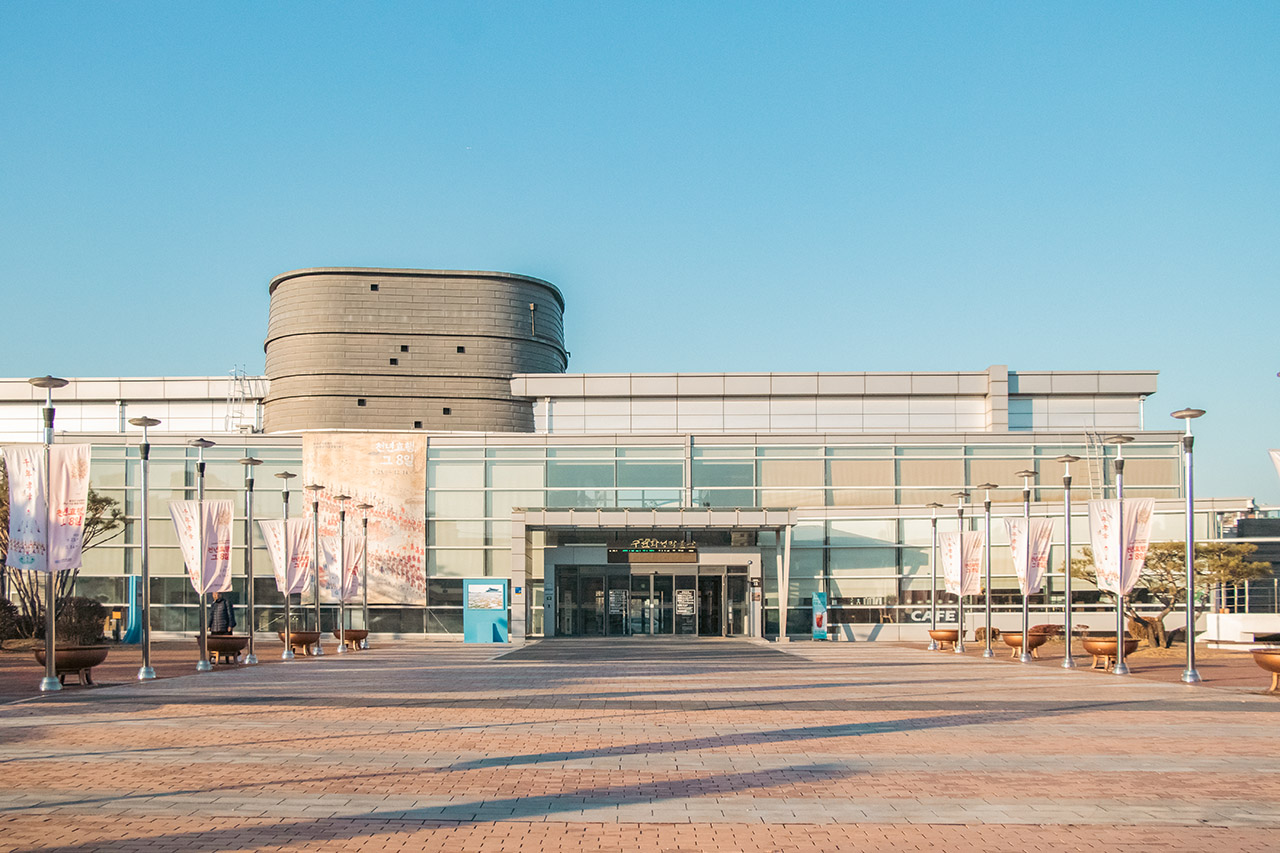
Suwon Hwaseong MuseumA museum exploring the history of King Jeongjo and Suwon Hwaseong Fortress
4
Suwon Hwaseong MuseumA museum exploring the history of King Jeongjo and Suwon Hwaseong Fortress
Food & Dining 2
-
 5
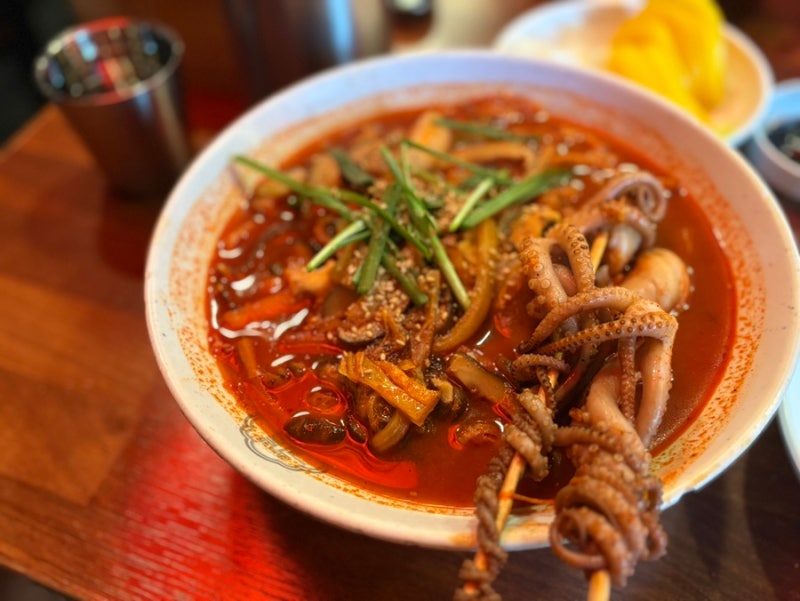
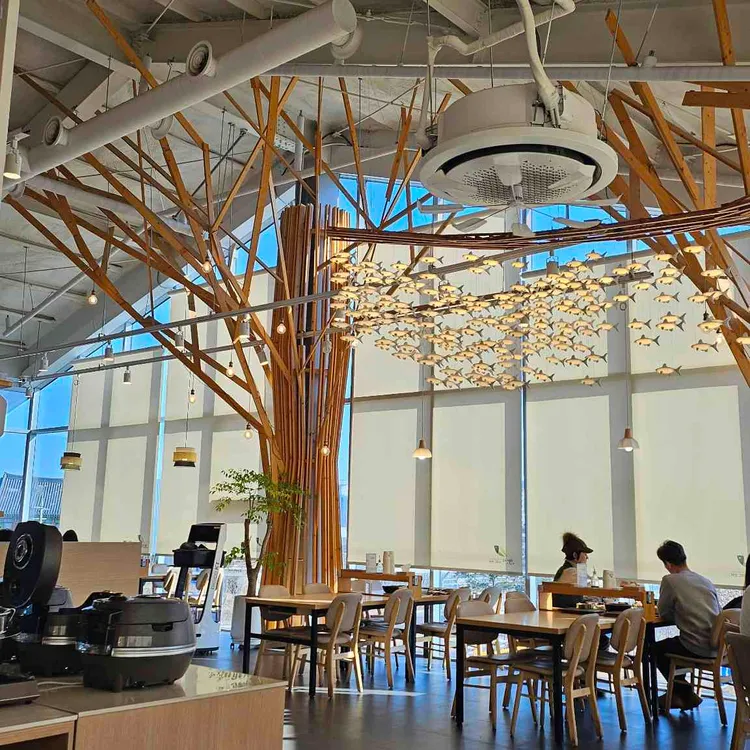
Cheonnyeon Myeonga Gyodong Jjamppong Yunggeonneung Main BranchA restaurant serving jjamppong and other Chinese dishes.
5
Cheonnyeon Myeonga Gyodong Jjamppong Yunggeonneung Main BranchA restaurant serving jjamppong and other Chinese dishes. -
 6
6
Events in This Area



Festivals in This Area


More Travel Guides in This Area
 Travel Guide
15 minutes west of Suwon Station, Gijangok Shabu Kalguksu's black rice noodles and shabu course
 Travel Guide
Osan Surfing Zone, 6 Minutes from Sema Station Exit 1, Challenging 50-minute Artificial Waves
 Travel Guide
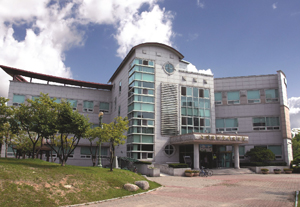
Suwon Jihyesam Children's Library: Exploring the Environment Since 2005
 Travel Guide
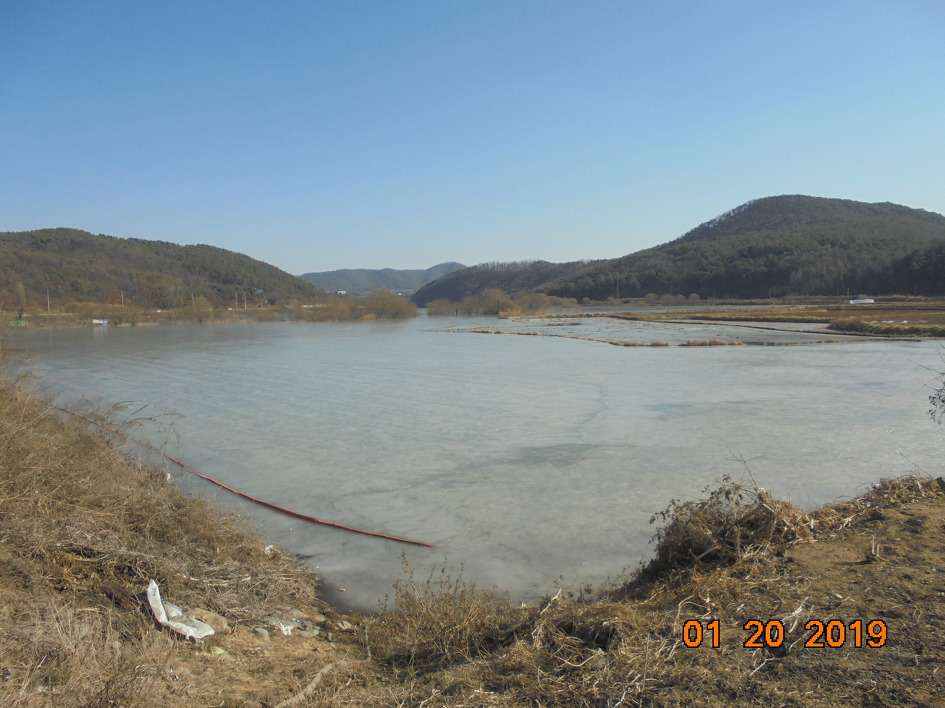
Bongdam’s 280,000-pyeong waterside, linked to Bal-an Reservoir since 1947
Korea News
 News
News
‘NewJeans Expulsion’ Danielle Releases Her First YouTube Video… “We Don’t Know What Will Happen Next”
![aespa’s North American Tour Has Remaining Seats Despite ‘$49’ Bargain Prices… A Stark Popularity Gap with KATSEYE [TEN Starfield]](https://kotourlive-images.s3.ap-northeast-1.amazonaws.com/news/1788485037424_a59b1932_naver_rank_thumb_0000774618_1788485037424.jpg) News
News
aespa’s North American Tour Has Remaining Seats Despite ‘$49’ Bargain Prices… A Stark Popularity Gap with KATSEYE [TEN Starfield]
![[Photo] TWICE’s Dahyun attends a film festival red carpet as an actress](https://kotourlive-images.s3.ap-northeast-1.amazonaws.com/news/1788485316508_edd43ecd_news_870a60a6-6f11-4d73-aa7c-48d91318a0f7.jpg) News
News
[Photo] TWICE’s Dahyun attends a film festival red carpet as an actress
![[On-Site Video] “We’re Departing Separately Together”… BIGBANG Begins ‘COSMOS’ World Tour](https://kotourlive-images.s3.ap-northeast-1.amazonaws.com/news/1788485226518_c5719641_news_fdd4764a-0f4e-4968-8e4e-e98a02872f88.jpg) News
News