How to Read Yongin’s Wawoojeongsa Temple, Between Yeonhwasan’s 48 Peaks and a 12-Meter Reclining Buddha
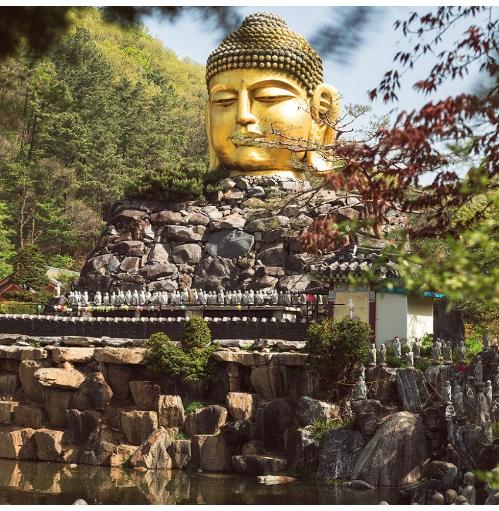
Wawoojeongsa Temple is the headquarters of the Korean Buddhist Nirvana Order. It was founded in 1970 by Haewol Tripitaka Master Kim Hae-geun, a displaced person, to pray for national harmony. Visitors climb the sloping temple grounds while viewing large Buddhist sculptures, including an 8-meter Buddha head, a 12-meter reclining Buddha, and the 12-ton Bell of Unification, so it is best to allow 1.5 to 2 hours.
I’ve been here?
Your check-in helps the next traveler.
No one has checked in yet Be the first
One tap — no writing needed
The Temple of ‘National Harmony’ Established on Yeonhwasan Mountain by Kim Hae-geun in 1970
Wawoojeongsa Temple (臥牛精舍) is a national-protection temple established in 1970 by Kim Hae-geun, the displaced-person monk Haewol Samjang, with the aim of achieving national harmony through the Buddha’s merit. It is now the headquarters of the Korean Buddhist Nirvana Order and stands on the foothills of Haegok-dong, surrounded like a folding screen by Yeonhwasan Mountain’s 48 peaks.
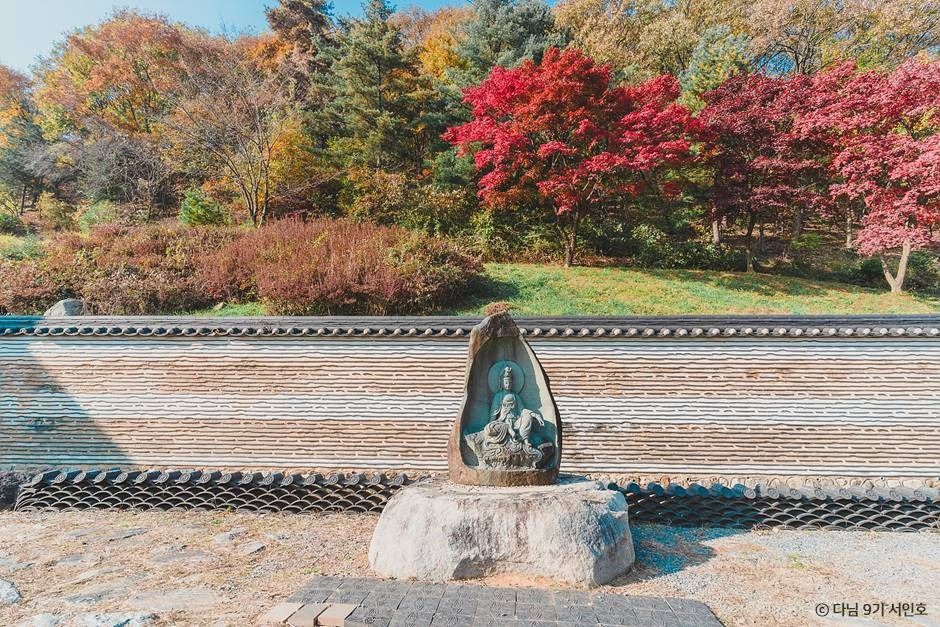
Rather than viewing this place as an architectural complex of an old Joseon-era temple, it is more accurate to understand it as a modern Buddhist holy site created during the era of division and separated families. Approximately 3,000 Buddhist statues brought from India, Myanmar, Sri Lanka, China, Thailand, and other countries, along with the Unification Stone Pagoda built from stones collected from holy sites around the world, together express both the idea of “unification” and the connections among global Buddhist traditions.
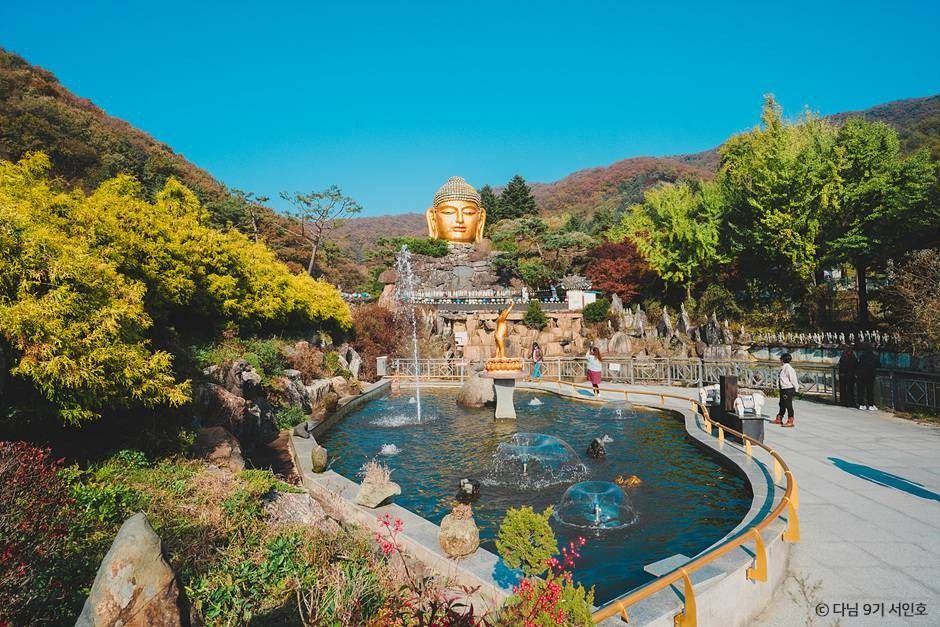
From the 8 m Buddha Head at the Entrance to the 12 m Reclining Buddha in Nirvana Hall
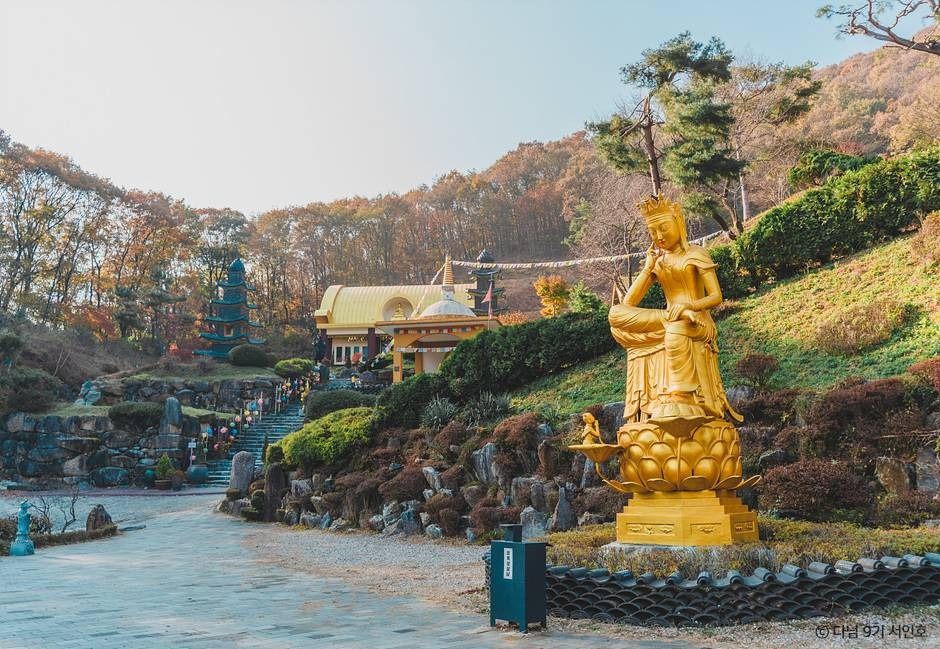
The first sight at the entrance near the parking lot is a large Buddha head measuring 8 m in height. After passing the Buddha head and entering farther into the grounds, visitors find a reclining Buddha measuring 3 m high and 12 m long in Nirvana Hall on the mountainside. It is described as having been carved from fragrant wood brought from Indonesia.
The route up to the reclining Buddha includes continuous stairs and slopes. About one hour is sufficient for a quick visit focused on taking photos, while 1.5 to 2 hours is recommended for viewing the Buddha head, the Jangyuk Five Buddhas, the Bell of Unification, the Maitreya Bodhisattva in Pensive Pose, and the reclining Buddha in sequence. Visitors with mobility difficulties may wish to focus on the area around the entrance Buddha head and assess the steep sections and travel conditions with their companions beforehand.
The Jangyuk Five Buddhas Made with 100,000 geun of Brass over 10 Years and the 12-Ton Bell of Unification
Wawoojeongsa Temple houses the Jangyuk Five Buddhas, made over a period of 10 years using 100,000 geun of brass. Rather than simply noting that they are “large,” considering the amount of material and the production period provides a concrete understanding of how this temple has expressed postwar Korean society’s hopes for unification through large-scale sculptures.
The Bell of Unification weighs 12 tons and is described as the bell rung during the 1988 Seoul Olympics. The temple also has a bronze Maitreya Bodhisattva in Pensive Pose, a stone Medicine Buddha, and an ascetic statue of Shakyamuni Buddha composed of a white jade body and a blue jade pedestal. Together, these works show why Buddhist sculptural languages from various regions are blended within a single temple, alongside Korean-style shrine halls.
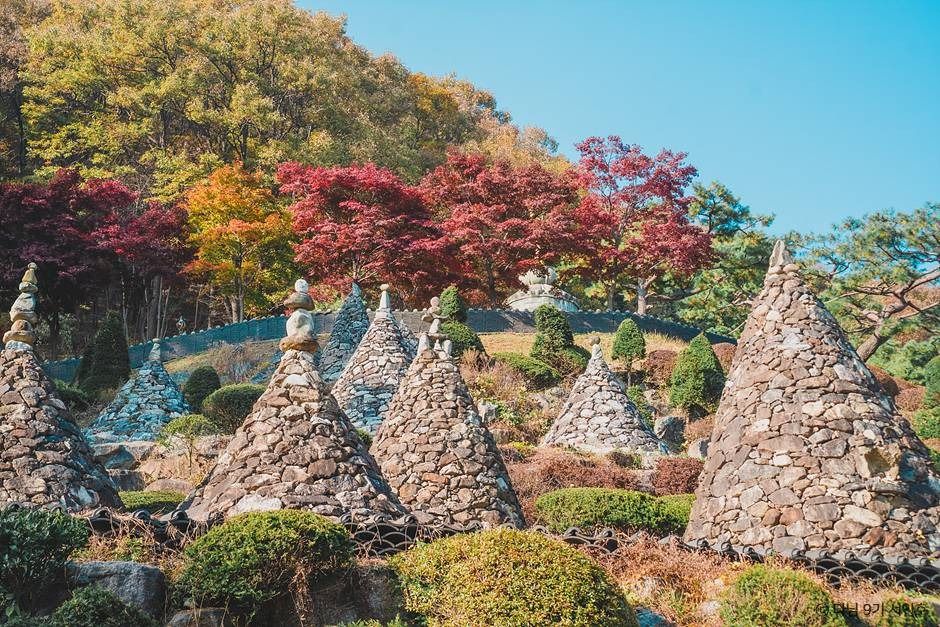
06:00–18:00, Open Year-Round: 4 Things to Know Before Free Admission
According to official tourism information, the temple is open daily from 06:00 to 18:00 and throughout the year. Admission is free, and the inquiry phone number is 031-332-2472. To see both the outdoor temple spaces and the sloped sections, arriving in the morning or early afternoon is more advantageous for securing a comfortable route than arriving just before closing.
The road-name address is 25-15 Haegok-ro, Cheoin-gu, Yongin-si, Gyeonggi-do, and the official tourism page is https://www.yongin.go.kr/yitour. Yongin tourism information states that free parking is available, but vehicles may crowd the area on weekends and public holidays, so visitors staying for a long time should take care not to block parking traffic.
25-15 Haegok-ro, More Easily Reached by Car than Public Transportation
Wawoojeongsa Temple is located on the foothills of Yeonhwasan Mountain, away from central Yongin, so traveling by private car or taxi is the simplest option for first-time visitors. It is introduced as being approximately 48 km south of Seoul, with tourism information giving a driving time of about 50 minutes; however, the actual time varies depending on the departure point and traffic conditions.
Visitors using the bus must get off at the Haegok-dong bus stop, rather than directly in front of the temple grounds, and walk approximately 400–500 m, according to a local walking record. Since bus intervals and stop locations may change, check a map app or Yongin’s bus information immediately before departure. When returning, it is safer to check the last bus and service intervals first.
Slopes Are Present, with Accessibility Information Describing Them as “Steep”
Accessibility information from the Korea Tourism Organization states that a ramp is installed from the main entrance to the entrance, but marks it as “steep.” An accessible restroom and a family restroom for infants and young children are available, so restroom use itself is accommodated; however, the uphill route and stairs toward the reclining Buddha may require additional stamina and assistance.
Wheelchair and stroller users should plan around the entrance area with the Buddha head and the ramp at the main entrance. For information about whether it is possible to travel to the higher ground farther inside, contact 031-332-2472 before arrival. Foreign-language visitors can find the address, operating hours, closing information, and free-admission details on the Korea Tourism Organization’s English tourism page.
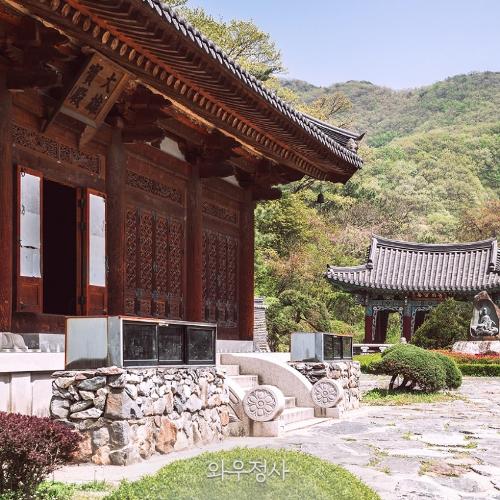
Before Combining It with Eunsan Mountain at 542 m, Set Aside Time for the Temple Visit First
Information at the Wawoojeongsa Temple parking lot describes Eunsan Mountain as approximately 542 m away, or about an 8-minute walk. However, since the temple grounds also contain slopes and stairs, visitors planning to continue walking to Eunsan Mountain should allocate at least 1.5 hours to Wawoojeongsa Temple first, then decide based on the weather and sunset time.
This place suits travelers interested in viewing large Buddhist statues and Buddhist sculptures up close. Conversely, visitors expecting only flat walking paths or planning a tightly packed day trip using only public transportation may find the waiting time for transportation and uphill sections burdensome. Since the temple is a place of worship, photography and conversation in front of the statues should be conducted discreetly so as not to disturb other visitors’ worship.
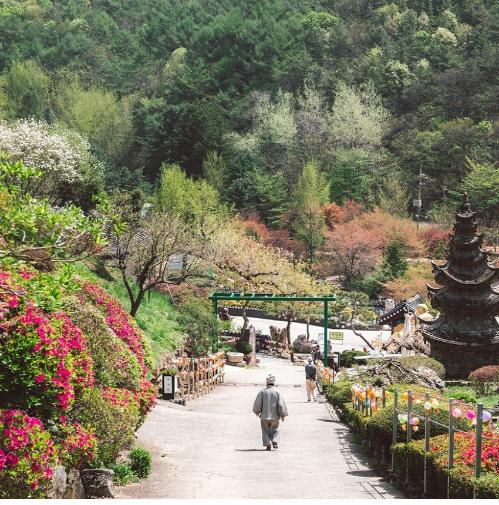
Before You Go
- Address
- 25-15 Haegok-ro, Cheoin-gu, Yongin-si, Gyeonggi-do
- Hours
- Daily, 06:00–18:00
- Closed
- Open year-round
- Admission
- Free
- Phone
- 031-332-2472
- Official site
- https://www.yongin.go.kr/yitour
- Transport
- When using public transportation, visitors are directed to walk approximately 400–500 m from the Haegok-dong bus stop. Checking bus intervals and stop locations before departure is recommended.
- Parking
- Free parking available
- Time needed
- 1.5–2 hours
- Accessibility
- A ramp leads to the main entrance, but it is steep. An accessible restroom and a family restroom for infants and young children are available. Prior inquiry is recommended for the sloped and stair sections farther inside.
The information above is current as of the time of writing. Check the official information again before visiting.

Places
Nearby Attractions 5
-
 1
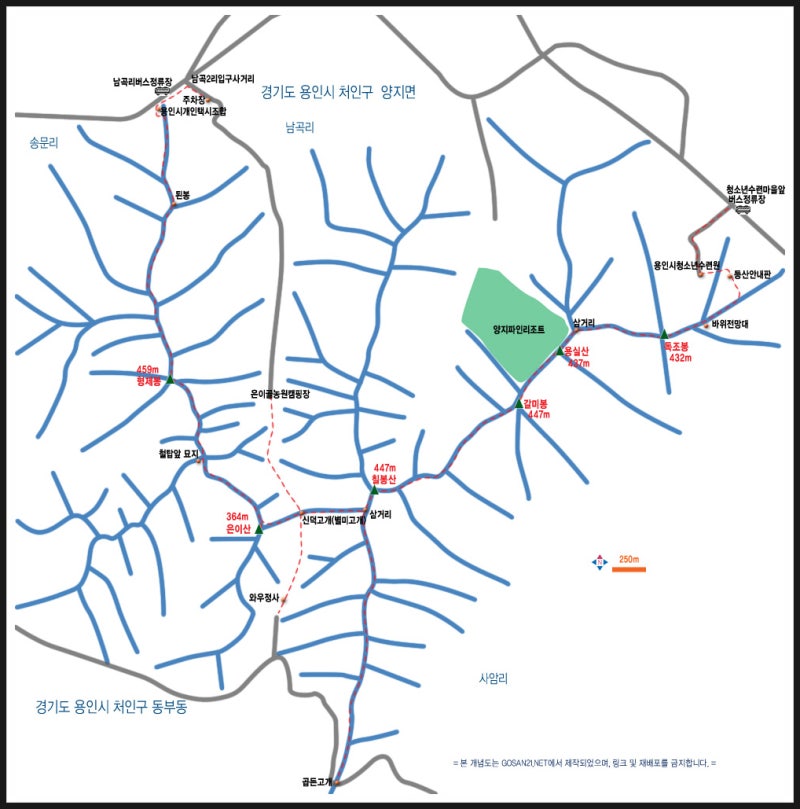
Eunisan MountainA place to enjoy hiking and forest walks along the mountain trail behind Waujeongsa Temple.
1
Eunisan MountainA place to enjoy hiking and forest walks along the mountain trail behind Waujeongsa Temple. -
 2
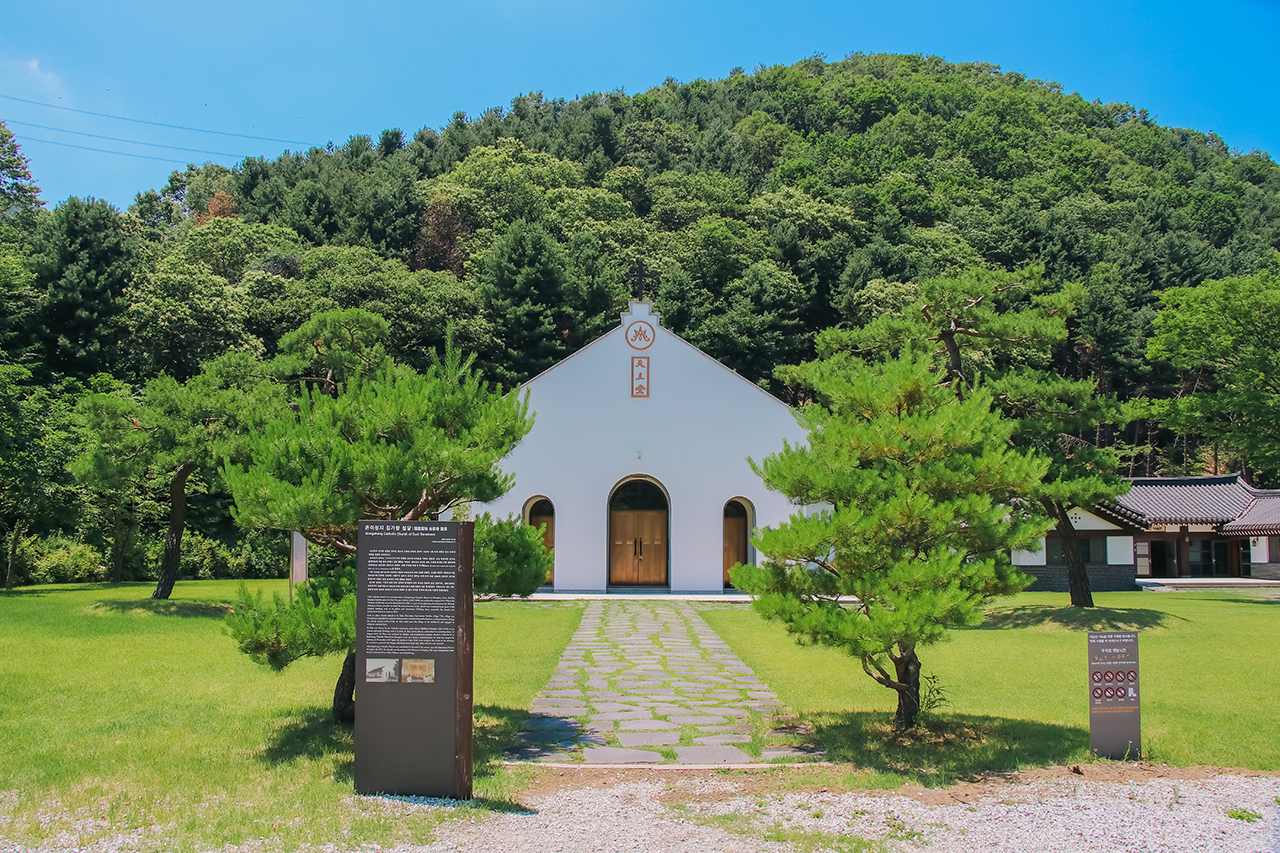
Euni Holy SiteA Catholic pilgrimage site featuring the Father Kim Dae-geon Memorial Hall and Kim Gahhang Cathedral.
2
Euni Holy SiteA Catholic pilgrimage site featuring the Father Kim Dae-geon Memorial Hall and Kim Gahhang Cathedral. -
 3
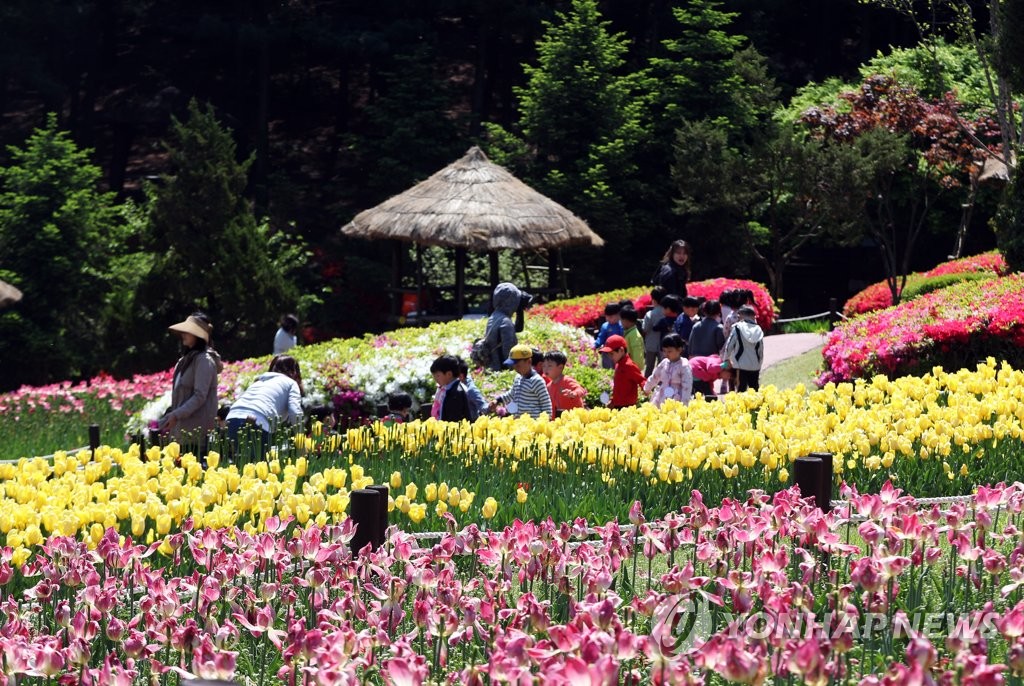
Yongin Rural Theme ParkA park where you can stroll through a wildflower garden and an ecological pond while enjoying rural experiences.
3
Yongin Rural Theme ParkA park where you can stroll through a wildflower garden and an ecological pond while enjoying rural experiences. -
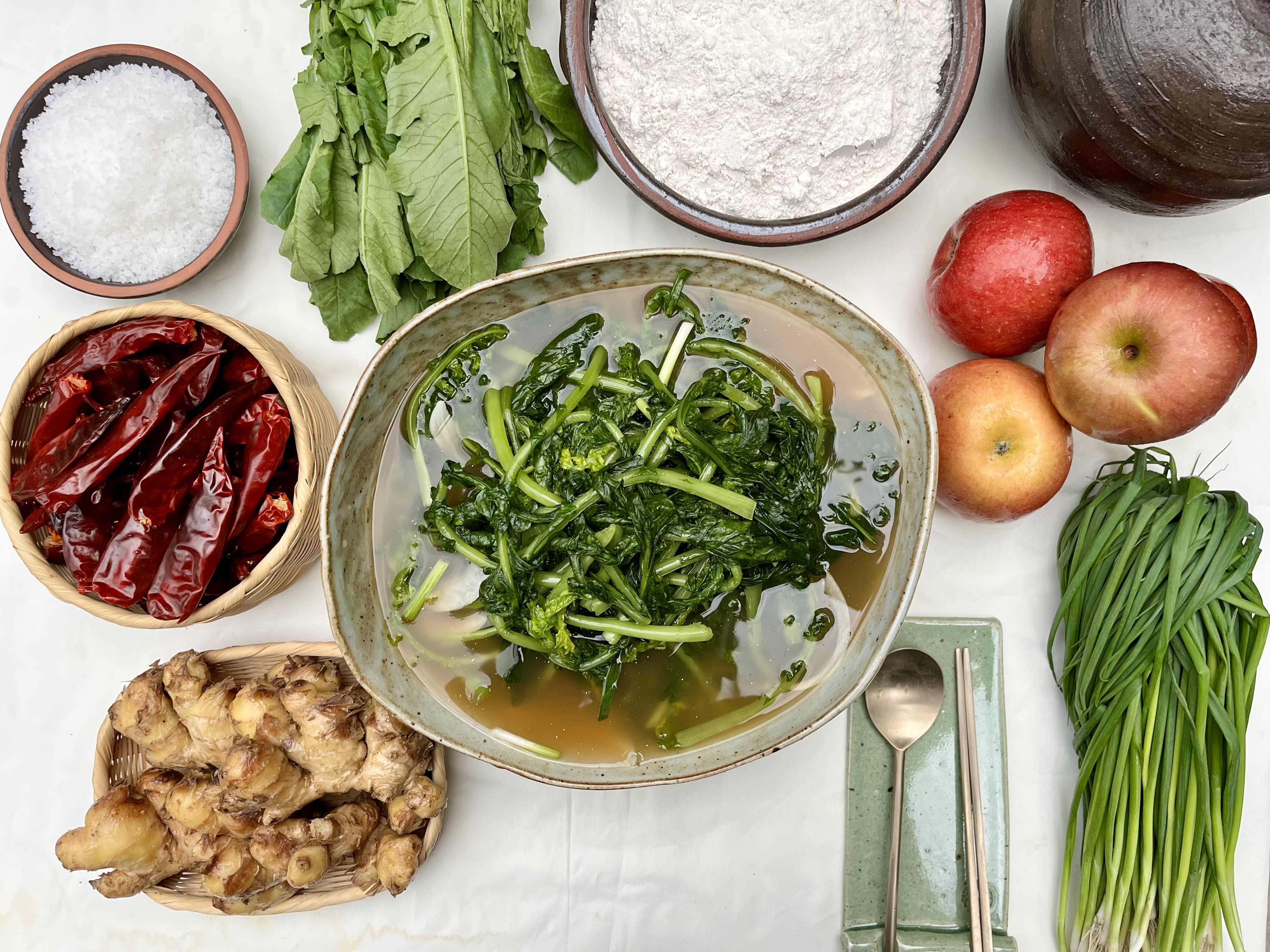 4
4
-
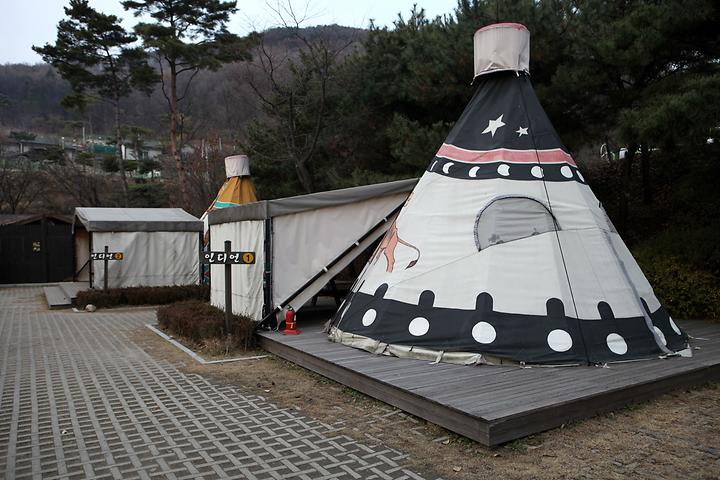 5
5
Food & Dining 3
-
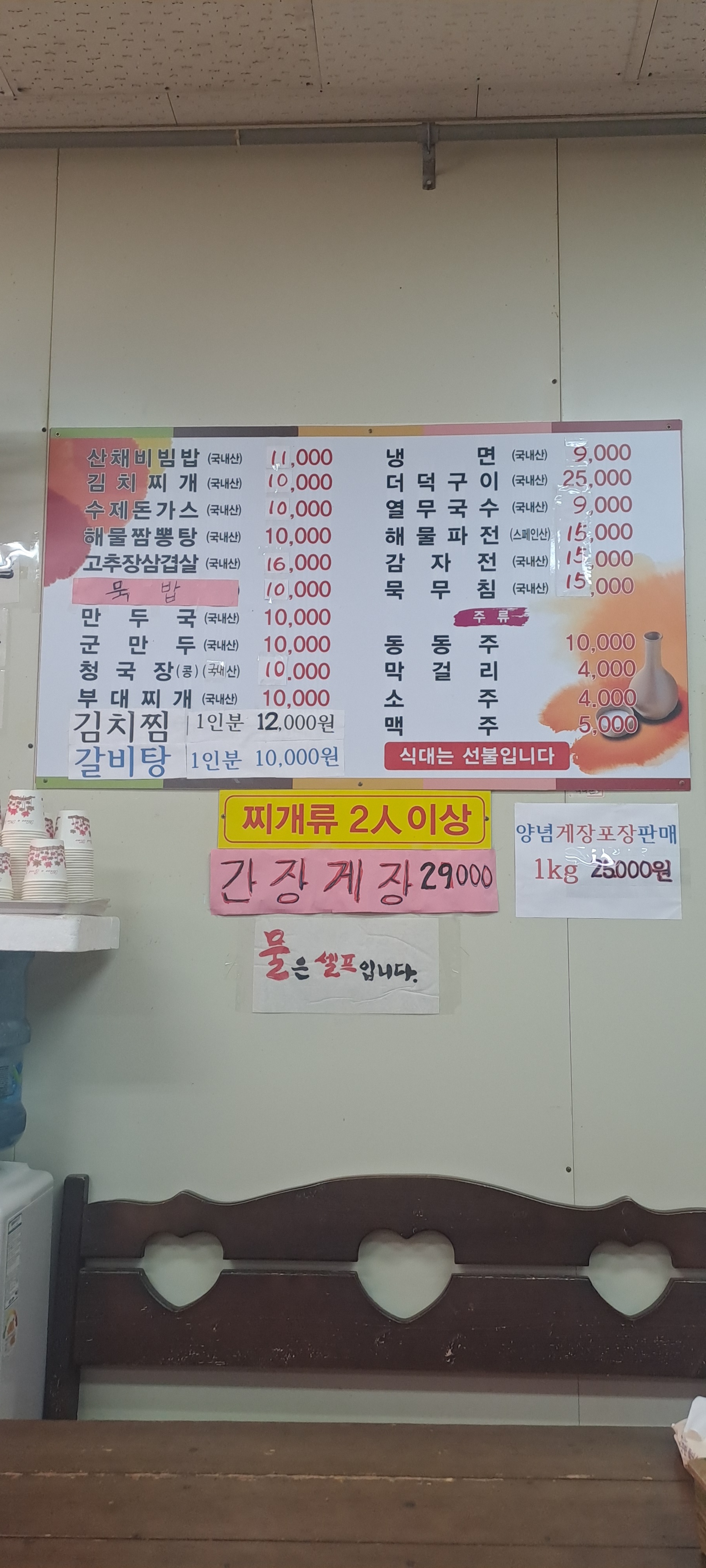 6
Subeol Sanchae BibimbapA restaurant serving simple Korean dishes such as wild greens bibimbap and kimchi stew.
6
Subeol Sanchae BibimbapA restaurant serving simple Korean dishes such as wild greens bibimbap and kimchi stew. -
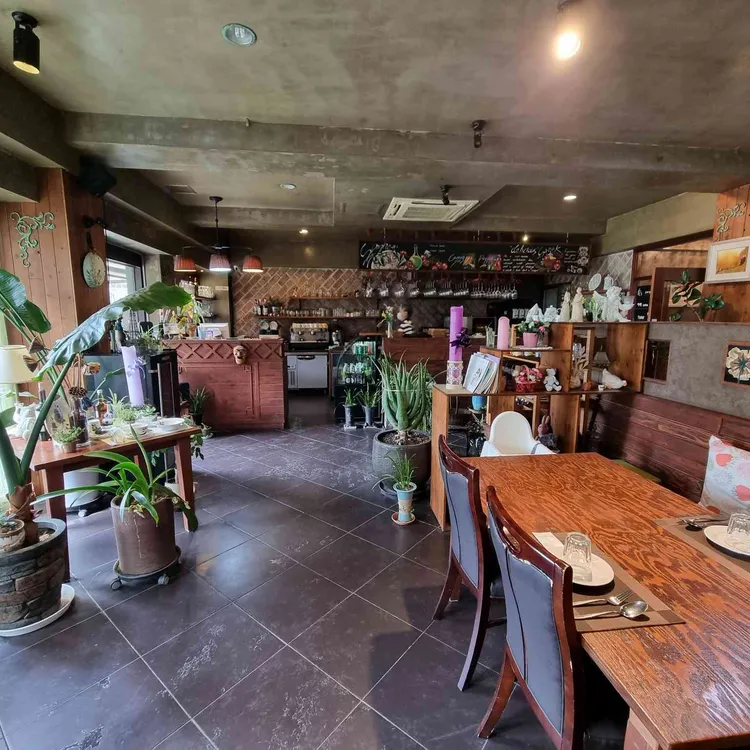 7
7
-
 8
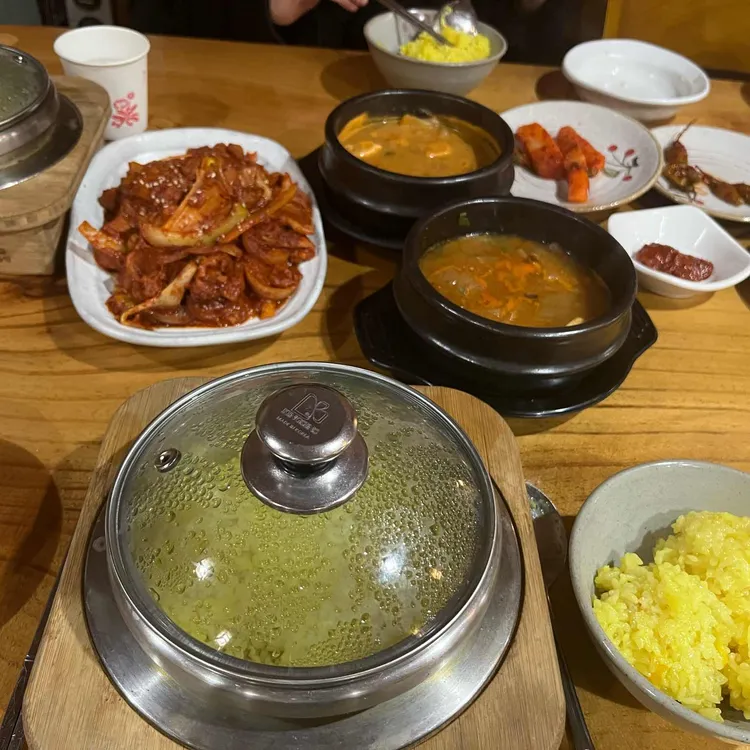
OehalmeonijipA Korean restaurant specializing in bean-based dishes, including cheonggukjang, kongbijijang, and soybean sprout pot rice.
8
OehalmeonijipA Korean restaurant specializing in bean-based dishes, including cheonggukjang, kongbijijang, and soybean sprout pot rice.
Events in This Area
Festivals in This Area
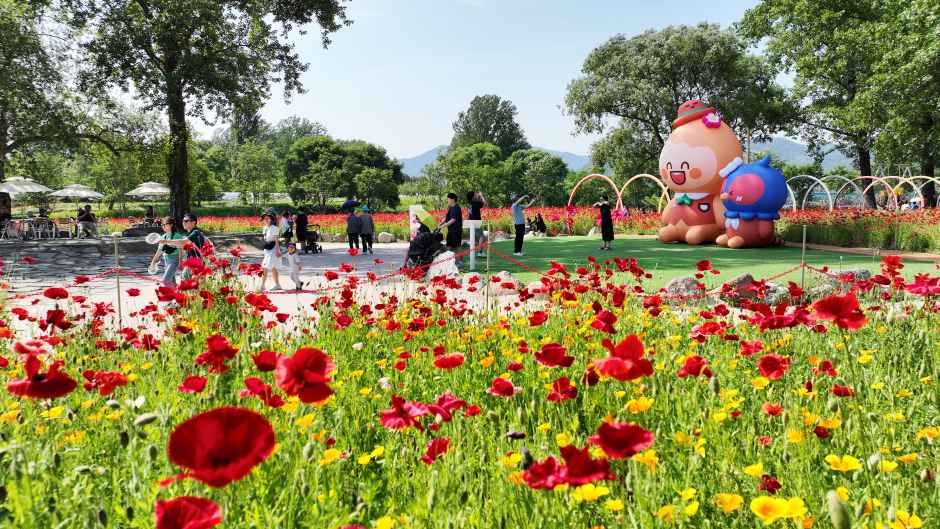

More Travel Guides in This Area
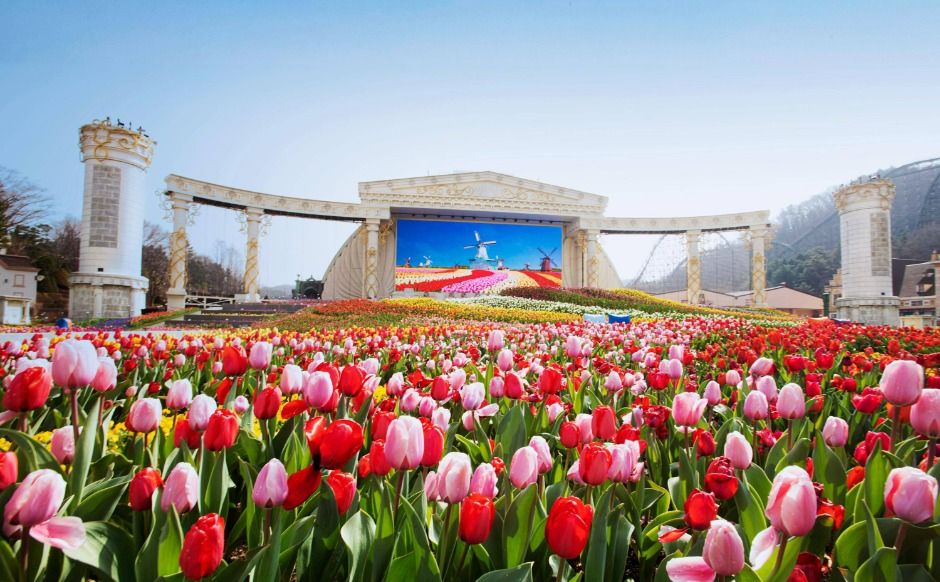 Travel Guide
How to Explore 22 Filming Sets at Yongin Dae Jang Geum Park
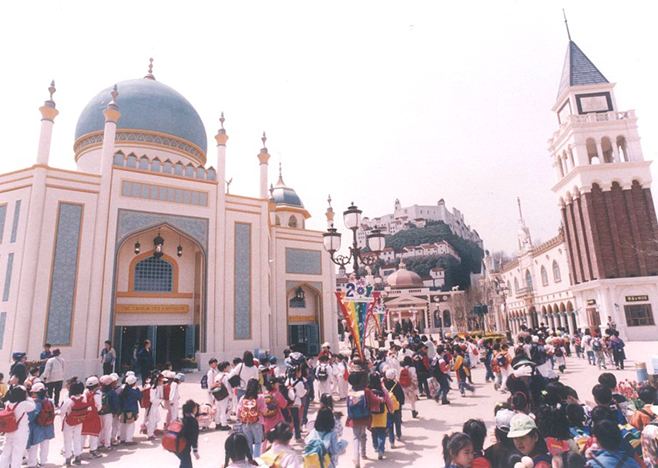 Travel Guide
Yongin Everland, launched as Yongin Natural Farm in 1976: a one-day itinerary
 Travel Guide
A Half-Day Exploring the Hoam Museum of Art: Between Heewon Pond and the 1982 Collection
 Travel Guide
Altoy Museum: A Wooden Toy World on the 3rd Floor of Dongbaek
Korea News
![BLACKPINK’s Lisa Dominates the VMA Red Carpet in a Sheer Corset Dress and Red Fur [Star Issue]](https://kotourlive-images.s3.ap-northeast-1.amazonaws.com/news/1790557894714_010e956a_news_94409db1-fab6-40bf-bc7b-4b985b1fbac7.jpg) News
News
BLACKPINK’s Lisa Dominates the VMA Red Carpet in a Sheer Corset Dress and Red Fur [Star Issue]
![BLACKPINK’s Jisoo Spotted by Surprise with BIGBANG in London… Their Special Loyalty as Labelmates [IS High Cut]](https://kotourlive-images.s3.ap-northeast-1.amazonaws.com/news/1790557854683_6ea979f5_news_caab62e5-8462-43c8-8622-da794f3df9de.png) News
News
BLACKPINK’s Jisoo Spotted by Surprise with BIGBANG in London… Their Special Loyalty as Labelmates [IS High Cut]
 News
News
Tattoos All Over Her Body… AOA’s Jimin Draws Shocked Attention After Kwon Mina’s ‘Bullying’ Allegations
![You’ll Have to Look Twice… Choi Min-a-soo Perfectly Pulls Off Everything from a Daring Illusion Dress at the Awards Ceremony to Long Braided Hair [RE:STAR]](https://kotourlive-images.s3.ap-northeast-1.amazonaws.com/news/1790492384850_1f293dad_news_d834c50e-0685-43ef-9aa5-6995cd6d8848.jpg) News
News