Majae Village Silhak Museum — Korea’s Only Museum Dedicated to Silhak Beside Dasan Jeong Yak-yong’s Birthplace
Located in Majae Village, Joan-myeon, Namyangju, Gyeonggi Province, the Silhak Museum beside the birthplace of Dasan Jeong Yak-yong is Korea’s only museum specializing exclusively in the Silhak thought of the late Joseon period. Opened on October 23, 2009, it houses more than 1,800 related artifacts, and admission to the permanent exhibition is free.
I’ve been here?
Your check-in helps the next traveler.
18 people viewed this week Be the first
One tap — no writing needed
Why a Museum Was Built in Majae Village Beside Jeong Yak-yong’s Birthplace
The Silhak Museum is the only museum in Korea dedicated to Silhak, or Practical Learning, and is a cultural complex located beside the birthplace of Dasan Jeong Yak-yong. The Silhak Museum, located beside Dasan Jeong Yak-yong’s birthplace, is the only museum in Korea related to Silhak and is also a cultural complex. Gyeonggi-do’s choice of this site was rooted in regional history. Gyeonggi-do was not only where Silhak emerged, grew, and developed, but also the region with the greatest number of cultural heritage sites related to Silhak. Even today, many historic sites remain throughout Gyeonggi-do, especially around the Hangang River basin, where Silhak scholars lived and conducted their studies. This is why the Silhak Museum was built beside Dasan Jeong Yak-yong’s birthplace.
Neungnae-ri’s Majae Village, where the museum stands, is Jeong Yak-yong’s birthplace. Jeong Yak-yong was born in Mahyeon-ri, Chobu-myeon, Gwangju-gun, Gyeonggi-do; in today’s administrative divisions, this is Majae Village, Neungnae-ri, Joan-myeon, Namyangju-si, Gyeonggi-do. The name Majae itself comes from the area’s terrain. It is said to derive from iron horses emerging from Cheolmasan Mountain (鐵馬山) in front of the village. In this village, close to Dumulmeori, where the Bukhangang and Namhangang Rivers meet, Jeong Yak-yong retired from office, adopted the pen name Yeoyudang (與猶堂), and devoted himself to scholarship. After giving up all official posts in 1800, the 24th year of King Jeongjo’s reign, Dasan returned to his hometown with his family and chose Yeoyu as his pen name.
From the 2001 Announcement to the October 23, 2009 Opening: Eight Years of Construction
Construction of the Silhak Museum did not proceed smoothly. In October 2001, Gyeonggi-do announced that it would build a “Silhak Theme Museum” by the end of 2003. However, the decision on the construction site was delayed as Namyangju-si and Gwangju-si competed to attract the museum. Even after the site was selected in November 2004, difficulties in acquiring the land delayed the opening by approximately six years beyond the original plan. The actual implementation process began in 2003. For the Namyangju Silhak Museum, the Silhak Promotion Committee was formed in March 2003, the site was selected in May 2004 in Neungnae-ri, Joan-myeon, Namyangju-si, Gyeonggi-do, the winning design was chosen through a design competition in October 2005, the groundbreaking ceremony was held in May 2006, and the museum opened in October 2009 after its first director, Ahn Byeong-jik, took office and the organization was established.
The completed building’s scale is also documented in detail. Built at a cost of 18 billion won, the Silhak Museum occupies a 4,075-square-meter site and has a total floor area of 2,038 square meters, with exhibition rooms of various sizes, an experience center, a Silhak education room, and seminar rooms. The provenance of the artifacts displayed at the opening was also distinctive. The museum exhibited more than 700 items and artifacts donated by the descendants of scholars, including relics and collected works of leading Silhak thinkers of the Joseon period, such as Yeonam Park Ji-won (1737–1805). In other words, rather than purchasing its collection, the museum filled its opening exhibition with materials personally provided by the families of Silhak scholars.
First-Floor Special Exhibition Hall and Three Second-Floor Permanent Galleries — A Map of Formation, Development, and Science
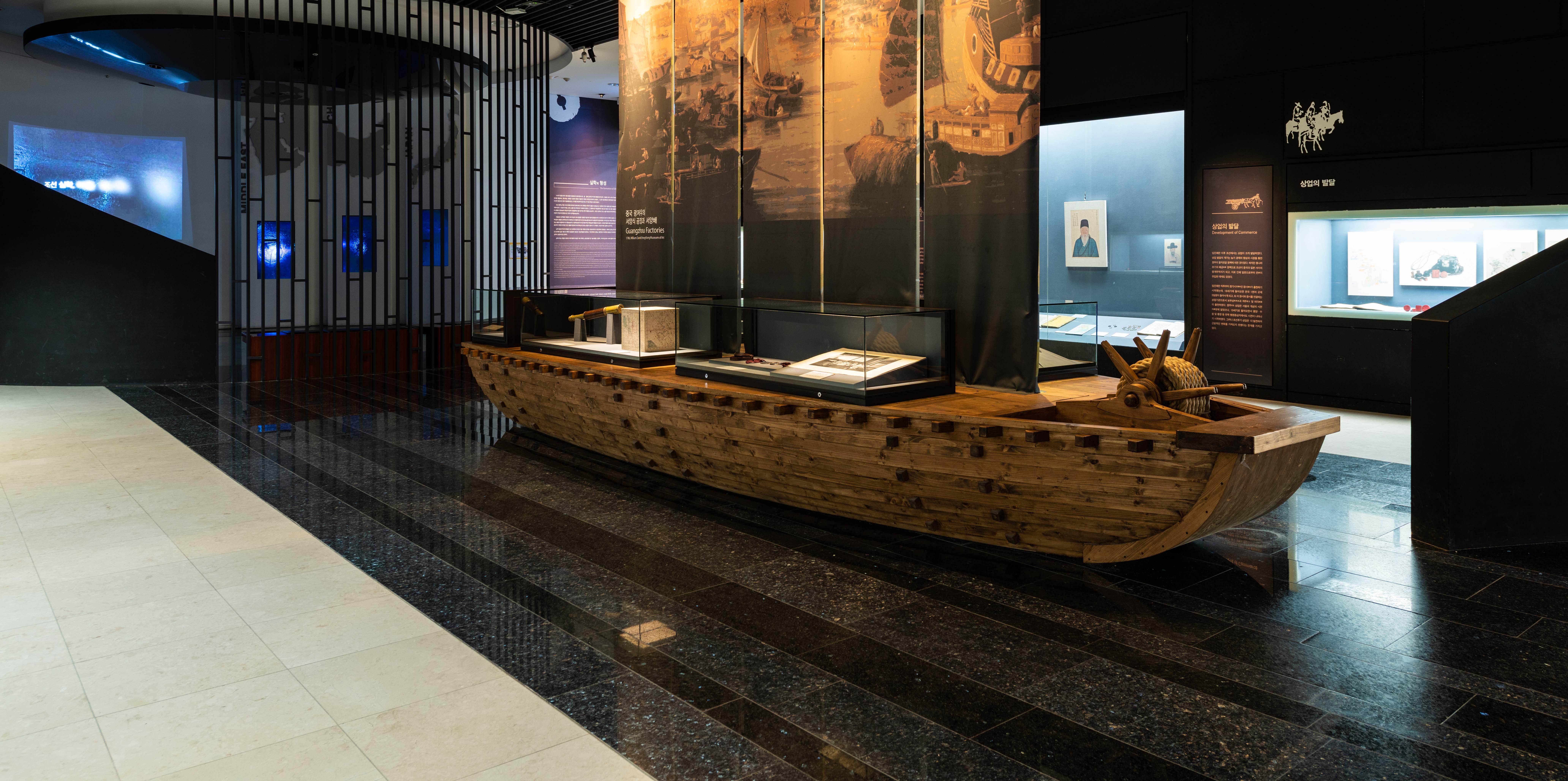
The building’s interior is divided by floor according to function. The second floor has three permanent galleries, while the first floor contains a lobby, a special exhibition hall, an 80-seat auditorium, and auxiliary facilities. The permanent galleries on the second floor are organized chronologically by theme. “The Formation of Silhak” [Gallery 1] focuses on the formation and emergence of Silhak in the late Joseon period. It encourages visitors to explore the process through the changing Joseon society shaped by reform and the development of agriculture, commerce, and industry after the Japanese invasions of 1592–1598 and the Manchu invasions, as well as through Western material culture introduced from China and Japan. The remaining two galleries cover the development of Silhak in Gallery 2 and astronomy and geography in Gallery 3.
The collection’s size and character can also be seen in detail. The museum holds more than 1,800 artifacts, including various books and materials related to late-Joseon society and Silhak, important relics associated with scientific development, and maps and dictionaries created from a Silhak perspective. The lineage of Silhak scholars represented in the exhibitions is also broad. Notable Silhak scholars introduced include Kim Yuk, Yu Hyeong-won, Yi Ik, Yi Jung-hwan, An Jeong-bok, Chae Je-gong, Hong Dae-yong, Gwon Cheol-sin, Park Ji-won, Yi Deok-mu, Yi Ga-hwan, Yu Deuk-gong, Park Je-ga, Jeong Yak-yong, and Seo Yu-gu. Among the collection is one of 16 Hongyipo cannons installed in 1637 to defend China’s coastline; in the early 17th century, Jeong Du-won received it from a Western missionary and brought it to Joseon.
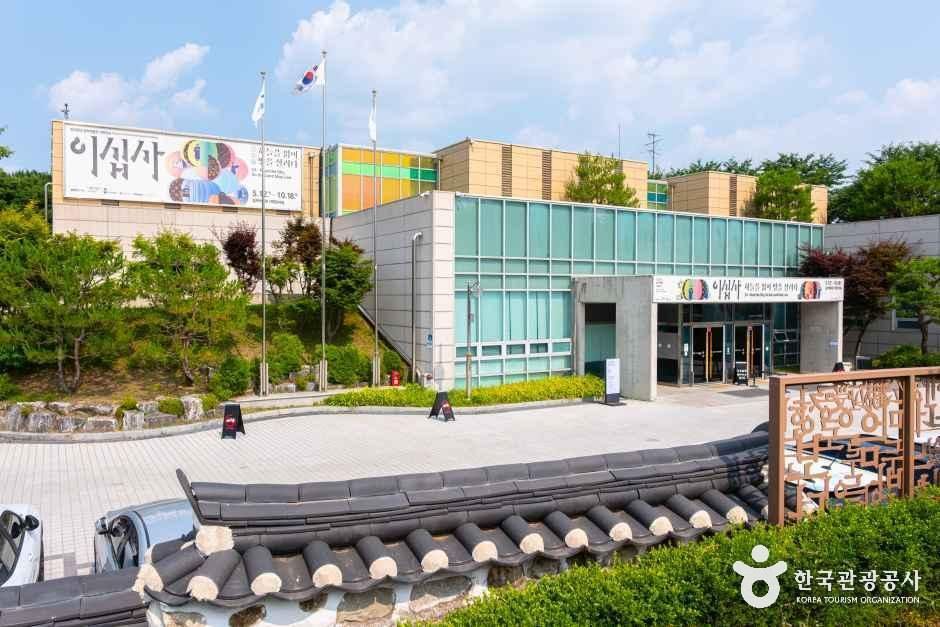
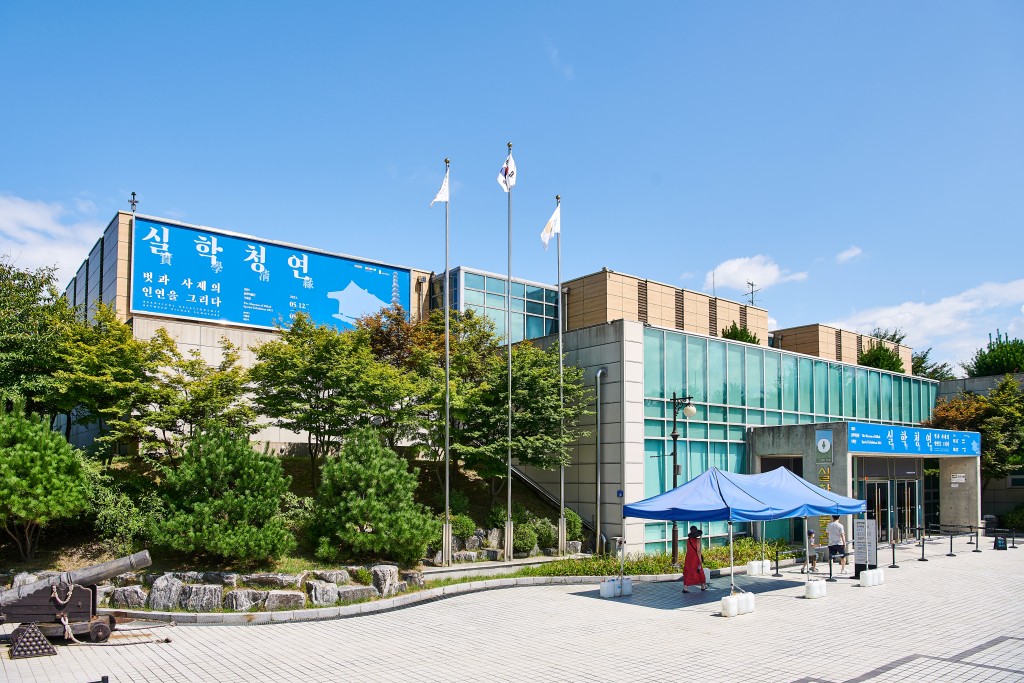
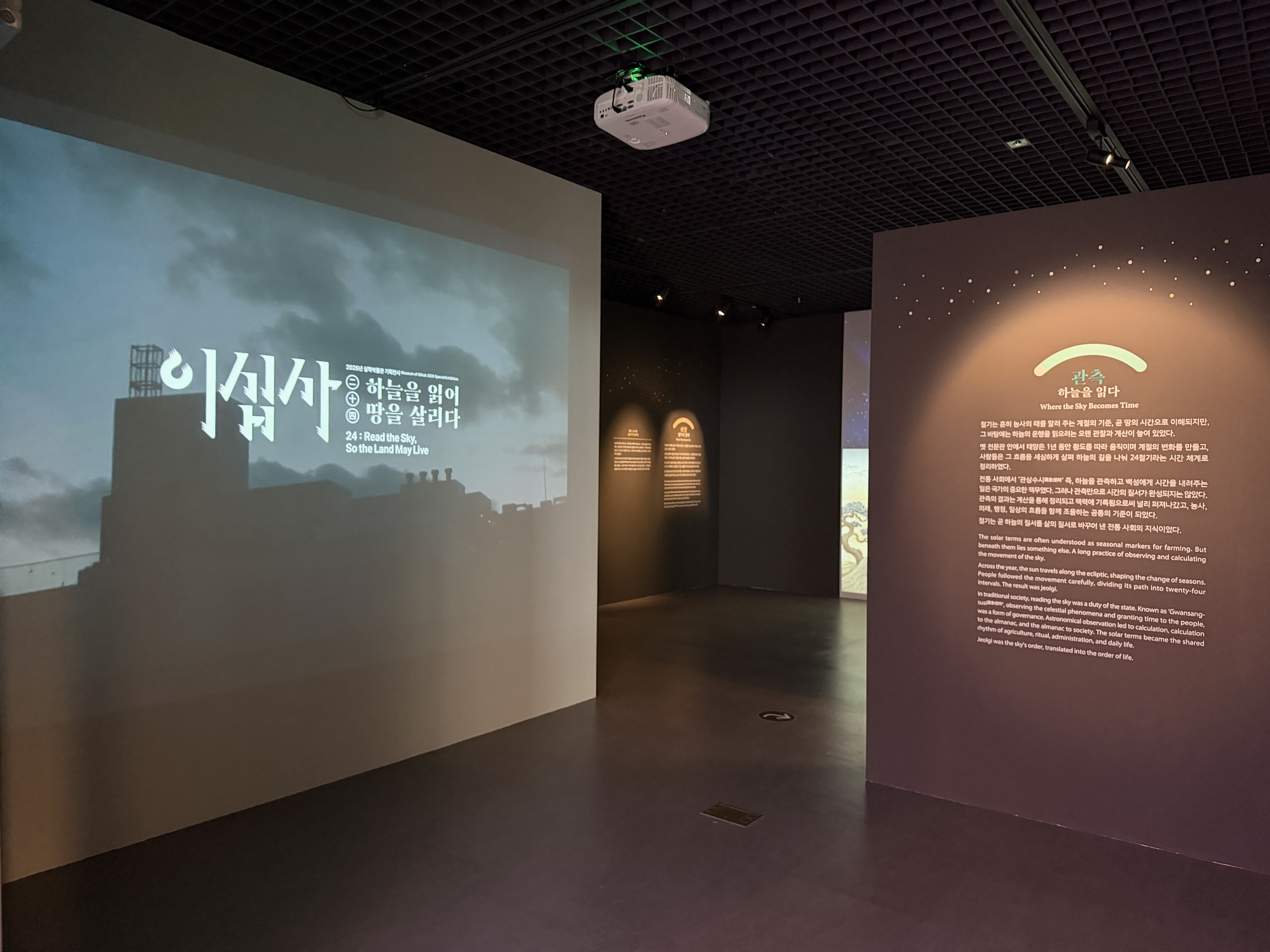
The first-floor special exhibition hall operates separately from the permanent exhibitions. The Silhak Museum holds a special exhibition every year. Among them, “Taekniji: Gathering Lives to Connect the Eight Provinces,” held in October 2018, was particularly noteworthy as an exhibition about Yi Jung-hwan’s human geography book, 『Taekniji』. As of 2026, the immersive-content exhibition “The Sky and Land of Joseon” has been running since September 12, 2023, while “Twenty-Four: Reading the Sky to Save the Land” is running from May 12 through October 18, 2026.
Tuesday–Sunday, 10:00–18:00, Free Admission — Operating Rules to Know
Operating hours and closing days are listed on the official website. The museum is open Tuesday–Sunday from 10:00 to 18:00, with admission ending at 17:30. It is closed on Mondays, January 1, Lunar New Year’s Day, and the day of Chuseok. However, if Monday is a public holiday, the museum opens and closes on the following weekday. Admission is free. The contact number is 031-579-6000, the address is 16 Dasan-ro 747beon-gil, Joan, Namyangju, Gyeonggi, and the official website is https://silhak.ggcf.kr/.
A guided tour makes sightseeing much easier. Regular guided tours are offered at 11:00 and 14:00 Tuesday–Friday, Sunday, and public holidays, and at 11:00, 13:30, and 15:00 on Saturdays. Tours meet in the first-floor lobby and last approximately 40 minutes. Participation is simple: for a regular tour with a professional guide, visitors only need to arrive at the scheduled time on a weekday or weekend, without making a separate reservation.
First-Floor Experience Corner and Educational Programs by Audience
A visit does not end with the exhibition galleries. After viewing the galleries, visitors can make a fan, create a sundial bracelet, and try a rubbing activity on the first floor. There is also video content about Jeong Yak-yong and his elder brother, Jeong Yak-jeon. Silhak Cinema, which presents stories about the Silhak scholars Jeong Yak-yong and Jeong Yak-jeon in animation, offers an engaging experience for both children and adults.
Educational audiences are divided by age and occupation. The Silhak Museum is a cultural complex that provides customized educational programs for children, students, public officials, and the general public. Programs include exhibition tours with explanations, lectures, hands-on activities, and performances.

Bus 58 from Ungilsan Station, Then a Two-Minute Walk
The shortest public-transport route uses the Gyeongui–Jungang Line. Get off at Ungilsan Station on the Gyeongui–Jungang Line → transfer to local bus 58 → get off at “Dasan Jeong Yak-yong Historic Site, Silhak Museum” (a two-minute walk). The route from Paldang Station involves a slightly longer walk. Get off at Paldang Station on the Gyeongui–Jungang Line → transfer to bus 58-3, 2000-1, or 8-8 → get off at “Dasan Jeong Yak-yong Historic Site Entrance” → walk for 15 minutes. From Subway Line 5, get off at Hanam Geomdansan Station → transfer to bus 8-8 at the Kkumdongsan Sinan, Changwu Village, or Eunaeng Apartment bus stop → get off at “Guneungnae Station, Majae Holy Site” → walk for 20 minutes.
By car, the recommended route follows Paldang Lake. Passenger cars: Hanam IC → Paldang Bridge → Paldang Dam → turn right at the entrance to the Dasan Jeong Yak-yong Historic Site → Silhak Museum. No official information on the museum’s own parking fees has been confirmed. However, a visit report from early 2017 noted that there was a spacious parking lot at the entrance and that Dasan Cultural Street, which made an impression as clear and pleasant as the bright sky that day, was quiet, conveying the parking conditions nearby.
A Half-Day Course Combining the Jeong Yak-yong Historic Site and Dasan Ecological Park
The Silhak Museum is connected to the Jeong Yak-yong Historic Site across the road. One account says that the Silhak Museum is right next to the Jeong Yak-yong Historic Site, while another introduces the museum across from Dasan Historic Site as a place where the diverse currents of Silhak, from Seongho Yi Ik to Dasan Jeong Yak-yong, are displayed clearly and attractively at a glance. Yeoyudang, the birthplace visited along with the museum, is not the original structure. The original birthplace was destroyed in the great flood of 1925 and restored in 1986. It is also useful to check the visitor conditions for the Jeong Yak-yong Historic Site. The site is open from 9:00 to 18:00 and closed on Mondays, January 1, and the day of national holidays; admission is free.
The day-trip course is already standardized and promoted. The recommended itinerary is Jeong Yak-yong Historic Site (Yeoyudang–Jeong Yak-yong’s Tomb–Memorial Hall–Cultural Hall) → Silhak Museum → Dasan Ecological Park. If you would like to explore farther on foot, there is also a stamp tour. The Majae Village Stamp Tour consists of 15 stamp zones along an approximately 5-kilometer route running from the scholar’s birthplace to Majae Holy Site, Neungnae Station, Lotus Village, Dasan Ecological Park, and the Silhak Museum.
Who Will Enjoy This Place—and Who May Not
Although the Silhak Museum covers an academic subject, it also offers specific content for visitors with children. Examples include the fan-making, sundial-bracelet-making, and rubbing activities described above, as well as the Silhak Cinema animation. Another characteristic of the museum is that its educational programs are broadly segmented, ranging from children to public officials.
There are also points to consider. Because the permanent exhibition follows the intellectual-history flow of “the formation, development, and science of Silhak,” visitors without background knowledge of late-Joseon history and Sino-Korean conceptual terms may understand it better by joining the regular guided tour in the first-floor lobby, lasting approximately 40 minutes, rather than simply browsing quickly. Visitors should also check in advance whether pets are allowed. Pet-friendly travel information may change depending on local circumstances, so be sure to inquire before visiting and observe proper pet etiquette.
Before You Go
- Address
- 16 Dasan-ro 747beon-gil, Joan-myeon, Namyangju-si, Gyeonggi-do
- Hours
- Tuesday–Sunday, 10:00–18:00 (last admission 17:30)
- Closed
- Every Monday, January 1, Lunar New Year’s Day, and the day of Chuseok (if Monday is a public holiday, open that day and closed the following weekday)
- Admission
- Free
- Phone
- 031-579-6000
- Official site
- https://silhak.ggcf.kr/
- Transport
- Gyeongui–Jungang Line, get off at Ungilsan Station → transfer to bus 58 → get off at 'Dasan Jeong Yak-yong Historic Site, Silhak Museum' stop (2-minute walk) / Gyeongui–Jungang Line, get off at Paldang Station → transfer to buses 58-3, 2000-1, or 8-8 → get off at 'Dasan Jeong Yak-yong Historic Site Entrance' and walk 15 minutes / Seoul Metropolitan Subway Line 5, Hanam Geomdansan Station → bus 8-8 → get off at 'Guneungnae Station, Majae Holy Site' and walk 20 minutes
- Parking
- No official information on the museum’s own parking fees has been confirmed. A visit report mentions a large parking lot at the entrance to nearby Dasan Cultural Street
- Time needed
- Regular guided tour: approximately 40 minutes (departs from the first-floor lobby); free viewing varies
The information above is current as of the time of writing. Check the official information again before visiting.

Places
Nearby Attractions 4
-
 1
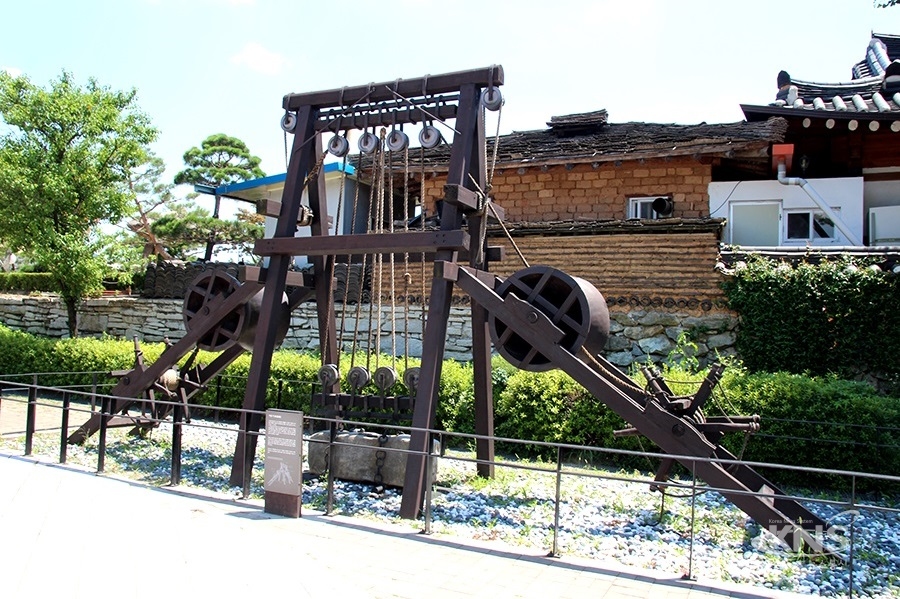
Jeong Yak-yong Historic SiteA historic site featuring Dasan Yeoyudang’s birthplace, tomb, and memorial hall.
1
Jeong Yak-yong Historic SiteA historic site featuring Dasan Yeoyudang’s birthplace, tomb, and memorial hall. -
 2
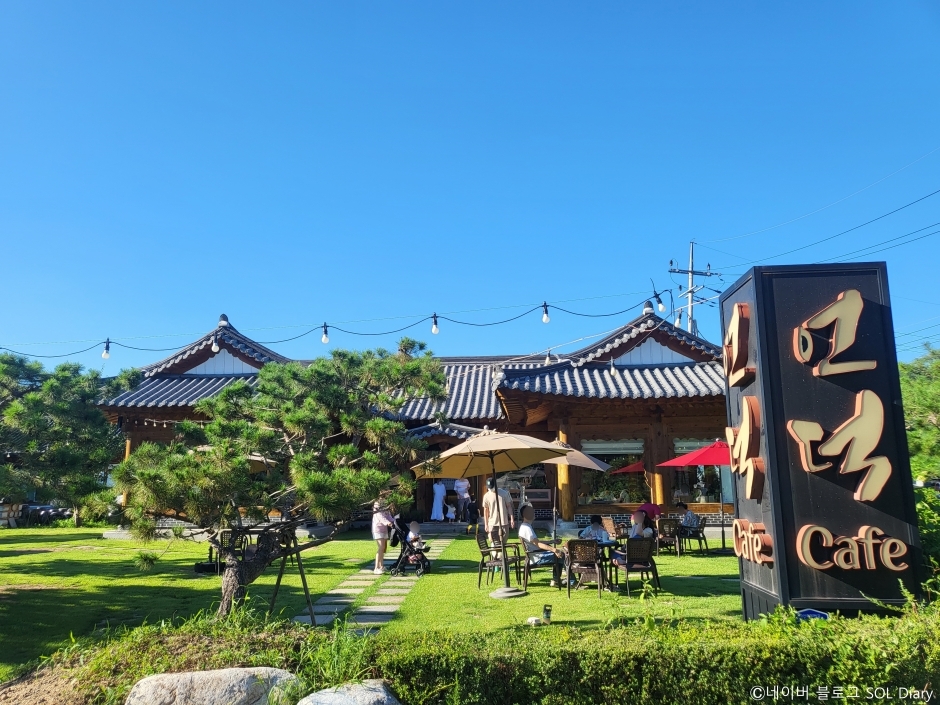
Dasan Ecological ParkA park where you can stroll through the wetlands of Paldang Lake and along lotus paths while enjoying the ecological scenery.
2
Dasan Ecological ParkA park where you can stroll through the wetlands of Paldang Lake and along lotus paths while enjoying the ecological scenery. -
 3
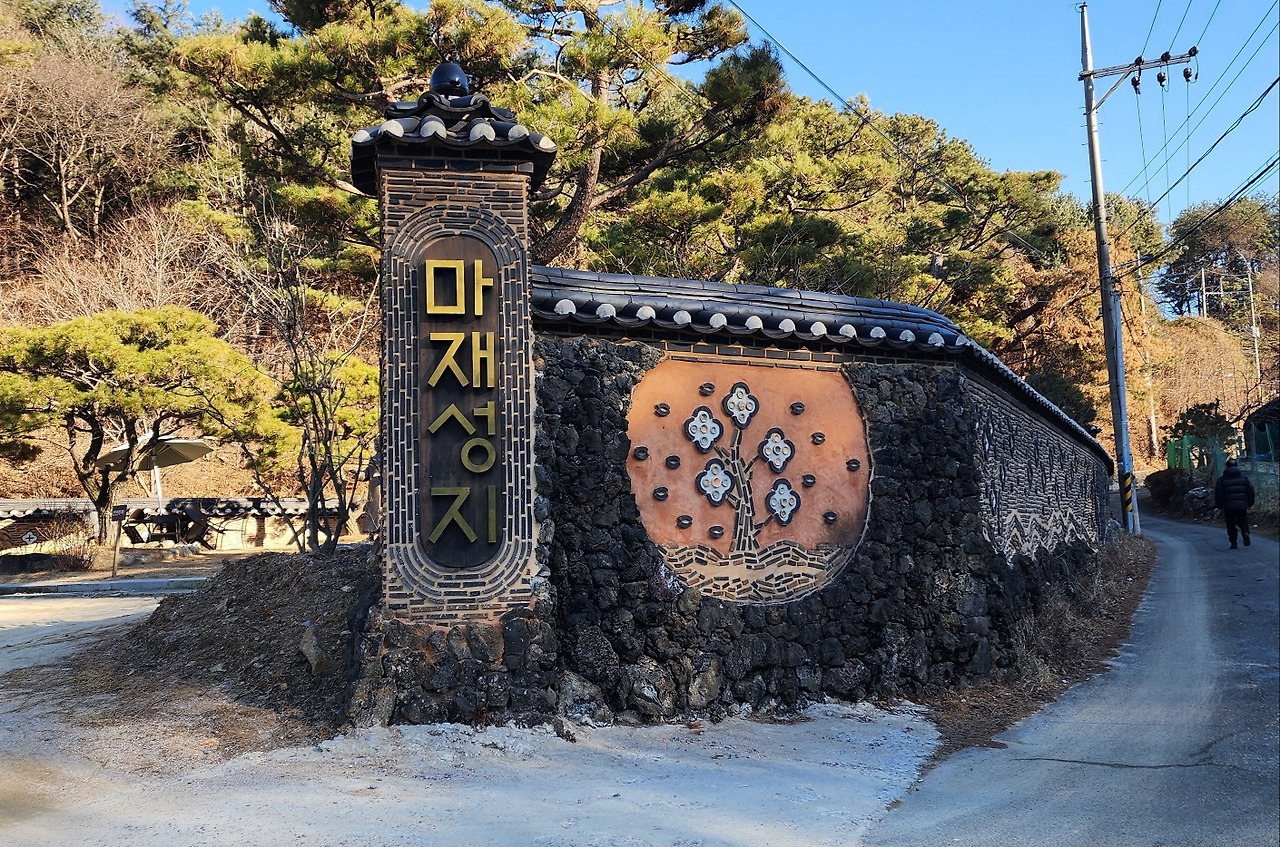
Majae ShrineA holy site where visitors can explore the early history of Catholicism in Korea while making a pilgrimage.
3
Majae ShrineA holy site where visitors can explore the early history of Catholicism in Korea while making a pilgrimage. -
 4
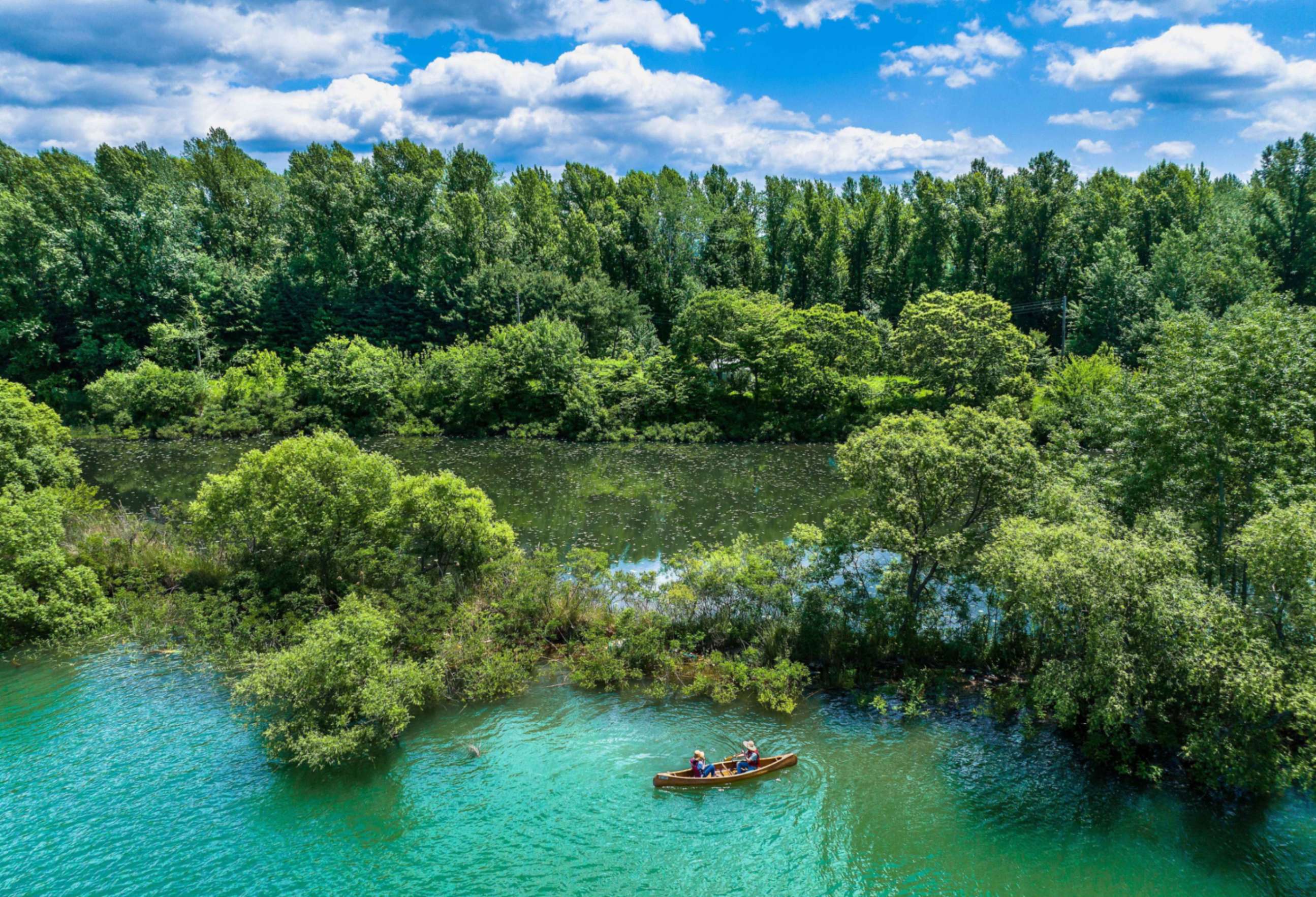
Water GardenA waterfront park with a flower garden and walking trails along the Bukhangang River.
4
Water GardenA waterfront park with a flower garden and walking trails along the Bukhangang River.
Food & Dining 1
-
 5
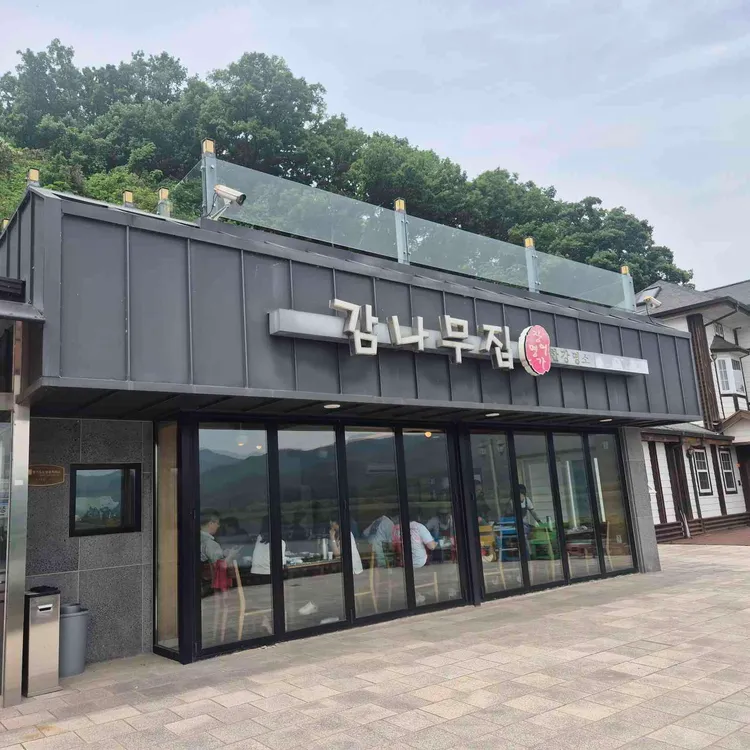
GamnamujipA restaurant serving grilled eel and spicy freshwater fish stew alongside scenic views of Paldang Lake.
5
GamnamujipA restaurant serving grilled eel and spicy freshwater fish stew alongside scenic views of Paldang Lake.
Events in This Area


Festivals in This Area


More Travel Guides in This Area
 Travel Guide
2 Hours on the 4th Floor of Starfield Hanam, from Zipline to 360 Swing
 Travel Guide
Starfield Hanam, a 460,000-square-meter stay-oriented shopping mall opened in September 2016
 Travel Guide
6 Things to Check at Hanchaedang for Hanok Dining in Misa-dong
 Travel Guide
Namhansanseong’s Fortress Gates and Temporary Palace Along the Cheongnyangsan Ridge
Korea News
 News
News
'Rami Controversy' NewJeans' Hyein Has Grown More Mature, Yet Is Still Adorable… A Cat Draped in Luxury Brands
 News
News
“If you get too close, I’ll bite”… BTS’s V issues a chilling warning to Jungkook
 News
News
“BTS No Longer Needs the Grammys”… Kim Tae-hoon Assesses the ‘Grammys Boycott’
![[Exclusive] Oh My Girl’s YooA, who switched to acting, parts ways with Saram Entertainment after just one year](https://kotourlive-images.s3.ap-northeast-1.amazonaws.com/news/1787658671060_036c47f7_news_8a403746-8bba-4e3c-8827-19d99be6d4fb.jpg) News
News