Namhansanseong’s Fortress Gates and Temporary Palace Along the Cheongnyangsan Ridge
Namhansanseong is a fortified heritage site that grew from Unified Silla’s Jujangseong Fortress into a refuge fortress of the Joseon dynasty. The fortress itself is free, but the Namhansanseong Temporary Palace has seasonal opening hours and is closed on Mondays, so plan which areas to visit before taking a bus from Gyeonggi Gwangju Station.
I’ve been here?
Your check-in helps the next traveler.
No one has checked in yet Be the first
One tap — no writing needed
From Jujangseong Fortress in 673 to World Heritage status in 2014
Namhansanseong is a fortress located in Namhansanseong-myeon, Gwangju-si, Gyeonggi-do, and is Historic Site No. 57. The Samguk Sagi records that in 673, the 13th year of Unified Silla King Munmu’s reign, Jujangseong or Iljangseong was built in Hansanju, with a fortress circumference of 4,360 bo. Today’s Namhansanseong is therefore presumed to stand on that former site.
The present fortress walls, dating from the Joseon period, were built beginning in 1624, the second year of King Injo’s reign, and completed in 1626, the fourth year of his reign. Recognized for its historical and cultural value, it was inscribed as a World Cultural Heritage site at the UNESCO General Conference held in Doha, Qatar, in June 2014.
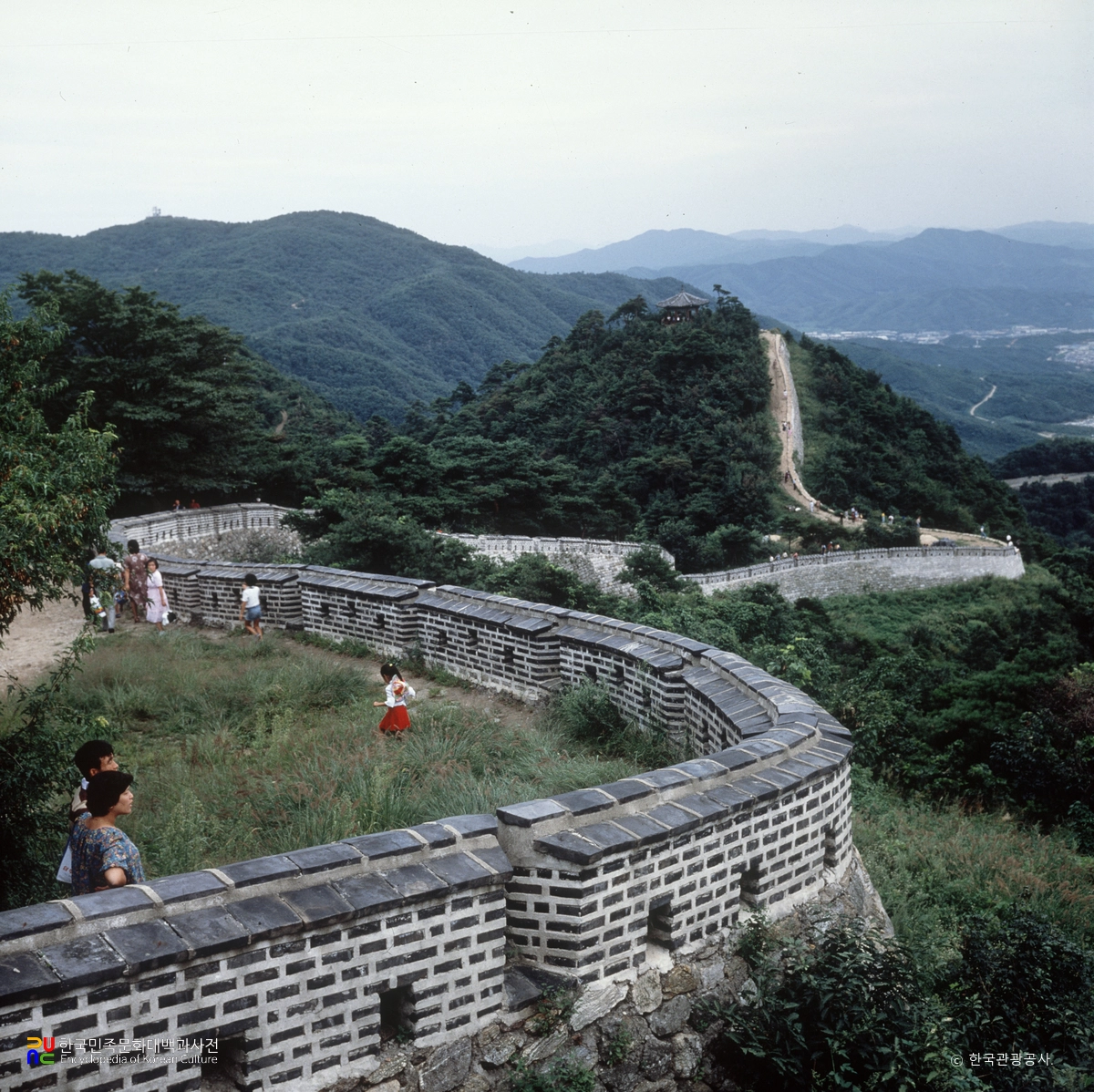
A 7.545 km defensive line on 497.9 m Cheongnyangsan Mountain
During the Joseon period, Namhansanseong was built around its main peak, 497.9 m Cheongnyangsan Mountain. To the north is 467.6 m Yeonjubong, while to the east are 502 m Mangwolbong and 515 m Beolbong. This shows that the fortress was not a single wall on flat ground but a structure connecting mountain ridges.
The main fortress has a circumference of 7.545 km, and its interior covers 2,126,637 square meters. Including the three outer fortresses—Bongamseong, Hanbongseong, and Sinnamseong—and five auxiliary walls, the total length of the fortress walls reaches 12.356 km.
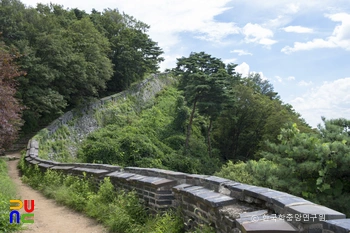
Distinguishing the four gates: Jwaikmun, Uikmun, Jihwamun, and Jeonseungmun
The main fortress of Namhansanseong has four gates: east, west, south, and north. The east gate is called Jwaikmun, the west gate Uikmun, the south gate Jihwamun, and the north gate Jeonseungmun. Remember that these names refer to the same gates even when you encounter their Sino-Korean names on information signs.
The south gate stands at an elevation of 370 m on the southwestern side of the fortress. Its arched entrance is 4.75 m high, 3.35 m wide, and 8.6 m long. The east gate is 3.1 m wide and 4 m high; the west gate is 1.46 m wide and 2.1 m high; and the north gate is 3.25 m wide and 3.65 m high. Each gate is a different size.
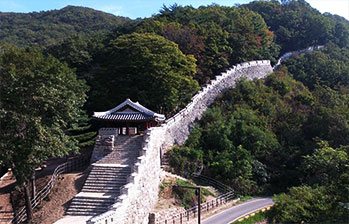
Check the secret gates and auxiliary walls to avoid missing features outside the fortress walls
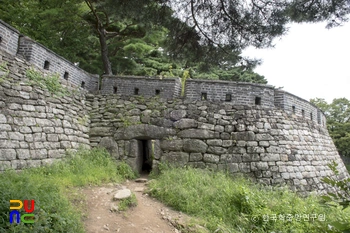
Namhansanseong has 16 secret gates: 11 in the main fortress, four in Bongamseong, and one in Hanbongseong. Because secret gates are easy to overlook if you think only of the large entrances marked like the four official fortress gates, you can also regard any small gate you see during your visit as part of the defensive facilities.
The walls had five battlements: four in the main fortress and one between Bongamseong and Hanbongseong. Seven artillery platforms were also installed. There was one command post each to the east, west, south, and north of the main fortress, as well as one Oedongjangdae command post in Bongamseong. Historical records indicate that 125 gun posts, or guard posts, stood inside the fortress.
The temporary palace built in 1626 requires separate admission from the fortress
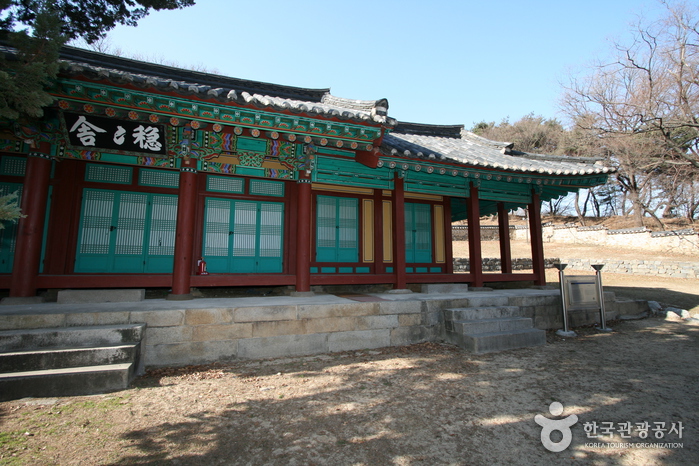
Namhansanseong Haenggung was built in 1626, the fourth year of King Injo’s reign, as a refuge to serve in place of the royal palace in Hanyang until reinforcements arrived during war or civil unrest. The temporary palace had 73.5 bays, while the lower palace had approximately 154 bays. It is described as the only temporary palace that contained both a royal ancestral shrine and an altar to the state deities.
Admission fees for Namhansanseong were abolished on January 1, 2007, so visiting the fortress walls is free. The temporary palace, however, is a separate attraction, and the latest adult and youth fees could not be confirmed from the official fee table. The temporary palace classifies visitors aged 19 to 64 as adults. Children aged six and under, seniors aged 65 and over, Gyeonggi-do residents, and visitors wearing hanbok or other traditional clothing are eligible for discounts.
Open at 10:00, closed on Mondays: Plan around the temporary palace hours
Namhansanseong Haenggung can be visited from 10:00 to 18:00 from April through October and from 10:00 to 17:00 from November through March. Tickets can be purchased until 30 minutes before closing, so ticket sales end at 17:30 in the summer season and 16:30 in the winter season.
The temporary palace is closed every Monday except when Monday is a public holiday. This closure does not necessarily correspond to separate closure information for the fortress walls and trails. If you visit on a Monday, plan separately for viewing the palace interior and walking the fortress walls.
Take Bus 15-1 from Gyeonggi Gwangju Station to inside the fortress
For public transportation, one recommended route starts at Gyeonggang Line Gyeonggi Gwangju Station and uses Bus 15-1 bound for Namhansanseong. Travelers visiting Korea for the first time should check the bus destination and service intervals at Gyeonggi Gwangju Station before departing. No source was found specifying the bus interval or walking time after getting off.
The address of Namhansanseong is 714 Namhansanseong-ro, Namhansanseong-myeon, Gwangju-si, Gyeonggi-do, approximately 24 km southeast of Seoul. Recommended driving routes include the Jamsil–Bokjeong Sageori–Yakjin-ro–South Gate route and the Gyeongbu Expressway Yangjae IC–Heoninreung–Segok-dong–Bokjeong Sageori–South Gate route.
Paid parking at the South Gate and free parking toward Gwangju
Paid parking lots inside the fortress include South Gate Parking Lot, Rotary Parking Lot, Central Parking Lot, and Center Parking Lot. Toward Gwangju, Dongmun Parking Lot, Downbound Parking Lot, Geombok-ri 1 and 2 Parking Lots, Buldang-ri Parking Lot, Agricultural Products Parking Lot, Ojeon-ri Parking Lot, and Gwangjiwon Parking Lot are listed as free parking areas.
Visitors are advised that roads become congested and parking spaces are limited on public holidays. Specific parking fees for each lot could not be confirmed. No separate representative telephone number was found; the contact number for the Gwangju City Culture and Tourism Division is 031-760-2634. The official website is https://www.gg.go.kr/namhansansung-2.
Accessibility when visiting Sueojangdae and the temporary palace together
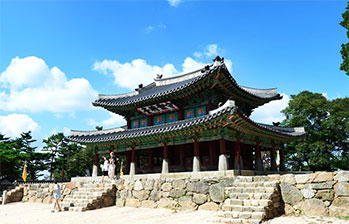
Sueojangdae is the only surviving building among the four command posts built when Namhansanseong was constructed in 1624. It was designated Gyeonggi-do Tangible Cultural Heritage No. 1 on May 4, 1972, and is a key location for understanding the fortress’s military command facilities.
Official materials confirm the implementation of a “Barrier-Free Namhansanseong Tour Project for People with Disabilities,” but they do not provide specific information about wheelchair or stroller-accessible sections, slopes, stairs, or surface conditions across the entire fortress and trail network. The overall recommended visiting time, whether photography is prohibited, whether payment is cash-only, and whether English information or an audio guide is available could not be confirmed. Travelers with difficulty walking may therefore find it more practical to choose accessible points first rather than attempting the entire fortress circuit.
Before You Go
- Address
- 714 Namhansanseong-ro, Namhansanseong-myeon, Gwangju-si, Gyeonggi-do
- Hours
- Namhansanseong Haenggung: April–October 10:00–18:00 / November–March 10:00–17:00. Closed every Monday except public holidays. Tickets available until 30 minutes before closing.
- Closed
- Namhansanseong Haenggung is closed every Monday except public holidays. No separate closure days have been confirmed for the Namhansanseong fortress walls and trails.
- Admission
- Admission to Namhansanseong is free. The latest admission fee for Namhansanseong Haenggung could not be confirmed because the fee details on the official page were not extracted.
- Phone
- 031-760-2634 (contact for the Gwangju City Culture and Tourism Division)
- Official site
- https://www.gg.go.kr/namhansansung-2
- Transport
- Take Bus 15-1 bound for Namhansanseong from Gyeonggi Gwangju Station on the Gyeonggang Line. Driving routes are listed via Jamsil–Bokjeong Sageori–Yakjin-ro–South Gate and Yangjae IC on the Gyeongbu Expressway–Heoninreung–Segok-dong–Bokjeong Sageori–South Gate.
- Parking
- Parking available. Paid parking inside the fortress: South Gate Parking Lot, Rotary Parking Lot, Central Parking Lot, and Center Parking Lot. Free parking toward Gwangju: Dongmun Parking Lot, Downbound Parking Lot, Geombok-ri 1 and 2 Parking Lots, Buldang-ri Parking Lot, Agricultural Products Parking Lot, Ojeon-ri Parking Lot, and Gwangjiwon Parking Lot. Roads are congested and parking spaces are limited on public holidays. Specific parking fees were not confirmed on the official page.
- Time needed
- No reliable wording specifying the required visiting time was found in review materials.
- Accessibility
- Official materials confirm the implementation of a “Barrier-Free Namhansanseong Tour Project for People with Disabilities.” However, no specific information has been confirmed regarding wheelchair- or stroller-accessible sections, slopes, stairs, or surface conditions across the entire fortress and trail network.
The information above is current as of the time of writing. Check the official information again before visiting.

Places
Nearby Attractions 3
-
 1
1
-
 2
2
-
 3
3
Food & Dining 3
-
 4
4
-
 5
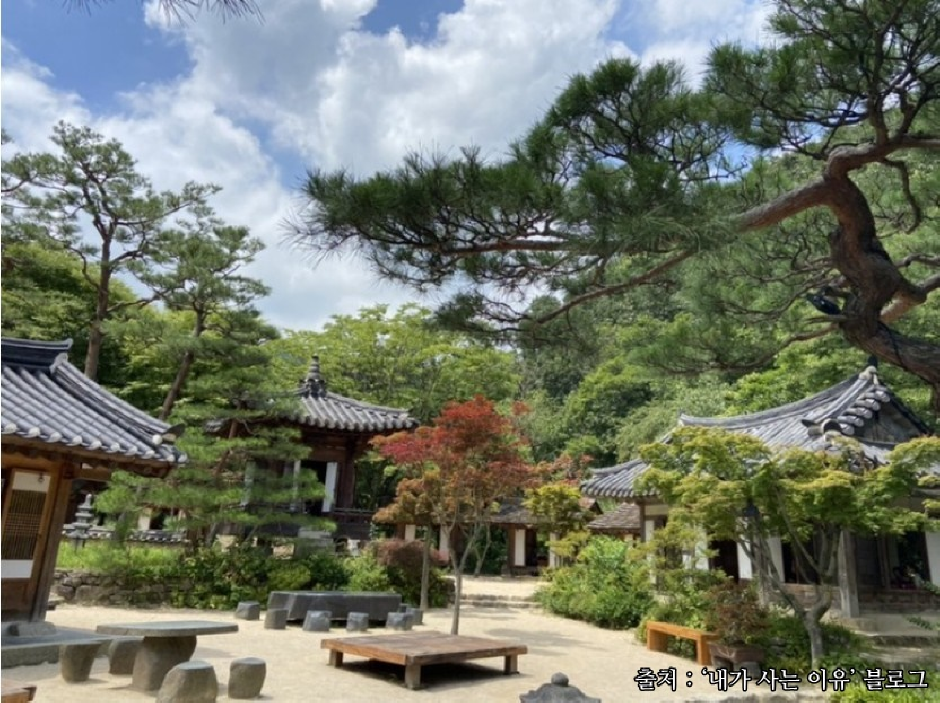
NakseonjaeA Korean restaurant serving native chicken dishes and traditional Korean set meals
5
NakseonjaeA Korean restaurant serving native chicken dishes and traditional Korean set meals -
 6
6
Events in This Area

Festivals in This Area
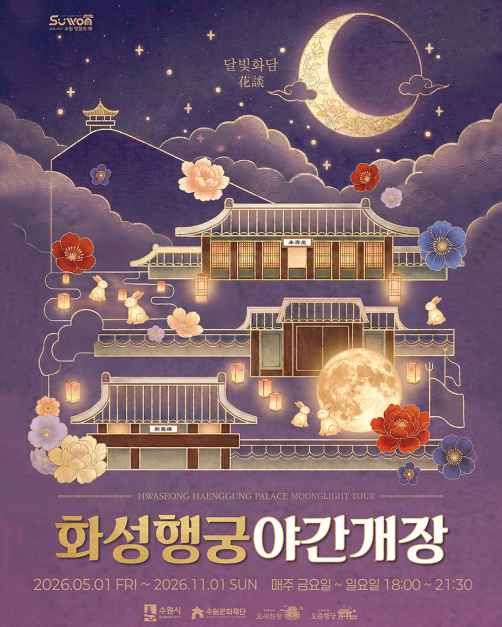
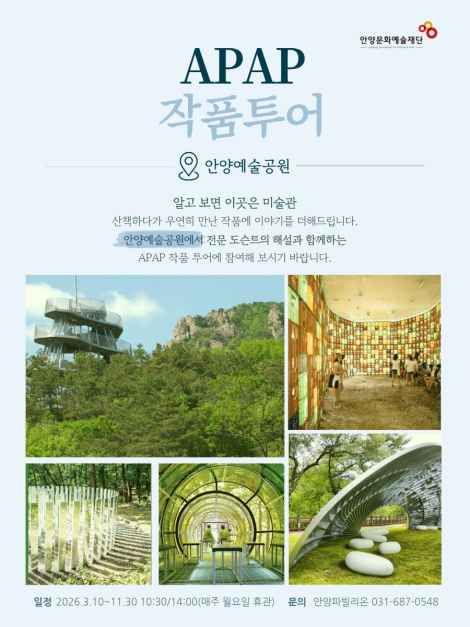

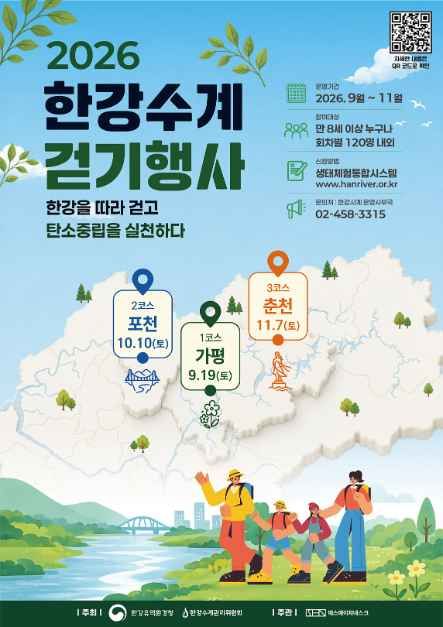
More Travel Guides in This Area
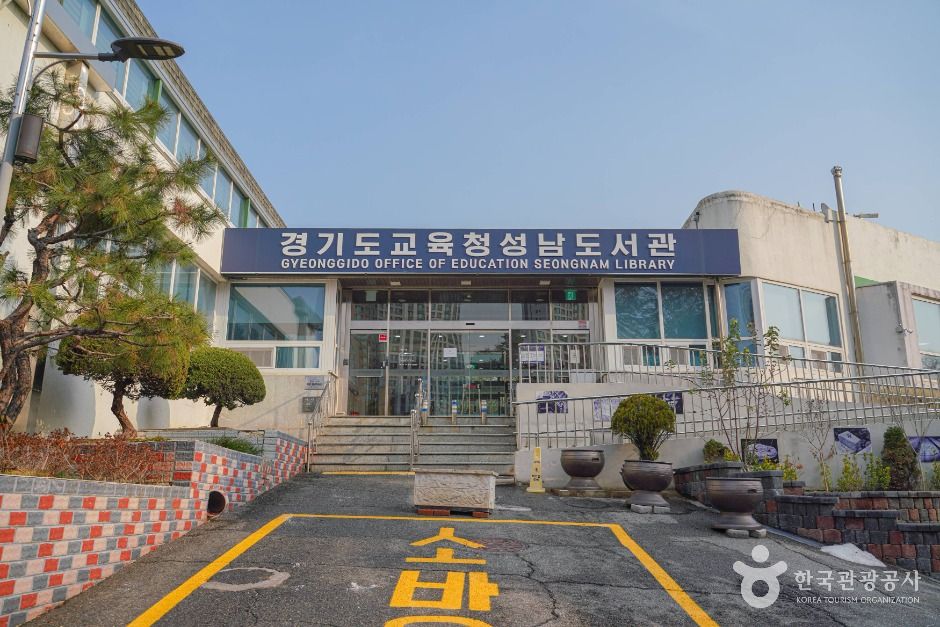 Travel Guide
Seongnam's Educational Library from 1983 Met on the Hill of Huimangdae Park
 Travel Guide
2 Hours on the 4th Floor of Starfield Hanam, from Zipline to 360 Swing
 Travel Guide
Starfield Hanam, a 460,000-square-meter stay-oriented shopping mall opened in September 2016
 Travel Guide
6 Things to Check at Hanchaedang for Hanok Dining in Misa-dong
Korea News
 News
News
"Overcoming the Getty curse" Jang Wonyoung, with unreal proportions and beauty straight out of a Barbie doll
 News
News
A2O LITE Tops Melon TOP100 Just 29 Hours After Debut, Setting the Fastest Record for a Debut Song
![Billlie's Tsuki 'Makes an Entrance Showing Off Her Beautiful Figure' [MK Photo]](https://kotourlive-images.s3.ap-northeast-1.amazonaws.com/news/1792027947835_957f0cb8_news_5c0023c5-e9a0-4640-9154-cb0b69d810c4.jpg) News
News
Billlie's Tsuki 'Makes an Entrance Showing Off Her Beautiful Figure' [MK Photo]
![ENHYPEN ‘Fighting for the Macau performance too!’ [★Video]](https://kotourlive-images.s3.ap-northeast-1.amazonaws.com/news/1792027887815_5057637d_news_8041e5cd-8b22-4193-bb46-880c65d944f7.jpg) News
News