National Museum of Modern and Contemporary Art, Gwacheon — Nam June Paik’s <The More, The Better> and Cheonggyesan Sculpture Park
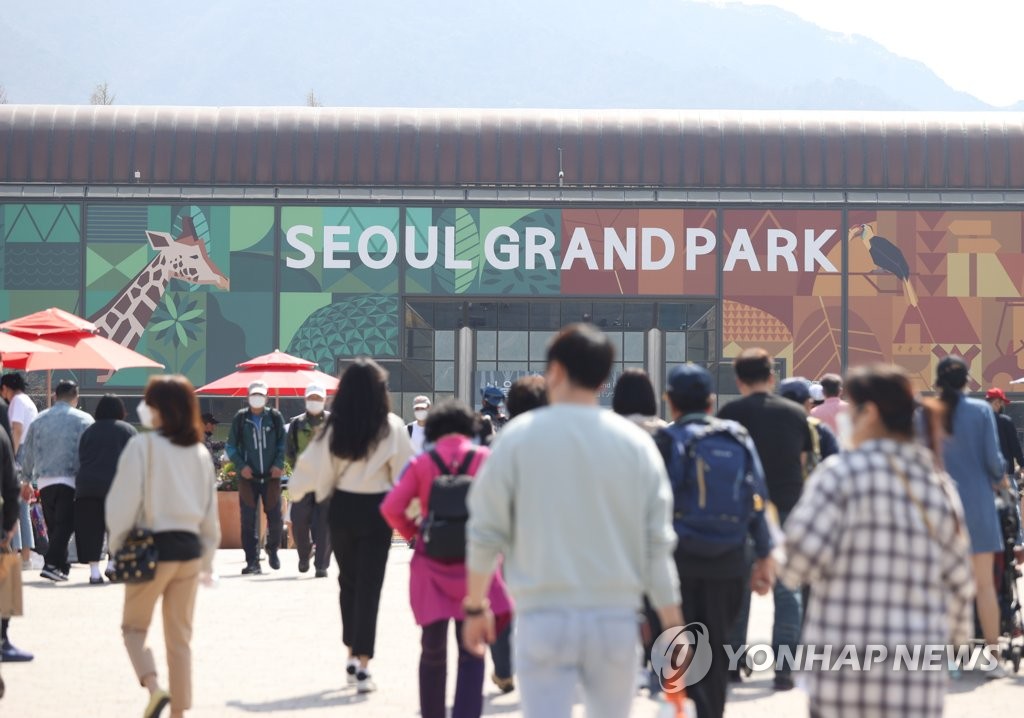
The National Museum of Modern and Contemporary Art, Gwacheon is the museum’s main branch, established in 1986 after the institution moved from Gyeongbokgung Palace, where it opened in 1969, via Deoksugung Palace. Located on the Seoul Grand Park grounds at the foot of Cheonggyesan Mountain, its highlights include Nam June Paik’s <The More, The Better>, assembled from 1,003 cathode-ray tube televisions, and a 33,000-square-meter outdoor sculpture park. It is open Tuesday through Sunday from 10:00 to 18:00, and admission is 3,000 won.
I’ve been here?
Your check-in helps the next traveler.
No one has checked in yet Be the first
One tap — no writing needed
From Land Considered for a Missile Base in 1968 to Becoming an Art Museum
The National Museum of Modern and Contemporary Art was established under the government organizational structure on August 23, 1969, and opened on October 20 of the same year at the former Government-General Art Museum site in Gyeongbokgung Palace. It began with four employees, including its first director, Kim Im-yong, and no works in its collection. On July 5, 1973, its headquarters moved to Seokjojeon Hall at Deoksugung Palace.
In January 1983, the government announced a policy to greatly expand cultural facilities by 1986, designating the construction of the National Museum of Modern and Contemporary Art, along with the Seoul Arts Center and the National Gugak Center, as a key project. The current site in Makgye-dong, Gwacheon, was originally land the government had considered purchasing in 1968 as a research and development base for new weapons, including missiles and nuclear weapons. However, after it was confirmed to be within the effective range of North Korean forces, the plan was moved to Daejeon. Changgyeongwon Zoo, which had been managed by Seoul Metropolitan City, was relocated to this land, creating Seoul Grand Park. The National Museum of Modern and Contemporary Art was also newly built on part of the same site and opened on August 25, 1986.
40th Anniversary, 502 Exhibitions, and 25 Million Visitors
The National Museum of Modern and Contemporary Art had moved between Gyeongbokgung and Deoksugung Palaces until the construction of the Gwacheon branch finally gave it the appearance of a proper art museum. Since opening in 1986, it has held 502 exhibitions and welcomed approximately 25 million visitors in total. In 2026, a special exhibition commemorating this milestone, MMCA Gwacheon 40th Anniversary: Imaginations of Light, featuring works by nine artists including Iván Navarro and centered on the theme of “light,” is being held.
The permanent exhibition Korean Modern and Contemporary Art I runs from May 1, 2025, through June 27, 2027. The collection includes more than 4,000 modern and contemporary artworks from the 1910s onward, with works by Nam June Paik, Lee Jung-seop, and Chun Kyung-ja among those on display. According to 2023 statistics, the Gwacheon branch received 650,000 visitors that year, the second-highest figure among the four branches after the Seoul branch, which received 1.8 million.
Nam June Paik’s Tower of 1,003 CRT Monitors, <The More, The Better>
At the center of the museum is the Lamp Core, a 22.8-meter-high conical space, inside which Nam June Paik’s <The More, The Better> is installed. Commissioned ahead of the museum’s opening, Paik completed its installation on September 15, 1988, after more than two years of work. A total of 1,003 5- to 25-inch cathode-ray tube (CRT) monitors—symbolizing October 3, National Foundation Day—are stacked on an 18.5-meter-high tower-shaped structure designed by architect Kim Won, screening eight videos. It is the largest of Paik’s works and was planned and produced in conjunction with national events such as the 1988 Seoul Olympics.
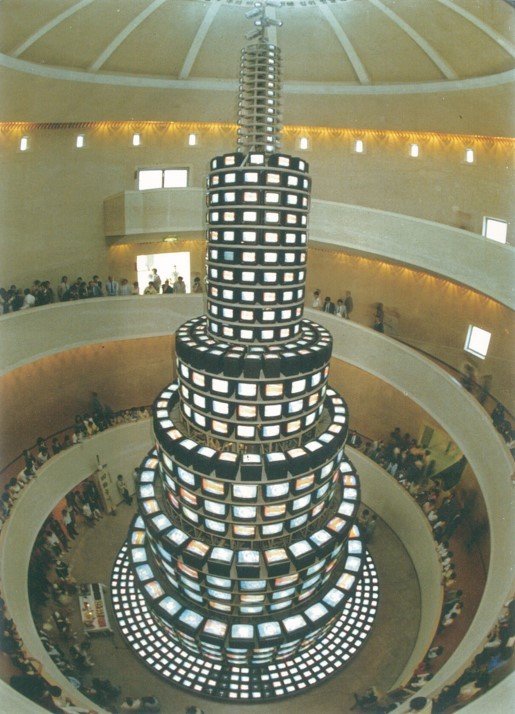
After approximately 30 years of repeated major and minor repairs, including a complete monitor replacement in 2003, operation was suspended entirely in February 2018 as aging, heat generation, and fire risks increased. Beginning in 2019, a three-year conservation and restoration plan was developed, and restoration proceeded with the goal of preserving the original form as much as possible. A total of 737 CRT monitors were repaired using newly sourced parts, while 266 were replaced with LCD monitors while retaining their original exteriors. The work was completed and the installation resumed operation on September 15, 2022.
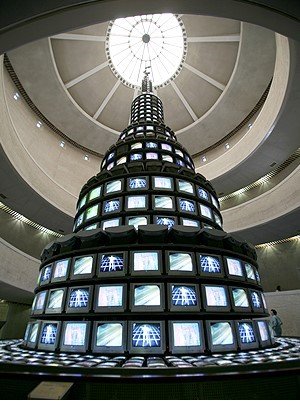
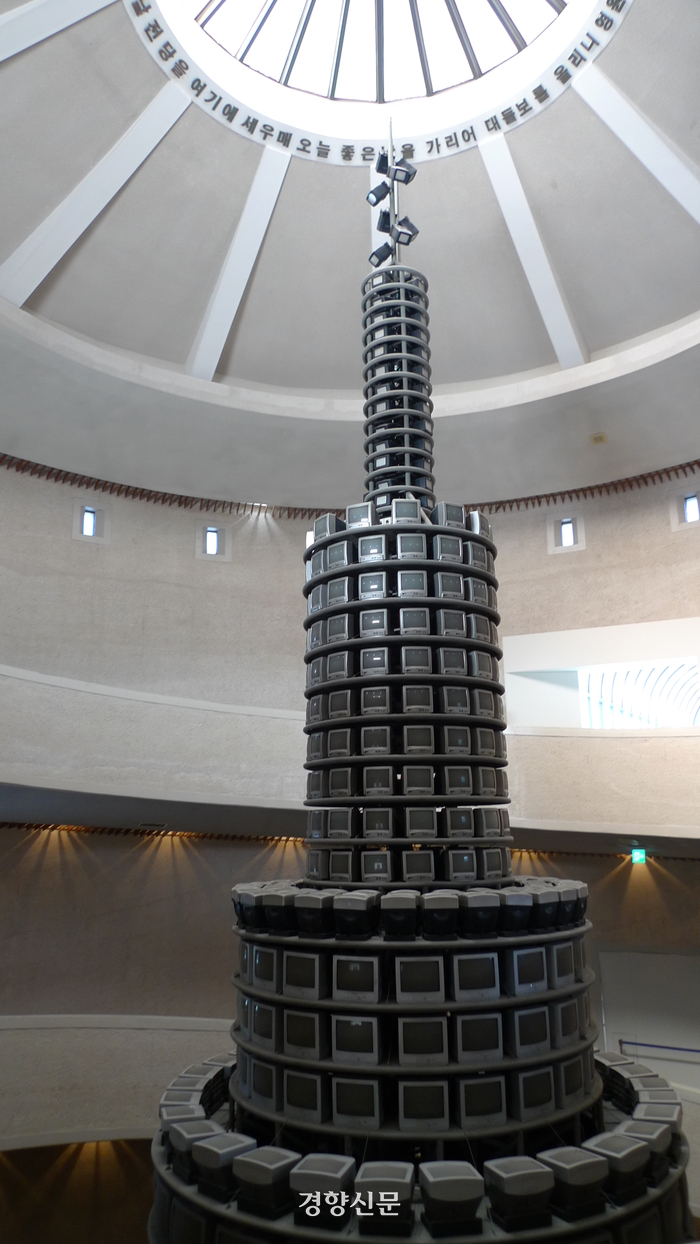
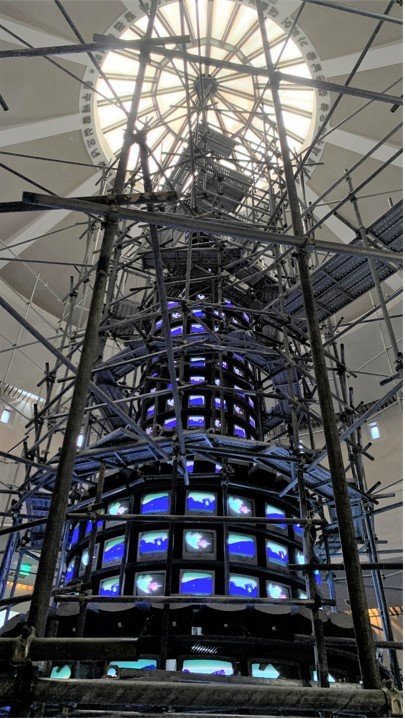
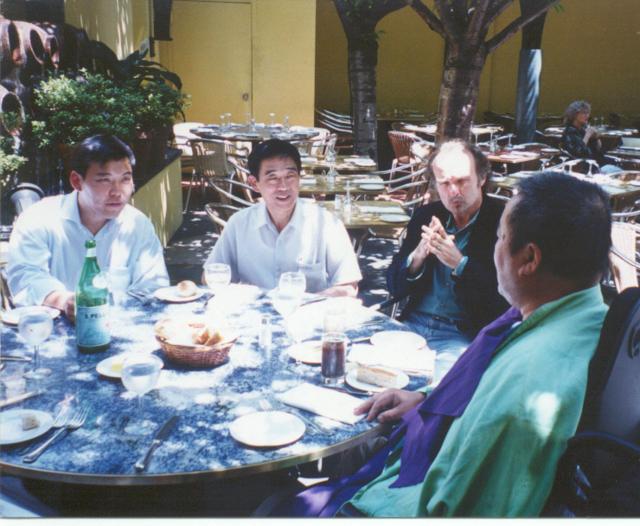
It was later reported that, during the restoration process, a technician who had worked with Nam June Paik since the installation in 1988 participated as an adviser, and discussions took place over whether to preserve the original CRT monitors.
Tuesday to Sunday, 10:00 to 18:00
Visiting hours are Tuesday through Sunday, 10:00–18:00. The museum is closed every Monday and on January 1. If Monday is a public holiday, the museum opens that day and closes on the next weekday instead. Admission is 3,000 won, and entry is free on the last Wednesday of every month, designated as “Culture Day.”
Holders of the Dadungi Card receive a 20% discount, while holders of the Artist Pass receive a 50% discount. People with disabilities and their accompanying guardians, visitors aged 24 or younger or 65 or older, undergraduate university students, and national merit honorees are eligible for free admission. The main telephone number is 02-2188-6000 (ARS), the fax number is 02-2188-6121, and the address is 313 Gwangmyeong-ro, Gwacheon-si, Gyeonggi-do (Makgye-dong), postal code 13829.
From Seoul Grand Park Station on Subway Line 4 to the Museum’s Main Entrance
Visitors can exit through Exit 2 of Seoul Grand Park Station on Subway Line 4 and walk to the museum, or take the free shuttle bus from the stop 30 meters to the left of Exit 4. According to visitor reviews as of 2024, buses from Seoul Grand Park Station to the museum ran every 20 minutes from 9:40 to 17:00, while buses from the museum to the station ran every 20 minutes from 11:10 to 18:20. However, shuttle services may be delayed or suspended when access roads are congested on weekends and public holidays, so visitors should check the official website on the day of their visit.
A free art shuttle for visitors wishing to combine the Seoul, Deoksugung, and Gwacheon branches in one day has also operated since 2015. Based on departures from the Seoul or Gwacheon branch, it runs four times a day at 10:00, 12:00, 14:00, and 16:00, but does not operate on weekends, public holidays, Mondays, or museum closure days. The Seoul Grand Park elephant train also has a National Museum of Modern and Contemporary Art stop on the section between the General Information Center and Seoul Zoo.
Visitors arriving by car can use the museum intersection parking lot and the Seoul Grand Park Campground parking lot, with a combined capacity of 149 vehicles. Parking costs 3,000 won for the first two hours, followed by 1,000 won for each additional 30 minutes, up to a daily maximum of 13,000 won. The lots operate 24 hours a day year-round, but large buses and vehicles with more than 15 seats cannot park there. On weekends, public holidays, and during peak seasons—April, May, August, September, and October—the lots may fill early, requiring waits of two hours or more, so public transportation is recommended.
From the Outdoor Sculpture Garden on the First Floor to Exhibition Room 6 on the Third Floor
The building has three floors. The first floor contains the Outdoor Sculpture Garden, Circular Exhibition Room 1, the cafeteria, the Lamp Core, the museum archives, Exhibition Room 2, the Central Hall, Exhibition Room 1, and the Children’s Museum of Art. The second floor has Donggeurami Rest Area, a garden of native plants from the Gwacheon area that changes with the seasons, along with Exhibition Rooms 3 and 4. Exhibition Rooms 5 and 6 are on the third floor. The museum shop is to the right of the main entrance on the first floor, while the cafeteria is behind The More, The Better on the first floor.
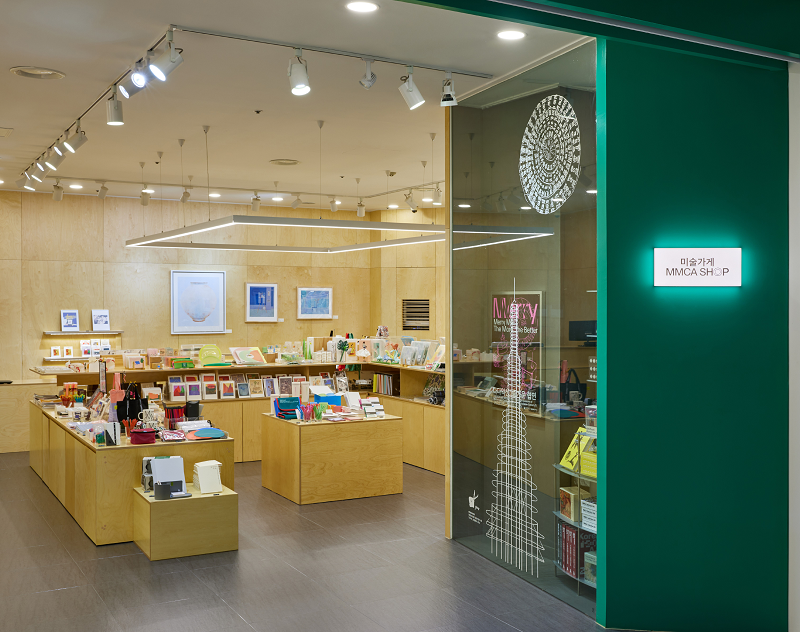
The architecture takes traditional Korean forms as its motif, including fortress walls, beacon towers, and the walls and stairs of traditional villages, and features a distinctive spiral interior layout. The total floor area across the three floors is 73,360 square meters, with a separate outdoor sculpture park covering 33,000 square meters.
When Is the Best Time to Visit the 33,000-Square-Meter Outdoor Sculpture Park?
The outdoor sculpture park covers 33,000 square meters. Visitor reviews repeatedly note that people can walk along the trails and view the sculptures up close in a quiet setting with relatively few visitors. Many reviews say that autumn is the peak season for appreciating the sculptures at the foot of Cheonggyesan Mountain, when fallen leaves cover the ground. Others mention that in spring, visitors can explore the sculpture park without a separate reservation while cherry blossoms are still in bloom.
However, some reviews also complain that noise from the nearby amusement park, Seoul Land, can be heard. The sculpture park remains open even on days when the museum is closed, and some visitors report arriving on a Monday, finding the museum closed, and touring only the outdoor area.
A Day Trip with Seoul Grand Park, but Somewhat Inconvenient for Some Visitors
Because the museum is located within the Seoul Grand Park grounds, it can be combined into a day trip with Seoul Zoo, Seoul Land, and the Seoul Grand Park Campground. The Sky Lift, located 200 meters from Exit 2 of Seoul Grand Park Station, can also be used. Although Seoul Grand Park is in Gwacheon, management remained with Seoul Metropolitan City when Changgyeongwon Zoo was relocated in 1984, so it is still operated as a Seoul metropolitan park. It has a stronger theme-park and zoo character than that of a neighborhood park, and its grounds are very extensive for those seeking only a casual walk.
Blog travel accounts note that the museum, surrounded by green forest, offers an atmosphere different from that of an urban art museum, and some visitors say its setting brings to mind the 1998 film The Zoo Next to the Art Museum. On the other hand, a round trip from Seoul by public transportation takes around an hour each way, and on weekends and public holidays, when the access roads are congested with vehicles, even the shuttle buses may be delayed or suspended. For visitors who want to tour several branches efficiently in a short time, the Seoul or Deoksugung branch may therefore be a better fit.

Places
Nearby Attractions 5
-
 1
1
-
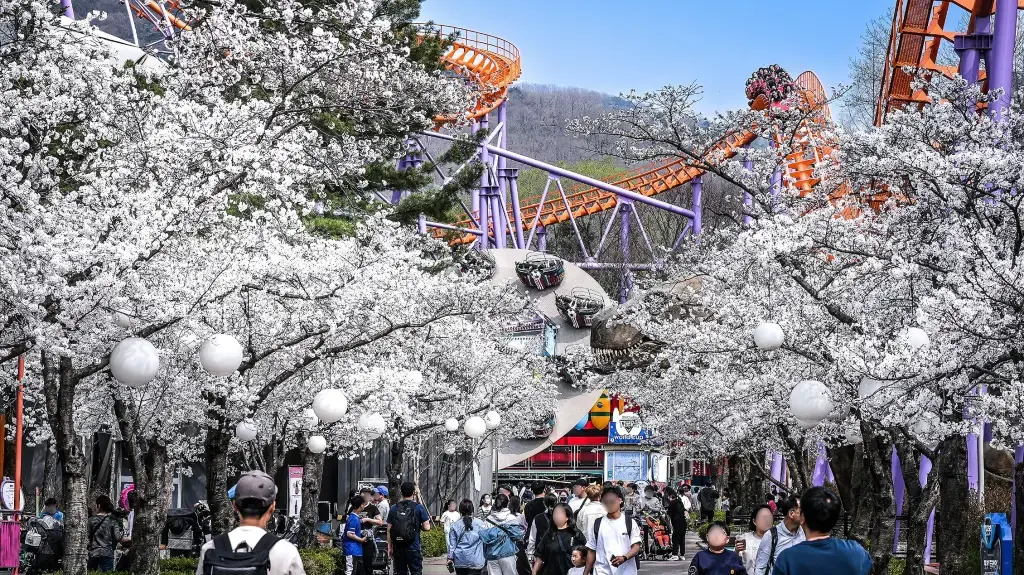 2
2
-
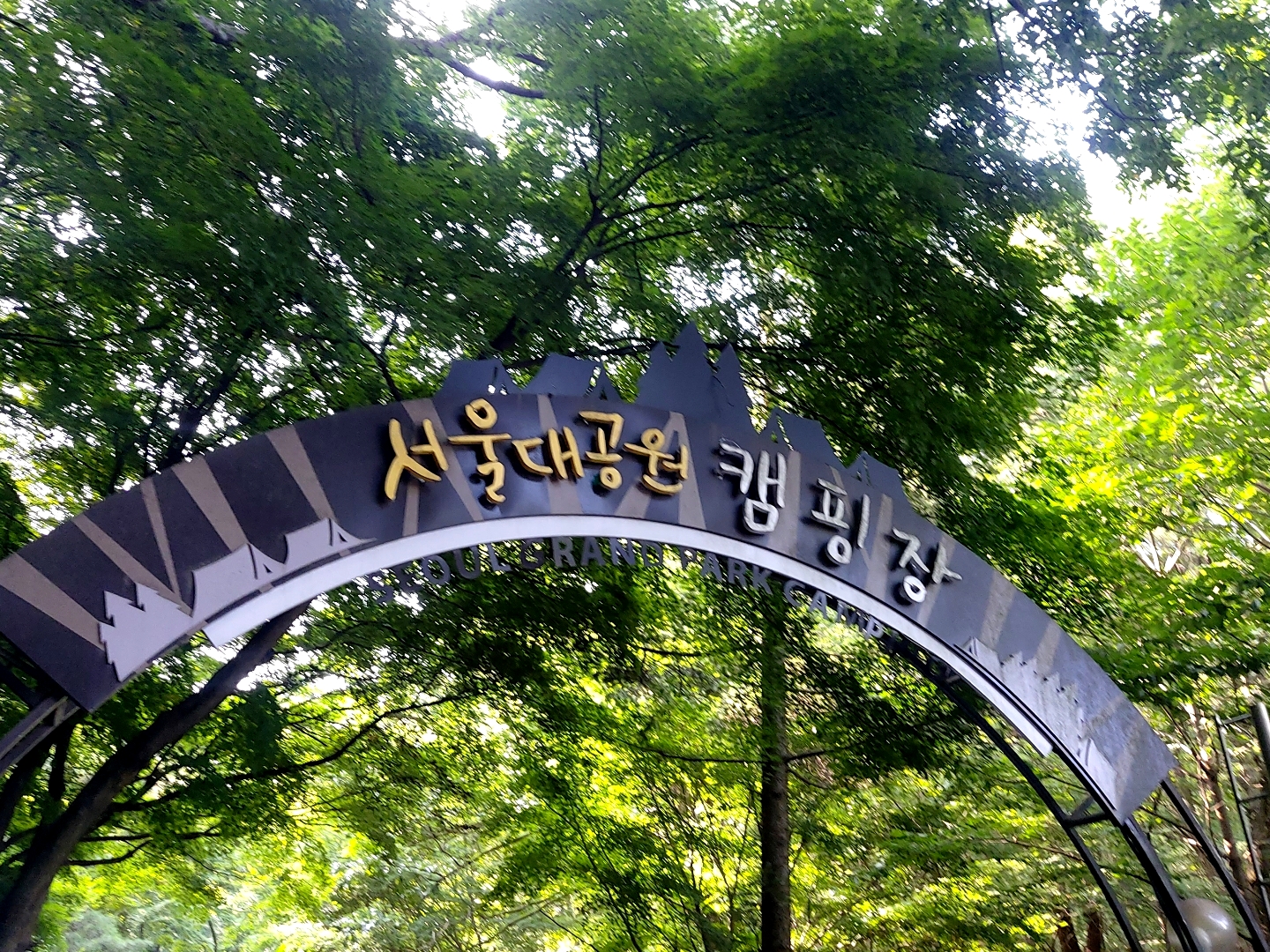 3
Seoul Grand Park CampgroundA campground where you can enjoy camping and picnics in the valley of Cheonggyesan Mountain.
3
Seoul Grand Park CampgroundA campground where you can enjoy camping and picnics in the valley of Cheonggyesan Mountain. -
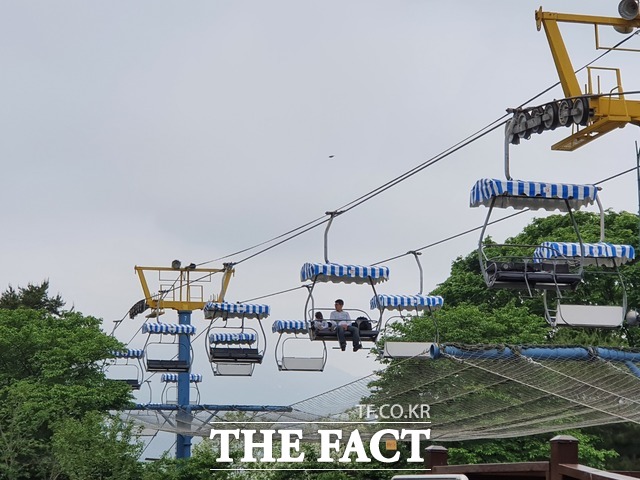 4
Sky LiftA lift within the park that takes you around while you enjoy the scenery of Seoul Grand Park.
4
Sky LiftA lift within the park that takes you around while you enjoy the scenery of Seoul Grand Park. -
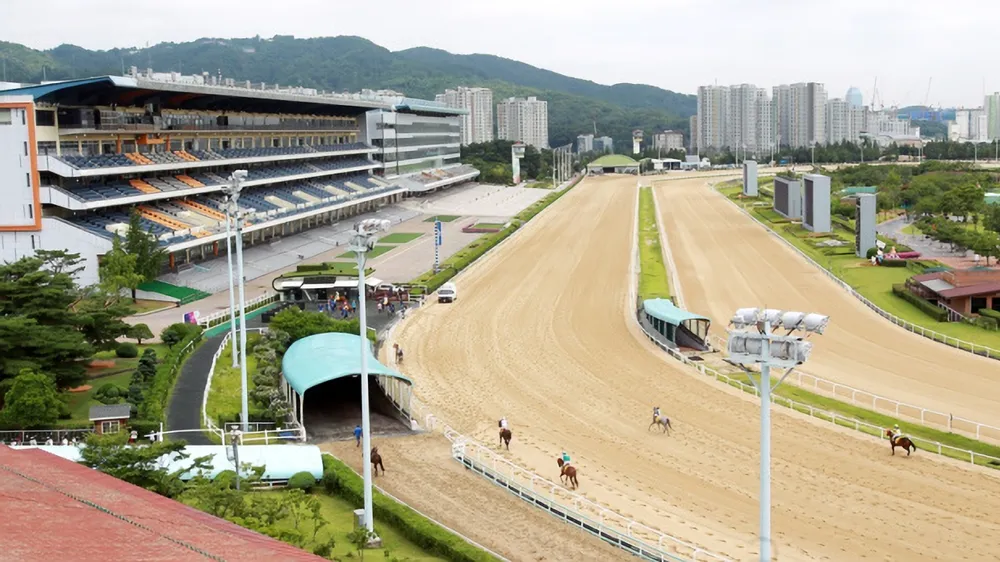 5
Let's Run Park SeoulA horse-racing park where visitors can watch races and enjoy horse-related activities.
5
Let's Run Park SeoulA horse-racing park where visitors can watch races and enjoy horse-related activities.
Food & Dining 2
-
 6
Hanseong KalguksuA Korean restaurant serving kalguksu noodles in Korean beef broth and mandu hot pot.
6
Hanseong KalguksuA Korean restaurant serving kalguksu noodles in Korean beef broth and mandu hot pot. -
 7
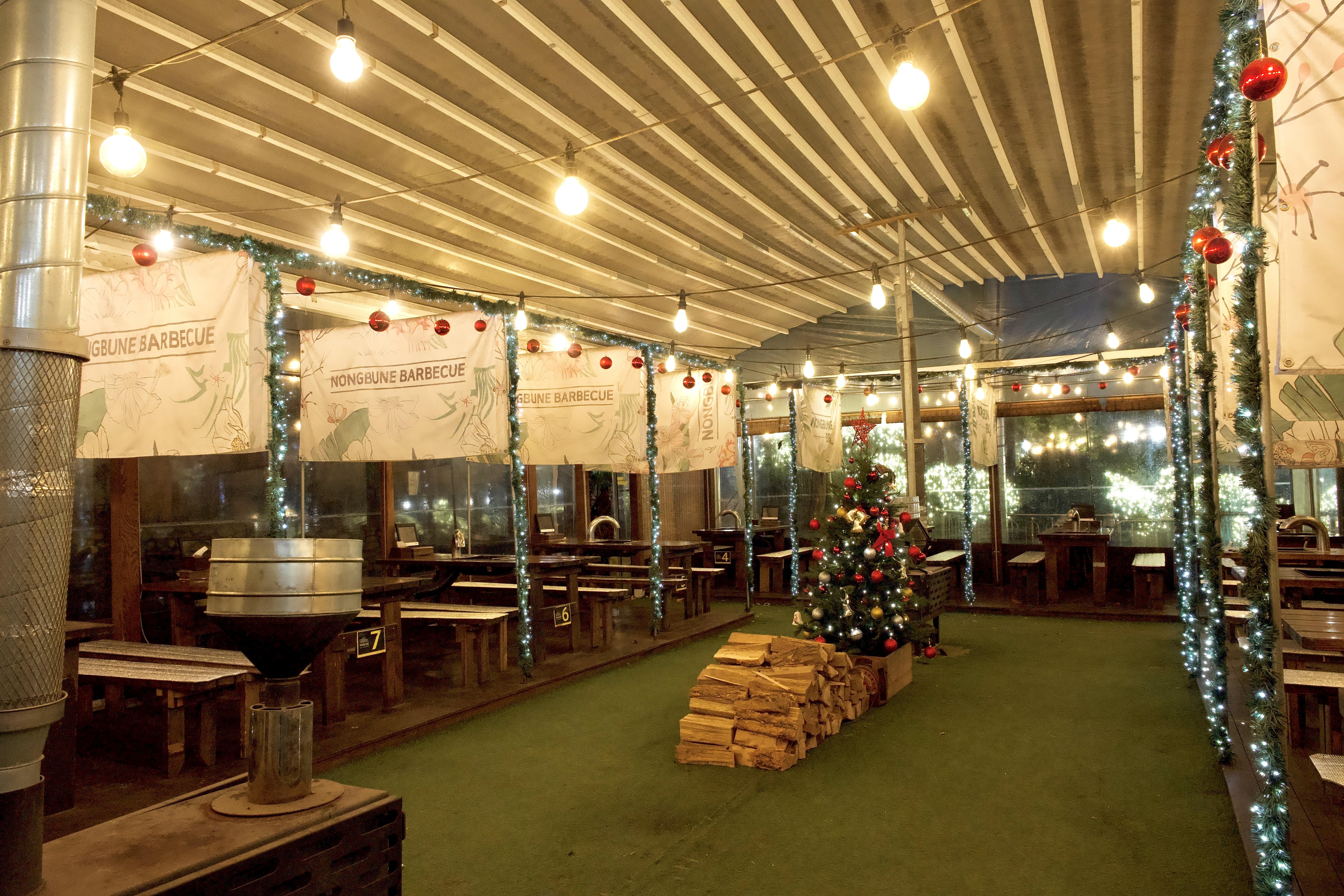
Nongbune Suje Galbi Gwacheon BranchA restaurant that grills handmade pork ribs and beef ribs over charcoal.
7
Nongbune Suje Galbi Gwacheon BranchA restaurant that grills handmade pork ribs and beef ribs over charcoal.
Events in This Area
Festivals in This Area
More Travel Guides in This Area
 Travel Guide
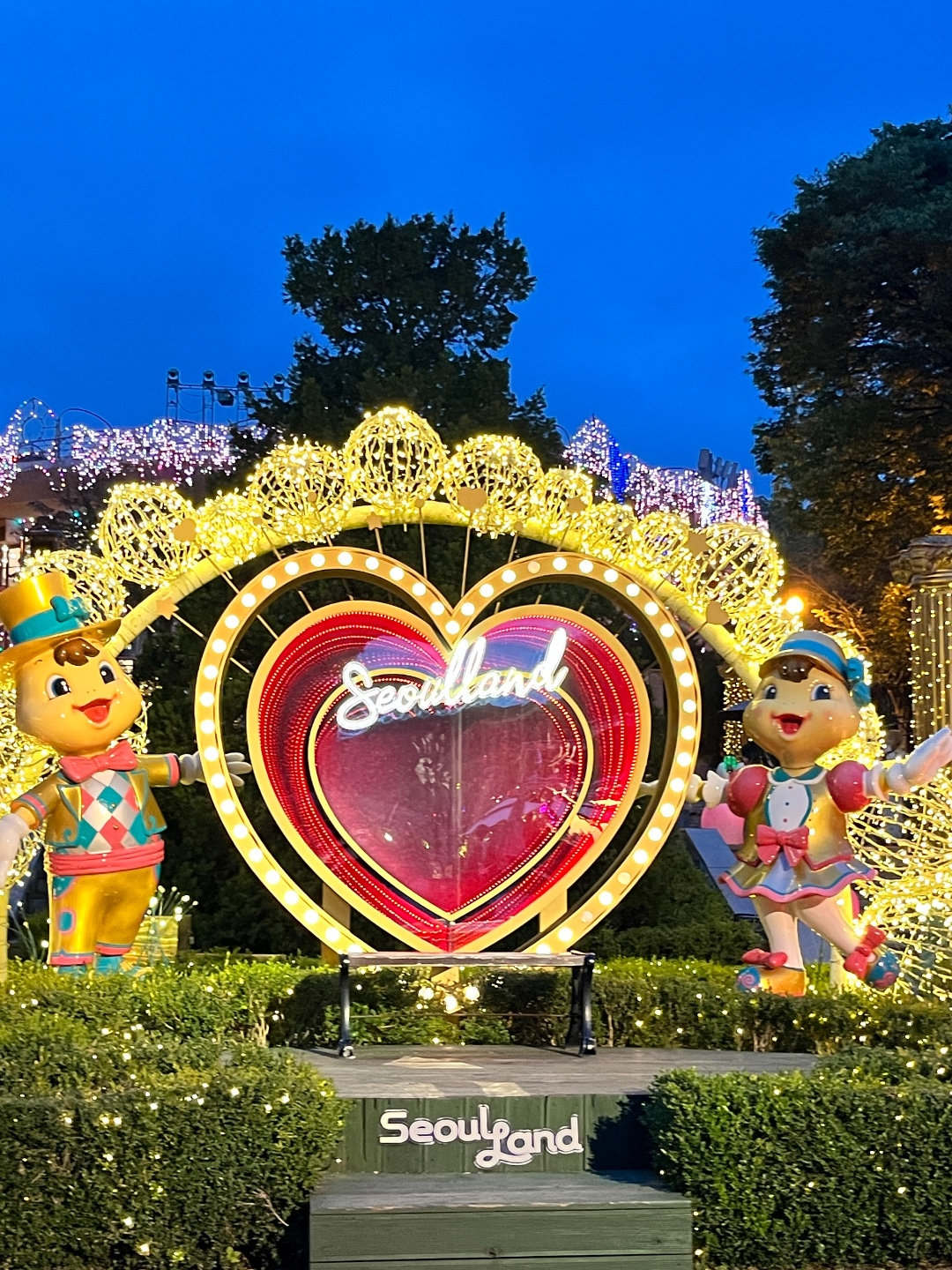
Seoul Land: A Gwacheon Theme Park That Opened Alongside the 1988 Seoul Olympics
 Travel Guide
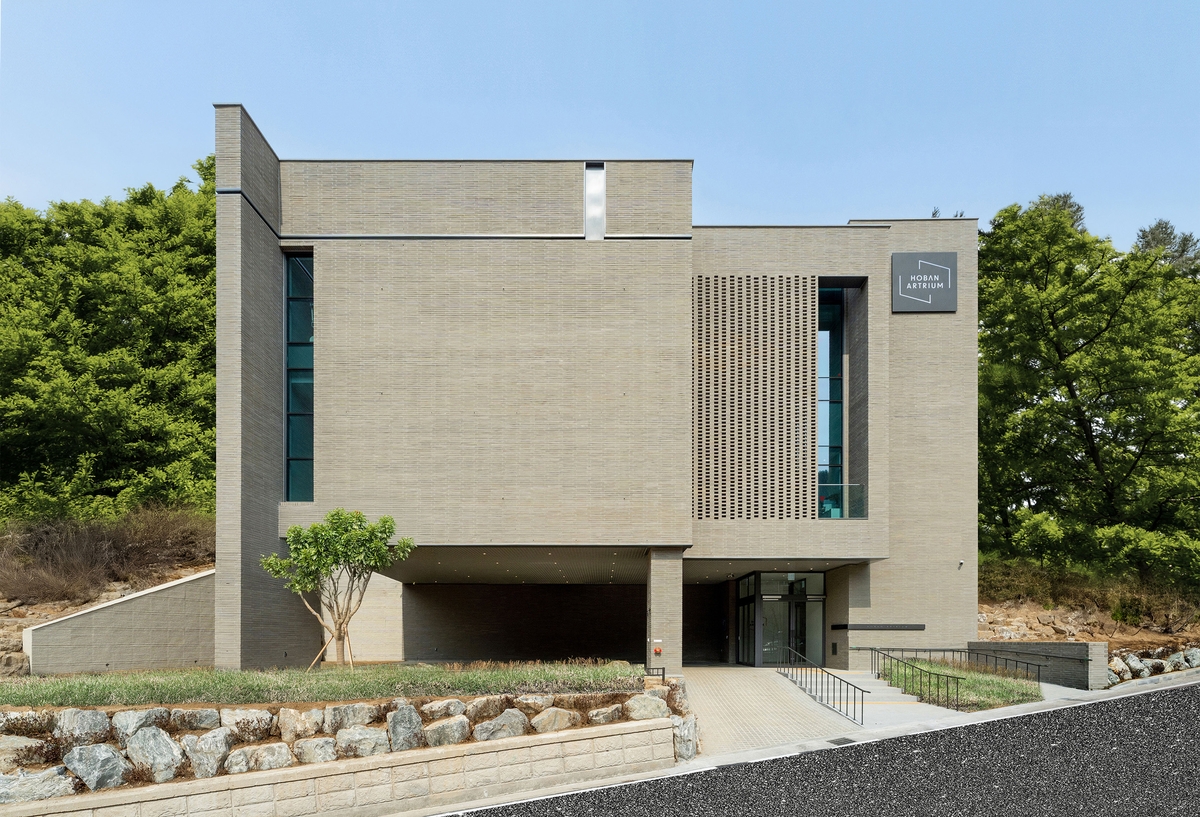
Free Exhibition Route of Hoban Atrium on the 3rd Floor of Sagimakgol
 Travel Guide
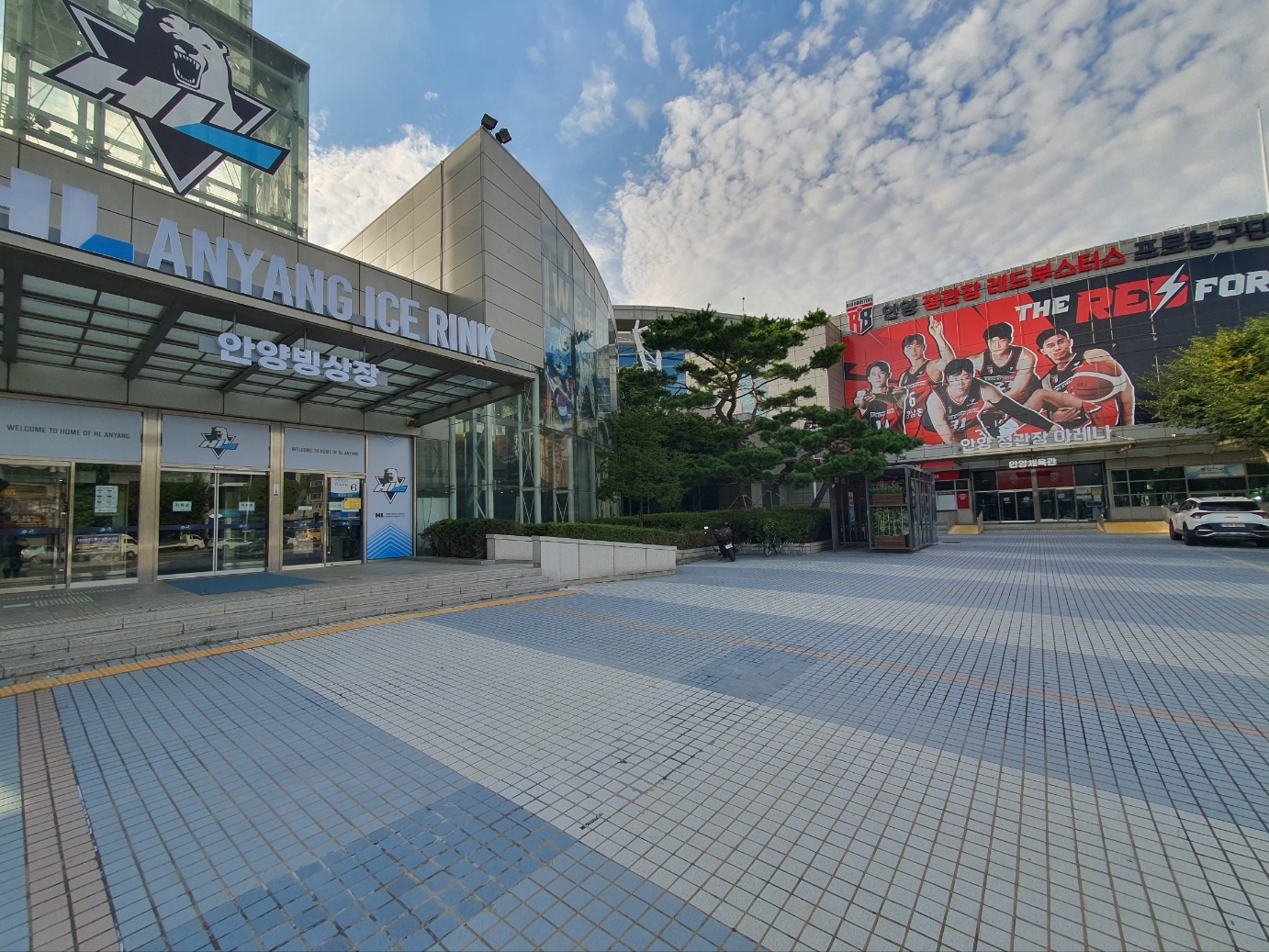
Anyang City Corporation Ice Rink Located on B1 of Anyang Sports Complex
 Travel Guide
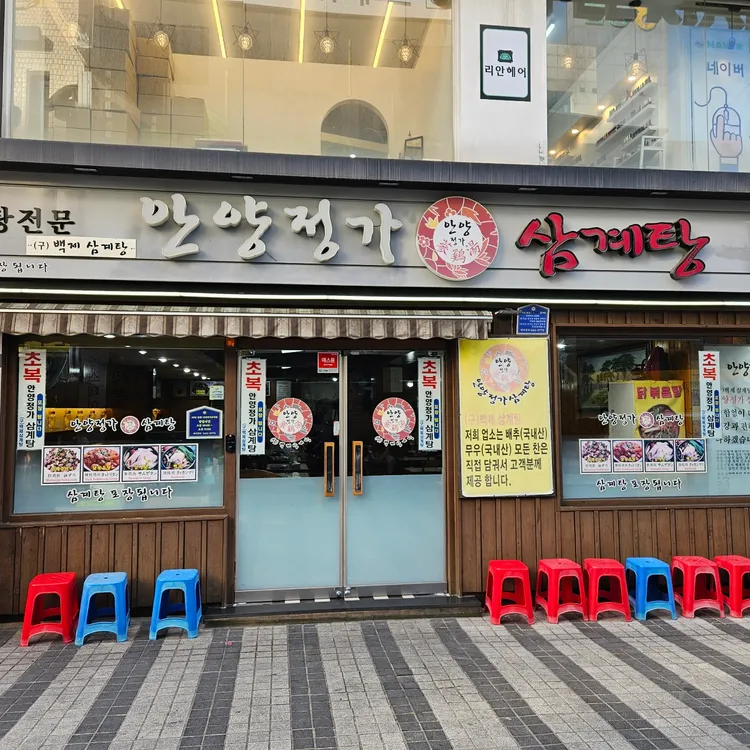
Anyang Jeongga Samgyetang, continuing for over 40 years in the alley of Anyang 1st Street
Korea News
![BLACKPINK’s Lisa Dominates the VMA Red Carpet in a Sheer Corset Dress and Red Fur [Star Issue]](https://kotourlive-images.s3.ap-northeast-1.amazonaws.com/news/1790557894714_010e956a_news_94409db1-fab6-40bf-bc7b-4b985b1fbac7.jpg) News
News
BLACKPINK’s Lisa Dominates the VMA Red Carpet in a Sheer Corset Dress and Red Fur [Star Issue]
![BLACKPINK’s Jisoo Spotted by Surprise with BIGBANG in London… Their Special Loyalty as Labelmates [IS High Cut]](https://kotourlive-images.s3.ap-northeast-1.amazonaws.com/news/1790557854683_6ea979f5_news_caab62e5-8462-43c8-8622-da794f3df9de.png) News
News
BLACKPINK’s Jisoo Spotted by Surprise with BIGBANG in London… Their Special Loyalty as Labelmates [IS High Cut]
 News
News
Tattoos All Over Her Body… AOA’s Jimin Draws Shocked Attention After Kwon Mina’s ‘Bullying’ Allegations
![You’ll Have to Look Twice… Choi Min-a-soo Perfectly Pulls Off Everything from a Daring Illusion Dress at the Awards Ceremony to Long Braided Hair [RE:STAR]](https://kotourlive-images.s3.ap-northeast-1.amazonaws.com/news/1790492384850_1f293dad_news_d834c50e-0685-43ef-9aa5-6995cd6d8848.jpg) News
News