Wolbong Seowon in Neobeusil, Gwangsan, Where Gobong Gi Daeseung’s Debate Lives On
Wolbong Seowon is a Confucian academy in Gwangsan-gu, Gwangju, commemorating Gobong Gi Daeseung, a Neo-Confucian scholar of the Joseon Dynasty. It began as Mangcheonsa Shrine in 1578, received the name “Wolbong” in 1654, and, after abolition and restoration, now stands amid the landscape of Neobeusil.
I’ve been here?
Your check-in helps the next traveler.
No one has checked in yet Be the first
One tap — no writing needed
Four Locations Linking Mangcheonsa Temple in 1578 to Wolbong Seowon in 1991
Wolbong Seowon enshrines Gobong Gi Daeseung (1527–1572), a Neo-Confucian scholar from Gwangju. The seowon began in 1578 (the 11th year of King Seonjo’s reign), seven years after Gobong’s death, when Confucian scholars from Honam established a shrine called Mangcheonsa beneath Nak-am in what is now Sinnyong-dong. This is why the present buildings should not be understood as preserving the original form of the early Joseon period simply by looking at them.
After suffering damage during the Japanese invasions of Korea, the seowon was moved to Dongcheon in the area of present-day Sanwol-dong, and in 1654 King Hyojong bestowed the name “Wolbong.” After it was closed under the 1868 decree abolishing seowons, Bingwoldang was rebuilt at the current site in 1941. The shrine, Jangpangak, Naesammun, and Oesammun were established in 1978, completing the present layout in 1991.
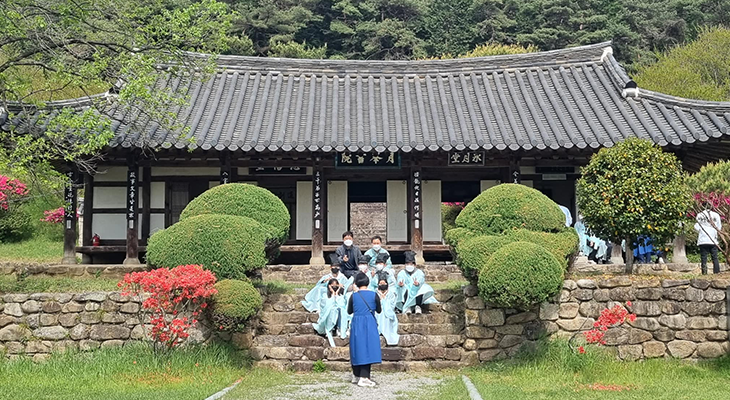
Sungdeoksa Shrine and Bingwoldang: Reading the Four Beginnings and Seven Feelings Debate between Gobong Gi Daeseung and Toegye
Gobong Gi Daeseung’s family origin was Haengju; his courtesy name was Myeongeon, his pen name was Gobong, and his posthumous name was Munheon. He was a 16th-century Neo-Confucian scholar who exchanged arguments on the Four Beginnings and Seven Feelings with Toegye Yi Hwang. Wolbong Seowon is a place of ritual and education honoring his scholarship and character. His major works include The Collected Works of Gobong, Records of Zhu Xi’s Writings, and Records of Discussions.
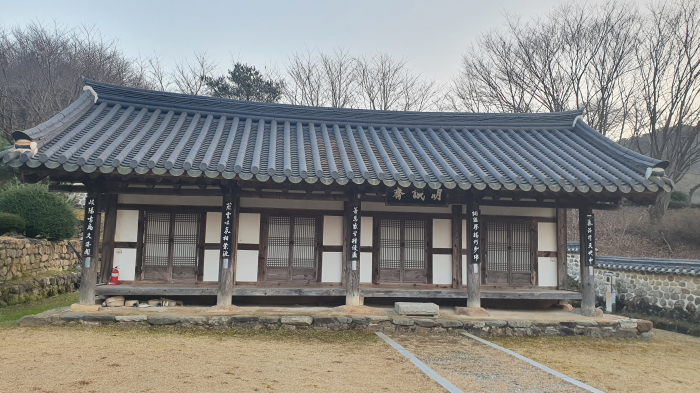
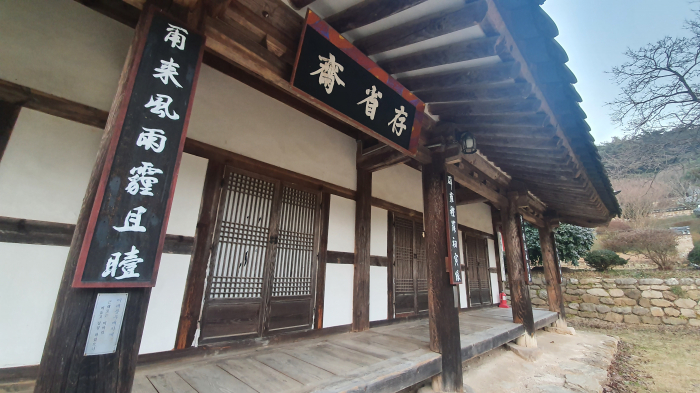
The route through the grounds begins at Mangcheonmun and continues through the dormitories Jonseongjae and Myeongseongjae, the lecture hall Bingwoldang, Jangpangak, Jeonganmun, and the shrine Sungdeoksa. Bingwoldang is Gwangju Metropolitan City Monument No. 9, while the woodblocks of Gobong’s collected works are Gwangju Metropolitan City Tangible Cultural Heritage No. 3. When viewing the buildings, it is easier to understand them by distinguishing the educational function of Bingwoldang from the ritual function of Sungdeoksa.
Tuesday–Saturday, 09:00–18:00: Closing Days to Avoid before Free Admission
Wolbong Seowon is open from 09:00 to 18:00 Tuesday through Saturday, excluding lunchtime. It is closed on Mondays, Sundays, and public holidays, so even on a weekend itinerary it is safest not to plan an interior visit on Sunday. Admission is free, and the seowon office can be reached at 062-951-6434.
The official website is https://wolbong.org, and the address is 133 Gwanggok-gil, Gwangsan-gu, Gwangju. The customer service number listed at the top of the website is also 062-960-8892. Because the visitor route may change on ritual days, check the schedule before departing to see whether your visit overlaps with the spring and autumn hyangsa rites held at Sungdeoksa on the first jeong day of March and September each year.
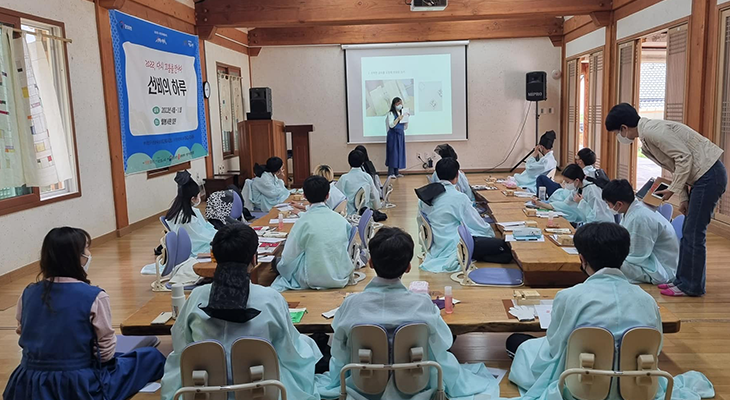
Meet a Cultural Tourism Interpreter from March to December, 10:30–16:30
Cultural tourism interpretation is available from 10:30 to 16:30 Tuesday through Saturday, from March to December, excluding lunchtime. For interpretation inquiries, contact the Gwangju Tourism Organization at 062-611-3624. Visitors who find it difficult to understand Gobong Gi Daeseung’s life, the Four Beginnings and Seven Feelings debate, and the abolition and restoration of seowons from building names alone should prioritize visiting during this time slot.
The grounds include an educational experience center, an information center, and the “Dasi” café at Iandang. The official information states that an interpreter is stationed at the information center, but it does not provide fixed details on the exact start time, languages, or availability of individual reservations. If you need interpretation in a foreign language, inquire separately with the office or the Gwangju Tourism Organization about language support before visiting.
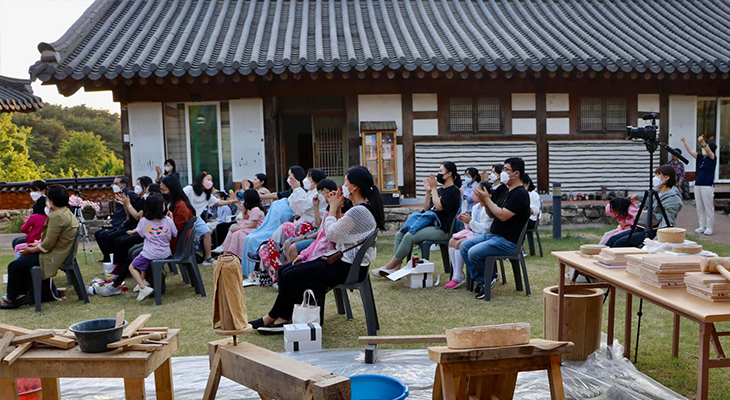
“Wolbong Seowon Entrance” Bus Stop and the 75-Minute Interval of Imkok 89
By public transportation, get off at the “Wolbong Seowon Entrance” bus stop. According to the official information, the operating route is Imkok 89, which runs through the Gwangcheondong–Oryong section and has a 75-minute interval between buses. Since this route is not frequent, check real-time service information before departing if you plan to return around the seowon’s closing time of 18:00.
By car, the official estimated travel time from Gwangju Integrated Bus Terminal to Wolbong Seowon is approximately 36 minutes. The official page does not confirm whether a parking lot is operated, its fees, or detailed ramp information for wheelchair and stroller access, so on-site facilities cannot be assumed. Visitors with mobility needs should call 062-951-6434 in advance to ask about the parking location and access route.
Spring and Autumn Hyangsa Rites on the First Jeong Days of March and September, and a Half-Day Route from Neobeusil
Wolbong Seowon’s spring and autumn hyangsa rites are ceremonies honoring Gobong Gi Daeseung, held at Sungdeoksa on the first jeong day of March and September each year. To quietly take in the architecture and village scenery, avoid these dates. If you want to see the ritual format itself, first check the visitor access and hours after the schedule is announced.
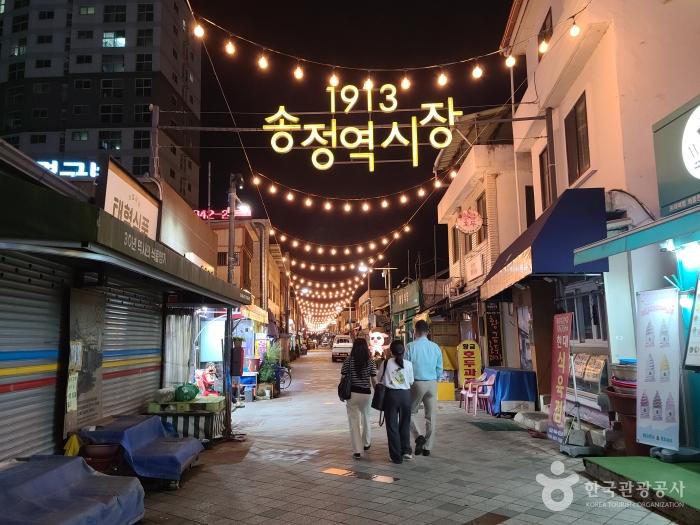
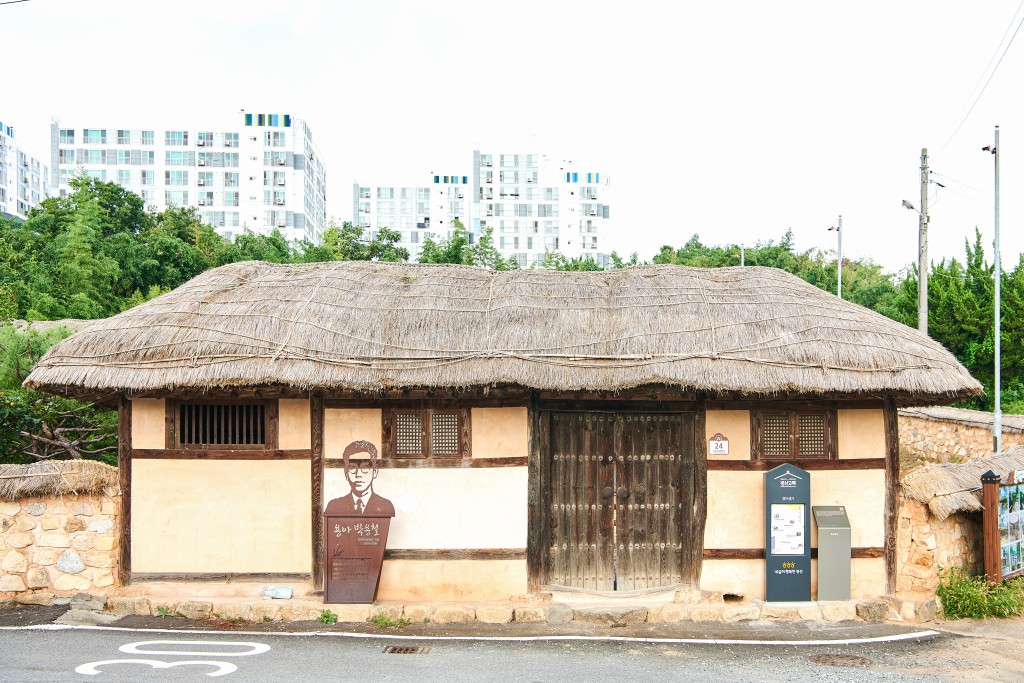
The Korea Tourism Organization’s suggested one-day Gwangju itinerary includes an arts experience route linking Yong’a’s birthplace behind Wolbong Seowon with the 1913 Songjeong Station Market. The seowon itself is not a large complex with many buildings, so allowing about 60–90 minutes, including time for interpretation, and combining it with nearby destinations is realistic. It may not suit travelers expecting large exhibitions or permanent hands-on experiences rather than a quiet visit to the shrine and lecture hall.
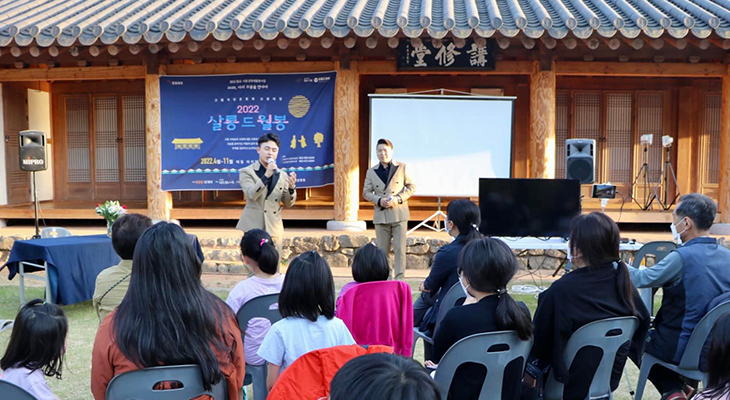
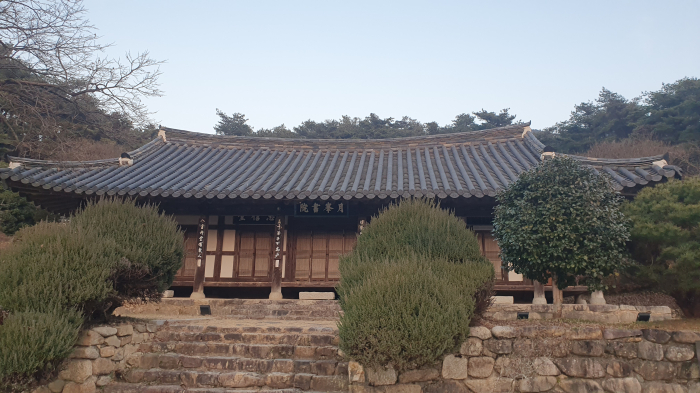
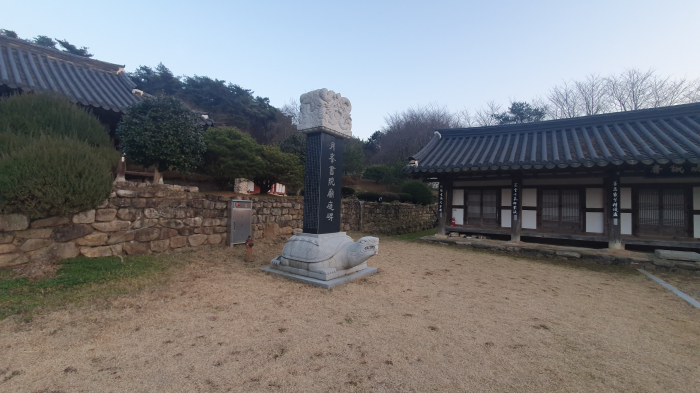
Eight Views of Bingwoldang and the Seowon Grounds from Official and Tourism Photos
The photos below are images related to Wolbong Seowon provided by the official Wolbong Seowon page and tourism information pages. Because photographs may differ from the scenery on the actual day of your visit depending on the season, events, and time of photography, judge opening status and program operation by the official schedule rather than by the photos.
Wolbong Seowon is a Confucian educational and ritual complex in which the shrine, lecture hall, dormitories, and Jangpangak are arranged according to their functions. Even when deciding the visiting order from the photos, using the route that begins at Mangcheonmun and proceeds to Bingwoldang and Sungdeoksa makes it easier not to miss the function of each building.
Before You Go
- Address
- 133 Gwanggok-gil, Gwangsan-gu, Gwangju
- Hours
- Tuesday–Saturday, 09:00–18:00 (excluding lunchtime)
- Closed
- Mondays, Sundays, and public holidays
- Admission
- Free
- Phone
- 062-951-6434
- Official site
- https://wolbong.org
- Transport
- Get off at the “Wolbong Seowon Entrance” stop; Imkok 89 (Gwangcheondong–Oryong), official interval: 75 minutes
- Time needed
- 60–90 minutes (including interpretation recommended)
- Accessibility
- Cultural tourism interpretation: March–December, Tuesday–Saturday, 10:30–16:30; inquiries: 062-611-3624. Advance inquiries are recommended for details about wheelchair, stroller, and foreign-language assistance.
The information above is current as of the time of writing. Check the official information again before visiting.

Places
Nearby Attractions 2
-
 1
1913 Songjeong Station MarketA place to stroll through old market alleys while enjoying shops and snacks
1
1913 Songjeong Station MarketA place to stroll through old market alleys while enjoying shops and snacks -
 2
Yonga SaenggaA place where you can explore the birthplace and literary traces of poet Yonga Park Yong-cheol.
2
Yonga SaenggaA place where you can explore the birthplace and literary traces of poet Yonga Park Yong-cheol.
Food & Dining 3
-
 3
3
-
 4
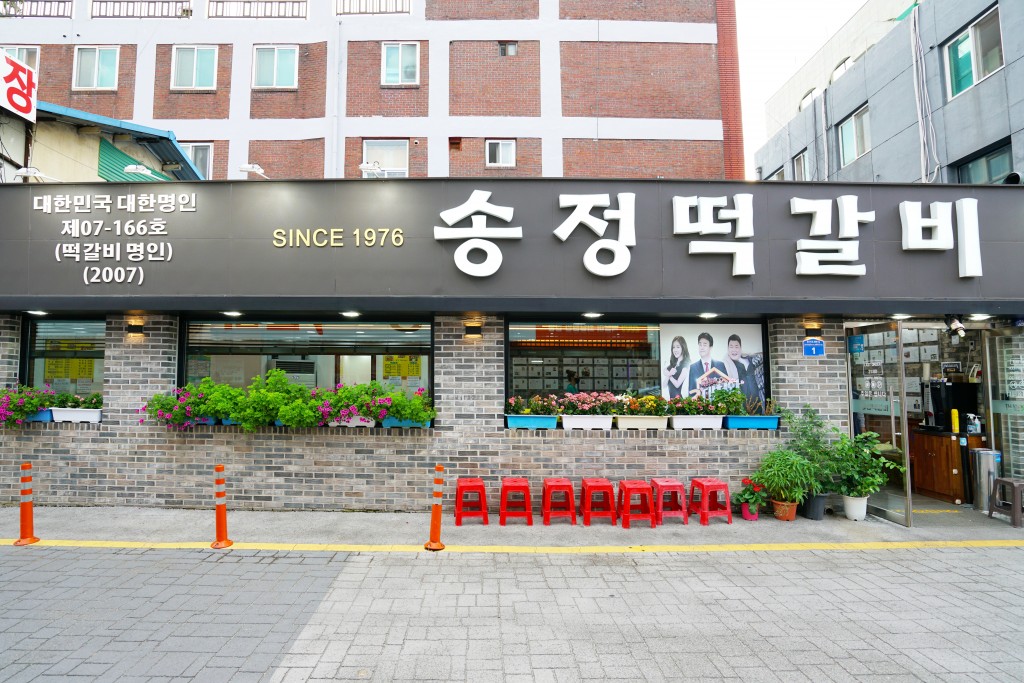
Imgok Sagol UgeojiA restaurant serving ugeoji soup made with beef-bone broth and Korean cuisine.
4
Imgok Sagol UgeojiA restaurant serving ugeoji soup made with beef-bone broth and Korean cuisine. -
 5
5
Events in This Area

Festivals in This Area
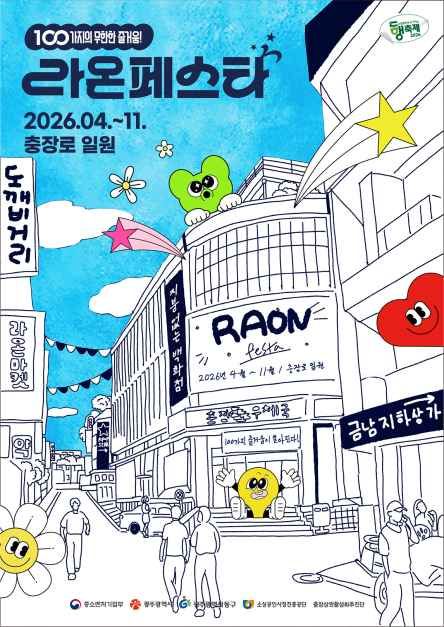
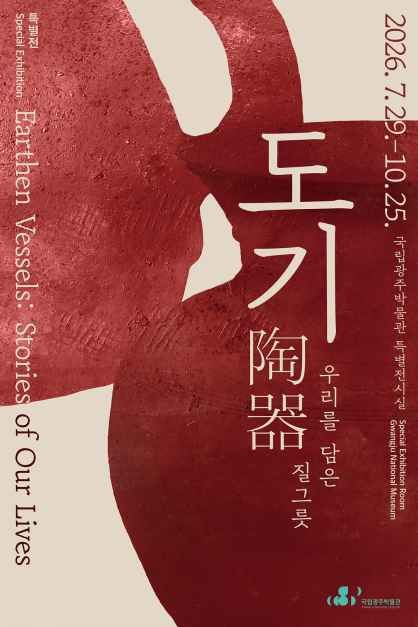
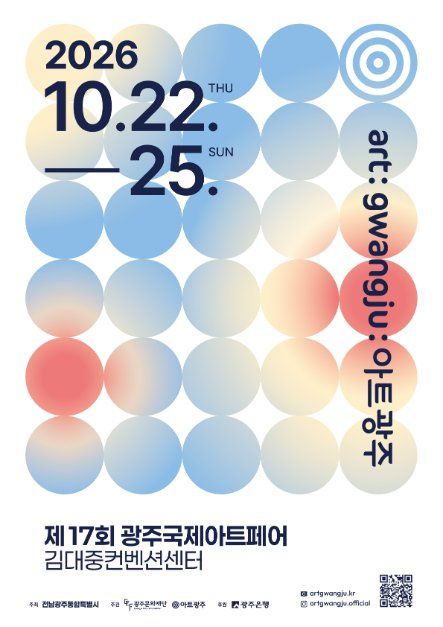
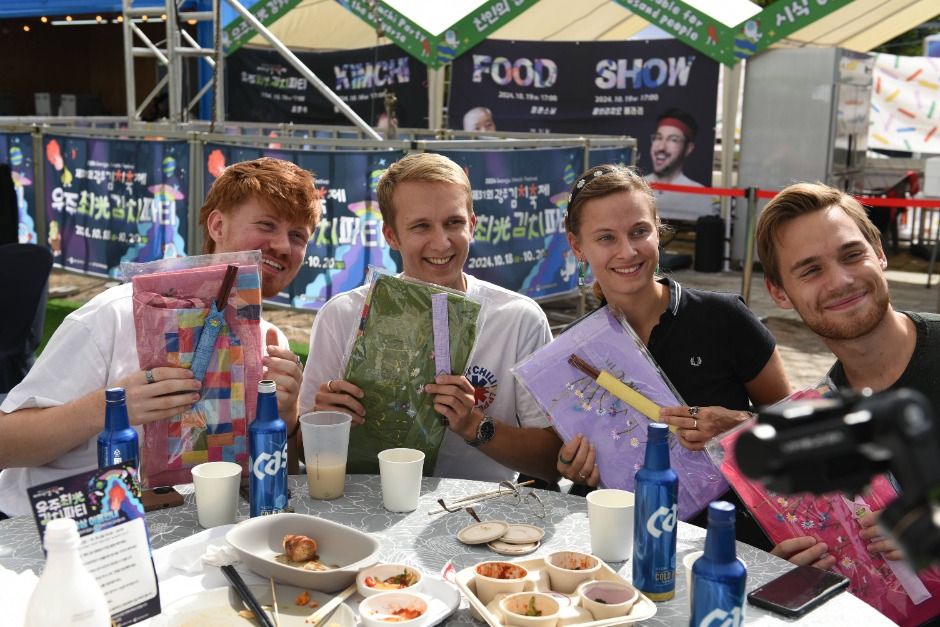
More Travel Guides in This Area
 Travel Guide
A Half-Day Walk Through Gwangju’s Advanced District, from Ssangam Park Lake to the Science Museum
 Travel Guide
A National Science Museum Bringing Light, Dinosaurs, and Space Together Along One Route
 Travel Guide
From the Steps of Seonggeosan Mountain to the Korean War Memorial Tower: The Urban Memories Preserved by Gwangju Park
 Travel Guide
200 m from Exit 2 of Gwangju Songjeong Station: Walk Through a Market from 1913
Korea News
![BLACKPINK’s Lisa Dominates the VMA Red Carpet in a Sheer Corset Dress and Red Fur [Star Issue]](https://kotourlive-images.s3.ap-northeast-1.amazonaws.com/news/1790557894714_010e956a_news_94409db1-fab6-40bf-bc7b-4b985b1fbac7.jpg) News
News
BLACKPINK’s Lisa Dominates the VMA Red Carpet in a Sheer Corset Dress and Red Fur [Star Issue]
![BLACKPINK’s Jisoo Spotted by Surprise with BIGBANG in London… Their Special Loyalty as Labelmates [IS High Cut]](https://kotourlive-images.s3.ap-northeast-1.amazonaws.com/news/1790557854683_6ea979f5_news_caab62e5-8462-43c8-8622-da794f3df9de.png) News
News
BLACKPINK’s Jisoo Spotted by Surprise with BIGBANG in London… Their Special Loyalty as Labelmates [IS High Cut]
 News
News
Tattoos All Over Her Body… AOA’s Jimin Draws Shocked Attention After Kwon Mina’s ‘Bullying’ Allegations
![You’ll Have to Look Twice… Choi Min-a-soo Perfectly Pulls Off Everything from a Daring Illusion Dress at the Awards Ceremony to Long Braided Hair [RE:STAR]](https://kotourlive-images.s3.ap-northeast-1.amazonaws.com/news/1790492384850_1f293dad_news_d834c50e-0685-43ef-9aa5-6995cd6d8848.jpg) News
News