How to Enjoy Night Views and Mountain Trails from Sikjangsan Observatory to Secheon Reservoir
Sikjangsan Observatory is a free, always-open viewpoint where you can see Daejeon’s city lights, sunrises, and sunsets. This guide covers how to reach the observatory by car, the hiking route starting at Secheon Park, and the slopes and accessibility conditions to expect on site.

I’ve been here?
Your check-in helps the next traveler.
22 people viewed this week Be the first
One tap — no writing needed
Why See Daejeon's Night View from 623.3 m Sikjangsan Mountain
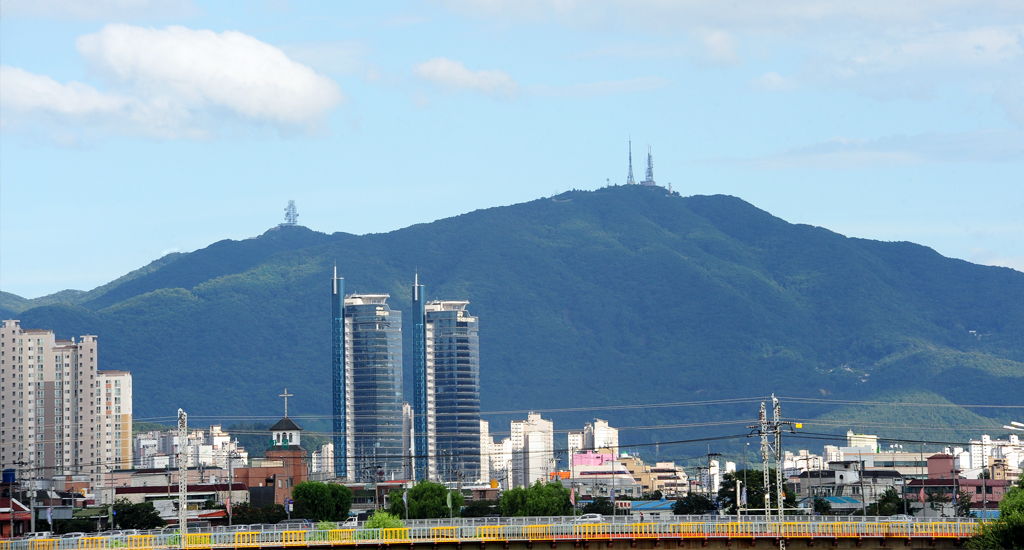
Sikjangsan Mountain stretches across the Samjeong-dong, Panam-dong, and Daeseong-dong areas on the southeastern outskirts of Dong-gu, Daejeon, and Dong-gu, Daejeon, introduces it as the first of its Eight Scenic Views. Depending on the source, its elevation is listed differently as 623.3 m, 596.7 m, or 598 m above sea level, so the information standards for the mountain as a whole and for the observatory may not match.
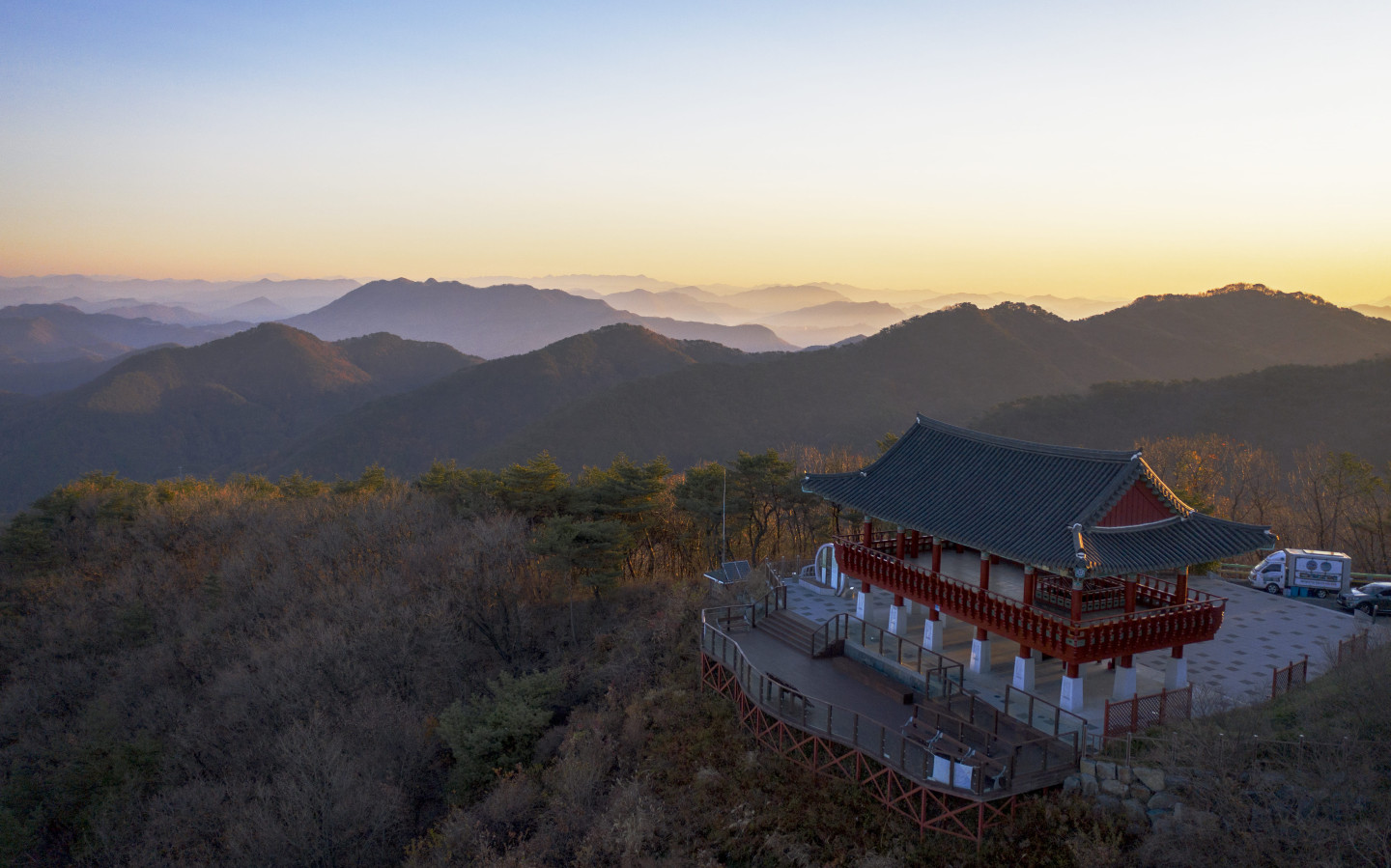
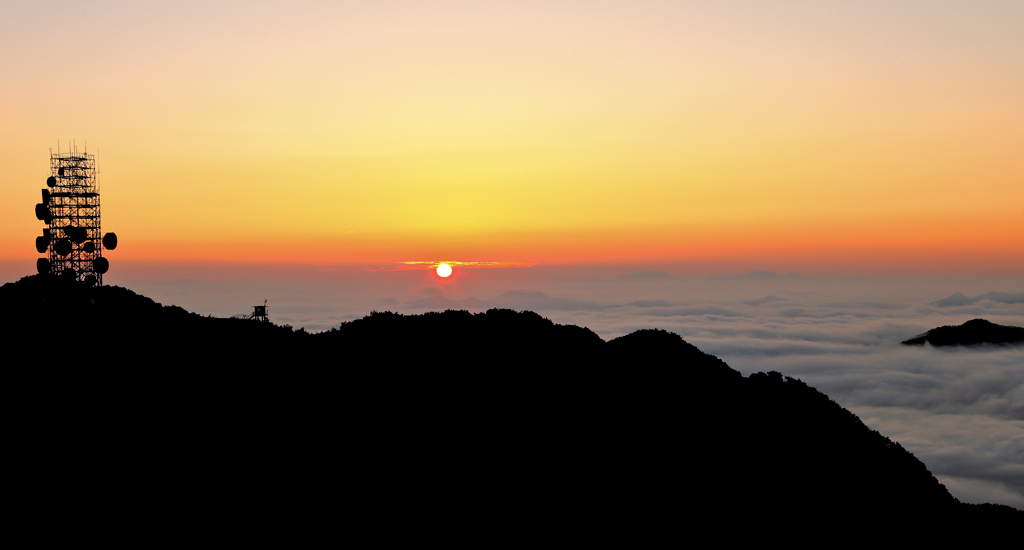
The observatory is a place near the summit where visitors can look down over Daejeon’s urban area and natural scenery together. Official Dong-gu information describes sunrise, sunset, and Daejeon’s night view as the main sights, and Sikjangsan also has Eagle Peak, Solbat Observatory, and Sunrise Observatory. It is best understood as a place to stay outdoors for the views rather than as an indoor visitor facility.
From Beopjangsan Mountain and Baekje Fortresses to the Name Sikjangsan
Sikjangsan’s former name is introduced as Beopjangsan (法藏山). Dong-gu information explains that this area was a border between Baekje and Silla during the Three Kingdoms period and was a Baekje fortress area. It also presents the theory that the name Sikjangsan (食藏山) arose because the mountain was a place where military provisions were stored.
Another legend says it was also called Sikgisan because a mother’s rice bowl was buried in the mountain after her death. Today, the mountain combines natural surroundings, temples, and scenic viewpoints. Gosan-sa, Gwijeol-sa, and Gaesim-sa temples are located at its foot, and Gosan-sa is introduced as Daejeon Metropolitan City Tangible Cultural Heritage No. 10.
Open Year-Round and Free, but with No Ticket Office
According to Daejeon tourism information, the Sikjangsan Observatory is ‘open year-round’ and admission is ‘free.’ Rather than buying a ticket at a ticket office and entering a specific building as at a museum, visitors access an outdoor viewing area to enjoy the scenery. No official closing days have been separately confirmed.
The observatory’s exact indoor access range, entry controls, photography restrictions, queues, and the availability of English information or audio guides have not been confirmed. Accessibility for wheelchairs and strollers has also not been separately verified, so travelers using mobility aids should assess the condition of the mountain trail and observatory entrance on site. The Daejeon tourism information contact number is 042-274-1877; the department managing information on the Dong-gu tourism page is the Parks and Greenery Division, at 042-251-4775.
Starting from Daejeon Station and Returning from the End of the Mountain Trail
The address listed for the Sikjangsan Observatory is Sikjangsan, Daeseong-dong, Dong-gu, Daejeon Metropolitan City. The specific public transportation information provided concerns Section 4 of the Daejeon Dulle Mountain Trail rather than a direct service to the observatory. Deoksan Village in Samgoe-dong, the starting point of this section, is reached by taking bus 501 and getting off at ‘Samgoe-dong Deoksan Village.’
Section 4 runs from the Deoksan Village zelkova tree through Dakjae, Mangdeokbong, the forest road, and Dongori Pass, continuing to the Sikjangsan Sunrise Observatory, Sikjangnu Observatory, Secheon Park, and the Dongshin Science High School bus terminus. The terminus is served by buses 60, 61, 62, 71, 313, 607, and 611. The number of transfers from Daejeon Station or the airport to the observatory, station exit numbers, and the exact walking distance from the final stop to the observatory have not been confirmed. For first-time visitors, considering access by car is therefore more practical.
Even with Free Parking, a Walk to the Observatory Remains
Daejeon tourism information states that the free parking lot at the Sikjangsan Observatory is available. However, the number of parking spaces, vehicle access restrictions, and controls during specific hours have not been confirmed. Since the address is provided as ‘Sikjangsan, Daeseong-dong, Dong-gu, Daejeon Metropolitan City’ rather than a street address, it is advisable to search for ‘Sikjangsan Observatory’ as the destination in your navigation system.
No official recommended duration for visiting only the observatory has been confirmed. Instead, Dong-gu Course 2 is listed as approximately 5 km and 2 hours 10 minutes: 1.2 km and 25 minutes from the Gosan-sa entrance to Gosan-sa, 1.2 km and 10 minutes from Gosan-sa to Sikjang-sa, 0.3 km and 10 minutes from the prayer site junction to the observatory, and 1.5 km and 40 minutes from the observatory to the pass. The distance from Gosan-sa to Sikjang-sa is also listed as approximately 50 m in another guide, so course sections and on-site location markings may differ.
The Actual Difficulty of the 9.2 km Course from Secheon Park
Dong-gu’s official Course 1 starts at the Secheon Park parking lot and covers approximately 9.2 km in 3 hours 58 minutes. The section from the Secheon Park parking lot to the Gwijeol-sa junction is 2.2 km and takes 40 minutes; from the Gwijeol-sa junction to Gwijeol-sa is 2.1 km and takes 45 minutes; and from Gwijeol-sa to Eagle Peak is 0.6 km and takes 15 minutes.
Eagle Peak is listed as 586.5 m high, and the route from Eagle Peak to the observatory is 0.4 km and takes 13 minutes. From the observatory to the confluence point is 1.4 km and takes 30 minutes, while from the confluence point to the Secheon Park parking lot is 2.5 km and takes 35 minutes. This trail includes stepping stones across a valley and sections where hikers climb while holding a rope, as well as rocky viewpoints. Although the mountain trail is maintained, the elevation changes are substantial, and the official difficulty is advanced.
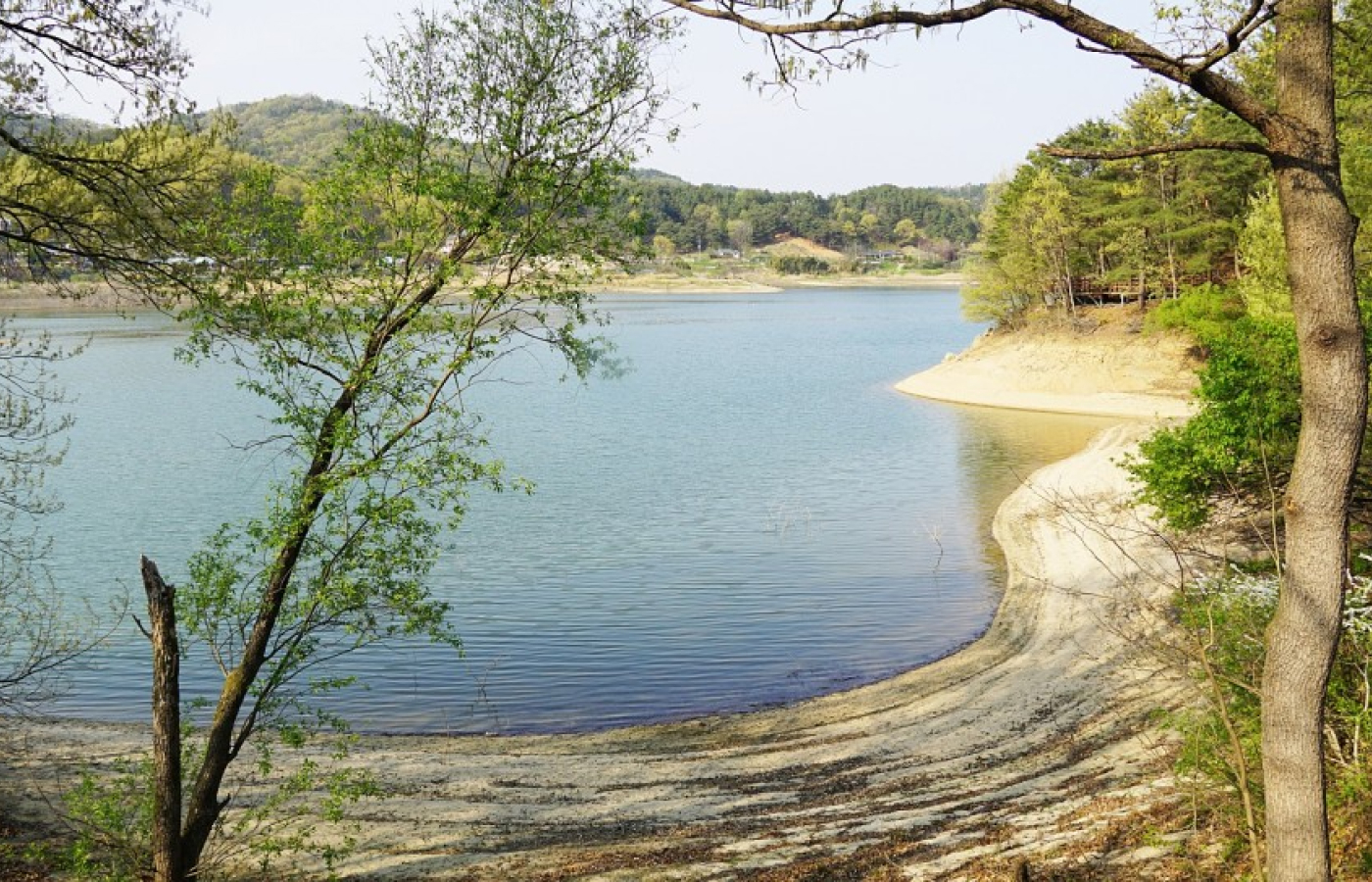
Combining Secheon Reservoir and April Cherry Blossoms with the Observatory
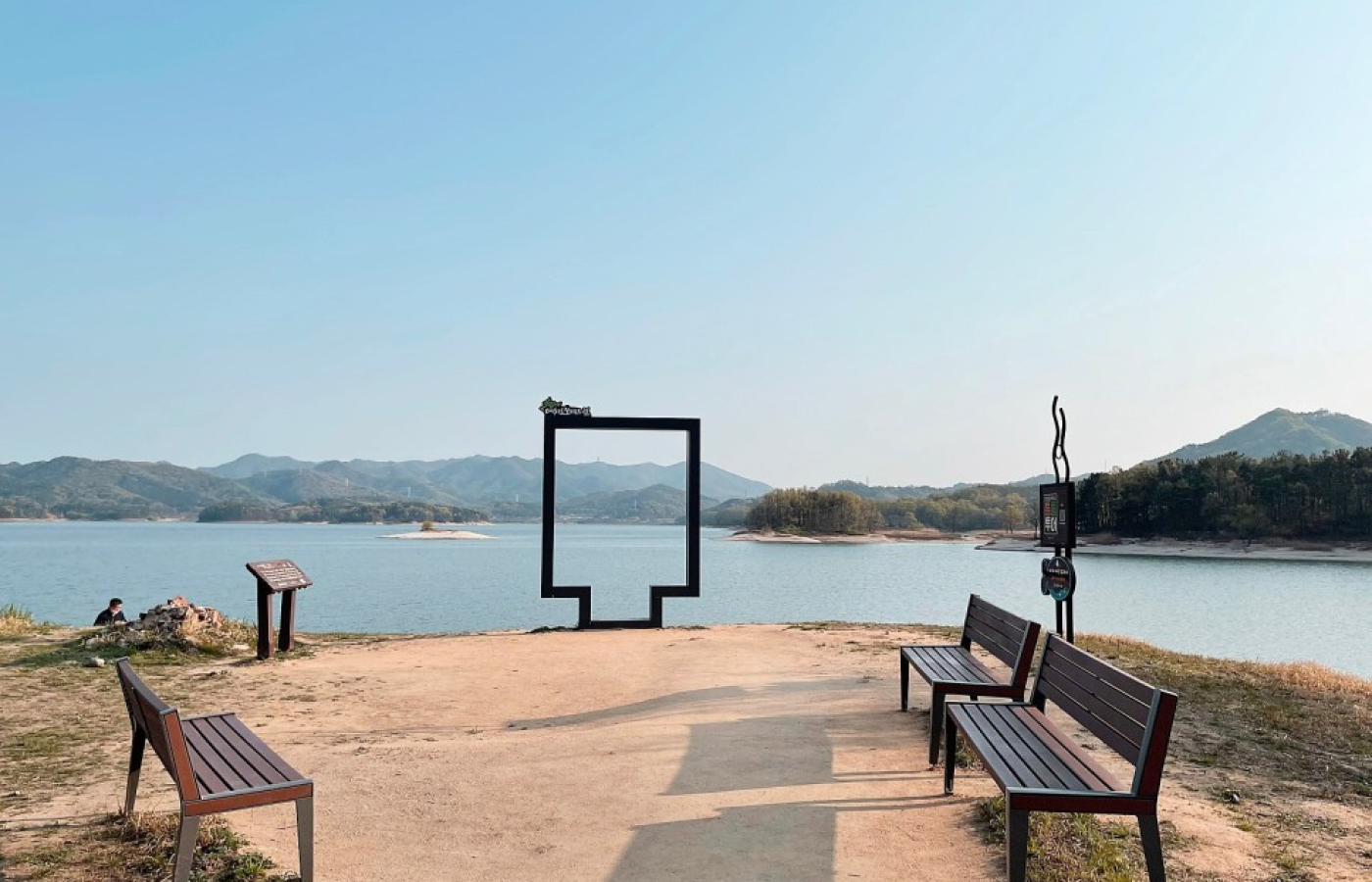
Secheon Park contains Secheon Reservoir, formed by water flowing down from Sikjangsan. Before Daecheong Dam was built, it was one of Daejeon’s main water sources. Daejeon Metropolitan City states that it designated Secheon Park as an ecological conservation forest and has promoted the preservation and restoration of its natural environment.
Secheon Park is introduced as being home to approximately 6,000 plant species, including around 800 native species, while Sikjangsan as a whole has records of 224 plant species and 45 varieties, 45 mammal species, and more than 100 bird species. Information current as of 2026 identifies scenery featuring cherry blossoms and azaleas in April as a representative sight. If you walk from Secheon Park to the observatory, you must allow for Course 1’s 9.2 km and 3 hours 58 minutes, so the full hike may be excessive for those who only want to see the flowers.
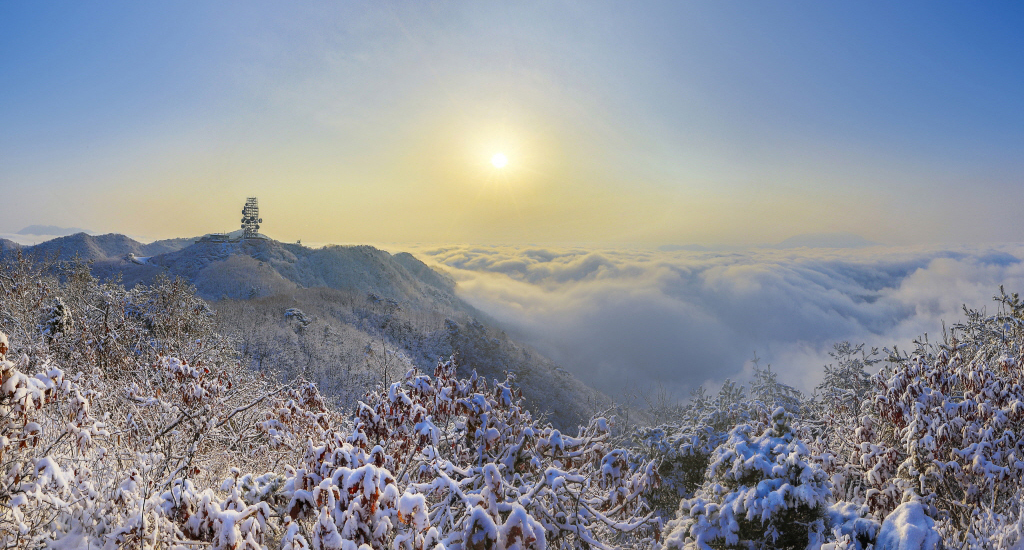
Information to Check Before Visiting at Sunrise or Sunset
The Sikjangsan Observatory is open year-round and free, but nighttime lighting operations and seasonal or weather-related usage restrictions have not been confirmed. If you are aiming for sunrise or a night view, prepare lighting for the mountain trail and shoes suitable for slippery conditions. Photography rules and the availability of English signs at the observatory should also be checked separately on site.
Although free parking is listed for visitors arriving by car, information about the number of spaces and access controls is unavailable. If you choose a long hike, Course 1 is also connected to Section 4 of the Daejeon Dulle Mountain Trail, which is listed as advanced, 13.6 km, and 7 hours 30 minutes, while Course 1 starting from Secheon Park is separately listed as approximately 9.2 km and 3 hours 58 minutes. Therefore, for safety, do not assume that ‘briefly viewing the night scenery from the observatory’ and ‘hiking from Secheon Park’ are the same type of visit.
Before You Go
- Address
- Sikjangsan, Daeseong-dong, Dong-gu, Daejeon Metropolitan City
- Hours
- Open year-round
- Closed
- No separate information on closing days available
- Admission
- Free
- Phone
- 042-274-1877
- Official site
- https://donggu.go.kr/dg/tour/129/22/sights
- Transport
- The starting point of Section 4 of the Daejeon Dulle Mountain Trail is reached by taking bus 501 and getting off at Samgoe-dong Deoksan Village; buses 60, 61, 62, 71, 313, 607, and 611 operate at the destination, the Dongshin High School terminus.
- Parking
- Free parking is available at the Sikjangsan Observatory
- Time needed
- No official duration confirmed for visiting only the observatory; based on hiking courses, Course 1 is approximately 9.2 km and 3 hours 58 minutes, and Course 2 is approximately 5 km and 2 hours 10 minutes
- Accessibility
- Vehicle access information has been confirmed, but wheelchair and stroller accessibility at the observatory has not been separately verified
The information above is current as of the time of writing. Check the official information again before visiting.

Places
Nearby Attractions 3
-
 1
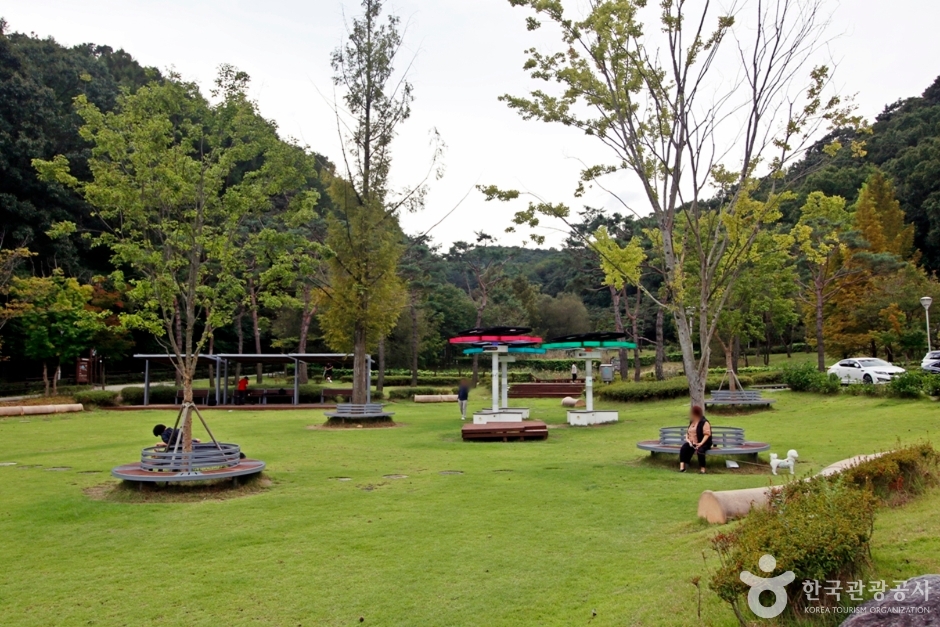
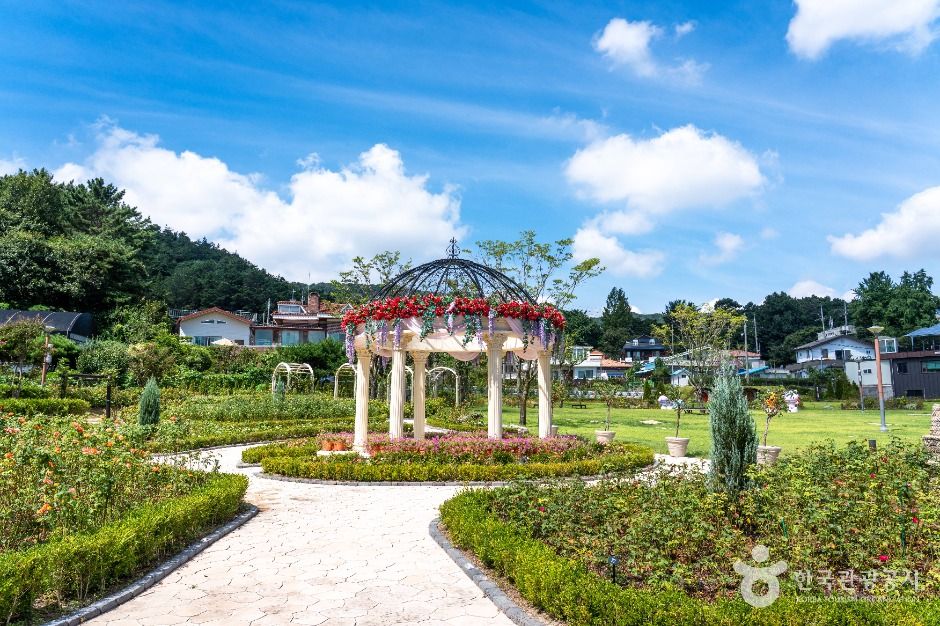
Secheon ParkAn ecological park where you can stroll around Secheon Reservoir and along forest trails.
1
Secheon ParkAn ecological park where you can stroll around Secheon Reservoir and along forest trails. -
 2
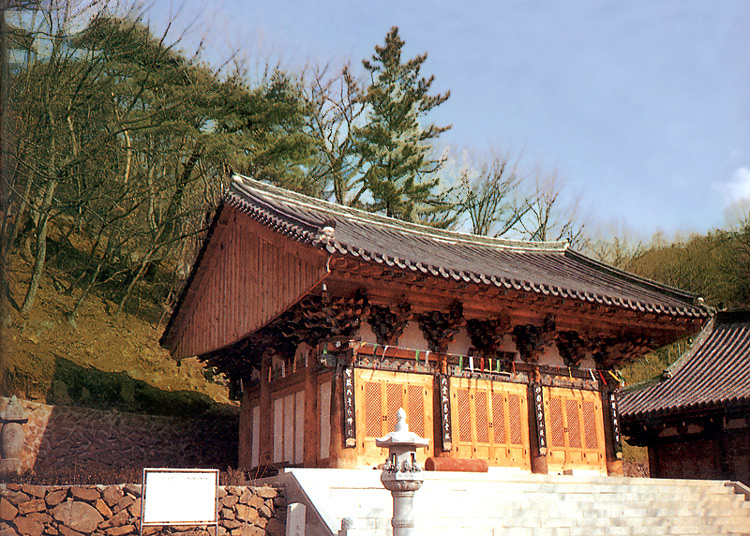
Gosansa TempleExplore the tranquil traditional temple nestled on the slopes of Sikjangsan Mountain.
2
Gosansa TempleExplore the tranquil traditional temple nestled on the slopes of Sikjangsan Mountain. -
 3
Daecheong Lake Waterfront Nature ParkEnjoy a stroll along the waterfront while taking in the scenery of Daecheong Lake.
3
Daecheong Lake Waterfront Nature ParkEnjoy a stroll along the waterfront while taking in the scenery of Daecheong Lake.
Food & Dining 2
-
 4
4
-
 5
5
Events in This Area

Festivals in This Area

More Travel Guides in This Area
 Travel Guide
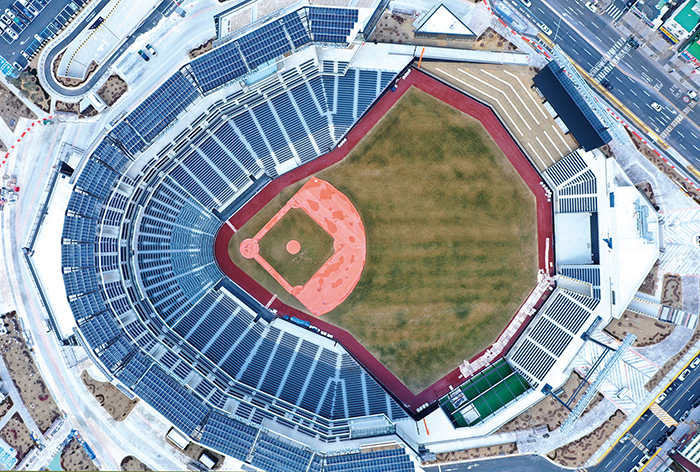
Daejeon Hanwha Life Ballpark, a 27,000-seat venue that followed the 1964 Hanbat Baseball Stadium
 Travel Guide
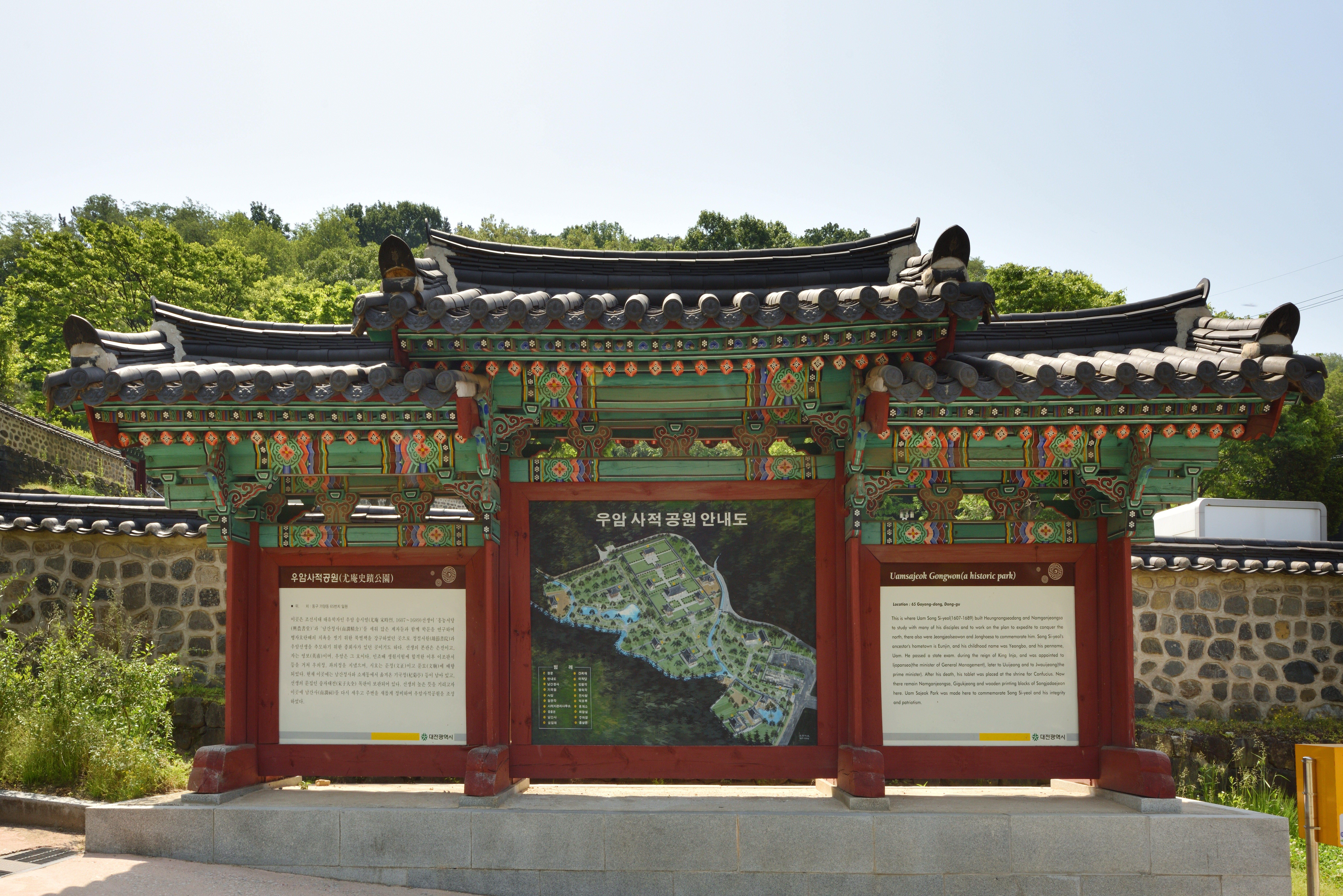
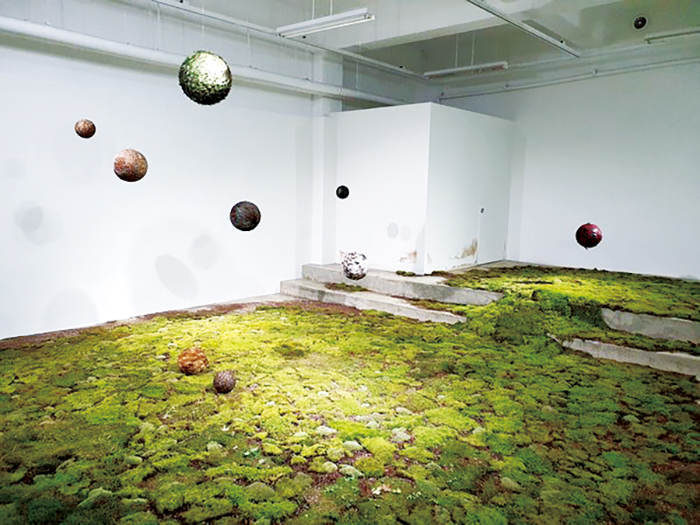
Daejeon of Wooam Song Si-yeol, Read Along the Waterway of Namganjeongsa
 Travel Guide
From a 1964 Citizen Fundraiser to a 2025 Accessible Route for People with Disabilities, Hanbat Sports Complex
 Travel Guide
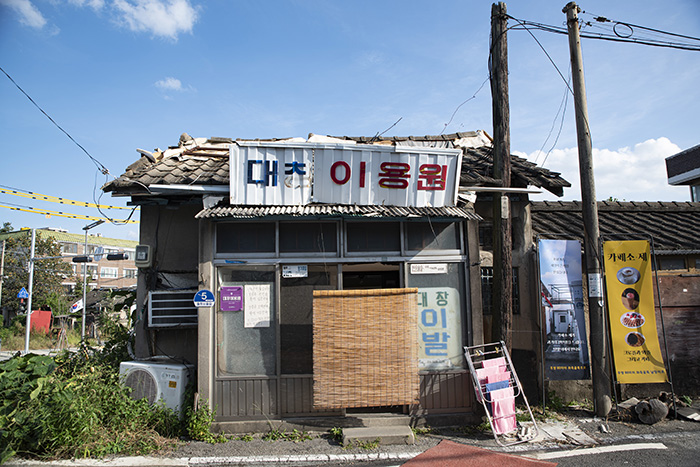
Reading the Alleys of Soje-dong Cafe Street, the 100-Year Railway Village Behind Daejeon Station
Korea News
 News
News
‘NewJeans Expulsion’ Danielle Releases Her First YouTube Video… “We Don’t Know What Will Happen Next”
![aespa’s North American Tour Has Remaining Seats Despite ‘$49’ Bargain Prices… A Stark Popularity Gap with KATSEYE [TEN Starfield]](https://kotourlive-images.s3.ap-northeast-1.amazonaws.com/news/1788485037424_a59b1932_naver_rank_thumb_0000774618_1788485037424.jpg) News
News
aespa’s North American Tour Has Remaining Seats Despite ‘$49’ Bargain Prices… A Stark Popularity Gap with KATSEYE [TEN Starfield]
![[Photo] TWICE’s Dahyun attends a film festival red carpet as an actress](https://kotourlive-images.s3.ap-northeast-1.amazonaws.com/news/1788485316508_edd43ecd_news_870a60a6-6f11-4d73-aa7c-48d91318a0f7.jpg) News
News
[Photo] TWICE’s Dahyun attends a film festival red carpet as an actress
![[On-Site Video] “We’re Departing Separately Together”… BIGBANG Begins ‘COSMOS’ World Tour](https://kotourlive-images.s3.ap-northeast-1.amazonaws.com/news/1788485226518_c5719641_news_fdd4764a-0f4e-4968-8e4e-e98a02872f88.jpg) News
News