A 900-Meter Street Built on the Site of a 1907 Fortress Wall: How to Read Daegu’s Dongseong-ro
Dongseong-ro began as a road created by demolishing the eastern wall of Daegu Fortress in 1907 and grew into an urban commercial district stretching about 900 m between Daegu Station Intersection and the Dongseong-ro Tourist Information Center. Using Jungangno Station and Banwoldang Station as reference points, it is easy to organize your route, even on a first visit, by dividing your walk into shopping streets, Gyodong’s alleys, and performance and festival areas.
I’ve been here?
Your check-in helps the next traveler.
30 people viewed this week Be the first
One tap — no writing needed
How Daegu-eupseong’s Eastern Wall Became a 900 m Commercial District in 1907
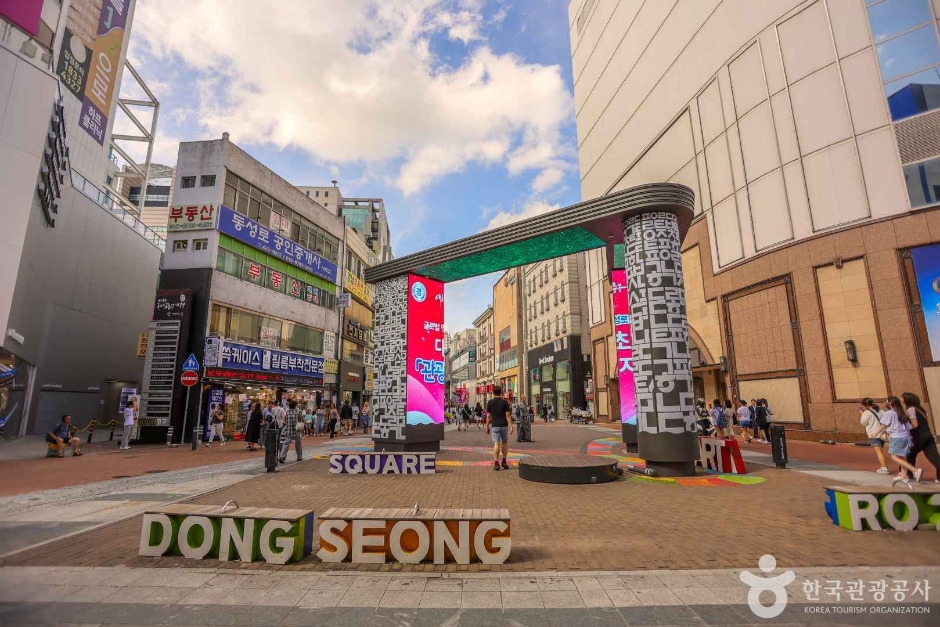
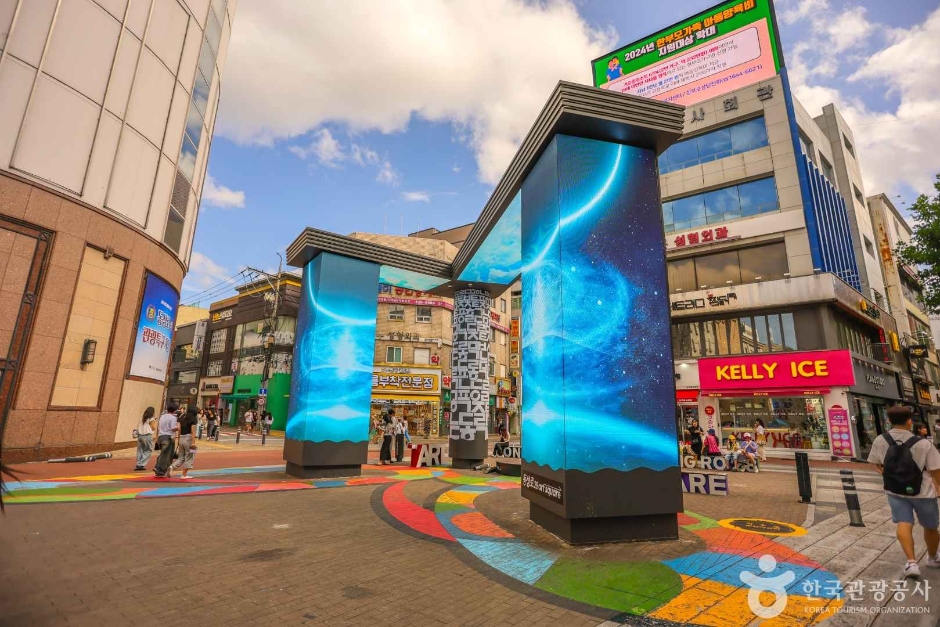
Dongseong-ro (Eastern Fortress Road) takes its name from the site of Daegu-eupseong’s eastern wall. Daegu Tourism Information explains that this section, originally part of the fortress grounds, became a road after the wall was demolished in 1907 and has now developed into a central commercial district stretching approximately 900 m between Daegu Station Intersection and the Dongseong-ro Tourist Information Center.
At the heart of the street are the Dongseong-ro outdoor stage and a pedestrian-only section. The long-stone band paving on the ground recreates the image of the old fortress walls. In 2009, the 1.05 km stretch from Banwoldang Intersection to Daegu Station Intersection was developed as Korea’s first public-transport-only district, creating an urban axis suited to subway, bus, and walking rather than private cars.
Three Entry Points for Finding Your Way Between Jungangno Station and Banwoldang Station
Daegu Subway Line 1’s Jungangno Station is convenient for entering Dongseong-ro from the north, while Banwoldang Station, where Lines 1 and 2 meet, is convenient for entering from the south. The Korea Tourism Organization explains that Dongseong-ro is connected to both stations, making it easy to visit by public transportation; the Dongdaegu Station area also provides access to the Dongseong-ro district in the southern direction.
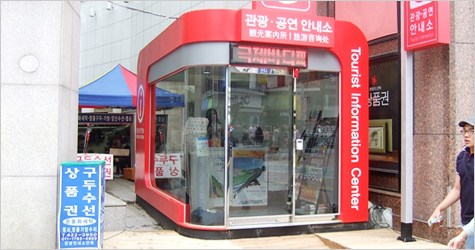
If it is your first visit, start at Jungangno Station by locating 435 Jungang-daero, where the Dongseong-ro Tourist Information Center is located, and walk south after receiving guidebooks and interpretation services. According to official tourism information, the center’s telephone number is 053-252-2696, and it provides information on tourism, shopping, transportation, and accommodations, as well as foreign-language interpretation.
- North reference point: Daegu Station Intersection
- Central reference point: The Dongseong-ro outdoor stage and the Dongseong-ro 28 Art Square area
- South reference point: Banwoldang Station and the Dalgubeol-daero direction
How to Combine Gyodong Jewelry Street, Tteokbokki Alley, and Bag Alley in One Visit
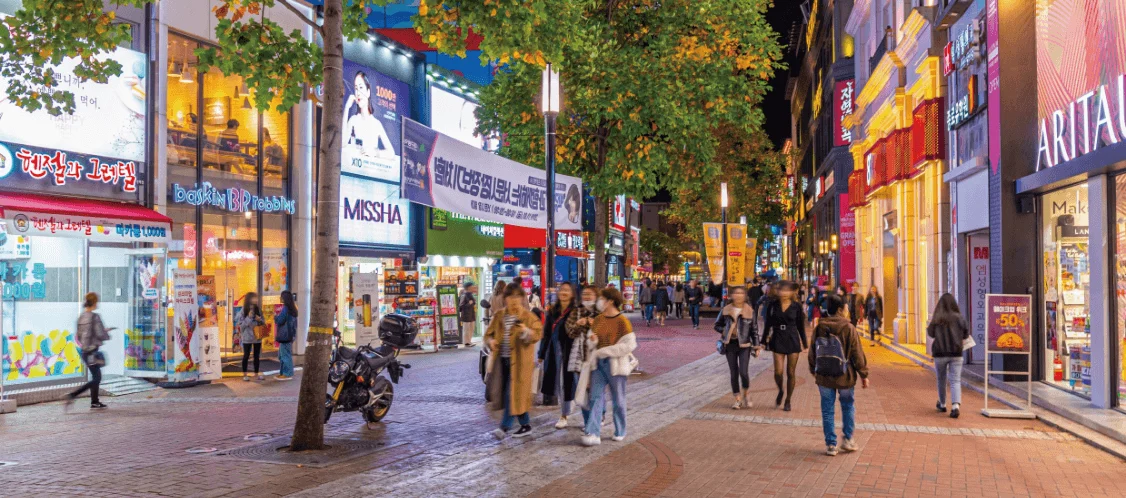
Dongseong-ro does not refer to just one straight shopping street. Official information states that Gyodong Jewelry Street, Tteokbokki Alley, Bag Alley, Yasi Alley, and Vintage Alley are connected around the pedestrian-only street. Rather than walking without a plan, it is more efficient to set priorities among clothing, cosmetics, jewelry, dining, and performances, then add one alley at a time.
If shopping is your goal, visit the main street with its large stores and chain shops first. If you are looking for accessories, vintage items, or jewelry, head toward the alleys in the Gyodong area. The Korea Tourism Organization’s shopping guide introduces several specialized areas in Dongseong-ro, including Jewelry Street, Bag Alley, and the Vintage Shopping Street.
Why You Should Distinguish Between a 24-Hour Street and Store-Specific Hours
Dongseong-ro Street itself is presented as an admission-free space open 24 hours a day, year-round. However, stores, restaurants, cinemas, and performance venues each have their own business hours and closing days, so you should not plan dining or shopping times based only on the information that Dongseong-ro is open.
Daegu Tourism Information specifies the hours of use as “vary by store.” Therefore, if you plan to visit a particular shop, check separately whether it is open on the day of departure. Late in the evening, it is better to focus your plan on strolling along the street, the outdoor stage, signs, and alley routes. Admission to the street is free, and no separate reservation is required.
Use the Dongseong-ro Tourist Information Center at 053-252-2696 and the Luggage Storage Facilities First
The Dongseong-ro Tourist Information Center is located at 435 Jungang-daero, Jung-gu, Daegu Metropolitan City, and its telephone number is 053-252-2696. The center provides information on tourism, shopping, transportation, and accommodations, as well as foreign-language interpretation and guidance about guidebooks and souvenirs, making it especially useful for visitors who are not comfortable with Korean.
Official information states that luggage storage facilities, including one at the Dongseong-ro Tourist Information Center, are available. However, storage hours, fees, and capacity may change, so if you plan to leave your luggage, it is best to confirm by phone before arriving. For the street itself, allow 2–3 hours; if you include the Gyodong alleys, a meal, cafés, and a performance, setting aside half a day is appropriate.
When to Choose the Public-Transport-Only District on Jungang-daero Instead of a Private Car
Dongseong-ro is presented as an area where visitors use nearby paid parking lots. Some Korea Tourism Organization information indicates that public parking lots are available, but parking locations, fees, and congestion vary by facility. If you drive, it is better to choose one parking lot near your destination store first and then walk through the pedestrian sections.
By contrast, the public-transport-only district on Jungang-daero covers the 1.05 km section from Banwoldang Intersection to Daegu Station Intersection. Since it connects with the pedestrian-centered street, getting off at Jungangno Station or Banwoldang Station and walking is a good way to reduce the time spent searching for parking. Wheelchair and stroller users should prioritize routes along the main road and station elevators, and check the sidewalk widths and level changes in the alleys on site.
- Parking: Use nearby paid parking lots
- Recommended transportation: Daegu Subway Line 1 Jungangno Station, or Lines 1 and 2 Banwoldang Station
- Distance: Approximately 900 m from Daegu Station Intersection to the Tourist Information Center
The Difference Between the 37th Dongseong-ro Festival on May 8–10, 2026, and Weekday Walking
The official Dongseong-ro Festival website states that the 37th Dongseong-ro Festival was held from Friday, May 8, through Sunday, May 10, 2026, in the section from the former First Bank Intersection to the Dongseong-ro Tourist Information Center. The address reference point for the festival is 28 Dongseong-ro, Jung-gu, Daegu Metropolitan City. It was hosted by the Dalseong Cultural Promotion Association and organized by the Dongseong-ro Merchants’ Association.
On days when festivals, busking, and other events take place, walking may be slower around the stage. If shopping or a dining reservation is your goal, it is better to separate the event route and schedule. Conversely, if you want to experience street performances and the atmosphere of a crowd, choose a weekend with scheduled events, but check the day’s program and controlled sections through the festival’s official channels or by calling the information center at 053-252-2696.
Daegu’s Historic Downtown: Connecting Yangnyeongsi, the Modern Heritage Alleys, and Seomun Market in Half a Day
Daegu Tourism Information suggests an urban course connecting Dongseong-ro, Yangnyeongsi, the Modern Heritage Alleys, and Seomun Market by walking or public transportation, allowing visitors to explore them in half a day. When starting from Dongseong-ro, viewing the commercial district as it is today before continuing to Yangnyeongsi and the Modern Heritage Alleys lets you compare Daegu’s commercial, medical, and modern urban history along one route.
Dongseong-ro connects to Daegu Station in the north and Banwoldang Station in the south. The commercial areas around Jungang-daero and Jongno continue to the west, while those around Gongpyeong-ro extend to the east. Visitors who want to see only Dongseong-ro quickly should allow 2 hours for the route centered on Jungangno Station, the Tourist Information Center, and the Gyodong alleys. Those who want to include the historic downtown should allow 4–5 hours, including time for a meal.
Before You Go
- Address
- 27 Dongseong-ro 2-gil, Jung-gu, Daegu Metropolitan City
- Hours
- Street open 24 hours; store hours vary
- Closed
- Street open year-round; closing days vary by store
- Admission
- Free
- Phone
- 053-252-2696
- Official site
- https://tour.daegu.go.kr/index.do?menu_id=00002942&menu_link=%2Ffront%2Ftour%2FtourMapsView.do%3FtourId%3DKOATTR_221
- Transport
- Use Daegu Subway Line 1 Jungangno Station or Lines 1 and 2 Banwoldang Station. Approximately 900 m between Daegu Station Intersection and the Dongseong-ro Tourist Information Center.
- Parking
- Use nearby paid parking lots
- Time needed
- 2–3 hours for the street alone; 4–5 hours when combining Gyodong, Yangnyeongsi, and the Modern Heritage Alleys
- Accessibility
- The Dongseong-ro Tourist Information Center provides foreign-language interpretation services. Wheelchair and stroller users are advised to prioritize routes along the main road and station elevators.
The information above is current as of the time of writing. Check the official information again before visiting.

Places
Nearby Attractions 5
-
 1
1
-
 2
2
-
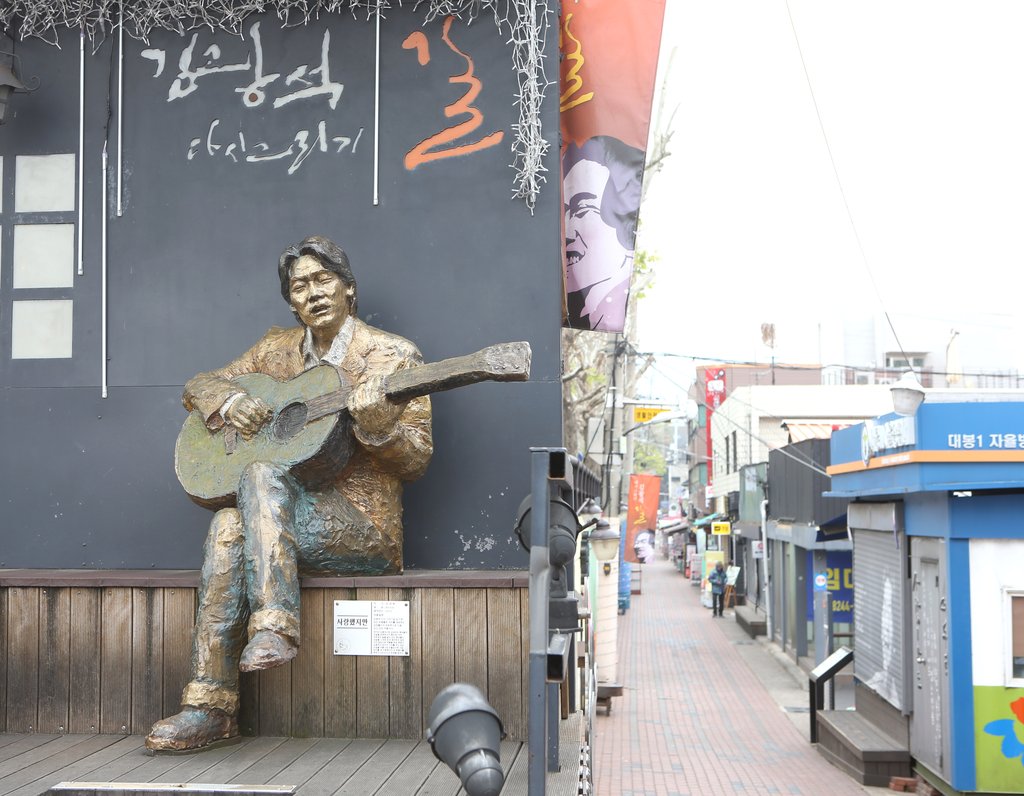 3
3
-
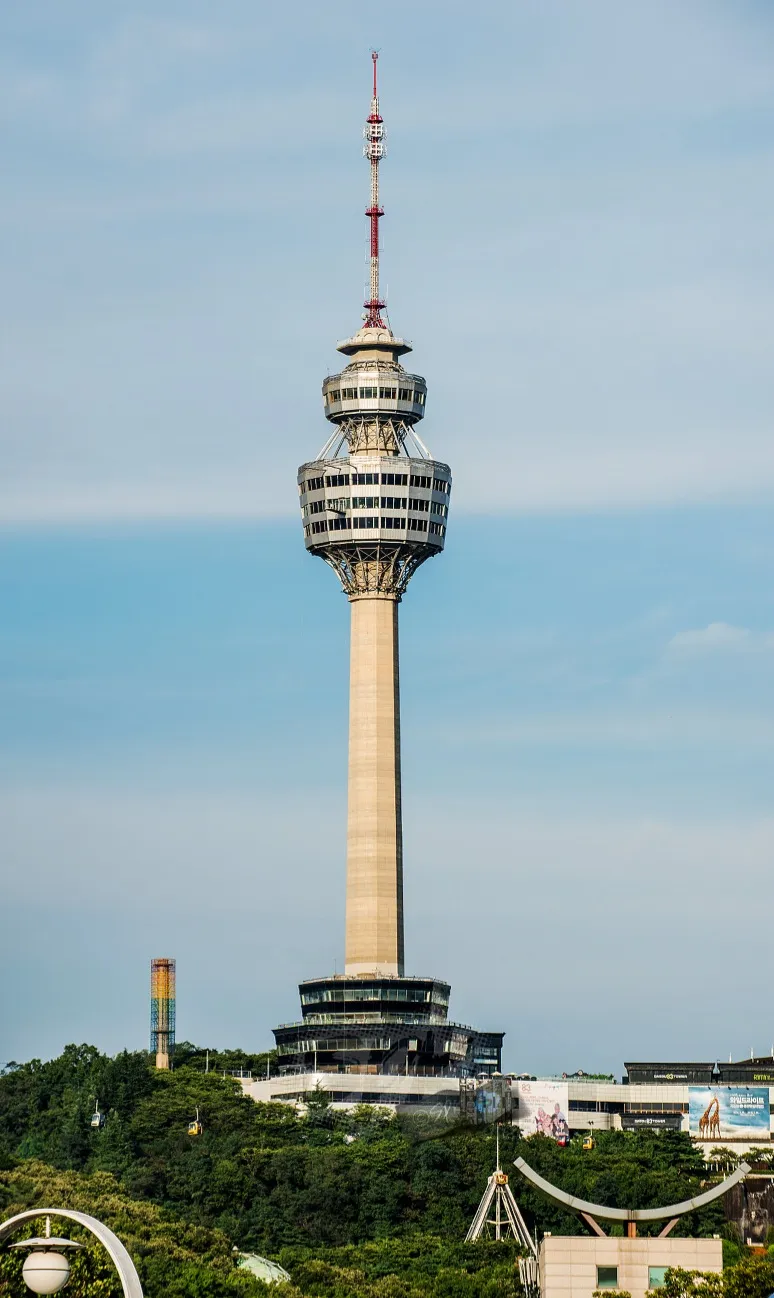 4
4
-
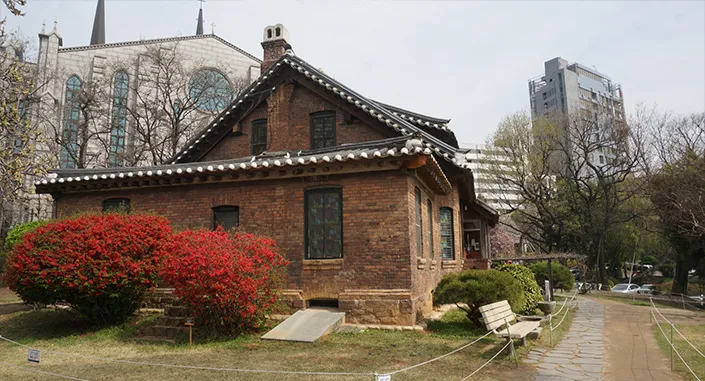 5
5
Food & Dining 5
-
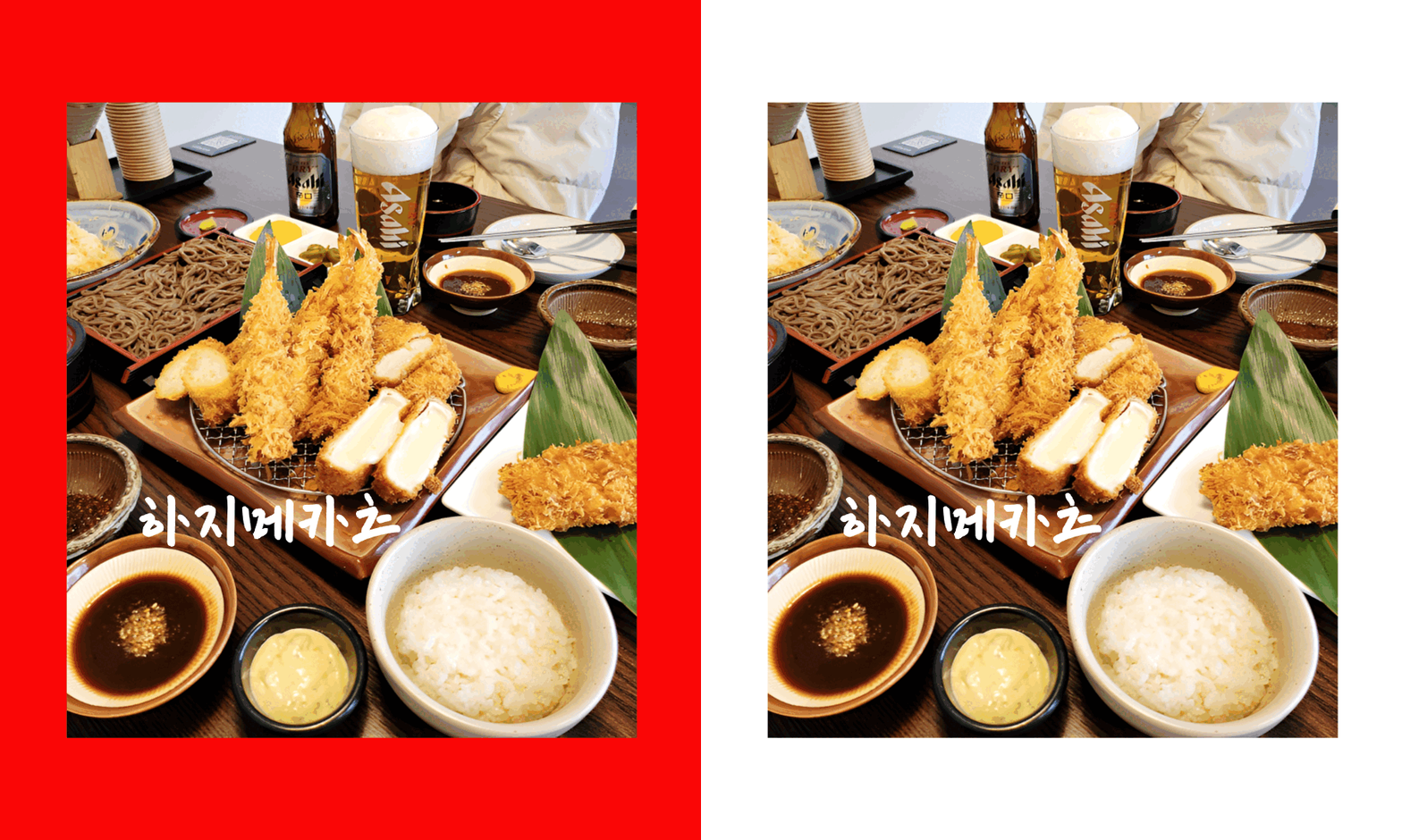 6
6
-
 7
Doma 29
7
Doma 29 -
 8
8
-
 9
9
-
 10
Silla Restaurant
10
Silla Restaurant
More Travel Guides in This Area
 Travel Guide
Daegu Gyodong Market: From Flat Dumplings to the Goblin Night Market Alley
 Travel Guide
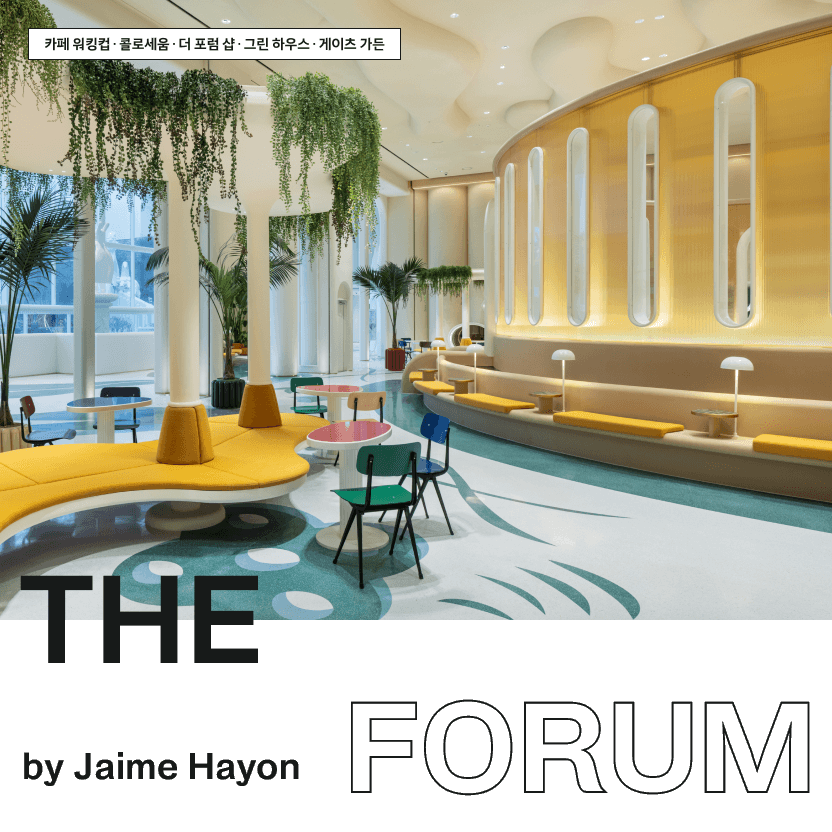
The Hyundai Daegu 9th-Floor The Forum and Route from Banwoldang Station Exit 18
 Travel Guide
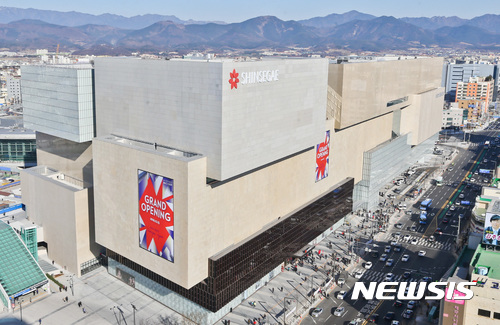
Shinsegae Daegu: Where Dongdaegu Station’s Underground Passage Meets a 9th-Floor Aquarium
 Travel Guide
The Memory of Trains Left in the Alley After the Rail Line Closure in 2008, Daegu Onggijonggi Happy Village
Korea News
 News
News
‘NewJeans Expulsion’ Danielle Releases Her First YouTube Video… “We Don’t Know What Will Happen Next”
![aespa’s North American Tour Has Remaining Seats Despite ‘$49’ Bargain Prices… A Stark Popularity Gap with KATSEYE [TEN Starfield]](https://kotourlive-images.s3.ap-northeast-1.amazonaws.com/news/1788485037424_a59b1932_naver_rank_thumb_0000774618_1788485037424.jpg) News
News
aespa’s North American Tour Has Remaining Seats Despite ‘$49’ Bargain Prices… A Stark Popularity Gap with KATSEYE [TEN Starfield]
![[Photo] TWICE’s Dahyun attends a film festival red carpet as an actress](https://kotourlive-images.s3.ap-northeast-1.amazonaws.com/news/1788485316508_edd43ecd_news_870a60a6-6f11-4d73-aa7c-48d91318a0f7.jpg) News
News
[Photo] TWICE’s Dahyun attends a film festival red carpet as an actress
![[On-Site Video] “We’re Departing Separately Together”… BIGBANG Begins ‘COSMOS’ World Tour](https://kotourlive-images.s3.ap-northeast-1.amazonaws.com/news/1788485226518_c5719641_news_fdd4764a-0f4e-4968-8e4e-e98a02872f88.jpg) News
News