Dalseong Dodong Seowon, Rebuilt in 1605 Between the Nakdong River and Daenisan Mountain
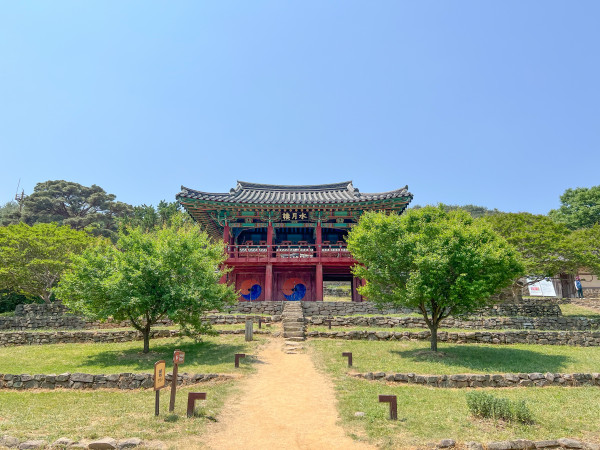
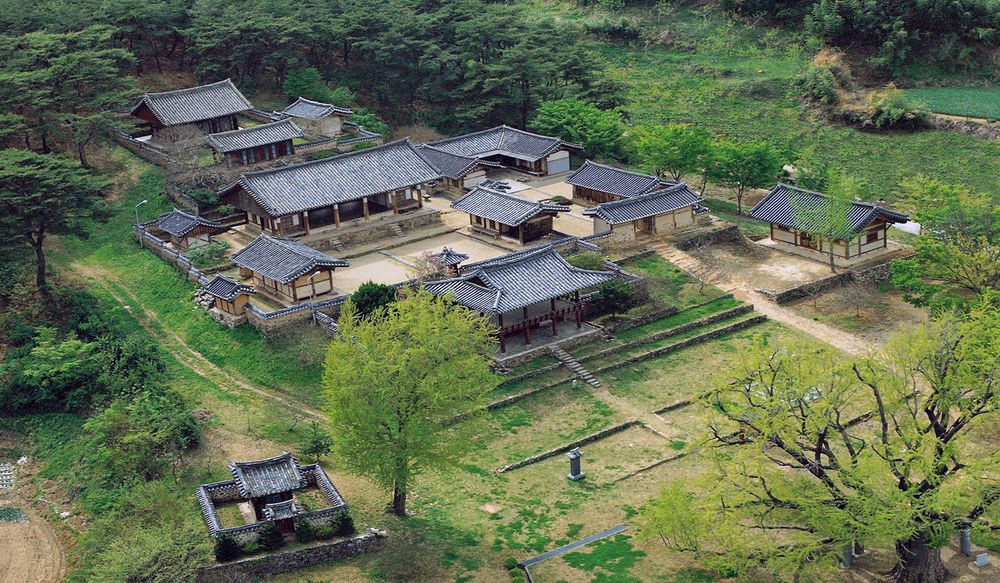
Dalseong Dodong Seowon is a Confucian academy of Joseon Neo-Confucianism built to honor Kim Gweong-pil. Rebuilt at the foot of Daenisan Mountain in 1605, it received the royal designation “Dodong” in 1607. Suwollu Pavilion, Hwanjumun Gate, Jungjeongdang Hall, and the shrine stand in a line along the slope, while the Treasure wall and a ginkgo tree approximately 400 years old guide the visitor route.
I’ve been here?
Your check-in helps the next traveler.
19 people viewed this week Be the first
One tap — no writing needed
From Ssanggyeseowon in 1568 to Dodongseowon on Daenisan Mountain in 1605
Dodongseowon was a Confucian academy established to honor the learning and virtue of Kim Gwengpil (1454–1504), a Neo-Confucian scholar of the early Joseon period. Local Confucian scholars built Ssanggyeseowon in 1568, the first year of King Seonjo’s reign, at the northeastern foothills of Biseulsan Mountain in Hyeonpung, and it received a royal plaque in 1573. However, the academy was destroyed during the Japanese invasions of Korea, and none of the original buildings remain.
Led by Hangang Jeong Gu, Kim Gwengpil’s great-great-grandson through his maternal line, local scholars rebuilt the shrine at the foot of present-day Daenisan Mountain in 1605. In 1607, it received a royal plaque bearing the name “Dodongseowon.” Dodongseowon was one of 47 academies that survived the Heungseon Daewongun’s decree ordering the abolition of private academies, and the entire academy site was designated Historic Site No. 488 on October 5, 2007.
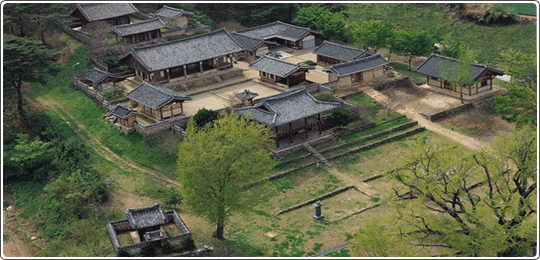
A sloping “lecture-front, shrine-back” route from Suwollu to the shrine
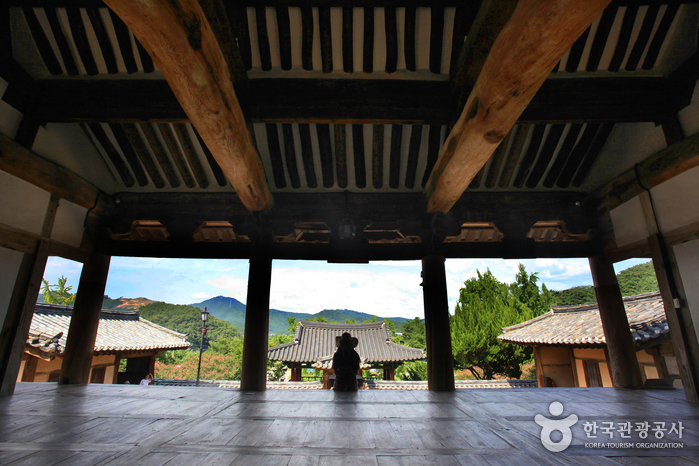
Dodongseowon follows a lecture-front, shrine-back layout, with the lecture area on the lower front side and the shrine on the higher rear side. After passing through Suwollu at the entrance, then the outer and Hwanjumun gates, visitors reach Jungjeongdang, the lecture hall. Beyond the inner gate at the top of the stone stairs stands the shrine. The key feature of the academy is that Suwollu, Hwanjumun, Jungjeongdang, and the shrine are aligned along one axis up the slope.
Geoinjae and Geouijae, the residences of the Confucian students, are arranged to the left and right in front of Jungjeongdang. Jeonsacheong, the academy’s administrative space, stands to the right of Jungjeongdang, while Jangpanggak, which stored printing blocks and artifacts, is at the rear left. On a first visit, check the central axis from Suwollu, then proceed upward in the order of Hwanjumun, the Jungjeongdang platform, and the shrine to see the spatial hierarchy most clearly.
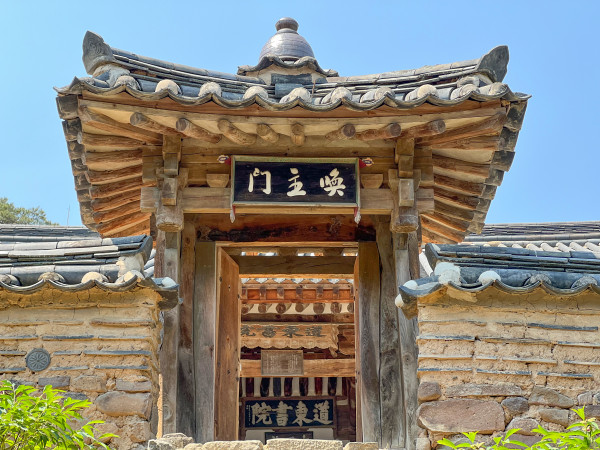
Three details to see in Treasure No. 350: Jungjeongdang, the shrine, and the walls
Jungjeongdang, the shrine, and the walls attached to the two buildings are designated Treasure No. 350. In particular, the bonded wall built by layering earth and roof tiles is known as the first earthen wall in the country to be designated a treasure. The repeating pattern of the concave roof-tile-end decorations and roof tiles gives the wall its distinctive appearance.
On the Jungjeongdang platform, visitors can examine four dragon-head sculptures holding cintamani jewels and fish in their mouths. The building as a whole reflects mid-Joseon Confucian academy architecture, which restrained ornamentation, but small sculptural details remain around the platform, walls, and gates. Because the stairs and thresholds are narrow and uneven, it is best to watch your footing first while moving and observing the patterns on the ground.
When to see the approximately 400-year-old ginkgo and crape myrtle trees in front of Suwollu
Upon entering the academy from the parking lot, visitors first see a large ginkgo tree. It is said that Jeong Gu planted this tree to commemorate the rebuilding of the academy, and it is introduced as an old tree approximately 400 years old. Daegu tourism materials explain that six adults must stretch out their arms to estimate its circumference.
If choosing a season, autumn, when the ginkgo leaves change color, and summer to early autumn, when the crape myrtle blossoms bloom in front of Suwollu, are favorable for a photographic route. However, the academy is not a place with extensive indoor content like an exhibition hall; it is a site where visitors slowly read the architectural arrangement and details. Allow about one hour for viewing, and before closing, it is safest to begin by seeing the areas near the entrance.
Free admission from 10:00 to 17:00: Check operating changes by phone before departure
According to Daegu tourism information, visiting hours at Dodongseowon are from 10 a.m. to 5 p.m., while Dalseong-gun tourism materials list it as open year-round with free admission. The on-site management office can be reached at 053-616-6407, and other Daegu tourism information also lists 053-617-7620 as an inquiry number. It is advisable to contact the management office before departure to check for changes due to events, repairs, or weather conditions.
The official tourism information address is 726 Gujiseo-ro, Guji-myeon, Dalseong-gun, Daegu Metropolitan City. Since this does not match the user-provided address “1F, 582 Biseul-ro, Hyeonpung-eup,” the navigation destination should be set to “Dodongseowon” or “726 Gujiseo-ro.” The official information page can be found on the Dalseong-gun Culture and Tourism website.
- Visiting hours: 10:00–17:00
- Closing days: Open year-round
- Admission: Free
- Management office: 053-616-6407
- Recommended viewing time: Approximately 1 hour
From Guji-myeon Office by Dalseong Happiness Taxi, with free parking for cars
Free parking is available at Dodongseowon. It is more conveniently accessed by car than on foot directly from a subway station in central Daegu. After parking, visitors can follow a route beginning at the ginkgo tree and Suwollu, then ascending to Jungjeongdang and the shrine. Since the viewing area includes slopes, stone stairs, and narrow gates, wheelchair and stroller users should first ask on-site which sections are accessible.
For those using only public transportation, the demand-responsive “Dalseong Happiness Taxi” is available between Guji-myeon Office and Dodongseowon. Transportation inquiries can be made at 053-668-3012. Materials from the Dalseong-gun Facilities Management Corporation indicate that feeder route Dalseong 3 operates toward Dodong, but operating days and departures may change, so bus and taxi information should be checked again on the day of the visit.
Dodongseowon’s distinctive place among the nine “Seowon, Korean Neo-Confucian Academies” sites recognized by UNESCO
Dodongseowon was included among the nine “Seowon, Korean Neo-Confucian Academies” inscribed on the UNESCO World Heritage List on July 6, 2019. Its distinctive feature within this heritage group is the linear arrangement that successively raises the entrance, lecture, and ritual spaces along the slope of Daenisan Mountain. The terrain near the Nakdonggang River and the elevation difference of the low hill make the architectural hierarchy visible.
This site is more than a memorial space for Kim Gwengpil alone. Kim Gwengpil studied the Elementary Learning under Kim Jongjik and is also known as a teacher of Jo Gwangjo. Dodongseowon is a place where local Confucian scholars sought to carry on his practice-oriented Neo-Confucianism. When viewing the buildings, it is helpful to ask together, “Why is the shrine in the highest location?” and “Why are the walls in front of the lecture hall designated a treasure?”
Before You Go
- Address
- 726 Gujiseo-ro, Guji-myeon, Dalseong-gun, Daegu Metropolitan City
- Hours
- 10:00–17:00
- Closed
- Open year-round
- Admission
- Free
- Phone
- 053-616-6407
- Official site
- https://www.dalseong.daegu.kr/culture/index.do?menu_id=00001956&menu_link=%2Ffront%2Ftour%2FtourMapsView.do%3FtourId%3DH_184
- Transport
- Dalseong Happiness Taxi service information between Guji-myeon Office and Dodongseowon; inquiries: 053-668-3012. Dalseong Route 3 is reported to operate toward Dodong; check departures on the day.
- Parking
- Available / Free
- Time needed
- Approximately 1 hour
- Accessibility
- Accessible facilities are indicated as available. However, because there are slopes, stone stairs, and narrow gates, advance inquiries are recommended regarding sections accessible to wheelchair and stroller users. Korean-language guidance by cultural tourism interpreters is available; Japanese-language guidance may be available on working days or for reserved foreign group tours.
The information above is current as of the time of writing. Check the official information again before visiting.

More Travel Guides in This Area
 Travel Guide
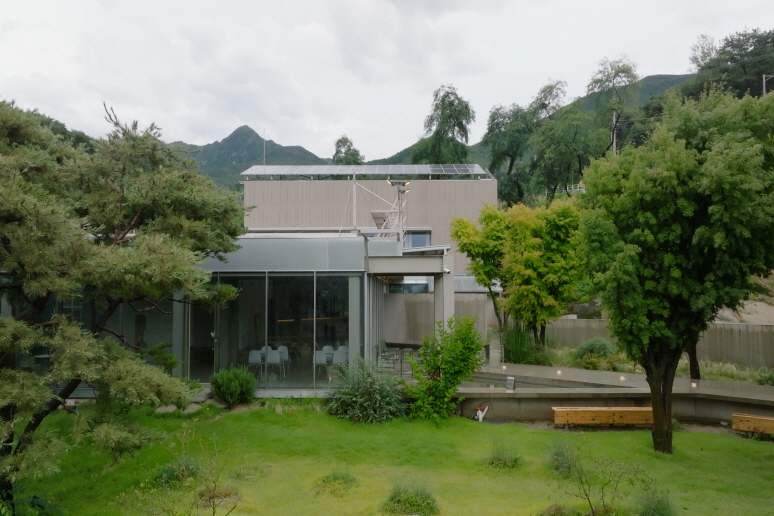
Stone and Brunch at the Foot of Biseulsan, Slow Stone Cafe Stone
 Travel Guide
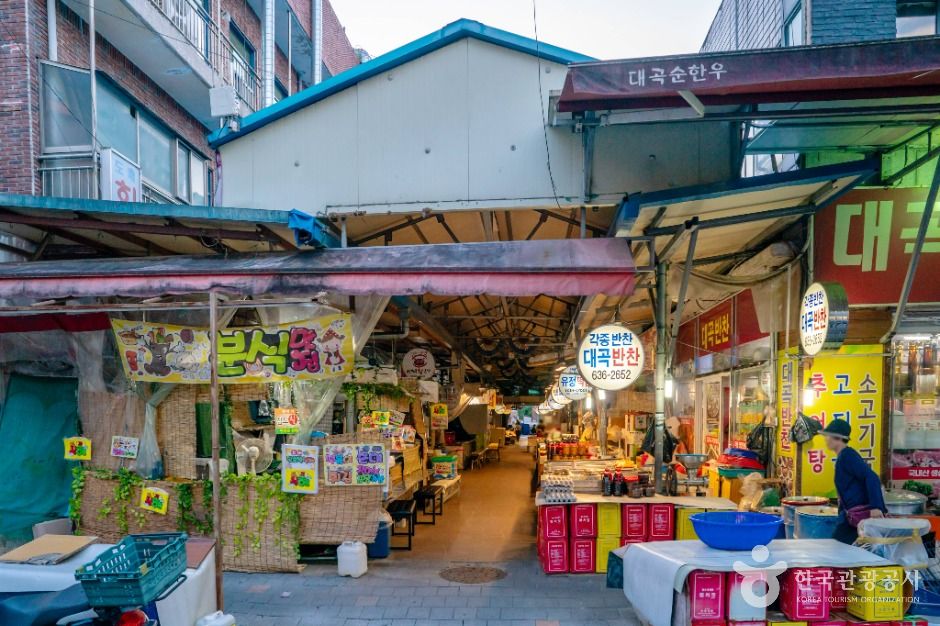
Daegok Market, Opened in 1997, in the Do-won-dong Apartment Living Area
 Travel Guide
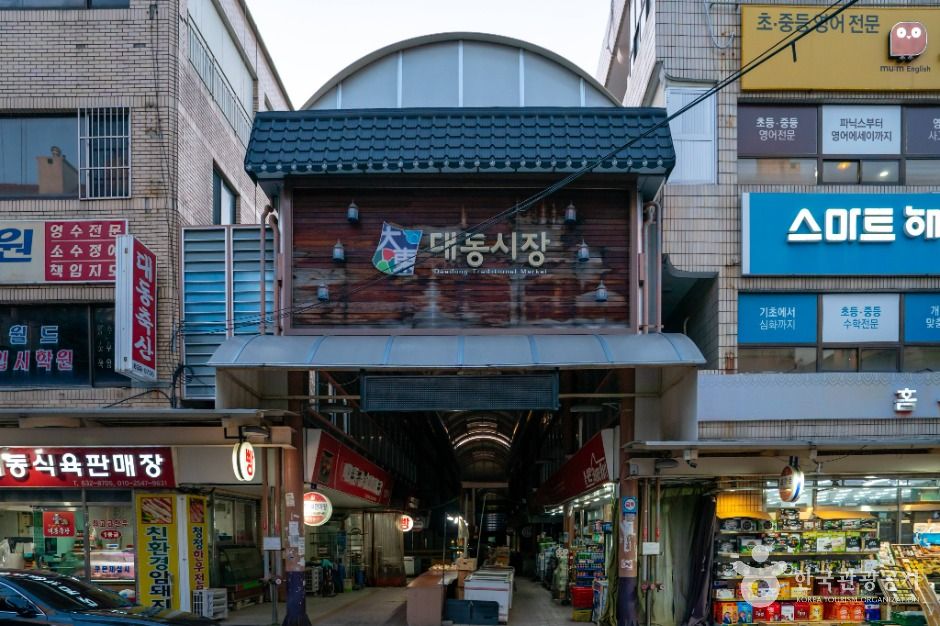
Daedong General Market, which began in Sangin-dong in 1987, a neighborhood market between Wolbae Station and Sangin Station
 Travel Guide
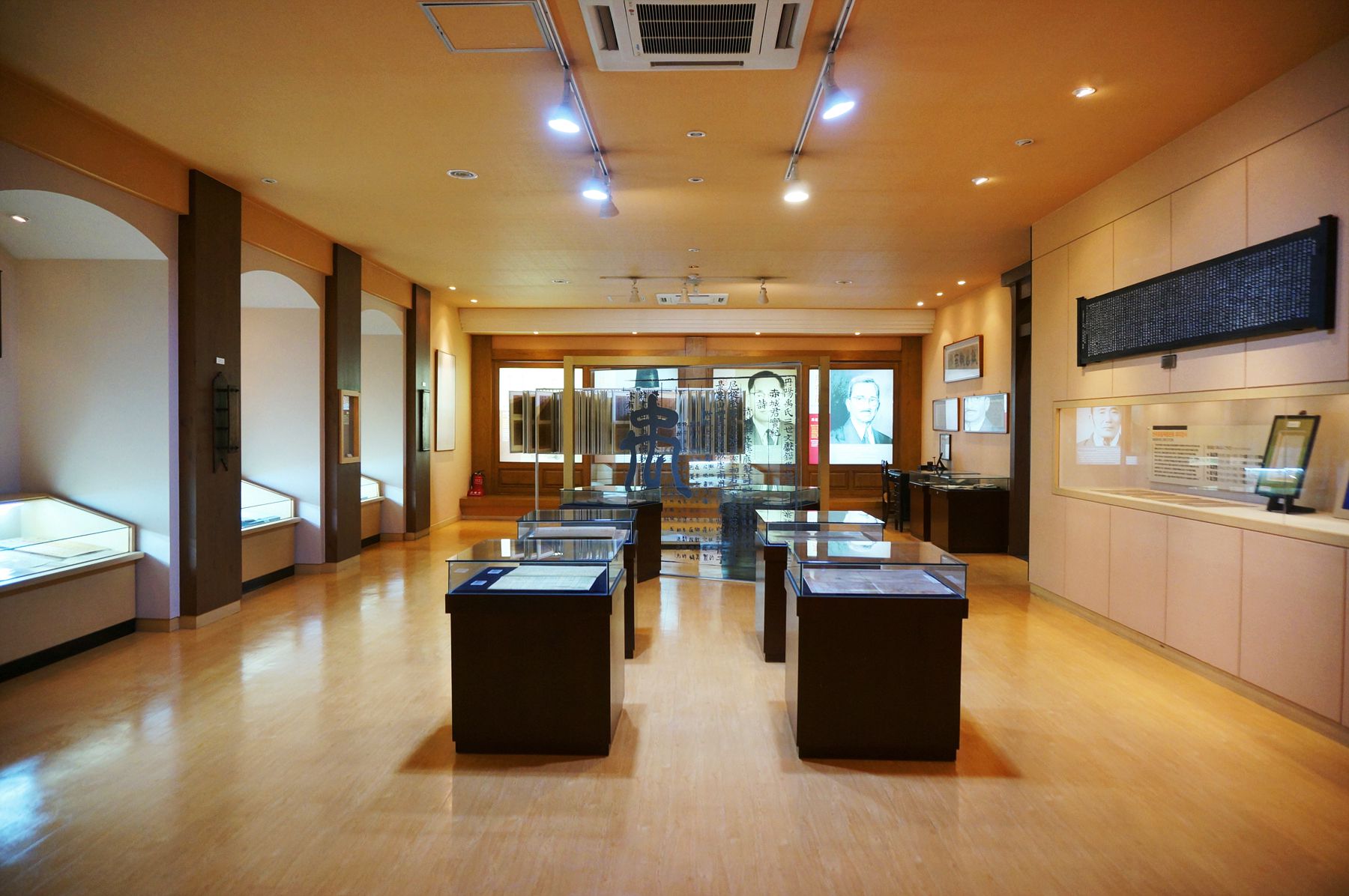
The 1592 Record Left by Treasure No. 1334, Daegu Wolgok Historical Museum
Korea News
 News
News
‘NewJeans Expulsion’ Danielle Releases Her First YouTube Video… “We Don’t Know What Will Happen Next”
![aespa’s North American Tour Has Remaining Seats Despite ‘$49’ Bargain Prices… A Stark Popularity Gap with KATSEYE [TEN Starfield]](https://kotourlive-images.s3.ap-northeast-1.amazonaws.com/news/1788485037424_a59b1932_naver_rank_thumb_0000774618_1788485037424.jpg) News
News
aespa’s North American Tour Has Remaining Seats Despite ‘$49’ Bargain Prices… A Stark Popularity Gap with KATSEYE [TEN Starfield]
![[Photo] TWICE’s Dahyun attends a film festival red carpet as an actress](https://kotourlive-images.s3.ap-northeast-1.amazonaws.com/news/1788485316508_edd43ecd_news_870a60a6-6f11-4d73-aa7c-48d91318a0f7.jpg) News
News
[Photo] TWICE’s Dahyun attends a film festival red carpet as an actress
![[On-Site Video] “We’re Departing Separately Together”… BIGBANG Begins ‘COSMOS’ World Tour](https://kotourlive-images.s3.ap-northeast-1.amazonaws.com/news/1788485226518_c5719641_news_fdd4764a-0f4e-4968-8e4e-e98a02872f88.jpg) News
News