Park Tae-joon Memorial Hall, 55 m from Imrang Beach, Capturing the History of Steel
Park Tae-joon Memorial Hall, located in Imrang Village, Jangan-eup, Gijang-gun, Busan, is a cultural complex that opened on December 14, 2021, next to the birthplace of Cheongam Park Tae-joon, a key founder of POSCO. Visitors can explore the exhibition, Crystal Garden, and small library together, then enjoy a walk to nearby Imrang Beach, just 55 m away.

I’ve been here?
Your check-in helps the next traveler.
No one has checked in yet Be the first
One tap — no writing needed
Park Tae-joon, born in Imnang-ri in 1927, and the opening on December 14, 2021
The Park Tae-joon Memorial Hall was established at 1, Imnanghaean-gil, Jangan-eup, Gijang-gun, Busan, next to Cheongam Park Tae-joon's birthplace. Gijang-gun pursued the construction project in 2011, and the memorial hall officially opened on December 14, 2021. Park Tae-joon was born in Imnang-ri, Jangan-eup, Gijang-gun, in 1927. The site is designed not merely to display an individual's life, but also to look back at a chapter of Korea's industrialization from his birthplace, Imnang Village.
Park Tae-joon graduated from the Korea Military Academy in 1948 and, after retiring from the army in 1963, served as president of Korea Tungsten Mining Co. before leading Pohang Iron and Steel Company from 1968 to 1992. Pohang Iron and Steel Company was launched on April 1, 1968, and its 25-year history of leading Korea's steel industry until it reached annual production of 21 million tons in October 1992 forms the historical backdrop of the exhibition. The memorial hall is a place to learn about this figure in industrial history in his hometown's coastal village.
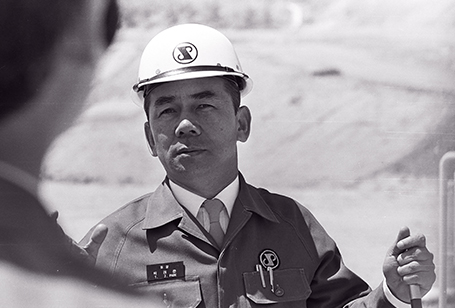
From 9 a.m. to 6 p.m., with admission closing at 5:30 p.m.
Visiting hours are 09:00–18:00 from Tuesday through Sunday, with admission closing at 17:30. Admission is free, and the main telephone number is 051-709-3975. The official website is https://www.gijang.go.kr/ptjmemorial/main.do, and it is advisable to check the exhibition, education, and event schedules there or by phone before visiting.
The memorial hall is closed every Monday, January 1, Lunar New Year's Day, and the day of Chuseok. If Monday is a public holiday, it closes the following day. If you plan to see the exhibition rooms, Sujeongwon, and the small library together, allowing 60–90 minutes is reasonable. Since admission is not permitted after 17:30, decide upon arrival whether to walk along the beach first or visit the memorial hall first.
- Address: 1, Imnanghaean-gil, Jangan-eup, Gijang-gun, Busan
- Telephone: 051-709-3975
- Admission: Free
- Parking: Free parking available
From the Japanese colonial period to the present through more than 1,200 artifacts
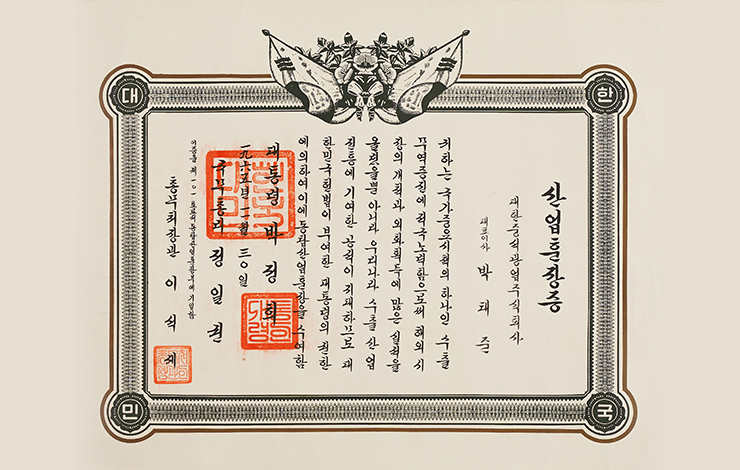
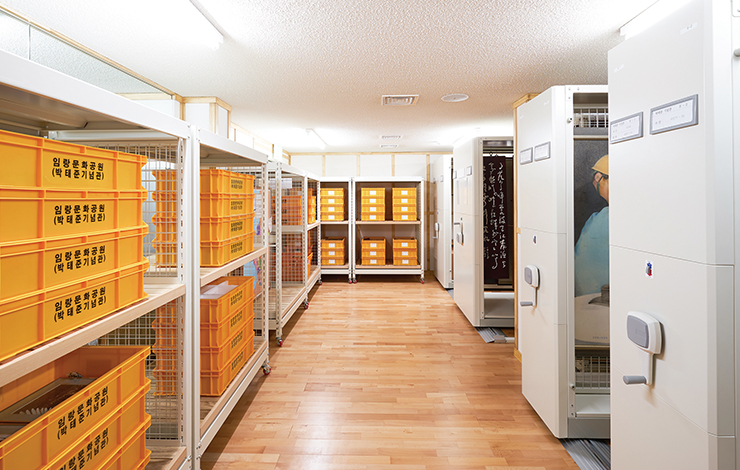
The memorial hall houses more than 1,200 artifacts, spanning the period from the Japanese colonial era to the present. In the exhibition rooms, visitors can explore Park Tae-joon's activities as a soldier, business leader, educator, and politician through his personal belongings and biographical materials. The construction and growth of Pohang Iron and Steel Company are presented as a key context for understanding Korea's economic development from the 1960s through the 1990s.
When viewing the exhibition, it is easier to understand the story by connecting three dates: the promotion of Pohang Iron and Steel's construction in November 1967, the launch of Pohang Iron and Steel Company on April 1, 1968, and the achievement of annual production of 21 million tons in October 1992. It is useful to keep in mind that this is not a museum recreating a large industrial facility, but a small memorial hall where visitors can explore the choices and consequences of industrialization through one person's records and belongings.
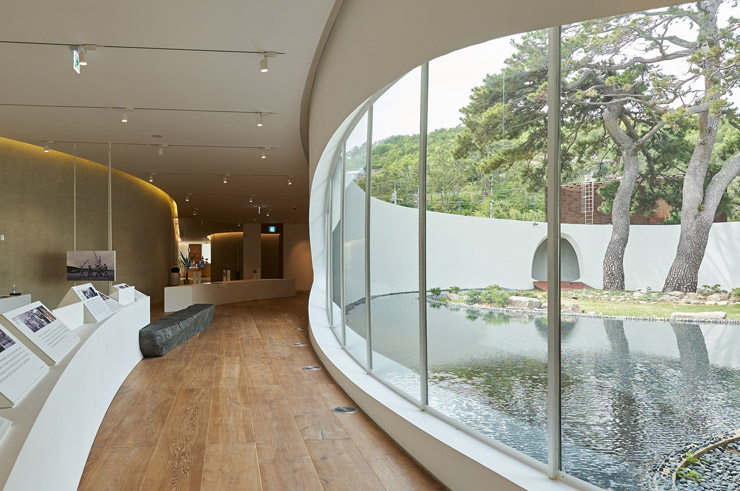
Sujeongwon, preserving traces of three existing trees and three farmhouses
The architecture of the Park Tae-joon Memorial Hall was designed around a courtyard gallery, retaining three existing trees and parts of three farmhouses. The memorial hall connects the architectural language of the site with the steel industry by referencing the ramping of the existing steel-built structures and pastel-toned aluminum exterior surfaces. Since this is easy to miss on a quick indoor exhibition visit, it is better to include the courtyard and Sujeongwon in your route.
Sujeongwon is presented as a space where the village's old trees and pond come together, and it received the Minister of Culture, Sports and Tourism Award at the 2021 Korea Spatial Culture Awards. The memorial hall itself has also received an Encouragement Award at the Busan Architecture Awards. Walking slowly along the gallery after viewing the exhibition allows you to understand how traces of the birthplace's neighboring site and the new architecture coexist on one property.
Combining the Imnang Cultural Park Small Library with the classrooms and seminar room
The memorial hall also contains the Imnang Cultural Park Small Library, a book café, classrooms, and a seminar room. The small library is introduced as a space for reading and relaxation, while the classrooms and seminar room serve as spaces for self-directed study and programs. Rather than leaving immediately after viewing the exhibition on Park Tae-joon's life, check out the library area afterward to see how the facility was planned for use by local residents and visitors together.
Individual visits are free, but education programs and events may require separate applications. The official website has separate menus for institutional applications for educational programs and individual applications for events and education, so advance confirmation is necessary if you are visiting as a group or wish to participate in a specific program. For families with young children, the exhibition may contain a high proportion of text, so combining the small library with a beach walk makes for a natural route.
Getting to Imnang from Jwacheon Station on the Donghae Nambu Line and buses 37 and 188
For public transportation, use Jwacheon Station on the Donghae Nambu Line as your reference point. Local bus 37 stops at Imnang Samgeori, while local bus 188 stops at the entrance to Imnang Beach. Village bus 3 also stops at Imnang Samgeori. Since the exact walking time from the station to the memorial hall is not provided, it is safest to check the last bus and walking route with a map app after getting off the bus.
Drivers can approach from the Gyeongbu Expressway and the Busan Outer Ring Expressway toward Imnang, while from Haeundae the route continues toward Osiria, Gijang, and Imnang. Free parking is available on site. Ramps, accessible facilities, accessible parking spaces, and accessible restrooms are indicated for wheelchair and stroller users. Whether on-site information is available in foreign languages is not specified in the official guidance.
- Bus 37: Get off at Imnang Samgeori
- Bus 188: Get off at the entrance to Imnang Beach
- Village bus 3: Get off at Imnang Samgeori
- Accessibility: Information on ramps, accessible parking, and accessible restrooms
A short coastal route linking Imnang Beach, 55 m away, and Myogwaneumsa Temple, 964 m away
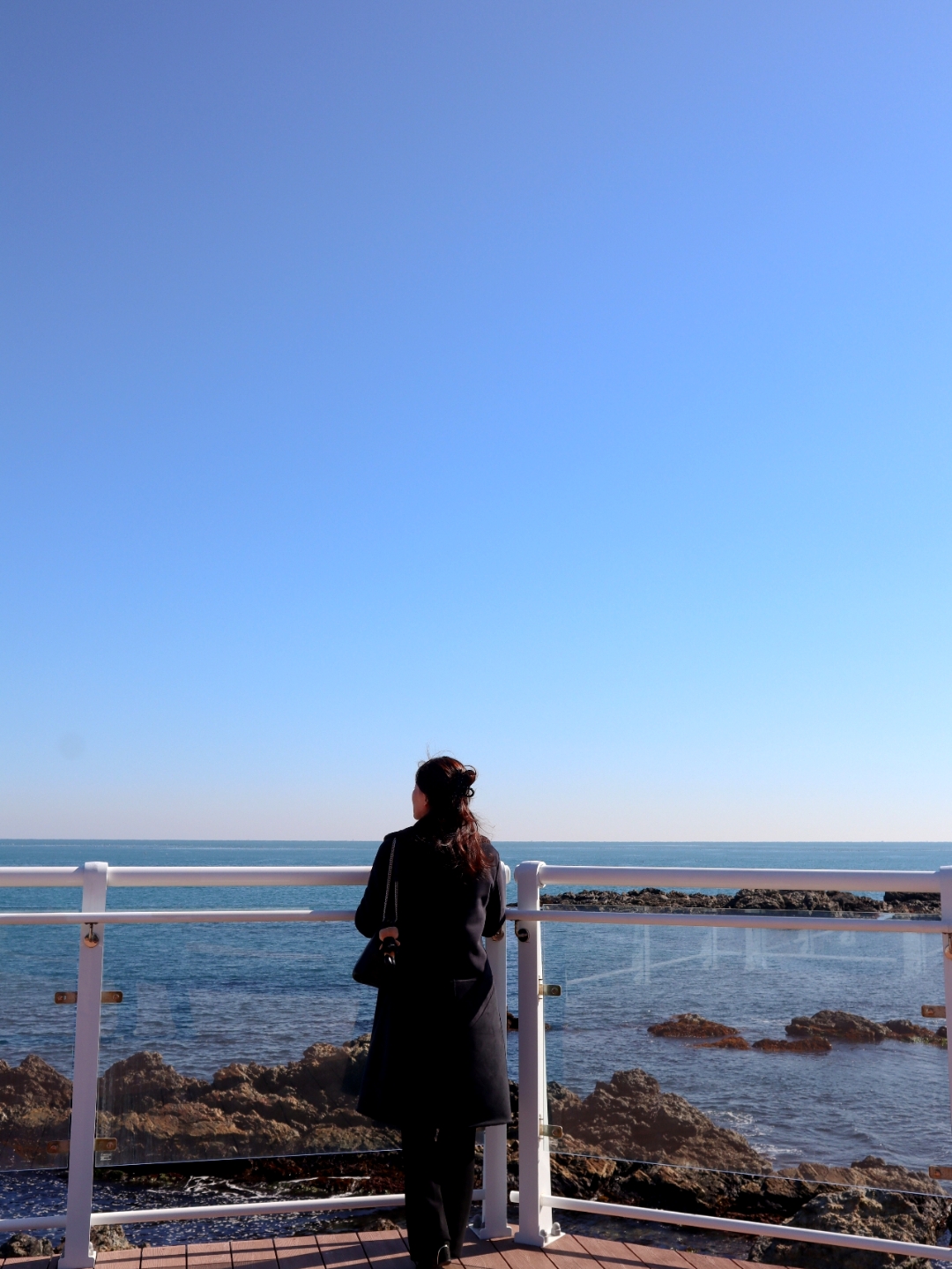
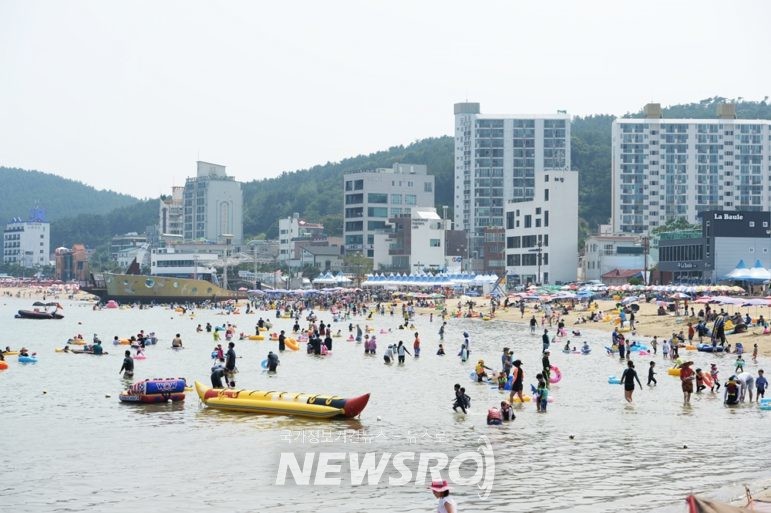
According to the memorial hall's official nearby attractions guide, Imnang Beach is 55 m away, approximately a one-minute walk. Thus, the route from the indoor exhibition to the sea is very short. On days with stable weather, visiting the memorial hall immediately after it opens at 09:00 and then heading to the beach means you will not have to rush before admission closes at 17:30.
Places that can be combined with a drive include Myogwaneumsa Temple, 964 m away and approximately two minutes by car; Gijang Cultural Etiquette School, 1.7 km away and approximately three minutes; Busan Premium Outlet, 3 km away and approximately six minutes; Andersen Fairy Tale Village, 8.5 km away and approximately 13 minutes; and Jangan-sa Temple, 10 km away and approximately 15 minutes, according to the official guide. However, the memorial hall is better suited to travelers who want to combine modern and contemporary industrial history, architecture, and a walk along the Imnang coast than to those expecting a large comprehensive museum.
Before You Go
- Address
- 1, Imnanghaean-gil, Jangan-eup, Gijang-gun, Busan
- Hours
- Tuesday–Sunday 09:00–18:00 (admission closes at 17:30)
- Closed
- Every Monday, January 1, Lunar New Year's Day, and the day of Chuseok (if Monday is a public holiday, closed the following day)
- Admission
- Free
- Phone
- 051-709-3975
- Official site
- https://www.gijang.go.kr/ptjmemorial/main.do
- Transport
- From Jwacheon Station on the Donghae Nambu Line, get off at Imnang Samgeori on bus 37 or village bus 3 / get off at the entrance to Imnang Beach on bus 188
- Parking
- Free parking available
- Time needed
- 60–90 minutes
- Accessibility
- Information on ramps, accessible facilities, accessible parking, and accessible restrooms
The information above is current as of the time of writing. Check the official guidance again before visiting.

Places
Nearby Attractions 5
-
 1
1
-
 2
2
-
 3
3
-
 4
4
-
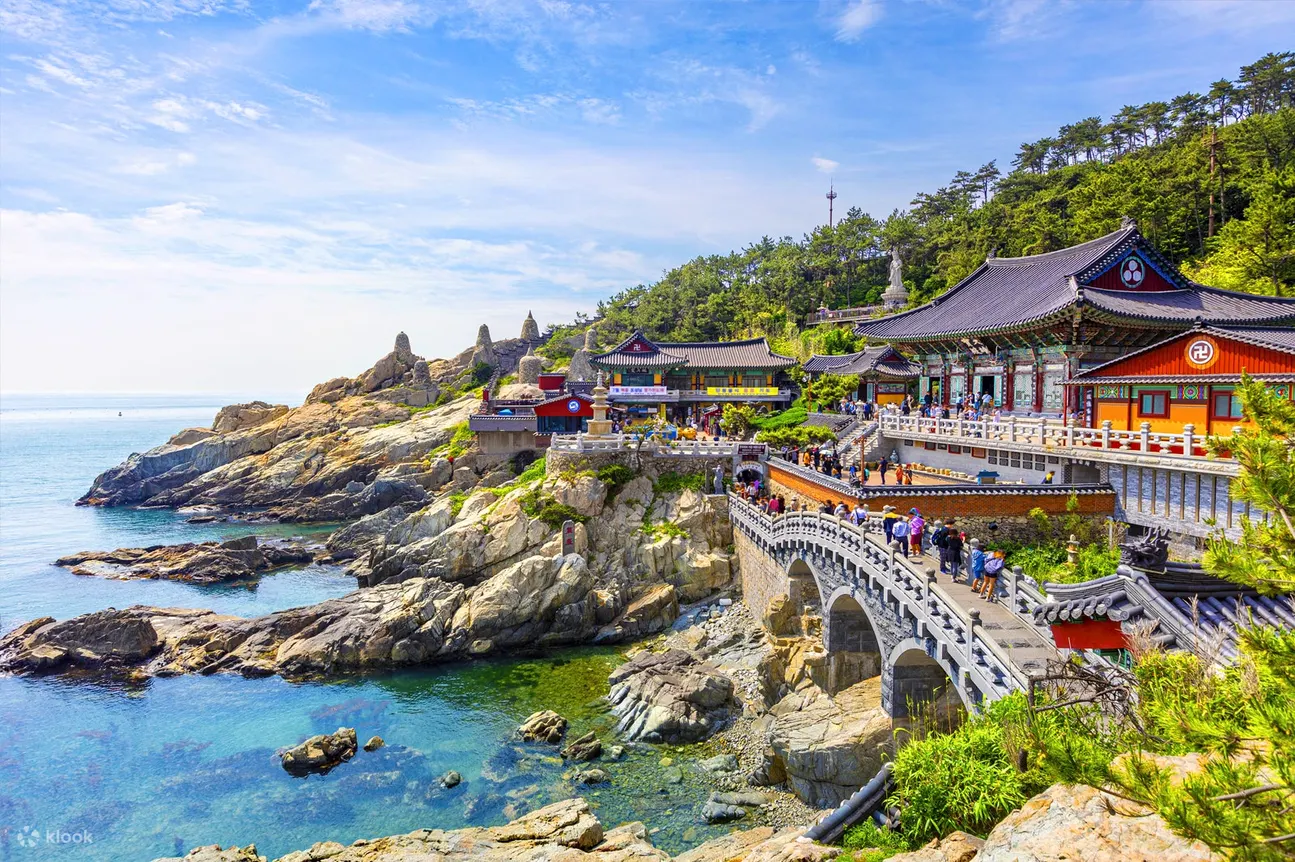 5
5
Food & Dining 1
-
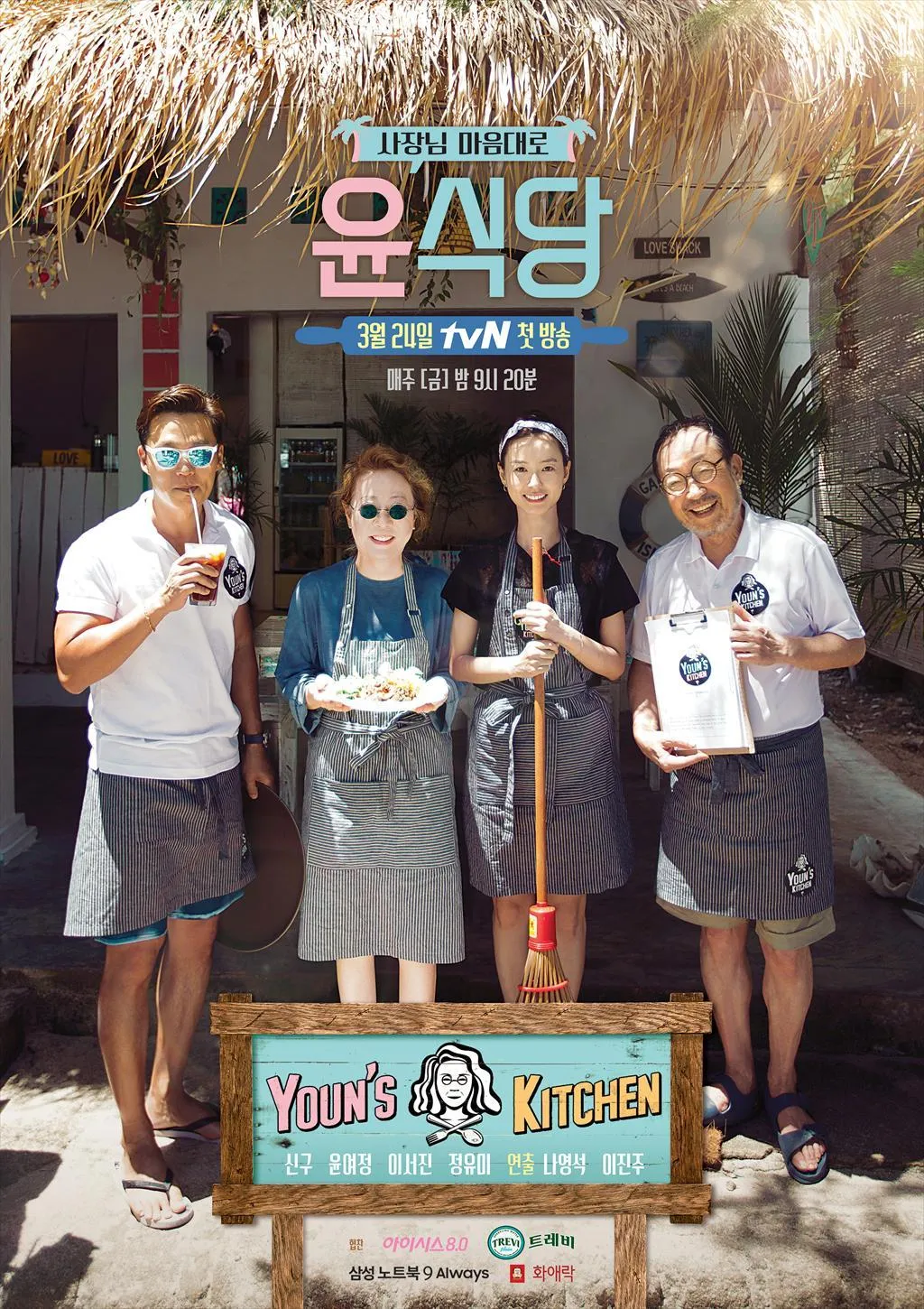 6
Yoon’s Sikdang
6
Yoon’s Sikdang
Events in This Area

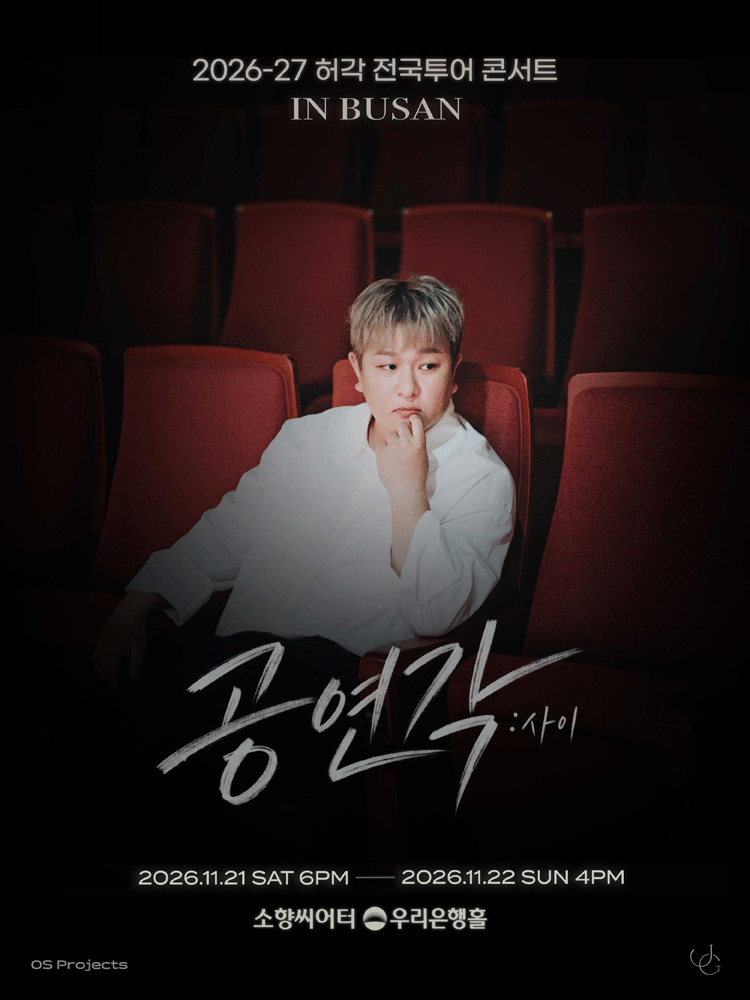


Festivals in This Area

More Travel Guides in This Area
 Travel Guide
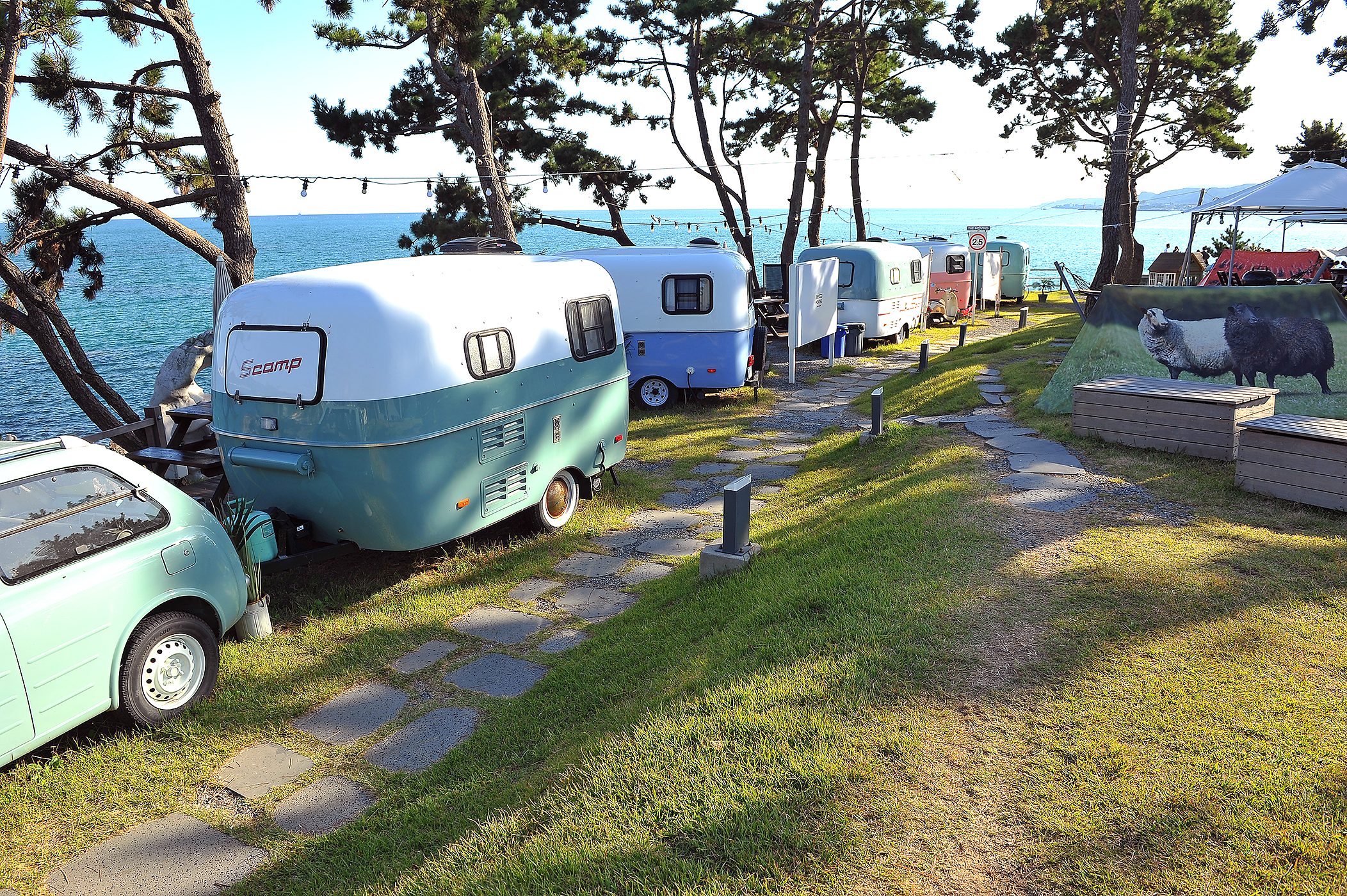
A Night in Gijang at a 14-Caravan Site by the Sea, 15 Minutes from Wollae Station
 Travel Guide
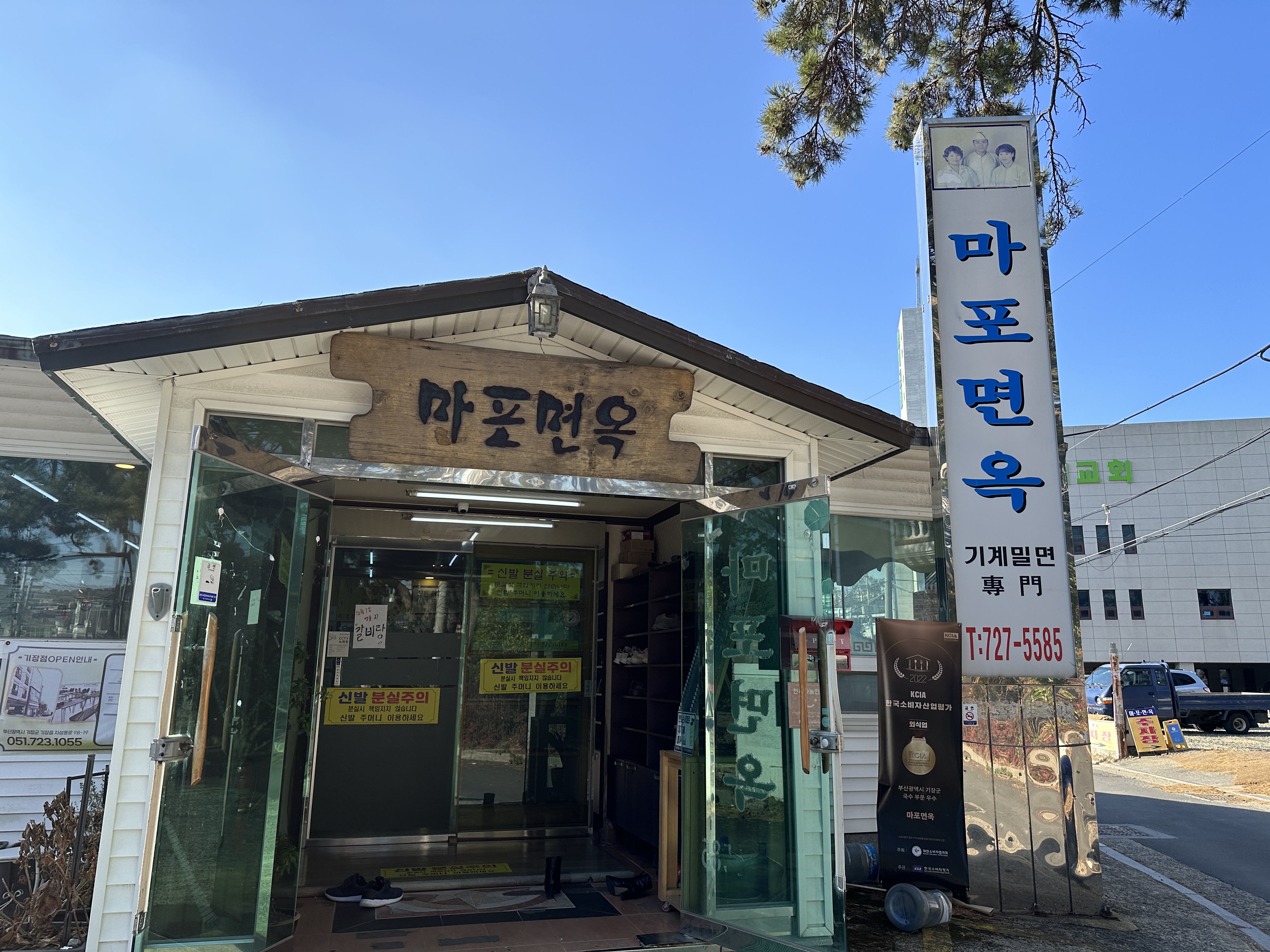
Gijang’s Mapo Myeonok: 283 m from Wollae Station, the same price for every size
 Travel Guide
A One-Day Busan Outlet Itinerary Starting at 1133 Jang-an-eup
 Travel Guide
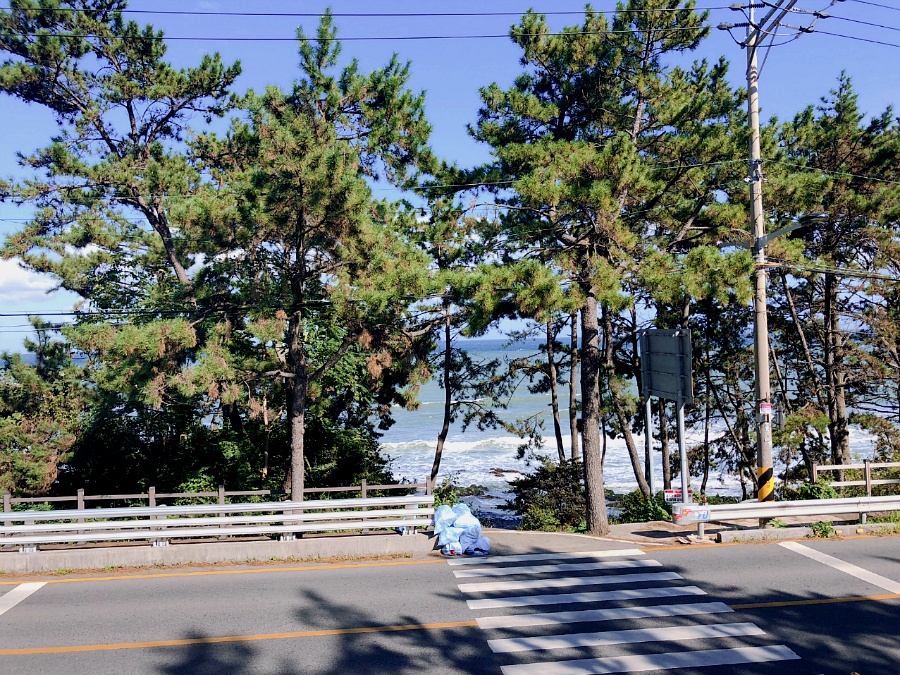
Haedong Seongchwisa Temple’s Cave Sansingak and Gijang Coastal Walk
Korea News
 News
News
BTS’s V’s Wine from Chile Sold Out in Two Hours… “Wait Two Months for Restocking”
!['Comeback' ILLIT Picks Up a Whistle… Bold Warning: 'I'll Arrest You' [Today's Preview]](https://kotourlive-images.s3.ap-northeast-1.amazonaws.com/news/1792978782275_1ad139e1_news_dbdae4b1-d435-43fa-968f-97701d6e9389.jpg) News
News
'Comeback' ILLIT Picks Up a Whistle… Bold Warning: 'I'll Arrest You' [Today's Preview]
!['Inkigayo' A2O LITE Takes First Place with 'NEON'… “Happy to Receive So Much Love” [TV Capture]](https://kotourlive-images.s3.ap-northeast-1.amazonaws.com/news/1792978032199_8f5c6664_news_fcd1f66d-9114-4144-bff3-c90686ac459a.jpg) News
News
'Inkigayo' A2O LITE Takes First Place with 'NEON'… “Happy to Receive So Much Love” [TV Capture]
 News
News