Walking Gijang’s Ahopsan Forest along a 400-year-old private woodland and Maengjongjuk bamboo trail
Ahopsan Forest in Cheolma-myeon, Gijang, Busan, is a 520,000-square-meter private forest protected by the Nampyeong Mun clan for about 400 years. A 1–2-hour walk links its Maengjongjuk bamboo forest, Geumgang pine groves, hinoki cypress forest, and traditional Korean hanok Gwanmiheon, but it is best to check advance reservations and walking rules first.

I’ve been here?
Your check-in helps the next traveler.
20 people viewed this week Be the first
One tap — no writing needed
A Name Born from Nine Valleys, a Forest Closed for 400 Years
Ahopsan Forest is a privately owned forest at the foot of Ahopsan in Cheolma-myeon, Gijang-gun, Busan. “Ahopsan” is introduced as a native Korean place name meaning a mountain embracing nine valleys. The forest has been managed by the Nampyeong Mun clan for approximately 400 years since the Joseon period, and covers about 520,000㎡ in total.
Even throughout the Japanese colonial period, liberation, the Korean War, and industrialization, the forest was not opened to the public, leaving its composition relatively intact. It became known after the 2014 filming of Kundo: Age of the Rampant, and began operating as a paid visitor site when the owner’s family decided to open it to the general public in 2016.
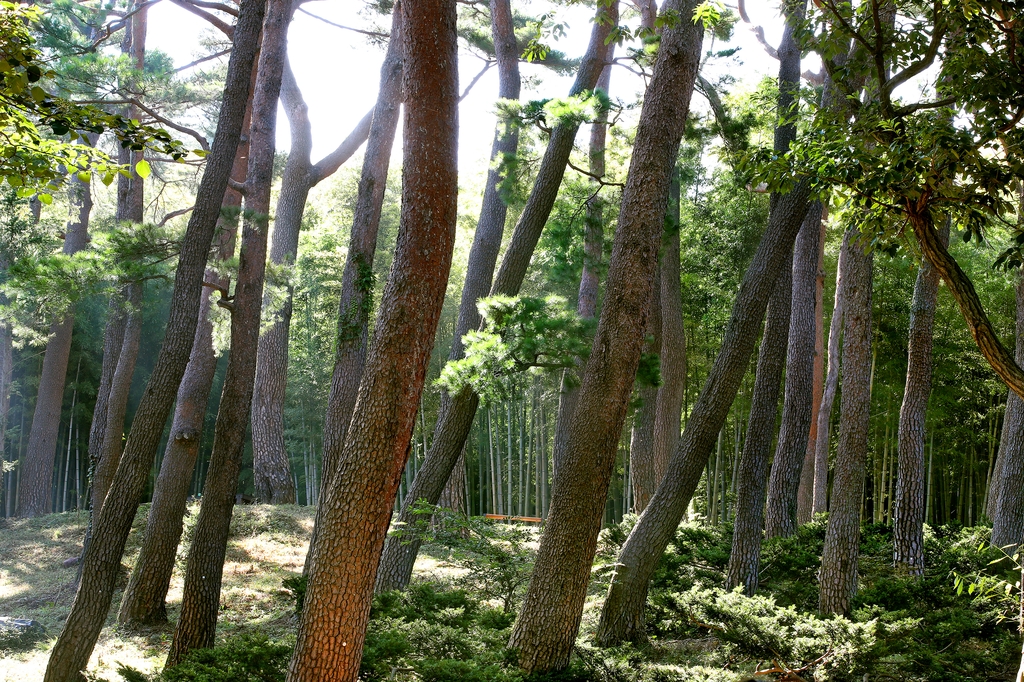
Encountering Maengjong Bamboo, Geumgang Pine, and Hinoki Cypress across 520,000㎡
The forest consists of more than just one type of bamboo. Maengjong bamboo groves, lowland bamboo stands, hinoki cypress forest, Japanese cedar forest, and ginkgo forest are followed by a natural Geumgang pine forest introduced as containing trees 100–300 years old. The colony of Geumgang pine trees over 400 years old is a key section encountered first near the entrance.
The first Maengjong bamboo grove, known as a filming location, is so densely packed that only a narrow view of the sky is visible. Within the forest, a village shrine used in the filming of The Tiger and traces of the filming of the drama The King: Eternal Monarch also remain, allowing visitors to follow both the vegetation and filming-location routes.
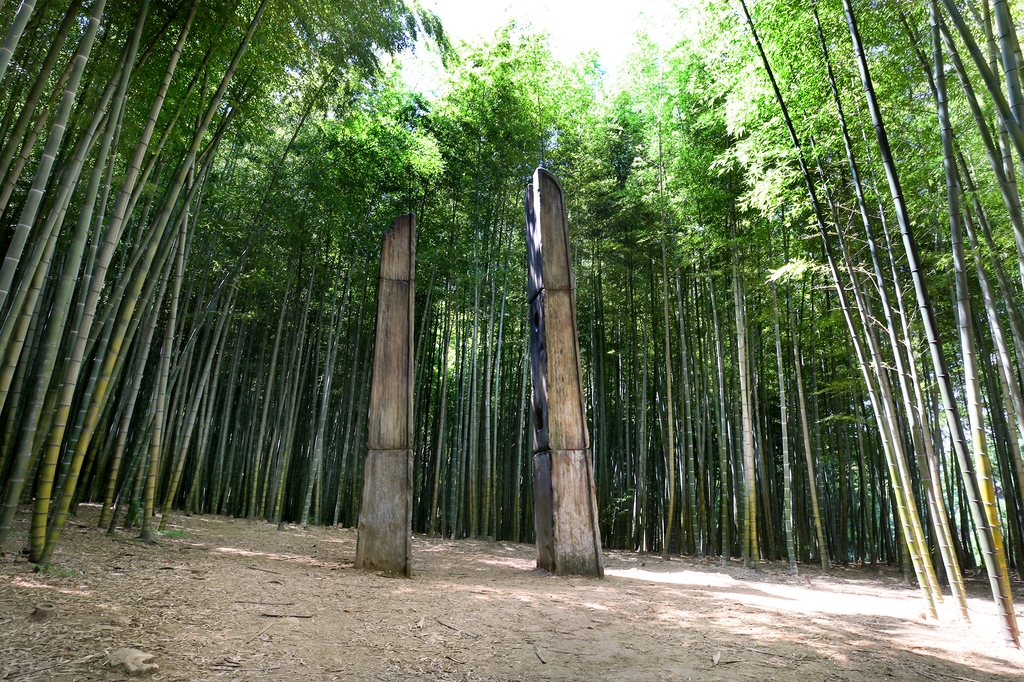
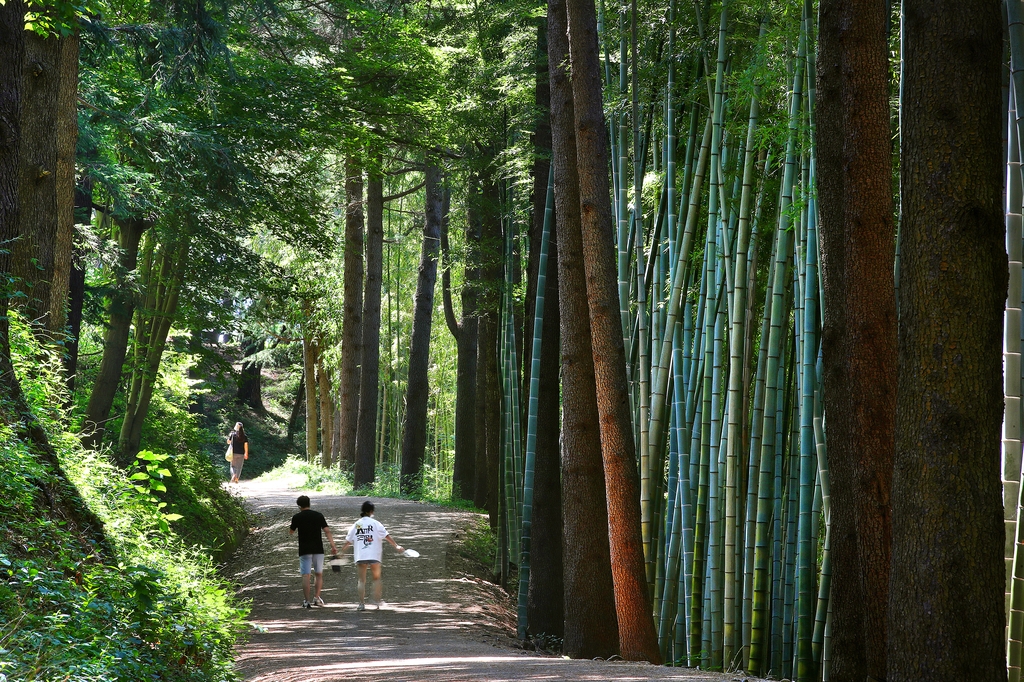
The Passage of Forest Management Shown by Gwanmiheon, Built Without Nails
At the end of the visitor route stands the traditional Korean hanok Gwanmiheon. According to an introduction by the Rural Development Administration, Gwanmiheon was built without using any nails at all and is a place that shows the history of the family that has managed the forest for generations. Whether the interior can be accessed and what kinds of filming are permitted must be confirmed according to on-site guidance.
Ahopsan Forest is not an amusement-park-style facility but a way to walk through a preserved private forest on a limited basis. Collecting or damaging plants and collecting insects are prohibited, and bicycles, strollers, and hiking poles are not permitted on the forest paths. Because the paths are uneven dirt trails with gentle ascents and descents, athletic shoes that support the ankles are suitable.
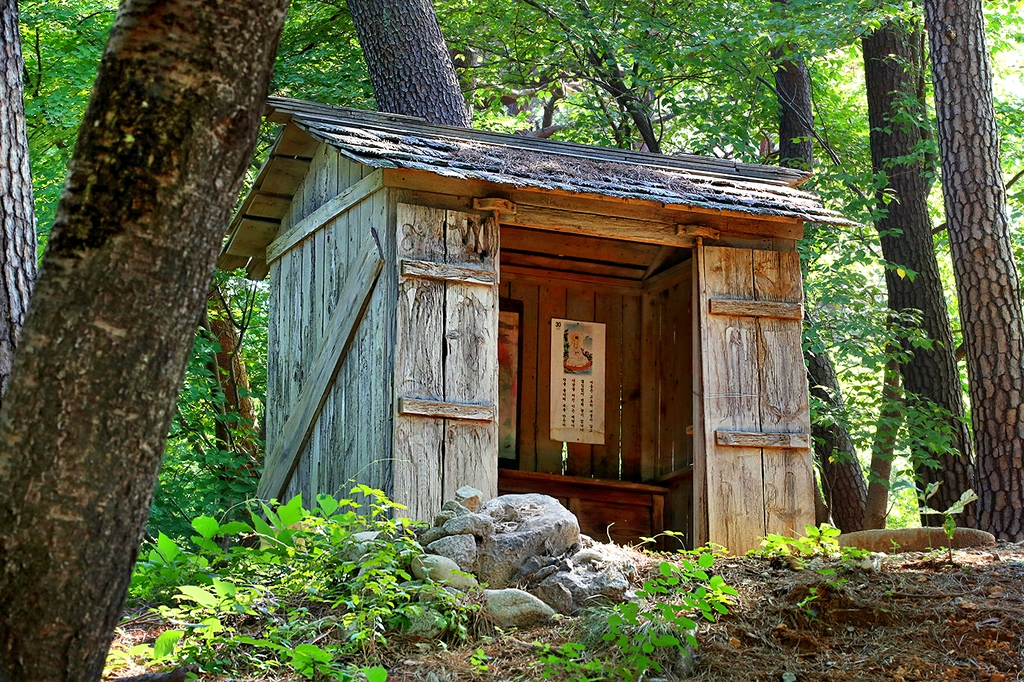
09:00–18:00: Planning a 1–2-Hour Visit for KRW 8,000 per Adult
Operating hours are 09:00–18:00, with last admission stated as 17:00. Admission is listed as KRW 8,000 for adults, KRW 7,000 for seniors and groups, and KRW 5,000 for teenagers and children. Since fees and admission conditions may change, it is safest to confirm them before departure by calling 051-721-9183.
The official website is https://www.ahopsan.com/ , and advance reservations are generally required to protect nature. It takes approximately 1–2 hours to walk around the entire forest. In summer, bring water; the Busan Tourism Organization advises that mosquito repellent and fans are available for free rental on site.
From Nopo Station to Midong Village on Gijang-gun Village Bus 2-3
The address is 31 Midong-gil, Cheolma-myeon, Gijang-gun, Busan Metropolitan City; tourist information also uses 37-1 Midong-gil and 520-10 Ungcheon-ri. In navigation systems, searching for “Ahopsan Forest Parking Lot” or entering 051-721-9183 together can help locate the entrance.
For public transportation, official tourist information recommends transferring from Nopo Station on Busan Metro Line 1 to Gijang-gun Village Bus 2-3 and getting off at Midong Village Stop. However, because of the bus intervals and the walking route after getting off, travelers with tight schedules may find it simpler to take a taxi from Nopo Station. Passenger cars can use the Ahopsan Forest parking lot, which is listed as free.
Why You Should Call When Information about Monday Closures Conflicts
Information about operating days differs by source. The official Busan tourism page lists Mondays as closed, while some information from Korea Tourism Organization-affiliated sources states that the site is open year-round. Materials also differ on operating hours and last admission, listing either 16:30 or 17:00, so on the day of your visit you should call 051-721-9183 to confirm reservation availability and whether the site is closed.
Reservations are required for visits by group tour buses. Wheelchairs and strollers are included among the restrictions for using the forest paths, so the site is not suitable for itineraries intending to cover the entire route by wheelchair or stroller. If you need tourist information in a foreign language, you can also use the Korea Tourism Organization’s tourism information hotline at 1330.
A Clear Morning with a Reservation Is Better Than the Day after Rain
The Maengjong bamboo and hinoki cypress sections have plenty of shade, but the dirt paths can become slippery after rain. Visitors can enter from 09:00, so morning admission is best for photography and slow observation; if you have a fixed departure time, enter well before the 17:00 admission deadline.
Recent travel reviews repeatedly mention that access by public transportation is not easy and that weekends can be crowded. However, the essence of the forest lies in seeing bamboo, conifers, and a hanok in sequence along the designated walking paths, so blocking passage for photography or entering protected areas does not follow the principles for using this forest.
Before You Go
- Address
- 31 Midong-gil, Cheolma-myeon, Gijang-gun, Busan Metropolitan City
- Hours
- 09:00–18:00 (last admission 17:00; some information lists 16:30, so calling before visiting is recommended)
- Closed
- Information listing Monday closures and information stating year-round operation coexist, so calling before visiting is recommended
- Admission
- Adults KRW 8,000 / seniors and groups KRW 7,000 / teenagers and children KRW 5,000
- Phone
- 051-721-9183
- Official site
- https://www.ahopsan.com/
- Transport
- Transfer from Nopo Station on Busan Metro Line 1 to Gijang-gun Village Bus 2-3, then get off at Midong Village. Because of the bus intervals and walking route, taking a taxi may also be considered.
- Parking
- Ahopsan Forest parking lot available; free
- Time needed
- Approximately 1–2 hours
- Accessibility
- Not suitable for using the entire route with a stroller or wheelchair; strollers and hiking poles are listed as prohibited. Foreign-language information is available through the tourism information hotline at 1330.
This information is current as of the time of writing. Check the official information again before visiting.

Places
Nearby Attractions 5
-
 1
1
-
 2
2
-
 3
3
-
 4
4
-
 5
5
Food & Dining 5
-
 6
6
-
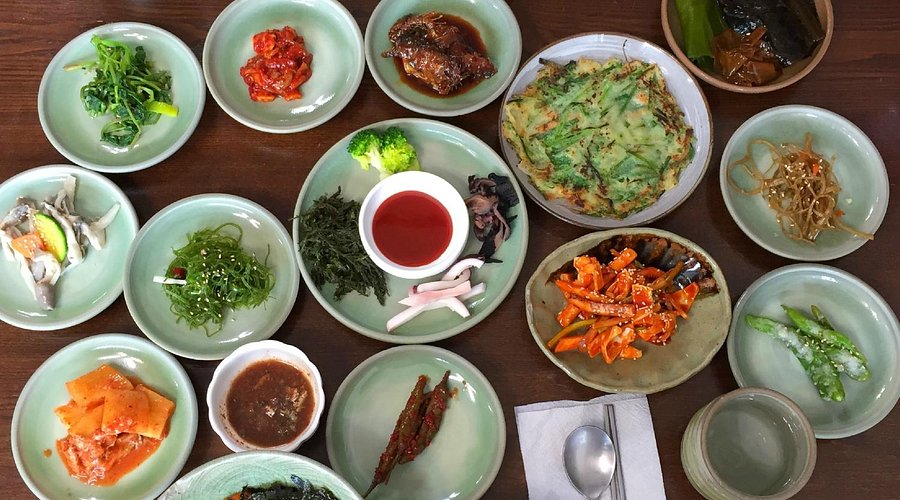 7
Micheong Sikdang
7
Micheong Sikdang -
 8
8
-
 9
9
-
 10
10
Events in This Area




Festivals in This Area


More Travel Guides in This Area
 Travel Guide
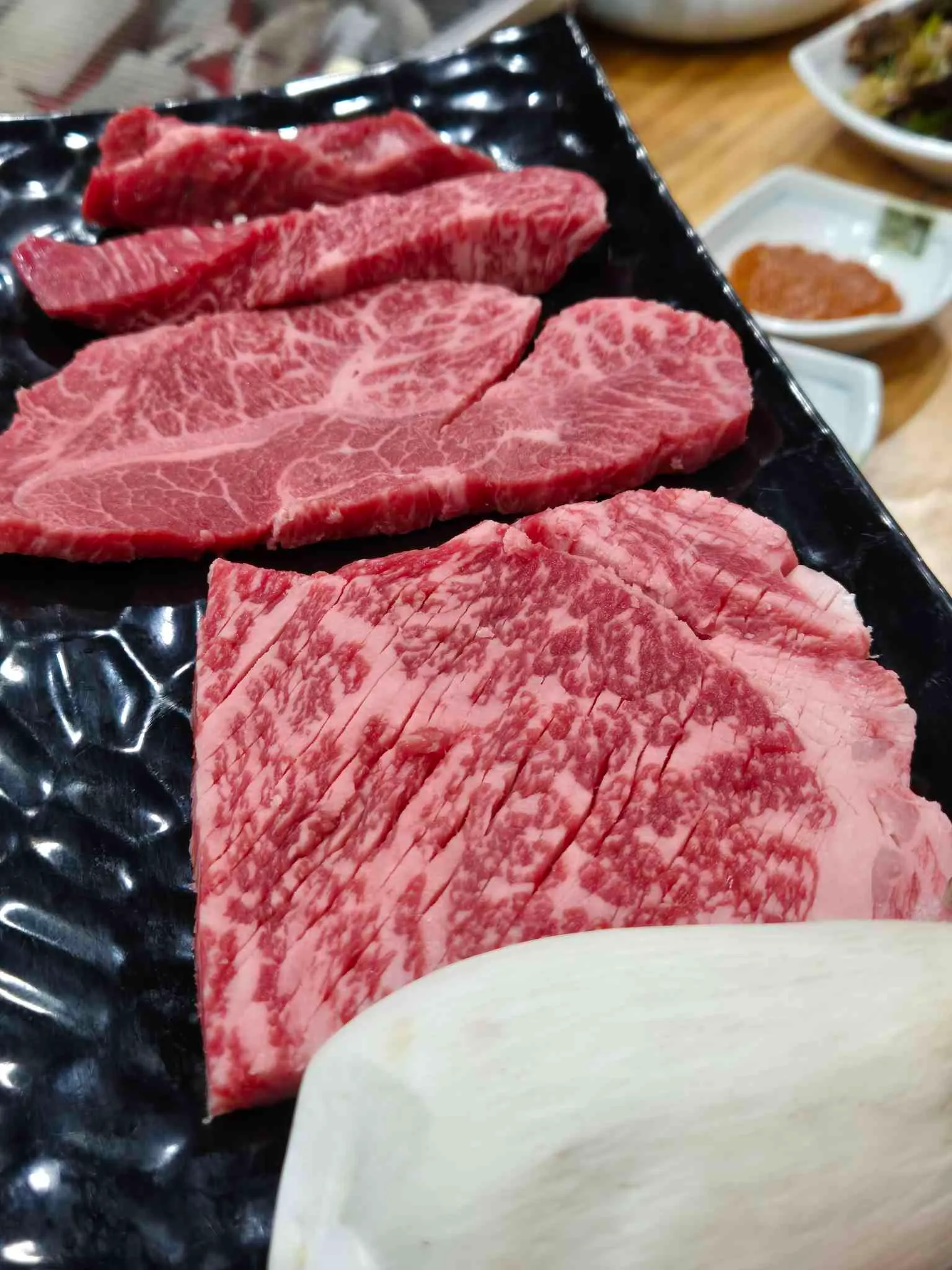
Cheolma Hanwoo at the Entrance to Ahopsan Forest, Midongamsojeong
 Travel Guide
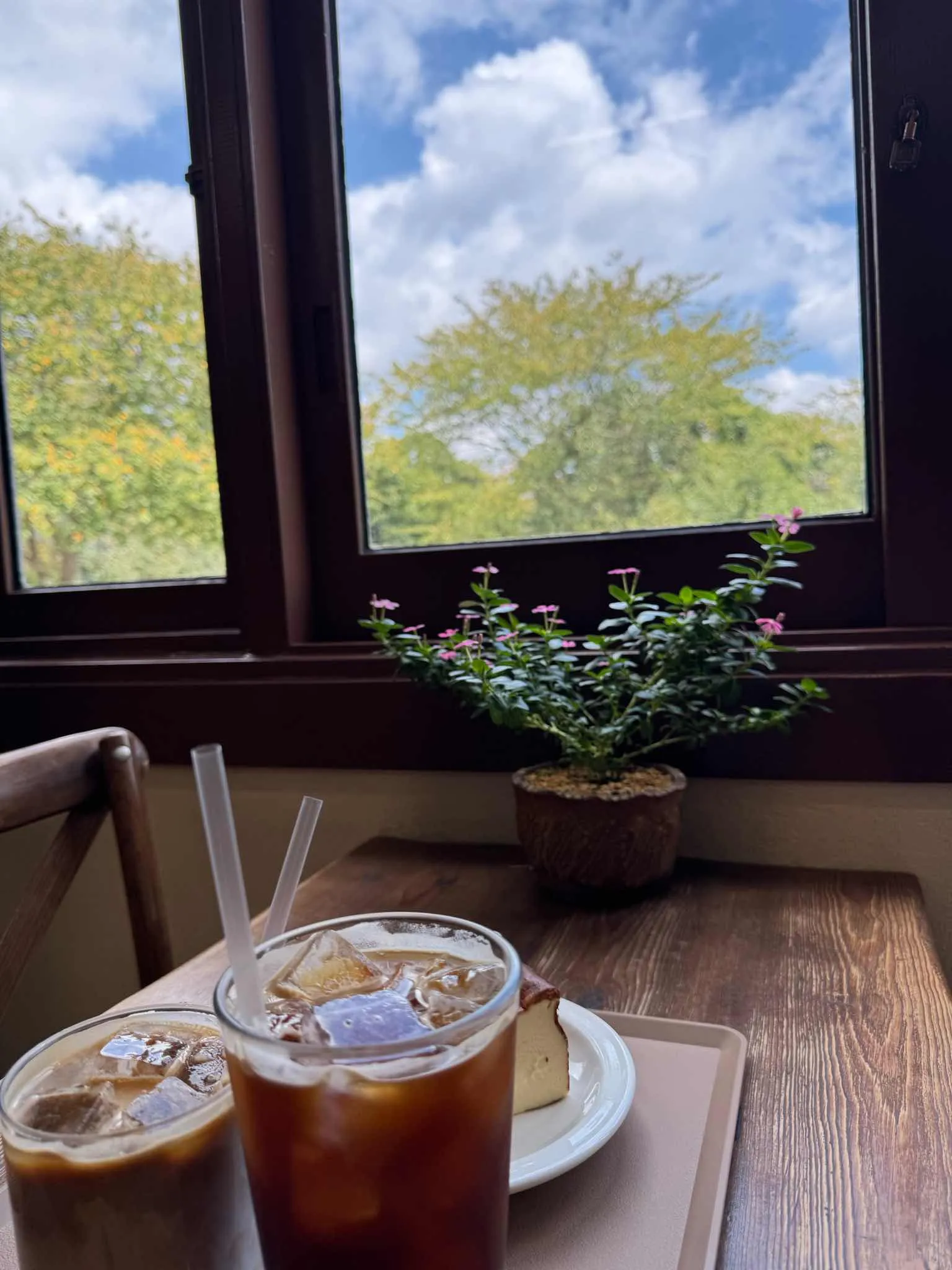
Brown Picnic: Meet Basque Cheesecake at the End of Cheolma’s Winding Mountain Road
 Travel Guide
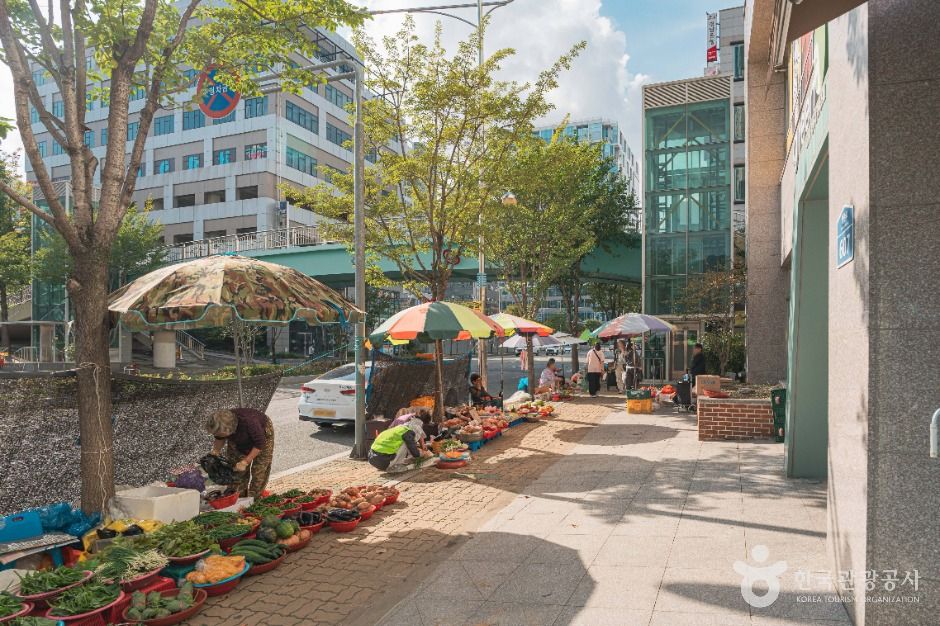
Why You Should Visit Jeonggwan New Town Market on Days Ending in 2 or 7
 Travel Guide
A Night in Hwajeon-ri, Ilgwang: J's Glamping Reservations, Check-in and Noise
Korea News
 News
News
‘NewJeans Expulsion’ Danielle Releases Her First YouTube Video… “We Don’t Know What Will Happen Next”
![aespa’s North American Tour Has Remaining Seats Despite ‘$49’ Bargain Prices… A Stark Popularity Gap with KATSEYE [TEN Starfield]](https://kotourlive-images.s3.ap-northeast-1.amazonaws.com/news/1788485037424_a59b1932_naver_rank_thumb_0000774618_1788485037424.jpg) News
News
aespa’s North American Tour Has Remaining Seats Despite ‘$49’ Bargain Prices… A Stark Popularity Gap with KATSEYE [TEN Starfield]
![[Photo] TWICE’s Dahyun attends a film festival red carpet as an actress](https://kotourlive-images.s3.ap-northeast-1.amazonaws.com/news/1788485316508_edd43ecd_news_870a60a6-6f11-4d73-aa7c-48d91318a0f7.jpg) News
News
[Photo] TWICE’s Dahyun attends a film festival red carpet as an actress
![[On-Site Video] “We’re Departing Separately Together”… BIGBANG Begins ‘COSMOS’ World Tour](https://kotourlive-images.s3.ap-northeast-1.amazonaws.com/news/1788485226518_c5719641_news_fdd4764a-0f4e-4968-8e4e-e98a02872f88.jpg) News
News