Homes and Villages of Gijang People from the 4th to 6th Centuries at Jeonggwan Museum
Jeonggwan Museum presents daily life in Gijang during the Three Kingdoms period, based on excavation findings from the Jeonggwan Gadong and Banggok-ri sites, as well as the Cheonggang, Daera-ri, and Gochon archaeological sites. Admission is free, and visitors can explore both the indoor permanent exhibition and the outdoor exhibition park.

I’ve been here?
Your check-in helps the next traveler.
13 people viewed this week Be the first
One tap — no writing needed
A Museum of Three Kingdoms-Era Daily Life Opened in Jeonggwan New Town in 2015
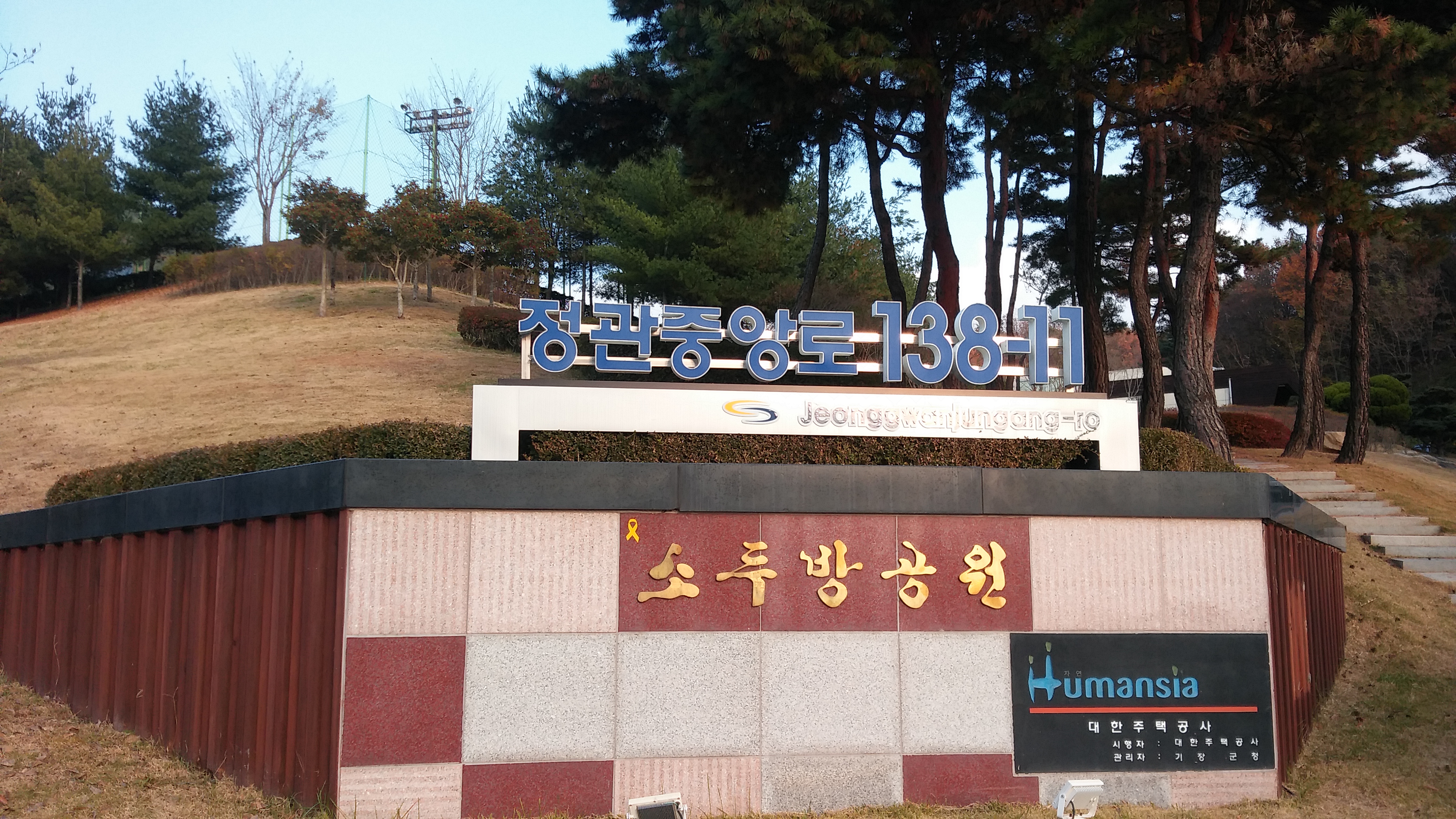
Jeonggwan Museum opened on January 26, 2015, and is officially described as the first museum in Korea dedicated to daily life during the Three Kingdoms period and the only museum in eastern Busan. Its address is 122 Jeonggwanjungang-ro, Jeonggwan-eup, Gijang-gun, Busan (Banggok-ri).
The museum was established here because of the development of Jeonggwan New Town. Construction began in 2003, and during the development process, an archaeological excavation survey of the Gadong and Banggok-ri sites in Jeonggwan was conducted for approximately 29 months, from May 1, 2003, to September 21, 2005. House sites dating from the 4th to 6th centuries were identified at the Gadong site.
Free Admission from 09:00 to 18:00; Last Entry at 17:00
Jeonggwan Museum is open from Tuesday through Sunday, 09:00–18:00, with last admission at 17:00. Admission is free, so there is no separate ticket fee. The museum is closed on January 1 and every Monday; when Monday is a public holiday, it closes on the following weekday.
Before visiting, you can call the information desk at 051-720-6900 to check whether the museum is operating. The official website is https://museum.busan.go.kr/jeonggwan/index, and the available information does not specify a recommended viewing time for general visitors or whether regular exhibition talks are offered for individual visitors.
How to Travel by Bus from Central Busan to 122 Jeonggwanjungang-ro
From Sajik-dong, Seomyeon, and Yeonsan-dong, take bus 105 or 106 and get off at the Jeonggwan Museum stop. Buses 3008 from Dongnae and Geumjeong-gu, 37 from Nopo-dong, 73 from Bansong, and 107 from Haeundae and Banyeo-dong stop at the Jeonggwan-eup Administrative Welfare Center/Gijang Fire Station stop, followed by a five-minute walk.
From the Gijang area, take bus 182, 188, or Gijang-gun bus 8. From the Seochang area of Yangsan, take bus 302; get off at the Jeonggwan-eup Administrative Welfare Center/Gijang Fire Station stop and walk for five minutes. For bus 184, get off at the Jeonggwan Yangwoo Naeane stop and walk for eight minutes. By car from Seomyeon or Dongnae, the recommended route goes through the Beonyeong-ro Hoedong Intersection, Jeonggwan Saneop-ro, Gomnae Tunnel, and Jeonggwanjungang-ro, then continues straight for 1.5 km on Jeonggwanjungang-ro.
A Permanent Exhibition Exploring Food and Beliefs at House Site No. 36 in Gadong
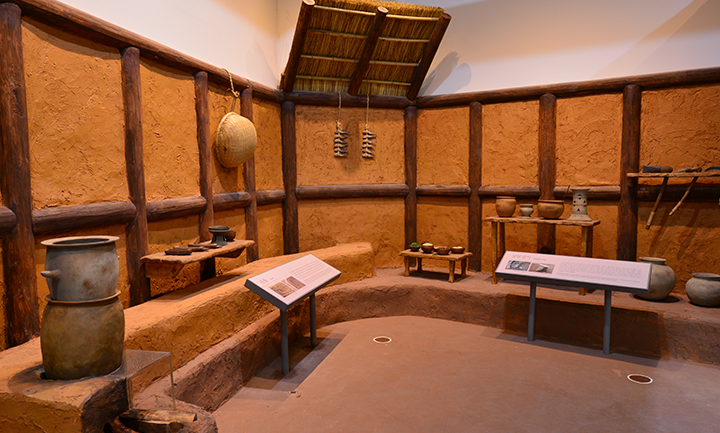
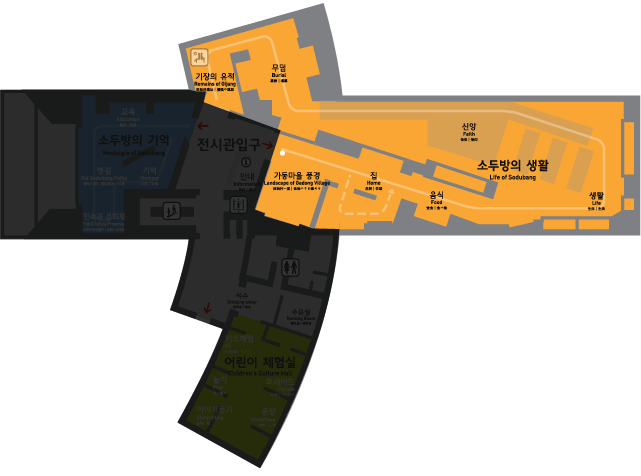
The third-floor permanent exhibition hall covers 993.4 m² and explores houses, food, daily life, beliefs, and tombs under the title “Life of Sodubang.” In a space recreating House Site No. 36 at the Gadong archaeological site, visitors can examine the interior of a Three Kingdoms-era house, and a pottery model of a house used as a funerary object is also displayed.
The food section includes cooking tools and tableware, a wooden mortar, and grinding stones. The daily-life section presents spindle whorls, wooden shoes, ornaments, lacquerware, wooden vessels, and bone-and-horn tools. The beliefs section displays bird-shaped pottery, scapula divination bones, and disk-shaped earthenware products. Tombs began to be constructed on a significant scale in Gijang in the 4th century; representative examples include the Cheonggang and Daerari sites and the outer-coffin tombs of the Gadong tumulus cemetery.
Compare 4th-Century Cheonggang and Daerari Villages Outdoors
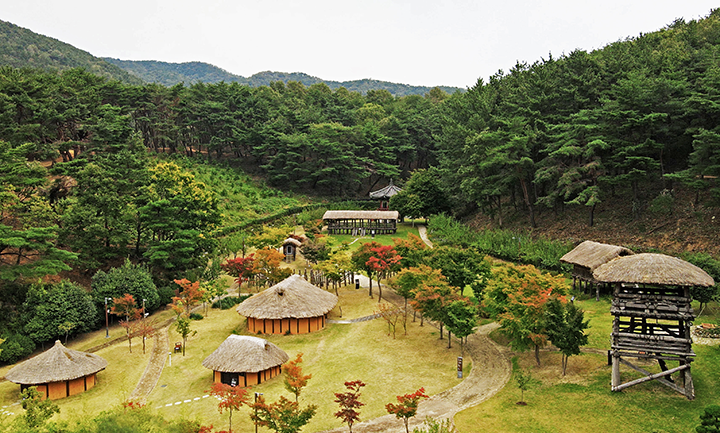
The outdoor exhibition park recreates a Three Kingdoms-era village identified in Gijang. The Cheonggang and Daerari sites, which served as the model, were located midway up hills extending northeast from Yangdalsan Mountain, 282 m above sea level, and the village began to be developed on a substantial scale around the 4th century.
Outdoor reconstructions include a workshop, storage building, dwellings, and a large dwelling. The large dwelling has a kitchen range with a firebox and an ondol floor-heating system extending from the west wall to the north wall. The largest of the nine wells identified at the Gochon site has also been recreated. Visitors can also see raised storage facilities and a watchtower, but the available information does not specify the operating scope of the outdoor exhibition park by season or during rainy weather.
The 25.8-Meter Ritual Building Was Restored at Half Scale
The large ritual building in the outdoor exhibition park is a half-scale restoration of the actual structure, which measured 25.8 m long and 4 m wide. The original was a raised-floor building supported above the ground by 36 central posts arranged in two rows and three auxiliary posts.
This exhibit is well suited to directly comparing the building’s height and post arrangement rather than simply viewing artifacts in display cases. However, no separate guidance confirms how far visitors may enter the outdoor exhibition park or whether they may go inside the building, so itineraries should not assume an interior experience.
Connecting the Past Before the New Town through the Memory of Sodubang
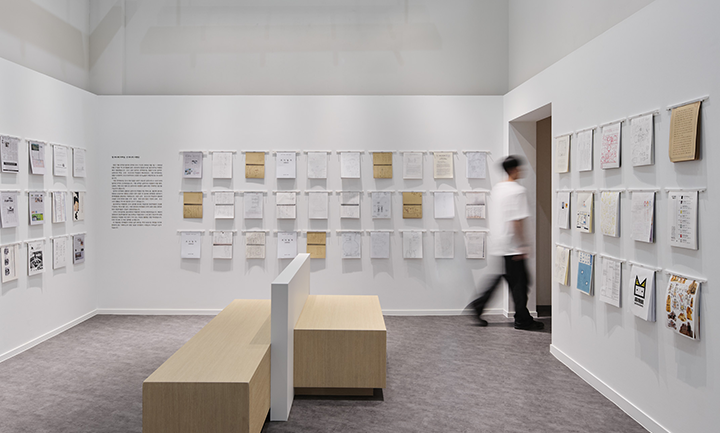
“Memory of Sodubang” is a space created to revive the memories of residents who left their hometowns because of the development of Jeonggwan New Town. It addresses not only Three Kingdoms-era sites but also how past villages and the present-day city are connected, and includes a record exhibition covering Jeonggwan Museum’s 10-year history.
For visitors interested in Jeonggwan’s place names and local history, the museum also explains that Gijang acquired its current name in 757, the 16th year of the reign of Silla King Gyeongdeok. It also introduces the local history of the March 1st Movement in Gijang, which began at Gijang Market on April 5, 1919, and spread to Jangan Jwacheon, Ilgwang, and Cheolma.
Information for Parking and Visiting with Children
As of June 2025, the parking lot has a total capacity of 42 vehicles, including two accessible spaces, two spaces for pregnant visitors, nine bus spaces, and one official-vehicle space. Since parking fees are not specified in the available information, it is safest not to assume that parking is free.
The museum has two wheelchairs and two strollers available, as well as one 17-passenger visitor elevator. Group exhibition talks are offered twice daily, at 10:30 and 14:30, for approximately 50 minutes for groups of 10 to 40 elementary school students aged 8 or older; advance reservations are required. Reservations can be made from 30 days to three days before the desired visit date, and groups of more than 20 people must make advance contact by phone. Pets are restricted from entering all areas of the museum, including the outdoor courtyard and outdoor exhibition park.
Before You Go
- Address
- 122 Jeonggwanjungang-ro, Jeonggwan-eup, Gijang-gun, Busan (Banggok-ri)
- Hours
- Tuesday–Sunday 09:00–18:00; last admission at 17:00
- Closed
- January 1 and every Monday. If Monday is a public holiday, closed on the following weekday
- Admission
- Free
- Phone
- 051-720-6900
- Official site
- https://museum.busan.go.kr/jeonggwan/index
- Transport
- Get off buses 105 or 106 at the Jeonggwan Museum stop; get off buses 3008, 37, 73, 107, 182, 188, Gijang-gun 8, or 302 at the Jeonggwan-eup Administrative Welfare Center/Gijang Fire Station stop, then walk 5 minutes; get off bus 184 at the Jeonggwan Yangwoo Naeane stop, then walk 8 minutes
- Parking
- 42 spaces total: includes 2 accessible spaces, 2 spaces for pregnant visitors, 9 bus spaces, and 1 official-vehicle space. Parking fees were not available
- Time needed
- Approximately 50 minutes for the group exhibition talk. A recommended time for general viewing was not available
- Accessibility
- Two wheelchairs and two strollers available
The information above is current as of the time of writing. Check the official guidance again before visiting.

Places
Nearby Attractions 1
-
 1
1
Food & Dining 3
-
 2
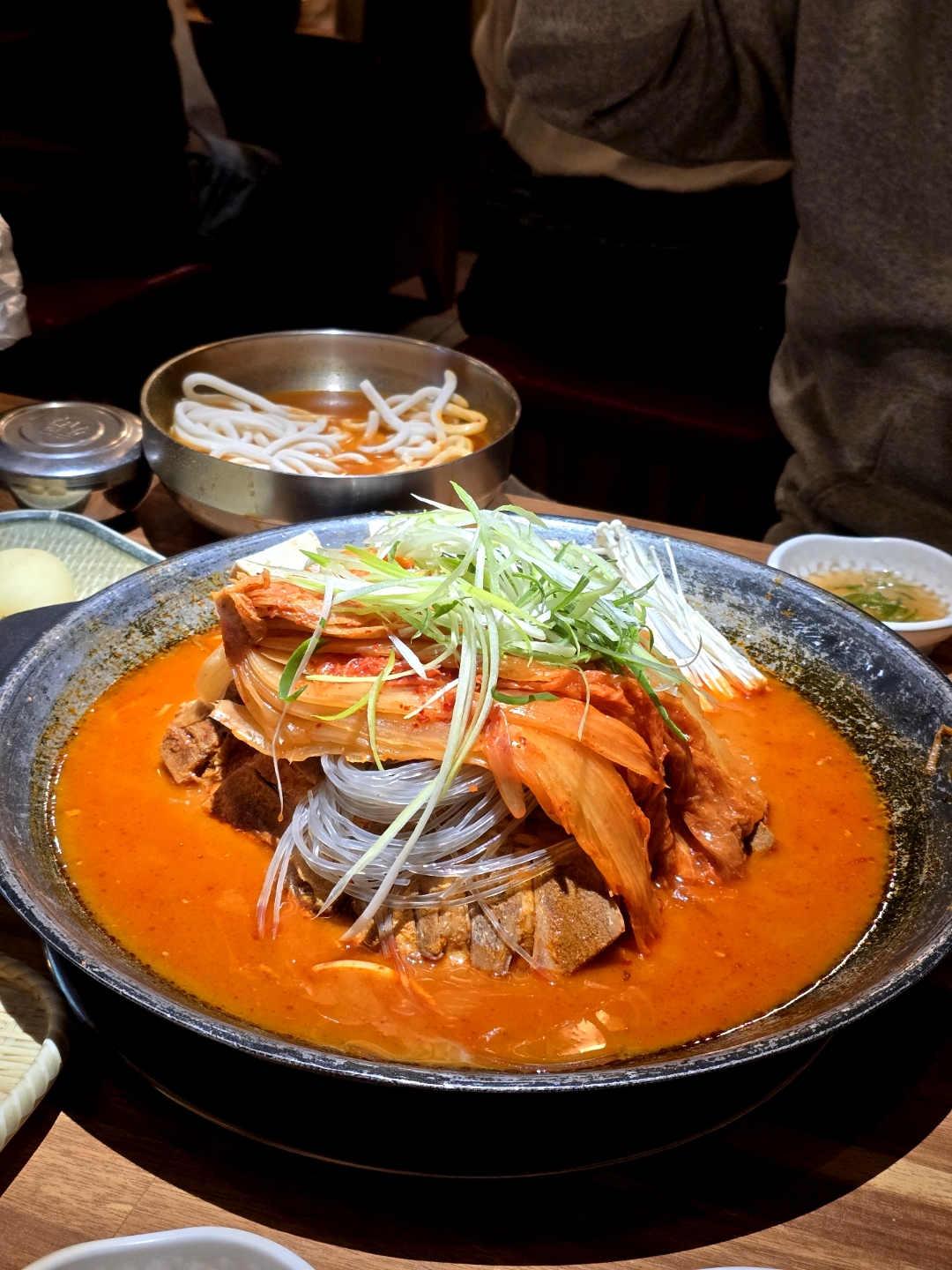
Jeonggwan Wang GamjatangA Korean restaurant serving gamjatang (pork backbone stew) and ppyeohaejangguk (hangover soup with pork bones).
2
Jeonggwan Wang GamjatangA Korean restaurant serving gamjatang (pork backbone stew) and ppyeohaejangguk (hangover soup with pork bones). -
 3
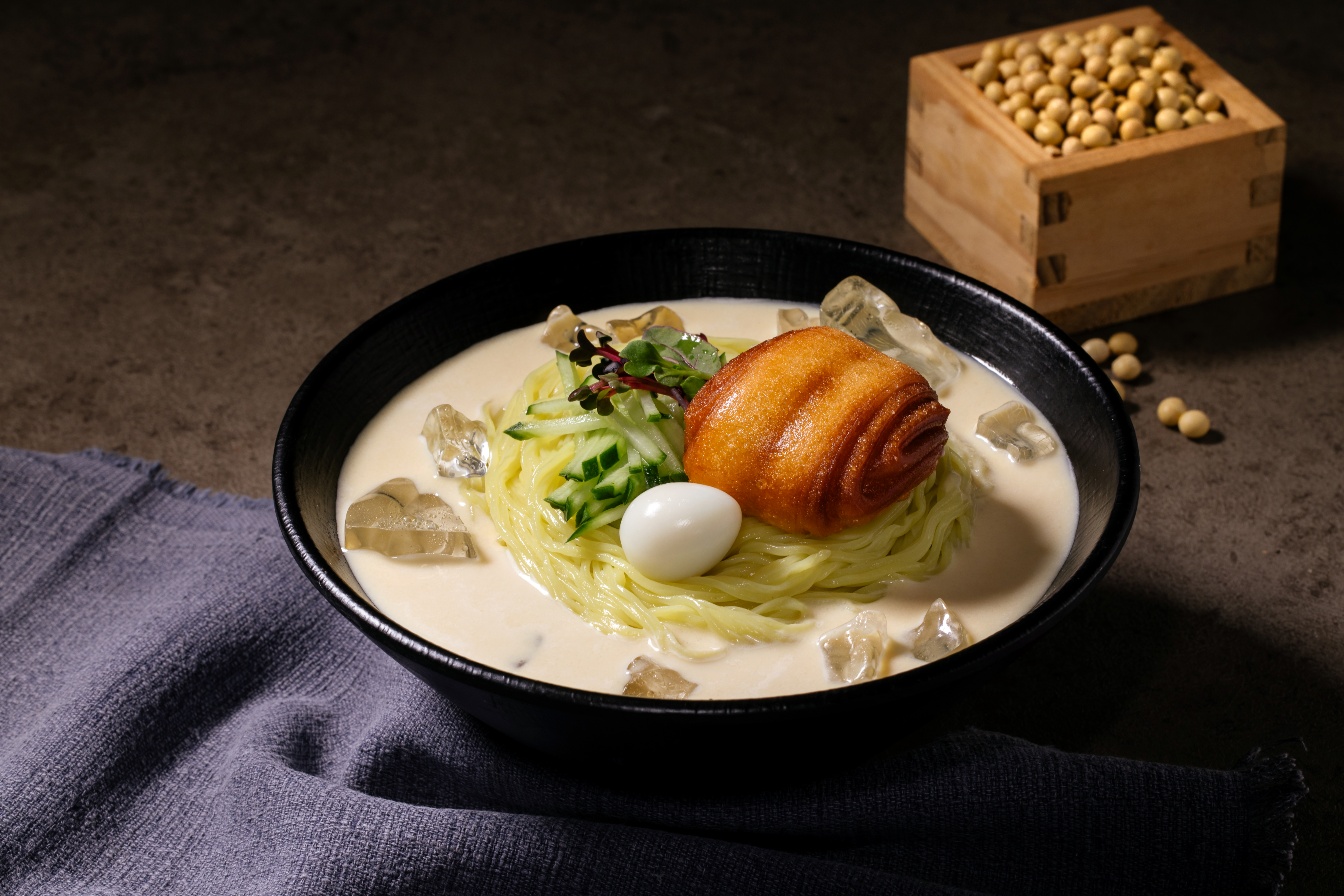
Bobaebanjeom Jeonggwan BranchA Chinese restaurant serving jjajangmyeon, jjamppong, and tangsuyuk.
3
Bobaebanjeom Jeonggwan BranchA Chinese restaurant serving jjajangmyeon, jjamppong, and tangsuyuk. -
 4
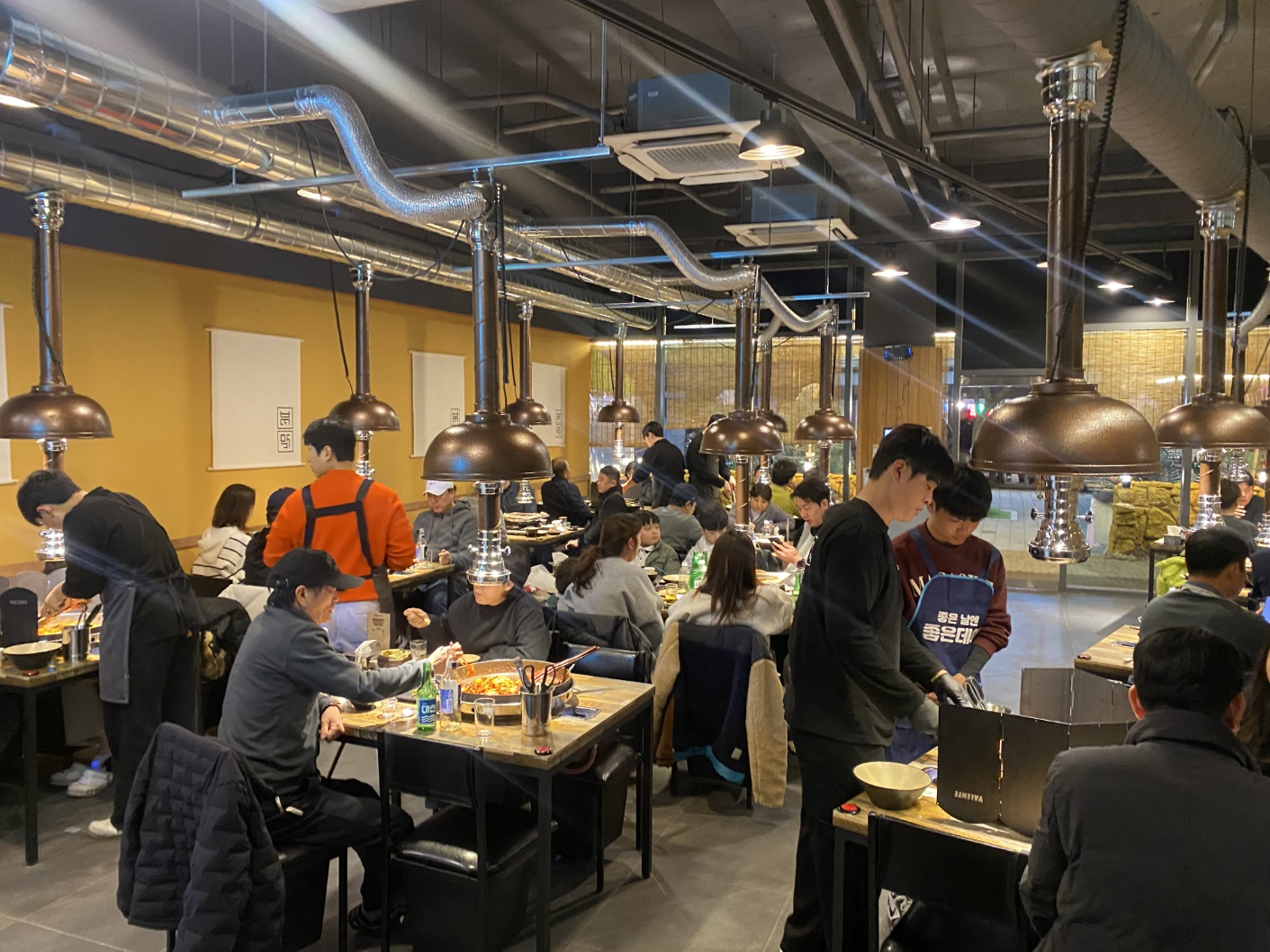
Bumak Charcoal Grilled Dakgalbi Jeonggwan BranchEnjoy charcoal-grilled chicken and iron-plate dakgalbi.
4
Bumak Charcoal Grilled Dakgalbi Jeonggwan BranchEnjoy charcoal-grilled chicken and iron-plate dakgalbi.
Events in This Area


Festivals in This Area
More Travel Guides in This Area
 Travel Guide
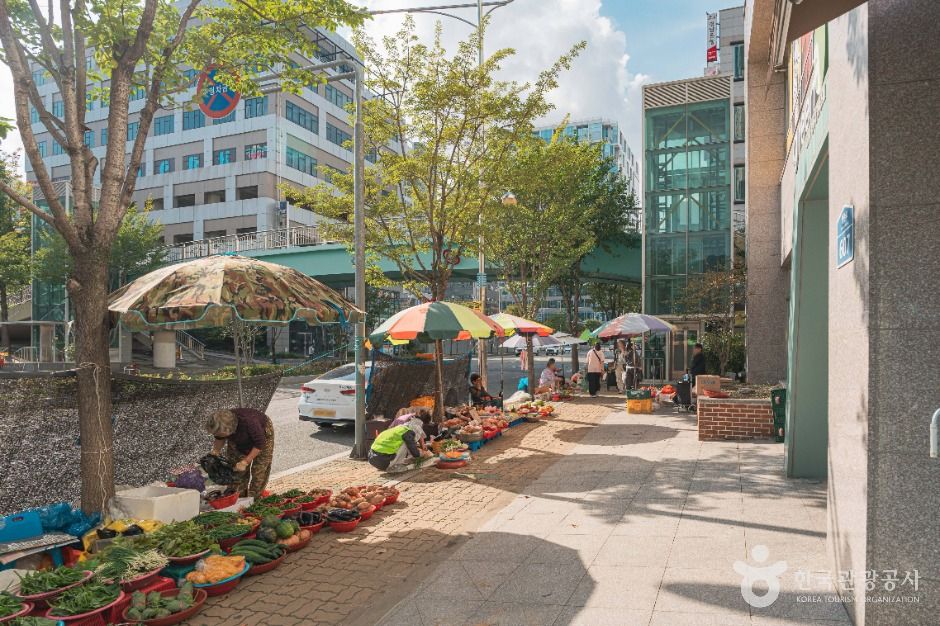
Why You Should Visit Jeonggwan New Town Market on Days Ending in 2 or 7
 Travel Guide
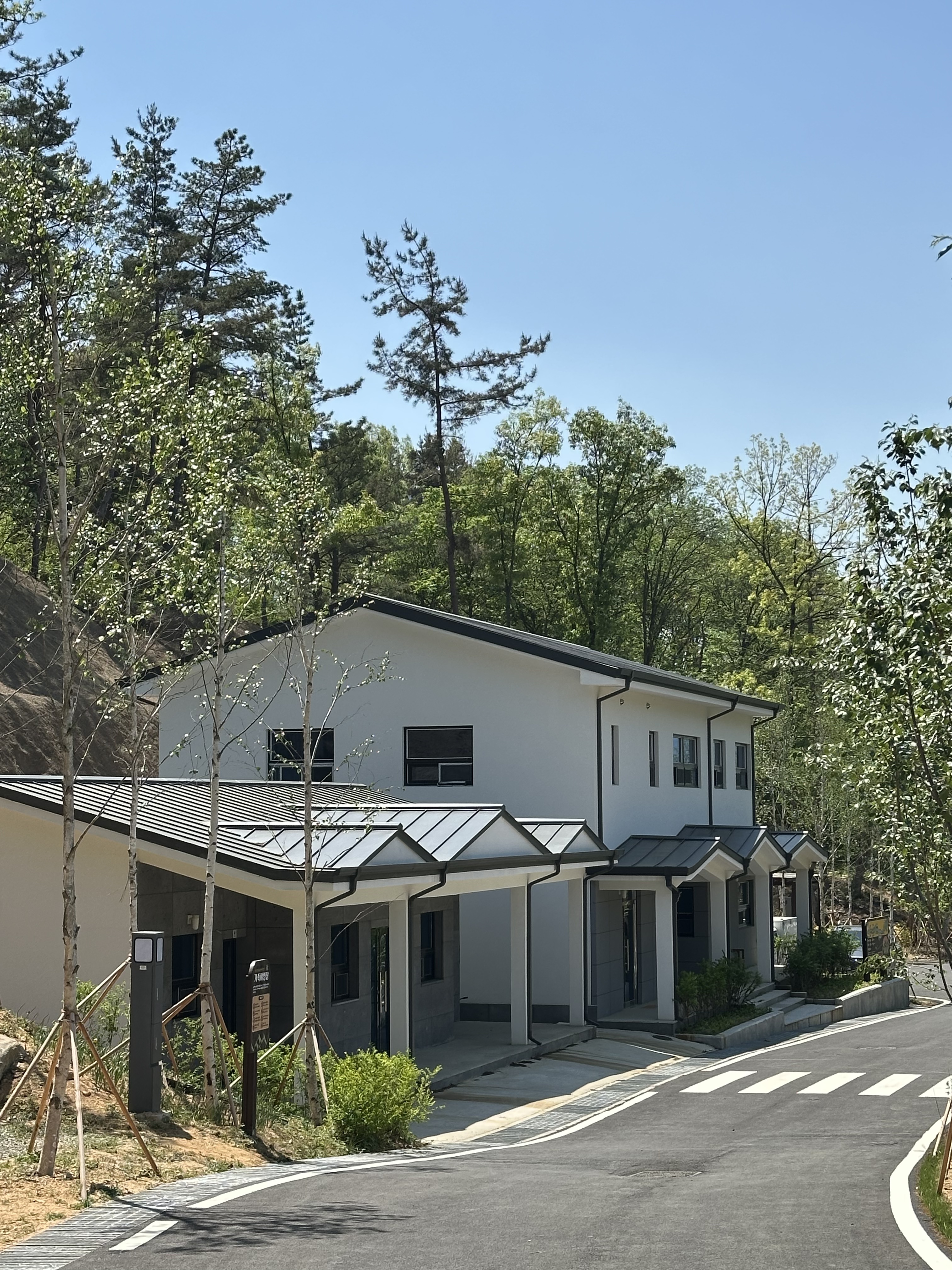
One Night in the Forest of Byeongsan-gol: 15:00 Check-in, Dinner, and Pool Hours to Know Before Using Chueon Forest Camping Site
 Travel Guide
Cheolma Hanwoo at the Entrance to Ahopsan Forest, Midongamsojeong
 Travel Guide
Walking Gijang’s Ahopsan Forest along a 400-year-old private woodland and Maengjongjuk bamboo trail
Korea News
![BLACKPINK’s Lisa Dominates the VMA Red Carpet in a Sheer Corset Dress and Red Fur [Star Issue]](https://kotourlive-images.s3.ap-northeast-1.amazonaws.com/news/1790557894714_010e956a_news_94409db1-fab6-40bf-bc7b-4b985b1fbac7.jpg) News
News
BLACKPINK’s Lisa Dominates the VMA Red Carpet in a Sheer Corset Dress and Red Fur [Star Issue]
![BLACKPINK’s Jisoo Spotted by Surprise with BIGBANG in London… Their Special Loyalty as Labelmates [IS High Cut]](https://kotourlive-images.s3.ap-northeast-1.amazonaws.com/news/1790557854683_6ea979f5_news_caab62e5-8462-43c8-8622-da794f3df9de.png) News
News
BLACKPINK’s Jisoo Spotted by Surprise with BIGBANG in London… Their Special Loyalty as Labelmates [IS High Cut]
 News
News
Tattoos All Over Her Body… AOA’s Jimin Draws Shocked Attention After Kwon Mina’s ‘Bullying’ Allegations
![You’ll Have to Look Twice… Choi Min-a-soo Perfectly Pulls Off Everything from a Daring Illusion Dress at the Awards Ceremony to Long Braided Hair [RE:STAR]](https://kotourlive-images.s3.ap-northeast-1.amazonaws.com/news/1790492384850_1f293dad_news_d834c50e-0685-43ef-9aa5-6995cd6d8848.jpg) News
News