Walking Through the Restored Wetlands of the Nakdonggang Estuary at Eulsukdo Ecological Park
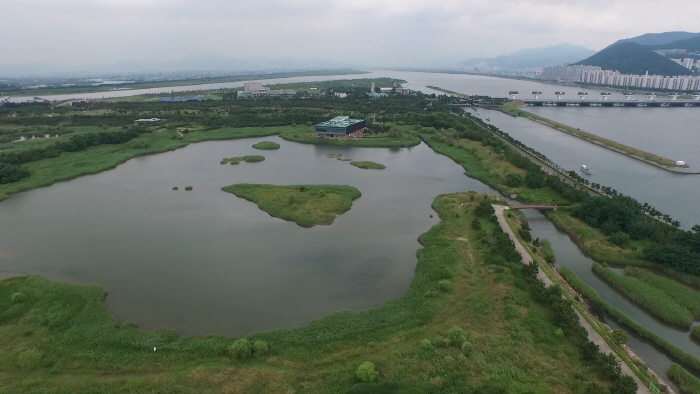
Eulsukdo Ecological Park has evolved into a space with a flower garden, picnic plaza, and walking trails through the construction of the Nakdonggang Estuary Barrage and wetland restoration projects. If you also plan to watch migratory birds, it is best to plan your route while distinguishing the Eco Center’s operating days from the different characteristics of the park and protected areas.

I’ve been here?
Your check-in helps the next traveler.
29 people viewed this week Be the first
One tap — no writing needed
Eulsukdo Transformed After the 1987 Estuary Embankment and 2005 Wetland Restoration
Eulsukdo is an island in the estuary where the Nakdonggang River meets the sea. When the Nakdonggang Estuary Embankment was completed in April 1987, the island’s terrain and patterns of use changed significantly, with some areas submerged or converted into land. Today’s Eulsukdo Ecological Park is the result of restoring land once used as farmland, a manure treatment facility, a landfill, and a dredged-soil storage site.
Busan City established a master plan for creating Eulsukdo Ecological Park in 1999 and completed the three-stage wetland restoration project in 2005. In 2009, a project was launched to expand and improve the functions of some wetlands. It is therefore more accurate to understand Eulsukdo not as an island left entirely in its natural state, but as a restored park designed to combine the recovery of the estuarine ecosystem with public use.
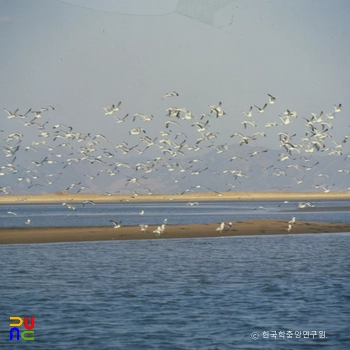
Upper Ecological Park and Lower Migratory Bird Park Divided by Nakdongnam-ro
The Eulsukdo park area is divided into the upper Eulsukdo Ecological Park and the lower Eulsukdo Migratory Bird Park, using the road connecting Hadan and Myeongji as the dividing point. The lower section of the Migratory Bird Park lies within the Cultural Heritage Protection Zone of the Nakdonggang Estuary Migratory Bird Sanctuary, Natural Monument No. 179, so it should not be approached in the same way as an ecological park focused on visitor use.
The ecological park has a picnic plaza, a flower garden, wooded areas, walking trails, and rest facilities. The Migratory Bird Park centers on wetland features such as brackish, freshwater, and saltwater wetlands, reed channels, and a birdwatching platform at the southern end. An efficient itinerary is to first enjoy the broad lawns or flower garden, then set aside separate time for birdwatching, assuming quiet behavior and preparation with binoculars.
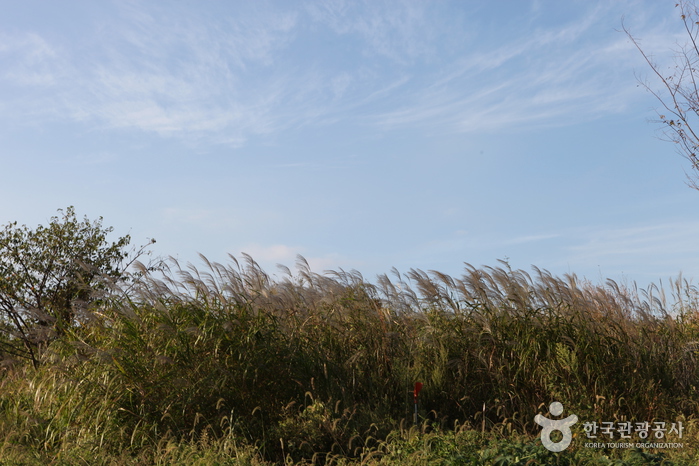
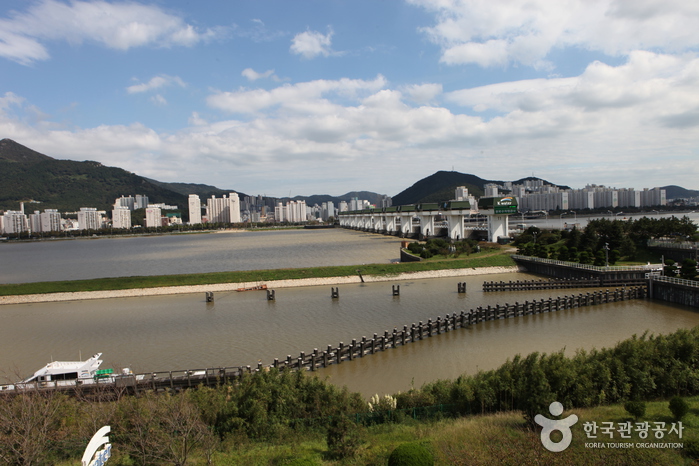
A Two-Hour Route Combining the Picnic Plaza, Flower Garden, and Circular Trail
For a first visit, it is easy to orient yourself by using 1240 Nakdongnam-ro, where the Nakdonggang Estuary Eco Center is located, as a reference point and walking along a route connecting the picnic plaza, flower garden, wooded areas, and riverside trails. The park provides signs for pergolas, benches, outdoor tables, restrooms, drinking-water fountains, general maps, and directional markers.
Recommended time is 1.5 to 2 hours for a light visit to the outdoor park alone, or at least 3 hours if you include the Eco Center exhibitions and the birdwatching platform in the Migratory Bird Park. Because walking distances are extensive and there are limited indoor areas protected from the wind, it is best to bring water and a hat in summer and a windproof jacket in winter. Official tourism information lists park access as available at all times, year-round.
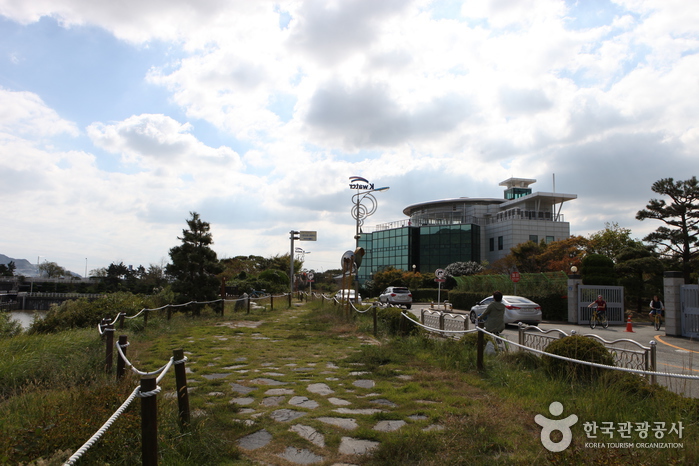
Preparing for Migratory Bird Watching Around the Eco Center’s 09:00–18:00 Hours
The operating conditions for the park’s outdoor spaces and the Nakdonggang Estuary Eco Center differ. The Eco Center is open to visitors from 09:00 to 18:00, with admission permitted until 17:00, and is closed on January 1 and Mondays. If Monday is a public holiday, it closes the following day. Exhibition admission is free, the main telephone number is 051-209-2031, and the official website is https://www.busan.go.kr/wetland.
The first floor of the Eco Center has a general information desk and education room; the second floor has a permanent exhibition hall, experience zone, birdwatching platform, and mini-library; and the third floor has a video room. Outdoor binoculars can be rented for 5,000 won for high magnification or 2,000 won for low magnification for up to two hours. Additional time costs 2,500 won per hour for high magnification and 1,000 won per hour for low magnification. Wheelchairs and the first-floor luggage storage room are available free of charge.
How to Get There by Buses 3, 55, and 58 from Exit 3 of Hadan Station
By public transportation, begin at Exit 3 of Hadan Station on Busan Metro Line 1. From the Hadan Station bus stop, take bus 3, 55, 58, 58-1, 58-2, 168, 221, 520, 1005, or 2000, get off at the Busan Museum of Contemporary Art stop, and walk for about 10 minutes. If you do not take a bus, the walk from Hadan Station to the park is long, so it is not recommended for first-time visitors.
The address is 1240 Nakdongnam-ro, Saha-gu, Busan, and this address is useful for setting directions to the Nakdonggang Estuary Eco Center. The Busan Museum of Contemporary Art on the same island is at 1191 Nakdongnam-ro, while the picnic plaza is at 1240-2 Nakdongnam-ro, so selecting only one destination may leave you far from the area you want to visit. After getting off the bus, check the signs for “Eco Center,” “Busan Museum of Contemporary Art,” and “Picnic Plaza” and proceed toward the appropriate area.
- Eco Center inquiries: 051-209-2031
- Exhibition and education program inquiries: 051-209-2061
- Wildlife Treatment Center inquiries: 051-209-2091
Parking at Eulsukdo: 100 Won per 10 Minutes for Small Cars, 2,400 Won per Day
Visitors arriving by car can use the Eulsukdo parking lot. The listed rates for small cars are 100 won per 10 minutes, 2,400 won per day, and 30,000 won for a monthly pass; large vehicles are charged three times the rate for standard passenger cars. Although park admission itself is free, parking is charged separately and should be included in your budget.
When visiting on a weekend or to use the flower garden or picnic plaza, it is best to decide in advance which area you will visit after parking. The picnic plaza, flower garden, Busan Museum of Contemporary Art, Eco Center, and Migratory Bird Park are all on Eulsukdo but are not clustered in one location. Because you should plan to walk for at least an hour after leaving your vehicle, stroller and wheelchair users are advised to call ahead to ask whether free wheelchair rental is available at the Eco Center and to confirm the day’s walking route.
A Half-Day Connecting the 2018 Opening of the Busan Museum of Contemporary Art with Amisan Observatory
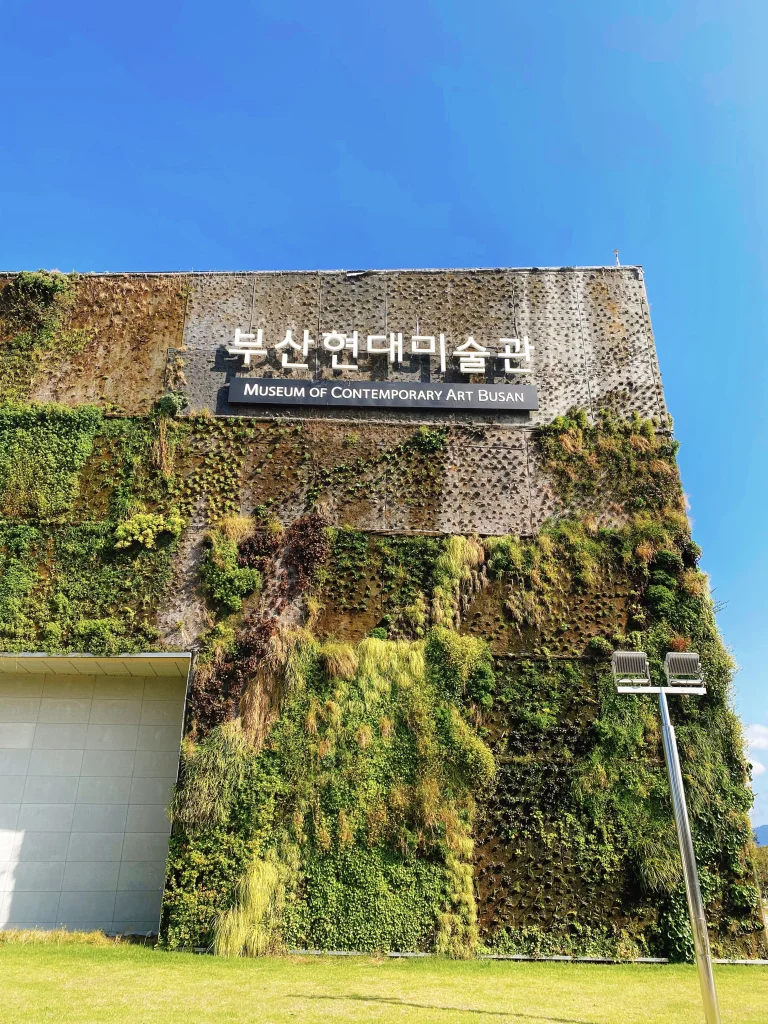
The Busan Museum of Contemporary Art in central Eulsukdo opened in June 2018. If you would like to add an indoor exhibition after walking through the ecological park, you can include the museum at 1191 Nakdongnam-ro. Although the park, Eco Center, and museum are all on Eulsukdo, their exhibition hours and closing days are separate, so check the museum’s schedule independently before setting out.
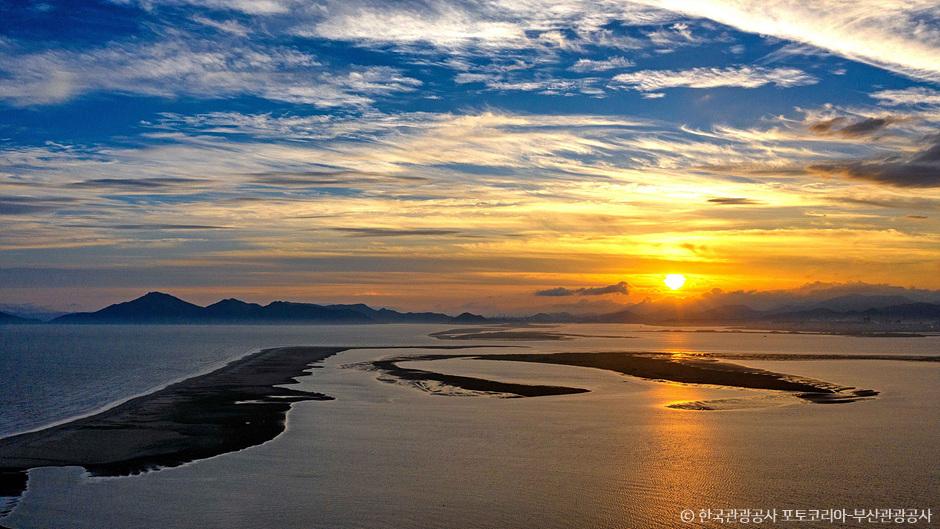
If you want to understand the estuarine landscape at a glance, consider making Amisan Observatory your next destination. At Eulsukdo, you can view the relationship between the Nakdonggang waterway, sandbars, and wetlands from close to ground level; at the observatory, you can take in the estuary’s broad form. Conversely, if quiet birdwatching is your goal, it is better to omit the picnic plaza and museum itinerary and focus your time on the Eco Center exhibitions and the Migratory Bird Park trails.
Late-Autumn Reeds and Winter Migratory Birds, Plus Behaviors to Avoid
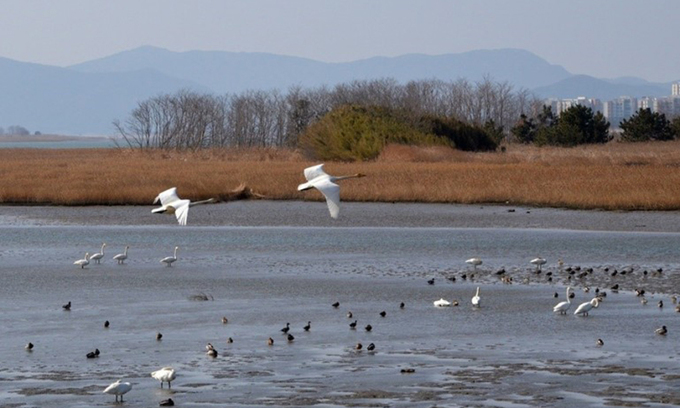
Eulsukdo has a distinct season when winter migratory birds and reed landscapes can be seen together. Busan tourism information introduces the seasonal character of reeds and wetlands between autumn and winter and notes that many migratory birds visit the restored wetlands in winter. If birdwatching is your goal, visit the Eco Center and birdwatching areas first from the morning, and during seasons with shorter daylight hours, also consider the Eco Center’s 17:00 admission deadline.
Bringing food and beverages indoors, drinking and smoking, bringing pets, and bringing inline skates or bicycles into the Eco Center are prohibited. During outdoor birdwatching, avoid making loud noises, feeding wildlife, or entering wetlands to get closer to birds. The park suits travelers who prioritize observation over photography and people who want to walk for a long time mainly on flat paths, but it may not suit those expecting a park with abundant shade and concentrated commercial facilities.
- Outdoor park access: Available at all times, year-round
- Eco Center closures: Mondays and January 1
- Eco Center admission deadline: 17:00
- Birdwatching essentials: Binoculars, windproof clothing, and a quiet attitude toward observation
Before You Go
- Address
- 1240 Nakdongnam-ro, Saha-gu, Busan
- Hours
- Park access at all times; Nakdonggang Estuary Eco Center 09:00–18:00 (admission 09:00–17:00)
- Closed
- Park listed as open year-round; Nakdonggang Estuary Eco Center closed January 1 and Mondays (the following day if Monday is a public holiday)
- Admission
- Free (parking charged separately); Nakdonggang Estuary Eco Center free
- Phone
- 051-209-2031
- Official site
- https://www.busan.go.kr/wetland
- Transport
- Busan Metro Line 1, Exit 3 of Hadan Station → Hadan Station bus stop. Take buses 3, 55, 58, 58-1, 58-2, 168, 221, 520, 1005, or 2000 → get off at the Busan Museum of Contemporary Art stop, then walk about 10 minutes
- Parking
- Eulsukdo parking lot available. Small cars: 100 won per 10 minutes, 2,400 won per day, 30,000 won monthly pass; large vehicles: three times the standard passenger-car rate
- Time needed
- Outdoor park: 1.5–2 hours; at least 3 hours including the Eco Center and Migratory Bird Park
- Accessibility
- The Nakdonggang Estuary Eco Center offers free wheelchair rental for children, older adults, and people with disabilities, and free use of the first-floor luggage storage room
The information above is accurate as of the time of writing. Check the official information again before visiting.

Places
Nearby Attractions 3
-
 1
Museum of Contemporary Art BusanA public art museum showcasing contemporary art and media art exhibitions
1
Museum of Contemporary Art BusanA public art museum showcasing contemporary art and media art exhibitions -
 2
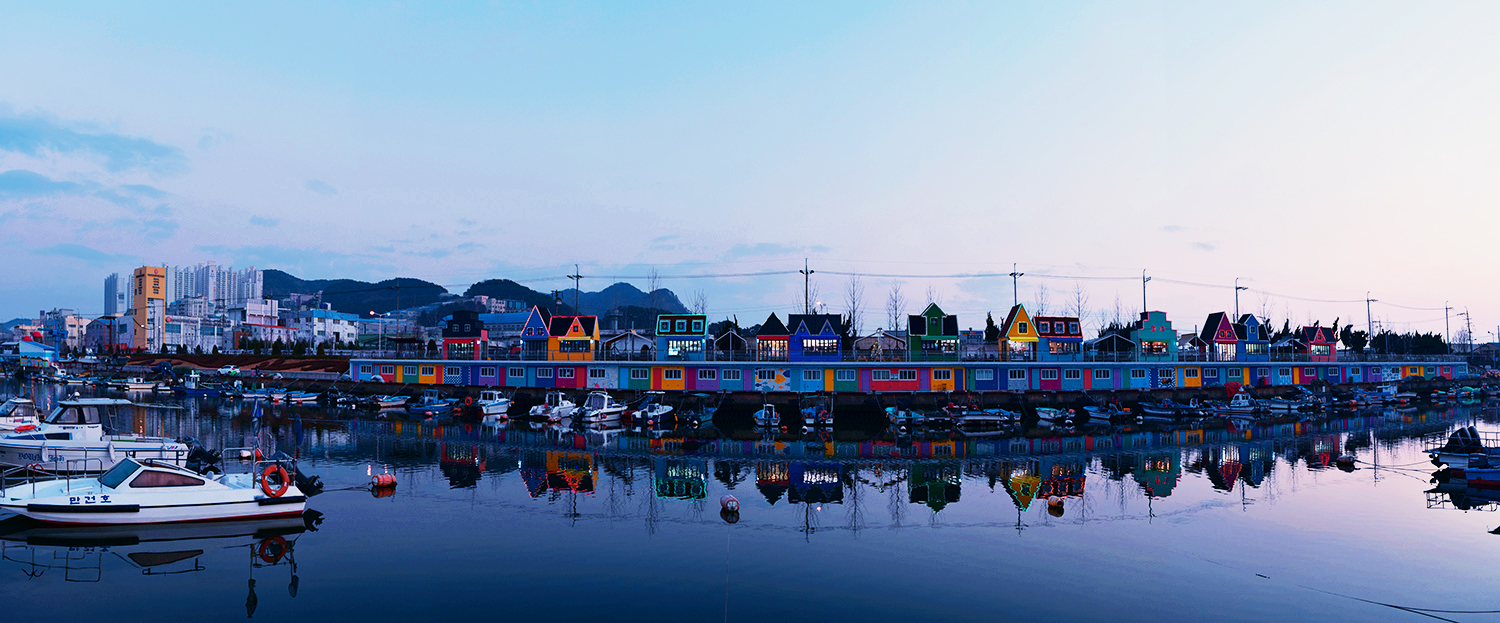
Amisan Observatory at the Nakdong River EstuaryAn observatory overlooking the Nakdong River estuary, including its sand islands, migratory birds, and sunset views.
2
Amisan Observatory at the Nakdong River EstuaryAn observatory overlooking the Nakdong River estuary, including its sand islands, migratory birds, and sunset views. -
 3
3
Food & Dining 3
-
 4
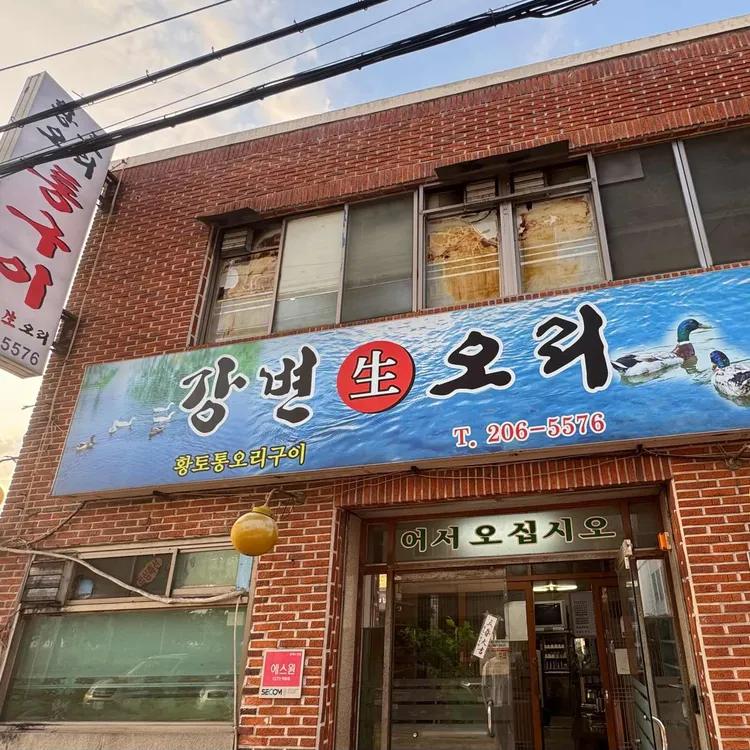
Saladwa Eulsukdo BranchA restaurant offering salads and sandwiches to take away for a quick meal.
4
Saladwa Eulsukdo BranchA restaurant offering salads and sandwiches to take away for a quick meal. -
 5
5
-
 6
6
Events in This Area

Festivals in This Area

More Travel Guides in This Area
 Travel Guide
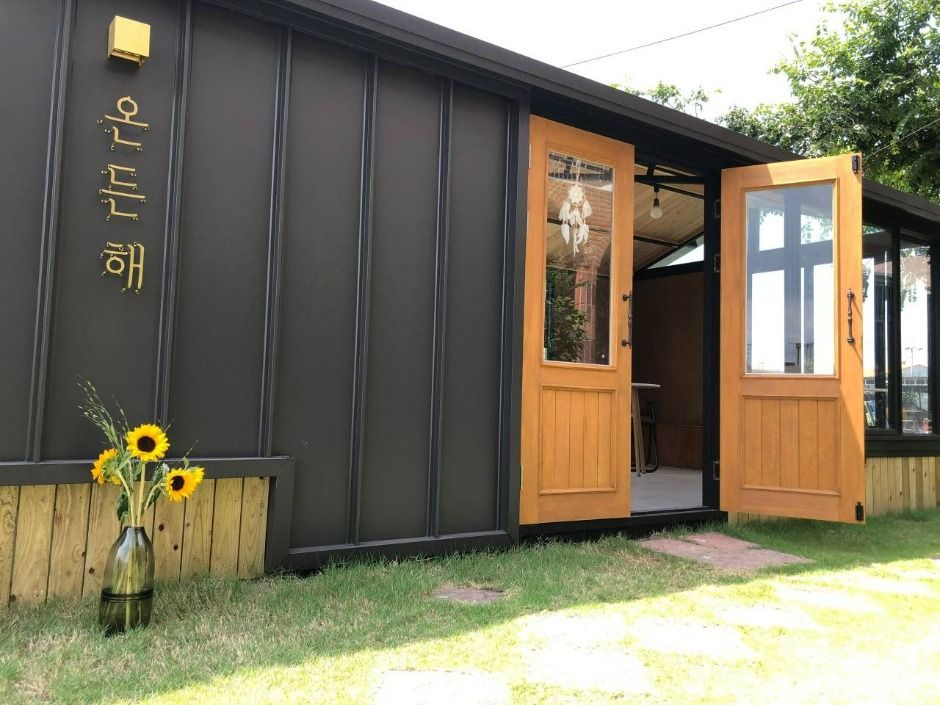
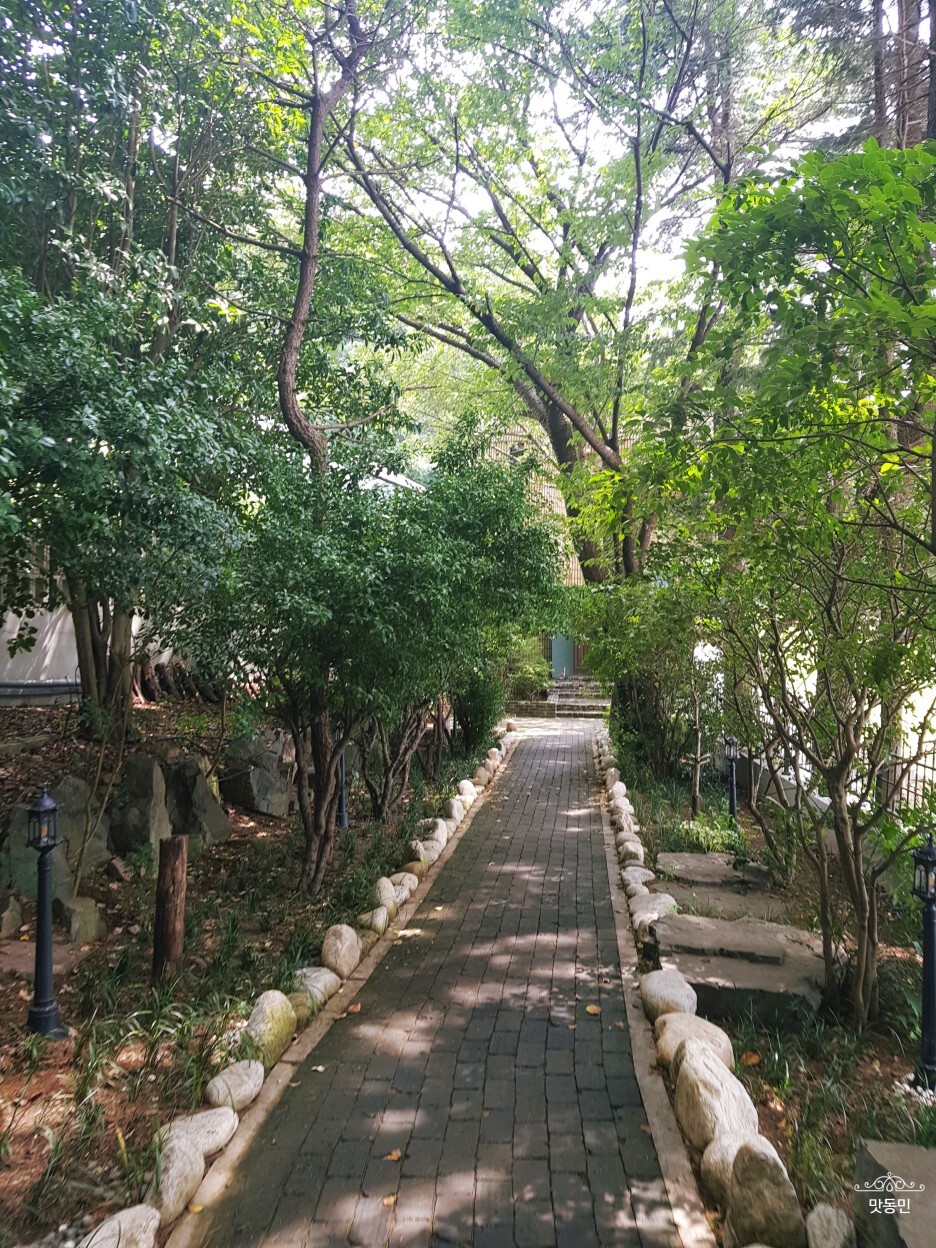
What to Check Out at Ondunhae, a Rice Dessert Café in Daejeo 2-dong West of Gimhae Airport
 Travel Guide
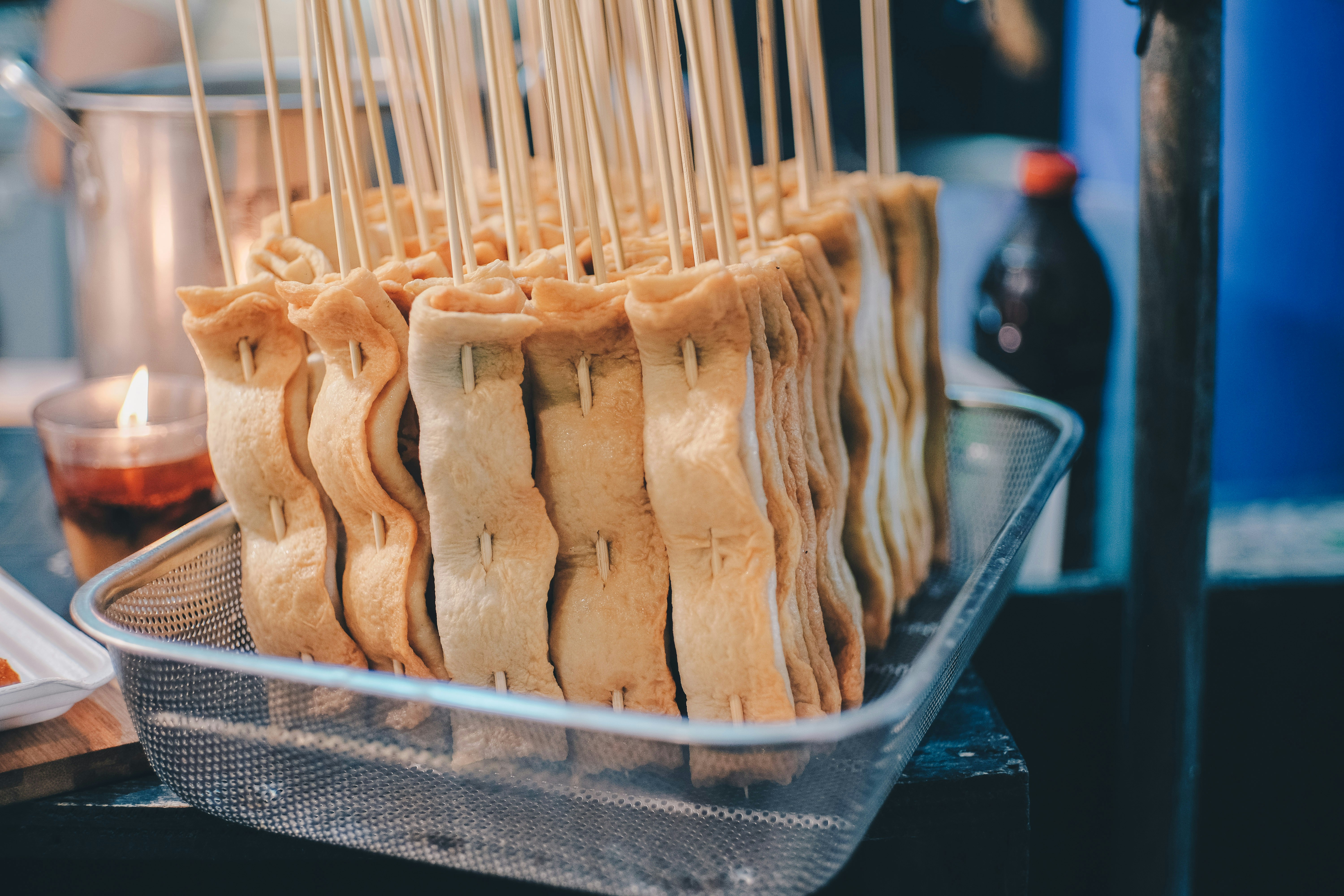
From Industrial Workers’ Shopping Baskets to a Fish Cake Festival: Jangnim Alley Market
 Travel Guide
Café Mandi Above Exit 4 of Daeti Station—A Place to Feel the Meaning of “Sanmandi”
 Travel Guide
Gamcheon Culture Village: From Taegukdo’s Faith Community and Refugee Hillside to an Arts-Filled Alleyway
Korea News
 News
News
‘NewJeans Expulsion’ Danielle Releases Her First YouTube Video… “We Don’t Know What Will Happen Next”
![aespa’s North American Tour Has Remaining Seats Despite ‘$49’ Bargain Prices… A Stark Popularity Gap with KATSEYE [TEN Starfield]](https://kotourlive-images.s3.ap-northeast-1.amazonaws.com/news/1788485037424_a59b1932_naver_rank_thumb_0000774618_1788485037424.jpg) News
News
aespa’s North American Tour Has Remaining Seats Despite ‘$49’ Bargain Prices… A Stark Popularity Gap with KATSEYE [TEN Starfield]
![[Photo] TWICE’s Dahyun attends a film festival red carpet as an actress](https://kotourlive-images.s3.ap-northeast-1.amazonaws.com/news/1788485316508_edd43ecd_news_870a60a6-6f11-4d73-aa7c-48d91318a0f7.jpg) News
News
[Photo] TWICE’s Dahyun attends a film festival red carpet as an actress
![[On-Site Video] “We’re Departing Separately Together”… BIGBANG Begins ‘COSMOS’ World Tour](https://kotourlive-images.s3.ap-northeast-1.amazonaws.com/news/1788485226518_c5719641_news_fdd4764a-0f4e-4968-8e4e-e98a02872f88.jpg) News
News