Jindo Unlimsanbang, Where the Mist of Cheomchalsan Became a Studio for Southern School Painting
Unlimsanbang was the residence and studio that Sochi Heo Ryeon, a Southern School painter of the late Joseon period, established in his hometown of Jindo in 1857. Visit the pond, historic house, and Sochi Memorial Museum in sequence, then continue to nearby Ssanggyesa Temple and the evergreen forest of Cheomchalsan to better understand how Jindo’s Southern School painting meets its natural surroundings.
I’ve been here?
Your check-in helps the next traveler.
No one has checked in yet Be the first
One tap — no writing needed
Why Sochi Heo Ryeon Established His Studio on the Western Side of Cheomchalsan in 1857
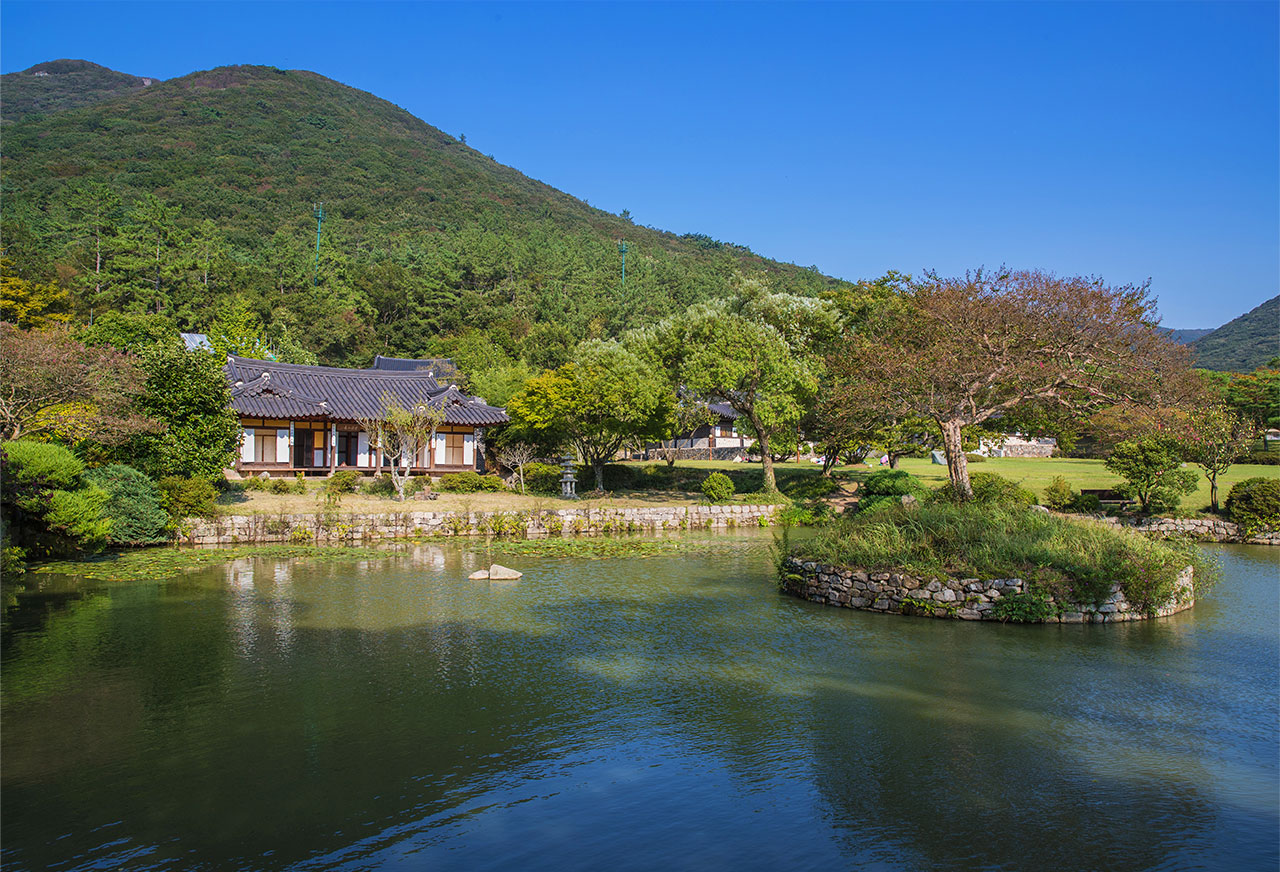
Unrimsanbang was the residence and studio where Sochi Heo Ryeon (1808–1893), a master of the Southern School of painting in the late Joseon period, painted from 1857 until his later years after ending his life in Seoul and returning to his hometown of Jindo. Heo Ryeon was born in Ssangjeong-ri, Jindo-eup. From the age of 28, he studied under Choui Seonsa at Iljiam Hermitage in Daedunsa Temple in Haenam, and through Choui’s introduction, he studied calligraphy and painting under Chusa Kim Jeong-hui in Seoul.
The site lies on the western foothills of Cheomchalsan, 485 m above sea level, near Ssanggyesa Temple. The name “Unrimsanbang” comes from the terrain, where morning and evening mist rises between the peaks and makes the landscape look like a forest of clouds. The scenery of the studio itself connects closely with Heo Ryeon’s landscape-painting perspective. The current group of buildings was restored in 1982 by his grandson, Namnong Heo Geon, after a long period of neglect.
The Starting Point of Five Generations of Jindo Southern-Style Painting, from Sochi to Misan and Namnong
Unrimsanbang is more than the former home of a single painter. Heo Ryeon’s third son, Misan Heo Hyeong, and his grandson, Namnong Heo Geon, continued the tradition of Southern School painting here. Uijae Heo Baek-ryeon, who also belonged to the Yangcheon Heo clan, first learned to paint from Misan at this site. Jindo County describes the location as the home base of the traditional Southern painting tradition spanning five generations, including Sochi, Misan, Namnong, and Imjeon.
Along the sightseeing route, it is easiest to understand the context by visiting the Sochi Memorial Hall first to see works by the Heo family and related exhibitions, then connecting the studio and old house with Unrimji. Inside the studio, reproductions of paintings by three generations of the Heo family are displayed, while the Sochi Memorial Hall exhibits works from the Unrimsanbang lineage, viewing stones, and ceramics.
- Sochi Heo Ryeon: 1808–1893
- Unrimsanbang restoration: 1982
- Cultural heritage designation: Jeollanam-do Monument No. 51
- National Scenic Site designation: No. 80
The Studio’s Composition Seen from a 6 m Island and 1,586.78 m² Unrimji
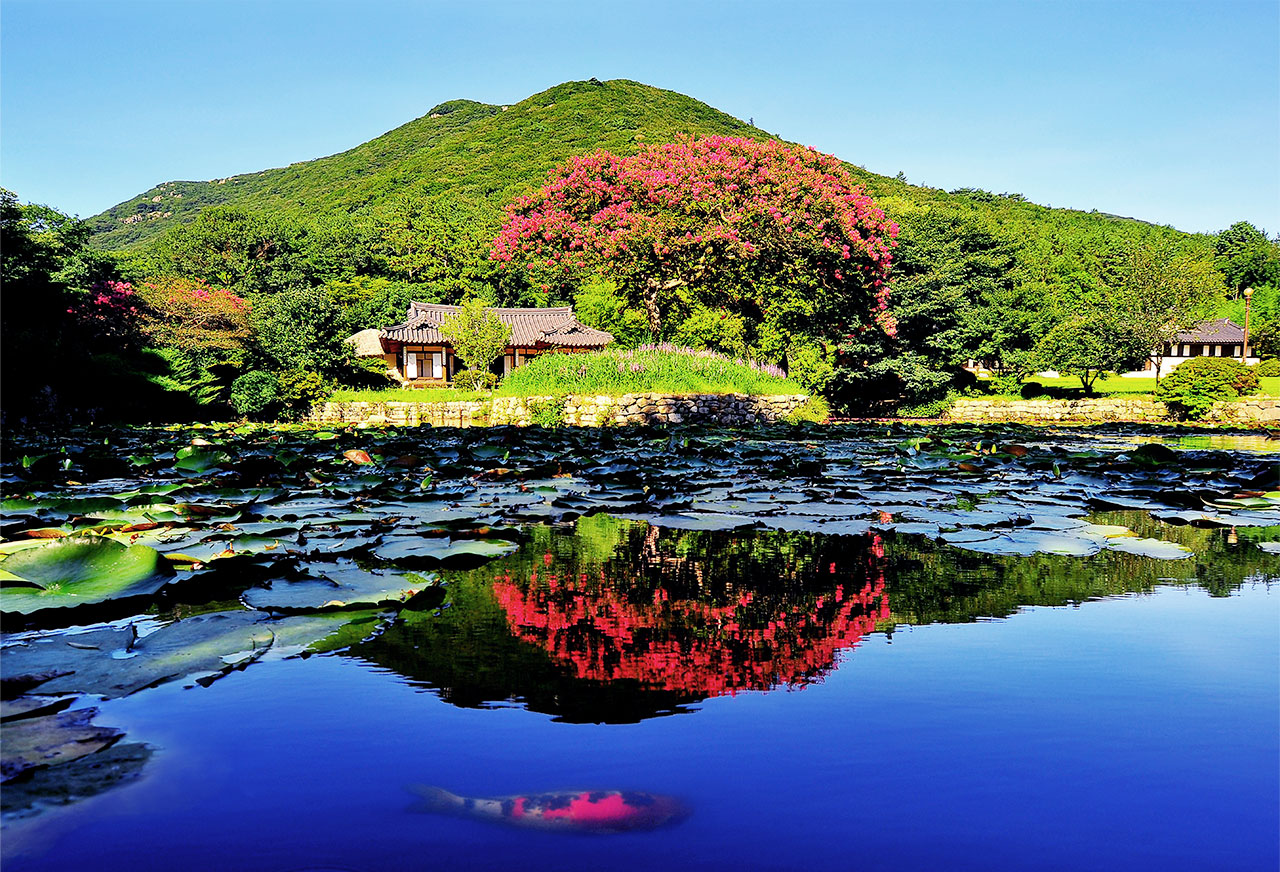
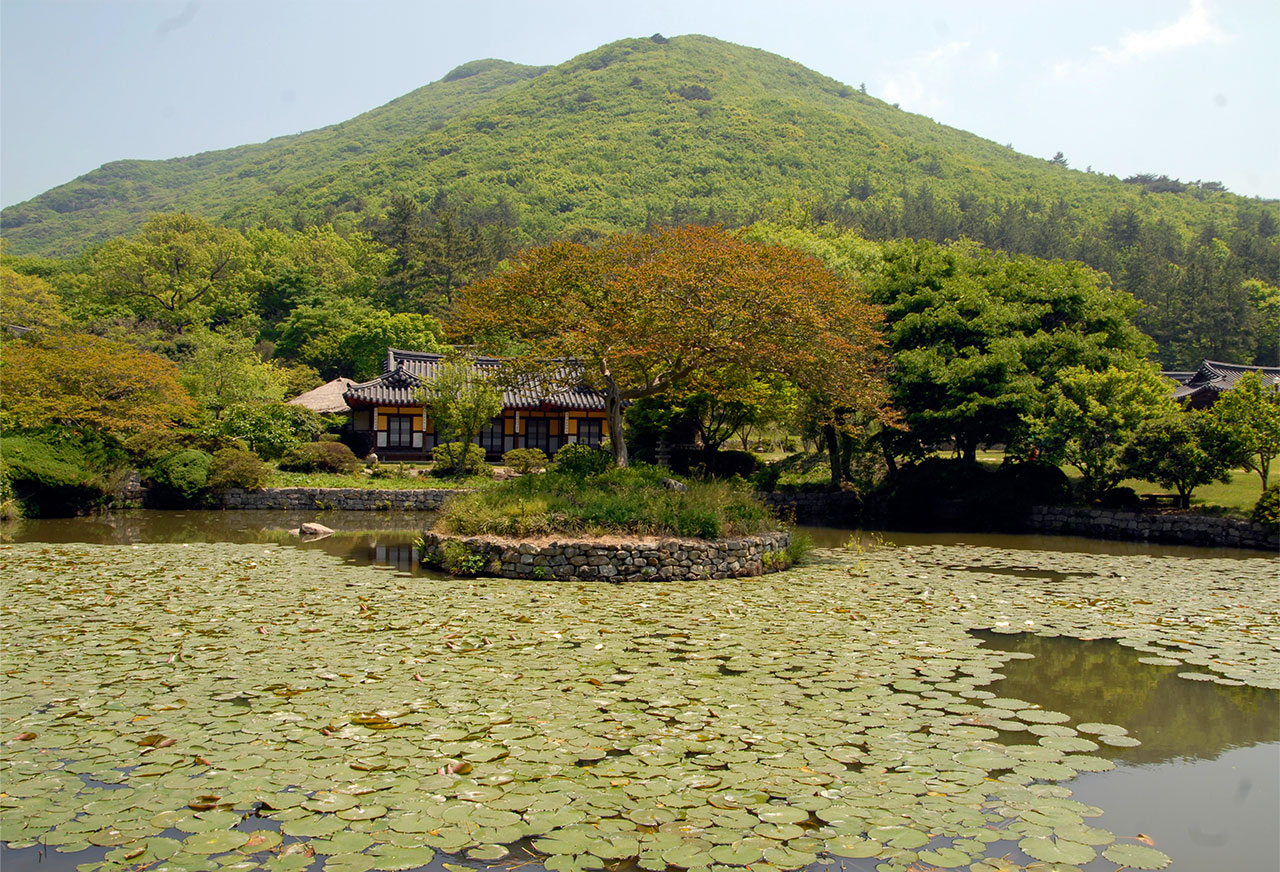
Unrimji in front of Unrimsanbang is a pond measuring 1,586.78 m², with a round island 6 m in diameter at its center. A crape-myrtle tree stands on the island, and the composition that brings the pond’s edge, tiled roofs, and the ridge of Cheomchalsan into a single frame is the site’s defining scenery. Jindo County materials also describe the pond as approximately 35 m on one side, with the island built from natural stone.
In spring and summer, visitors can observe water-lily leaves and crape-myrtle trees. In the early hours, when mist is more likely to form, they can also take in the Cheomchalsan ridge that inspired the name of the studio. However, some sections of the stone and dirt paths beside the pond are uneven, so it is best to watch your footing even when concentrating on photography.
Visiting from 09:00 to 17:00, Admission Closes 30 Minutes Early, Closed Mondays
According to Korea Tourism Organization information, Unrimsanbang is open from 09:00 to 17:00, and admission is available until 30 minutes before closing. It is closed every Monday, January 1, Lunar New Year’s Day, and the day of Chuseok. However, some other tourism information channels list the hours as 10:00 to 17:00, so it is advisable to reconfirm the operating status and admission closing time on the day of your visit by calling 061-540-6286.
Admission is 2,000 won for adults aged 19–64, 1,000 won for youths aged 13–18, and 800 won for children aged 7–12. Groups of 30 or more are charged 1,500 won for adults, 700 won for youths, and 500 won for children. Allowing 40–60 minutes is appropriate for calmly viewing the exhibition halls, garden, and pond; adding Ssanggyesa Temple requires at least 1 hour 30 minutes.
- Main contact: 061-540-6286
- Official tourism page: https://www.jindo.go.kr/tour/sub.cs?m=10
- Tourist information phone: 1330 (Korean, English, Japanese, and Chinese)
- Address: 315 Unrimsanbang-ro, Uisin-myeon, Jindo-gun, Jeollanam-do
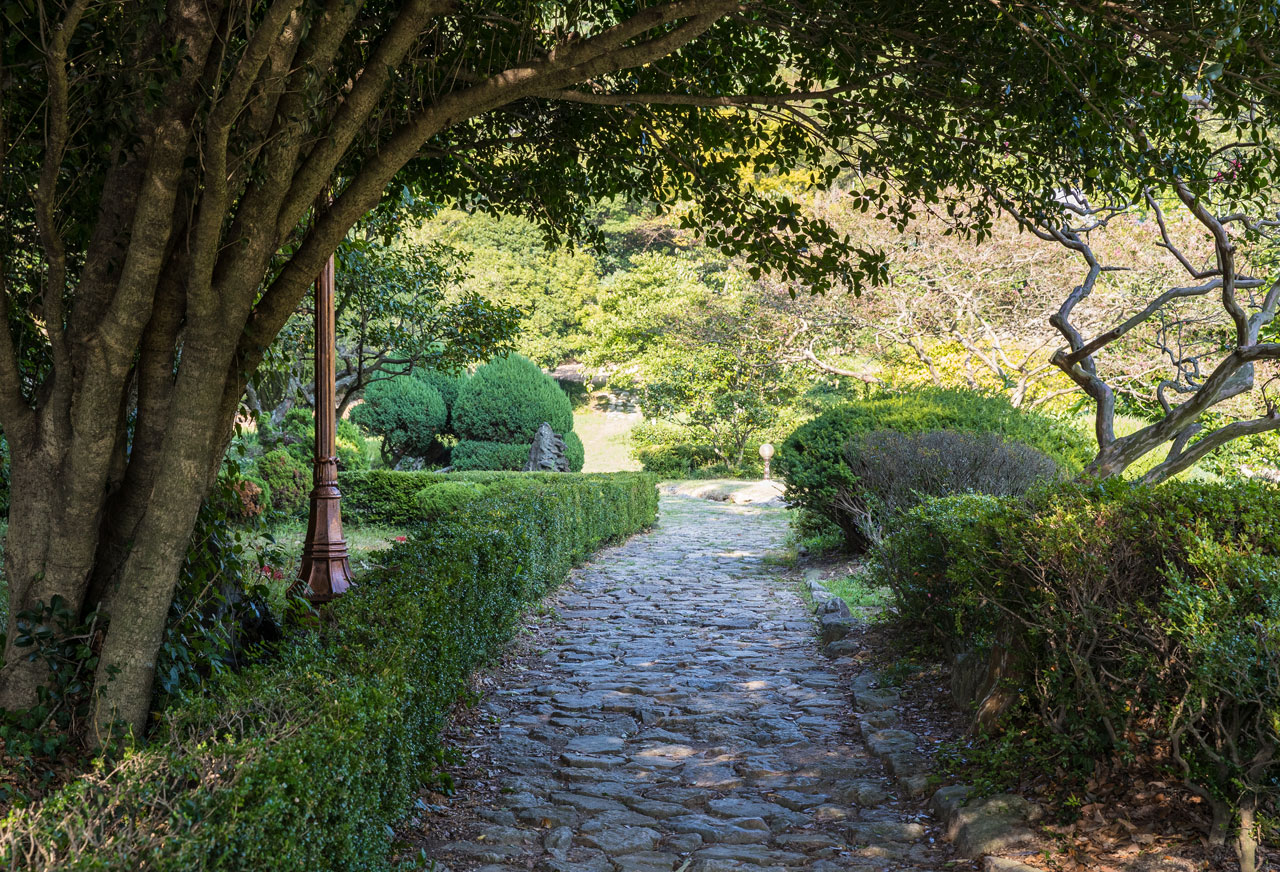
Ssanggyesa Temple and Unrimsanbang Split at Sacheon Terminus, with the Jindo Arirang Monument 150 m Uphill
If traveling entirely by public transportation, first check the bus schedule from Jindo Bus Terminal toward Sacheon and Ssanggyesa Temple. A walking record published in January 2024 states that a bus departing Jindo Bus Terminal at 07:40 arrived at Sacheon Terminus at 08:01, where the route splits at the parking lot, with Ssanggyesa Temple to the left and Unrimsanbang to the right. Routes and timetables may change frequently, so same-day confirmation at the terminal or through Jindo County transportation information is necessary.
About 150 m uphill from Unrimsanbang stands the Jindo Arirang Monument, erected on August 15, 1995. Those planning a longer walk can also take the Cheomchalsan route from Ssanggyesa Temple and descend toward the Jindo Arirang Monument. According to the Korea Tourism Organization’s introduction, the route combines approximately 3 km uphill and 1.8 km downhill, taking about 2 hours at a fast pace or about 3 hours at a leisurely pace.
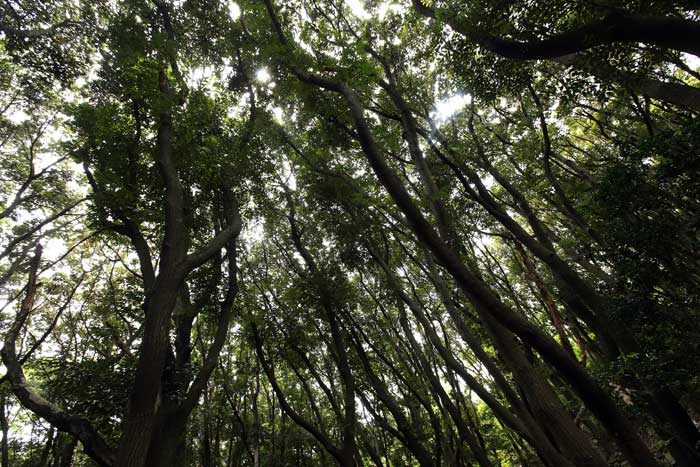
Allow 2–3 Hours to Include the Evergreen Forest at Ssanggyesa Temple, Natural Monument No. 107
The Ssanggyesa Temple evergreen forest lies on the western foothills of Cheomchalsan behind Unrimsanbang and is designated Natural Monument No. 107. Moving toward Ssanggyesa Temple after viewing the studio and pond at Unrimsanbang allows visitors to understand geographically why the Southern painting tradition developed in a space supported by the evergreen broad-leaved forest of the mountain and valley.
The mountain trail including the evergreen forest is more physically demanding than visiting a museum. Prepare walking shoes, water, and insect repellent. Because the rocks in the valley and dirt paths may be slippery after rain, decide before purchasing a ticket whether you will take only a walk or continue to the Cheomchalsan course. For a short itinerary, it is realistic to allow 40–60 minutes for the studio area and another 30 minutes around Ssanggyesa Temple.
- Cheomchalsan elevation: 485 m above sea level
- Evergreen forest designation: Natural Monument No. 107
- Example of a short loop hike on Cheomchalsan: approximately 4.8 km, 2–3 hours
- Jindo Arirang Monument: approximately 150 m from Unrimsanbang
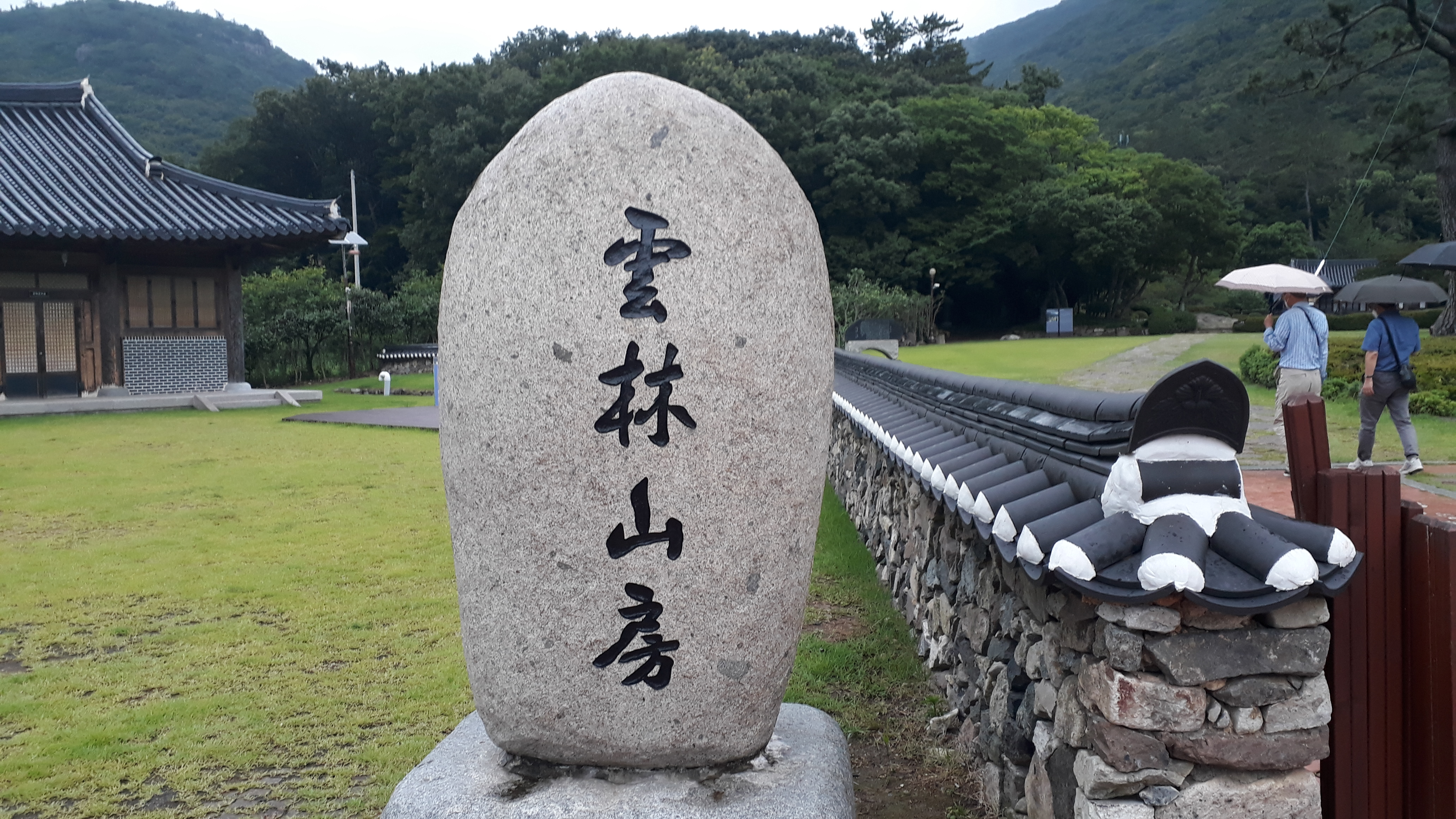
There Is Free Parking and a Ramp, but Assistance Is Needed on the Stone Paths
Parking is available, and recent visitor information describes the parking lot near Unrimsanbang as free of charge. Traveling by passenger car is the easiest option, but during peak seasons and on weekends, visitors to Ssanggyesa Temple and Cheomchalsan may arrive at the same time, so morning visits are recommended. Enter “Unrimsanbang” or “315 Unrimsanbang-ro, Uisin-myeon, Jindo-gun, Jeollanam-do” into your navigation system.
In terms of accessibility, most of the grounds have gentle slopes, and ramps are provided at the main entrances of the Jindo History Museum and Sochi Memorial Hall. However, wheelchairs and strollers may have difficulty passing alone along some dirt and stone paths, so assistance from a companion is necessary. Foreign-language information can be requested through the 1330 tourist information service in Korean, English, Japanese, or Chinese, but it is more accurate to confirm the extent of foreign-language labeling in the on-site exhibitions by phone before visiting.
Before You Go
- Address
- 315 Unrimsanbang-ro, Uisin-myeon, Jindo-gun, Jeollanam-do
- Hours
- 09:00–17:00 (admission closes at 16:30; reconfirmation before visiting is recommended)
- Closed
- Every Monday, January 1, Lunar New Year’s Day, and the day of Chuseok
- Admission
- Adults 2,000 won / Youths 1,000 won / Children 800 won
- Phone
- 061-540-6286
- Official site
- https://www.jindo.go.kr/tour/sub.cs?m=10
- Transport
- Take a bus from Jindo Bus Terminal toward Sacheon or Ssanggyesa Temple and get off at Sacheon Terminus. Same-day confirmation of operating times and frequency is necessary.
- Parking
- Available; free according to recent information
- Time needed
- 40–60 minutes for Unrimsanbang; at least 1 hour 30 minutes including Ssanggyesa Temple and the evergreen forest
- Accessibility
- Ramps are available at the main entrances of the Sochi Memorial Hall and Jindo History Museum. Some dirt and stone paths require a companion’s assistance for wheelchair and stroller access. English, Japanese, and Chinese information is available through 1330.
The information above is current as of the time of writing. Check the official information again before visiting.

Places
Nearby Attractions 2
-
 1
Ssanggyesa Temple (Jindo)Take a walk through the temple grounds and the evergreen forest designated as a Natural Monument.
1
Ssanggyesa Temple (Jindo)Take a walk through the temple grounds and the evergreen forest designated as a Natural Monument. -
 2
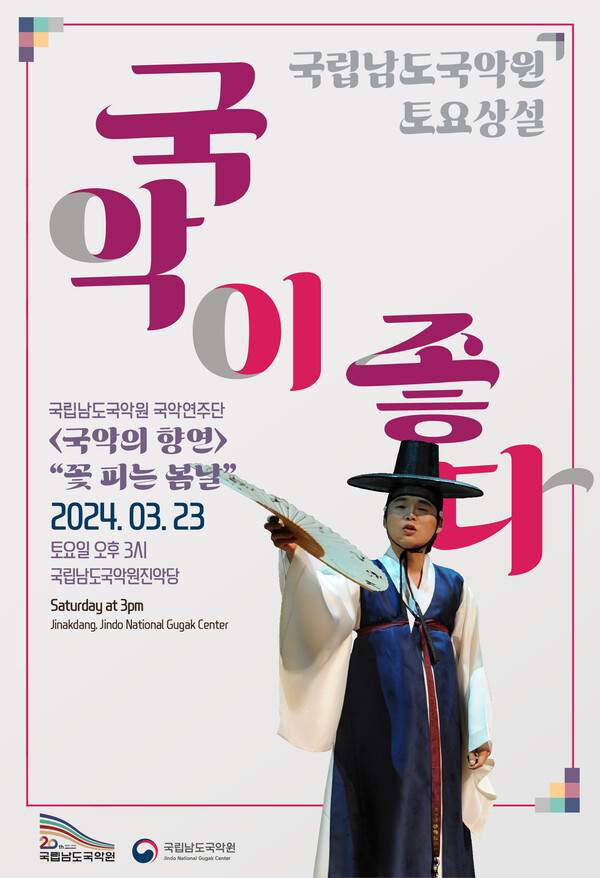
National Namdo Gugak CenterEnjoy Jindo folk arts performances and hands-on experiences with gugak, traditional Korean music.
2
National Namdo Gugak CenterEnjoy Jindo folk arts performances and hands-on experiences with gugak, traditional Korean music.
Food & Dining 3
-
 3
3
-
 4
4
-
 5
Jindo Hoetjip Haenyeo Sonyeo SikdangServes seafood dishes such as abalone porridge and abalone seaweed soup.
5
Jindo Hoetjip Haenyeo Sonyeo SikdangServes seafood dishes such as abalone porridge and abalone seaweed soup.
Events in This Area
Festivals in This Area
More Travel Guides in This Area
 Travel Guide
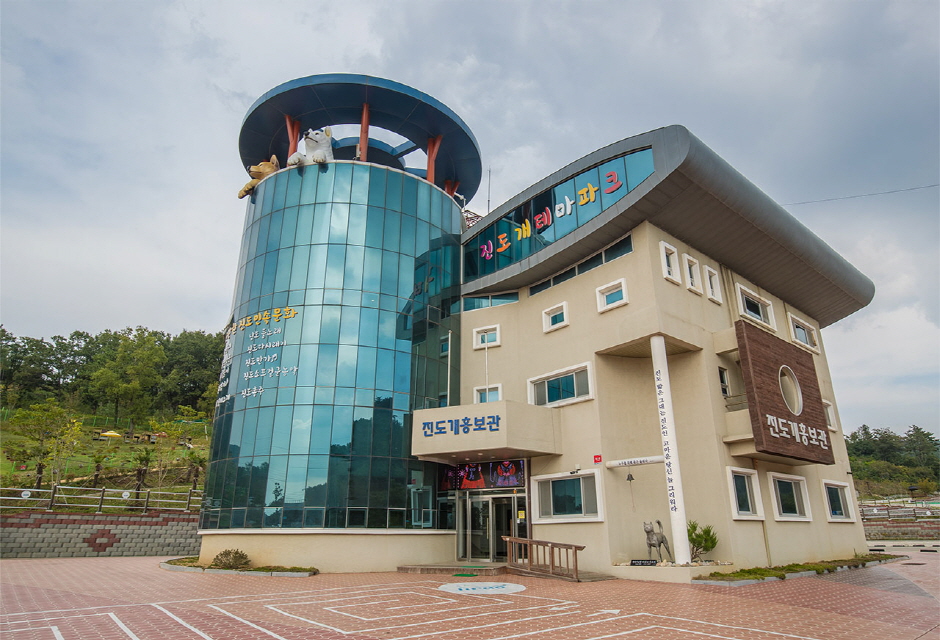
Jindo Dog Theme Park: A Walk Timed for the Dogs' Running Sessions
 Travel Guide
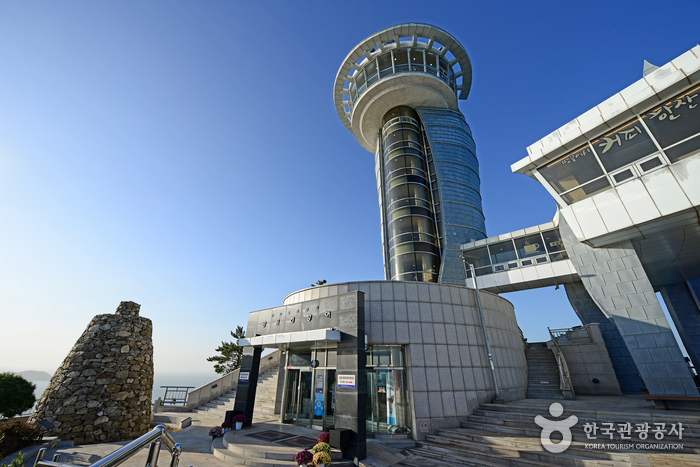
Ddaenggeut Observatory, with Views from 156 m Above Sea Level to Jeju’s Hallasan
 Travel Guide
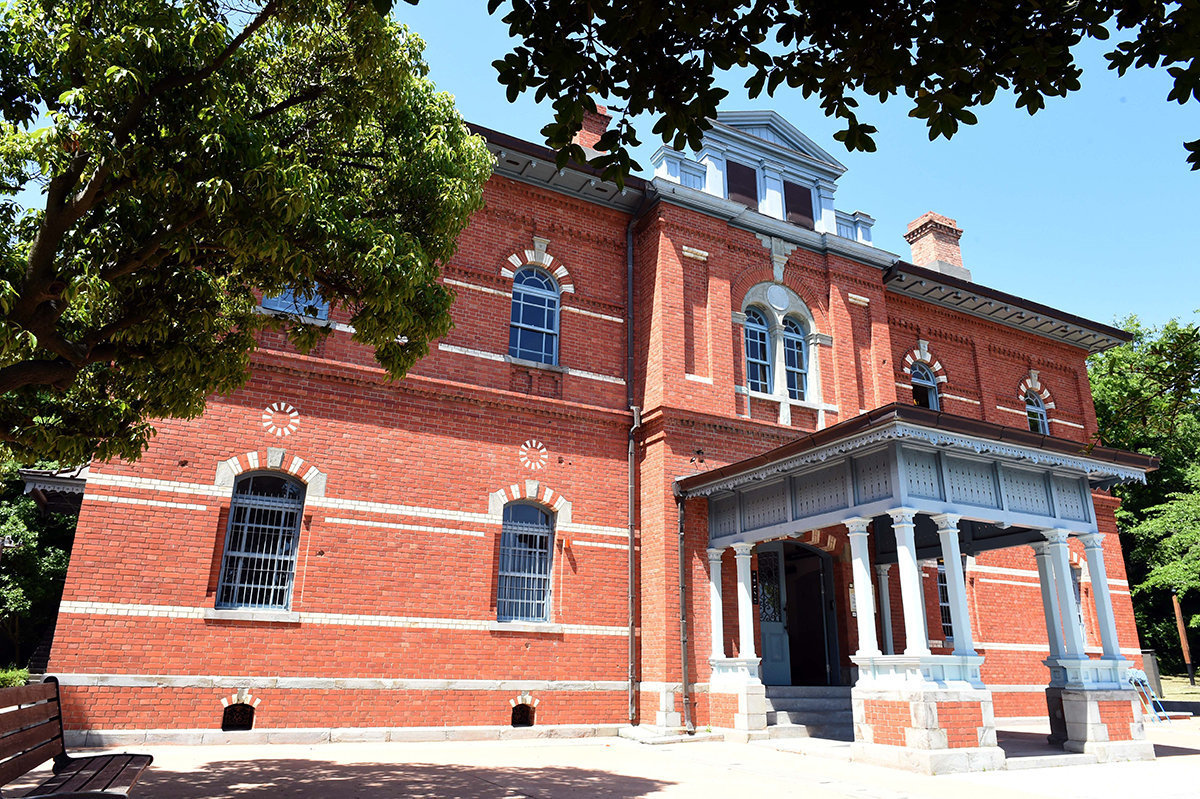
Reading Mokpo’s History of Resistance at Mokpo Modern History Museum Hall 1, the 1900 Japanese Consulate
 Travel Guide
Rebuilding Jang Bogo’s Sea as a Film Set: Wando Cheonghae Port Film Set
Korea News
![Did Jang Won-young ‘break up’? From the airport to social media, she was decked out in Brand D [MD Issue]](https://kotourlive-images.s3.ap-northeast-1.amazonaws.com/news/1790644492843_025fcab4_news_06d49363-285b-4cd5-93e3-ace2c4344710.jpg) News
News
Did Jang Won-young ‘break up’? From the airport to social media, she was decked out in Brand D [MD Issue]
 News
News
Oh, What a Surprise… BLACKPINK’s Rosé—Did She Get a Bob Cut?
![[On-Site Photos] “Equipped with a Third Eye”… RM’s Intense Eye Contact](https://kotourlive-images.s3.ap-northeast-1.amazonaws.com/news/1790644823332_c0c6ec29_news_001c0a59-4eb7-40e6-af6a-4f26183f5e8c.jpg) News
News
[On-Site Photos] “Equipped with a Third Eye”… RM’s Intense Eye Contact
 News
News