
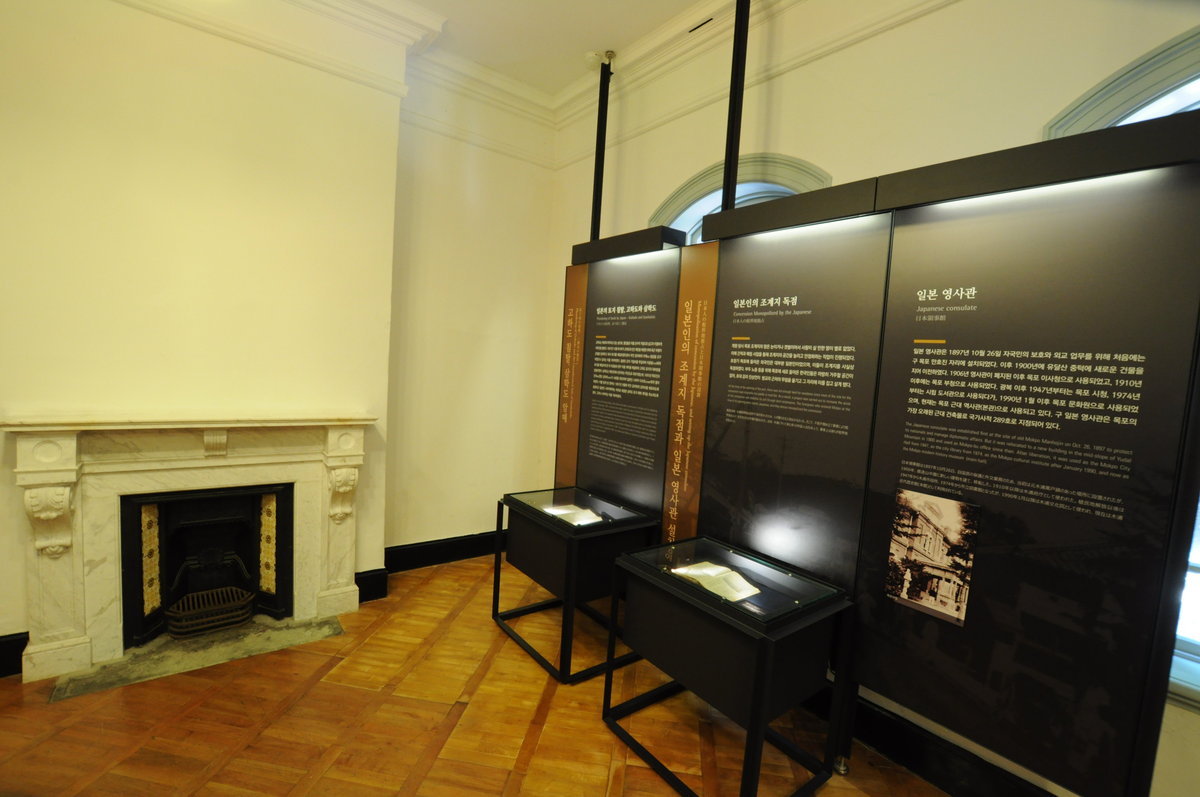
Reading Mokpo’s History of Resistance at Mokpo Modern History Museum Hall 1, the 1900 Japanese Consulate
Mokpo Modern History Museum Hall 1 is housed in the former Japanese Consulate building in Mokpo, completed in 1900. Its exhibitions connect the opening of the port, colonial exploitation, and the anti-Japanese independence movement in one place. It can be reached from Mokpo Station by Bus 10, and an ideal sightseeing route after the visit includes the air-raid shelter and the milestone marking the starting points of National Routes 1 and 2.
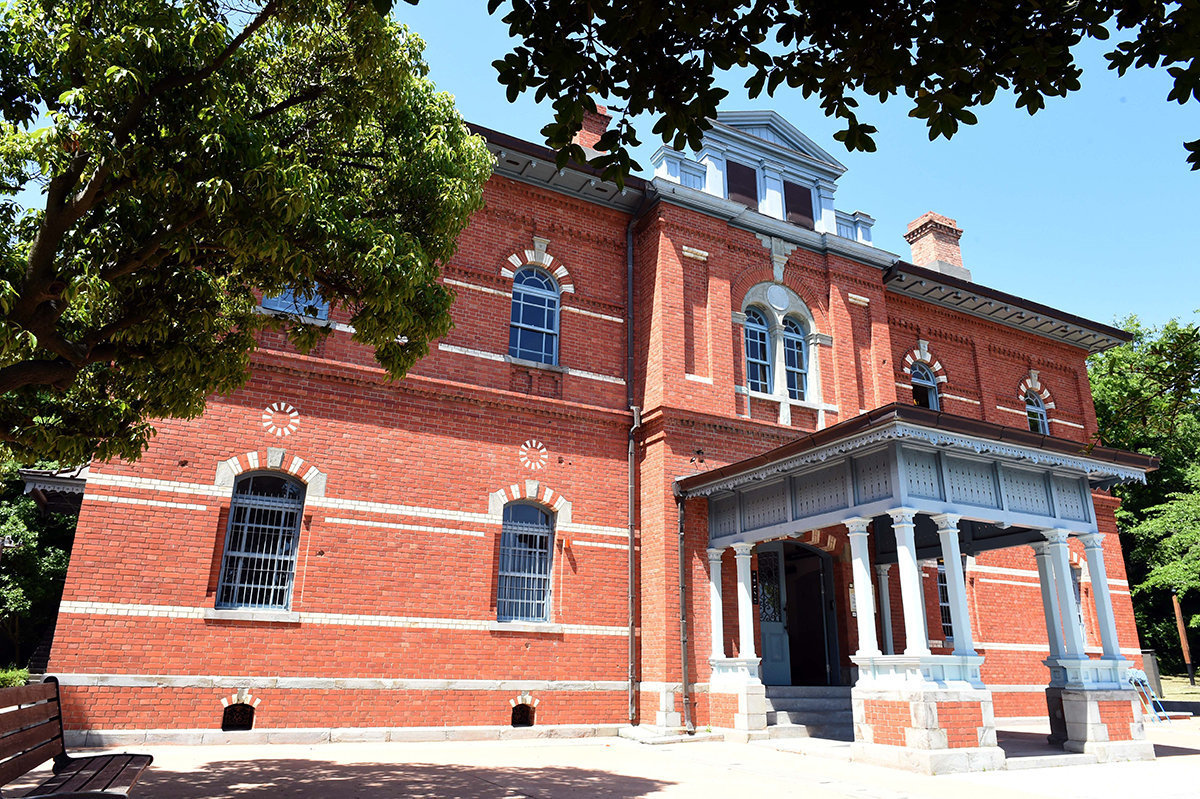
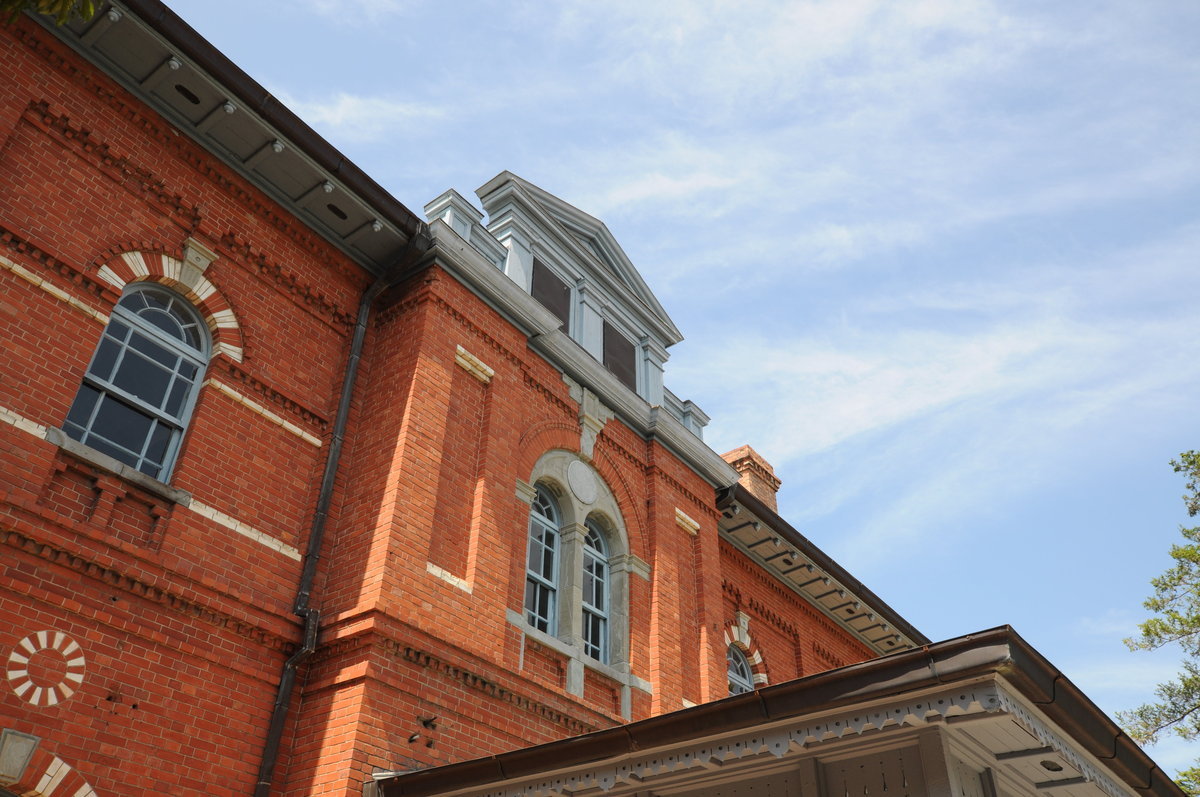
Why the Red-Brick Consulate Was Built Below Yudalsan Mountain in 1900
Mokpo Modern History Hall 1 is an exhibition hall housed in the historic building known as the Former Japanese Consulate in Mokpo. Mokpo Port opened to foreign trade in October 1897, and after the Japanese Consulate was established in October 1898, a new building was constructed on the present site in Daeui-dong 2-ga. Japanese records state that construction began in January 1900 at a cost of approximately 70,000 won and was completed in December of the same year.
It was not merely a diplomatic facility from the beginning. Facilities related to colonial rule, including a police station and post office, were built around the consulate, and the building was later used as the Mokpo Office of the Japanese Resident and Mokpo City Hall. After liberation, it served as Mokpo City Hall from 1947, the Former Japanese Consulate from 1974, and the Mokpo Cultural Center from January 1990. Following restoration, it opened as Mokpo Modern History Hall 1 in 2014.
- Cultural heritage designation: Former Japanese Consulate in Mokpo Historic Site
- Designation date: September 25, 1981
- Cultural property area: 327.27㎡
- Current exhibition hall opened: 2014
Seven Exhibition Themes Connecting Mokpojin, the 1897 Port Opening, and the April 8 Independence Demonstration
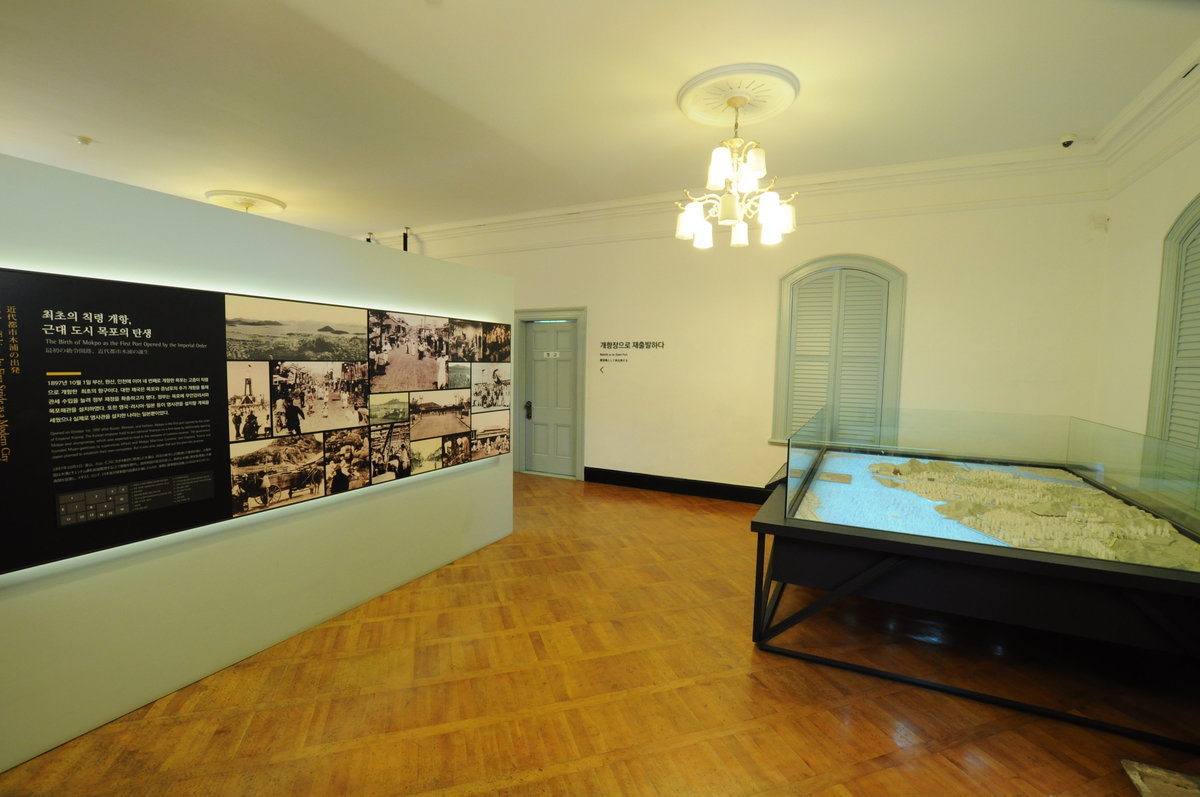
The exhibition occupies two floors and is organized around seven themes. The first theme is Mokpojin, a military camp of the Joseon naval forces. Also known as Manhojin, meaning a military camp commanded by a manho, Mokpojin was a strategic center for maritime defense in the southwestern seas. The exhibition explains how this military stronghold developed into an open port city.
Mokpo, which opened to foreign trade by imperial decree of King Gojong in 1897, grew into a port city and a distribution center for the “three whites”: rice, cotton, and salt. During the Japanese colonial period, however, it was also a space of governance and exploitation, with a consulate, the Oriental Development Company, a prison, and a police station. The history hall presents the Mokpo April 8 Independence Demonstration, which began at Jeongmyeong Girls' School on April 8, 1919, along with the youth movement as central themes of the exhibition.
- Exhibition scale: Two floors, seven themes
- Mokpo port opening: October 1897
- Mokpo April 8 Independence Demonstration: April 8, 1919
- Hands-on corner: Experience the independence demonstration using period school uniforms, hats, and glasses as props
Traces of Forced Mobilization during the Pacific War Found in an 82-Meter Air-Raid Shelter
The air-raid shelter behind the building is a key point that is easy to miss during a visit. It was built as a military defensive facility to avoid air raids during the Pacific War, and official tourism information describes it as approximately 2 meters high and 2 meters wide, with a length of 82 meters. A siren effect plays at the entrance, while the interior recreates the appearance of Koreans who were forcibly mobilized to dig the tunnel.
This space prevents visitors from ending their tour with photographs of only the building's red-brick exterior. It allows them to see, along a single route, both the fact that the consulate was a base of colonial rule and the traces left by wartime mobilization in the final years of the war. Visitors who find narrow, dark passageways uncomfortable or are sensitive to loud sounds should read the information at the shelter entrance before entering.
- Air-raid shelter length: 82m
- Air-raid shelter height and width: Approximately 2m each
- Location: Behind the history hall building
- Interior elements: Siren effect and exhibition recreating forced mobilization
National Routes 1 and 2 Starting-Point Marker and Mokpo's Administrative Center in the 1900s
After descending the history hall's stairs, finding the “Starting Point of National Routes 1 and 2” marker by the road makes the site's relationship with the city's structure clear. This three-way intersection is known as the starting point of National Routes 1 and 2. After the consulate was established, roads connected in all directions, including toward Mokpo Station, and facilities such as a post office, police station, courthouse, and chamber of commerce were built nearby.
National Route 1 is introduced as an axis extending from Mokpo through Gwangju, Jeonju, Iksan, Gongju, Suwon, and Seoul to northern Korea, while National Route 2 runs from Mokpo through Gangjin, Suncheon, and Jinju to Busan. Thus, Hall 1 is not simply one building from an open-port settlement; it is a starting point for understanding the center of modern Mokpo's old downtown, where the port, railway, roads, and administrative institutions came together.
- Wording on the marker: Starting Point of National Routes 1 and 2
- Distance introduced for National Route 1: 939km
- Nearby modern administrative facilities: Post office, police station, courthouse, and chamber of commerce
- Viewing tip: Check the three-way intersection marker after descending the history hall's stairs
Visit Preparation: Tuesday–Sunday, 09:00–18:00, with Ticketing Until 17:00
Mokpo Modern History Hall 1 is open from 09:00 to 18:00 Tuesday through Sunday, with ticket sales and admission available until 17:00, one hour before closing. It is closed every Monday, and official accessible tourism information states that if Monday is a public holiday, the following day is closed instead. Shortly before your visit, it is advisable to call 061-242-0340 to reconfirm closures and guided-tour availability.
Regular individual admission is 2,000 won for adults, 1,000 won for teenagers and military or police personnel, and 500 won for elementary school students; kindergarten children enter free. For groups of 20 or more, admission is 1,500 won for adults, 700 won for teenagers and military or police personnel, and 500 won for elementary school students. Mokpo residents are eligible for a discount upon presenting identification, and elementary school students and younger children residing in Mokpo are listed as entering free.
- Hours: Tuesday–Sunday, 09:00–18:00
- Ticketing and admission deadline: 17:00
- Closed: Every Monday; the following day if Monday is a public holiday
- Inquiries: 061-242-0340
- Individual adult: 2,000 won
- Individual teenager or military/police personnel: 1,000 won
- Individual elementary school student: 500 won
A 40–60-Minute Route Planned Around Guided-Tour Times at 10:30, 11:30, 13:30, and 15:00
According to the official information, cultural tourism guided tours are offered four times a day: 10:30–11:00 and 11:30–12:00 in the morning, and 13:30–14:00 and 15:00–15:30 in the afternoon. If you would like to join a guided tour, it is best to arrive 10 minutes early and complete ticketing and admission. Outside the guided-tour times, allow approximately 40–60 minutes to see the two-floor exhibition, the independence demonstration experience corner, and the air-raid shelter behind the building.
Given the nature of the exhibition, it may not suit an itinerary focused solely on taking quick photographs. Since this is a place for understanding the connections among the port opening, exploitation, independence movements, and wartime mobilization, it is better to allow time to read the explanatory panels. Conversely, travelers walking through Mokpo's old downtown for the first time can visit Hall 1 first and then continue to nearby Modern History Hall 2 and the old downtown streets to see the exhibition's historical background reflected in the actual urban space.
- Tour 1: 10:30–11:00
- Tour 2: 11:30–12:00
- Tour 3: 13:30–14:00
- Tour 4: 15:00–15:30
- Recommended visit duration: 40–60 minutes
Bus 10 from Mokpo Station, Then a 2-Minute Walk from the “Mokpo Modern History Hall” Stop
By public transportation, official accessible tourism information recommends taking city bus 10 from KTX Mokpo Station to the Youth Culture Center bus stop, then getting off at the “Mokpo Modern History Hall” stop and walking for two minutes. The road-name address is 6 Yeongsan-ro 29beon-gil, Mokpo-si, Jeonnam-Gwangju Integrated Special City, and the official tourism website is https://www.mokpo.go.kr/tour/.
Hall 1 has no dedicated parking lot, so drivers should plan to use a public parking lot. Mokpo cultural tourism information also explicitly states that there is no parking lot. Wheelchair and stroller users should note that Hall 1 is officially listed as having no accessibility facilities; separate accessible tourism information states that guide dogs are allowed.
- From Mokpo Station: Take bus 10
- Get off at: Mokpo Modern History Hall bus stop
- From the bus stop: 2-minute walk
- Dedicated parking: None; use a public parking lot
- Accessibility facilities: None according to official tourism information
- Guide dogs: Permitted
Before You Go
- Address
- 6 Yeongsan-ro 29beon-gil, Mokpo-si, Jeonnam-Gwangju Integrated Special City
- Hours
- Tuesday–Sunday, 09:00–18:00; ticketing and admission close at 17:00
- Closed
- Every Monday (the following day if Monday is a public holiday)
- Admission
- Individuals: adults 2,000 won, teenagers and military or police personnel 1,000 won, elementary school students 500 won, kindergarten children free. Groups of 20 or more: adults 1,500 won, teenagers and military or police personnel 700 won, elementary school students 500 won.
- Phone
- 061-242-0340
- Official site
- https://www.mokpo.go.kr/tour/
- Transport
- Take bus 10 from KTX Mokpo Station to the Youth Culture Center bus stop, get off at the Mokpo Modern History Hall stop, and walk for 2 minutes
- Parking
- No dedicated parking lot. Use a public parking lot
- Time needed
- 40–60 minutes
- Accessibility
- No accessibility facilities according to official tourism information. Guide dogs are permitted.
The information above is accurate as of the time of writing. Check the official information again before your visit.

Places
Nearby Attractions 1
-
 1
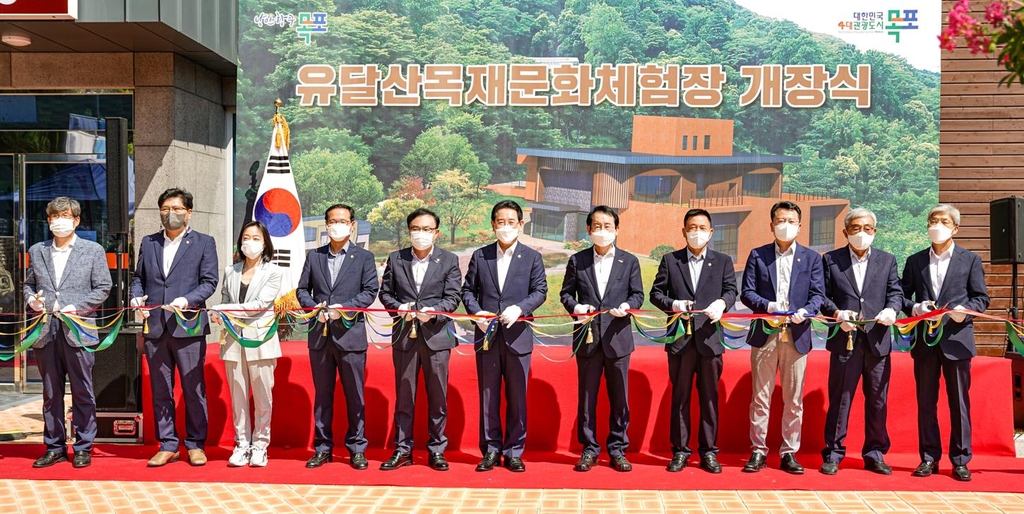
Yudalsan MountainA popular hiking destination offering views of Mokpo city and the Dadohae Archipelago after passing Nojeokbong Peak and the pavilion trail.
1
Yudalsan MountainA popular hiking destination offering views of Mokpo city and the Dadohae Archipelago after passing Nojeokbong Peak and the pavilion trail.
Food & Dining 3
-
 2
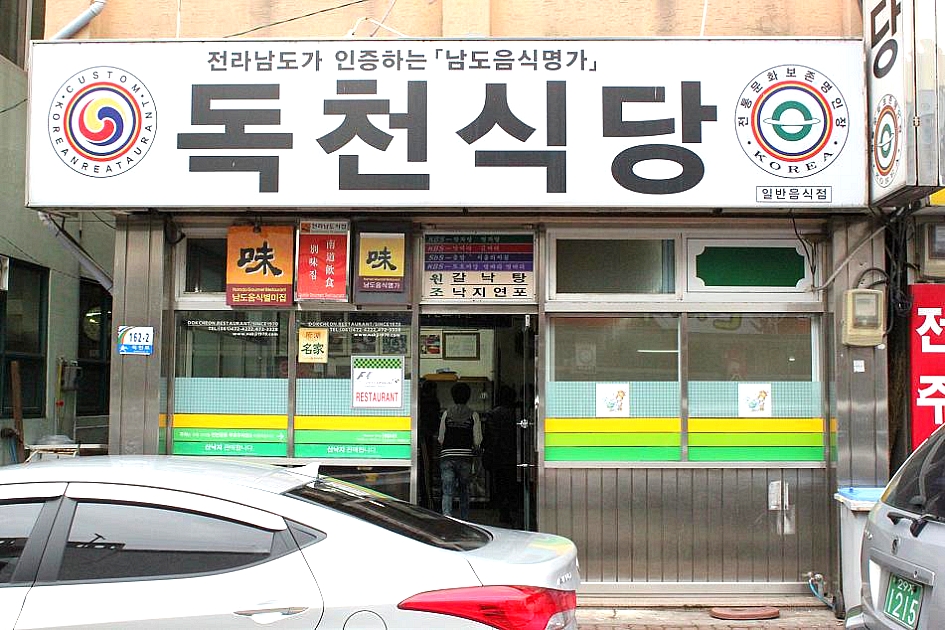
Dokcheon SikdangA Namdo-style restaurant serving yeonpo-tang made with webfoot octopus and octopus bibimbap
2
Dokcheon SikdangA Namdo-style restaurant serving yeonpo-tang made with webfoot octopus and octopus bibimbap -
 3
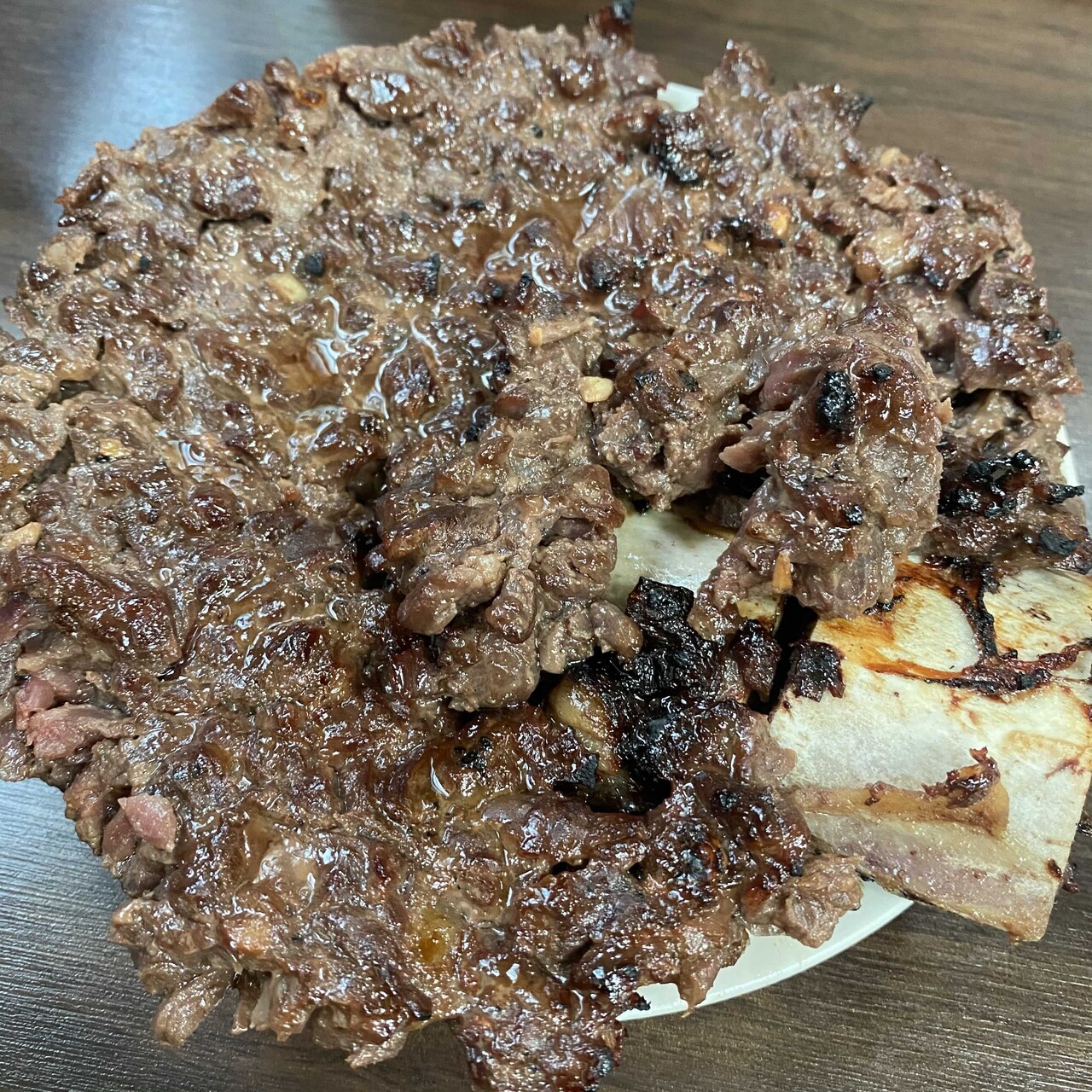
SeongsikdangA place to enjoy traditional Jeolla-do tteokgalbi grilled over charcoal briquettes, along with tteokgalbi set meals.
3
SeongsikdangA place to enjoy traditional Jeolla-do tteokgalbi grilled over charcoal briquettes, along with tteokgalbi set meals. -
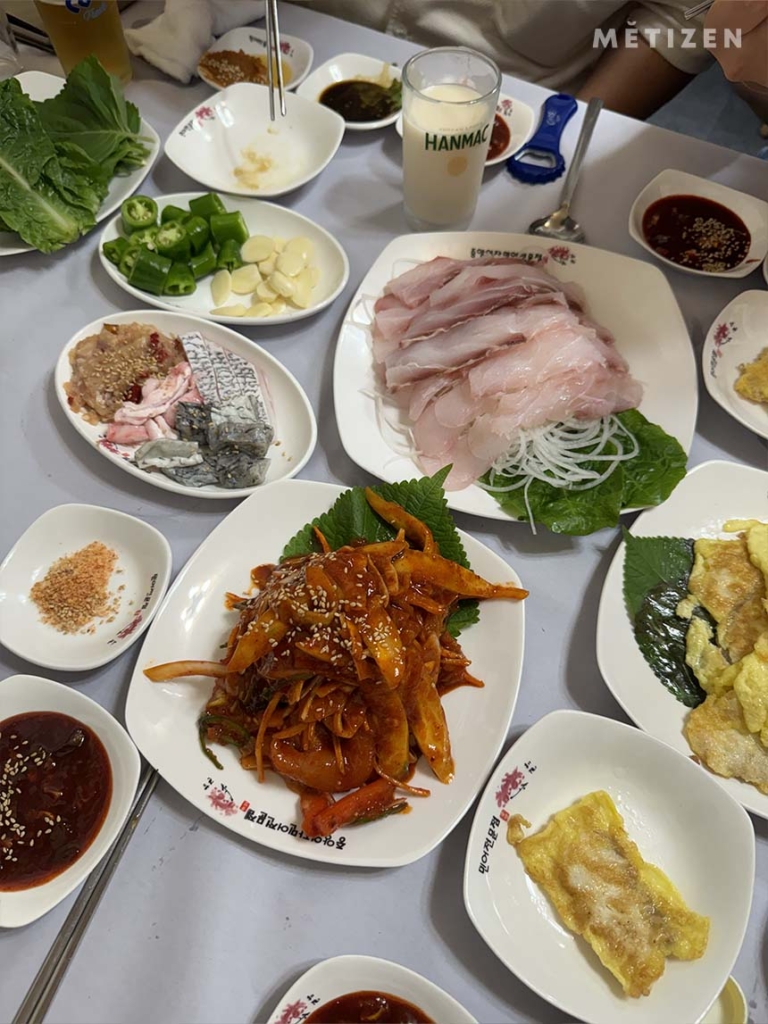 4
Jungang HoetjipA restaurant serving dishes made with min-eo (brown croaker), including raw min-eo sashimi, spicy vinegar-dressed min-eo, and steamed min-eo.
4
Jungang HoetjipA restaurant serving dishes made with min-eo (brown croaker), including raw min-eo sashimi, spicy vinegar-dressed min-eo, and steamed min-eo.
Events in This Area
Festivals in This Area
More Travel Guides in This Area
 Travel Guide
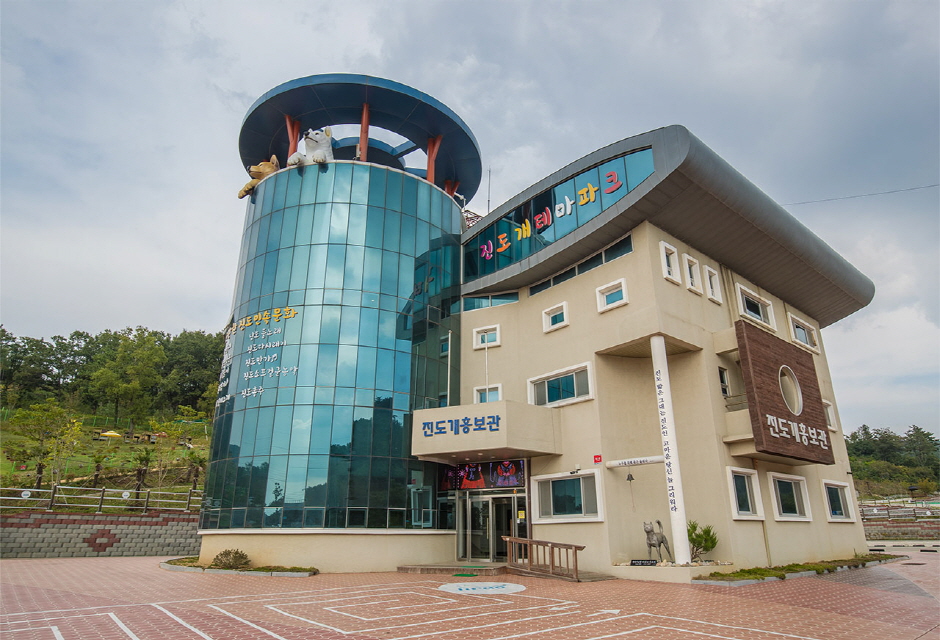
Jindo Dog Theme Park: A Walk Timed for the Dogs' Running Sessions
 Travel Guide
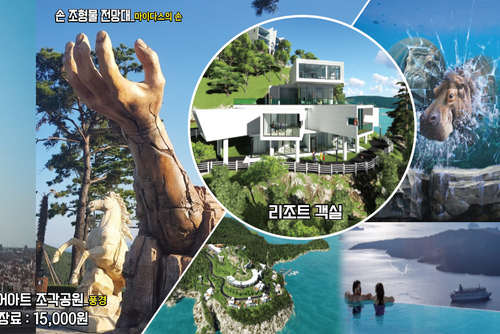
Meeting the South Sea at the End of a 150-Meter Artificial Rock Cave: Yeosu Art Land
 Travel Guide
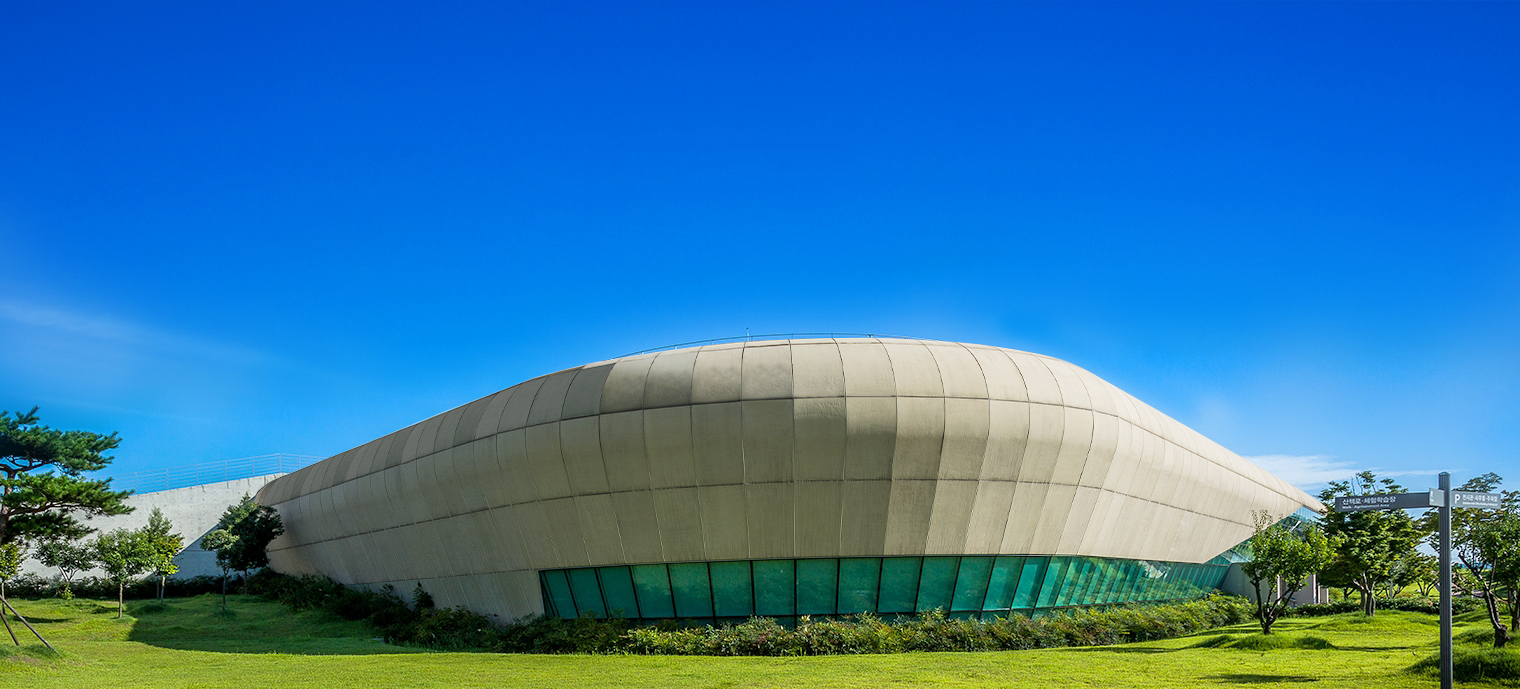
Reading Mahan’s Jar Coffins at the National Naju Museum in the Heart of the Bannam Tumuli
 Travel Guide
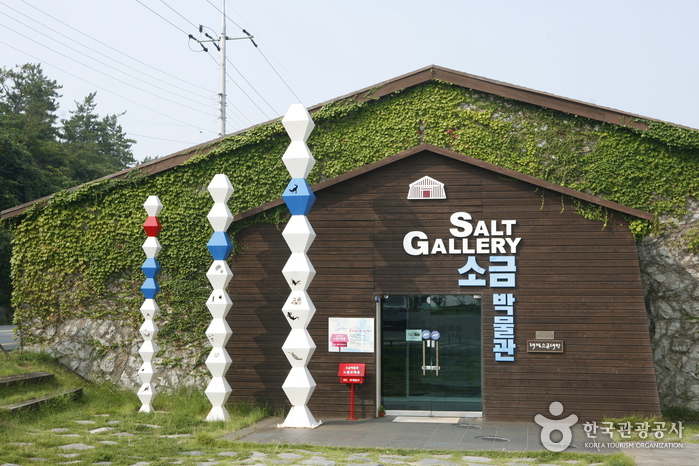
Discovering Jeungdo’s Salt Records in a 1953 Stone Warehouse at Taepyeong Salt Farm
Korea News
![ZEROBASEONE ‘ZEROBASEONE Shining Even at Night!’ [★Video]](https://kotourlive-images.s3.ap-northeast-1.amazonaws.com/news/1786629298196_13d8a4bb_news_075face7-fb4e-402c-b833-25ccaf88cf8f.jpg) News
News
ZEROBASEONE ‘ZEROBASEONE Shining Even at Night!’ [★Video]
 News
News
Kwon Eun-bi, First Comeback Since Moving from Woollim to RBW: “Aiming for a September Release”
 News
News
“Did Jungkook’s connection continue?” Pop star Usher spotted warmly hugging BTS’s RM and J-Hope
 News
News