Walking Through the Memories of Geumgwan Gaya at the Royal Tomb of King Suro in Gimhae
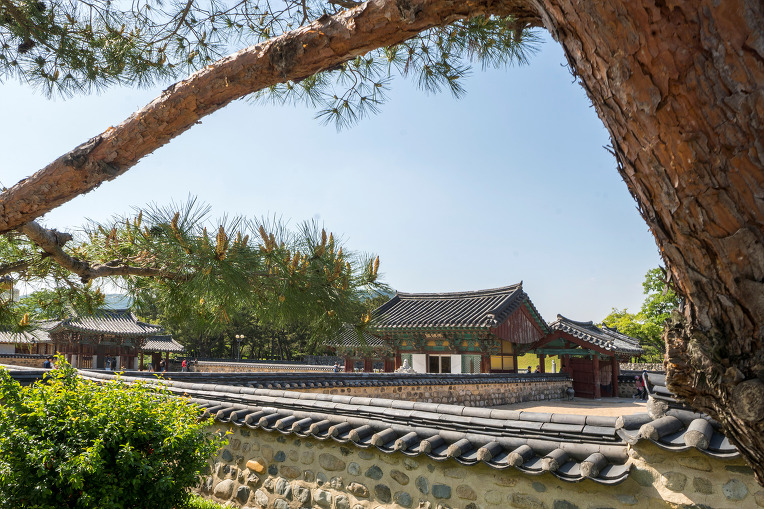
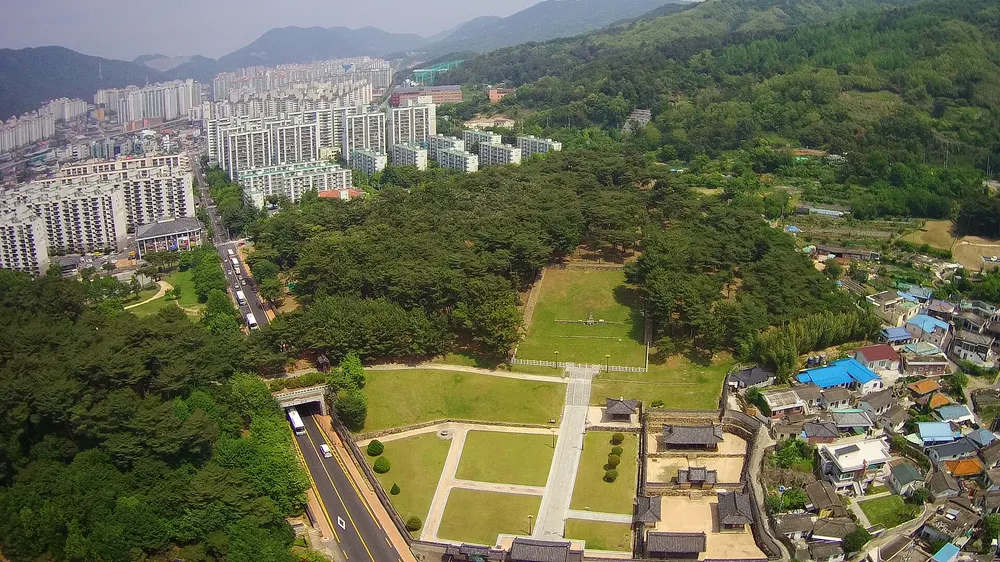
The Royal Tomb of King Suro is Historic Site No. 73, commemorating King Suro, the founder of Geumgwan Gaya. Located in downtown Gimhae, it is where visitors can encounter the starting point of Gaya history. Together, the 5-meter-high, 22-meter-diameter burial mound, Sungseonjeon Hall, and Nalleungjeongmun Gate with its Divine Fish statues reveal the significance of the site even during a brief visit.

I’ve been here?
Your check-in helps the next traveler.
No one has checked in yet Be the first
One tap — no writing needed
Historic Site No. 73: The Royal Tomb of Geumgwan Gaya Preserved within 61,487㎡
Gimhae Suro Royal Tomb commemorates King Suro, the founding ancestor of Geumgwan Gaya, and was designated Historic Site No. 73 on January 21, 1963. The designated area registered on the National Heritage Portal is 61,487㎡, while the central burial mound is a circular earthen mound 5 m high and 22 m in diameter.
The current address is 26 Garak-ro 93beon-gil, Gimhae-si, Gyeongsangnam-do (Seosang-dong), and tourist information also lists it as 26 Wangneung-gil. Since the address provided by the user, “2nd Floor, River Avenue, 230 Bunseong-ro,” is not the address of the royal tomb, it is safest to set the navigation destination to “Gim Suro Royal Tomb” or 26 Garak-ro 93beon-gil.
Six Golden Eggs in the Samguk Yusa and the Name “Suro”
The story of King Suro’s birth is recorded in the “Records of Garak State” in the Samguk Yusa. National Heritage information explains that, among the six golden eggs inside a golden container that descended from the heavens, the child who first broke out of an egg became Suro and the founding ancestor of Geumgwan Gaya.
The name “Suro” is also connected with the legend that he was the first to emerge with his head. Rather than treating the legend as proven fact, it is more appropriate to understand this site as a national heritage asset where historical memories of King Suro, remembered as the founding ancestor of the Gimhae Kim, Heo, and Incheon Yi clans, and of Gimhae, the royal capital of Gaya, have accumulated.
- Period: Gaya period
- Designation date: January 21, 1963
- Managing authority: Gimhae City
Viewing Order: Passing Sung-hwamun and the Red-Arrow Gate before Reaching Sungseonjeon
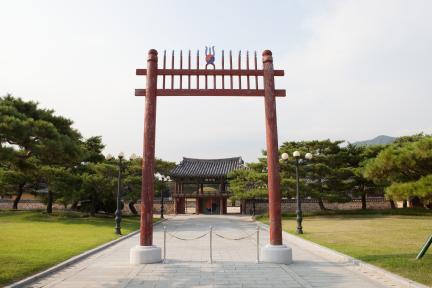
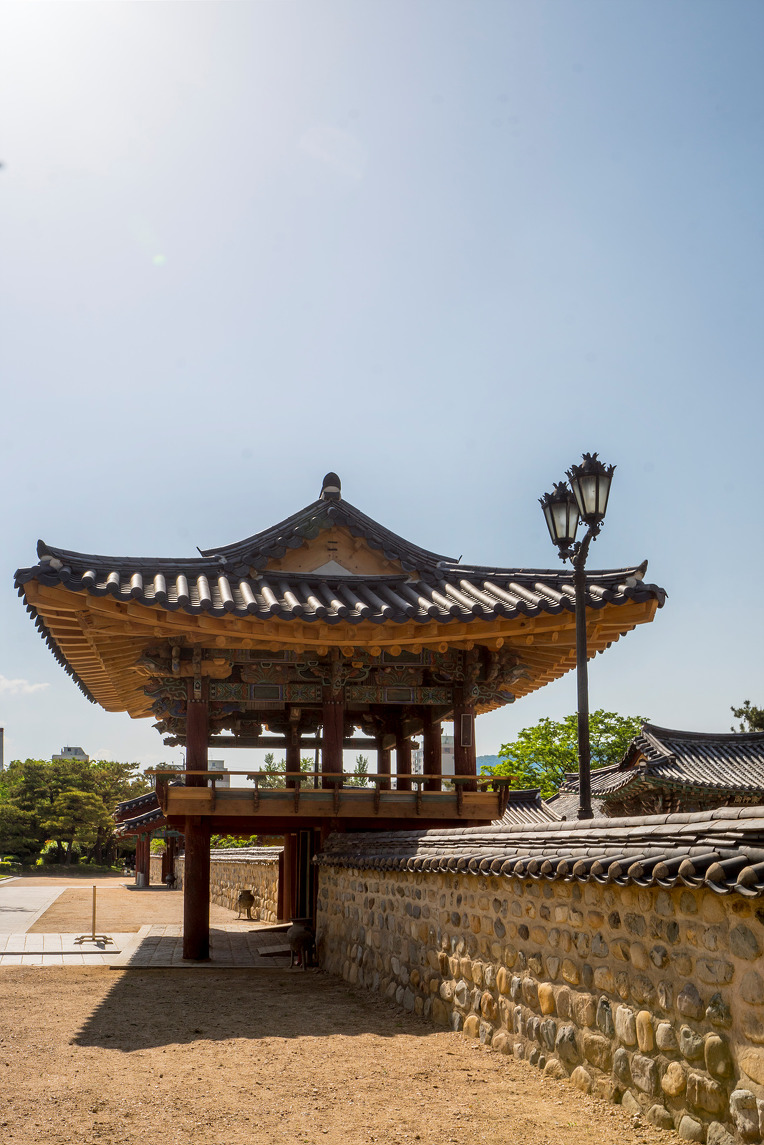
The site is easiest to understand by passing through the outer Sung-hwamun and red-arrow gate and following the axis toward Garakru, Nalleungjeongmun, Sungseonjeon, and the burial mound. Sungseonjeon is the ritual space housing King Suro’s spirit tablet, and the tomb area also preserves Anh-yanggak, Jeonsacheong, Jegigo, the Monument Pavilion, and civil and military stone figures.
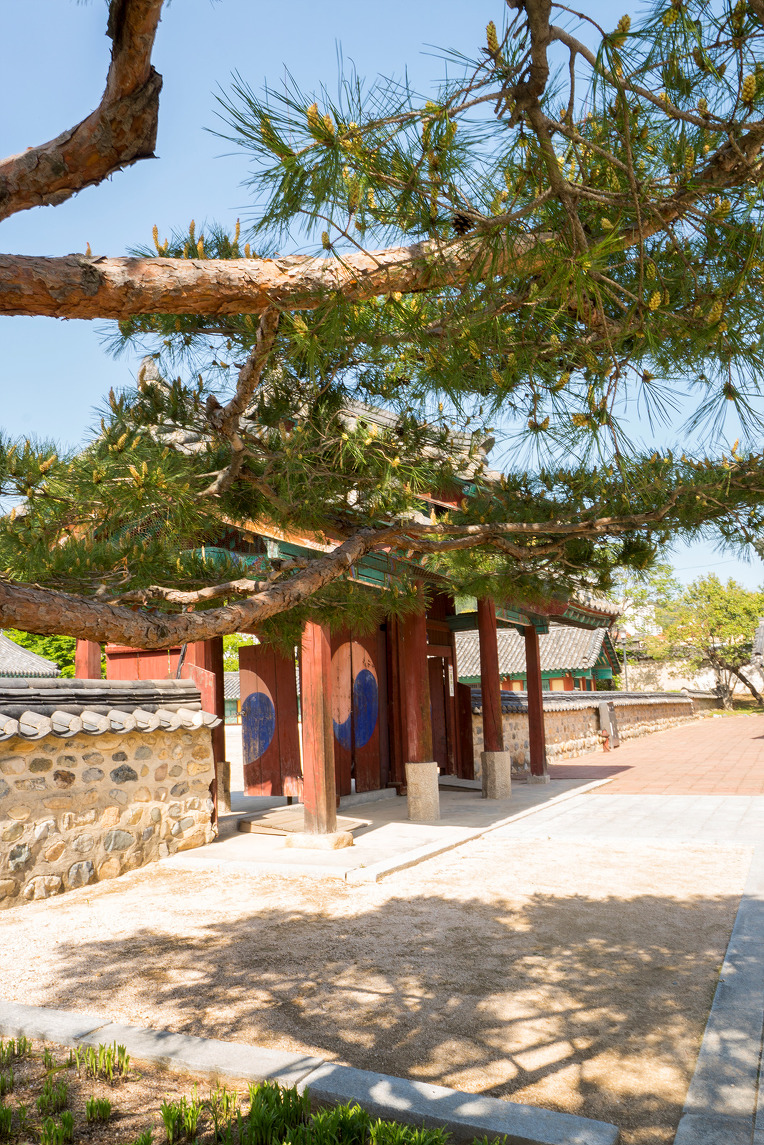
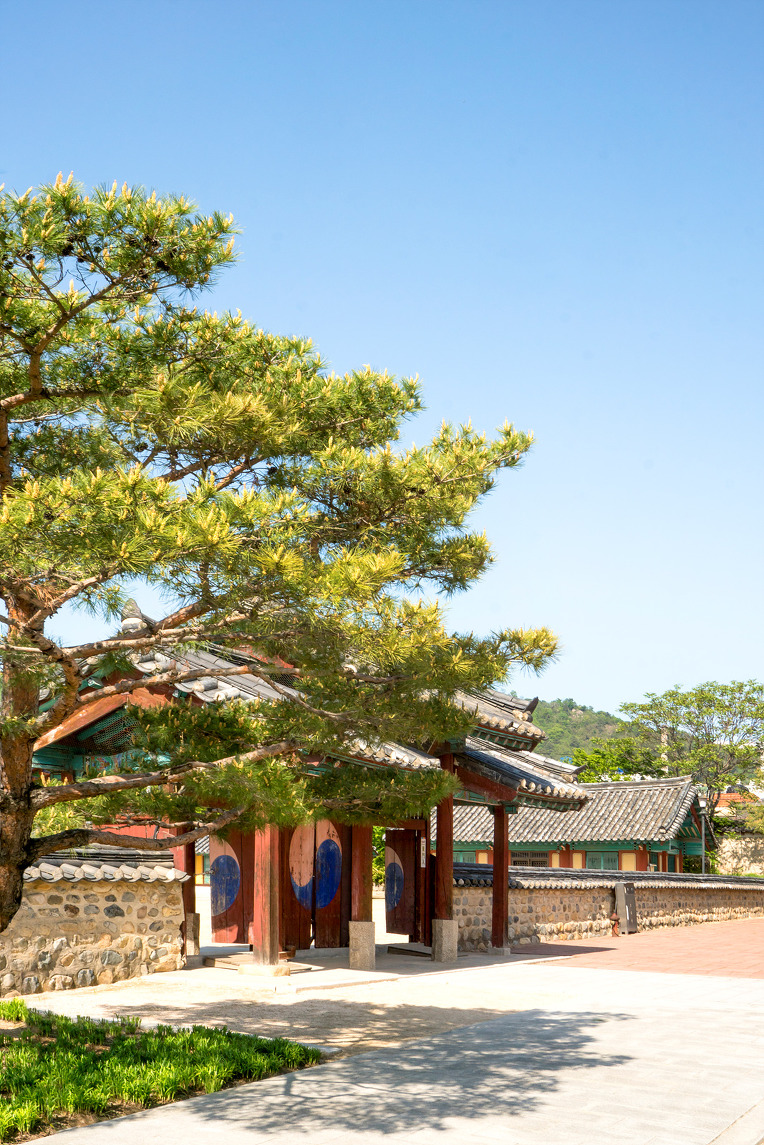
Two fish figures are painted on the upper left and right sides of Nalleungjeongmun. Called the Divine Fish image or the paired-fish design, they are described by the National Heritage Portal as elements that suggest the possibility of cultural exchange and transmission between the southern Korean Peninsula and maritime regions. After viewing the gate decorations and looking toward the burial mound, an appropriate visit takes about 40–60 minutes.
Why Rituals at Sungseonjeon Continue on the 15th Days of the 3rd and 9th Lunar Months
At Suro Royal Tomb, descendants conduct the Spring Grand Ceremony and Autumn Grand Ceremony every year on the 15th day of the 3rd and 9th lunar months. The Sungseonjeon ritual was designated an Intangible Cultural Heritage of Gyeongsangnam-do in 1990, demonstrating that the royal tomb is not merely an ancient burial mound but also a place where a ritual tradition continues.
Before and after the ritual dates, some routes may be affected by event preparations and proceedings. Those who wish to see the ritual itself should convert the lunar dates to the solar calendar and contact the Gimhae City Cultural Heritage Division or a tourist information center in advance to confirm the schedule and the areas open to general visitors.
- Regular on-site interpretation: Monday–Sunday, 10:00–17:00
- Guided tour interpretation: Reservation at least 1 week in advance
- English, Chinese, Japanese, and sign-language interpretation: Reservation at least 1 week in advance
Free Admission from 09:00 to 18:00; Interpretation Begins at 10:00
According to the operating information for Gimhae City’s integrated cultural tourism interpreter reservation service, the operating hours are 09:00–18:00 and admission is free. No regular closing day is listed, so the site is introduced as open year-round; however, visitors should check on the day of their visit for changes in access due to rituals, maintenance, or weather conditions.
The inquiry telephone number is 055-330-6836. Reservations for interpretation and tourism inquiries are available through the Gimhae Integrated Tourist Information Center at 055-330-4447 or 055-338-1330. The official information page is the Suro Royal Tomb introduction page on the Gimhae City tourism portal, and small groups of 2–4 people wishing to receive interpretation must make a reservation at least 1 week in advance.
- Operating hours: 09:00–18:00
- Admission: Free
- On-site interpretation: 10:00–17:00
- Recommended visit duration: 40–60 minutes
About 13 Minutes from Exit 2 of Suro Royal Tomb Station on the Busan–Gimhae Light Rail Transit
The simplest public transportation option is to use Suro Royal Tomb Station on the Busan–Gimhae Light Rail Transit. According to tourist information, it is about a 13-minute walk from Exit 2 of Suro Royal Tomb Station, and navigation apps can be set to “Gim Suro Royal Tomb.”
There is a parking lot, restroom, and information center for visitors arriving by car, and public tourism data lists 38 parking spaces. Parking demand may increase on weekends or in early summer when the trumpet creeper flowers bloom, so drivers are advised to arrive in the morning or also check nearby public parking lots.
- Light rail: Exit 2 of Suro Royal Tomb Station, about a 13-minute walk
- Parking: On-site parking available; 38 spaces according to public data
- Facilities: Restroom and information center
Early-Summer Trumpet Creepers and Flat Routes, but Do Not Expect Access to the Burial Mound
Suro Royal Tomb is a tomb area built on flat ground in the city, allowing visitors to see the gates, ritual buildings, and burial mound in sequence without a long hike. Visitors using strollers or wheelchairs should first check the condition of the paved main route and whether event-related restrictions are in place, while foreign-language interpretation requires advance reservation.
Visitor reviews and videos frequently mention people coming in summer to photograph the site against a backdrop of trumpet creepers. However, the royal tomb’s burial mound is not an area for visitors to climb close to or enter. Those seeking a trip focused on elaborate exhibits or hands-on experiences may find it more effective for understanding Gaya history to combine the visit with the National Gimhae Museum and the Daeseong-dong Tomb Museum.
Continue Exploring Gimhae, the Royal Capital of Gaya, through the Bonghwang-dong Ruins and Daeseong-dong Tombs
Visiting only Suro Royal Tomb introduces visitors to Gaya primarily through its legends and ritual spaces. Continuing to the nearby Bonghwang-dong Ruins, Daeseong-dong Tombs, and National Gimhae Museum allows visitors to gain a three-dimensional understanding of the city of Geumgwan Gaya through different forms of evidence: habitation remains, tombs of the ruling class, and excavated artifacts.
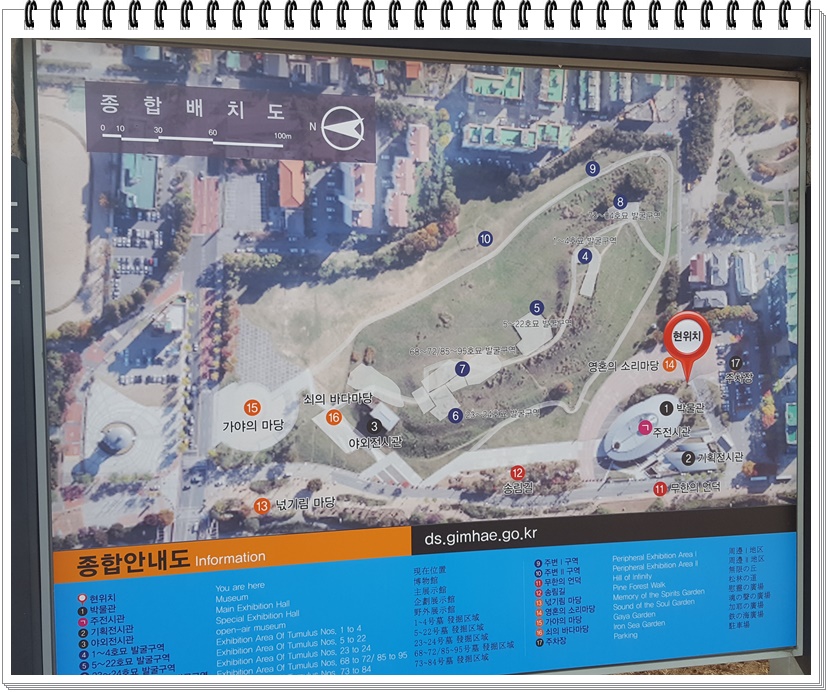
Tourism materials introduce Suro Royal Tomb, the Bonghwang-dong Ruins, the Daeseong-dong Tombs, the National Gimhae Museum, and the Gaya Theme Park as connected by “Gaya Street.” For a half-day itinerary, a realistic allocation would be 1 hour for Suro Royal Tomb, at least 1 hour for the Daeseong-dong Tomb Museum and tombs, and at least 1 hour 30 minutes for the National Gimhae Museum.
- Related national heritage: Gimhae Bonghwang-dong Ruins (Historic Site No. 2)
- Related historic site: Gimhae Daeseong-dong Tombs (Historic Site No. 341)
- Related visit: National Gimhae Museum
Before You Go
- Address
- 26 Garak-ro 93beon-gil, Gimhae-si, Gyeongsangnam-do (Seosang-dong)
- Hours
- 09:00–18:00
- Admission
- Free
- Phone
- 055-330-6836
- Official site
- https://www.gimhae.go.kr/00204/00049/02596.web?amode=view&idx=265
- Transport
- About a 13-minute walk from Exit 2 of Suro Royal Tomb Station on the Busan–Gimhae Light Rail Transit
- Parking
- On-site parking available. 38 spaces according to public tourism data.
- Time needed
- 40–60 minutes
- Accessibility
- The main route is primarily flat, with restrooms and an information center available. Tourist interpretation in English, Chinese, Japanese, and sign language requires a reservation at least 1 week in advance.
The information above is current as of the time of writing. Please check the official information again before visiting.

Places
Nearby Attractions 5
-
 1
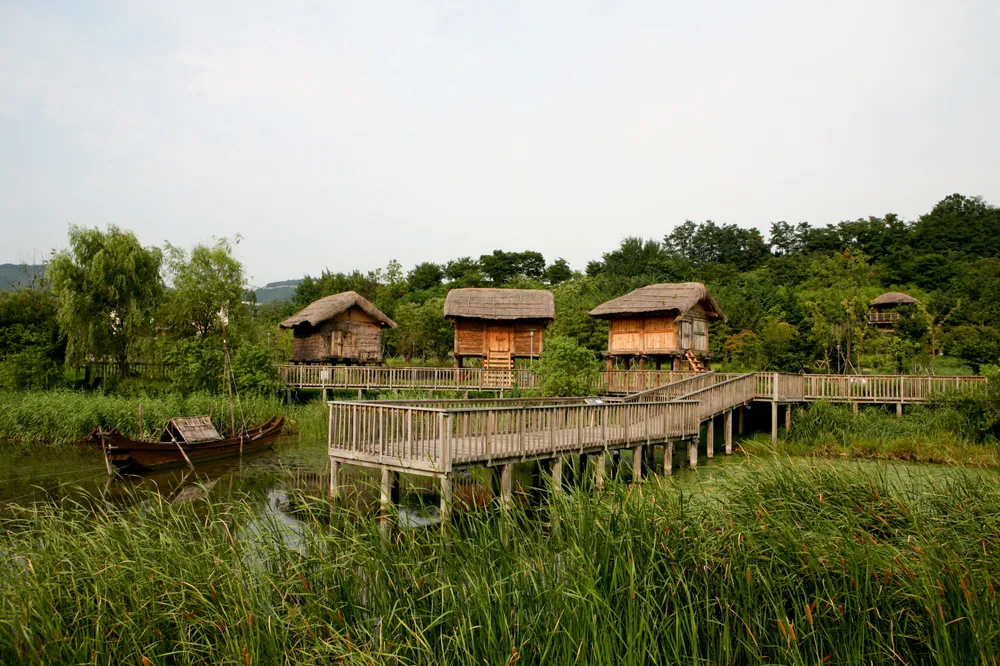
Gimhae Bonghwang-dong Archaeological SiteExplore the habitation remains and reconstructed spaces of Geumgwan Gaya.
1
Gimhae Bonghwang-dong Archaeological SiteExplore the habitation remains and reconstructed spaces of Geumgwan Gaya. -
 2
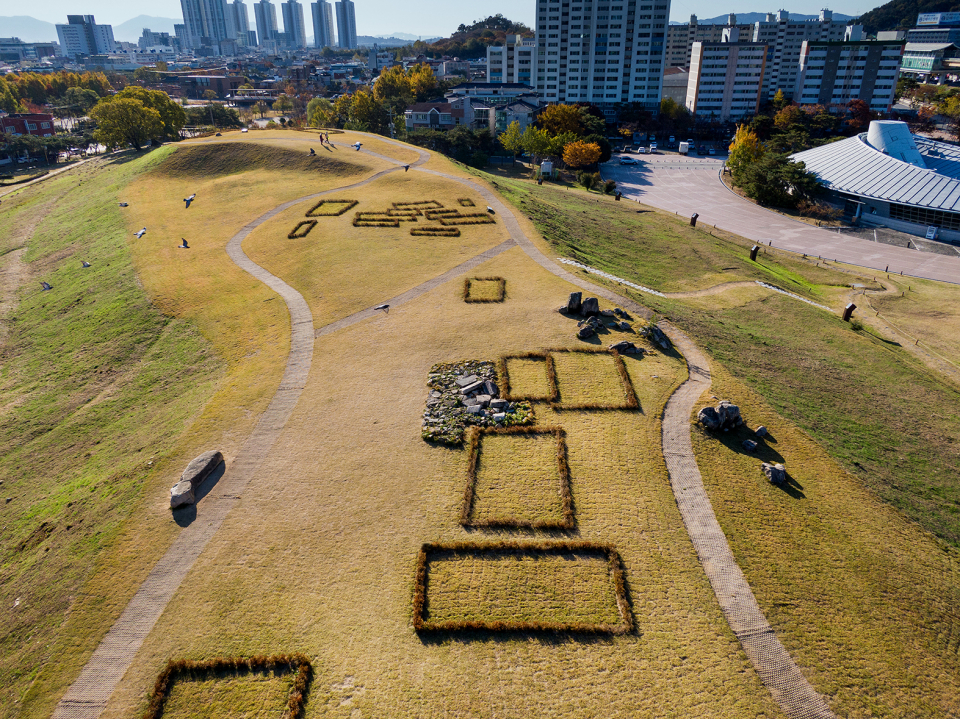
Gimhae Daeseong-dong TombsExplore the tombs of the ruling class of Geumgwan Gaya and learn about ancient funerary culture.
2
Gimhae Daeseong-dong TombsExplore the tombs of the ruling class of Geumgwan Gaya and learn about ancient funerary culture. -
 3
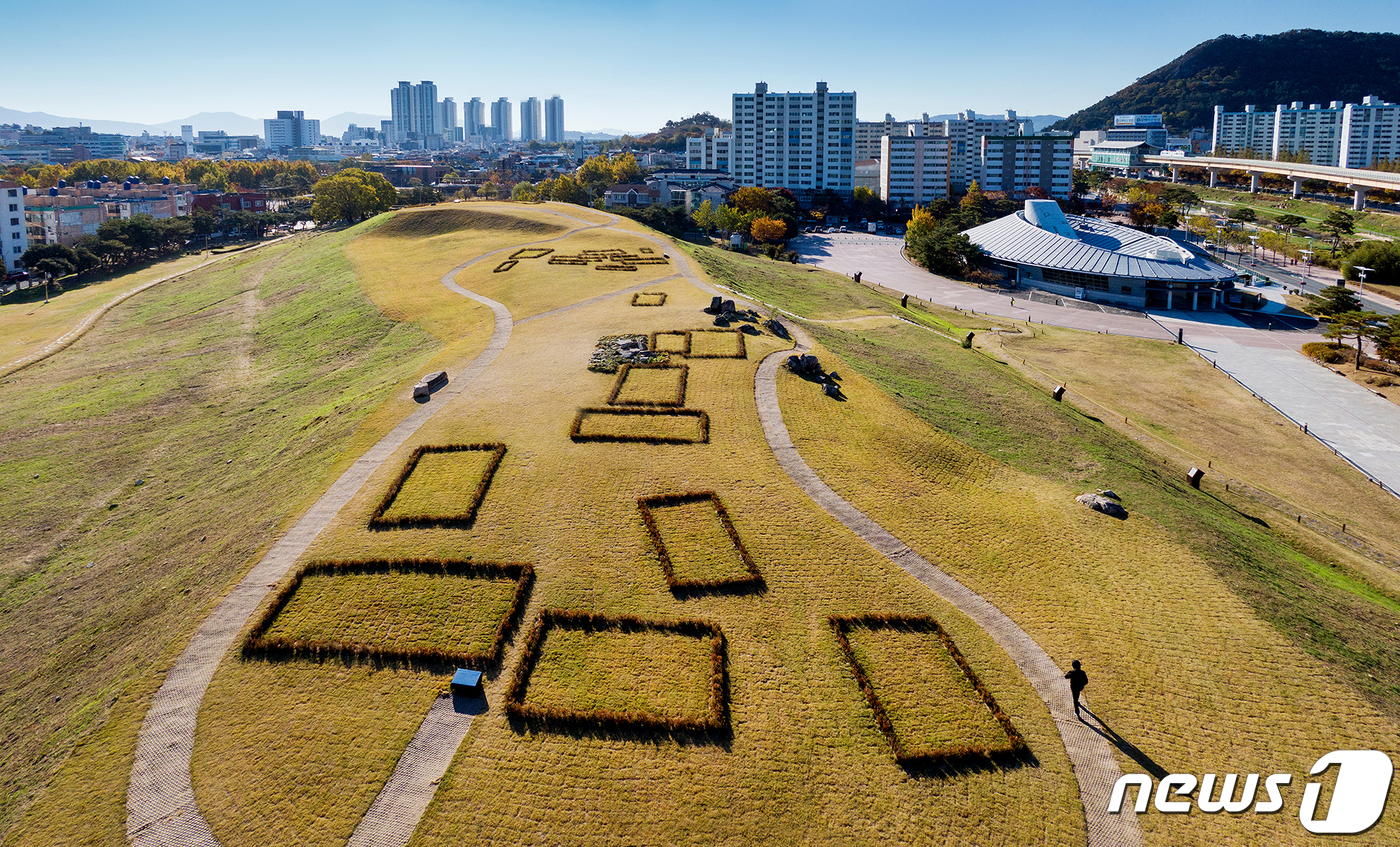
Daeseong-dong Tomb MuseumExhibits artifacts excavated from the Daeseong-dong Tombs and Gaya tomb culture.
3
Daeseong-dong Tomb MuseumExhibits artifacts excavated from the Daeseong-dong Tombs and Gaya tomb culture. -
 4
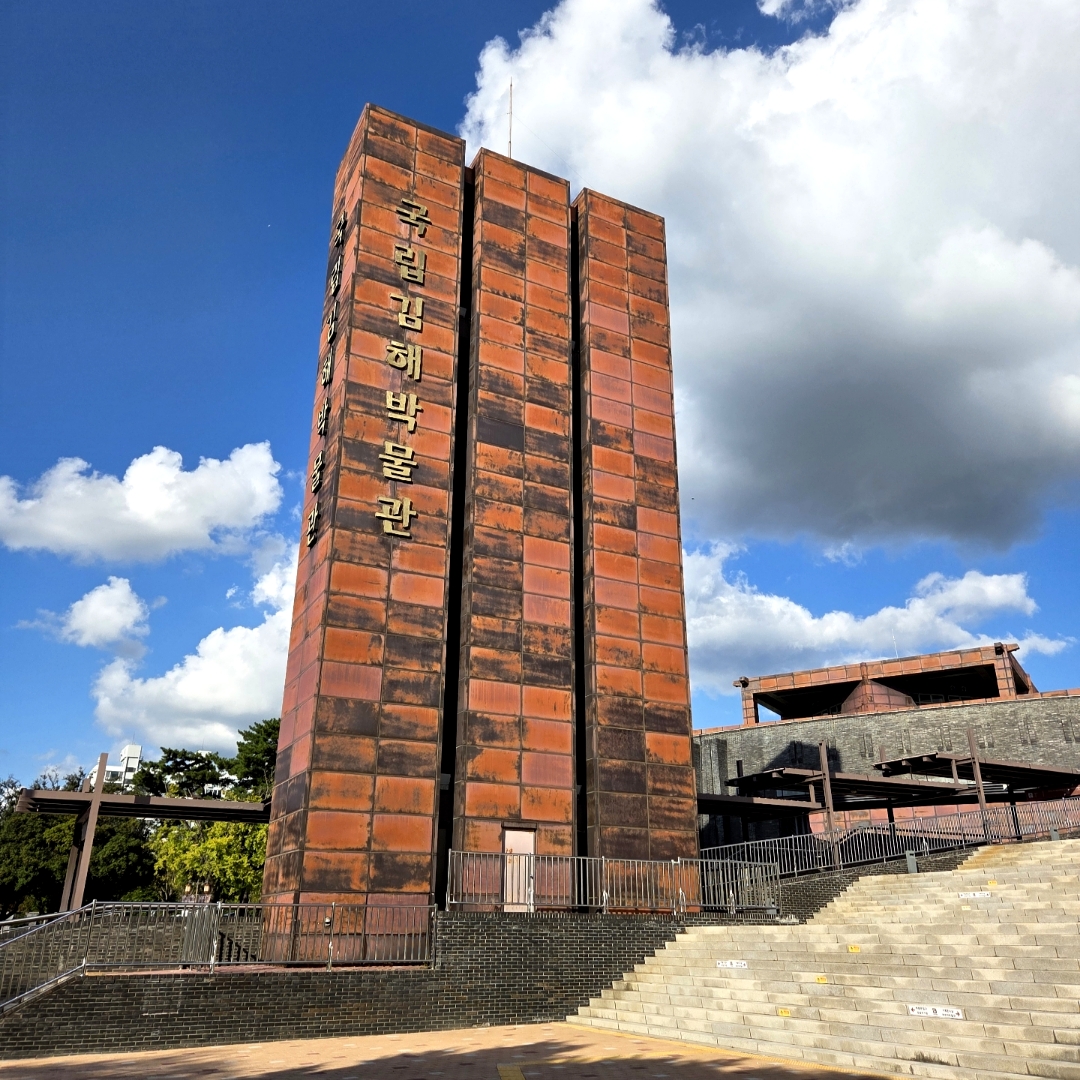
Gimhae National MuseumExplore artifacts from the Gaya period and the ancient history of the Gimhae region.
4
Gimhae National MuseumExplore artifacts from the Gaya period and the ancient history of the Gimhae region. -
 5
Gimhae Royal Tomb of Queen HeoExplore the tomb grounds honoring Queen Heo Hwang-ok, the wife of King Suro, and the Pasaseoktap Pagoda.
5
Gimhae Royal Tomb of Queen HeoExplore the tomb grounds honoring Queen Heo Hwang-ok, the wife of King Suro, and the Pasaseoktap Pagoda.
Food & Dining 5
-
 6
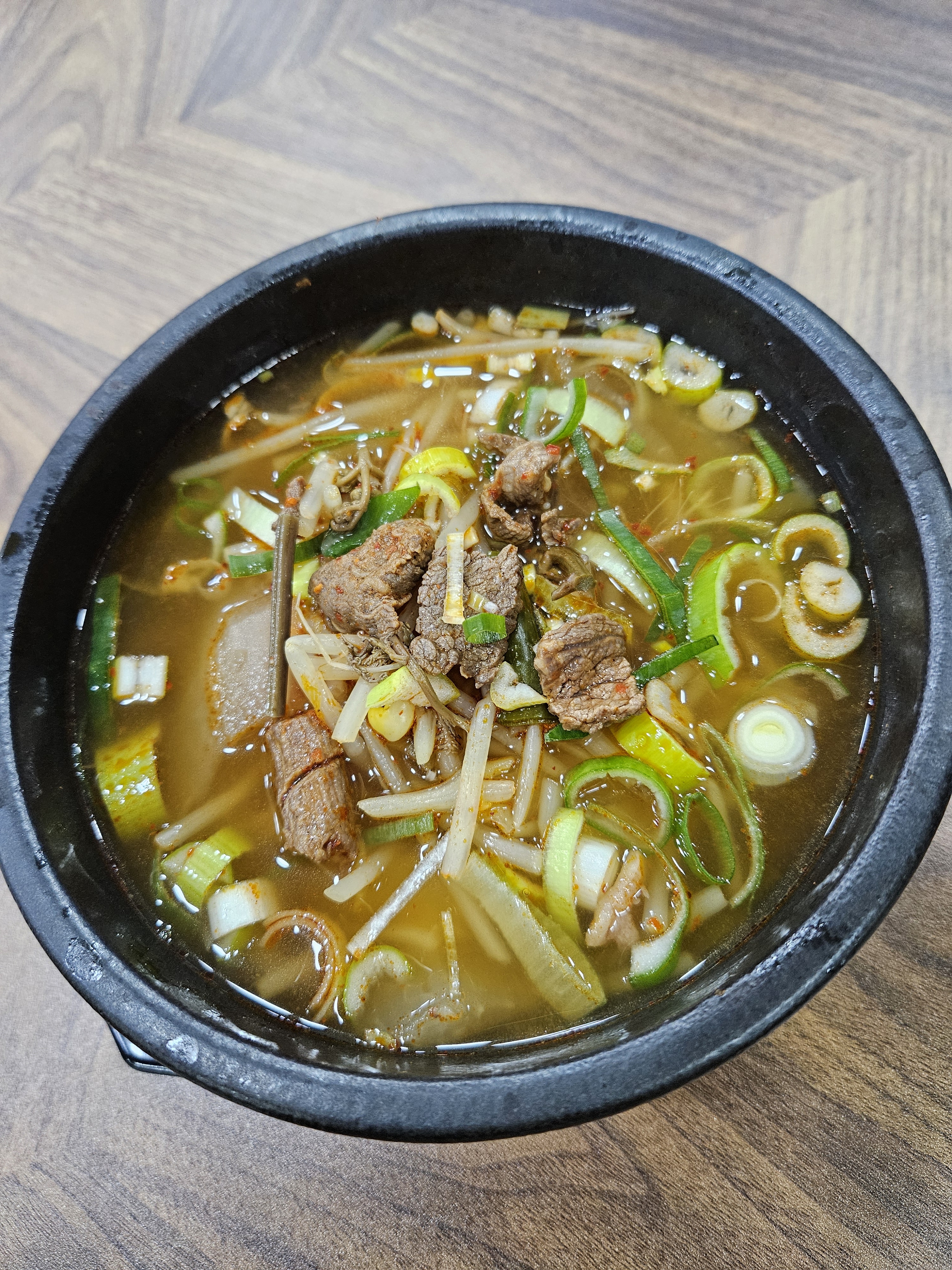
Hadong Hanu GukbapA restaurant serving Korean beef gukbap, yukhoe bibimbap, and Korean beef hot pot.
6
Hadong Hanu GukbapA restaurant serving Korean beef gukbap, yukhoe bibimbap, and Korean beef hot pot. -
 7
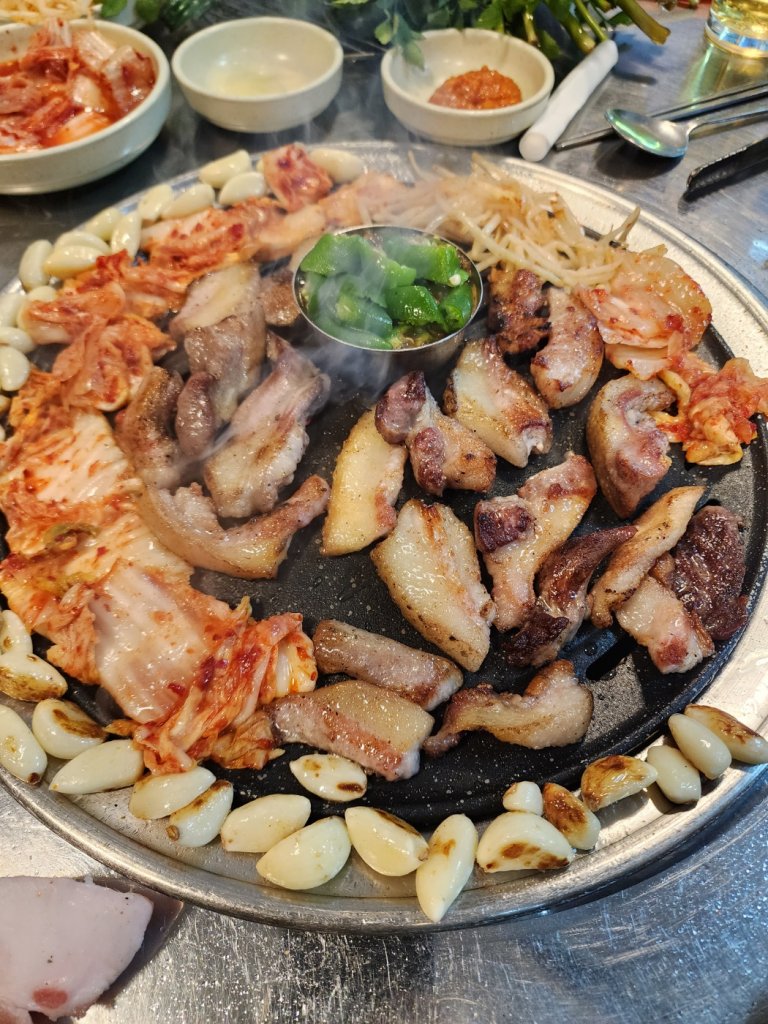
Samil DwitgogiA Korean barbecue restaurant where Gimhae-style dwit-gogi is grilled and enjoyed.
7
Samil DwitgogiA Korean barbecue restaurant where Gimhae-style dwit-gogi is grilled and enjoyed. -
 8
8
-
 9
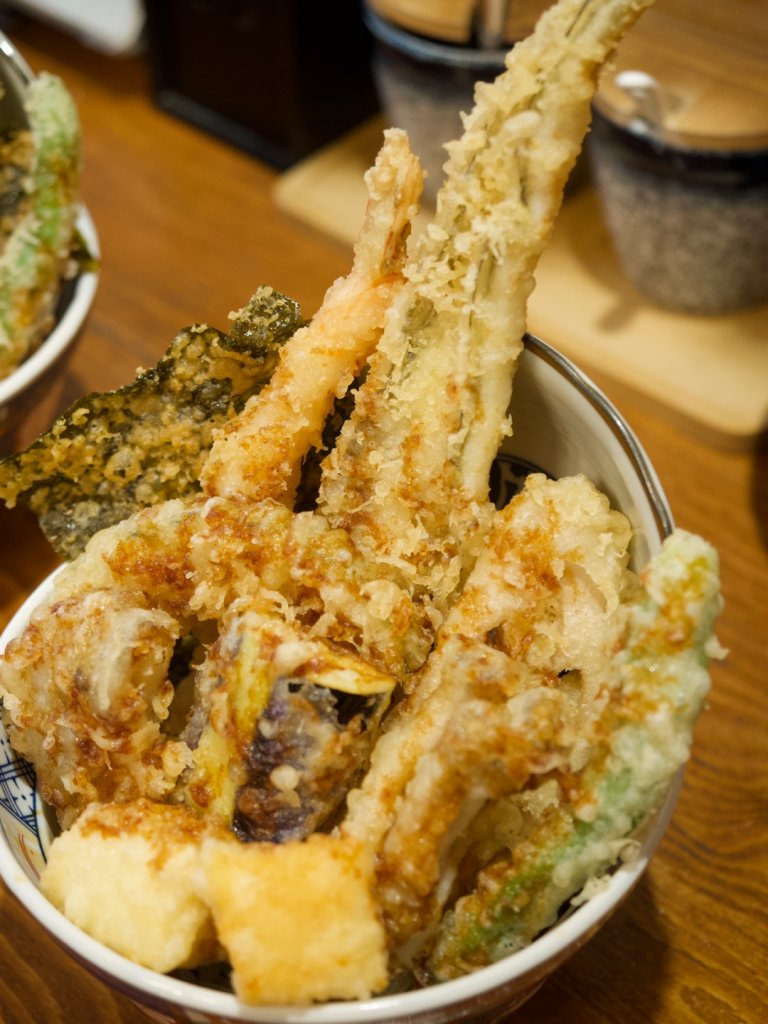
OhirutenA restaurant serving Japanese-style tendon topped with shrimp, vegetables, and other ingredients.
9
OhirutenA restaurant serving Japanese-style tendon topped with shrimp, vegetables, and other ingredients. -
 10
10
Events in This Area
Festivals in This Area

More Travel Guides in This Area
 Travel Guide
The International Character of Geumgwan Gaya in Gimhae, Beginning with Wooden-Chamber Tombs No. 29 and 39
 Travel Guide
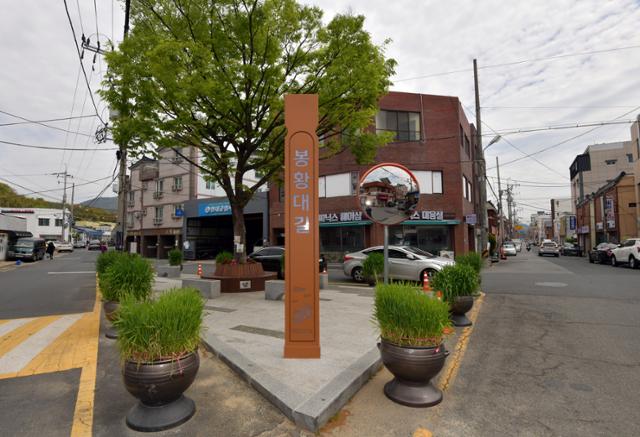
Gimhae’s Bongnidan-gil: A 500-Meter Alley Beside Gaya’s Old Harbor
 Travel Guide
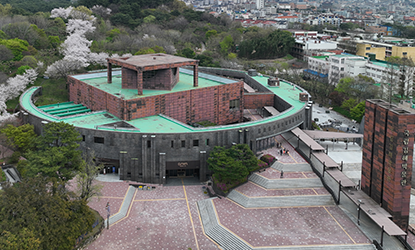
The Iron Kingdom Read from the Foot of Gujibong: Gimhae National Museum
 Travel Guide
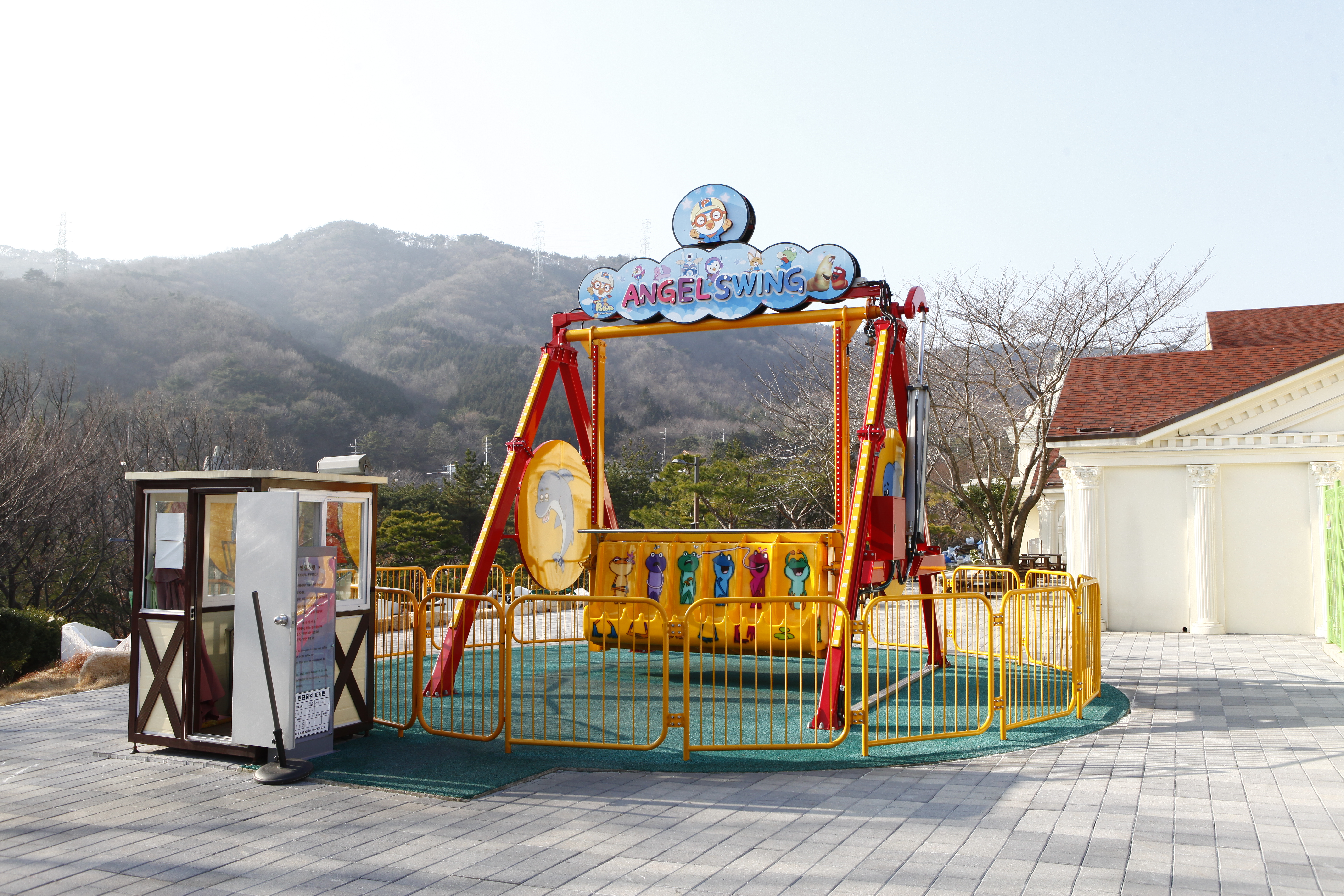
Gimhae Gaya Land, a Great Place for Children Aged 3 to Early Elementary School to Play at the Foot of Sineosan Mountain
Korea News
 News
News
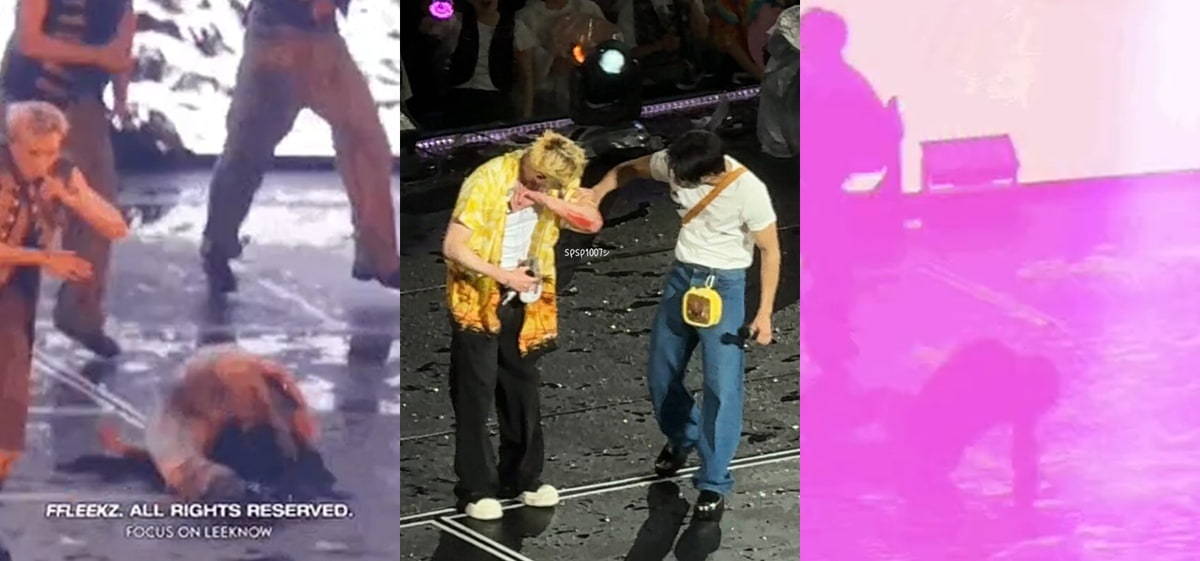
During Stray Kids’ stage, a “thud” left him bleeding… Lee Know was taken to the hospital
 News
News
'Comeback' LE SSERAFIM holds a confident and relaxed press conference
 News
News
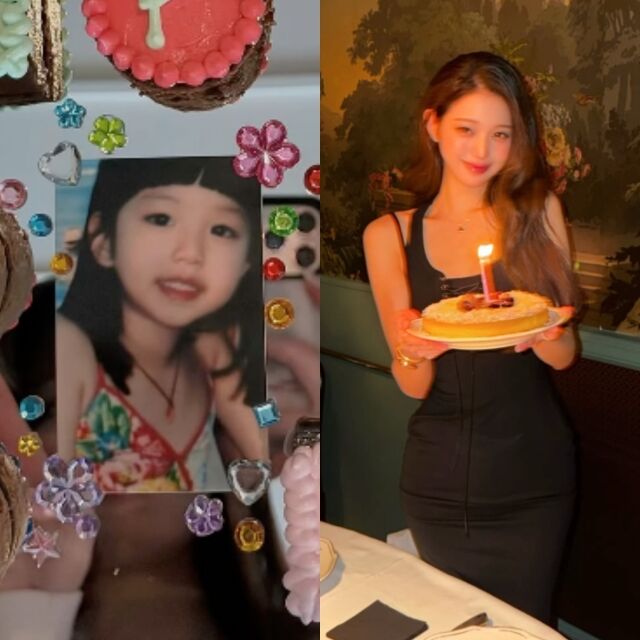
Jang Won-young: This girl has grown so much… Shares childhood photos to celebrate her birthday
 News
News