Jukdo Sanghwawon’s 2 km Covered Corridor at the End of Nampo Seawall
Jukdo Sanghwawon is a traditional Korean garden on an island connected to the mainland by the Nampo Seawall. Before visiting, check its operating days, parking restrictions, transportation options from Daecheon Station, the areas open for self-guided tours, and accessibility information.

I’ve been here?
Your check-in helps the next traveler.
No one has checked in yet Be the first
One tap — no writing needed
How to Get from Daecheon Station to 408-52 Nampobangjoje-ro
For travelers visiting Boryeong for the first time, using Daecheon Station as the starting point is easy to understand. Sanghwawon’s address is 408-52 Nampobangjoje-ro, Nampo-myeon, Boryeong-si, Chungcheongnam-do, and Jukdo is connected to Nampobangjoje by road, allowing access on foot or by vehicle.
According to the official information, a taxi from Daecheon Station takes approximately 15–20 minutes and costs 13,000–14,000 won. By bus, take Route 900 from the regular bus stop at Daecheon Station, transfer to Route 401 at Boryeong Intercity Bus Terminal, and get off at Jukdo Stop. However, this route operates only about 2–3 times a day and takes approximately 1 hour 10 minutes. Daecheon Station’s telephone number is 041-935-7788.
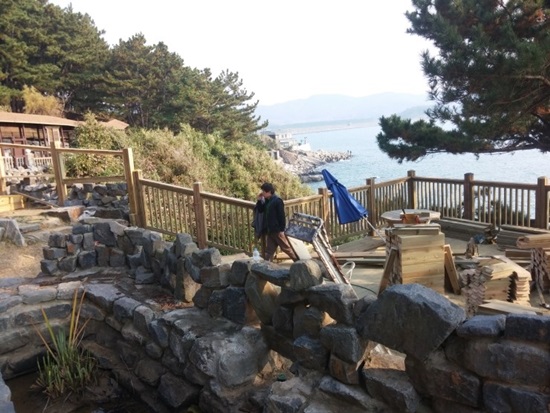
A Garden Open Only on Fridays, Saturdays, and Sundays from April to November
Sanghwawon’s regular visiting period runs from April through November, and even during this period, it is open only on Fridays, Saturdays, Sundays, and public holidays. It is closed from Monday through Thursday, so visitors to Boryeong on a weekday schedule cannot enter.
Visiting hours are from 9:00 a.m. to 6:00 p.m., with entry permitted until 5:00 p.m. The winter schedule is listed as 9:00 a.m. to 5:00 p.m., with ticket sales ending at 4:00 p.m.; the facility is closed for maintenance from December through March. Operating conditions may change, so as of 2026, visitors can check the official information and confirm details by calling the main information line at 070-7456-2200.
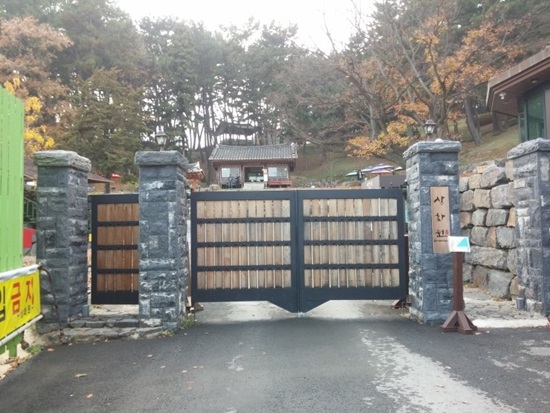
7,000-Won Admission Tickets and On-Site Ticketing Rules
Sanghwawon’s regular admission fee is 7,000 won, while the discounted admission fee is 5,000 won. Discounts are available to Boryeong residents, senior citizens aged 65 or older, people of national merit, people with disabilities, preschool children, and groups of 30 or more.
Tickets are issued on-site on the day of the visit before entry, and group visits are not accepted by reservation. Presenting the admission receipt at the visitor center allows each visitor to receive one complimentary serving of brewed coffee or a similar beverage, and bottled water is available at a self-service stand. There are no restaurants or cafés inside Sanghwawon, and bringing in food and beverages is restricted.
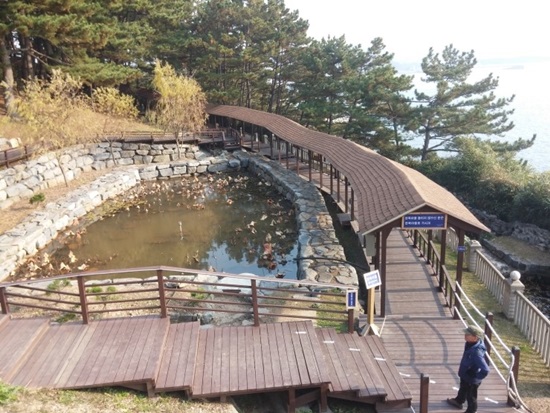
What to Check First on the Route Along the 2 km Roofed Corridor
Sanghwawon’s central route is a roofed corridor that continues around the island. The official introduction describes it as a 2 km section and explains that it was built so visitors can tour the coast even in snow or rain. Korea Tourism Organization materials list the corridor differently as extending 1 km, so the two sources do not agree on the total route length.
The corridor connects not only to the island’s perimeter but also to the hanok village and villa complex, linking the entire island together. Sanghwawon is a self-guided attraction with tours limited to designated routes, and separate guided tours are not offered. Visitors should understand that this is a place to follow the designated path rather than freely leave the route and explore the interior.
Sanghwawon’s Layout Through Uigokdang and Boryeong Oseok
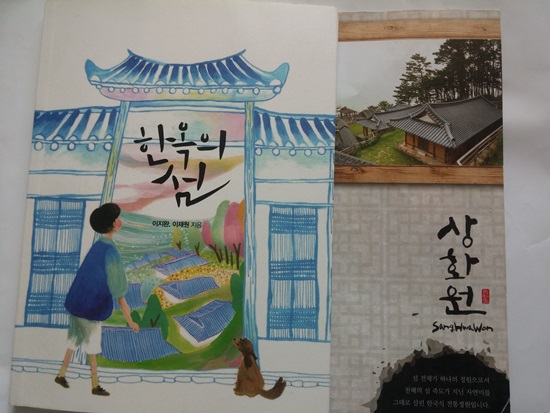
Sanghwawon is a Korean-style traditional garden created to preserve the natural environment of Jukdo, and “Sanghwa” means “revering harmony.” Jukdo was once called Daeseom, or Jukdo, because it was thickly covered with bamboo. After Nampobangjoje was constructed, the island between Muchangpo Beach and Daecheon Beach became connected to the mainland.
Inside the garden, nine traditional hanok houses with preservation value, formerly left abandoned as vacant homes, have been relocated and restored. Uigokdang is believed to have been built around the early Joseon period. It was a hanok constructed at the Hwaseong government office in Gyeonggi Province for use as a pavilion, but after facing demolition, it was moved to Sanghwawon. The Flagstone Plaza was made with Boryeong’s specialty stone, oseok, and the hanok village and Sky Garden are also part of the visitor experience.
The 350 m Coastal Pond, Sky Garden, and Sunset Garden
Sanghwawon has a 350 m coastal pond made up of 108 natural-stone water basins. The Sunset Garden near the sea is introduced as a place where visitors can admire the sunset while listening to the spray breaking against the rocks and the sound of the waves.
The Sky Garden is a space where visitors can view sunsets over the West Coast from the height of a three-story building. Sanghwawon is located between Daecheon Beach and Muchangpo Beach, approximately 5 km from each, so it can be combined with a beach itinerary. However, on days with infrequent bus service, visitors should allow separate travel time.
Why Public Transportation Should Take Priority Over Parking
Sanghwawon’s official FAQ says that parking is effectively difficult because the parking area is small and recommends using public transportation. Some tourism information lists parking for 100 small cars, so the information is inconsistent. Travelers by car should therefore avoid assuming that parking will definitely be available on-site.
A taxi from Daecheon Station takes the stated 15–20 minutes and costs 13,000–14,000 won. The bus route involves transferring from Route 900 to Route 401 and getting off at Jukdo Stop; it is listed as operating about 2–3 times a day and taking approximately 1 hour 10 minutes. Public transportation users should also calculate the time of the return bus.
Points to Note for Wheelchair and Stroller Users and Travelers with Pets
Korea Tourism Organization accessibility information indicates that there are no accessible restrooms or elevators, and that the main entrance has a step. Wheelchair and stroller rentals are also unavailable, so it is difficult to consider all viewing areas accessible without mobility aids.
Pets are not permitted to enter with visitors for sightseeing or events. The available materials do not confirm whether photography is prohibited, whether English information or an audio guide is available, whether payment is cash-only, whether viewing restrictions apply depending on the season or weather, or the officially recommended visiting time; this article therefore makes no definitive claims about them. Before visiting, prioritize incorporating the operating days and admission cutoff time into your itinerary.
Villa Capacity to Know When Choosing Accommodation
Sanghwawon has a villa complex surrounded by bamboo groves and red pine trees, with views of the sea. The official FAQ states that the accommodation consists of 20 villas and can accommodate up to 80 people at one time.
Garden sightseeing and accommodation are different ways of using the same space. General visitors purchase tickets on-site on the day of their visit and move independently along designated routes. If you are planning to stay overnight, room use is not guaranteed solely by the admission-ticket rules. For accommodation inquiries and other information, contact the official website, the main number at 070-7456-2200, or the Boryeong office at 041-933-4750.
Before You Go
- Address
- 408-52 Nampobangjoje-ro, Nampo-myeon, Boryeong-si, Chungcheongnam-do
- Hours
- April–November: Fridays, Saturdays, Sundays, and public holidays, 09:00–18:00; entry until 17:00. Winter schedule: 09:00–17:00; admission ticket sales until 16:00
- Closed
- Closed for winter facility maintenance from December through March; closed Monday–Thursday from April through November
- Admission
- Regular: 7,000 won; discounted: 5,000 won. Discounts are available to Boryeong residents, people aged 65 or older, people of national merit, people with disabilities, preschool children, and groups of 30 or more
- Phone
- 070-7456-2200; Boryeong office: 041-933-4750
- Official site
- https://www.sanghwawon.com/
- Transport
- Connected to Nampobangjoje, allowing access on foot or by vehicle. From Daecheon Station, a taxi takes approximately 15–20 minutes and costs 13,000–14,000 won. The bus route listed is Route 900 → Route 401 → Jukdo Stop
- Parking
- The facility’s official FAQ states that parking is effectively difficult because the parking area is small
- Time needed
- No official recommended visiting time was confirmed
- Accessibility
- No accessible restroom, elevator, designated parking space, wheelchair rental, or stroller rental; a step is present at the main entrance
The information above is current as of the time of writing. Check the official information again before visiting.

Places
Nearby Attractions 3
-
 1
1
-
 2
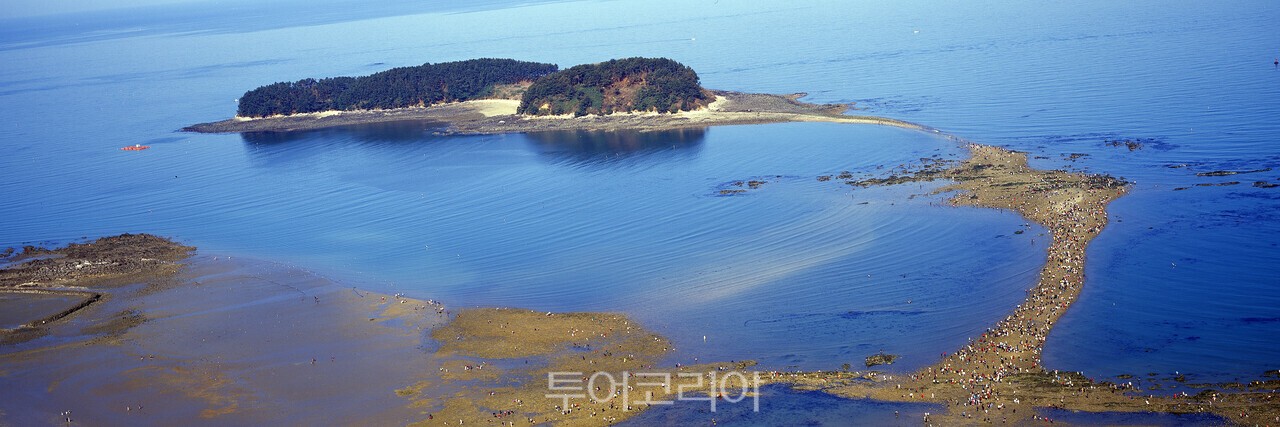
Muchangpo BeachA place to enjoy a seaside stroll and witness the mysterious sea road that emerges with the tides
2
Muchangpo BeachA place to enjoy a seaside stroll and witness the mysterious sea road that emerges with the tides -
 3
3
Food & Dining 3
-
 4
4
-
 5
5
-
 6
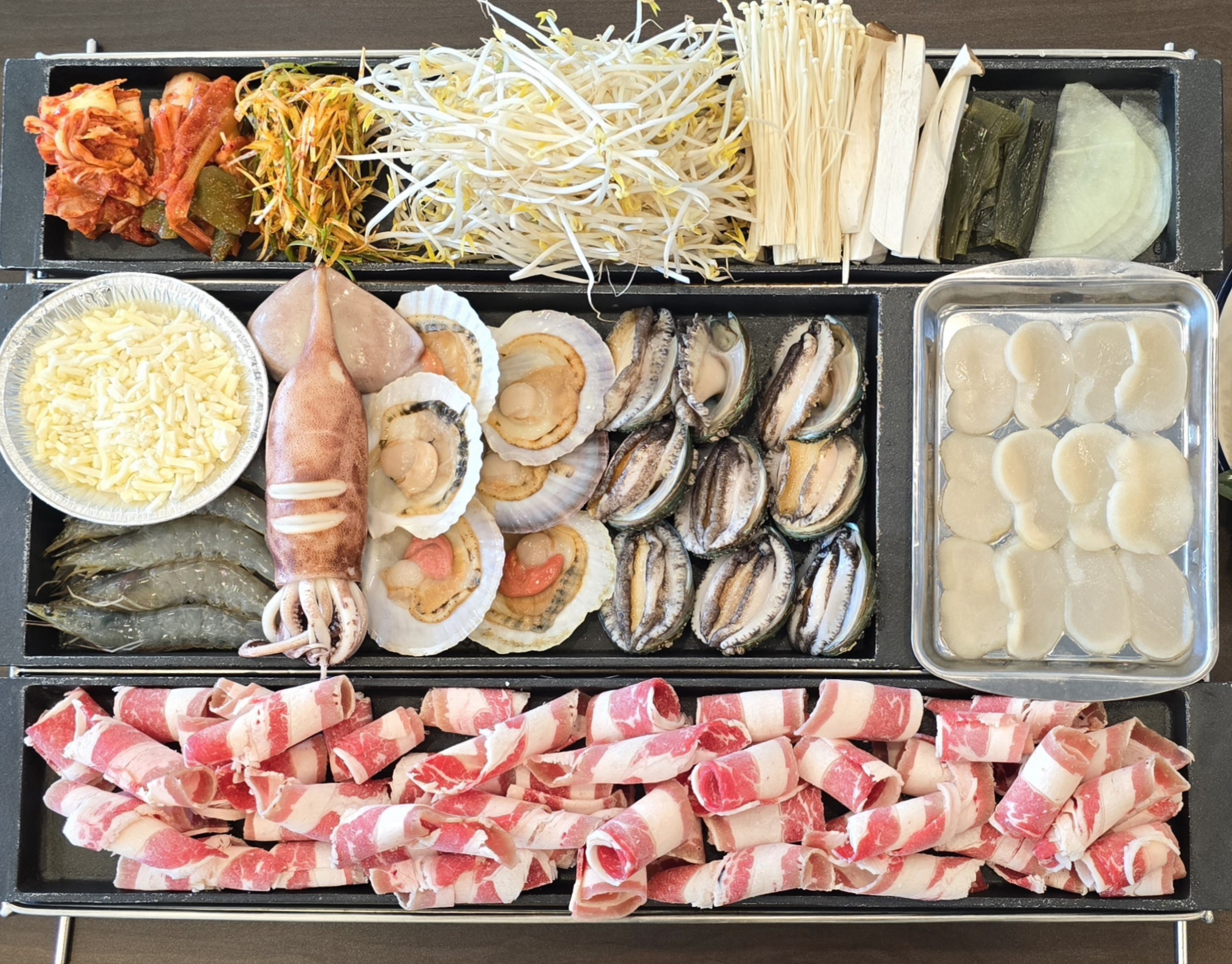
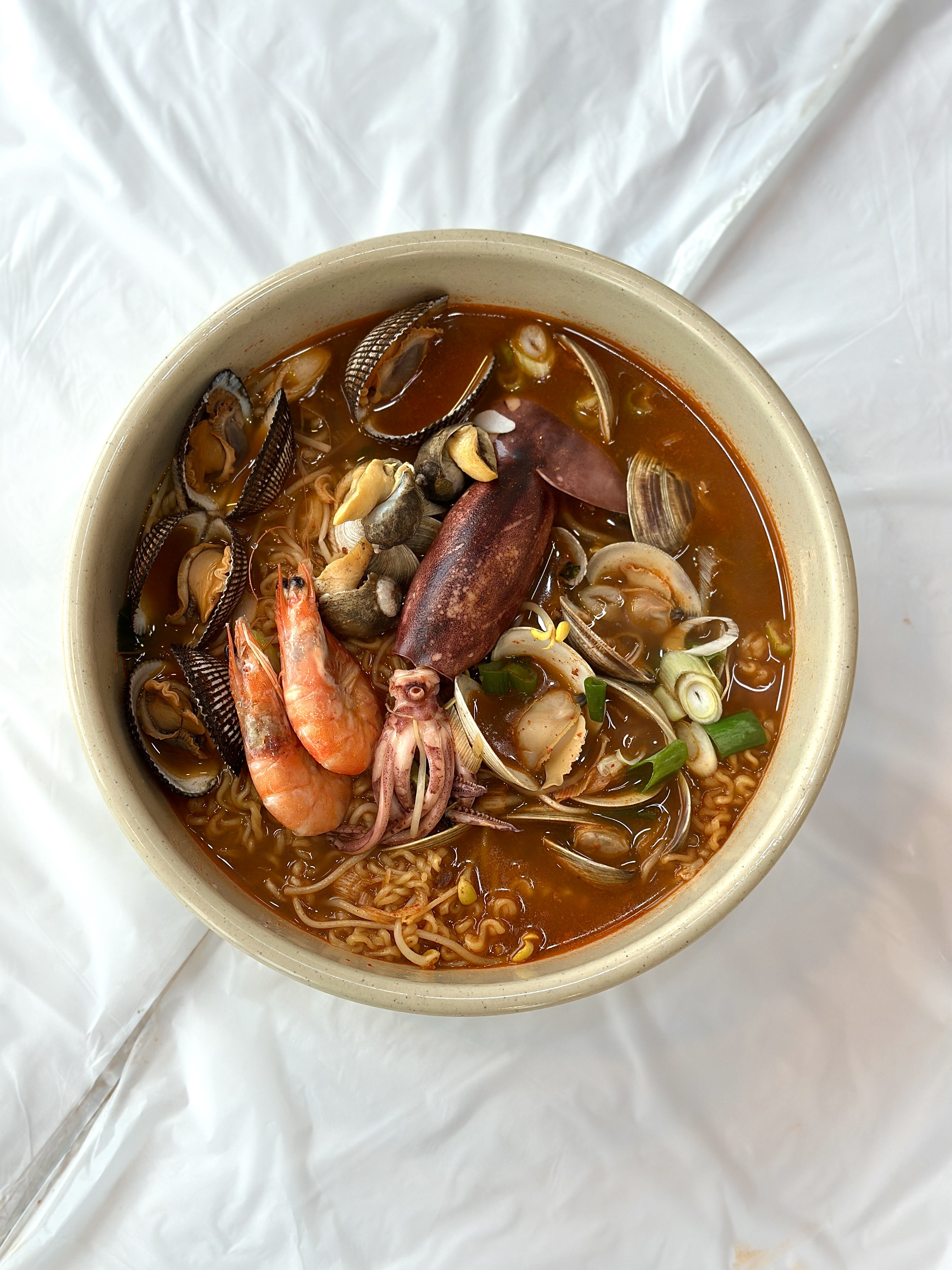
Jukdo Gunsan HoejipA Korean raw fish restaurant serving live fish sashimi, seafood hand-cut noodle soup, and seafood dishes.
6
Jukdo Gunsan HoejipA Korean raw fish restaurant serving live fish sashimi, seafood hand-cut noodle soup, and seafood dishes.
More Travel Guides in This Area
 Travel Guide
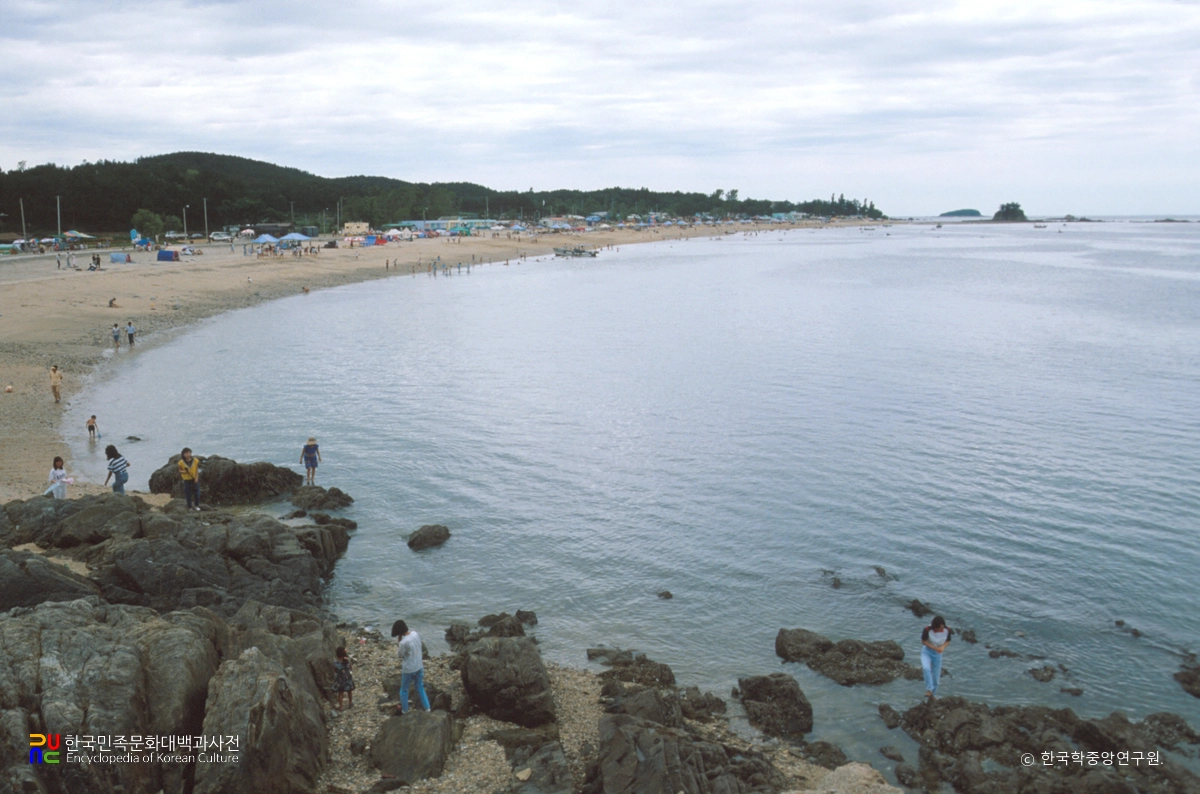
Muchangpo Beach: When the Sea Road Opens and How to Visit
 Travel Guide
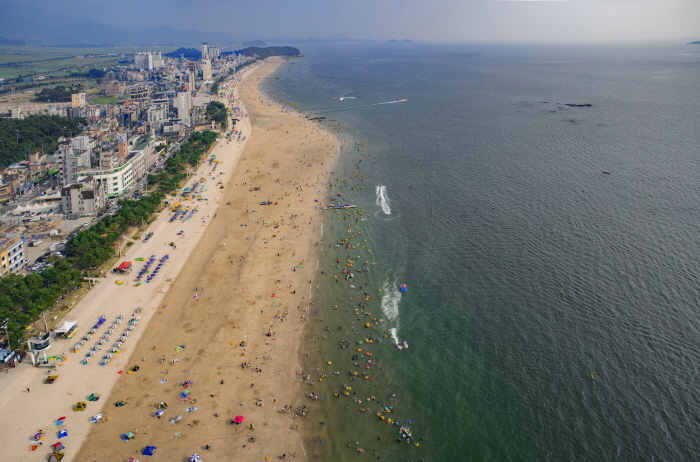
Boryeong Daecheon Beach, where the gentle sandy shore of Korea’s West Coast meets Mud Square
 Travel Guide
A Day Among Black Stone, Ponds, and Poetry Monuments Across 18 ha in the Southern Valley of Seongjusan Mountain
 Travel Guide
Reading Boryeong’s Coal-Mining History Along the Tunnels of Seongju Mine
Korea News
 News
News
TWS heightens comeback excitement with kitschy charm… Anticipation for “plot twist” rises
 News
News
BTS, Six Months After Its Release… ‘Arirang’ Climbs the U.S. Billboard 200
 News
News
'The Nation's Girl Group' RESCENE, Five Girls Transformed into Guardians… Additional Concept Photos for Their 4th Mini Album Revealed
 News
News