
A Place in Seoul’s Maeheon Citizen’s Forest to Relive the 1932 Shanghai Uprising
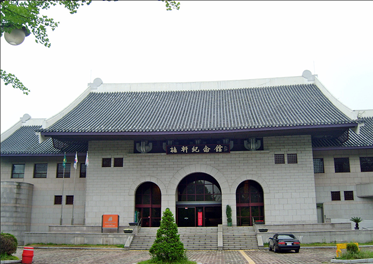
The Maeheon Yun Bong-gil Memorial Hall is a state-managed memorial museum covering the life and independence movement of Yun Bong-gil, who carried out the 1932 Hongkou Park uprising in Shanghai on April 29. Located 179 meters from Exit 5 of Yangjae Citizen’s Forest Station on the Shinbundang Line, it pairs well with a walk through Maeheon Citizen’s Forest for a 60–90-minute itinerary.
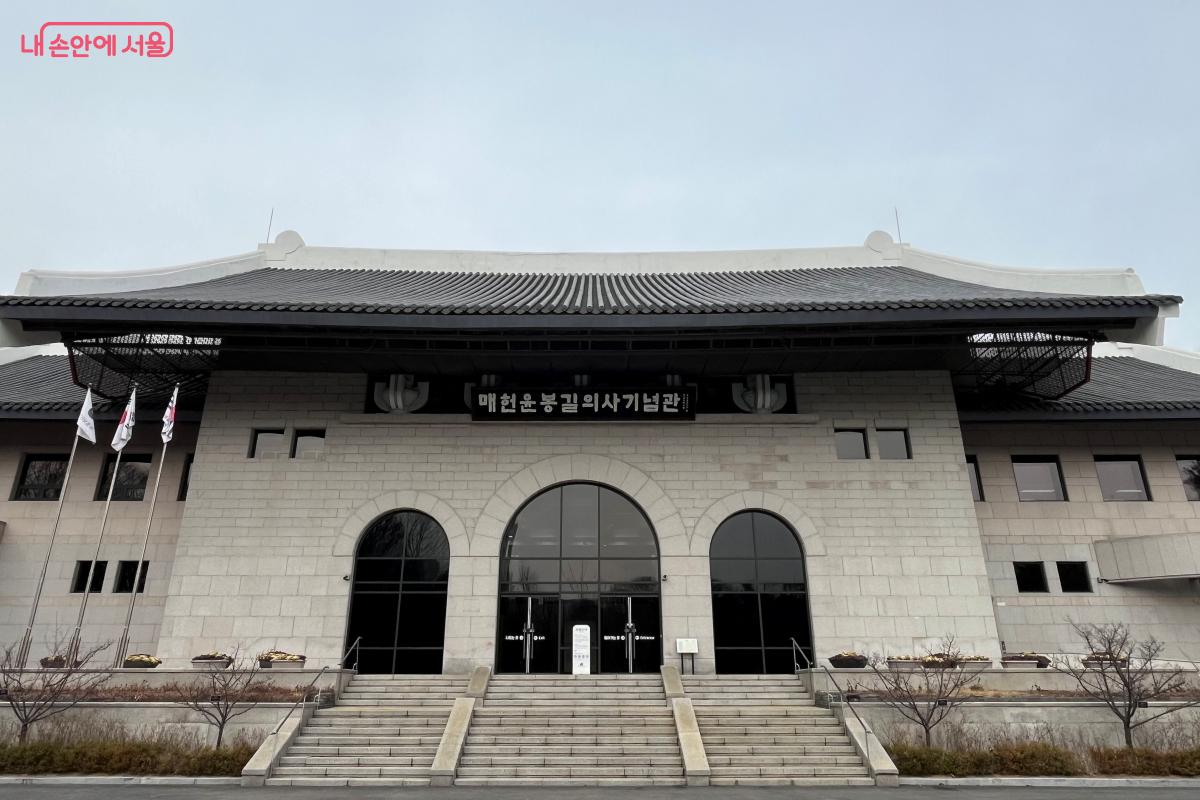

Maeheon Yun Bong-gil Memorial Hall in Yangjae-dong, opened on December 1, 1988
Maeheon Yun Bong-gil Memorial Hall is located at 99 Maeheon-ro, Seocho-gu, Seoul, inside Maeheon Citizens' Forest. It opened on December 1, 1988, as a memorial hall established through public donations. The site covers approximately 2,000 pyeong, and the building consists of one basement level and three above-ground floors.
The reason this site was placed in the Yangjae-dong forest is not simply to tour the exhibition rooms. Outside the memorial hall are also a statue of Yun Bong-gil and a memorial monument, allowing visitors to explore his life and the context of his patriotic action indoors before continuing to the forest's memorial spaces. The name Maeheon Citizens' Forest was changed from Yangjae Citizens' Forest in 2022.
From his birth in 1908 to Hongkou Park in Shanghai on April 29, 1932
Yun Bong-gil was born in 1908 and devoted himself to rural enlightenment and educational activities in his hometown from 1930. The exhibition preserves the flag of Wonjinhoe, which he organized, along with night-school teaching materials, a desk, and an oil lamp, allowing visitors to examine his life before the patriotic action without reducing it to the single label of independence activist.
On April 29, 1932, Yun Bong-gil, as a member of the Korean Patriotic Corps, threw a bomb at a Japanese event held in Hongkou Park in Shanghai, China. This patriotic action led to renewed international attention toward the Provisional Government of the Republic of Korea and Kim Gu's activities, and subsequently influenced expanded Chinese support and the reorganization of Korean independence movement groups.
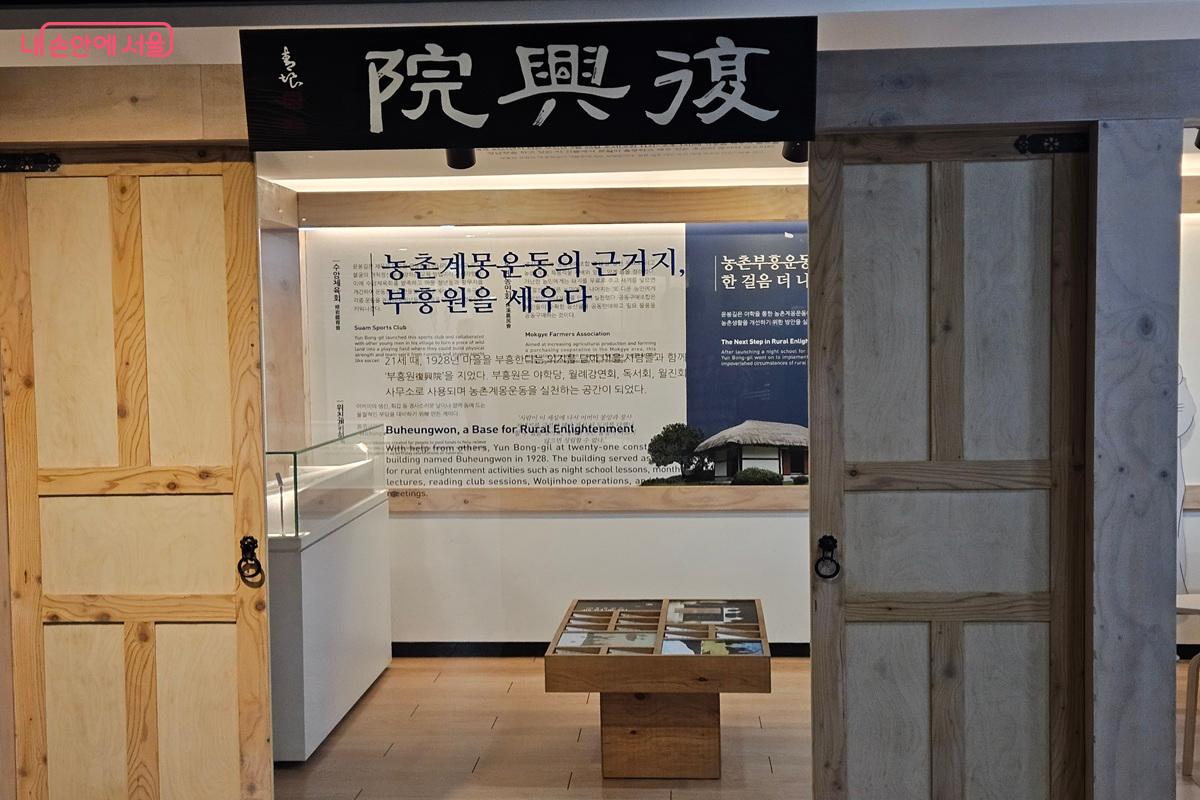
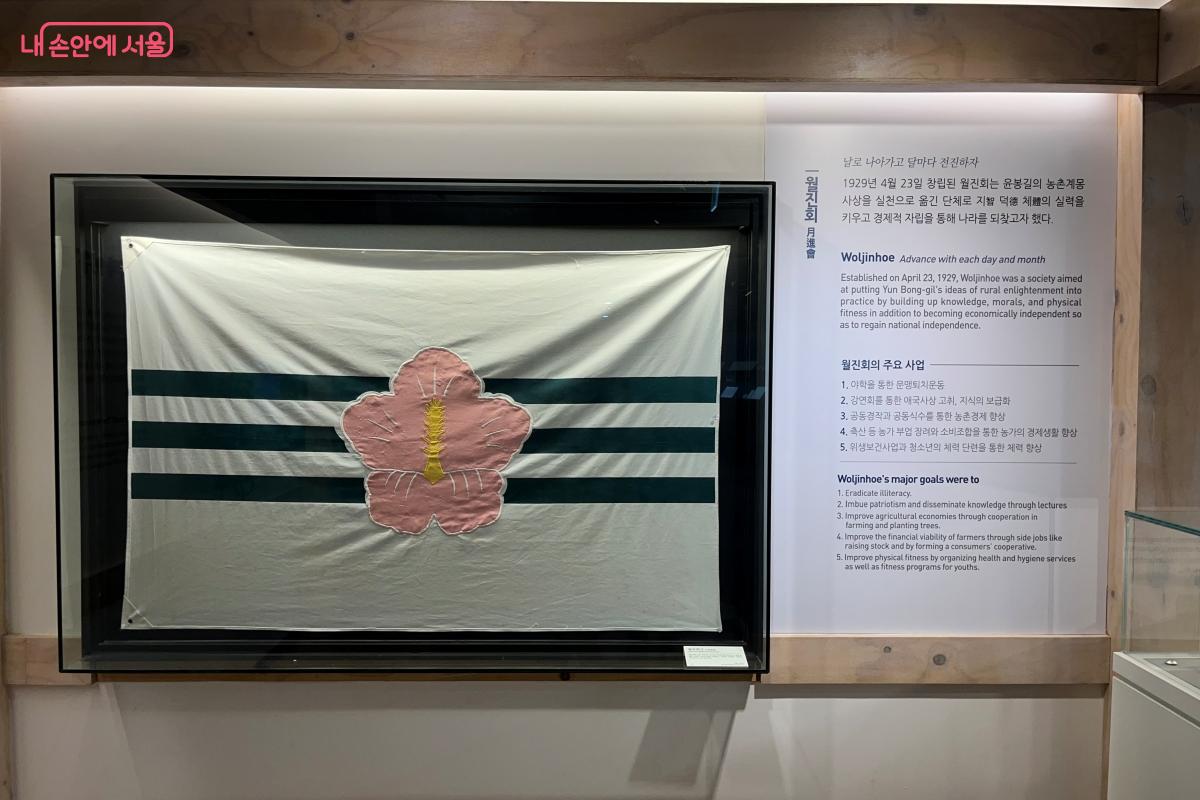
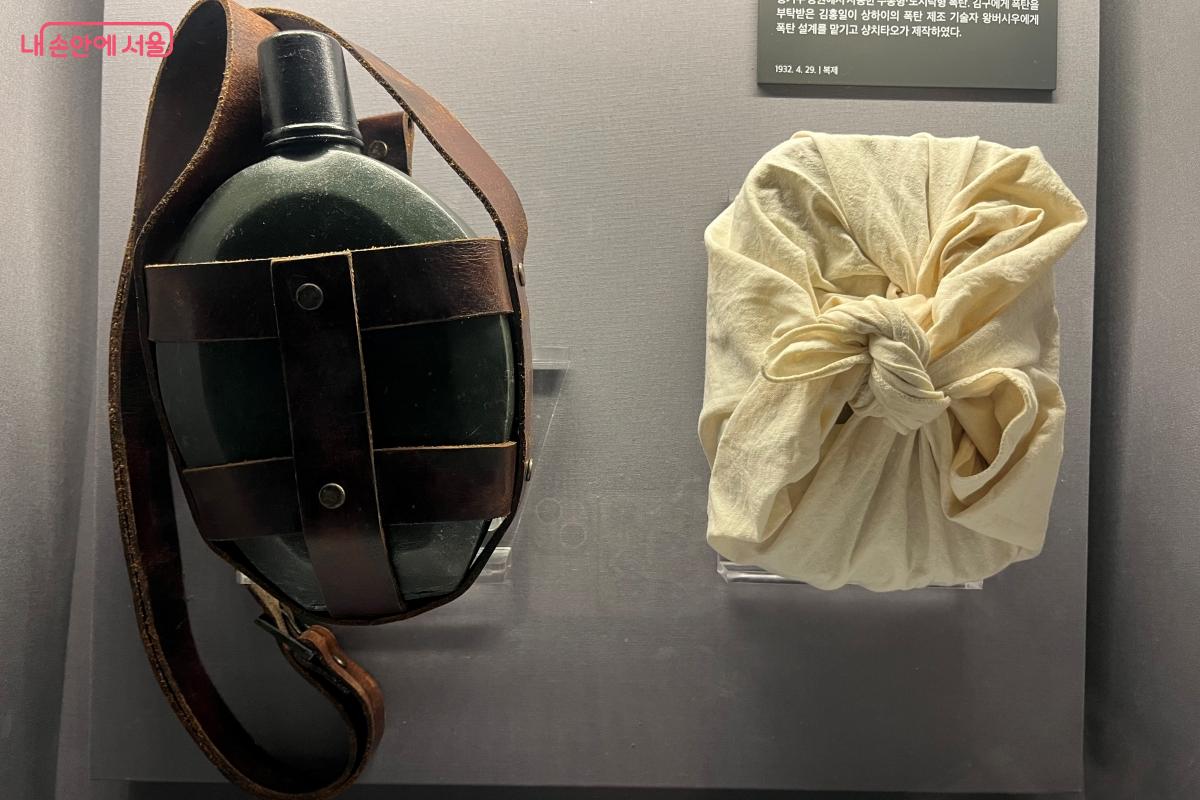
Following the First and Second Exhibition Rooms through a canteen-bomb replica and pocket watches
In the central hall on the first floor, visitors can see a large historical painting depicting the Shanghai patriotic action and the peasant movement, centered on a seated statue of Yun Bong-gil. The subsequent exhibition presents Yun Bong-gil's development, the rural enlightenment movement, his journey to Shanghai, and the results of the patriotic action through timelines and artifacts.
In particular, the canteen-bomb and lunchbox-bomb replicas, along with the pocket-watch display recounting the story of Kim Gu and Yun Bong-gil exchanging watches, are key points for understanding April 29, 1932. To concentrate on reading the exhibition content, it is best to allow at least 45 minutes for the indoor visit, or 60–90 minutes if including the outdoor statue and memorial monument.
Visiting hours: 10:00–18:00 from March to October and until 17:00 from November to February
Visiting hours are 10:00–18:00 during the summer season, from March to October, with admission closing at 17:30. During the winter season, from November to February, hours are 10:00–17:00, with admission closing at 16:30, making the visit one hour shorter. Admission is free, the main telephone number is 02-578-0429, and the official website is https://www.yunbonggil.or.kr.
The regular closing day is every Monday. If Monday is a public holiday, the memorial hall opens and closes the following day. It is also closed on New Year's Day, the day of the Lunar New Year holiday, the day of the Chuseok holiday, and May 1, Labor Day, so it is especially advisable to check the official notice again before setting out during holiday periods.
179 m from Exit 5 of Yangjae Citizens' Forest Station, with a route connecting to the forest paths
By public transportation, Exit 5 of Yangjae Citizens' Forest Station on the Shinbundang Line is the simplest option. According to Seoul city information, the memorial hall is 179 m away; from the exit, head toward Maeheon Citizens' Forest. The official guidance also recommends using the Shinbundang Line in consideration of congestion and parking difficulties.
Visitors arriving by car can use the memorial hall parking lot, but the available spaces and conditions on site may vary. The nearby Maeheon Citizens' Forest East Public Parking Lot has 143 spaces, with publicly available information indicating a fee of 250 won per five minutes and 24-hour operation. After visiting the memorial hall, you can continue along the Yeoui Stream and the walking paths of Maeheon Citizens' Forest, but if your schedule is focused only on the historical exhibition, it is more efficient to plan a separate route around the entire forest.
Groups of 20 or more require advance reservations; wheelchairs and strollers are available at the first-floor information desk
Groups of 20 or more must make an advance reservation. When making a reservation, visitors can also request a free guided tour by a professional docent, making it suitable for schedules that require a structured reading of the exhibition, such as school or history-club visits. The third floor has the 200-seat Maeheon Hall, while the second floor has a special exhibition room and seminar room.
Wheelchairs are always available, and walking strollers can be borrowed free of charge at the first-floor information desk after leaving an identification card. The exhibition rooms are non-smoking, and beverages without lids and food are prohibited. Pets are not allowed, and only guide dogs for people with visual impairments may enter, so visitors with young children or those requiring mobility assistance should take these conditions into account when planning their visit.
Who will enjoy the memorial hall exhibition and who should also visit Maeheon Citizens' Forest
For visitors who have known Yun Bong-gil only through the single scene of the Shanghai patriotic action, it is helpful to first view the materials on the rural enlightenment movement and night-school activities before moving on to the materials on the patriotic action. The exhibition also includes digital videos and interactive elements, but visitors who wish to spend time reading the detailed context of war history or the independence movement may need more than 90 minutes.
Conversely, it may not suit schedules focused on quick photo-taking or expecting a large-scale interactive museum. Its strength lies in connecting the youth educational movement in colonial Korea in the 1930s, the Provisional Government of the Republic of Korea, and the Shanghai patriotic action through the belongings and records of one individual. After the visit, the most natural option is to see the outdoor statue and memorial monument and walk along the paths of Maeheon Citizens' Forest.
Before You Go
- Address
- 99 Maeheon-ro, Seocho-gu, Seoul, Maeheon Memorial Hall
- Hours
- Summer season (March–October) 10:00–18:00, admission closes at 17:30 / Winter season (November–February) 10:00–17:00, admission closes at 16:30
- Closed
- Every Monday; if Monday is a public holiday, the following day / New Year's Day, the day of the Lunar New Year holiday, the day of the Chuseok holiday, and Labor Day (May 1)
- Admission
- Free
- Phone
- 02-578-0429
- Official site
- https://www.yunbonggil.or.kr
- Transport
- 179 m from Exit 5 of Yangjae Citizens' Forest Station on the Shinbundang Line
- Parking
- Memorial hall parking lot available. Nearby Maeheon Citizens' Forest East Public Parking Lot: 143 spaces, 250 won per five minutes, with publicly available information indicating 24-hour operation
- Time needed
- Indoor exhibition: 45–60 minutes; including the outdoor statue, memorial monument, and forest paths: 60–90 minutes
- Accessibility
- Wheelchairs always available; walking strollers can be borrowed free of charge at the first-floor information desk upon presentation of identification. Guide dogs for people with visual impairments are permitted
The information above is current as of the time of writing. Check the official guidance again before visiting.

Places
Nearby Attractions 4
-
 1
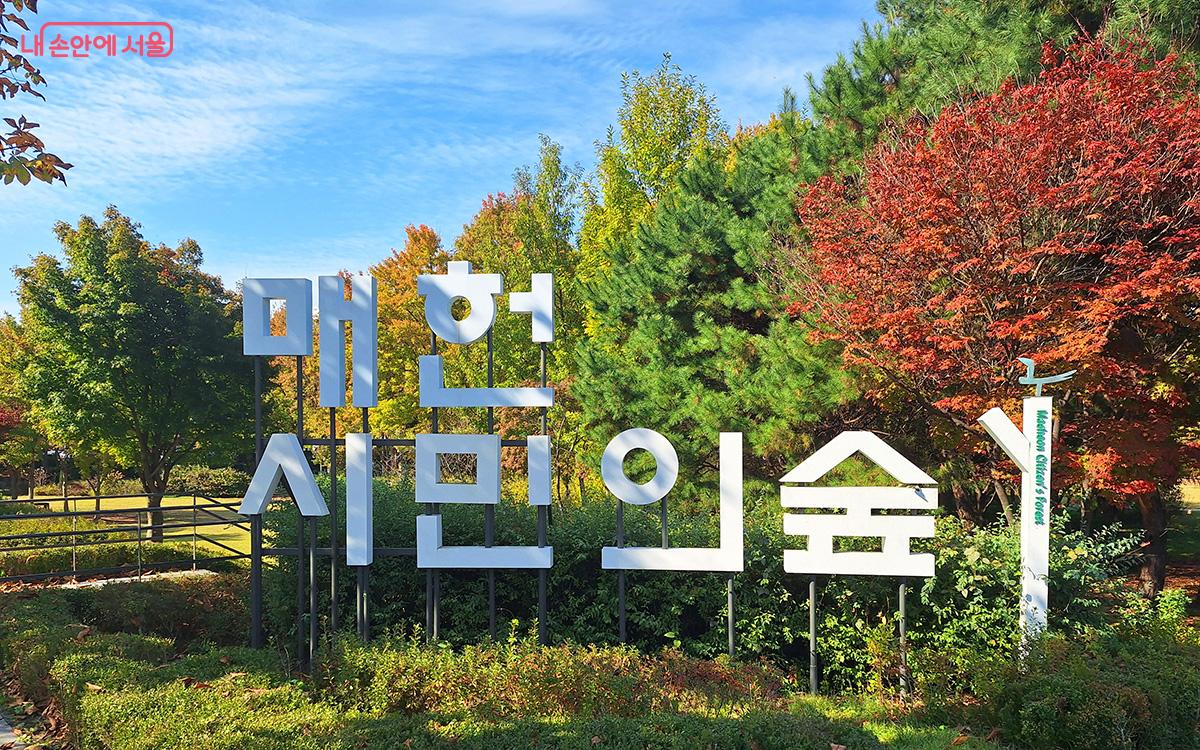
Maeheon Citizens' ForestA park where you can see the statue of Yun Bong-gil and memorial facilities, and walk along forest trails.
1
Maeheon Citizens' ForestA park where you can see the statue of Yun Bong-gil and memorial facilities, and walk along forest trails. -
 2
2
-
 3
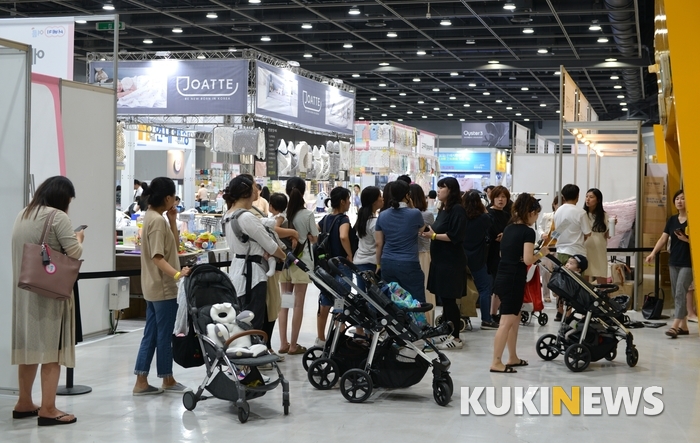
aT CenterAn exhibition venue for agricultural, fishery and food exhibitions, fairs and events.
3
aT CenterAn exhibition venue for agricultural, fishery and food exhibitions, fairs and events. -
 4
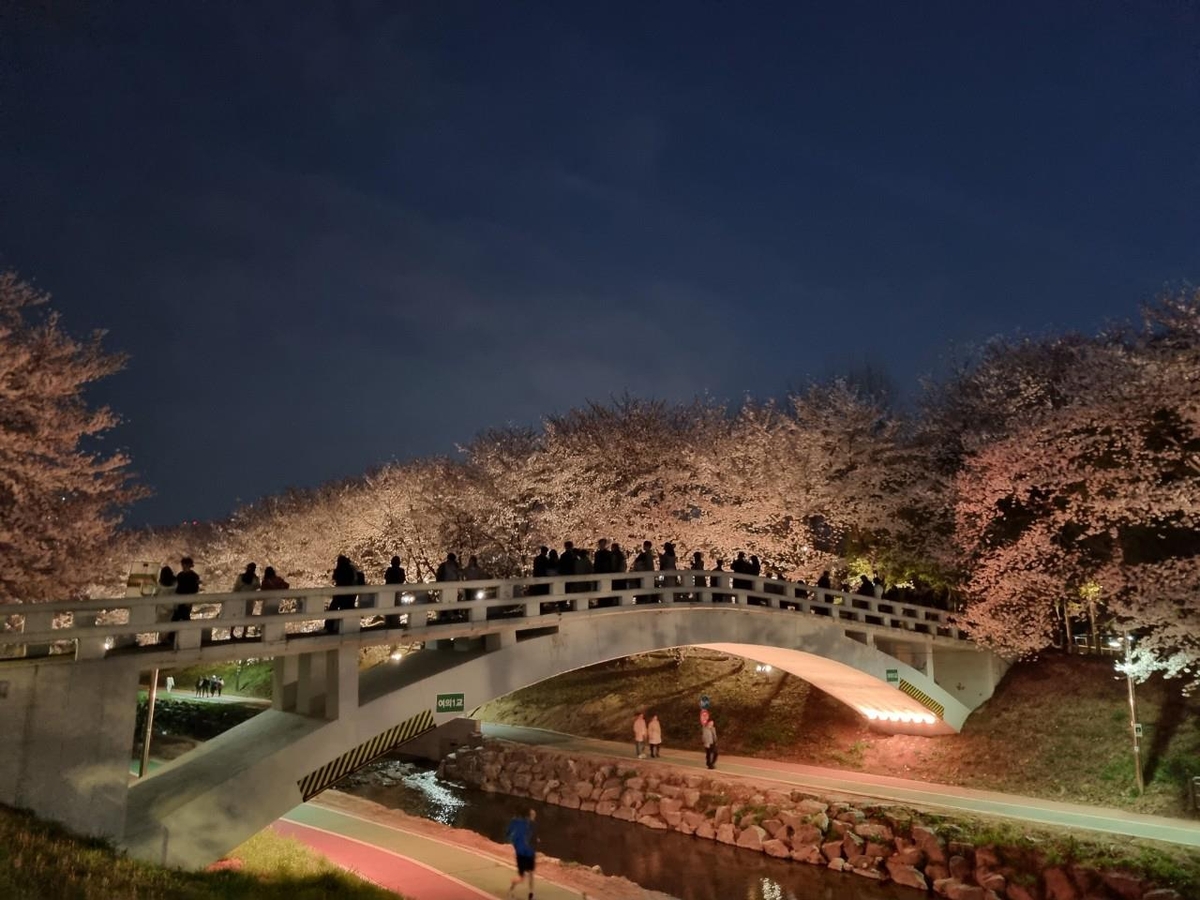
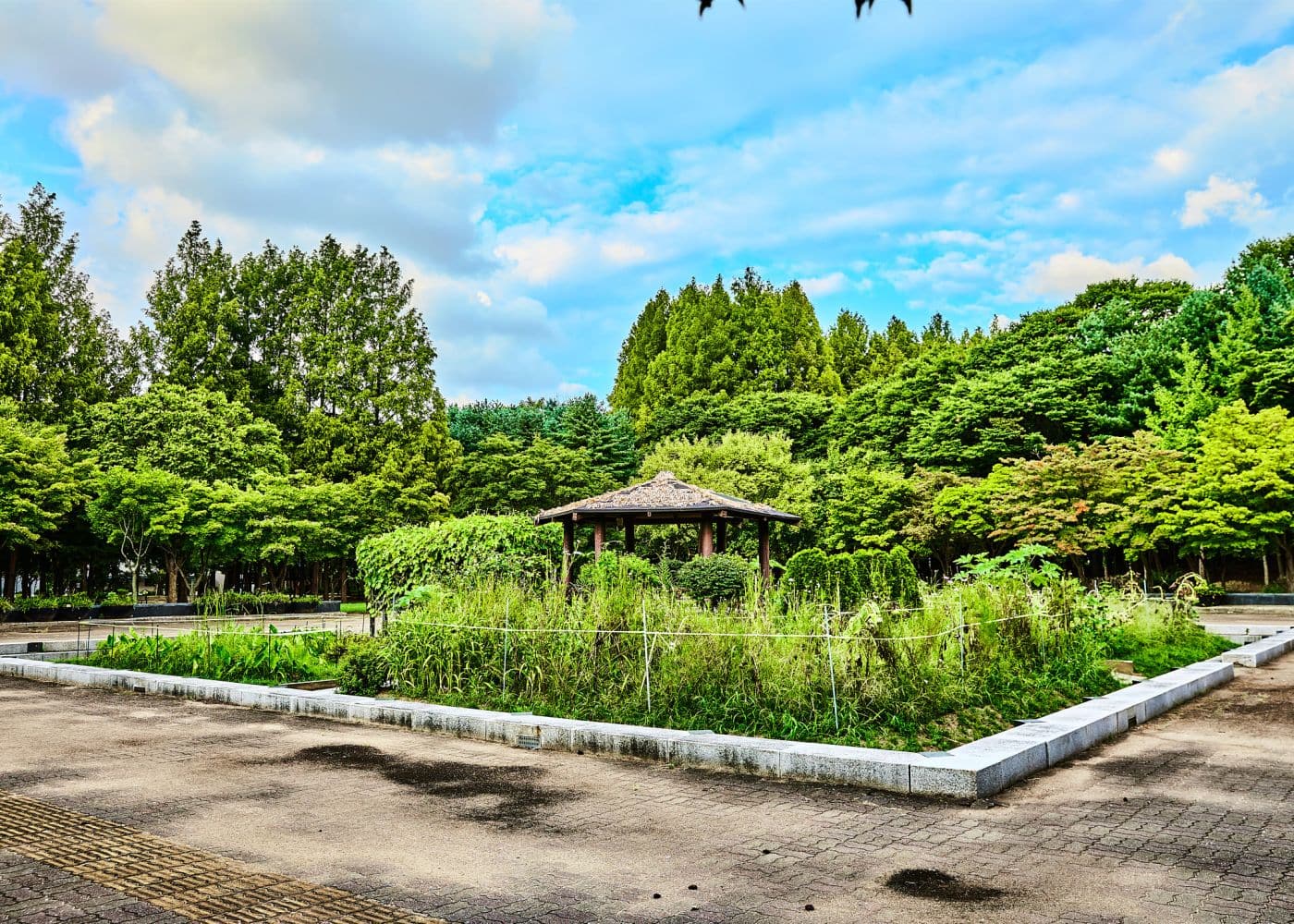
Seocho Culture and Arts ParkAn urban park where you can stroll along a metasequoia-lined path and forest trails.
4
Seocho Culture and Arts ParkAn urban park where you can stroll along a metasequoia-lined path and forest trails.
Food & Dining 2
-
 5
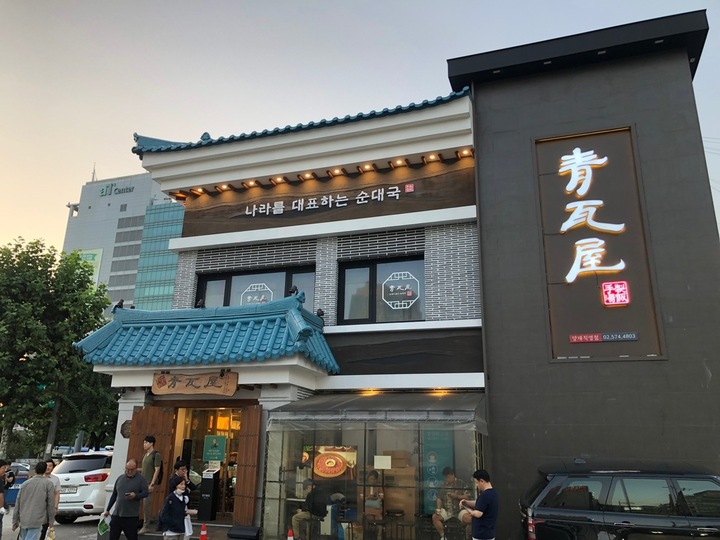
Cheongwaok Yangjae BranchA restaurant serving sundae-gukbap (blood sausage soup with rice), hinoki-steamed dishes, and grilled squid.
5
Cheongwaok Yangjae BranchA restaurant serving sundae-gukbap (blood sausage soup with rice), hinoki-steamed dishes, and grilled squid. -
 6
6
Events in This Area


Festivals in This Area
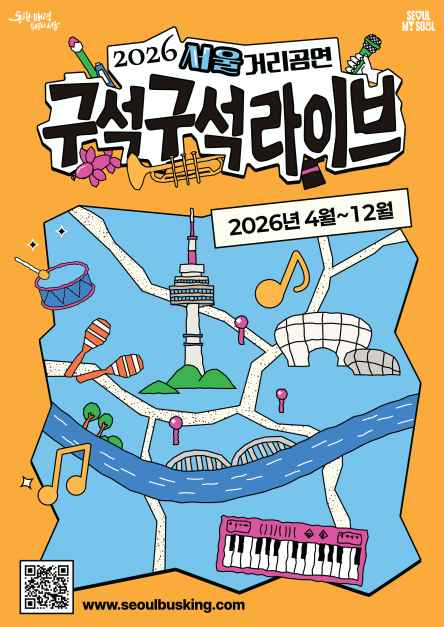
More Travel Guides in This Area
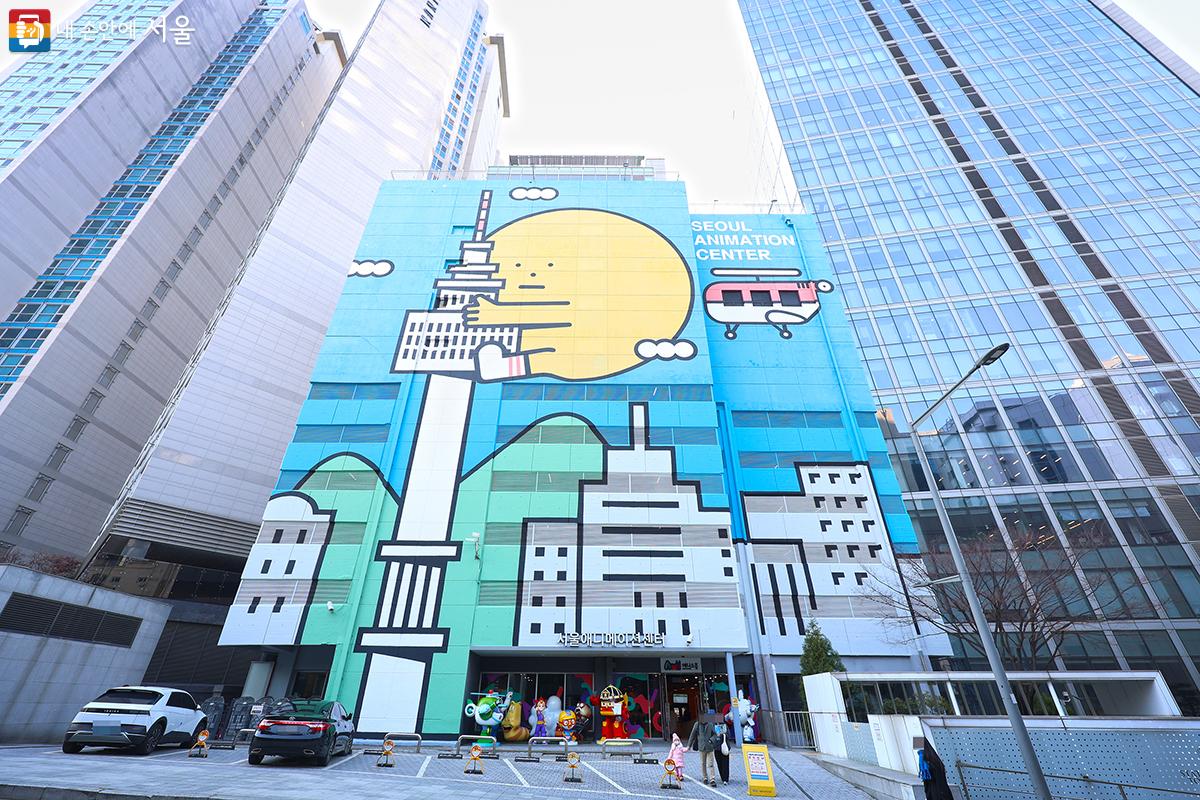 Travel Guide
Seoul Animation Center, from Namsan via Myeongdong and back to Namsan
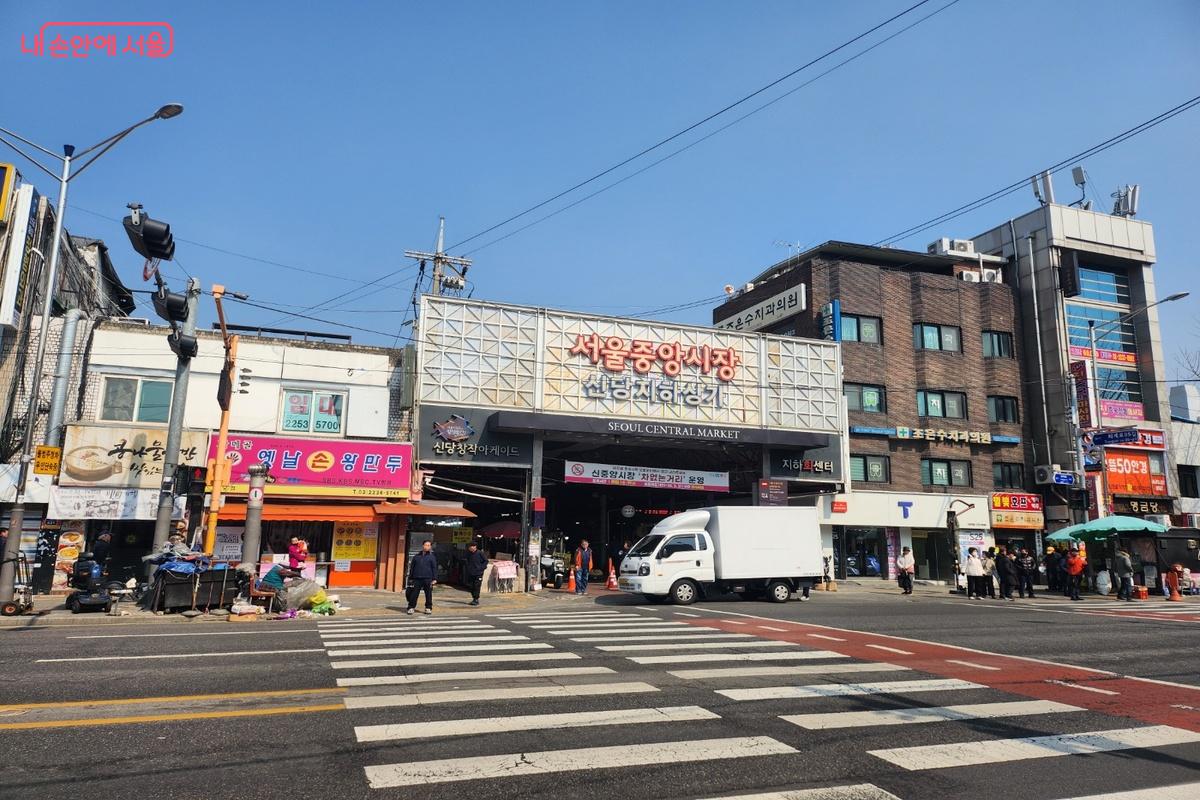 Travel Guide
Seoul Jungang Market, 5 minutes from Sindang Station Exit 2, where dawn ingredients meet Sindang Creative Arcade
 Travel Guide
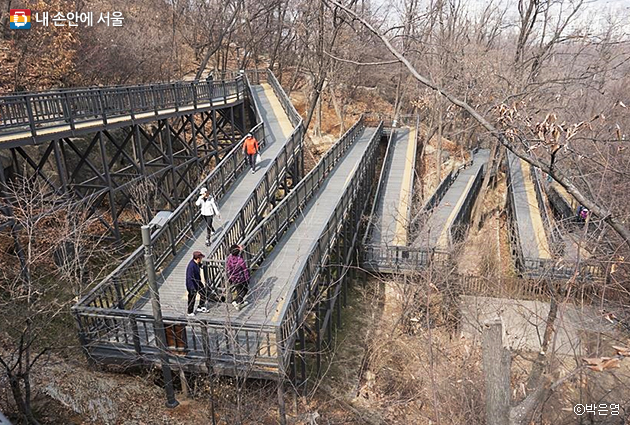
A 108 m Mountain Once Home to a Military Base Reopens as Baebongsan Circular Trail with a 4.5 km Barrier-Free Deck Path
 Travel Guide
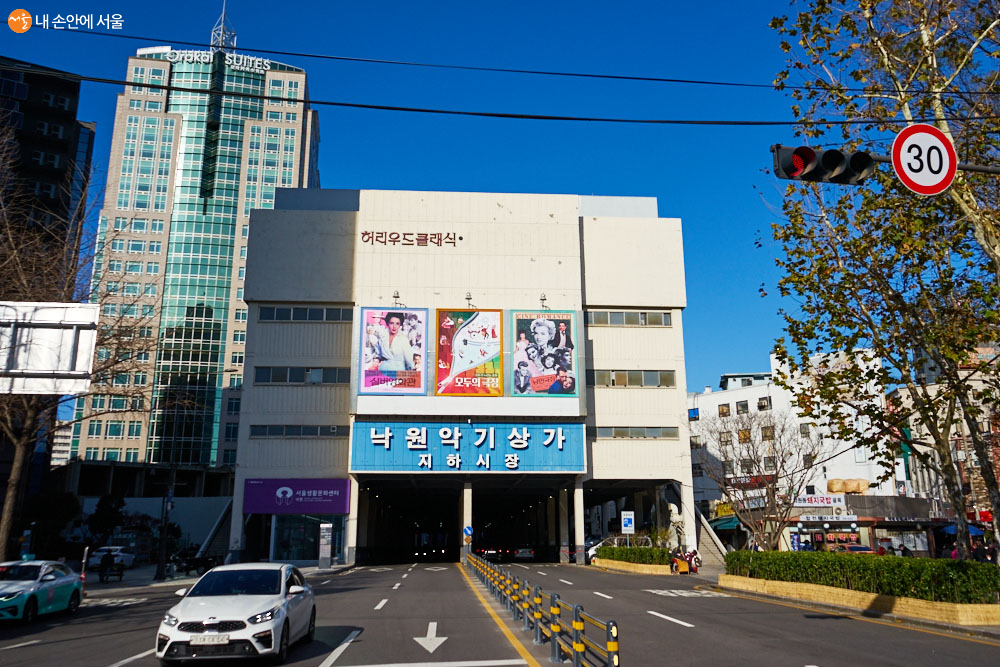
From a 1969 Mixed-Use Complex to a Street of More Than 300 Music Shops: How to Explore Nakwon Arcade
Korea News
![ZEROBASEONE ‘ZEROBASEONE Shining Even at Night!’ [★Video]](https://kotourlive-images.s3.ap-northeast-1.amazonaws.com/news/1786629298196_13d8a4bb_news_075face7-fb4e-402c-b833-25ccaf88cf8f.jpg) News
News
ZEROBASEONE ‘ZEROBASEONE Shining Even at Night!’ [★Video]
 News
News
Kwon Eun-bi, First Comeback Since Moving from Woollim to RBW: “Aiming for a September Release”
 News
News
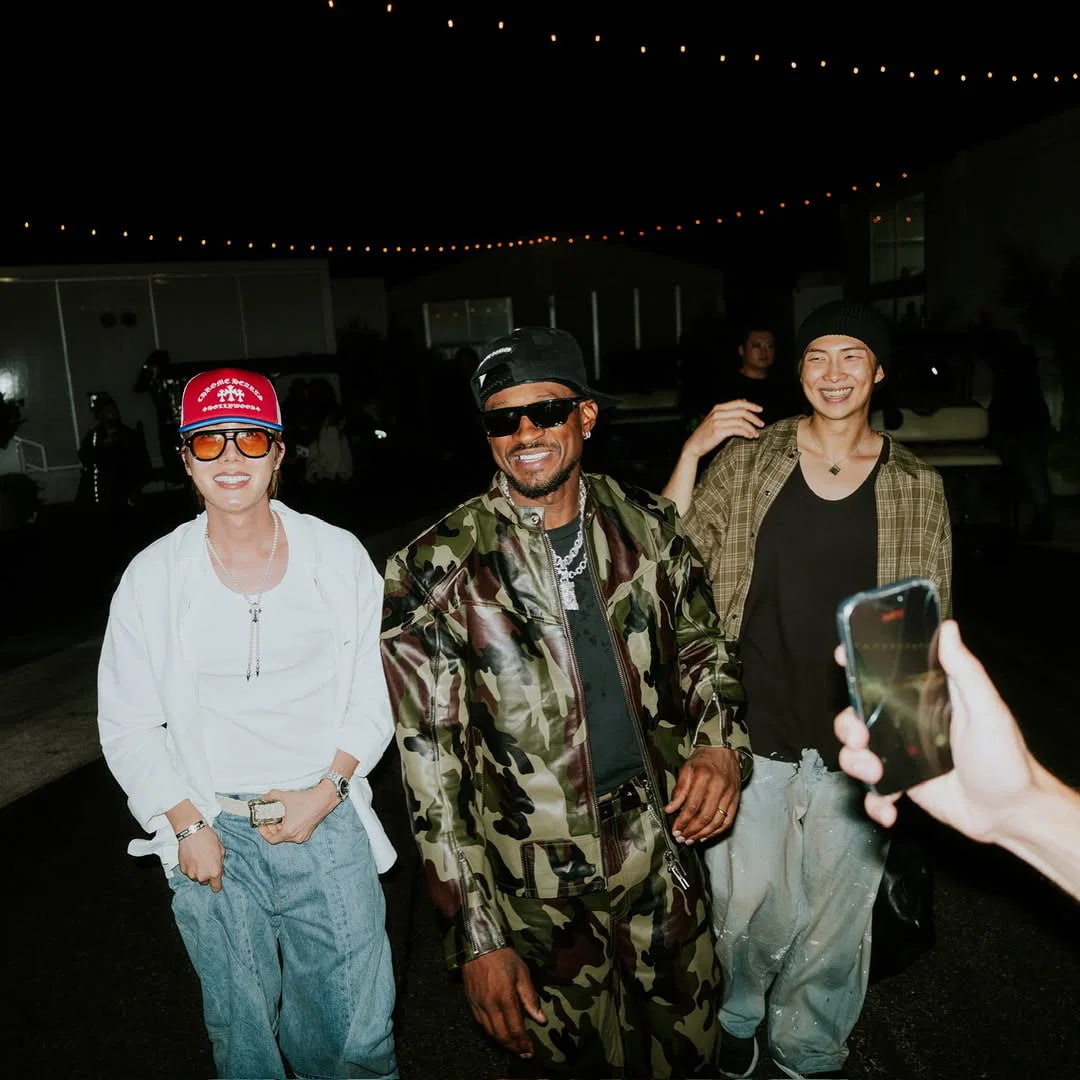
“Did Jungkook’s connection continue?” Pop star Usher spotted warmly hugging BTS’s RM and J-Hope
 News
News