A Museum Tracing the Memories of Seosomun Outer Intersection Down to Basement Level 3
Seosomun Shrine History Museum is an underground historical and architectural space in Jung-gu, Seoul, preserving the history of Seosomun Outer Intersection, the state’s official execution site during the Joseon period. Admission is free, and the key route is to walk from Chungjeongno Station or Seoul Station and explore the exhibition galleries, Consolation Hall, and Sky Square in sequence.

I’ve been here?
Your check-in helps the next traveler.
19 people viewed this week Be the first
One tap — no writing needed
Why the Intersection Outside Seosomun, Beside Chilpae Market in the 17th Century, Became an Execution Ground
The intersection outside Seosomun, where the Seosomun Shrine History Museum now stands, was a major transportation and commercial hub outside Hanyangdoseong during the Joseon period. Goods from Chungcheong, Jeolla, and Gyeongsang, brought in through the ferry points at Ganghwado, Yanghwajin, Mapo, and Yongsan, gathered in this area. It also became a gateway where people and goods came and went, adjoining Uiju-ro. The location of this crossroads was also the reason Chilpae Market and Seosomun Market prospered side by side from the 17th century onward.
Conversely, its proximity to the Ministry of Punishments and the State Tribunal, the flow of the Manchocheon Stream, and the crowds drawn to the markets made it a convenient setting for the state to carry out public executions. Official information describes this site as the Joseon dynasty's officially designated execution ground for decapitation and states that related records remain in volume 32 of the Annals of King Taejong. The museum presents this site of violence as a starting point not only for understanding religious history but also the commercial, judicial, and urban history of Hanyang.
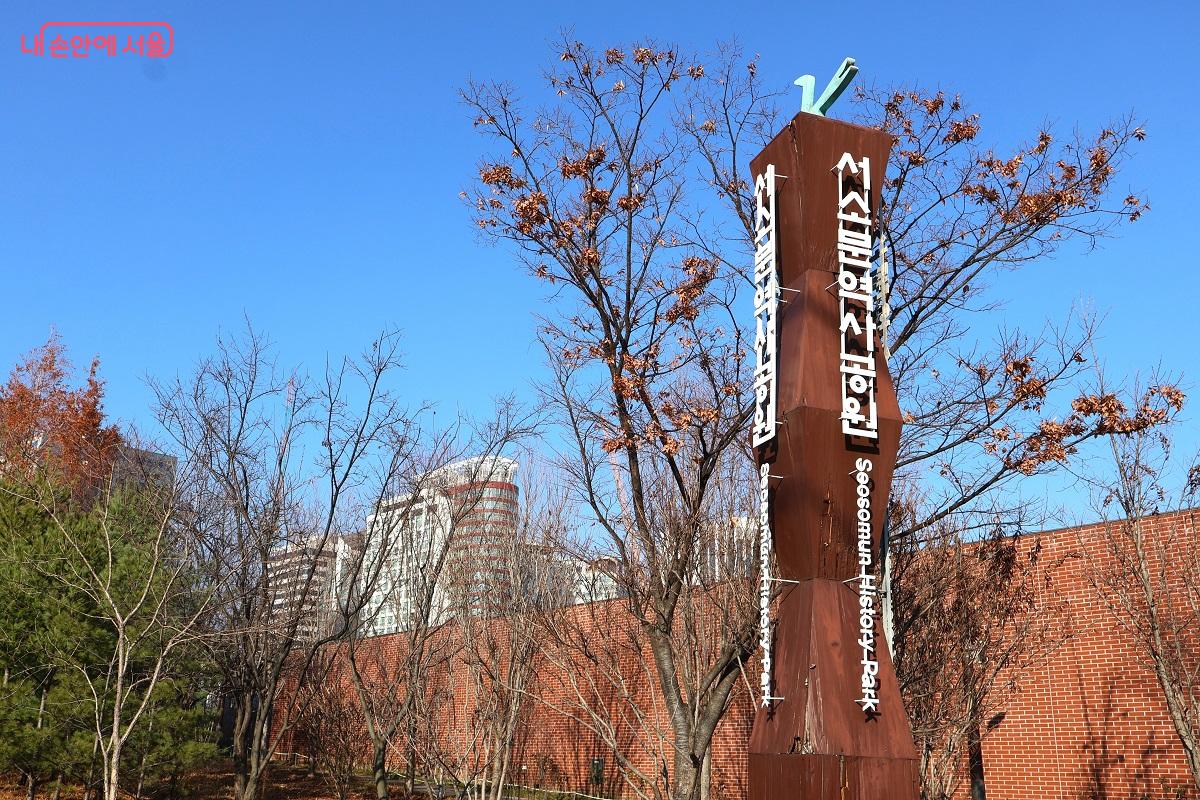
Underground Floors 1–3, Opened in June 2019, with a Visitor Route Descending Beneath the Park
The museum opened beneath Seosomun History Park in June 2019. Low red-brick architectural elements are visible above ground, but the actual visitor spaces extend from basement level 1 to basement level 3. The building received the Grand Prize at the 2019 Seoul Architecture Awards. Its distinctive circulation begins in the above-ground park, gradually descends underground, and then returns to the park.
For a first visit, it is easiest to begin with the information area, Museum Library, and Donation Exhibition Hall on basement level 1, then follow the ramp down to basement levels 2 and 3. The library holds approximately 10,000 books, mainly on history, art, and culture, but does not offer loans for use outside the library. Including the permanent exhibition and time to appreciate the architecture, allow 90–120 minutes.
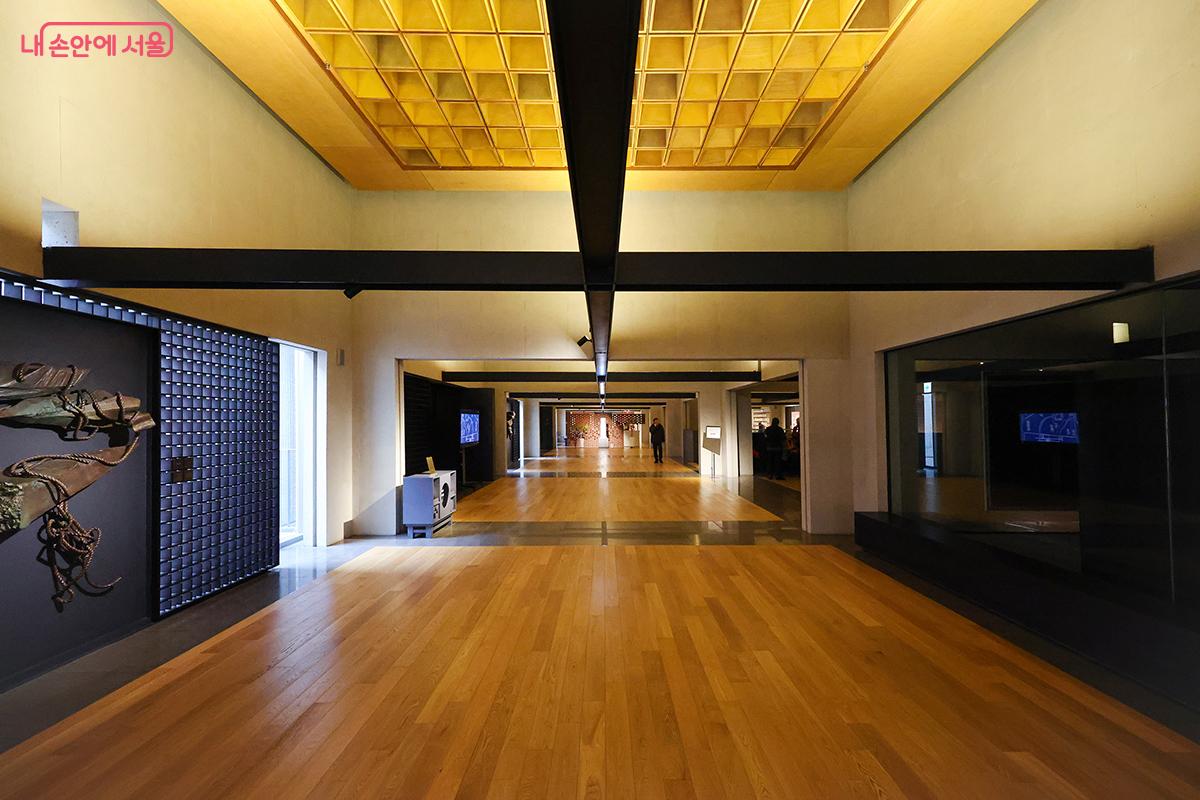
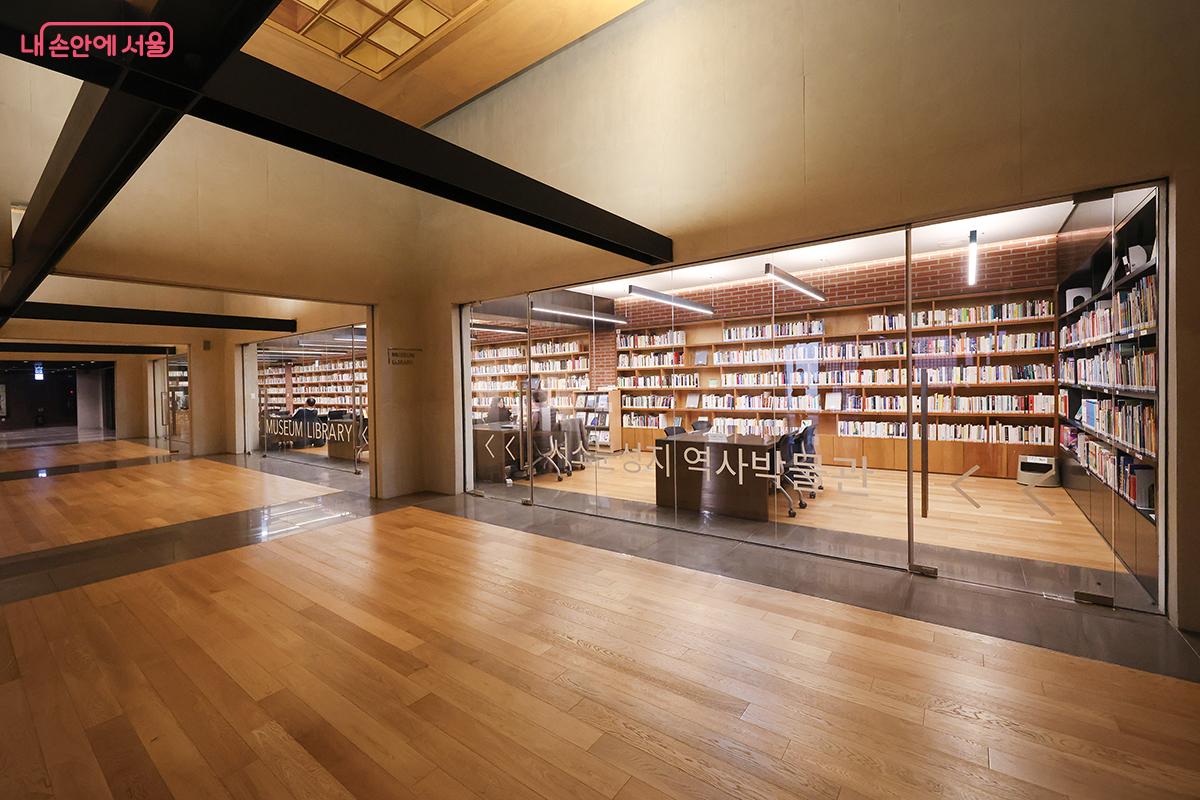
9:30 a.m.–5:30 p.m.; Note the 5 p.m. Closing Time Before Your Free Visit
Visiting hours are 09:30–17:30 from Tuesday through Sunday, with final admission to the exhibition rooms at 17:00. Admission is free. The regular closing day is every Monday, and the museum is also closed on January 1, the day of Lunar New Year, and the day of Chuseok. Before setting out, it is safest to check special exhibitions, event schedules, and temporary changes by calling 02-3147-2401 or visiting the official website https://www.seosomun.org.
If visiting in the afternoon, arriving before 16:00 is recommended. The time available when entering 30 minutes before closing is short if you want to see both the sloping route down to basement level 3 and the entire permanent exhibition. Photography by general visitors is permitted, but flashes, tripods, and selfie sticks cannot be used to protect the artworks. Commercial and press photography require prior permission.
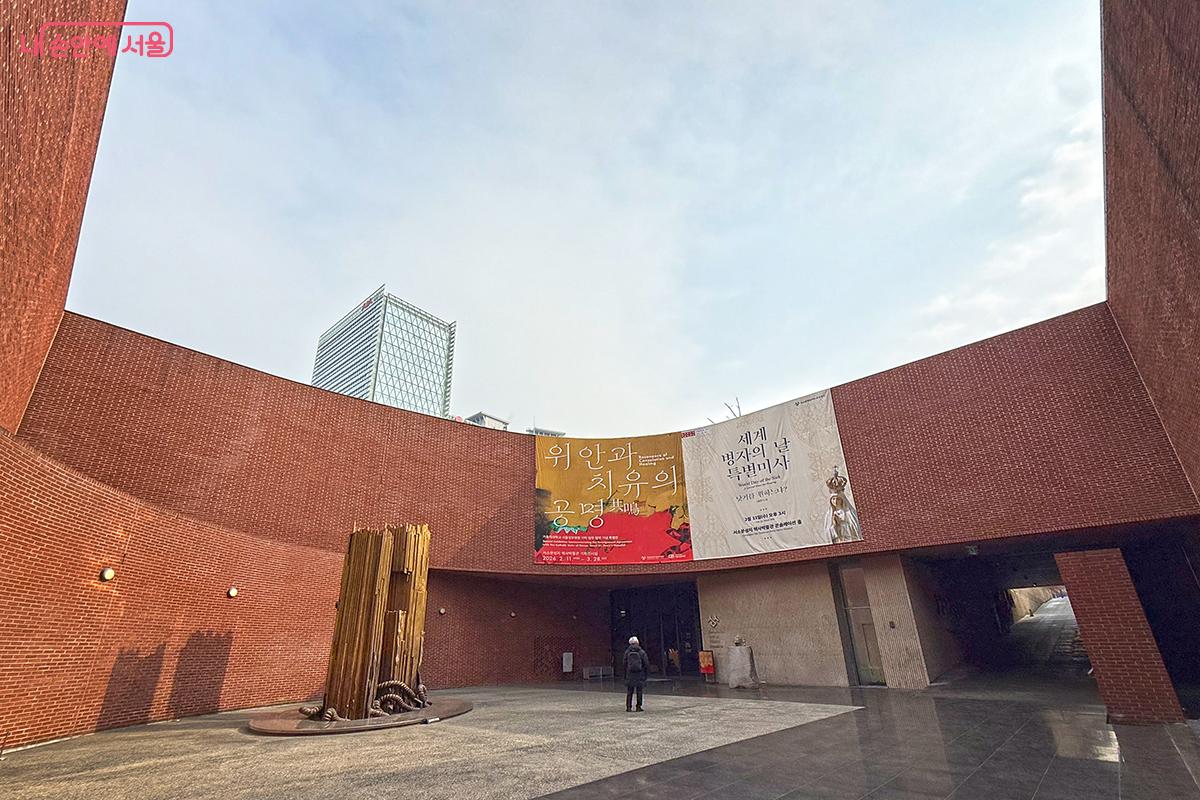
500 m from Exit 4 of Chungjeongno Station or Exit 2 of Seoul Station: Two Choices for First-Time Visitors
The address is 5 Chilpae-ro, Jung-gu, Seoul (16-40 Uiju-ro 2-ga). The simplest subway route is Exit 4 of Chungjeongno Station, served by Lines 2 and 5. Walk straight for approximately 500 m from the exit, cross the crosswalk, pass the Brownstone building, and turn right to reach the museum entrance. This route is easy to navigate for travelers without large amounts of luggage.
From Seoul Station, leave via Exit 2 of Seoul Station on Lines 1 and 4, walk straight toward Yeomcheongyo, cross one crosswalk, and turn left to see Seosomun History Park. Enter the museum via the descending path inside the park. Because it is easy to walk only around the edge of the park and miss it without realizing that the destination is underground, it is best to check both “Seosomun History Park” and “Seosomun Shrine History Museum” on a map.
Public Parking Lot 06:00–23:00: Parking Fees Without Discounts and Transportation Choices
For visitors arriving by car, the museum parking lot operates as a public parking lot. Operating hours are 06:00–23:00. The basic fee is 2,000 won for the first 30 minutes, followed by an additional 600 won per 10 minutes. The daily maximum fee, applicable until 23:00 that day, is 20,000 won, with no discounts for visiting the exhibition or attending Mass.
On weekends and event days, entry times may increase depending on traffic around Seoul Station and Chungjeongno, so subway access is more predictable for a short visit of around two hours. Wheelchair and stroller users can use the sloping route connecting the park to the underground levels and the indoor circulation paths. However, it is advisable to contact 02-3147-2401 before visiting regarding detailed accessibility support for specific exhibition spaces or foreign-language information.
Consolation Hall and Sky Square: Basement Level 3, Where You Encounter the Forms of 44 People
Basement level 2 contains the Memorial Cathedral of Saint Jeong Hasang, while farther below, basement level 3 contains Consolation Hall, Sky Square, and the permanent exhibition hall. As its name suggests, Consolation Hall, meaning “comfort,” was designed as a place to remember those who met their deaths here. According to an introduction by the Seoul Metropolitan Government, its design was inspired by the interior structure of the Muyongchong Tomb in Goguryeo.
At Sky Square, the underground brick space opens upward, and Hyun Jung's work <Standing People> represents the 44 people who were martyred at the Seosomun execution ground and became saints. The permanent exhibition hall explores the transformation of the intellectual world in the late Joseon period and the significance of the historic site outside Seosomun. Even for visitors without a religious pilgrimage purpose, this is the most concentrated section for calmly examining intellectual changes in the late Joseon period and the state's system of punishment.
A 2–3-Hour Route Connecting Jungnim-dong Behind the Museum to Yakhyun Cathedral and Jungnim Warehouse
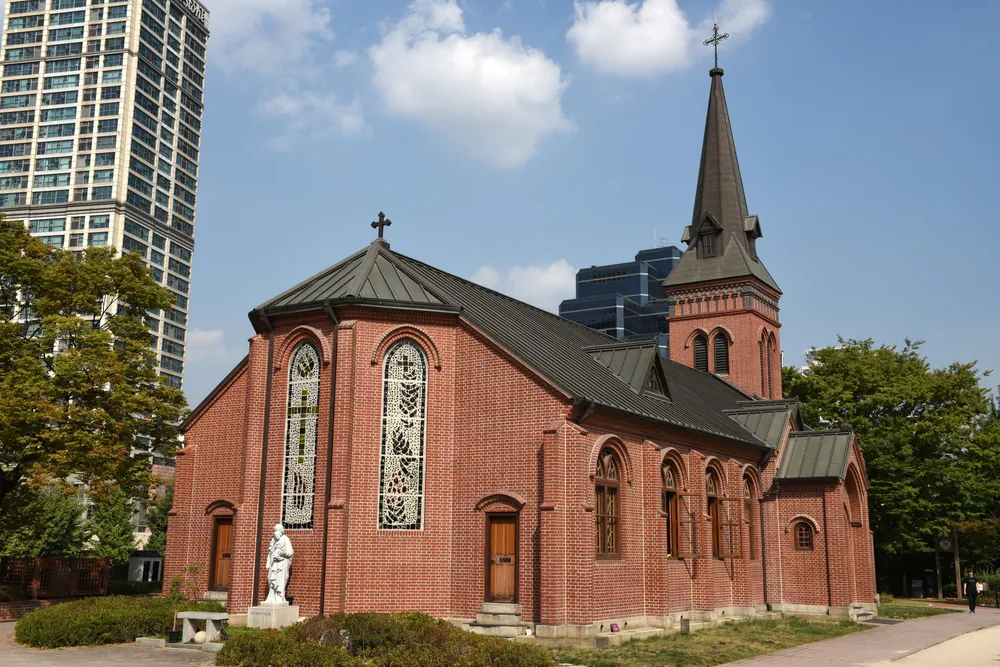
After visiting the museum, you can also visit nearby Yakhyun Cathedral in Jungnim-dong. According to Seoul Metropolitan Government information, Yakhyun Cathedral is located at 447-1 Cheongpa-ro, Jung-gu, and operates from 09:00 to 18:00 Tuesday through Sunday. It is closed on Mondays and during the Lunar New Year and Chuseok holiday periods. Being aware of its geographical position overlooking the Seosomun Martyrs' Shrine helps connect the museum's exhibitions more clearly with the surrounding urban landscape.
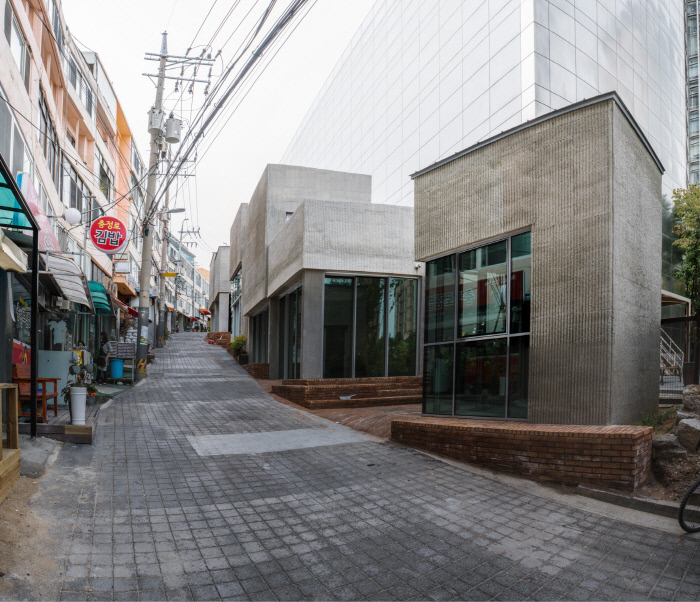
Jungnim Warehouse is a cultural complex at 33 Seosomun-ro 6-gil, Jung-gu. According to Seoul Metropolitan Government information, it operates from 11:00 to 19:00 Wednesday through Sunday and is closed on Mondays and Tuesdays. Allowing 90–120 minutes for the museum, 20–30 minutes for the exterior of Yakhyun Cathedral and the surrounding walk, and about 30 minutes for Jungnim Warehouse makes it possible to combine them into a half-day itinerary before traveling onward to Seoul Station. However, because the solemn historical and religious character of these spaces is central, this itinerary may not suit visitors expecting hands-on exhibitions for children.
Before You Go
- Address
- 5 Chilpae-ro, Jung-gu, Seoul (16-40 Uiju-ro 2-ga)
- Hours
- Tuesday–Sunday 09:30–17:30 (last admission 17:00)
- Closed
- Every Monday, January 1, the day of Lunar New Year, and the day of Chuseok
- Admission
- Free
- Phone
- 02-3147-2401
- Official site
- https://www.seosomun.org
- Transport
- Walk straight approximately 500 m from Exit 4 of Chungjeongno Station on Lines 2 and 5, cross the crosswalk, pass the Brownstone building, and turn right. From Exit 2 of Seoul Station on Lines 1 and 4, walk straight toward Yeomcheongyo, cross one crosswalk, turn left, and enter through the inside of Seosomun History Park.
- Parking
- Public parking lot 06:00–23:00. 2,000 won for 30 minutes, 600 won per additional 10 minutes, daily maximum 20,000 won. No discounts for museum visits or Mass.
- Time needed
- 90–120 minutes
- Accessibility
- A sloping route connects the park and underground levels. Visitors are advised to call the main number before visiting regarding detailed wheelchair and stroller support or foreign-language information.
The information above is current as of the time of writing. Check the official information again before visiting.

Places
Nearby Attractions 4
-
 1
1
-
 2
Jungnim ChanggoA cultural complex where you can enjoy exhibitions and cultural programs in Jungnim-dong.
2
Jungnim ChanggoA cultural complex where you can enjoy exhibitions and cultural programs in Jungnim-dong. -
 3
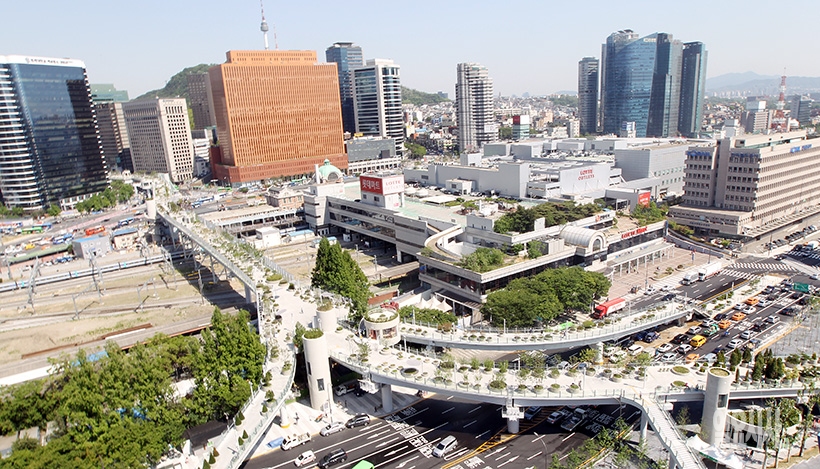
Seoullo 7017An urban pedestrian park created by transforming the Seoul Station overpass into a walking trail.
3
Seoullo 7017An urban pedestrian park created by transforming the Seoul Station overpass into a walking trail. -
 4
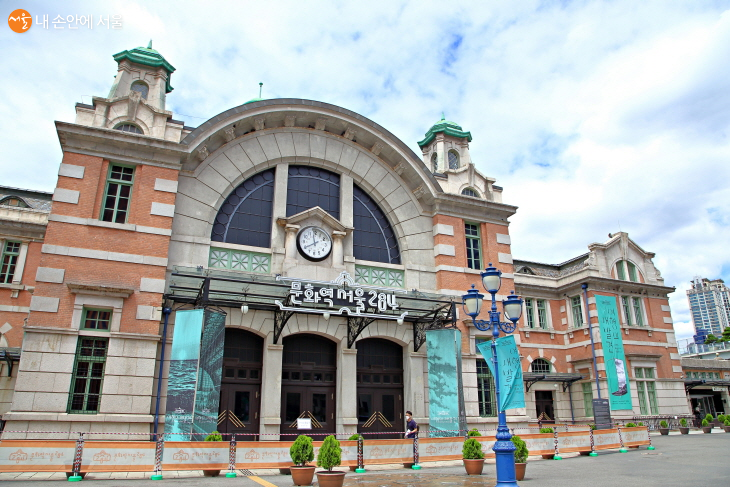
Culture Station Seoul 284A space to appreciate the architecture of the former Seoul Station and enjoy exhibitions and performances
4
Culture Station Seoul 284A space to appreciate the architecture of the former Seoul Station and enjoy exhibitions and performances
Food & Dining 3
-
 5
5
-
 6
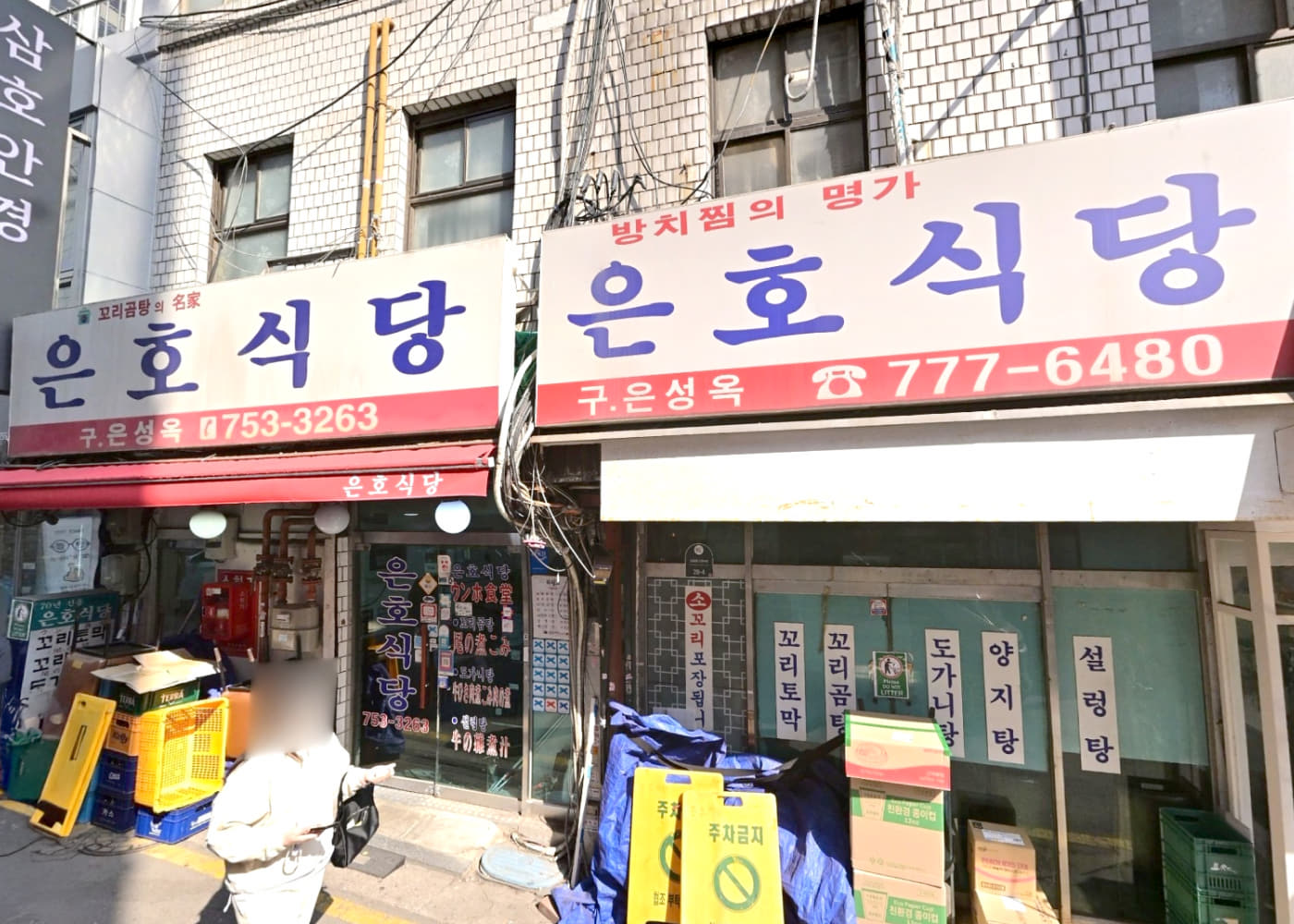
Eunho SikdangA long-established restaurant in Namdaemun Market serving oxtail soup and pig’s feet soup.
6
Eunho SikdangA long-established restaurant in Namdaemun Market serving oxtail soup and pig’s feet soup. -
 7
7
Events in This Area
Festivals in This Area
More Travel Guides in This Area
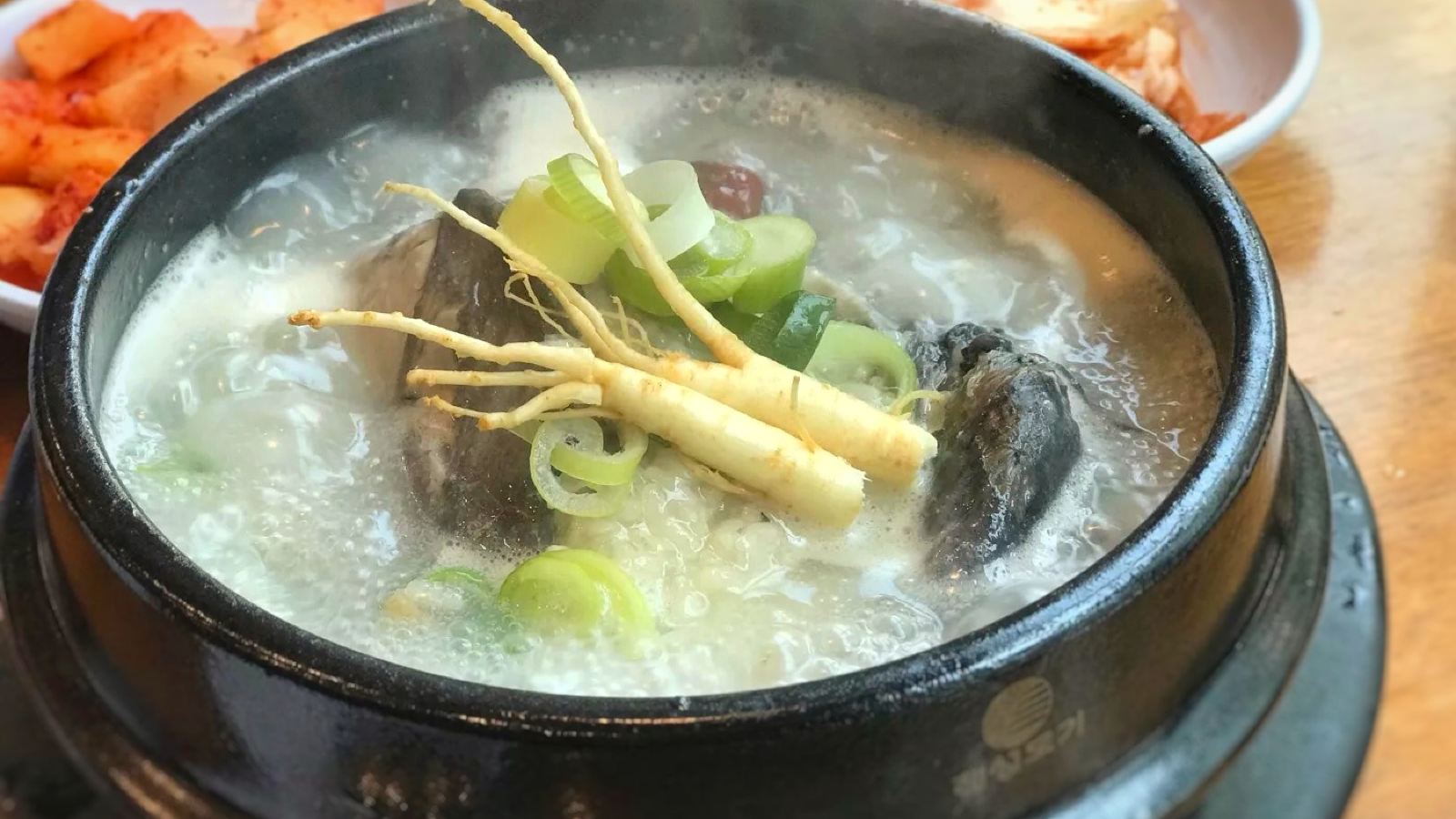 Travel Guide
A Bowl at Goryeo Samgyetang Main Branch in an Alley near City Hall Station
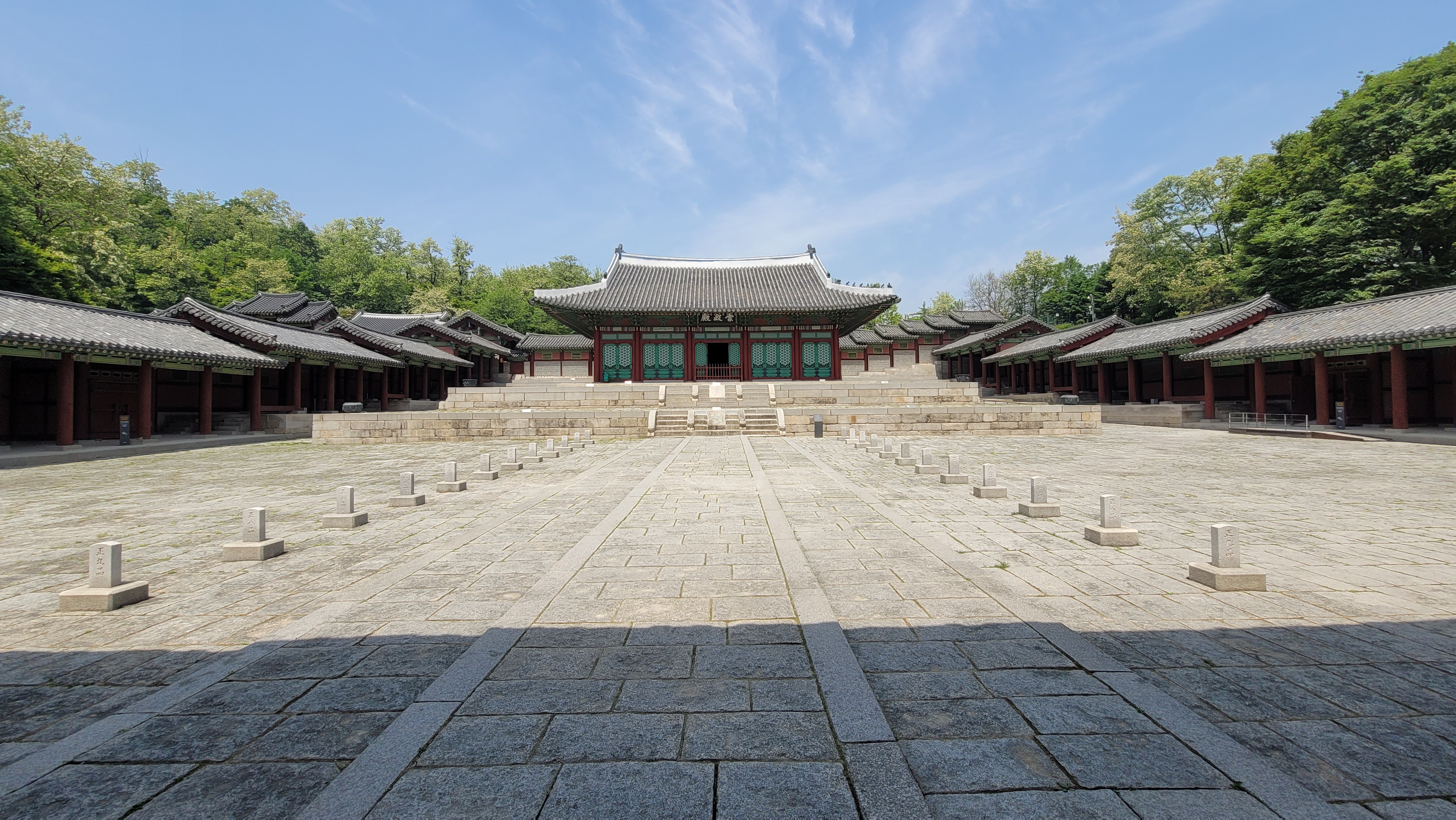 Travel Guide
Gyeonghuigung Palace: A 60-Minute Walk Along the Axis of the Vanished Western Palace
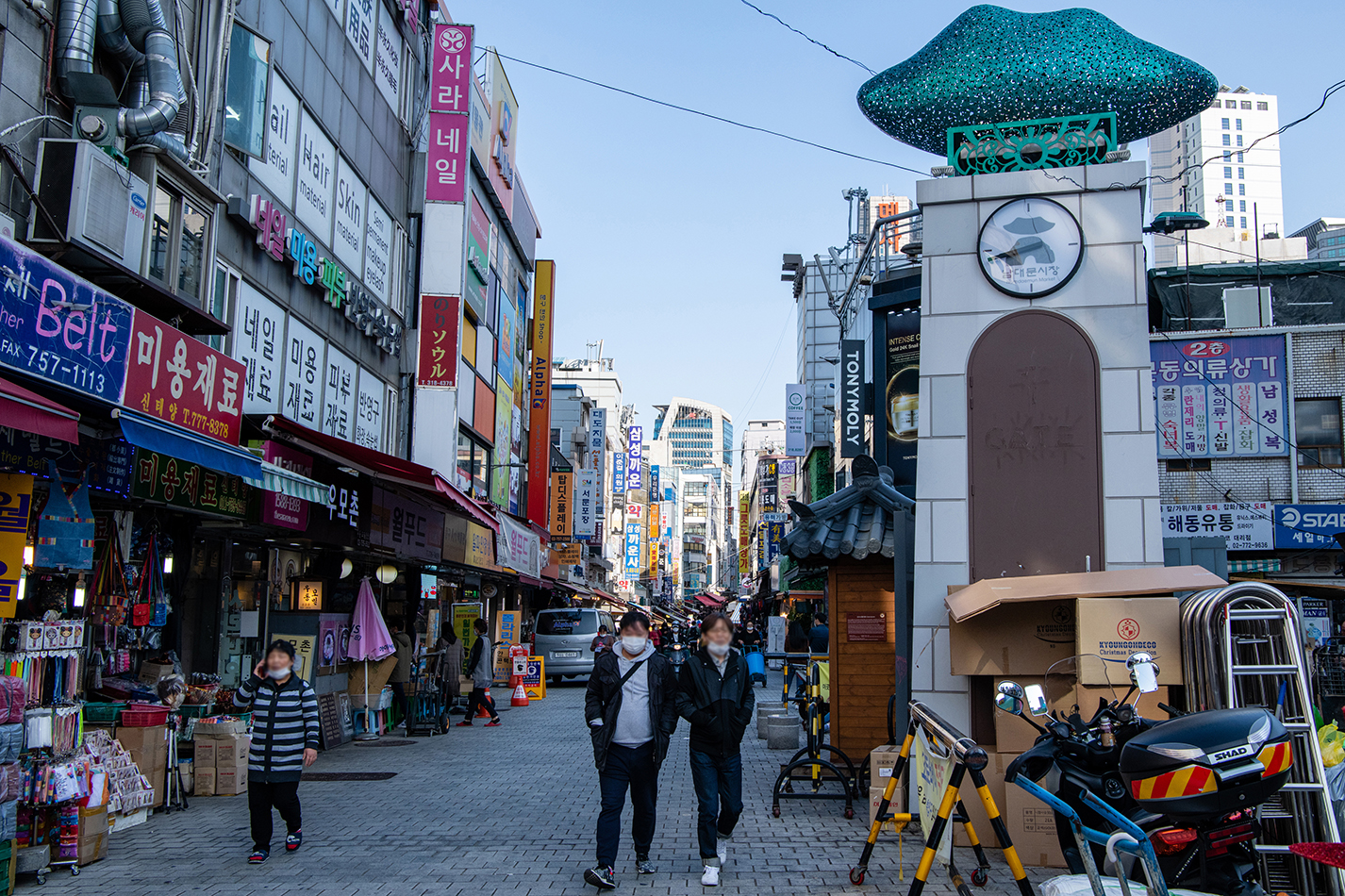 Travel Guide
From Sungnyemun Gate and the 1897 Changnae Market to the Night Wholesale Alleys: How to Read Namdaemun Market
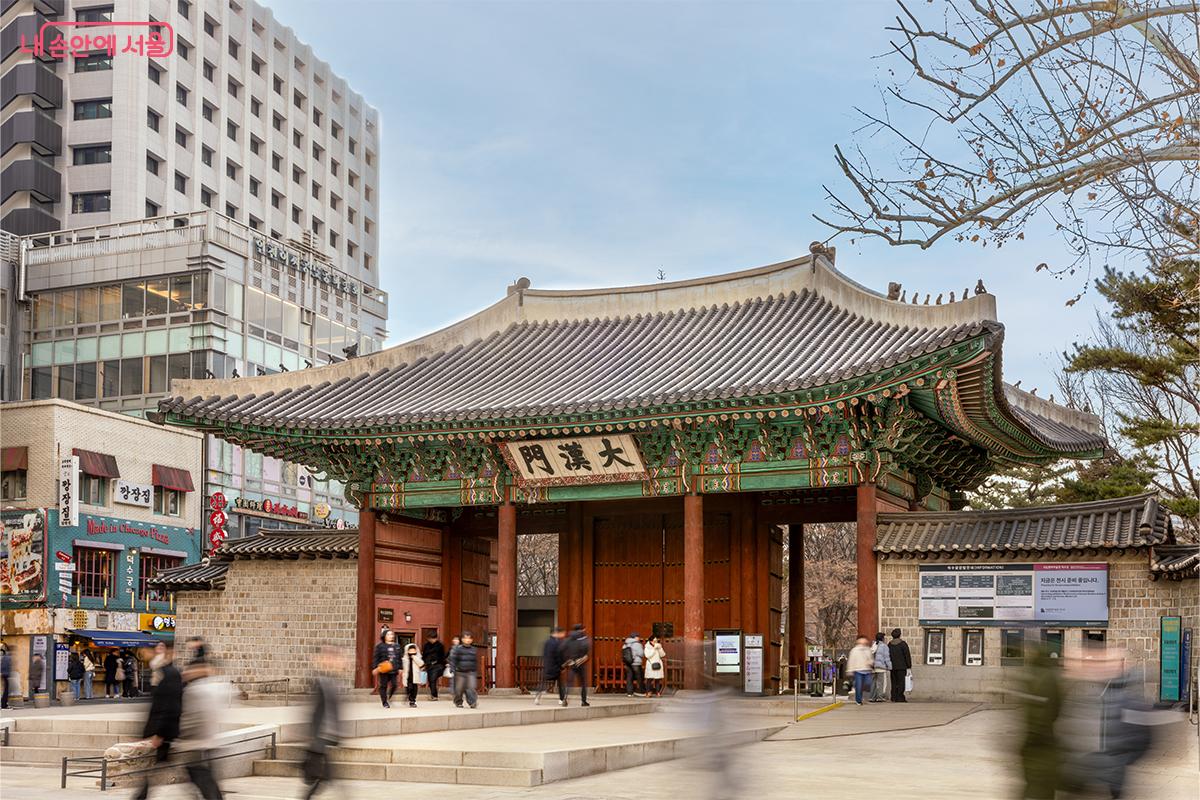 Travel Guide
From Daehanmun Gate to Seokjojeon: A 90-Minute Journey Through the Last Imperial Palace of the Korean Empire
Korea News
 News
News
'Rami Controversy' NewJeans' Hyein Has Grown More Mature, Yet Is Still Adorable… A Cat Draped in Luxury Brands
 News
News
“If you get too close, I’ll bite”… BTS’s V issues a chilling warning to Jungkook
 News
News
“BTS No Longer Needs the Grammys”… Kim Tae-hoon Assesses the ‘Grammys Boycott’
![[Exclusive] Oh My Girl’s YooA, who switched to acting, parts ways with Saram Entertainment after just one year](https://kotourlive-images.s3.ap-northeast-1.amazonaws.com/news/1787658671060_036c47f7_news_8a403746-8bba-4e3c-8827-19d99be6d4fb.jpg) News
News