The War and Reconstruction Records of Singwangsa at 24, Togol Pass Road, Nojeoksan
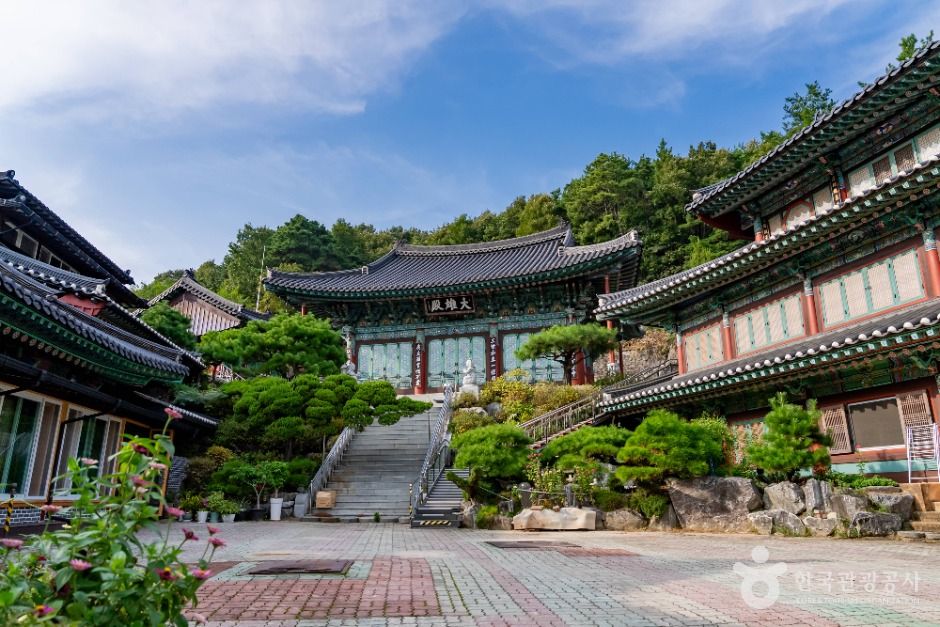
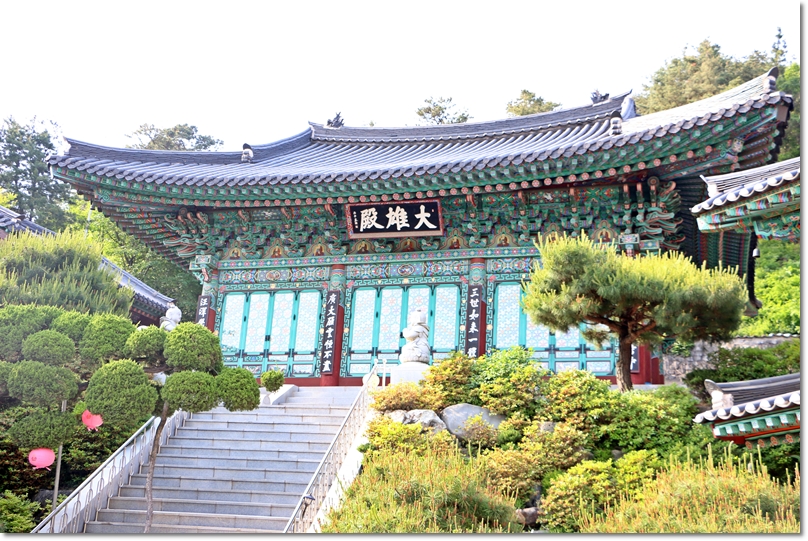
Singwangsa Temple, located at the foot of Nojeoksan Mountain in Jochiwon-eup, Sejong, is believed to have been founded about 160 years ago. After the Korean War in 1950, it underwent several reconstructions and has become the traditional Buddhist temple for bhikkhunis that it is today. Open year-round with free admission, it is a place for quiet worship, as Daeungjeon Hall and the Buddhist statues are devotional spaces.
I’ve been here?
Your check-in helps the next traveler.
11 people viewed this week Be the first
One tap — no writing needed
The Name of Togoljeol Remaining at the Foot of Nojeoksan Mountain
Singwangsa Temple is located at 24, Togolgogae-gil, Jochiwon-eup, Sejong Special Self-Governing City, at the foot of Nojeoksan Mountain. According to the road-name address listed in tourist information, its postal code is 30016. Because it is close to downtown Jochiwon and Hongik University’s Sejong Campus, it is less a remote mountain temple than an urban temple within the local living area.
The temple is estimated to have been founded about 160 years ago. At the time of its founding, it was called Togoljeol or Suyangsa, and Venerable Hyewon renamed it Singwangsa in 1980. Even the changes in its name suggest the process by which the old temple in the Togolgogae area continued as today’s Singwangsa.
A Temple Rebuilt in the 1970s and 1990s after Being Destroyed in 1950
Records state that all the temple buildings at Singwangsa were destroyed during the Korean War in 1950. Around 1970, the temple was rebuilt under the name Suyangsa, and it is said that a monks’ residence was newly constructed in 1977. The key point is that the buildings seen today were not completed at one time but resulted from phased restoration after the war.
Records indicate that the main hall, the Samseonggak shrine, and the monks’ residence were rebuilt in 1994. The current temple layout is described as consisting of the main hall, Samseonggak, and two monks’ residences. In the May 2024 listing of traditional temples by the Ministry of Culture, Sports and Tourism, Singwangsa is registered as a temple affiliated with the Seonhakwon Foundation.
Three-Bay Main Hall and a Maitreya Buddha Bearing Traces of War
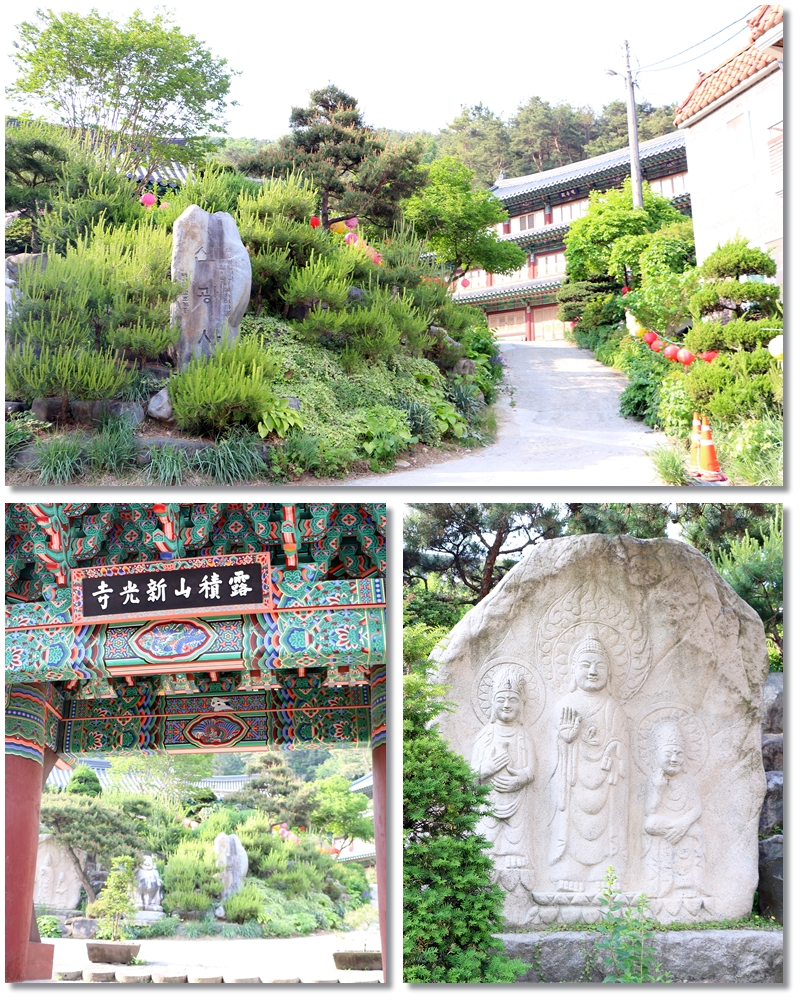
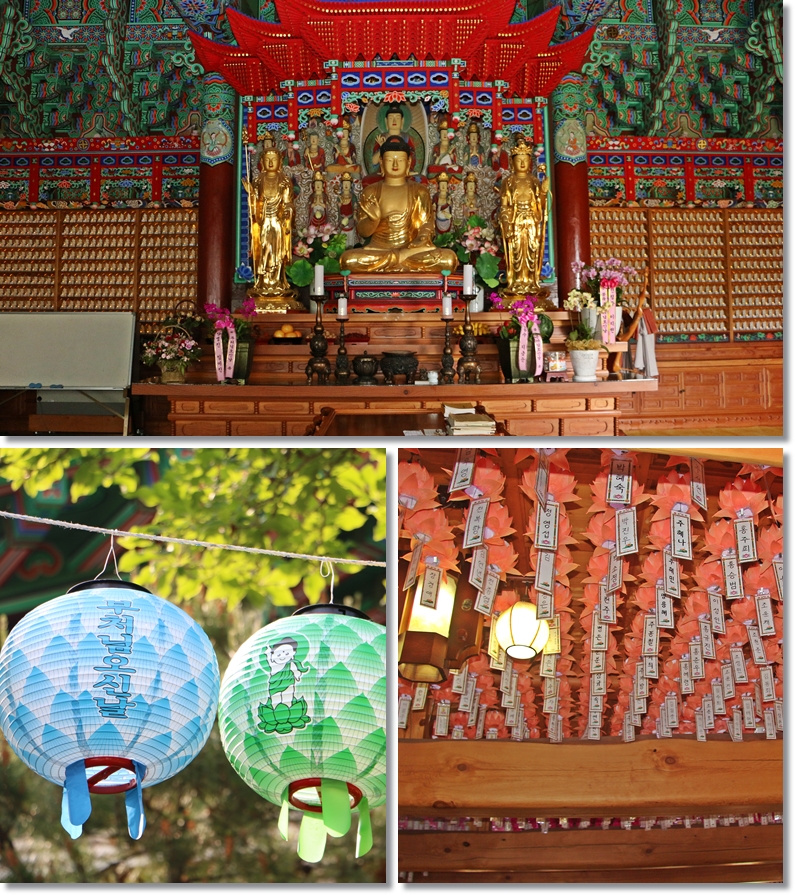
The main hall is described as having a hip-and-gable roof and measuring three bays across the front and three bays along the sides. Inside are enshrined a seated statue of Shakyamuni Buddha, a wooden hanging votive painting behind the Buddha, and a painting of guardian deities. The two Buddhist paintings were created in 1981. As this is a worship space, outside visitors should quietly look around for the purpose of paying respects rather than staying inside the hall for a long time or taking photographs.
The Maitreya Buddha to the right of the main hall is approximately 130 cm high and 62 cm wide. An account explains that its right eye area, cheek, and ear were damaged by bombing during the Korean War, showing that traces of the war remain not only in Singwangsa’s reconstructed buildings but also in the Buddhist statues on the grounds.
Seated Medicine Buddha and a Late-Joseon Painting of Dokseong
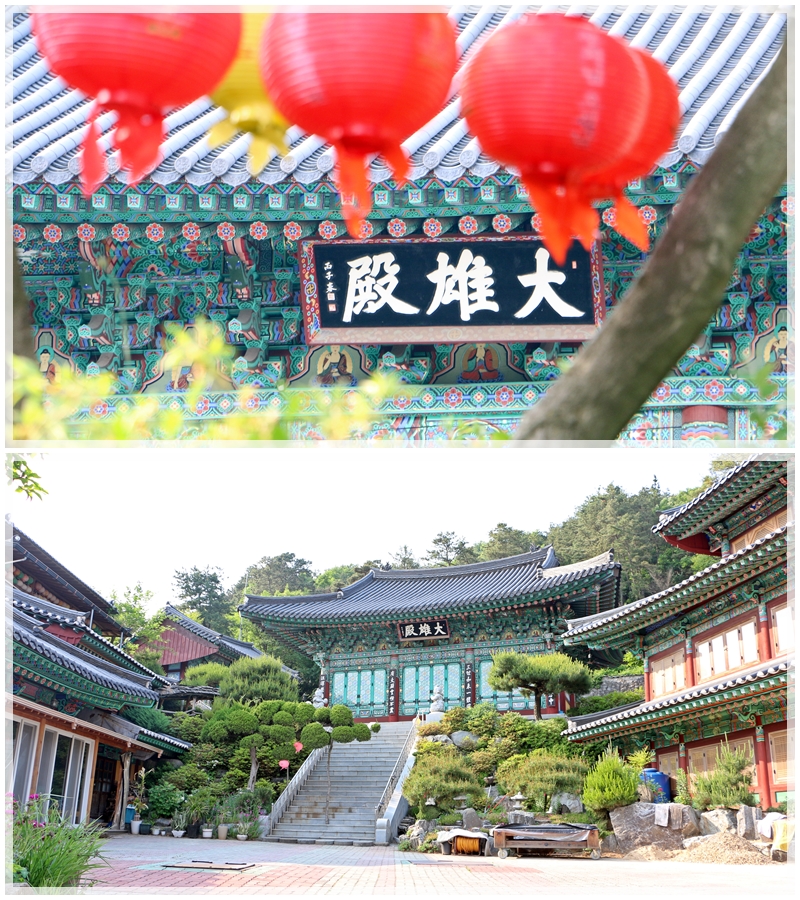
In the open-air area of the temple grounds are a seated Medicine Buddha and a stone Buddha statue. The Medicine Buddha is described as a stone Tathagata measuring 66 cm wide and 82 cm high. When it was first discovered, only a headless body was reportedly left. It is described as having one hand resting on its knee and the other holding a round medicine jar.
According to temple tradition, this Medicine Buddha statue is said to date back approximately 1,300 years, but this is presented as a tradition passed down by the temple. A painting of Dokseong, created in the late Joseon period, is also kept in the monks’ residence and measures 53 cm wide and 96 cm high. The stone Buddha statue is described as having only the head and part of the chest remaining, with the rest damaged, so the site should not be regarded as an exhibition hall where every artifact can be touched up close.
How to Take Bus 810 from Jochiwon Intercity Bus Terminal
Visitors from outside the area can use Jochiwon Intercity Bus Terminal as their starting point. From Jochiwon Intercity Bus Terminal, walk approximately 300 m toward Jochiwon Station, turn right at Yeokjeon Intersection, take bus 810 at the bus stop, and get off at Sinan 2-ri·Hongik University stop. Then walk approximately 100 m in the direction opposite Hongik University and turn left at the gas station to reach Singwangsa.
After getting off the bus, walk approximately 100 m in the direction opposite Hongik University and turn left at the gas station to reach Singwangsa. Actual operating times for bus 810 can be checked by searching the route number and stop name in the Sejong Special Self-Governing City Transportation Information System. This guide does not provide a station exit number or the walking time from the bus stop to the temple.
A Visit Requiring Temple Etiquette Although the Grounds Are Open at All Times
According to currently available information, Singwangsa is open at all times throughout the year, and admission is free. It is therefore not a tourist attraction where visitors buy tickets at a separate ticket booth. The inquiry telephone number is 044-865-5601. Official tourism information can be checked on the Sejong Special Self-Governing City tourism website.
Parking is reportedly available, but the number of spaces and fees have not been provided. Restrooms are reportedly available, while stroller rental is not. Information about wheelchair accessibility, photography restrictions, English guidance or audio guides, and restricted-access areas was not found in the guide materials, so it is best not to use the interior of the main hall or monks’ residence like a general exhibition space.
Changes in the Atmosphere of the Grounds on the First and Second Days of the Lunar Month
Singwangsa is introduced as holding a Jeongjinhoe Buddhist service on the first day of every lunar month and a Sindohoe Buddhist service on the second day. Records also state that a Gwaneum rite is held on the 24th day of every lunar month. Because this schedule is based on a 2015 report, visitors planning to attend a service should first call 044-865-5601 to ask about the current schedule.
The surrounding attractions are easy to combine into a short itinerary. Jocheonseo Bicycle Path is listed as within 240 m of Singwangsa, Binyerang Hanbokirang is 0.7 km away, and Songha Korean Restaurant is within 1,363 m. Jochiwon Cultural Garden is within 2,090 m, while Biamsa Temple in Jeonui-myeon, Sejong, is introduced as 8.8 km away and is better suited to an itinerary by car.
Before You Go
- Address
- 24, Togolgogae-gil, Jochiwon-eup, Sejong Special Self-Governing City
- Hours
- Open at all times
- Closed
- Open year-round
- Admission
- Free
- Phone
- 044-865-5601
- Official site
- https://www.sejong.go.kr/tour/index.do
- Transport
- Walk approximately 300 m from Jochiwon Intercity Bus Terminal toward Jochiwon Station → turn right at Yeokjeon Intersection → take bus 810 at the bus stop → get off at Sinan 2-ri·Hongik University stop → walk approximately 100 m in the direction opposite Hongik University → turn left at the gas station
- Parking
- Parking available; the number of spaces and fees could not be confirmed
- Accessibility
- Stroller rental unavailable; wheelchair accessibility could not be confirmed
The information above is current as of the time of writing. Check the official information again before visiting.

Places
Nearby Attractions 2
-
 1
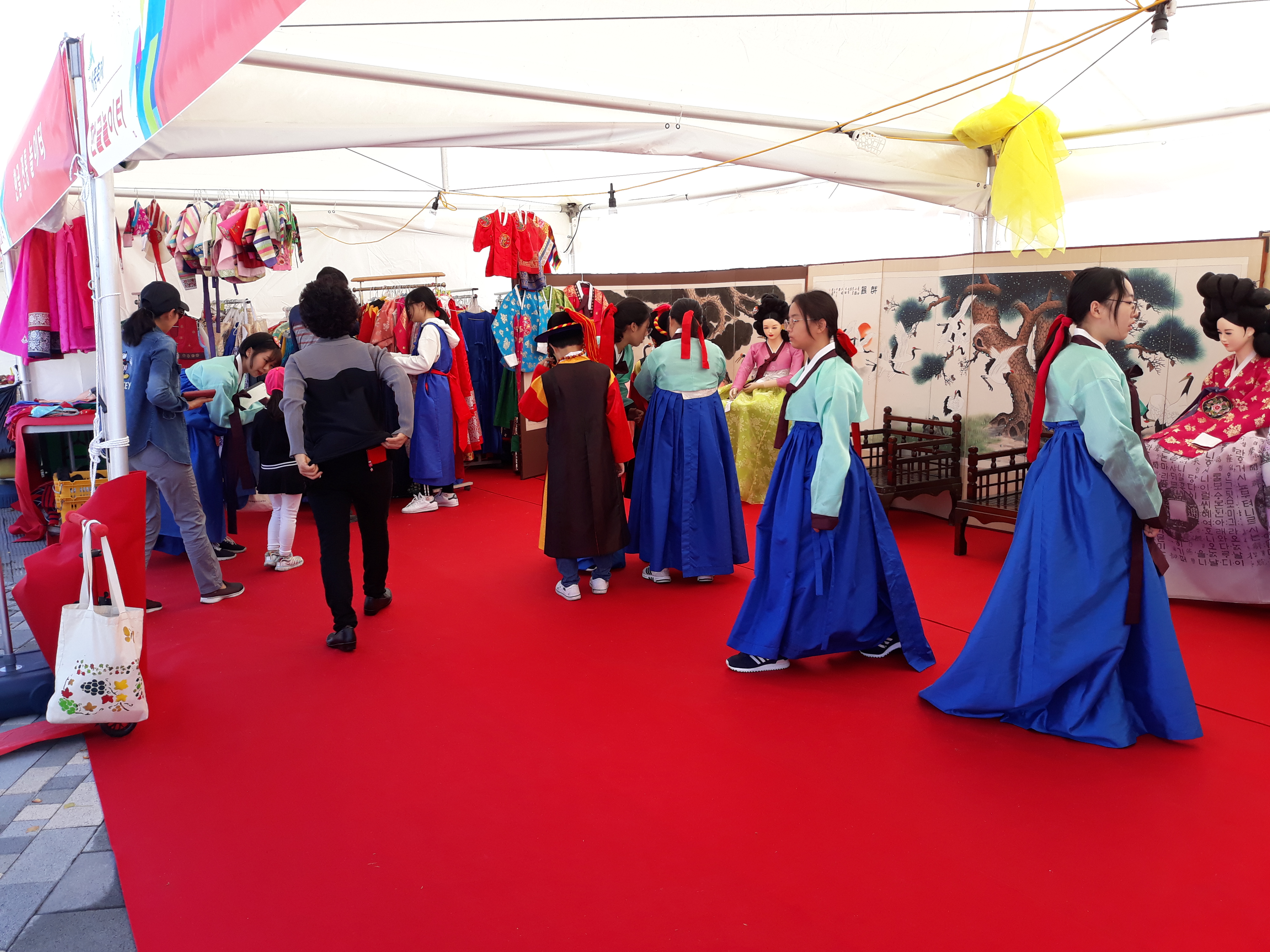
Binyeorang HanborigangA space where you can view traditional accessories and experience hanbok and crafts.
1
Binyeorang HanborigangA space where you can view traditional accessories and experience hanbok and crafts. -
 2
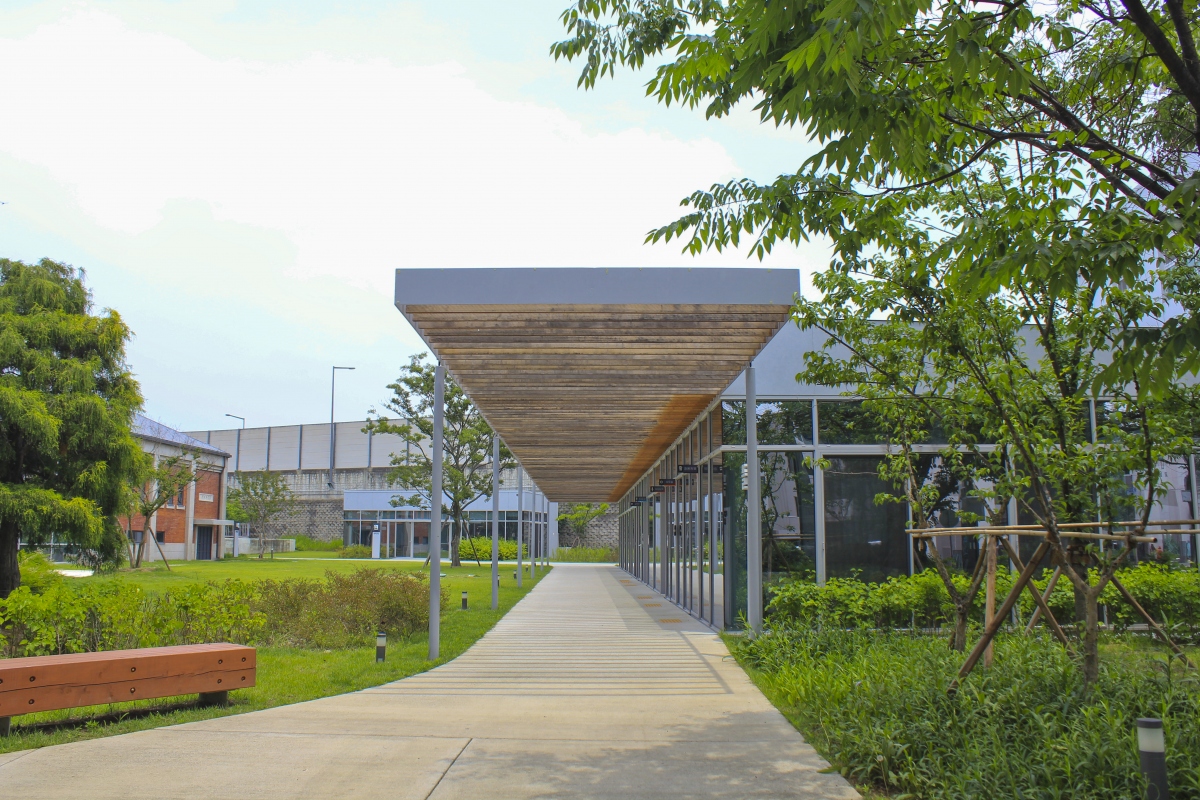
Jochiwon Culture GardenAn exhibition, cultural, and leisure space utilizing a former water purification plant
2
Jochiwon Culture GardenAn exhibition, cultural, and leisure space utilizing a former water purification plant
Food & Dining 2
-
 3
3
-
 4
4
More Travel Guides in This Area
 Travel Guide
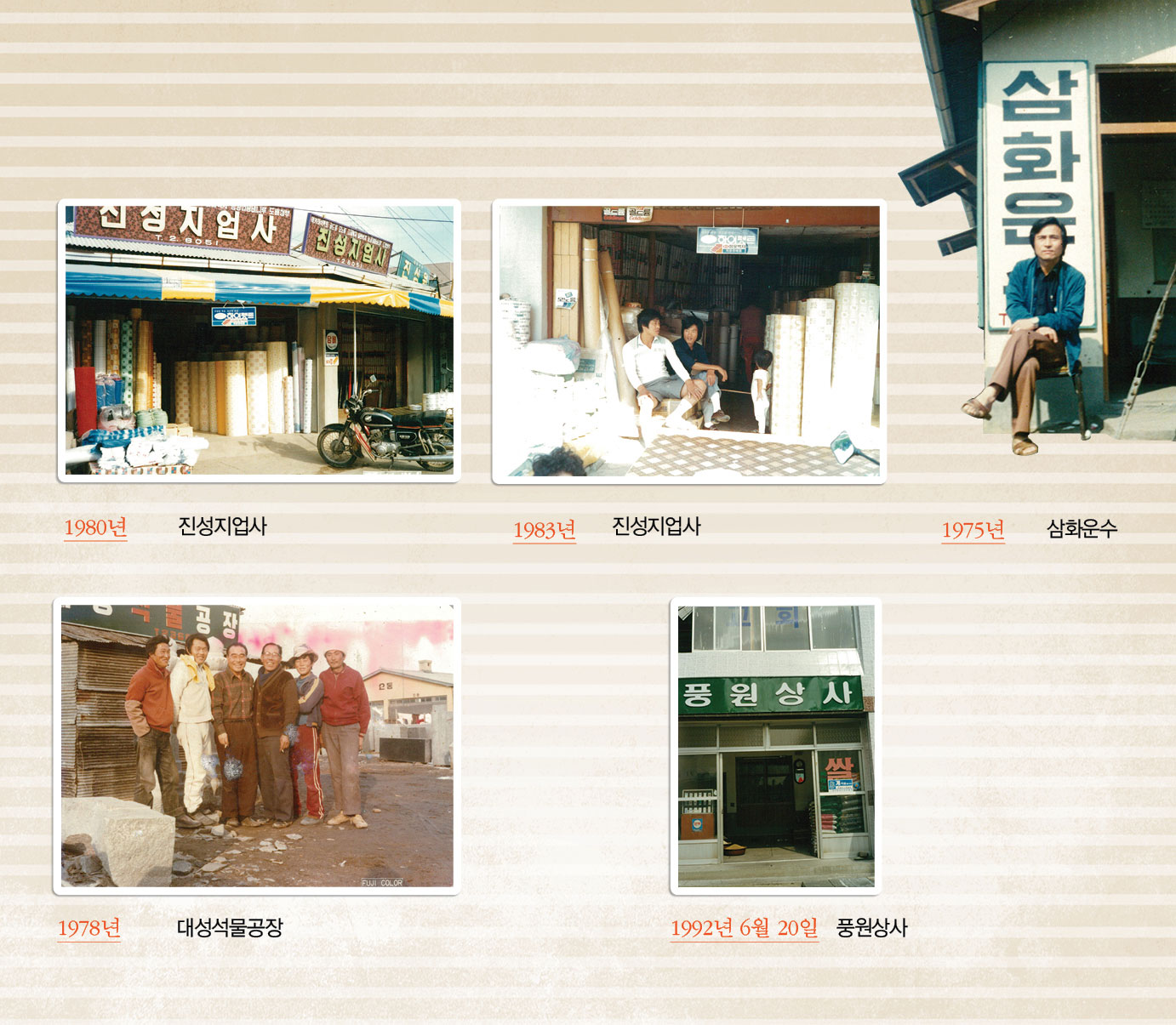
Local Records and Cultural Activities of Sejong at 17 Munhwa-ro, Jochiwon
 Travel Guide
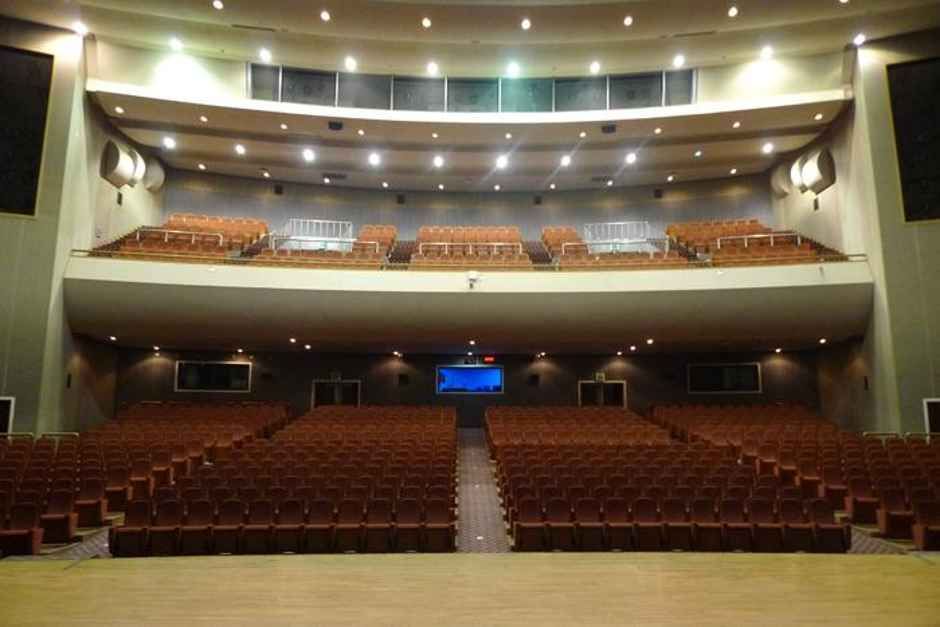
How to See a Performance at Sejong Culture and Arts Center, 22 Munyehoegwan-gil, Jochiwon
 Travel Guide
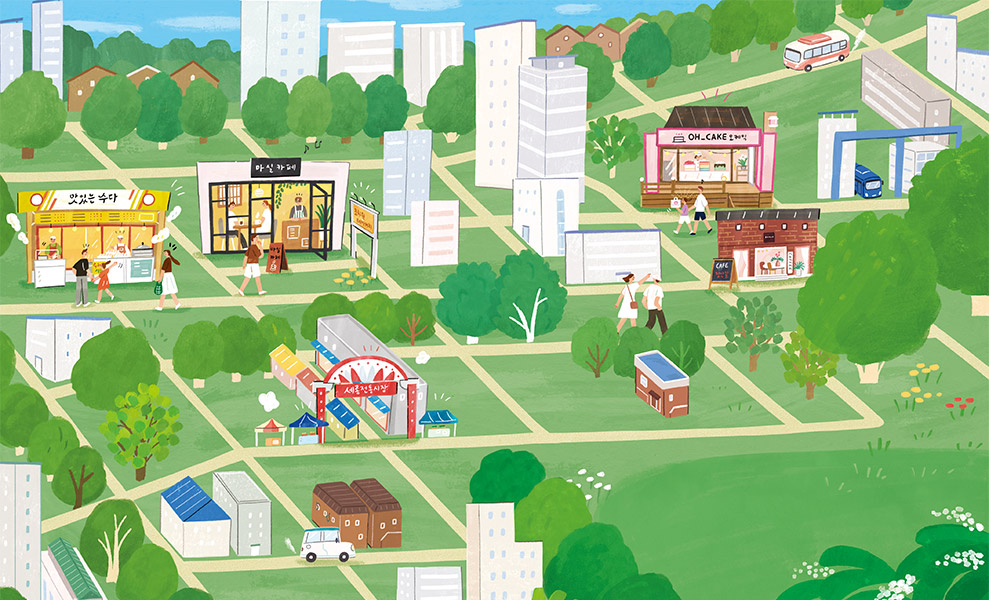
1970s Market Scene Revived in a 52-Meter Alley in Jochiwon
 Travel Guide
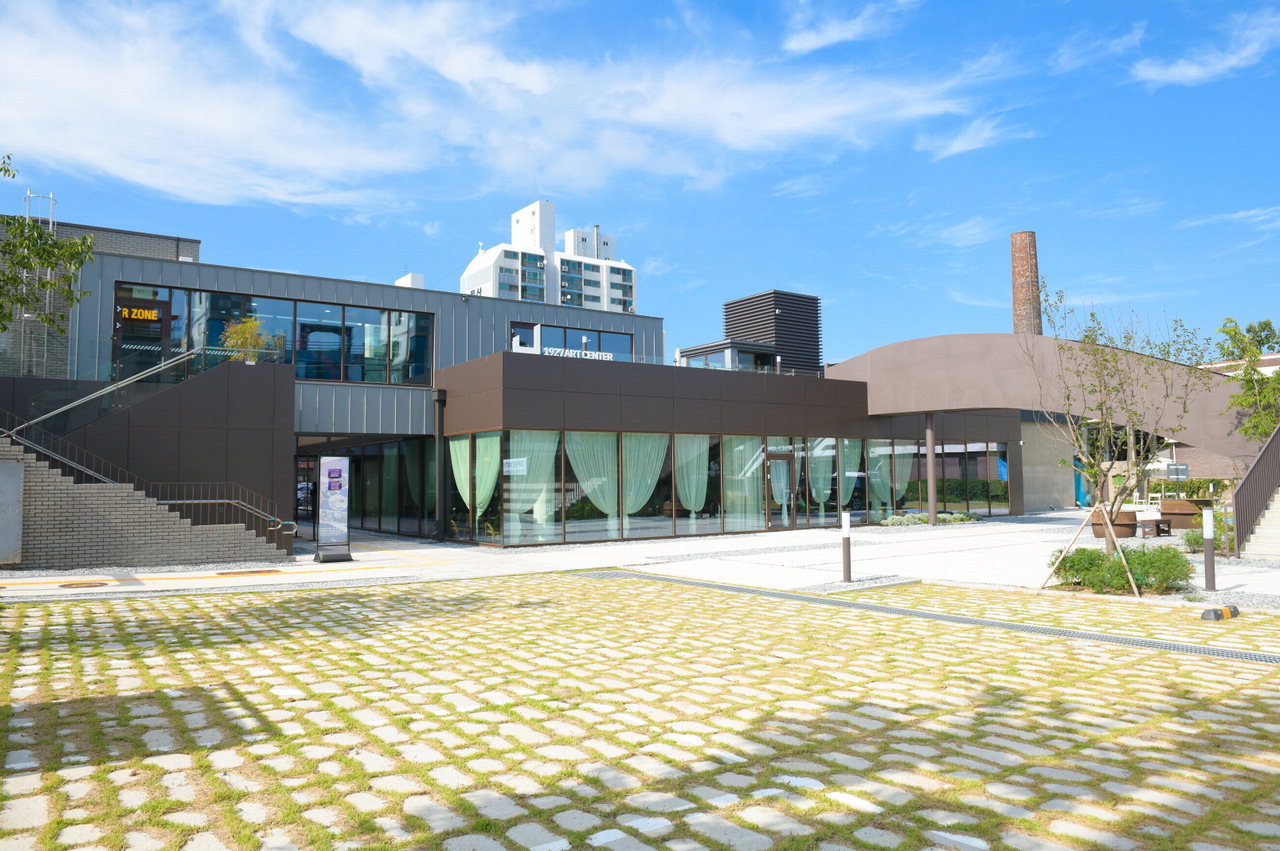
Jochiwon 1927 Art Center: How a 100-Year-Old Silk Factory Became a Cultural Space
Korea News
 News
News
‘NewJeans Expulsion’ Danielle Releases Her First YouTube Video… “We Don’t Know What Will Happen Next”
![aespa’s North American Tour Has Remaining Seats Despite ‘$49’ Bargain Prices… A Stark Popularity Gap with KATSEYE [TEN Starfield]](https://kotourlive-images.s3.ap-northeast-1.amazonaws.com/news/1788485037424_a59b1932_naver_rank_thumb_0000774618_1788485037424.jpg) News
News
aespa’s North American Tour Has Remaining Seats Despite ‘$49’ Bargain Prices… A Stark Popularity Gap with KATSEYE [TEN Starfield]
![[Photo] TWICE’s Dahyun attends a film festival red carpet as an actress](https://kotourlive-images.s3.ap-northeast-1.amazonaws.com/news/1788485316508_edd43ecd_news_870a60a6-6f11-4d73-aa7c-48d91318a0f7.jpg) News
News
[Photo] TWICE’s Dahyun attends a film festival red carpet as an actress
![[On-Site Video] “We’re Departing Separately Together”… BIGBANG Begins ‘COSMOS’ World Tour](https://kotourlive-images.s3.ap-northeast-1.amazonaws.com/news/1788485226518_c5719641_news_fdd4764a-0f4e-4968-8e4e-e98a02872f88.jpg) News
News