
Sejong City Folk Museum – Folk Memories Housed in the Closed Geumsa Elementary School
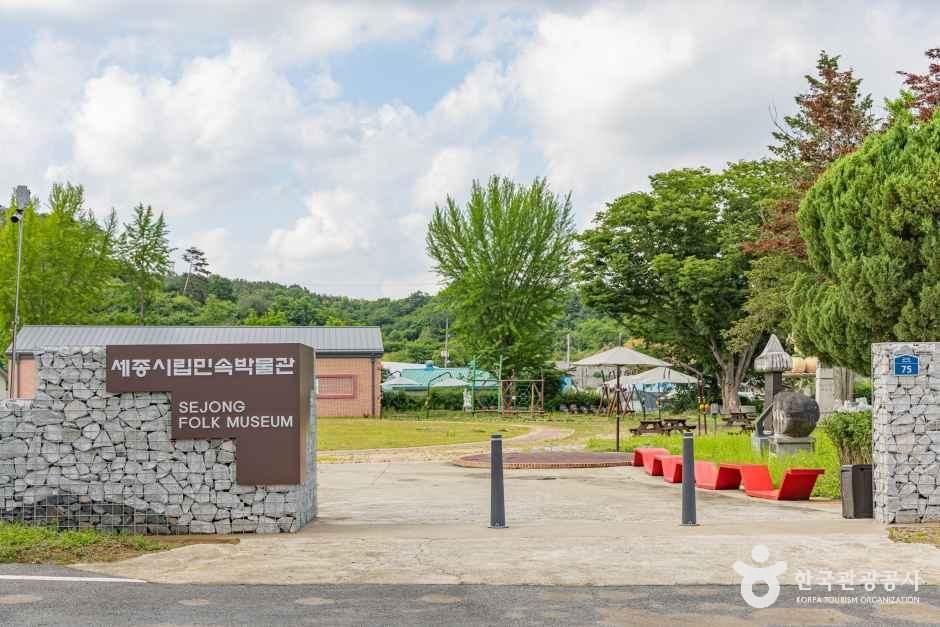
Sejong City Folk Museum is a public folk museum that opened on October 23, 2012, after remodeling the former Geumsa Elementary School, a closed school in Geumsari, Jeonui-myeon, once known as a pottery village. Visitors can explore the history of everyday life—including clothing, food, and housing—and locally excavated artifacts free of charge across six spaces, including permanent and special exhibition halls, an experiential learning room, and an outdoor exhibition area. In March 2025, cumulative attendance surpassed 100,000 visitors.
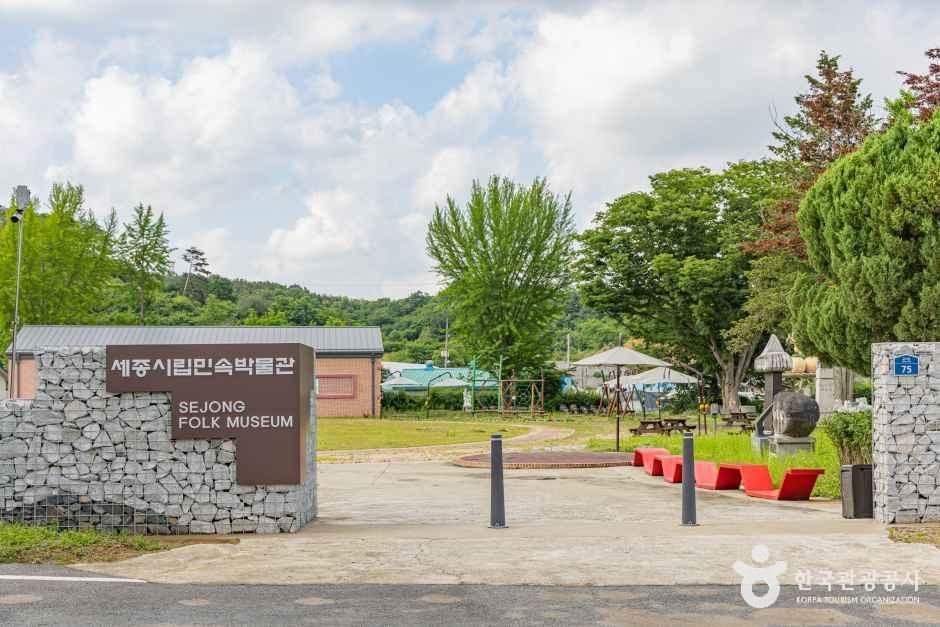

Former Geumsa Elementary School Reborn as a Folk Museum on October 23, 2012
Sejong Municipal Folk Museum opened on October 23, 2012, using the former Geumsa Elementary School in Sejong Special Self-Governing City. It was established to systematically collect, research, exhibit, and provide educational programs about folk materials, offering visitors an opportunity to look back on everyday life and the way people lived.
One regional travel information site introduces this museum as one of the museums that is good to visit comfortably with children, as it retains much of the cozy, intimate feel of an elementary school. It also explains that folk materials are displayed in the former school grounds, leaving traces of the old school throughout the site.
Surpassing 100,000 Cumulative Visitors in March 2025, 12 Years and 5 Months After Opening
On March 22, 2025, Sejong Municipal Folk Museum announced that its cumulative number of visitors had exceeded 100,000, 12 years and 5 months after opening. The museum said that since its opening it had offered various educational programs, exhibitions, and career-experience programs using familiar everyday topics such as local history and folk culture, and that 8,972 people had visited in the previous year.
The 100,000th visitors were two children who had come from Naseong-dong, Sejong City, for a family outing, and the museum held a celebratory event in the lobby. This achievement shows that the small local museum, which has not been open for a particularly long time, has established itself as a repeat destination for family visitors in Sejong City.
Geumsari, the Village Where Gold Was Found — Memories of Mines and Pottery Kilns Preserved in the Name
The place name Geumsari, where the museum is located, has a story behind its origin. One theory says that because there was a gold mine near the present reservoir and much gold was found there, the name Geumsari was derived from the character sa (沙) in the names of the upper and lower Sagiso kilns on Geumseongsan Mountain in this area. Administratively, the area was incorporated into Jeondong-myeon during the 1914 reorganization of administrative districts, and on January 1, 1987, Geumsari came under the jurisdiction of Jeonui-myeon.
According to the official introduction to Sejong Municipal Folk Museum, the area was called a pottery village from ancient times because it had many kiln sites. It is also the place recorded in the Sejong Sillok jiriji as having supplied high-quality buncheong ware and white porcelain to government offices. In fact, numerous kiln sites have been identified around Daljeon-ri and Geumsari in Jeonui-myeon, Sejong Special Self-Governing City. Among them are the Geumsari Geumsagyo buncheong kiln site, Geumsari Geumsagyo white-porcelain kiln site, Geumsari Dangjae buncheong kiln site, and Geumsari Gamnamugol buncheong kiln site, identified through surface surveys and other investigations. However, the terrain at these kiln sites has been substantially altered by the opening of private graves and the creation of farmland, so formal excavation surveys have not yet been conducted.
From Permanent Exhibition Rooms to the Lawn Plaza: A Museum Divided into Six Spaces
Sejong Municipal Folk Museum consists of a permanent exhibition room, a special exhibition room, an experiential learning room, a storage facility, an outdoor exhibition area, and a curatorial research room. It was registered as a Type 1 specialized museum on June 27, 2019. At that time, the staff consisted of one director and one curator.
According to Sejong City cultural travel information, the museum's collection totals 1,301 items, including earthenware and porcelain, clothing, foodways, housing and daily life, livelihoods, rites, and other artifacts. This is a substantial increase from the 351 items in 309 categories recorded by the Digital Sejong City Cultural Encyclopedia in 2019, suggesting that the collection grew through measures such as the transfer of nationally owned cultural heritage. A photo zone called “Mugeotda” has been set up in the lawn plaza connected to the outdoor exhibition area and is receiving a positive response from visitors.
Touching Baekje Roof Tiles in the Experiential Learning Room: “What Do You Do at a Museum?”
The permanent exhibition room recreates traditional lifestyles in the areas of local development history, earthenware and porcelain, clothing, foodways, livelihoods, and housing and daily life, allowing visitors to see how people lived. The experiential learning room operates year-round with activities such as trying on folk hats, taking rubbings, touching Baekje roof tiles, and playing traditional games including Chilgyo, Gonu, Ssangnyuk, and Golpae.
Career education for students is also offered separately. The museum in Geumsari, Jeonui-myeon, operates a career-exploration program called “What Do You Do at a Museum?” for fifth- and sixth-grade elementary school students and first-year middle school students. The program offers an indirect experience of the work of curators, including exhibition planning, collection management, conservation science, and museum education. For third- and fourth-grade elementary school students, it has also newly opened an educational program exploring Sejong City's history and culture through the artifacts on display. There are also seasonal programs rather than year-round activities. In May 2025, “Museum Dano Playground,” themed around seasonal customs and Dano, was held twice a day on May 10, 17, 24, and 31 (10:30–12:00 and 14:00–15:30). Without an admission fee, families participated in making multicolored bracelets (Jangmyeongru) and mugwort rice cakes, with approximately five teams and 20 people per session.
Free Admission, 09:00–18:00 — Closed on Mondays and the Days of Major Holidays
Visiting hours are 09:00–18:00, with last admission at 17:30. The museum is open six days a week, from Tuesday through Sunday. It is regularly closed every Monday, as well as on January 1, Lunar New Year's Day, and the day of Chuseok. Admission is free, and the permanent exhibition room, special exhibition room, experiential learning room, and outdoor exhibition area can all be used free of charge. For inquiries, call 044-300-8831.
Groups need to make preparations before visiting. Groups of 30 or more elementary, middle, or high school students, as well as general groups, must make an advance reservation through the museum website at least three days before their visit. Individuals and small groups may visit without a separate reservation. In addition to its official website, the museum operates a blog, Naver Post, Instagram, and Twitter accounts to share news about exhibitions and events.
Even Though Jeonui Station Exists, Village Buses 82 and 86 Are the Answer
Jeonui Station on the Gyeongbu Line is located in Jeonui-myeon, where the museum is situated. When using public transportation, take village bus 82 or 86 toward Jeonui Station and get off at the Geumsari (37-010)(37-011) stop; the museum is a five-minute walk away.
Many visitors arrive by car. The museum has a dedicated parking lot for convenient parking. It also has accessible parking spaces, a ramp to the entrance, and an accessible restroom on the first floor, allowing visitors who use wheelchairs to follow a barrier-free route.
“Memories Beneath the Ground,” Exhibited After the 2022 Designation as an Institution Entrusted with Nationally Owned Cultural Heritage
Sejong City announced on March 30, 2022, that Sejong Municipal Folk Museum had been designated by the Cultural Heritage Administration as an institution entrusted with the storage and management of nationally owned cultural heritage. Until then, artifacts excavated in the Sejong area had been transferred to national ownership and stored at Gongju National Museum. With this designation, Sejong Municipal Folk Museum became able to store and manage excavated artifacts from the Sejong area directly.
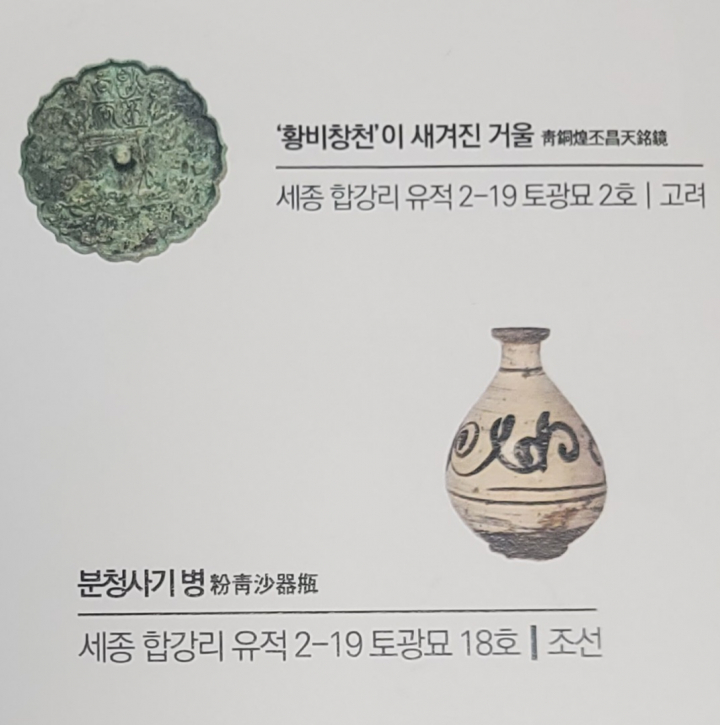
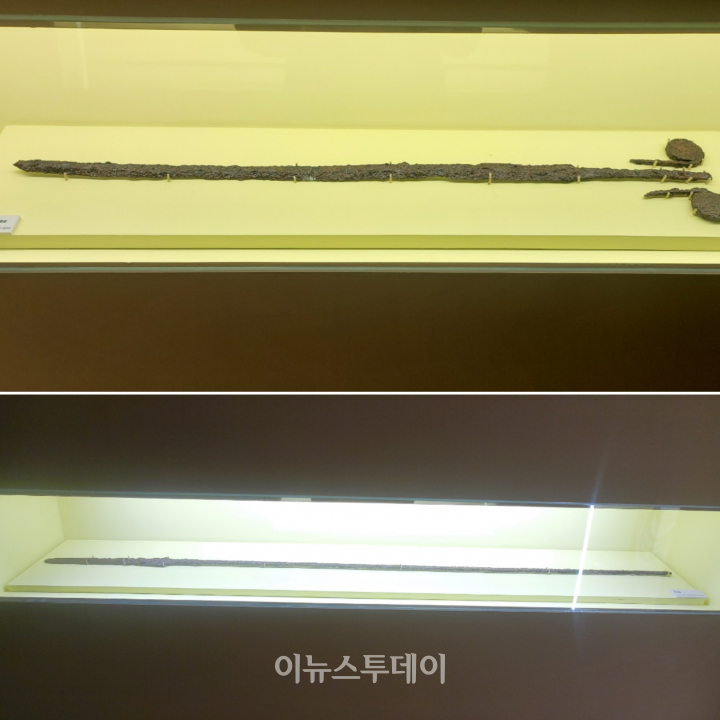
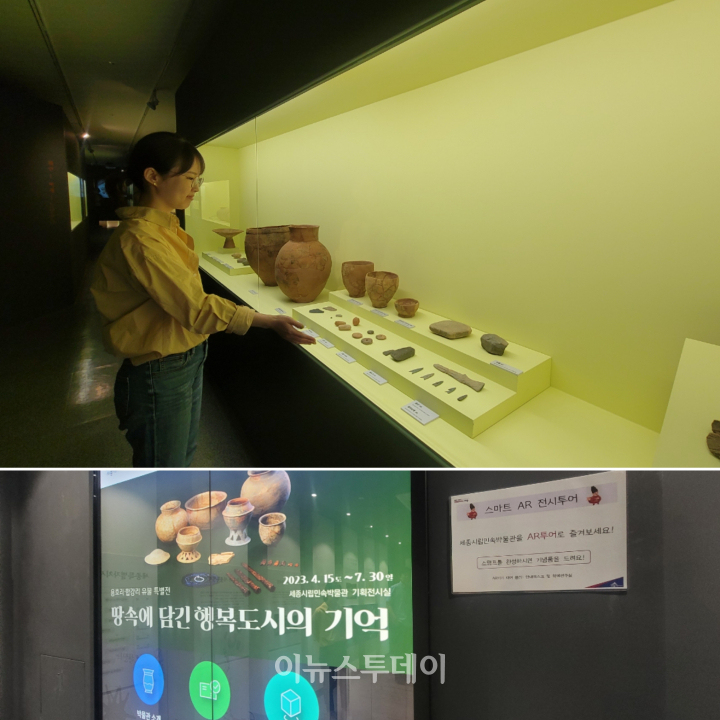
To commemorate the first anniversary of the designation, the special exhibition “Memories of the Happy City Held Beneath the Ground” was held from April 15 to July 30, 2023. The exhibition presented 139 carefully selected objects from different periods, including earthenware, ceramics, ornaments, metal artifacts, and stone tools excavated from the Yongho-ri and Hapgang-ri archaeological sites in Happy City Living Zone 5. It provided an opportunity to examine the lives of people in the area from the Neolithic period through the Joseon period. In particular, an iron spearhead measuring 199.7 cm, the longest of its kind in Korea and believed to have been excavated from a tomb of a locally high-ranking individual, was unveiled for the first time at this exhibition and attracted visitors' attention.
“Sejong Culture Road” and “Jeonjuwon Station: A Story from 100 Years Ago” Held on the Lawn Plaza
The museum is not limited to indoor exhibitions. In 2022, the “Sejong Culture Road” performances, featuring bands, indie bands, popular songs, magic, dance, and other acts, were held for two days on the museum's lawn plaza under the direction of the Sejong Cultural Foundation. That same year, the museum organized the special exhibition “Jeonjuwon Station: A Story from 100 Years Ago” to commemorate the 10th anniversary of Sejong City's launch, along with related programs such as a stamp event and drawing activities.
These events differentiate the museum from those in other regions by actively using the outdoor exhibition area and lawn plaza rather than remaining within the exhibition rooms. A photo zone where visitors can take memorable photographs has also been installed and is popular with families.
Explore It Online in Advance
Before visiting, you can check the museum's detailed page and location map in advance through tourism portals such as Visit Korea. Visit Korea also runs a photo-submission event, creating a structure in which information is filled out with photographs taken directly by visitors.
The Regional Culture Portal operated by the Korean Culture Information Service also provides an introduction to the museum and image materials updated every month. Reviews from actual visitors are regularly posted on the official website's visitor review board, making it useful for checking the latest exhibition layout before visiting.
A Place Suited to These Travelers — Pros and Cons Based on Reviews
Multiple tourism information pages repeatedly describe the museum as a combined cultural space that brings together exhibitions and hands-on activities and is popular with local residents and family visitors. They also note that the photo zone, where visitors can take wonderful commemorative pictures, receives a strong response. The museum displays artifacts excavated locally, including Baekje-period Buddhist statue materials and ceramics, alongside folk materials, and provides facilities for experiencing traditional culture. It is particularly suitable for families with elementary-school-aged or younger children and for groups needing to study local history.
On the other hand, it is not easy to make a short trip there and back using only public transportation from Eojin-dong and Naseong-dong, the central administrative districts of Sejong City. This is because the museum is in Geumsari, Jeonui-myeon, at the northwestern edge of Sejong City, quite far from Government Complex Sejong and the BRT corridor. It is recommended for travelers who can drive and are interested in ceramics or folk history, or for families planning hands-on learning activities with children. Those seeking an urban outing centered on public transportation may wish to give it lower priority.
Before You Go
- Address
- 75 Geumsa-gil, Jeonui-myeon, Sejong Special Self-Governing City
- Hours
- 09:00–18:00 (last admission at 17:30), open Tuesday–Sunday
- Closed
- Every Monday, January 1, Lunar New Year's Day, and the day of Chuseok
- Admission
- Free (permanent exhibition room, special exhibition room, experiential learning room, and outdoor exhibition area)
- Phone
- 044-300-8831
- Official site
- https://www.sejong.go.kr/museum.do
- Transport
- Jeonui Station on the Gyeongbu Line is in Eupnae-ri, Jeonui-myeon, but additional transportation is needed to reach the museum. By bus, take village bus 82 or 86 toward Jeonui Station and get off at the 'Geumsari (37-010)(37-011)' stop; the museum is a five-minute walk away.
- Parking
- Dedicated parking lot available (fee information unconfirmed); separate accessible parking spaces available
- Accessibility
- Accessible parking spaces, a ramp to the entrance, an accessible restroom on the first floor, and wheelchair rentals available. Availability of foreign-language guidance has not been confirmed.
The information above is accurate as of the time of writing. Please check the official information again before visiting.

Places
Nearby Attractions 5
-
 1
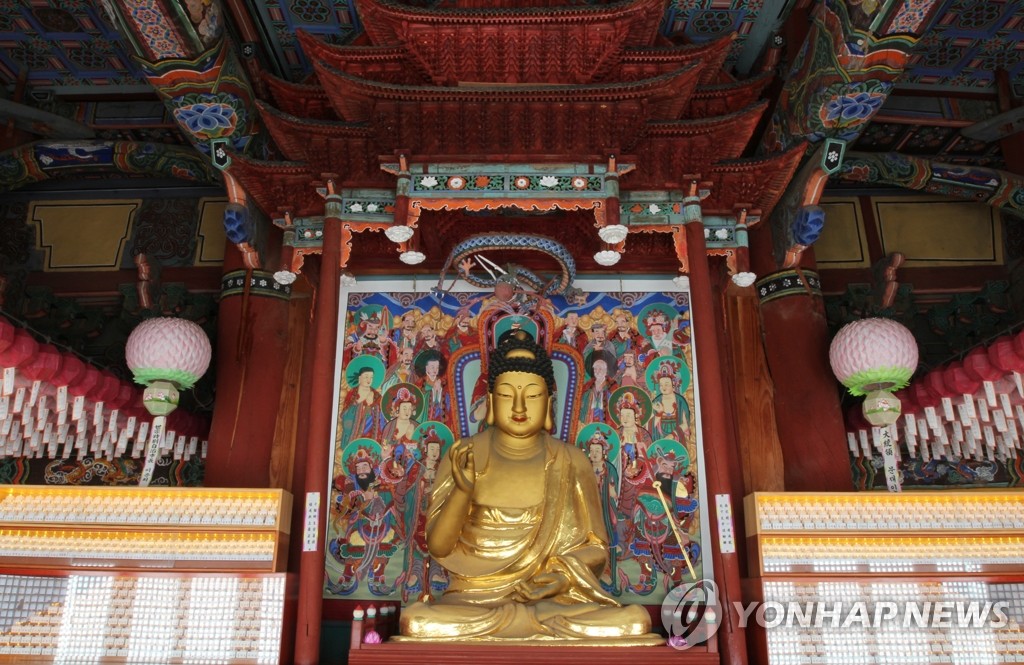
Biamsa TempleA temple where you can explore Baekje cultural heritage and the tranquil scenery of this historic temple.
1
Biamsa TempleA temple where you can explore Baekje cultural heritage and the tranquil scenery of this historic temple. -
 2
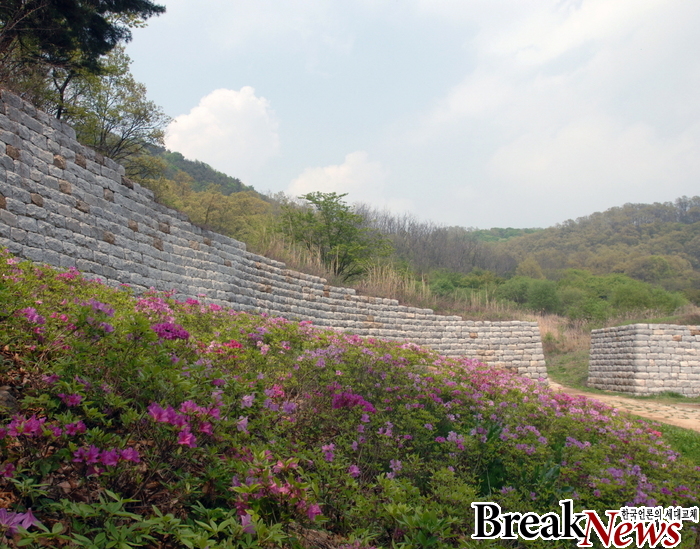
Unjusanseong FortressExplore Baekje-period fortifications and historic sites along the ridge of Unjusan Mountain.
2
Unjusanseong FortressExplore Baekje-period fortifications and historic sites along the ridge of Unjusan Mountain. -
 3
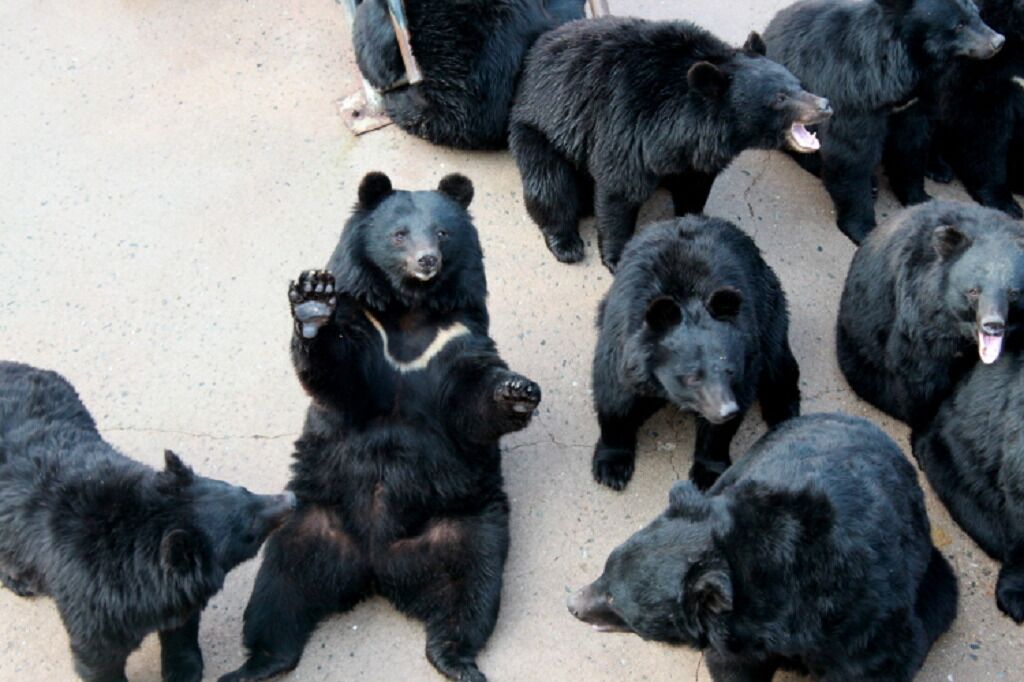
Bear Tree ParkAn arboretum where you can see Asiatic black bears, brown bears, and a variety of flowers and trees.
3
Bear Tree ParkAn arboretum where you can see Asiatic black bears, brown bears, and a variety of flowers and trees. -
 4
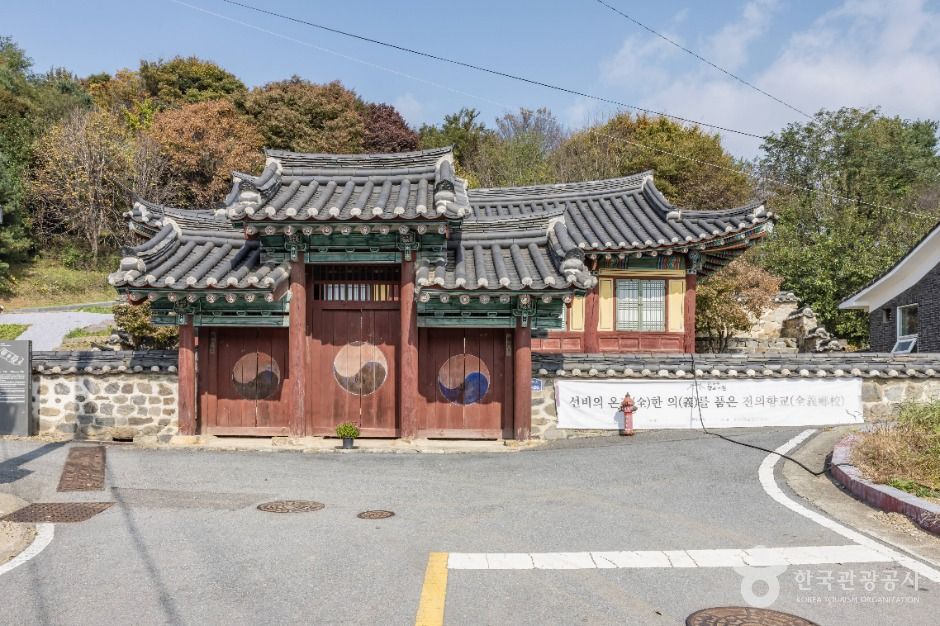
Jeonui HyanggyoExplore the architecture and Confucian culture of a hyanggyo, a local educational institution during the Joseon period.
4
Jeonui HyanggyoExplore the architecture and Confucian culture of a hyanggyo, a local educational institution during the Joseon period. -
 5
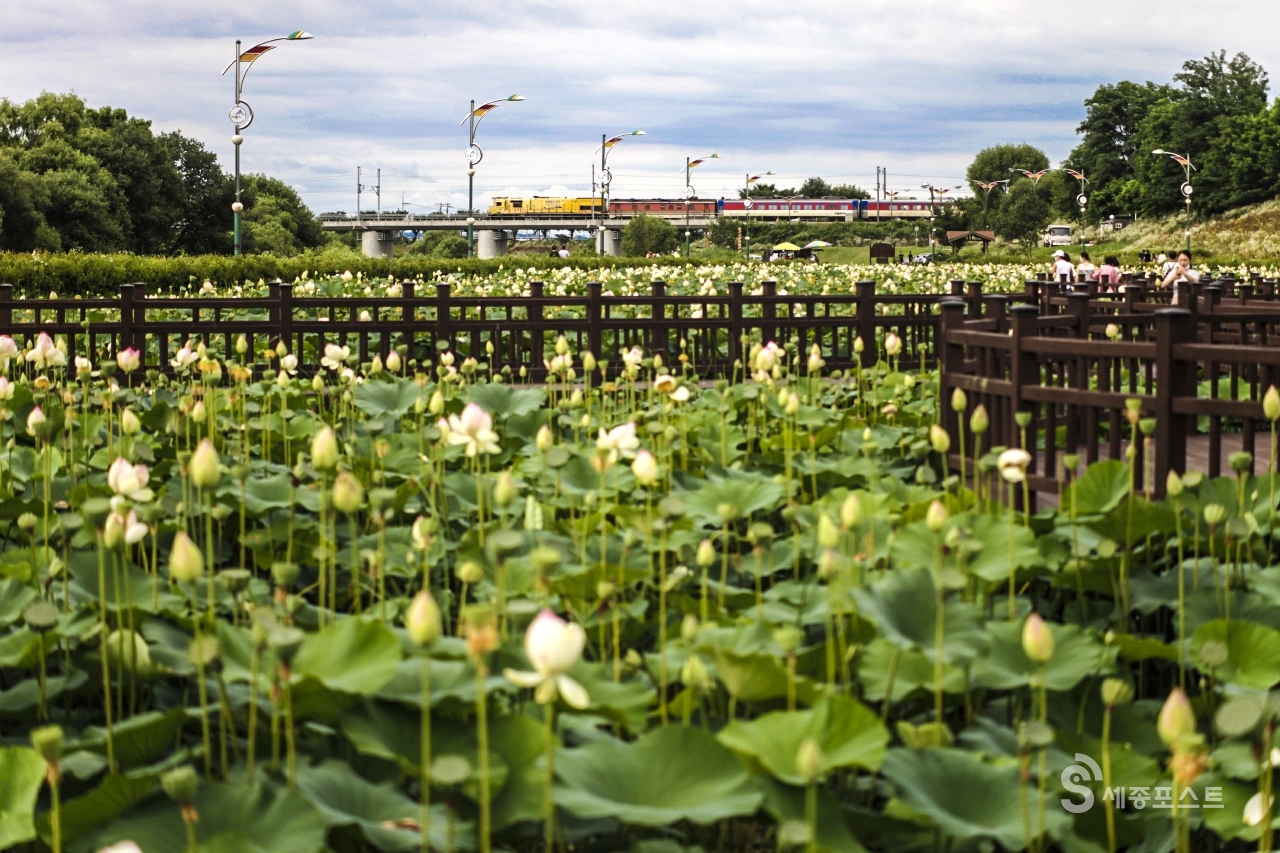
Jocheon Lotus ParkA park where you can enjoy the ecological landscape while strolling along the Jocheon riverside trail and admiring clusters of lotus flowers.
5
Jocheon Lotus ParkA park where you can enjoy the ecological landscape while strolling along the Jocheon riverside trail and admiring clusters of lotus flowers.
Food & Dining 1
-
 6
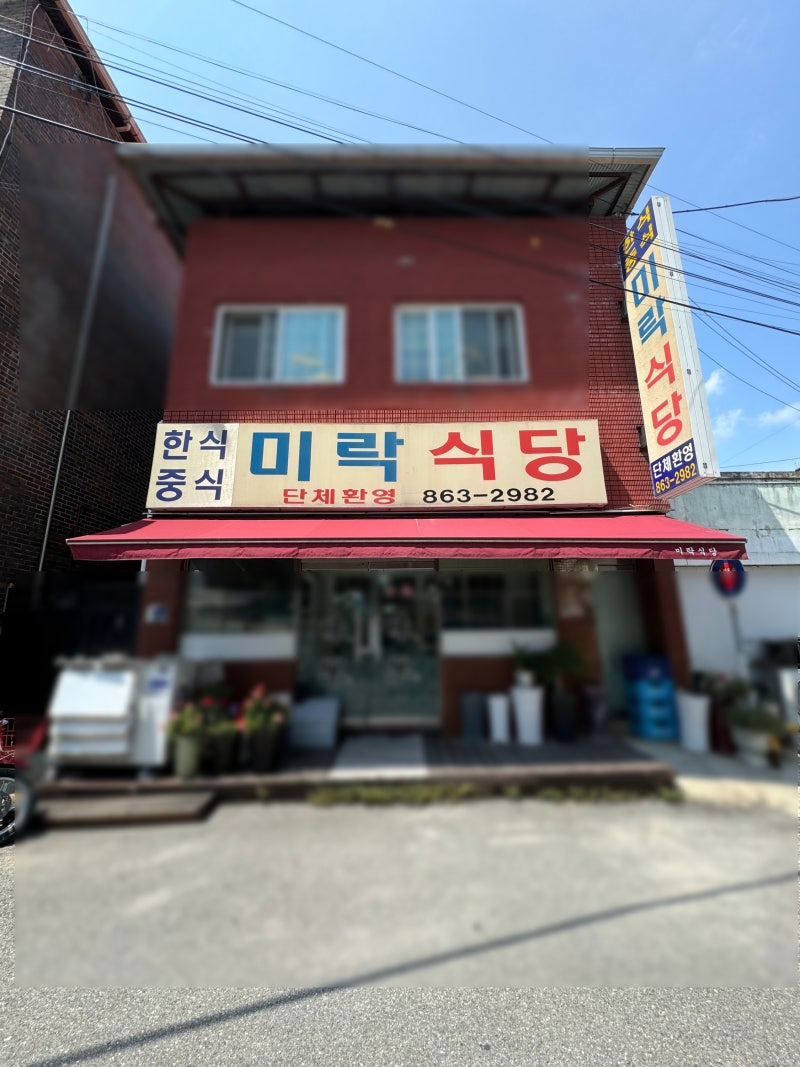
Mirak SikdangA Chinese restaurant serving gan-jjajang, jjamppong, and old-fashioned-style tangsuyuk.
6
Mirak SikdangA Chinese restaurant serving gan-jjajang, jjamppong, and old-fashioned-style tangsuyuk.
More Travel Guides in This Area
Korea News
![ZEROBASEONE ‘ZEROBASEONE Shining Even at Night!’ [★Video]](https://kotourlive-images.s3.ap-northeast-1.amazonaws.com/news/1786629298196_13d8a4bb_news_075face7-fb4e-402c-b833-25ccaf88cf8f.jpg) News
News
ZEROBASEONE ‘ZEROBASEONE Shining Even at Night!’ [★Video]
 News
News
Kwon Eun-bi, First Comeback Since Moving from Woollim to RBW: “Aiming for a September Release”
 News
News
“Did Jungkook’s connection continue?” Pop star Usher spotted warmly hugging BTS’s RM and J-Hope
 News
News