How to Walk to Yongchu Falls at Juwangsan and Choose the Jeolgol Valley Route
Juwangsan National Park is a mountainous park in Cheongsong, Gyeongsangbuk-do, where you can see cliffs of welded tuff formed from solidified lava about 70 million years ago, along with waterfalls, up close. If it is your first visit, choose between the 3.4-kilometer Juwang Valley Course starting at Sangui Parking Lot and the 7-kilometer valley course from the Jeolgol Ranger Station, depending on your fitness level and the weather.
I’ve been here?
Your check-in helps the next traveler.
26 people viewed this week Be the first
One tap — no writing needed
The Present Landscape of Juwangsan, Formed by Lava 70 Million Years Ago
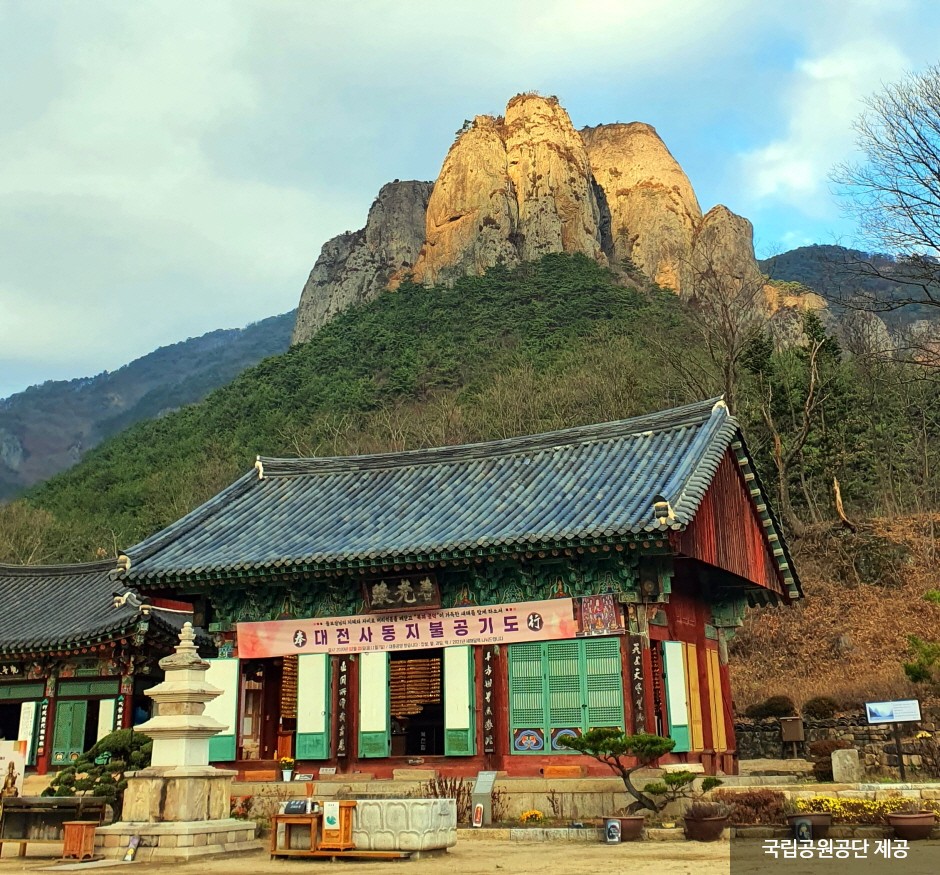
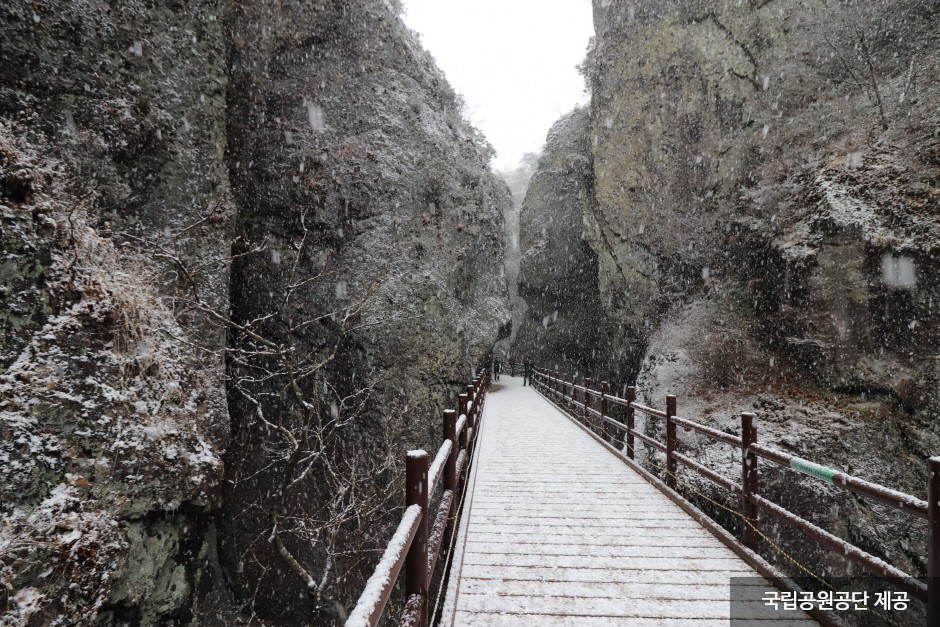
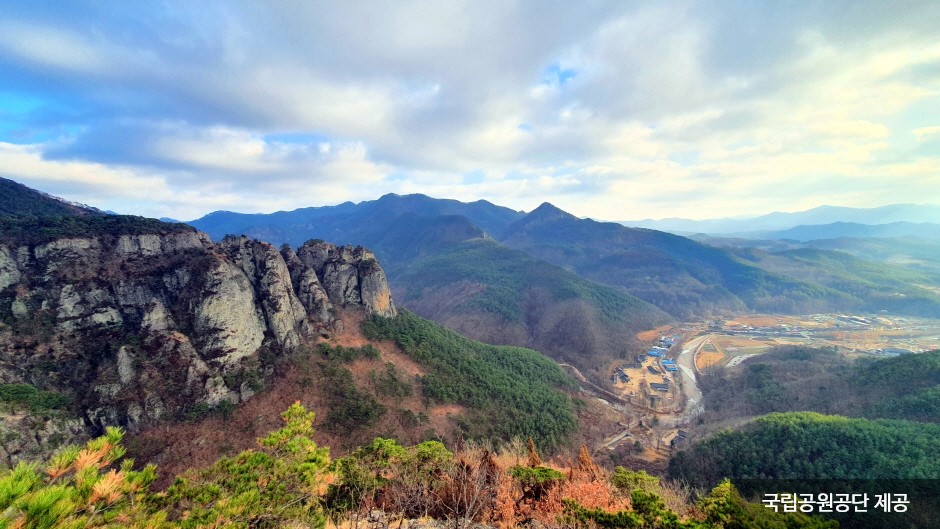
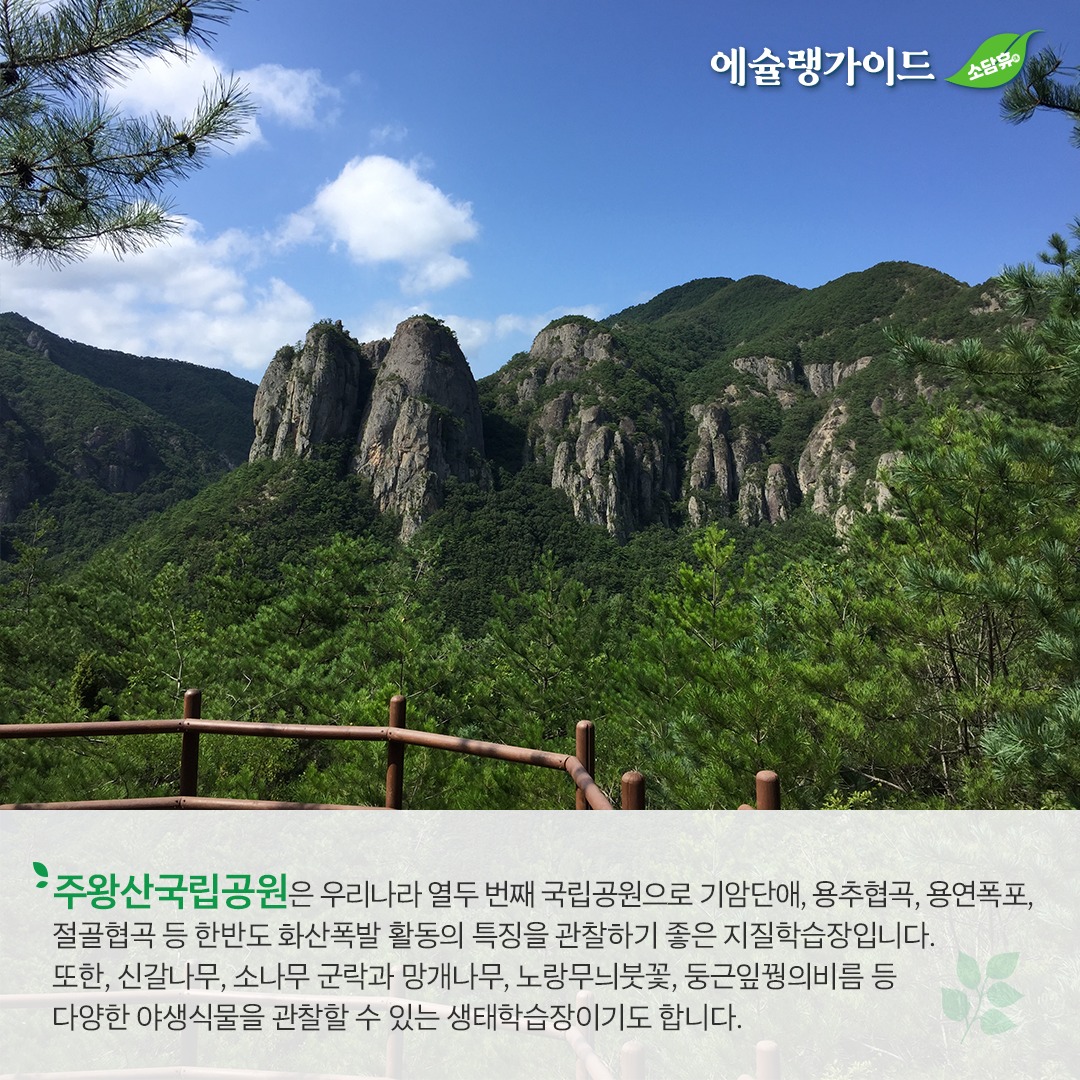
Juwangsan National Park consists of welded tuff formed when lava flowed and hardened 70 million years ago. As a result, it is not simply a mountain lined with rounded peaks amid the forest; instead, the terrain around Juwang Valley features vertical cliffs, narrow valleys, and waterfalls.
Juwangsan is 722 m high and is surrounded in a horseshoe shape by Taehangsan (933.1 m), Daedunsan (905 m), Myeongdongjae (875 m), and Wanggeomeom (907.4 m). Because of this rocky-peak terrain, Juwangsan is introduced as one of Korea’s three major rocky mountains.
From Seokbyeongsan to Becoming National Park No. 12
According to the Korea Tourism Organization, Juwangsan was called Seokbyeongsan during the Silla period, meaning “mountain with many stone peaks,” while the name Juwangsan has been used since the Unified Silla period. The current name reflects the mountain’s identity, formed around its rocky scenery and valleys.
Juwangsan was designated a tourist destination on May 30, 1972, and became National Park No. 12 on March 30, 1976. Since its designation as a national park, the management area has expanded beyond the area around 722-m Juwangsan to cover 106.114 km², including Taehangsan, Wanggeomeom, Juwang Valley, Jeolgol Valley, and Woloe Valley.
Getting from Dong Seoul Bus Terminal to Juwangsan in Cheongsong
If you are departing from Seoul, the route via a bus from Dong Seoul Bus Terminal to Cheongsong is available. Buses to Cheongsong run six times a day between 06:30 and 16:40 and take about 4 hours 10 minutes. Since the route number and stop information for local buses to Juwangsan were not found in the available materials, it is safest to contact the Juwangsan National Park Office at 054-870-5300 after arriving in Cheongsong and ask about transportation for that day.
The park office address is 169-7 Gongwon-gil, Juwangsan-myeon, Cheongsong-gun, Gyeongsangbuk-do, postal code 37437. If you are going directly to Jeolgol Valley, the starting point is the Jeolgol Branch Office and Jeolgol Visitor Support Center at 121-170 Jusanji-gil, Juwangsan-myeon, Cheongsong-gun, Gyeongsangbuk-do. The distance from Jeolgol Visitor Support Center to the entrance of Jusanji is about 1.5 km.
How to Walk the 3.4-km Juwang Valley from Sangui Parking Lot
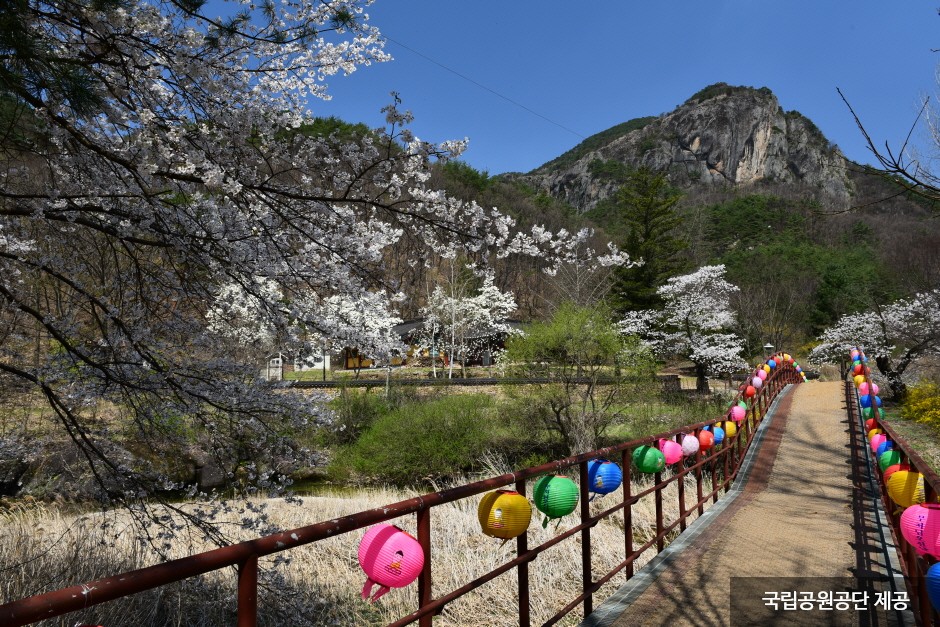
If this is your first visit and you want to see the waterfalls and cliffs efficiently, the most specific option is a walk along Juwang Valley starting from Daejeonsa Temple. The loop course from Daejeonsa Temple past Yongchu Falls, Jeolgu Falls, and Yongyeon Falls before returning to Daejeonsa Temple is 3.4 km and takes about 2 hours 30 minutes.
The Jubangcheon trail from Daejeonsa Temple to Yongyeon Falls consists of level dirt paths and wooden decks, so it can be covered in lightweight sneakers. The Korea Tourism Organization introduces Juwangsan as having four waterfalls, caves, and Daejeonsa Temple, but this does not mean that visitors may freely enter every cliff area or cave interior. Do not leave the designated trails or open areas.
What to Consider When Choosing the 7-km Valley Trail from Jeolgol Branch Office
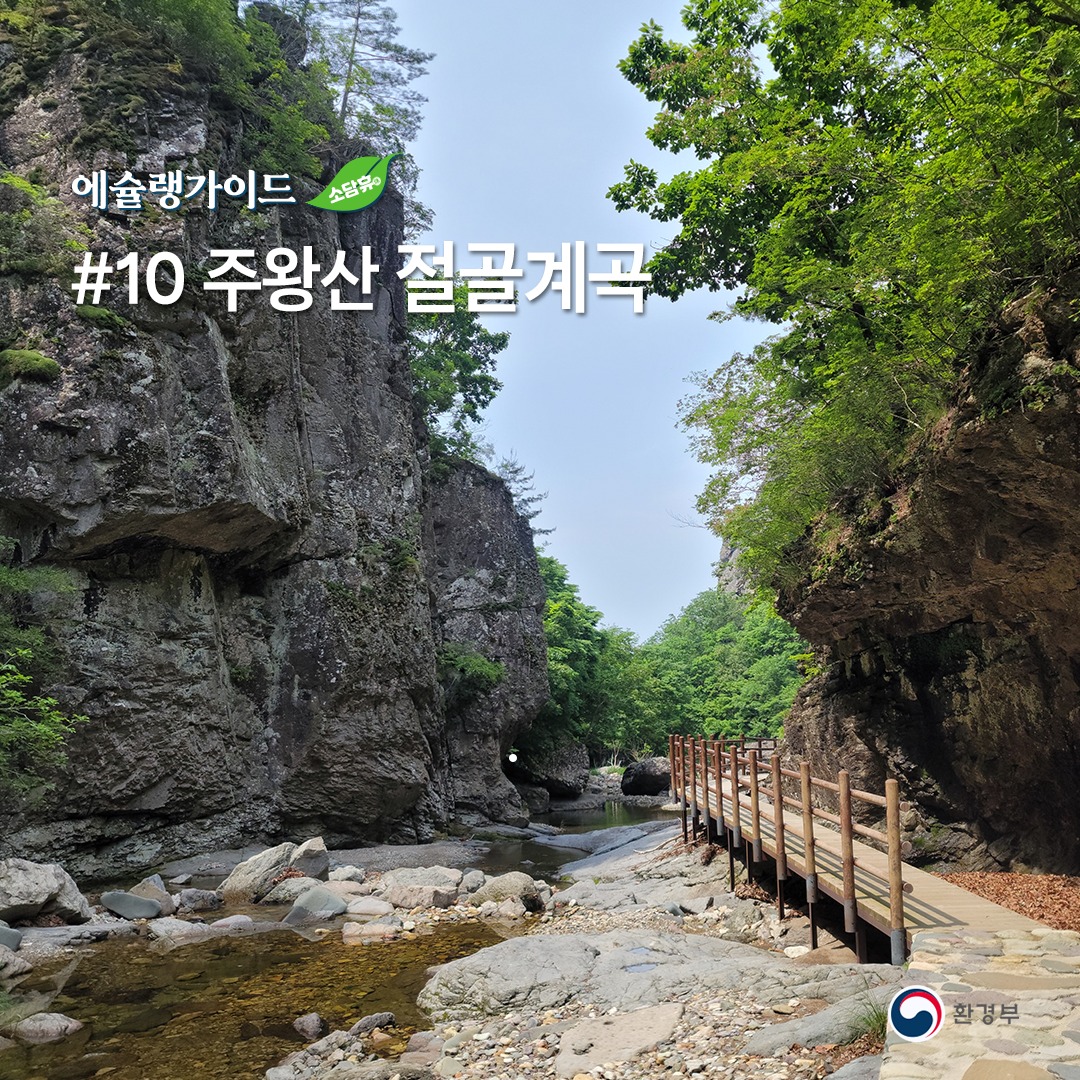
The Jeolgol walking course is a 7-km route from Jeolgol Branch Office through Jeolgol and Daemundari and back to Jeolgol Branch Office, taking about 3 hours. Although the slope is relatively gentle, stairs and frequent ascents and descents can place more strain on the ankles and knees than the level Juwang Valley course.
The distance from Jeolgol Visitor Support Center to Daemundari is about 3.5 km. Visitors are advised to avoid the rainy season because the water level in Jeolgol Valley can rise suddenly during heavy rain. Splash trekking through the valley water may also be changed to the regular trail depending on the water level and the status of the aquatic ecosystem.
The 11-km Janggunbong Hike Is Difficult to Replace with Sneakers
If you are planning a longer hike, there is an 11-km course from Daejeonsa Temple via Yongyeon Falls, Geumeungwangyi Junction, and Janggunbong before returning to Daejeonsa Temple; it takes about 5 hours. Juwangsan National Park classifies trails into five grades according to factors such as slope, distance, surface conditions, and time required.
The Janggunbong course includes steep mountain paths on the descent, so hiking boots are recommended. The traverse course from Jeolgol Branch Office through Jeolgol Valley, Daemundari, Gamebong, Yongyeon Falls, and Yongchu Falls to Sangui Parking Lot is about 13.5 km and takes approximately 7 hours, making it unsuitable for a same-day round trip from Seoul or a short visit by beginners.
Check the Designated Hiking Hours and Parking Fees First
Juwangsan National Park does not apply one fixed operating schedule to the entire park; instead, hiking start and trail-control times are designated for each trail. The stated guidelines are 05:00–14:00 in winter (November–March) and 04:00–15:00 in summer (April–October). On the day of your visit, check both the official website’s designated hiking hours and the trail-control status.
Sangui Parking Lot is located at the entrance to Juwang Valley. According to Korea Tourism Organization information, parking fees are 2,000 won for compact cars and 4,000 won for midsize cars, or 5,000 won during peak season; buses with 25 or more seats cost 6,000 won, or 7,500 won during peak season. Since the latest admission fees for the entire park, whether payment is cash-only, filming restrictions, and the availability of English information and audio guides were not confirmed, do not assume that admission is free at the site.
- Official website: https://juwang.knps.or.kr
- Inquiries: 054-870-5300
- Travel inquiries in Korean, English, Japanese, and Chinese: +82-2-1330
Choosing a Course and Setting Safety Limits for a One-Day Itinerary
If this is your first time seeing the waterfalls and cliffs, a realistic plan is to arrive at Sangui Parking Lot and walk the 3.4-km route through Daejeonsa Temple and Juwang Valley for about 2 hours 30 minutes. Some reviews introduce the Sangui Parking Lot–Daejeonsa Temple–waterfalls–Juwangam area as a 4.2-km route taking about 3 hours 30 minutes, while another record says that approximately 9.4 km was covered when Mujanggul Cave was included.
Visitors in summer who want to see the watercourse up close may consider splash trekking in Jeolgol Valley. This program takes 3 hours and covers 4 km round trip, with 10–40 participants per session. It is open to children, teenagers, and adults aged 10 and above, and the meeting point is Jeolgol Visitor Support Center. However, because the activity may be changed from walking in the water to the regular trail, it is better not to combine a rainy-season valley hike and the steep Janggunbong course in one demanding itinerary.
Before You Go
- Address
- 169-7 Gongwon-gil, Juwangsan-myeon, Cheongsong-gun, Gyeongsangbuk-do
- Hours
- Based on trail hiking hours: winter (November–March) 05:00–14:00; summer (April–October) 04:00–15:00. Hiking and control times may vary by trail and may change depending on weather and on-site conditions.
- Closed
- Open year-round
- Admission
- Korea Tourism Organization information indicates that fees related to cultural heritage may apply, but the latest admission fee for the entire Juwangsan National Park could not be confirmed.
- Phone
- 054-870-5300
- Official site
- https://juwang.knps.or.kr
- Transport
- Buses from Dong Seoul Bus Terminal to Cheongsong run six times a day between 06:30 and 16:40 and take about 4 hours 10 minutes. The starting point for exploring Jeolgol Valley is 121-170 Jusanji-gil, Juwangsan-myeon, Cheongsong-gun, Gyeongsangbuk-do.
- Parking
- Sangui Parking Lot is available. Rates are listed as 2,000 won for compact cars; 4,000 won for midsize cars, or 5,000 won during peak season; and 6,000 won for buses with 25 or more seats, or 7,500 won during peak season.
- Time needed
- Juwang Valley walk: 3.4 km, about 2 hours 30 minutes; Jeolgol walk: 7 km, about 3 hours; Janggunbong hike: 11 km, about 5 hours. Based on reviews, trekking around the waterfalls and Juwangam takes about 3 hours 30 minutes.
- Accessibility
- The Juwang Valley trail consists of level dirt paths and wooden decks. The Jeolgol walk is relatively gentle but includes stairs and ascents and descents. The Janggunbong course includes steep mountain paths.
The information above is current as of the time of writing. Check the official information again before visiting.

Places
Nearby Attractions 3
-
 1
1
-
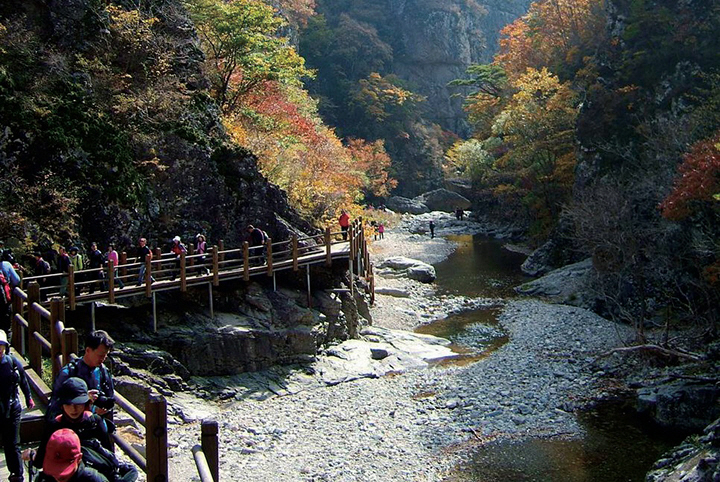 2
2
-
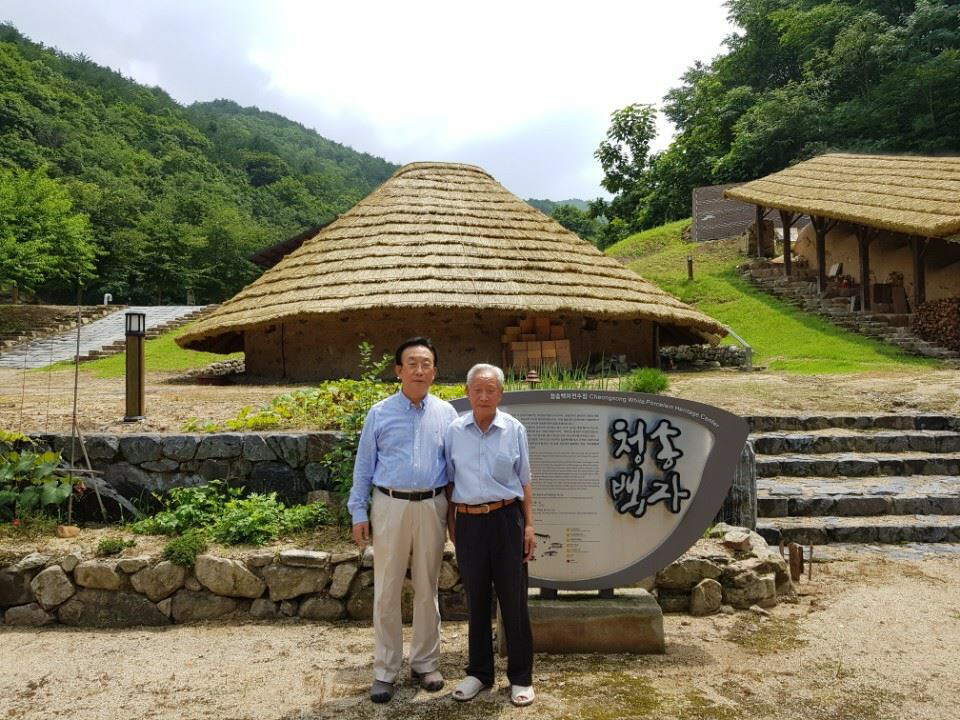 3
Cheongsong Baekja Training CenterAn exhibition hall showcasing the production process and works of Cheongsong white porcelain.
3
Cheongsong Baekja Training CenterAn exhibition hall showcasing the production process and works of Cheongsong white porcelain.
Food & Dining 3
-
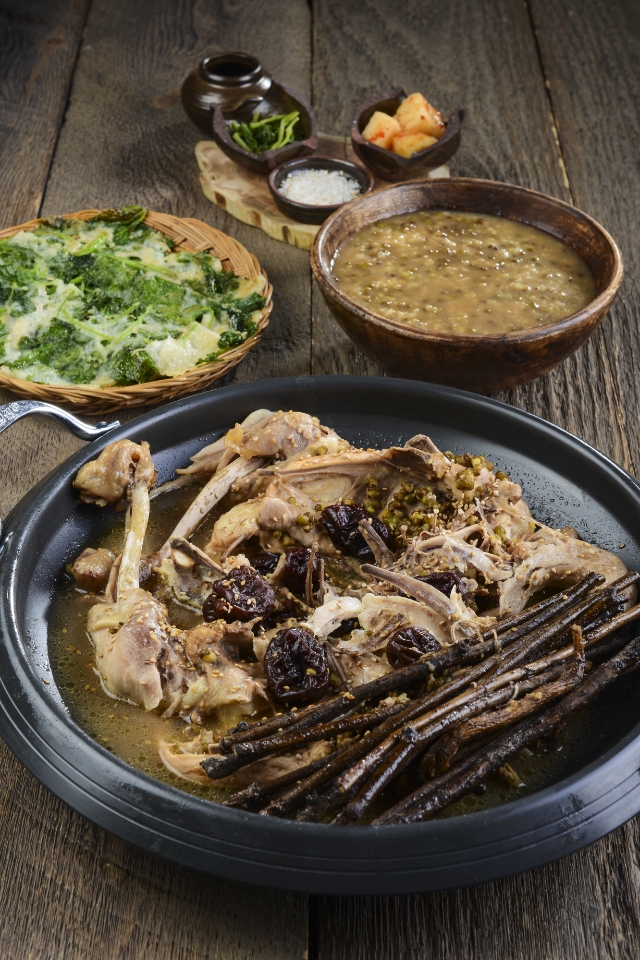 4
Juwangsan Cheongsol RestaurantA Korean restaurant serving wild vegetable bibimbap and set meals featuring grilled deodeok root.
4
Juwangsan Cheongsol RestaurantA Korean restaurant serving wild vegetable bibimbap and set meals featuring grilled deodeok root. -
 5
5
-
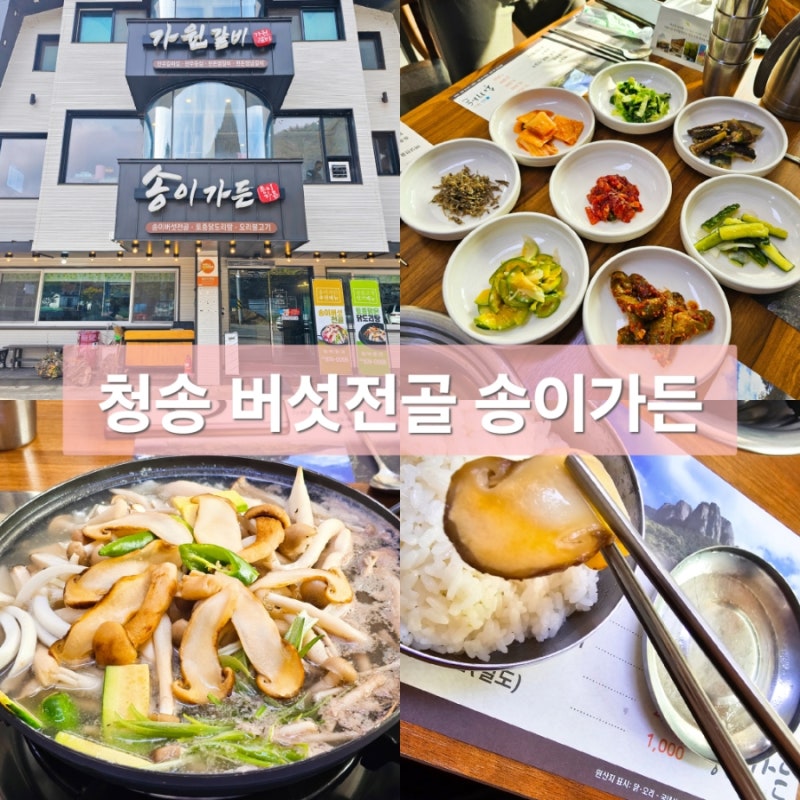 6
6
Events in This Area
Festivals in This Area
More Travel Guides in This Area
 Travel Guide
Cheongsong Jusanji, Where 1720 Waterways and Old Willow Trees Remain
 Travel Guide
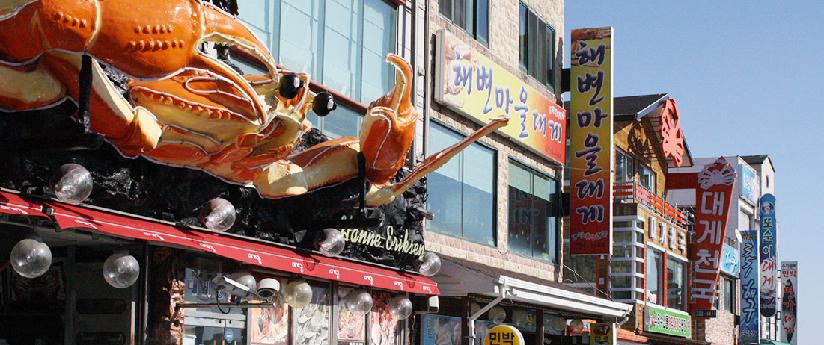
How to See the Auction Market and Restaurant District Together at Ganggu Port’s Snow Crab Street
 Travel Guide
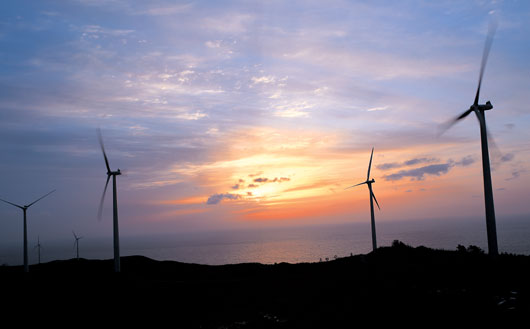
The Changpo-ri Hills of Yeongdeok, Where 24 Giant Blades Meet the East Sea Wind
 Travel Guide
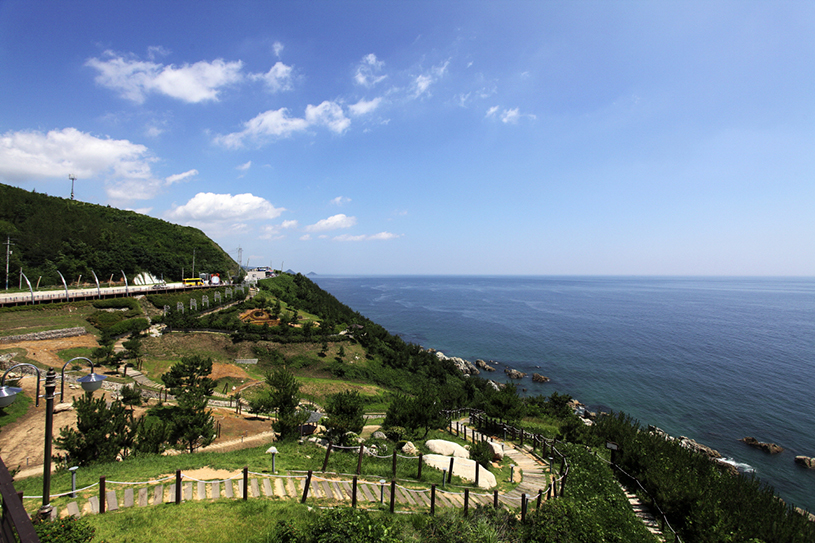
Yeongdeok Sunrise Park, Where a Snow Crab Claw Lighthouse Meets 1,500 Steps
Korea News
 News
News
‘NewJeans Expulsion’ Danielle Releases Her First YouTube Video… “We Don’t Know What Will Happen Next”
![aespa’s North American Tour Has Remaining Seats Despite ‘$49’ Bargain Prices… A Stark Popularity Gap with KATSEYE [TEN Starfield]](https://kotourlive-images.s3.ap-northeast-1.amazonaws.com/news/1788485037424_a59b1932_naver_rank_thumb_0000774618_1788485037424.jpg) News
News
aespa’s North American Tour Has Remaining Seats Despite ‘$49’ Bargain Prices… A Stark Popularity Gap with KATSEYE [TEN Starfield]
![[Photo] TWICE’s Dahyun attends a film festival red carpet as an actress](https://kotourlive-images.s3.ap-northeast-1.amazonaws.com/news/1788485316508_edd43ecd_news_870a60a6-6f11-4d73-aa7c-48d91318a0f7.jpg) News
News
[Photo] TWICE’s Dahyun attends a film festival red carpet as an actress
![[On-Site Video] “We’re Departing Separately Together”… BIGBANG Begins ‘COSMOS’ World Tour](https://kotourlive-images.s3.ap-northeast-1.amazonaws.com/news/1788485226518_c5719641_news_fdd4764a-0f4e-4968-8e4e-e98a02872f88.jpg) News
News