Encounter the Maegoe Museum in Gamgok Catholic Church’s Old Rectory
The Maegoe Museum is a Catholic history museum located inside Gamgok Catholic Church in Eumseong, North Chungcheong Province. It opened in October 2002 after the old rectory, built in 1934, was renovated. After viewing artifacts from the 1914 Eucharistic procession, a 1906 edition of the Summary of the Bishop’s Teachings, and parish photo collections, visitors can also explore Gamgok Maegoe Shrine Church and the mural-covered walls of Maesan Village.

I’ve been here?
Your check-in helps the next traveler.
No one has checked in yet Be the first
One tap — no writing needed
How the 1934 Former Priests’ Residence Became the Maegoe Museum
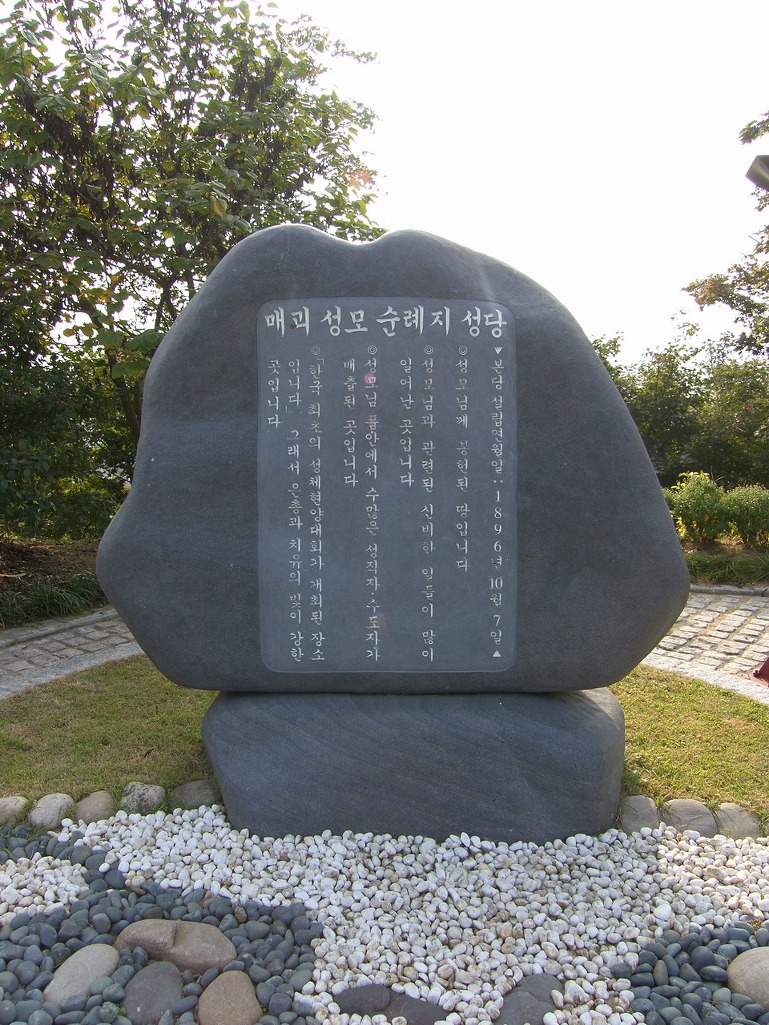
The Maegoe Museum is located inside Gamgok Catholic Church in Gamgok-myeon, Eumseong-gun, Chungcheongbuk-do. Gamgok Parish was established on September 17, 1896, and was originally called Janghowon Parish. The current museum building was created by renovating the former priests’ residence built in 1934, and the museum opened in October 2002.
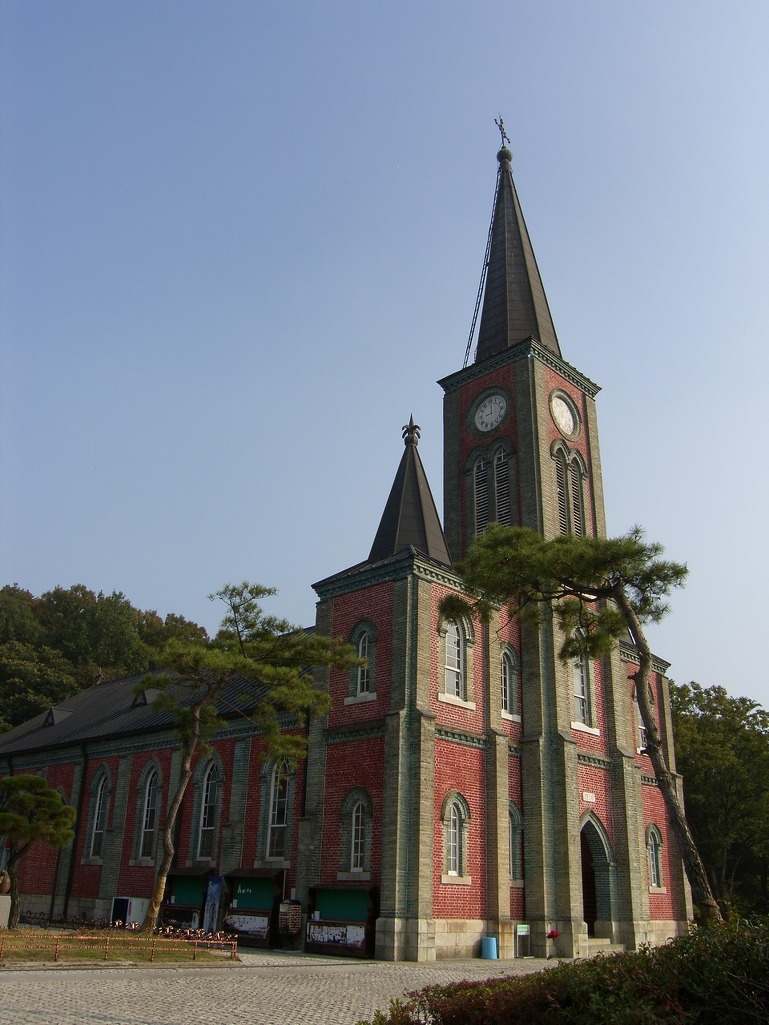
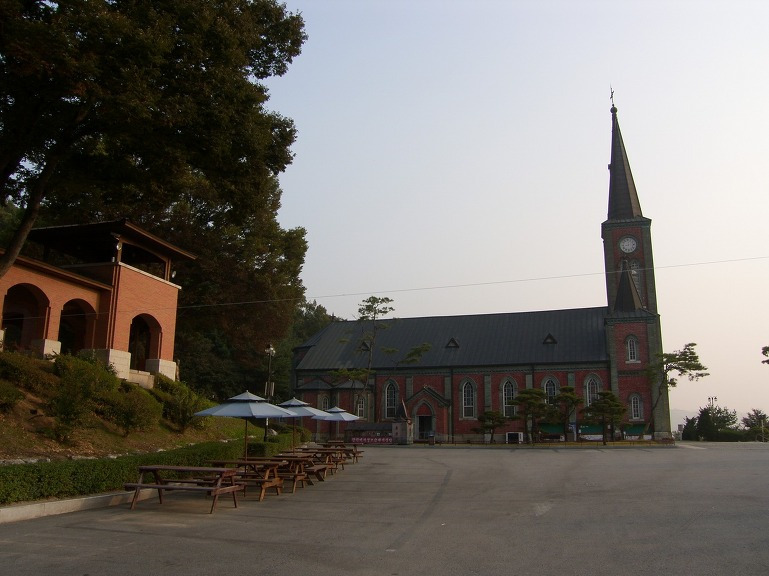
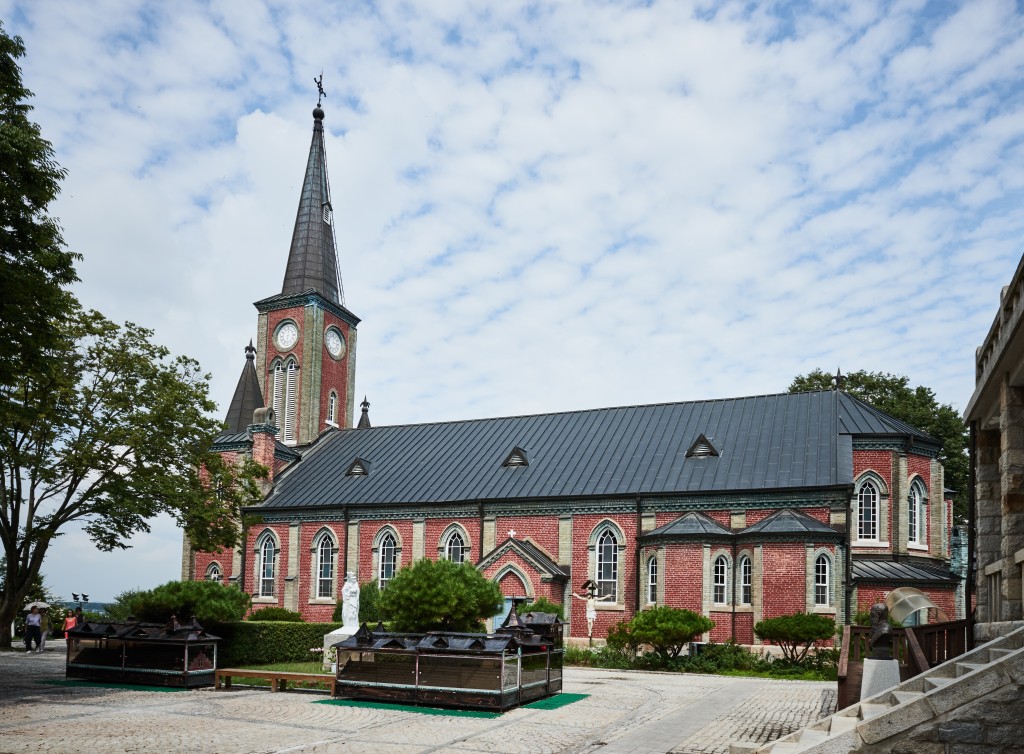
Understanding the changes in Gamgok Catholic Church’s spaces helps explain the museum’s location. Gamgok Parish began constructing a new church in 1903 and completed it in September 1904. The building at that time covered approximately 80 pyeong and combined Korean traditional and Western architectural styles. The current Gothic brick church was newly constructed and dedicated on October 7, 1930, and its central bell tower is described as 36.5 m high.
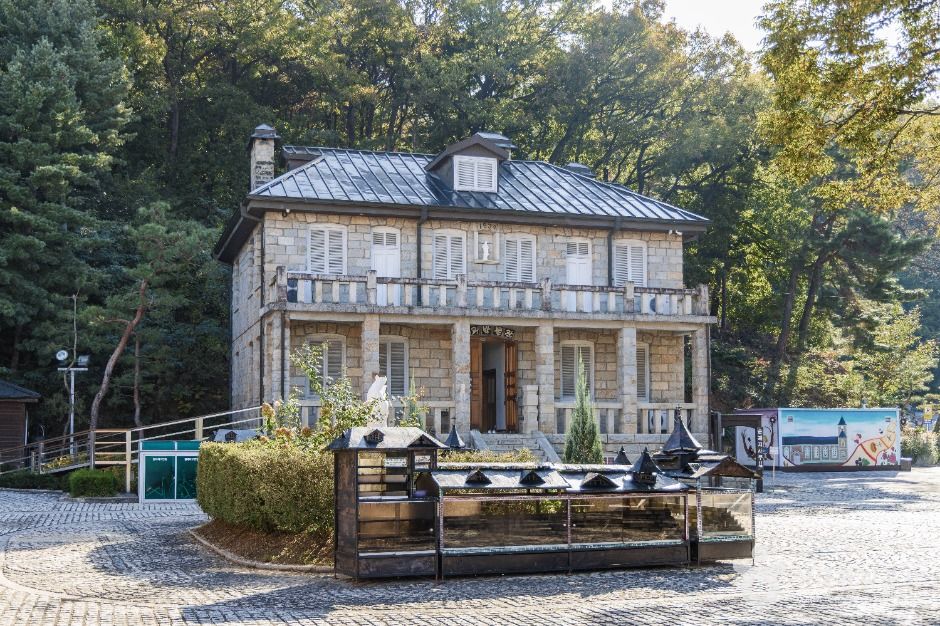
Reading Gamgok Parish’s Social History through More Than 50 Exhibits
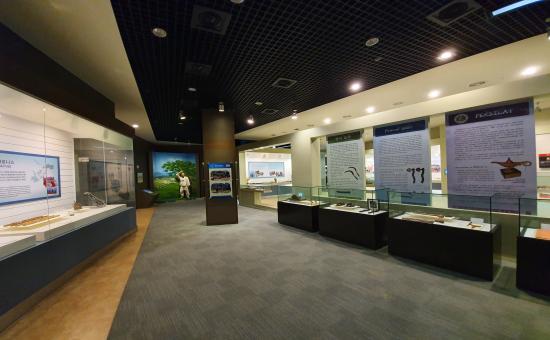
The exhibition rooms display historical artifacts and materials from Gamgok Parish. More than 50 exhibition items are presented, including photographs outlining the parish’s history. The exhibits are not limited to objects used for worship; they also include liturgical equipment and books used by missionaries, as well as a bank game board and playing cards, showing traces of daily life at the time.
More than 250 artifacts are stored in the collection room, which is described as having constant-temperature and humidity-control facilities. Each artifact has been organized with an assigned artifact number, making this a suitable place for visitors who wish to examine even the uses and preservation methods of small objects.
1914 Eucharistic Procession Artifact and the 1906 Edition of the Principal Doctrines of the Bishop
A particularly notable exhibit at the Maegoe Museum is a monstrance said to have been used since the first Eucharistic procession in Korea in 1914. The gold vestments, stole, and shoes used together at the time are also introduced as exhibited artifacts. At Gamgok Parish, Eucharistic processions began in 1914 at Maesan, meaning “Hill of Roses.”
The documentary materials include the 1906 edition of Jusyo Yoji, written by the martyr Jeong Yak-jong Augustine. Since clothing, liturgical equipment, documents, and photographs can all be viewed in one space, it is worthwhile to read the traces of Gamgok Parish’s religious life and the local community in the exhibition rooms rather than simply viewing the church architecture and moving on.
The Eucharistic Adoration Room in the Third-Floor Attic Requires a Separate Visit
The Eucharistic adoration room in the third-floor attic is introduced as a space that is easy to miss during a museum visit. It is described as the Eucharistic adoration room of the church where Korea’s first Eucharistic procession was held, showing the religious significance of Gamgok Catholic Church in a way different from the artifacts in the general exhibition rooms.
However, the publicly available information does not confirm the staircase layout, wheelchair or stroller accessibility, the opening range of all spaces, or photography restrictions. As this is a religious space, the visitor route may change during worship or Eucharistic adoration. Visitors who wish to see the third-floor space should inquire before setting out. The museum contact numbers listed in different sources are 043-881-2809 and 043-881-2808.
Visiting Hours Differ between “Open at All Times” and 9:30 a.m. Information
Some sources describe the Maegoe Museum as open at all times, while others list its hours as 9:00–18:00, so confirmation is necessary before visiting. Some sources also state that admission is free.
Other sources list the hours as 9:00–18:00, so operating hours and closing days should be confirmed before visiting. The contact number listed in tourism information is 043-881-2809, while Chungbuk Nadri lists 043-881-2808. Visitors arriving on a Monday or late in the afternoon should contact the museum first to avoid a wasted trip.
494 m from Gamgok Terminal and a Six-Minute Walk from Wangjang-ri
For visitors from outside the area, Gamgok Terminal or Gamgok Intercity Bus Terminal is an easy arrival reference point. Each terminal is about an eight-minute walk from the Maegoe Museum, at a distance of approximately 494–495 m. The closer stops are Wangjang-ri, listed as about a six-minute walk and 353 m away, and Wangjang 3-ri, about a six-minute walk and 395 m away.
The Gamgok Terminal Departure stop is about a six-minute walk and 347 m away, while the Gamgok Nonghyup stop is about a seven-minute walk and 406 m away. At Gamgok Janghowon Station, rural buses toward Gamgok-myeon and Geumwang-eup can reportedly be taken in front of Exit 2, but the connecting route and transfer method to the museum have not been confirmed. Bus route numbers and service intervals are also not available in the published information, so it is more practical to prioritize travel to the terminal rather than heading directly from the railway station.
Free Admission, Parking, and Preparations before Departure
Admission is listed as free, and the site is described as having parking. However, parking fees and the number of parking spaces have not been confirmed. Even with free admission, the areas visitors can actually enter may vary depending on church events or religious ceremonies. The address is 10 Seongdang-gil, Gamgok-myeon, Eumseong-gun, Chungcheongbuk-do, and the postal code is 27602.
The address given for the official website is https://www.maegoe.com/. Information about English guidance, audio guides, cash or card payments, photography permissions, and wheelchair or stroller accessibility has not been confirmed. Foreign visitors should save the address and telephone number on their phones and prepare clothing suitable for quietly viewing the church.
A Short Route Connecting the Church at 0 m and the 22 m Village Wall Mural
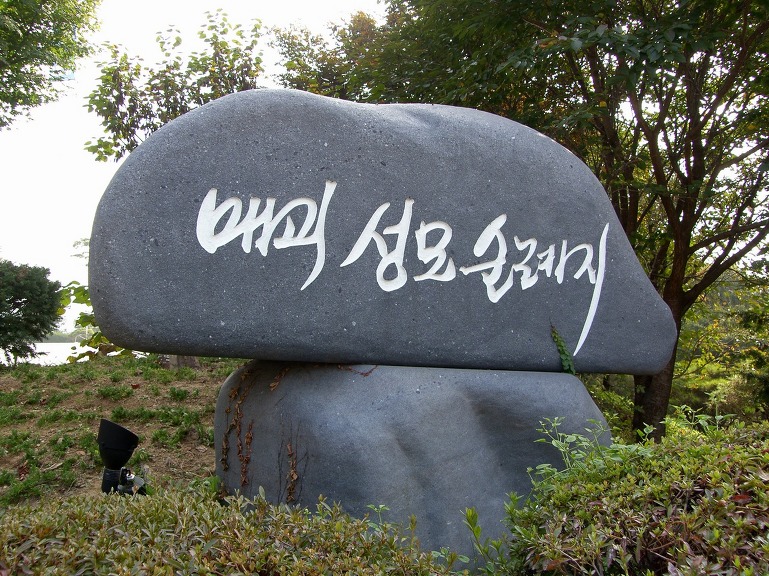
The Maegoe Museum is listed as being within 0 m of Gamgok Maegoe Shrine of Our Lady Church, allowing the two sites to be treated as essentially one visiting route. After leaving the museum, examining the church exterior and the areas open for interior viewing makes it easy to understand on site the relationship between Gamgok Parish, established in 1896, and the present church, dedicated in 1930.
Maesan Village Wall Mural is listed as being within 22 m of the museum, so it can be visited next without moving by car. If you have more time, Janghowon Traditional Market is approximately 1,137 m away, and the main branch of Dalgeoni Haejangguk is approximately 2,365 m away. Janghowon Traditional Market is described as being held on the 4th and 9th days of the month, so coordinating the market days with the museum’s operating schedule can simplify the route.
Before You Go
- Address
- 10 Seongdang-gil, Gamgok-myeon, Eumseong-gun, Chungcheongbuk-do
- Hours
- Some sources state that it is open at all times, while others list 9:00–18:00; confirmation is required before visiting
- Closed
- Operating hours and closing days may differ between sources; confirmation is required before visiting
- Admission
- Free
- Phone
- 043-881-2809
- Official site
- https://www.maegoe.com/
- Transport
- Near Gamgok Terminal and Gamgok Intercity Bus Terminal. About an eight-minute walk (approximately 494–495 m) from the Gamgok Terminal and Gamgok Intercity Bus Terminal stops, and about a six-minute walk (approximately 353–395 m) from the Wangjang-ri and Wangjang 3-ri stops. Information states that rural buses toward Gamgok-myeon may be available in front of Exit 2 of Gamgok Janghowon Station, but the connecting route and transfer method to the Maegoe Museum could not be confirmed on the official page.
- Parking
- Parking is listed as available. Parking fees and the number of spaces could not be confirmed
The information above is current as of the time of writing. Check the official information again before visiting.

Places
Nearby Attractions 1
-
 1
Gamgok Maegoe Catholic Church and ShrineA place to explore a Gothic church and a Marian pilgrimage space.
1
Gamgok Maegoe Catholic Church and ShrineA place to explore a Gothic church and a Marian pilgrimage space.
Food & Dining 3
-
 2
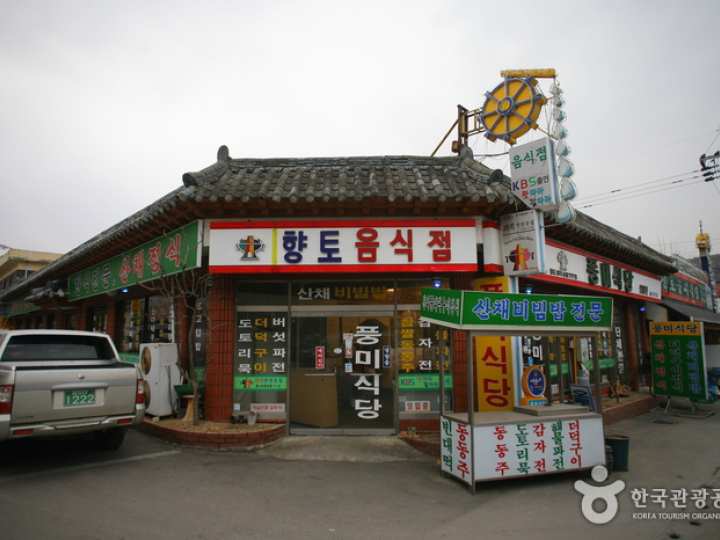
Pungmi SikdangA local restaurant serving meat dishes such as samgyeopsal (pork belly) and Korean-style beef bulgogi.
2
Pungmi SikdangA local restaurant serving meat dishes such as samgyeopsal (pork belly) and Korean-style beef bulgogi. -
 3
Dalgeoni Haejangguk Main BranchA restaurant serving haejangguk, including blood sausage soup, dried radish greens soup, and offal soup.
3
Dalgeoni Haejangguk Main BranchA restaurant serving haejangguk, including blood sausage soup, dried radish greens soup, and offal soup. -
 4
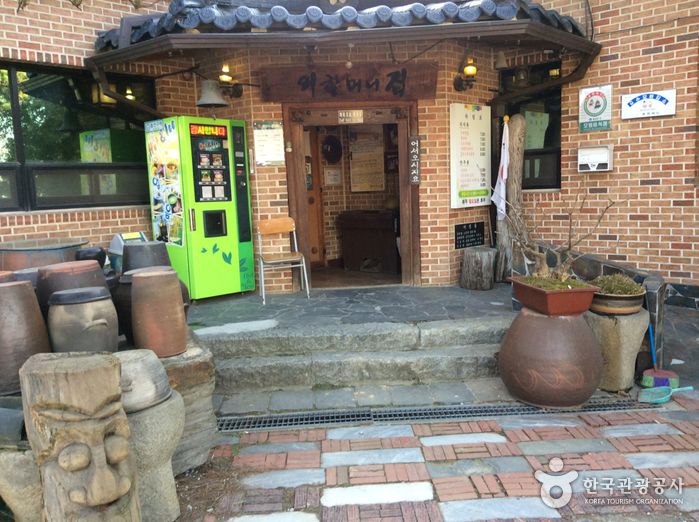
Oehalmeoni-jip Main BranchA restaurant serving traditional Korean dishes such as handmade tofu hot pot, soft tofu, and cheonggukjang.
4
Oehalmeoni-jip Main BranchA restaurant serving traditional Korean dishes such as handmade tofu hot pot, soft tofu, and cheonggukjang.
Events in This Area
Festivals in This Area
More Travel Guides in This Area
 Travel Guide
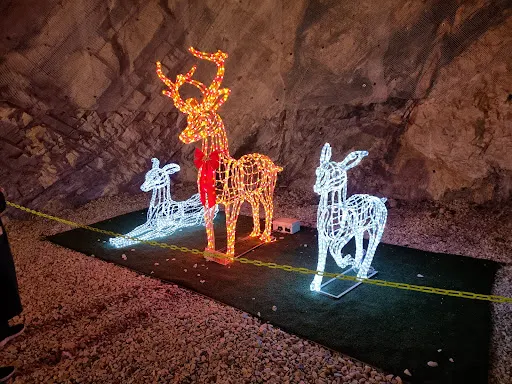
A Glass-Bottom Boat at Hwalok Cave, 57 km from the End of the Mine
 Travel Guide
Reading Taekkyeon and World Martial Arts Under One Roof at the Chungju World Martial Arts Museum
 Travel Guide
Jincheon Nongdari: A 93.6 m Stone Bridge and Walks around Chopyeongho Lake
 Travel Guide
Jodong-ri Prehistoric Site Museum by the Namhangang River
Korea News
![BLACKPINK’s Lisa Dominates the VMA Red Carpet in a Sheer Corset Dress and Red Fur [Star Issue]](https://kotourlive-images.s3.ap-northeast-1.amazonaws.com/news/1790557894714_010e956a_news_94409db1-fab6-40bf-bc7b-4b985b1fbac7.jpg) News
News
BLACKPINK’s Lisa Dominates the VMA Red Carpet in a Sheer Corset Dress and Red Fur [Star Issue]
![BLACKPINK’s Jisoo Spotted by Surprise with BIGBANG in London… Their Special Loyalty as Labelmates [IS High Cut]](https://kotourlive-images.s3.ap-northeast-1.amazonaws.com/news/1790557854683_6ea979f5_news_caab62e5-8462-43c8-8622-da794f3df9de.png) News
News
BLACKPINK’s Jisoo Spotted by Surprise with BIGBANG in London… Their Special Loyalty as Labelmates [IS High Cut]
 News
News
Tattoos All Over Her Body… AOA’s Jimin Draws Shocked Attention After Kwon Mina’s ‘Bullying’ Allegations
![You’ll Have to Look Twice… Choi Min-a-soo Perfectly Pulls Off Everything from a Daring Illusion Dress at the Awards Ceremony to Long Braided Hair [RE:STAR]](https://kotourlive-images.s3.ap-northeast-1.amazonaws.com/news/1790492384850_1f293dad_news_d834c50e-0685-43ef-9aa5-6995cd6d8848.jpg) News
News