Jodong-ri Prehistoric Site Museum by the Namhangang River
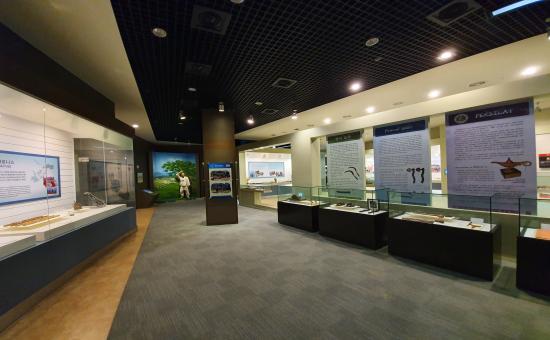
The Jodong-ri Prehistoric Site, approximately 3 km from Chungju Dam, comprises house sites and habitation remains from the Neolithic and Bronze Ages. At the free museum, visitors can see comb-pattern pottery, farming and fishing tools, and reconstructed house sites, while also checking bus, parking, and closure information needed for their visit.

I’ve been here?
Your check-in helps the next traveler.
15 people viewed this week Be the first
One tap — no writing needed
Jodong-ri archaeological site remaining downstream of the Namhangang River, about 3 km from Chungju Dam
The Jodong-ri Prehistoric Site Museum is located at 15 Jodong 1-gil, Dongnyang-myeon, Chungju-si, Chungcheongbuk-do. The site was formed about 3 km downstream from Chungju Dam along the lower Namhangang River and is described as a group settlement where people lived during the Neolithic and Bronze Ages.
The entire site covers 8,811㎡ and is broadly divided into three areas. It is considered the oldest Neolithic site identified in Chungcheongbuk-do, and the museum allows visitors to view the site and excavated artifacts indoors.
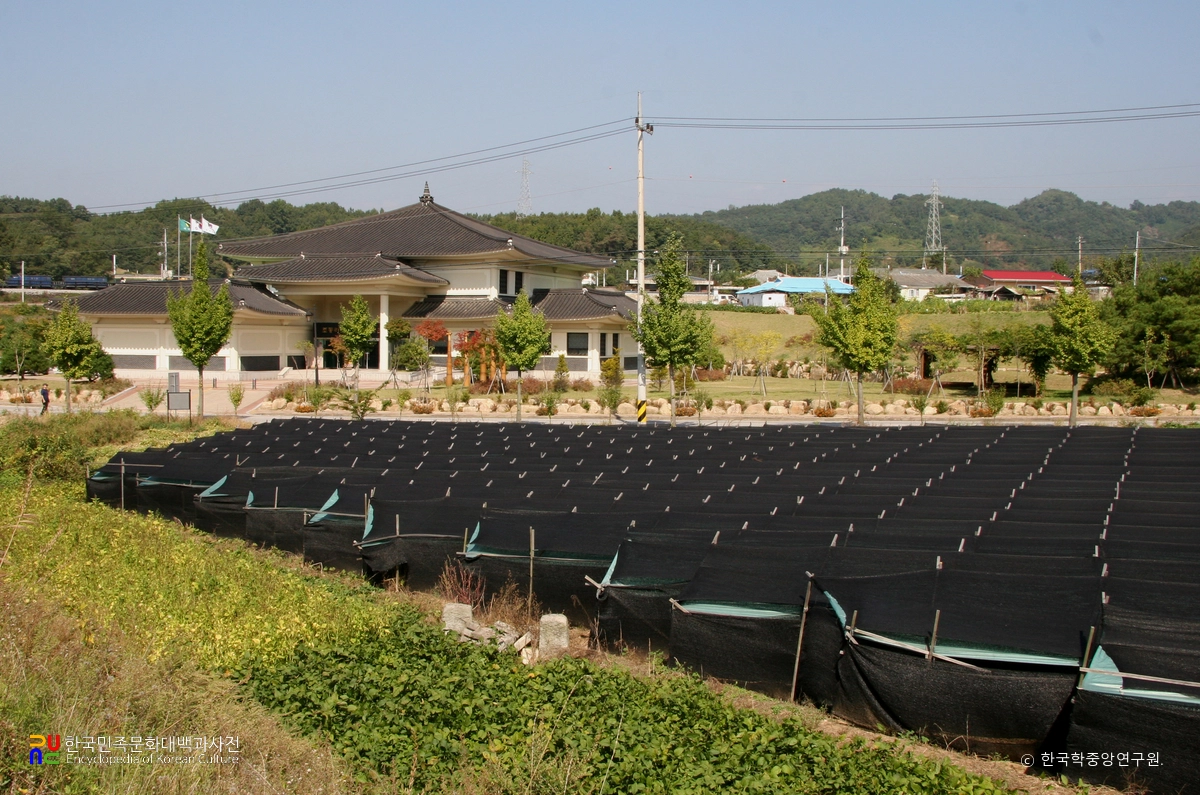
Comb-pattern pottery and traces of daily life revealed by the heavy rains of 1990
The existence of the Jodong-ri site became known after torrential rain on September 10, 1990. As sedimentary layers along the banks of the Namhangang River were eroded, artifacts such as comb-pattern pottery, ground stone daggers, and stone axes appeared on the surface.
The Chungbuk National University Museum conducted three excavation surveys from March 1996 through 2000. The site was designated a Chungcheongbuk-do Monument on October 25, 2002, and the museum building was completed in February 2005 before opening on November 9, 2005.
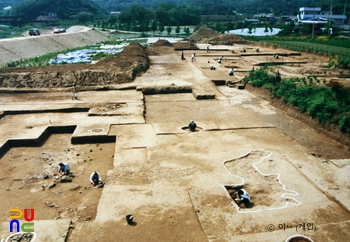
An exhibition presenting everything from rice grains to net sinkers in the Neolithic layers
The cultural layers of the site consist of upper and lower Neolithic layers and Bronze Age layers. Comb-pattern pottery, stone axes, net sinkers, and rice grains were excavated from the Neolithic cultural layers, and more than ten types of patterns were identified on the pottery, including short oblique-line and fishbone patterns.
The absolute date of charcoal samples from the lower Neolithic layer was measured at 5,295±545 B.P. The museum’s official information gives the date of the fire-cracked feature in the Neolithic layer as 6,200 bp and also introduces half-moon stone knives, stone hoes, and net sinkers that illustrate farming and fishing life.
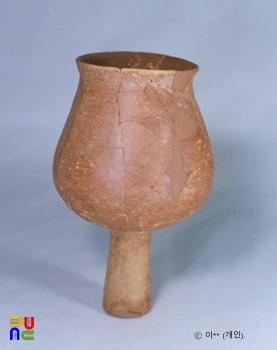
How to interpret six Bronze Age house sites and 17 fire features
The Bronze Age layer revealed a total of 35 features, including six house sites, 17 fire features, 11 pit features, one stone mound, and one modern well. According to the museum’s official information combined, a total of 87 features were investigated at the Jodong-ri site.
The house sites have four shapes: square, elongated rectangular, oval, and round. The 17 fire features are divided into pit, stone-mound, and stone-ring types. The date of House Site No. 1 in the upper Bronze Age layer is 2,700±165 B.P., while Fire Feature No. 1 dates to 2,995±135 B.P.
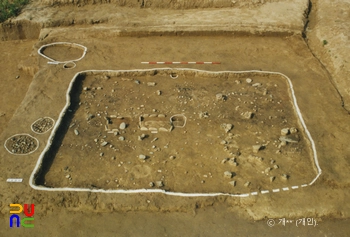
Exhibits to see first in the prehistoric culture room divided into seven sections
The Jodong-ri Prehistoric Culture Room is divided into seven sections. Section 2 presents a prehistoric-era timeline and prehistoric sites in East Asia and Korea, while Section 3 introduces Paleolithic, Neolithic, and Bronze Age cultural sites in the Jungwon region.
Section 4 covers the geological layers, excavation process, and features of the Jodong-ri site, while Section 5 contains a restored and recreated Jodong-ri village house site. Section 6 compares artifacts related to residential life, farming, art, and fishing, making it efficient to view the reconstructed house site in Section 5 together with the daily-life artifacts in Section 6.
Free admission from 09:00 to 18:00; closed on Mondays and public holidays
According to public tourism information, opening hours are 09:00–18:00 and admission is free. The museum is closed every Monday, January 1, and during the Seollal and Chuseok holiday periods. The contact telephone number is 043-850-3991, and the official website is https://www.chungju.go.kr/museum, the Chungju Jodong-ri Prehistoric Site Museum information page.
Personal reviews mention a viewing time of approximately 30 minutes to one hour. The museum has restrooms, and the site and an observatory are listed among the available facilities, but the admission closing time, availability of English information or an audio guide, and photography restrictions could not be confirmed from publicly available information.
Traveling from downtown Chungju by buses 312, 315, or 316
Chungju City’s official information recommends taking buses 312, 315, or 316 to reach the Jodong-ri Prehistoric Site Museum. Public museum information states that city buses run at one-hour intervals and take 30 minutes from downtown, so bus passengers should consider the service interval and plan their return trip in advance.
The address is 15 Jodong 1-gil, Dongnyang-myeon, Chungju-si, Chungcheongbuk-do, and Chungju City’s official information also lists the lot-based address as 1370-1 Jodong-ri, Dongnyang-myeon. No separate station name or exit number, nor the walking distance from the alighting bus stop to the museum, could be confirmed. Parking is listed differently as 28 spaces in Chungju City’s official information and 12 spaces in public tourism information; parking fees could not be confirmed.
- Opening hours: 09:00–18:00
- Closed: Every Monday, January 1, and the Seollal and Chuseok holiday periods
- Admission: Free
- Contact: 043-850-3991
- Buses: 312, 315, and 316
- Viewing time: Approximately 30 minutes to 1 hour
- Stroller rental: Not available
Before You Go
- Address
- 15 Jodong 1-gil, Dongnyang-myeon, Chungju-si, Chungcheongbuk-do
- Hours
- 09:00–18:00
- Closed
- Every Monday, January 1, and the Seollal and Chuseok holiday periods
- Admission
- Free
- Phone
- 043-850-3991
- Official site
- https://www.chungju.go.kr/museum
- Transport
- Chungju City’s official information: Take buses 312, 315, or 316. Public museum information: City buses run at one-hour intervals and take 30 minutes from downtown.
- Parking
- 28 spaces according to Chungju City’s official information; 12 spaces according to public tourism information
- Time needed
- Approximately 30 minutes to 1 hour based on reviews
- Accessibility
- No stroller rental. Ramps, stairs, and wheelchair accessibility could not be confirmed.
The information above is current as of the time of writing. Check the official information again before visiting.

Places
Nearby Attractions 2
-
 1
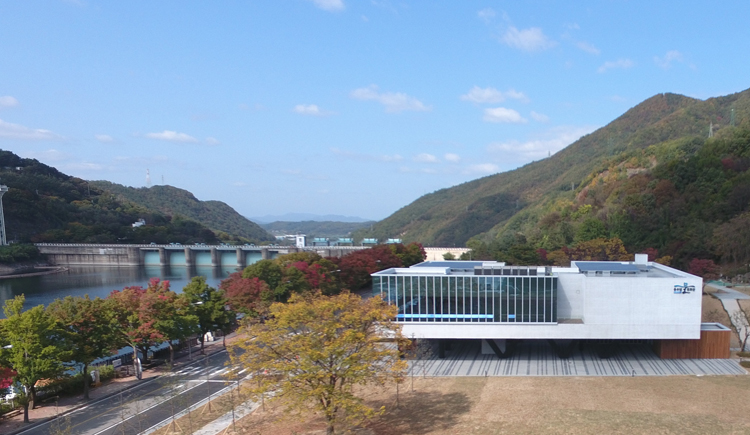
Chungju Dam Water Culture HallExhibits on the principles of Chungju Dam and water-related materials.
1
Chungju Dam Water Culture HallExhibits on the principles of Chungju Dam and water-related materials. -
 2
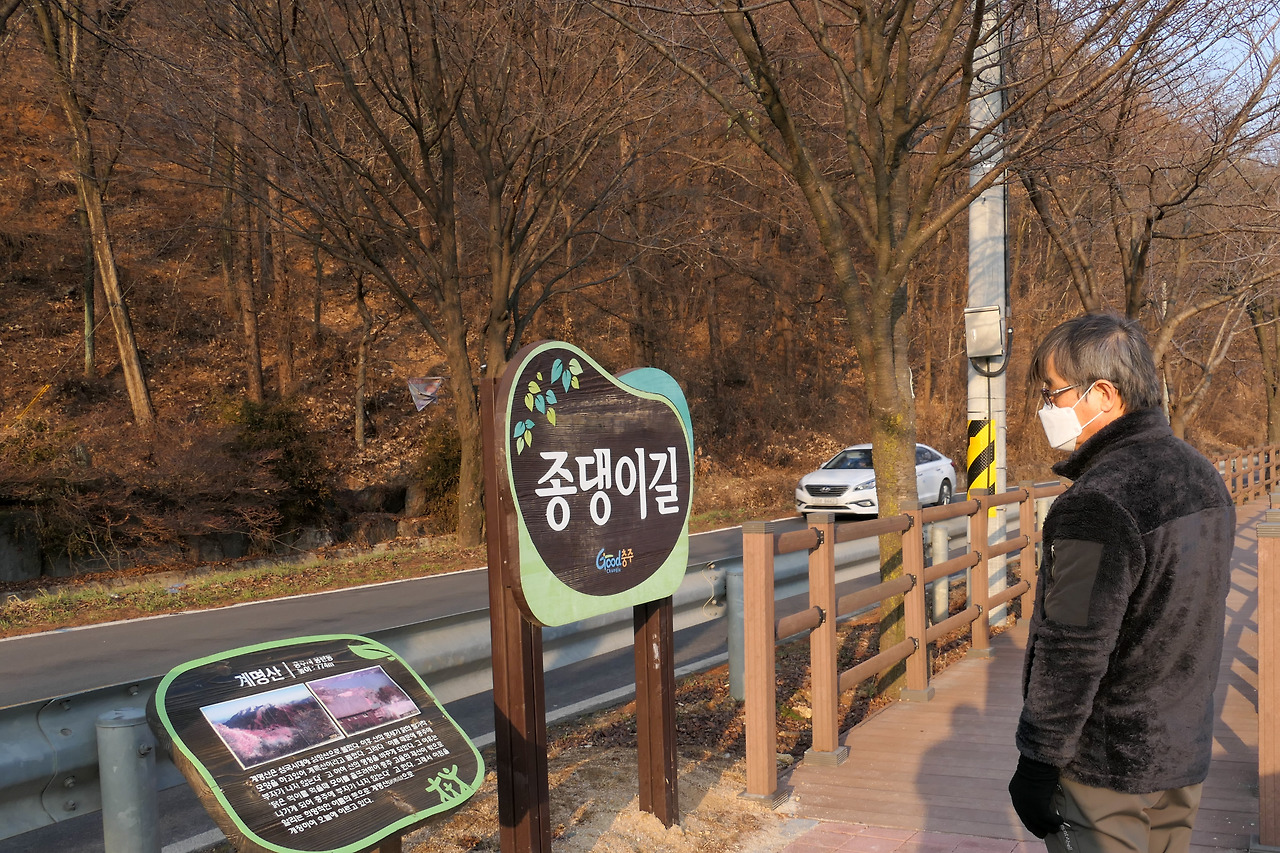
Chungju Lake Jondaengi-gil TrailA lakeside walking trail along Chungju Lake and Simhangsan Mountain.
2
Chungju Lake Jondaengi-gil TrailA lakeside walking trail along Chungju Lake and Simhangsan Mountain.
Food & Dining 3
-
 3
3
-
 4
4
-
 5
5
Events in This Area
Festivals in This Area
More Travel Guides in This Area
 Travel Guide
Reading Taekkyeon and World Martial Arts Under One Roof at the Chungju World Martial Arts Museum
 Travel Guide
Chungju Taekkyeon Center at the Hoamji Hanok Training Center
 Travel Guide
A Glass-Bottom Boat at Hwalok Cave, 57 km from the End of the Mine
 Travel Guide
Learning to Make Omija Ferment in a Closed-School Classroom at Gongjeon Nature School in Jecheon
Korea News
![BLACKPINK’s Lisa Dominates the VMA Red Carpet in a Sheer Corset Dress and Red Fur [Star Issue]](https://kotourlive-images.s3.ap-northeast-1.amazonaws.com/news/1790557894714_010e956a_news_94409db1-fab6-40bf-bc7b-4b985b1fbac7.jpg) News
News
BLACKPINK’s Lisa Dominates the VMA Red Carpet in a Sheer Corset Dress and Red Fur [Star Issue]
![BLACKPINK’s Jisoo Spotted by Surprise with BIGBANG in London… Their Special Loyalty as Labelmates [IS High Cut]](https://kotourlive-images.s3.ap-northeast-1.amazonaws.com/news/1790557854683_6ea979f5_news_caab62e5-8462-43c8-8622-da794f3df9de.png) News
News
BLACKPINK’s Jisoo Spotted by Surprise with BIGBANG in London… Their Special Loyalty as Labelmates [IS High Cut]
 News
News
Tattoos All Over Her Body… AOA’s Jimin Draws Shocked Attention After Kwon Mina’s ‘Bullying’ Allegations
![You’ll Have to Look Twice… Choi Min-a-soo Perfectly Pulls Off Everything from a Daring Illusion Dress at the Awards Ceremony to Long Braided Hair [RE:STAR]](https://kotourlive-images.s3.ap-northeast-1.amazonaws.com/news/1790492384850_1f293dad_news_d834c50e-0685-43ef-9aa5-6995cd6d8848.jpg) News
News