How to Choose a Performance at the Jeonju Korea Traditional Culture Center
The Korea Traditional Culture Center is a multidisciplinary cultural and arts complex in Jeonju that opened in September 2001. It includes Moak Hall, Yeonji Hall, Myeongin Hall, an outdoor performance venue, exhibition halls, and an international conference hall. As it does not have separately established general visiting hours or permanent admission fees, check the performance and exhibition schedule and booking requirements first. From Jeonju Station, you can get there by bus 999 or taxi.

I’ve been here?
Your check-in helps the next traveler.
20 people viewed this week Be the first
One tap — no writing needed
Why a performance, exhibition, and conference venue came together in Jeonju in September 2001
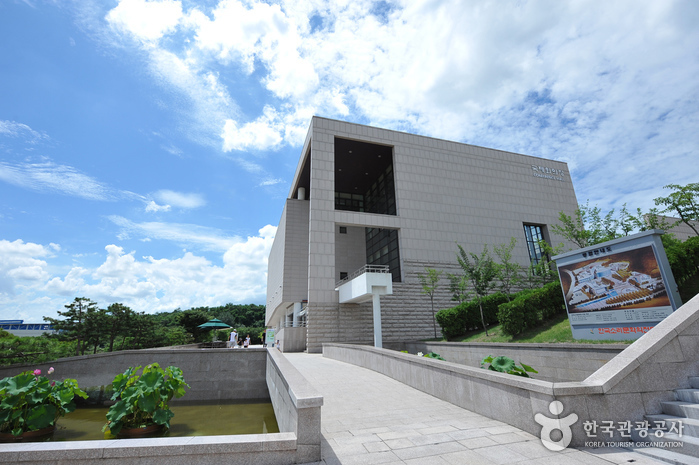
The Sori Arts Center of Jeollabuk-do opened in September 2001. Rather than being designed as an art museum showing only a particular exhibition or a permanent relics museum, it was planned as a complex cultural and arts space operating performances, exhibitions, and conventions together. Its performance spaces include Moak Hall, Yeonji Hall, Myeongin Hall, and an outdoor theater.
According to Jeonju tourism information, the site covers 99,617㎡, with a total floor area of 36,075㎡, and the building has one basement level and three above-ground floors. Therefore, if you expect a small performance venue based only on the address, it is easy to underestimate the actual distance to cover, so first check the name of the venue where your performance is booked.
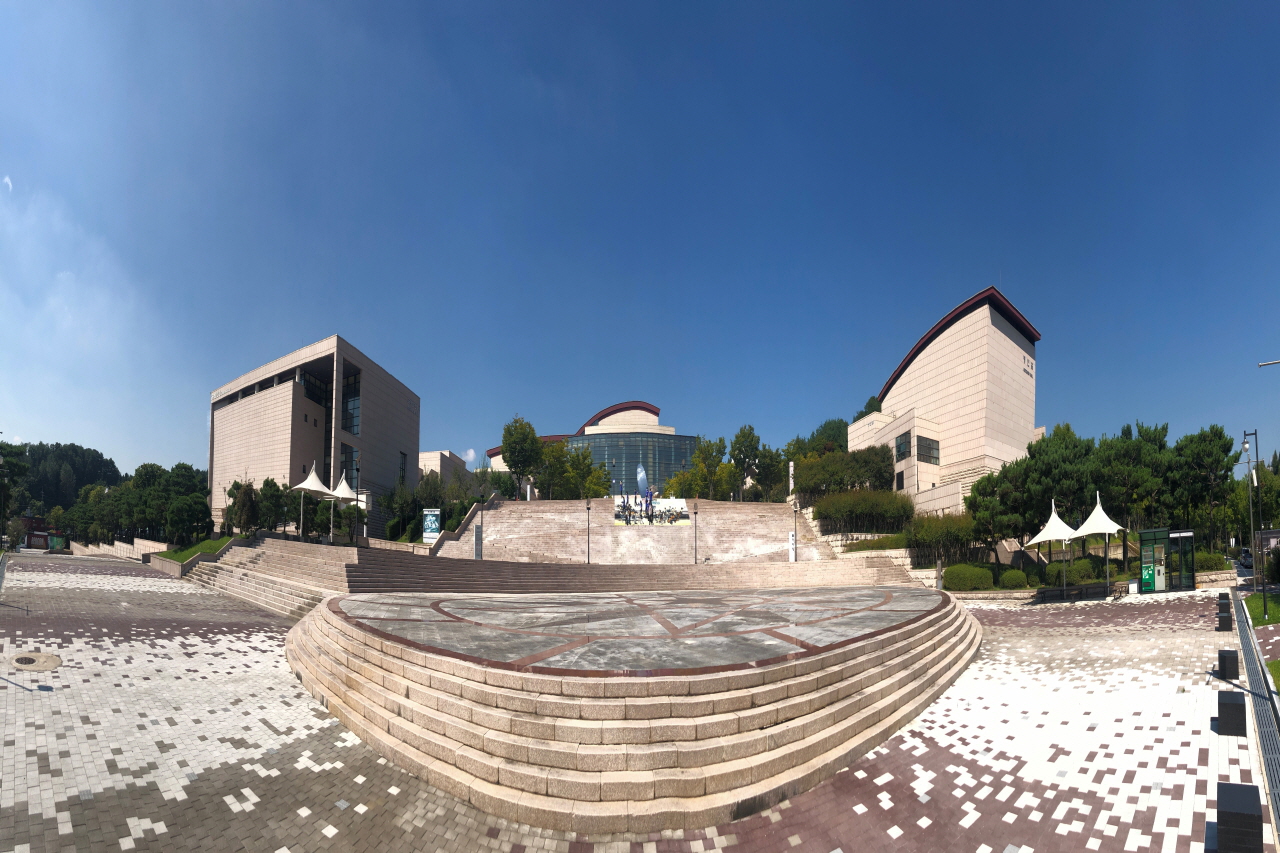
How are Moak Hall’s 2,037 seats different from Yeonji Hall’s 666 seats?
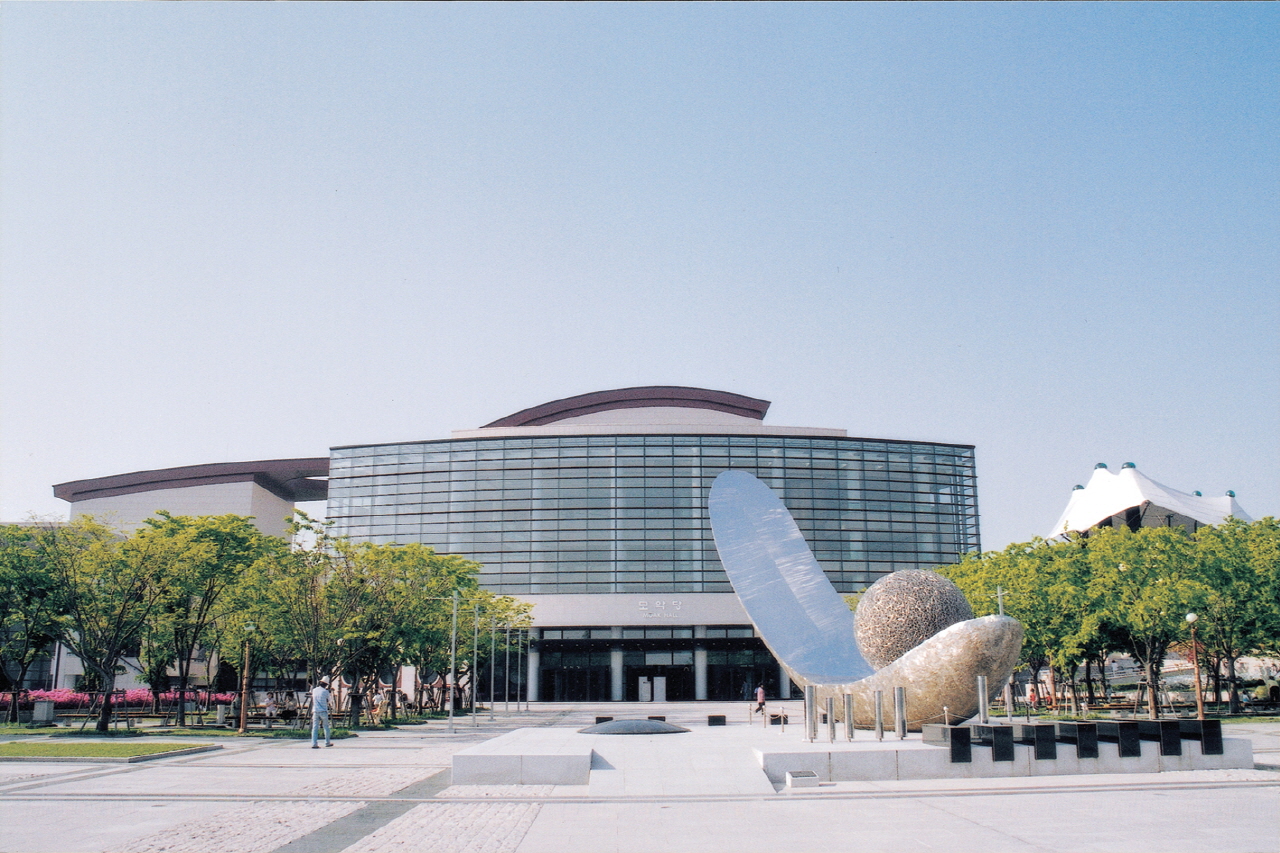
If you booked a large-scale performance, it is likely to be at Moak Hall. Moak Hall is a multipurpose performance venue with three levels and 2,037 seats, accommodating traditional changgeuk, opera, musicals, ballet, contemporary dance, and popular concerts. The official guide also provides functions for checking the seating chart and stage visibility.
Yeonji Hall is a medium-sized theater with two levels and 666 seats. It has a movable lift stage, overhead facilities that can be reconfigured, and state-of-the-art lighting and sound systems, so the seating capacity may differ greatly if you mistake it for a large venue like Moak Hall.
Myeongin Hall’s 206 seats and the 7,000-seat outdoor theater offer different viewing conditions
If you are looking for traditional Korean music, pansori, small-scale music performances, or plays, you can consider Myeongin Hall, which has two levels and 206 seats. Since its seating capacity differs greatly from Moak Hall’s, the auditorium atmosphere and available seats can vary depending on the venue even for the same performance.
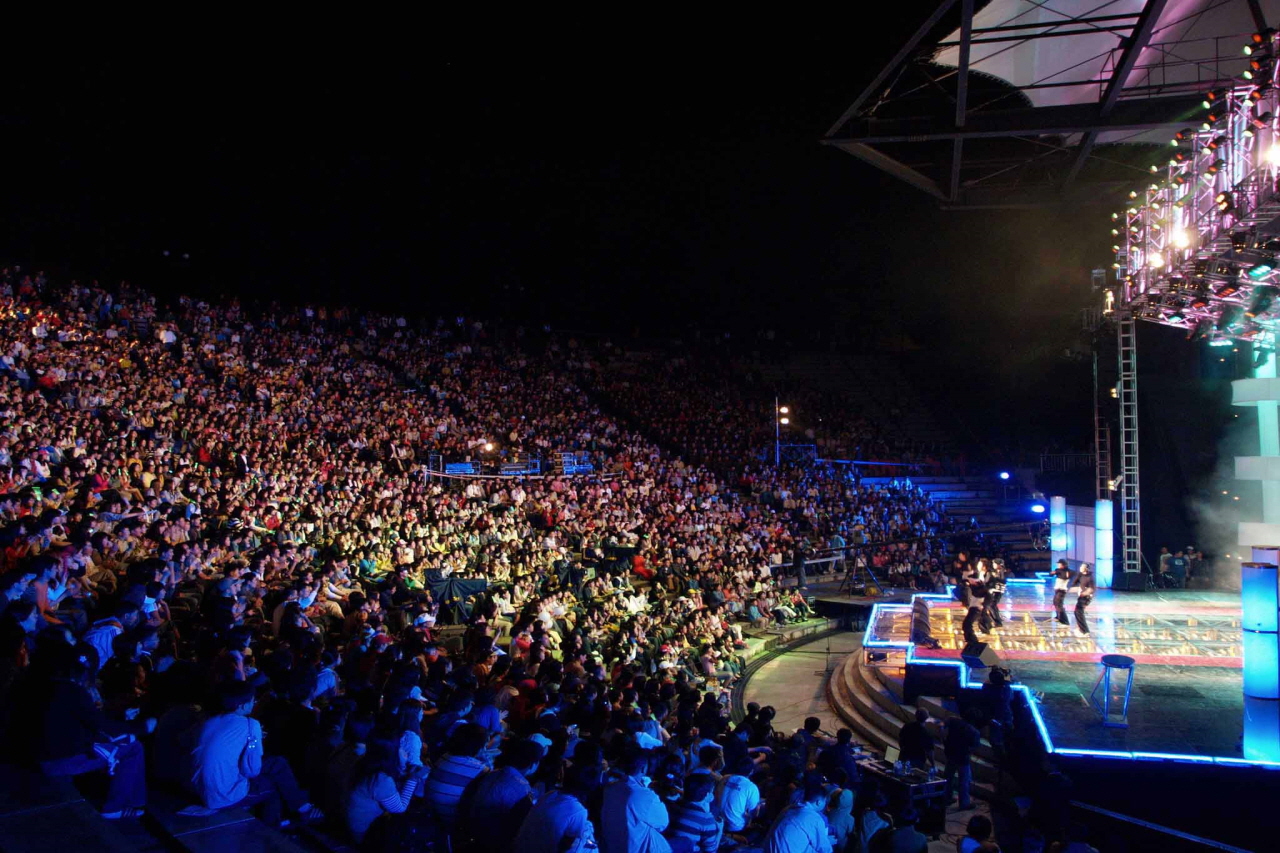
The outdoor theater is an open-air theater with 7,000 seats, and the official description introduces it as a space reminiscent of theaters from ancient Greece and Rome. Behind the stage are three large dressing rooms and preparation areas for performers, but you should check each event’s information to confirm whether the outdoor performance will actually take place and whether there are weather-related restrictions.
An itinerary combining the 1,818㎡ exhibition hall and the multilingual international conference hall
Foreign visitors hoping to see an exhibition when there is no performance should look up the exhibition schedule separately. The exhibition hall has a total area of 1,818㎡, and its rail-type partitions allow the space to be freely arranged, so the interior layout may differ from one exhibition to another.
The international conference hall is equipped for simultaneous interpretation in six languages. You cannot assume that this space and the exhibition hall operate with the same daily visiting hours as the performance venues. The safest approach is to check the event scheduled for your date in the monthly performance and exhibition programs on the official website.
Take bus 999 from Jeonju Station to the Jeonju Zoo stop
When departing from Jeonju Station, the official guide recommends taking bus 999 from the “Dongbu-daero Jeonju Station” stop in front of the station, getting off at the “Jeonju Zoo” stop, and walking 300 m. Bus 999 operates from 06:35 to 22:20, with 18 weekday services.
No publicly available information guarantees the interval between buses to the minute, so it is better to allow extra time if your schedule would have you arrive just before the performance begins. Taxis from the taxi stand in front of Jeonju Station are listed as costing KRW 4,000–5,000, but this fare is subject to change.
Bus 165 requires a 600 m walk from Jeonbuk Ilbo
Another city bus route is bus 165. The directions say to walk 600 m to the “Jeonbuk Ilbo” stop, take the bus, and get off at the “Cheollyeon Park Sori Arts Center” stop. Since its departure route differs from bus 999, which can be taken directly in front of Jeonju Station, enter the stop name exactly as written on a map.
Bus 165 operates from 06:00 to 22:20, with 46 services. Since the real-time interval for either route is not provided in this guide, foreign travelers should start moving before the performance’s stated start time and may find it useful to show the stop names written in Korean.
The Moak Hall central box office closes on Mondays and has a lunch break on Saturdays
The Sori Arts Center of Jeollabuk-do does not provide separate general visiting hours and permanent admission fees applicable to all spaces. Since prices vary by performance and exhibition, open the monthly program on the official website and check the ticket price for each event. The website is https://www.sori21.co.kr, and the main telephone number is 063-270-8000.
In-person booking at the Moak Hall central box office is available Tuesday–Friday from 10:00–18:00; it is closed on Mondays. On Saturdays and public holidays, it is open from 10:00–17:00, with a lunch break from 12:00–13:00. On the day of a performance, the box office at the relevant venue operates from one hour before the performance until 30 minutes after it begins.
- Online booking: 24 hours a day, 365 days a year; no service fee
- General member telephone booking: 1544-1555, weekdays and weekends 09:00–18:00
- Telephone booking fee: KRW 3,000 per ticket
- Paid member telephone booking: 063-270-7875, 063-270-7877
Prepare parking and wheelchair seating before the performance
The parking lot accommodates 683 vehicles in total, divided into 541 above-ground spaces and 142 underground spaces. It operates from 09:00 until one hour after the performance ends, and is free for performance and exhibition visitors. No separate parking fee for general visitors is specified, so distinguish between parking conditions for performance or exhibition visitors and those for other purposes.
Facility information includes a children’s playroom, luggage storage, a cafeteria, and accessibility facilities. Wheelchair users can request wheelchair seating specific to the venue by stating their needs when booking. The relevant inquiry number is 270-7877.
Visitors with disability grades 1–3 and one accompanying person receive a 50% discount, while visitors with grades 4–7 receive a 50% discount for themselves. Residents of Jeonbuk Special Self-Governing Province can receive a 10–30% discount for up to four tickets per performance, but the discount rate for each performance is specified at the time of booking.
What to check first when visiting during the Jeonju International Sori Festival
The Jeonju International Sori Festival is introduced as an event centered on pansori and traditional Korean music, also presenting classical music, jazz, world music, and crossover performances. During the festival, not only indoor venues but also the outdoor theater and Nori Madang may be used as event spaces, so read the venue name and entrance location shown on your ticket separately.
Nori Madang is described as a festival plaza where traditional authenticity and an experimental spirit meet. The center also has a banquet hall with approximately 200 seats and 30 rehearsal rooms, but this does not mean these facilities are always open to the general public. They may not be suitable for simply touring the facilities without a performance, exhibition, or festival-related purpose.
Cancellation deadlines and fees vary by performance, and official ticket sales for the Sori Arts Center of Jeollabuk-do use the NOL ticket system. The publicly available information does not confirm whether English guidance or audio guides are provided, the extent to which photography is permitted, or the exact walking distance from the box office to each venue. Foreign visitors should therefore check the language and visitor information on the event page, along with seating details, before booking.
Before You Go
- Address
- (54901) 31 Sori-ro, Deokjin-gu, Jeonju-si, Jeonbuk Special Self-Governing Province
- Hours
- No unified operating hours for general visitor facilities are provided separately. In-person booking at the Moak Hall central box office: Tuesday–Friday 10:00–18:00; Saturday and public holidays 10:00–17:00, excluding 12:00–13:00; closed Mondays. On the day of a performance, the on-site box office at the relevant venue operates from one hour before the performance until 30 minutes after it begins.
- Closed
- The Moak Hall central box office is closed on Mondays for in-person bookings. Check separately for closed days at the performance and exhibition venues.
- Admission
- No permanent admission fee has been confirmed. Booking prices vary by performance and exhibition.
- Phone
- 063-270-8000
- Official site
- https://www.sori21.co.kr
- Transport
- Bus 999: board at the “Dongbu-daero Jeonju Station” stop → get off at the “Jeonju Zoo” stop → walk 300 m. Bus 165: walk 600 m to the “Jeonbuk Ilbo” stop → get off at the “Cheollyeon Park Sori Arts Center” stop.
- Parking
- 683 spaces: 541 above ground and 142 underground. Open from 09:00 until one hour after performances end. Free for performance and exhibition visitors.
- Accessibility
- Facilities include a children’s playroom, luggage storage, a cafeteria, and accessibility amenities. Wheelchair users can request venue-specific wheelchair seating when booking.
The information above is current as of the time of writing. Check the official information again before visiting.

Places
Nearby Attractions 3
-
 1
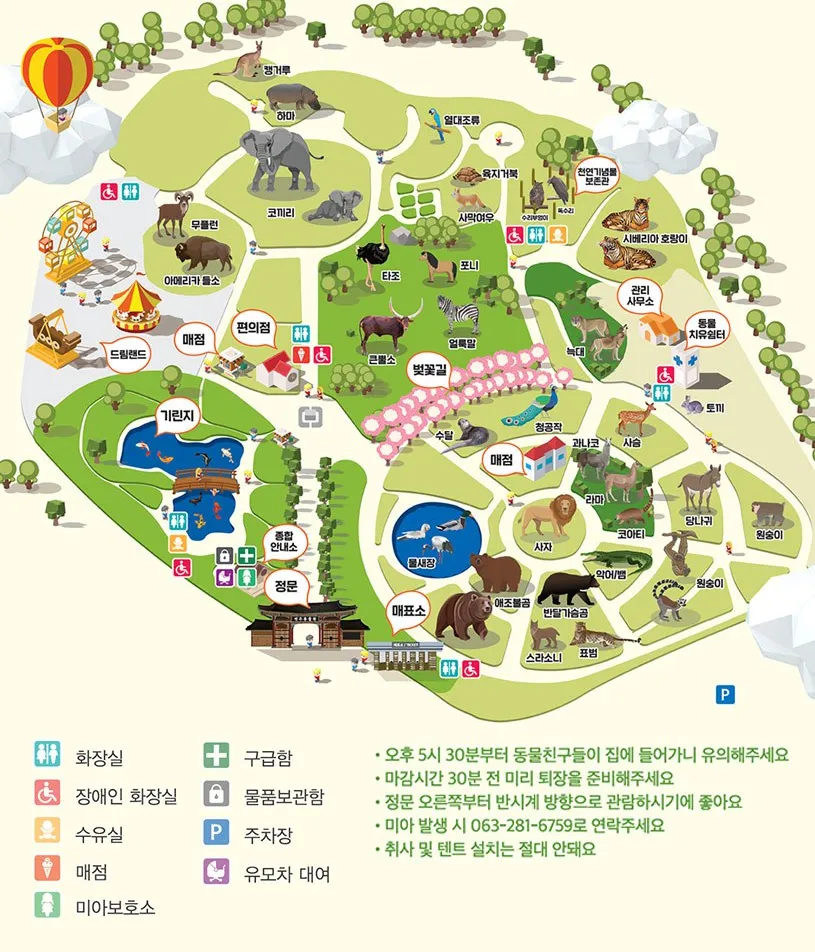
Jeonju ZooAn ecological zoo where visitors can see a variety of animals and enjoy walks and recreational facilities.
1
Jeonju ZooAn ecological zoo where visitors can see a variety of animals and enjoy walks and recreational facilities. -
 2
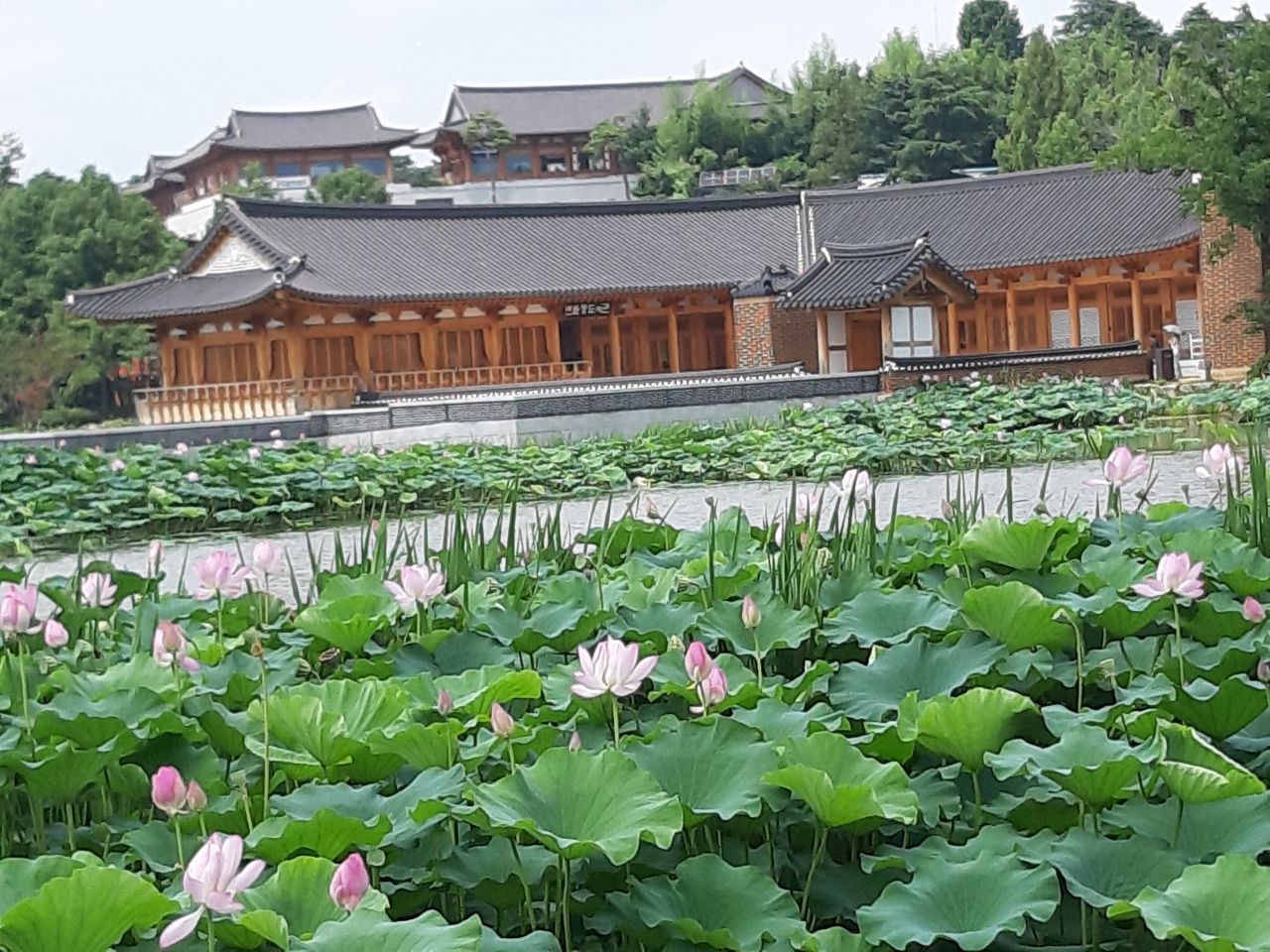
Deokjin ParkAn urban park where you can admire the lotus flowers on Deokjin Lake and stroll along the lakeside promenade.
2
Deokjin ParkAn urban park where you can admire the lotus flowers on Deokjin Lake and stroll along the lakeside promenade. -
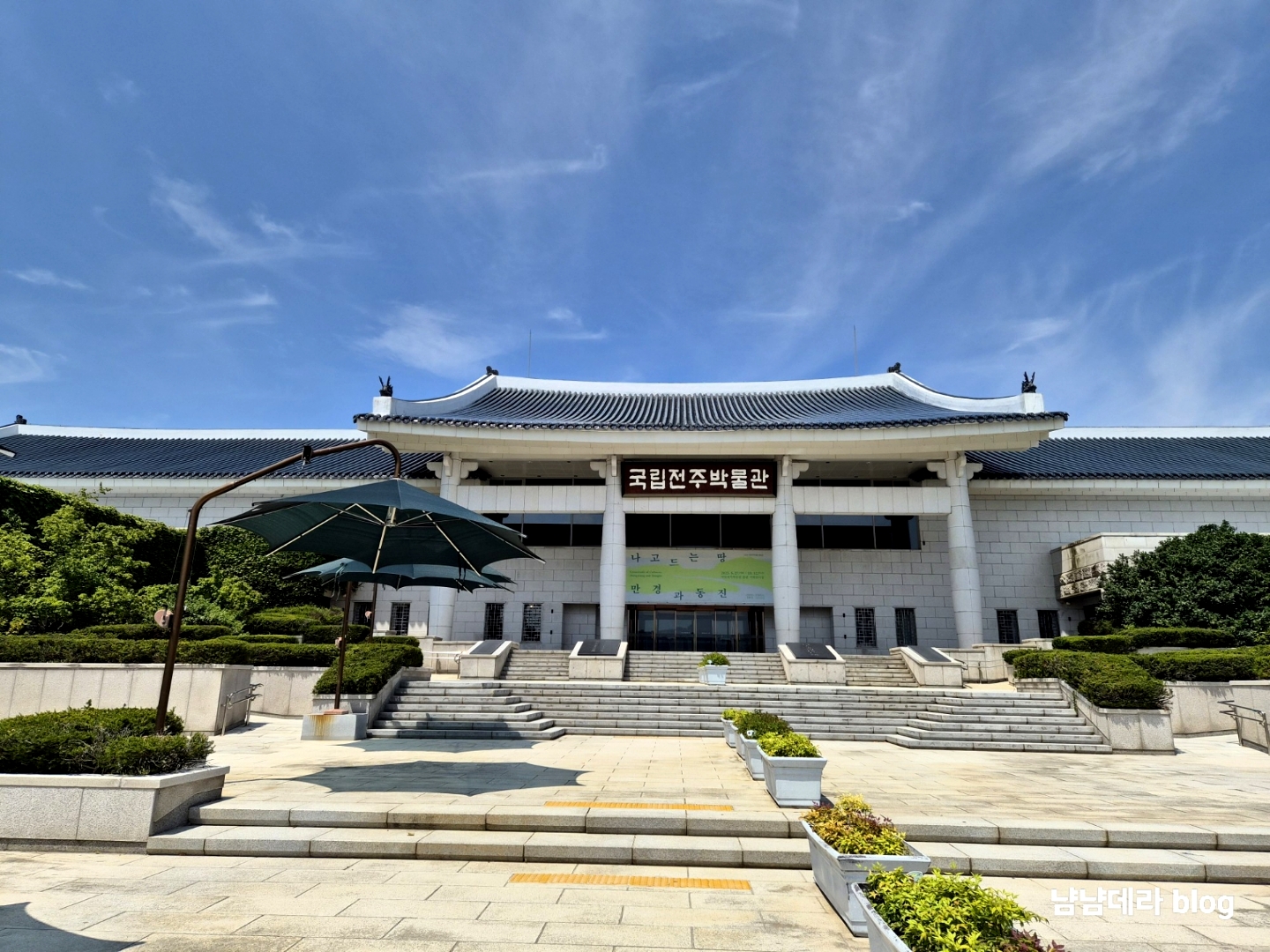 3
National Jeonju MuseumA museum where you can explore the history and cultural heritage of Jeonbuk through exhibitions and educational programs.
3
National Jeonju MuseumA museum where you can explore the history and cultural heritage of Jeonbuk through exhibitions and educational programs.
Food & Dining 3
-
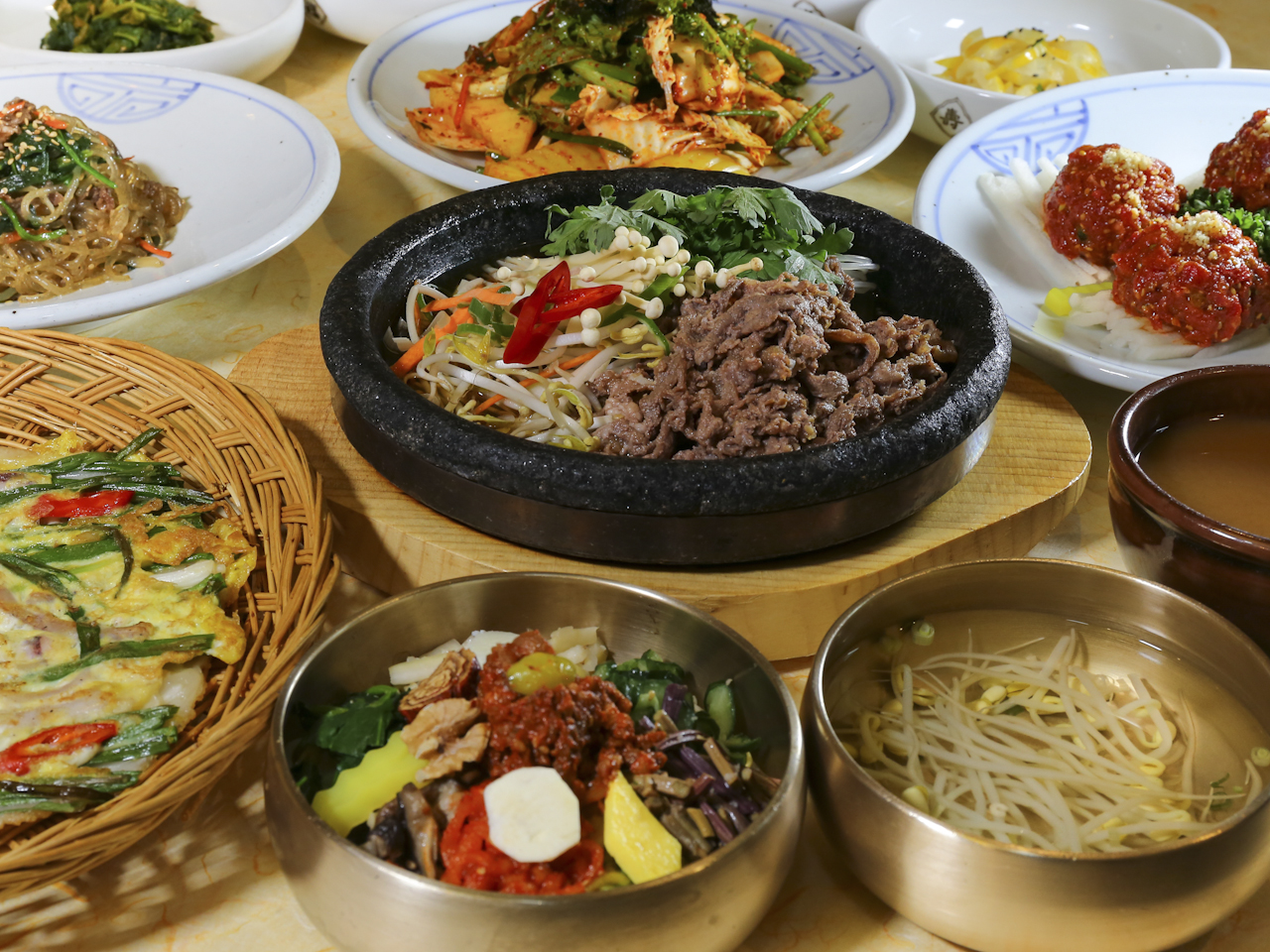 4
Gogung Jeonju Main BranchA representative Jeonju Korean restaurant where you can enjoy traditional Jeonju bibimbap and yukhoe bibimbap.
4
Gogung Jeonju Main BranchA representative Jeonju Korean restaurant where you can enjoy traditional Jeonju bibimbap and yukhoe bibimbap. -
 5
JeonwonjipA Korean restaurant serving gamjatang and braised pork backbone with dried radish greens.
5
JeonwonjipA Korean restaurant serving gamjatang and braised pork backbone with dried radish greens. -
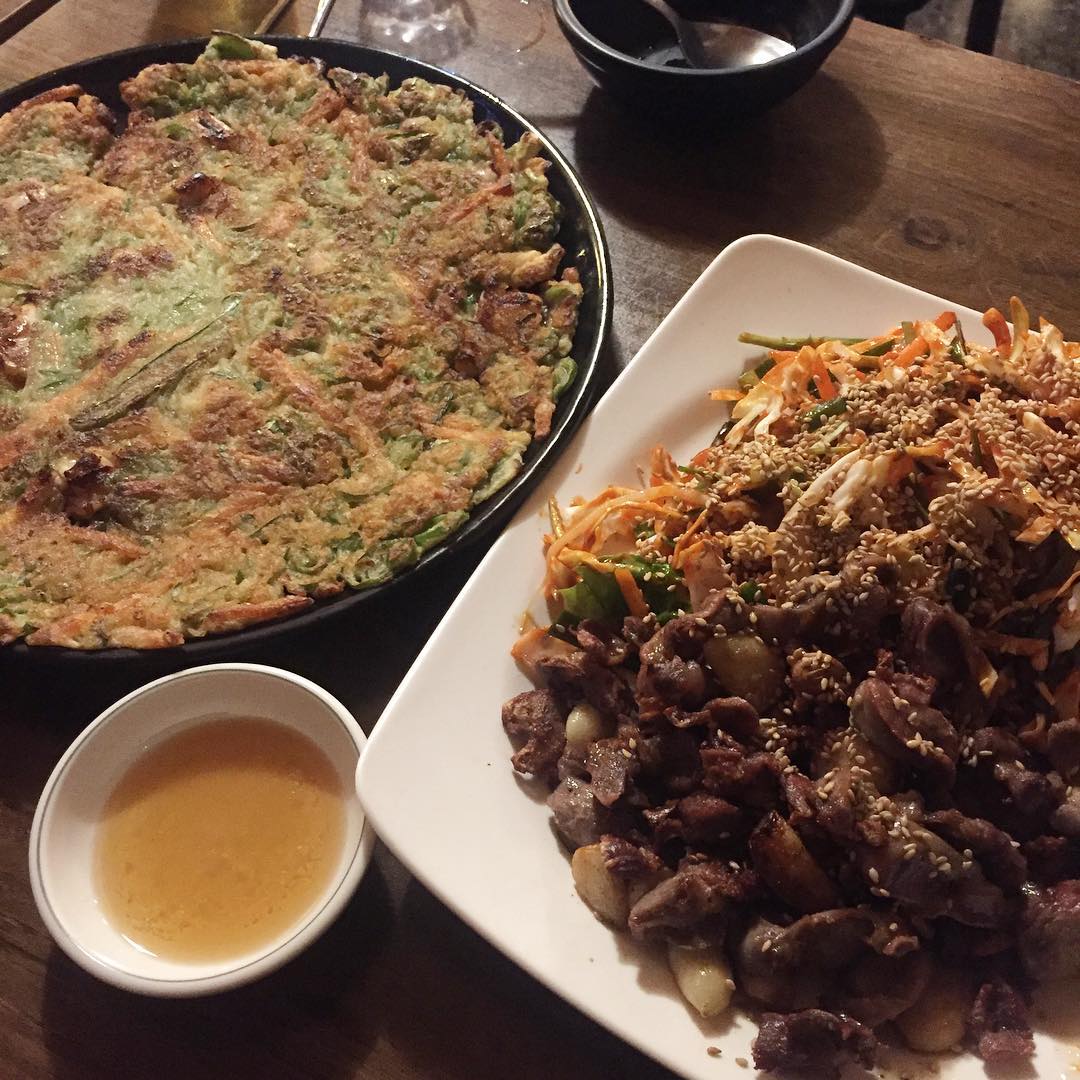 6
TongjipA local restaurant serving water noodles and brown rice-baked chicken, among other dishes.
6
TongjipA local restaurant serving water noodles and brown rice-baked chicken, among other dishes.
More Travel Guides in This Area
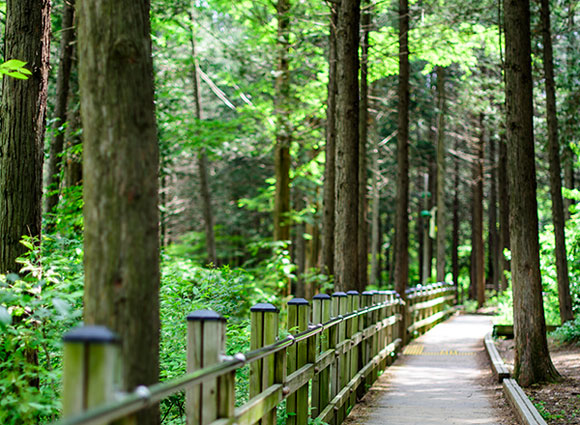 Travel Guide
A 7.4 km Walk from Geonjisan (乾止山) to Jogyeongdan and the Cypress Forest
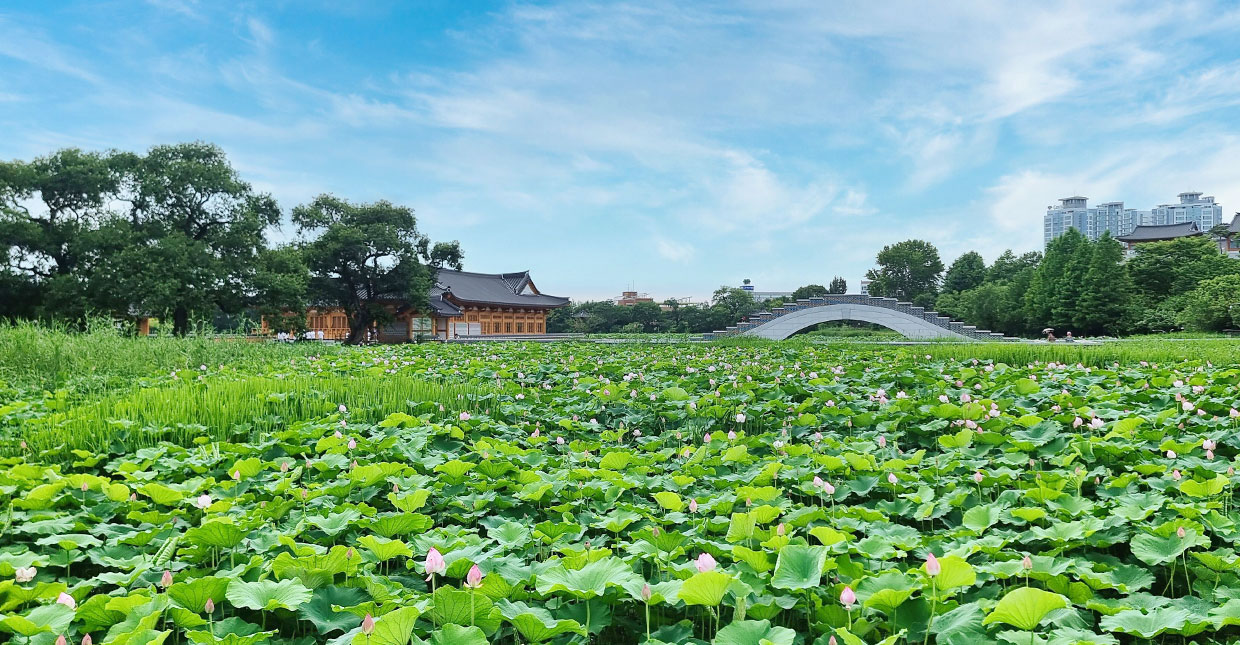 Travel Guide
The 261 m Yeonhwa Bridge and Yeonhwajeong Library spanning Deokjin Lake
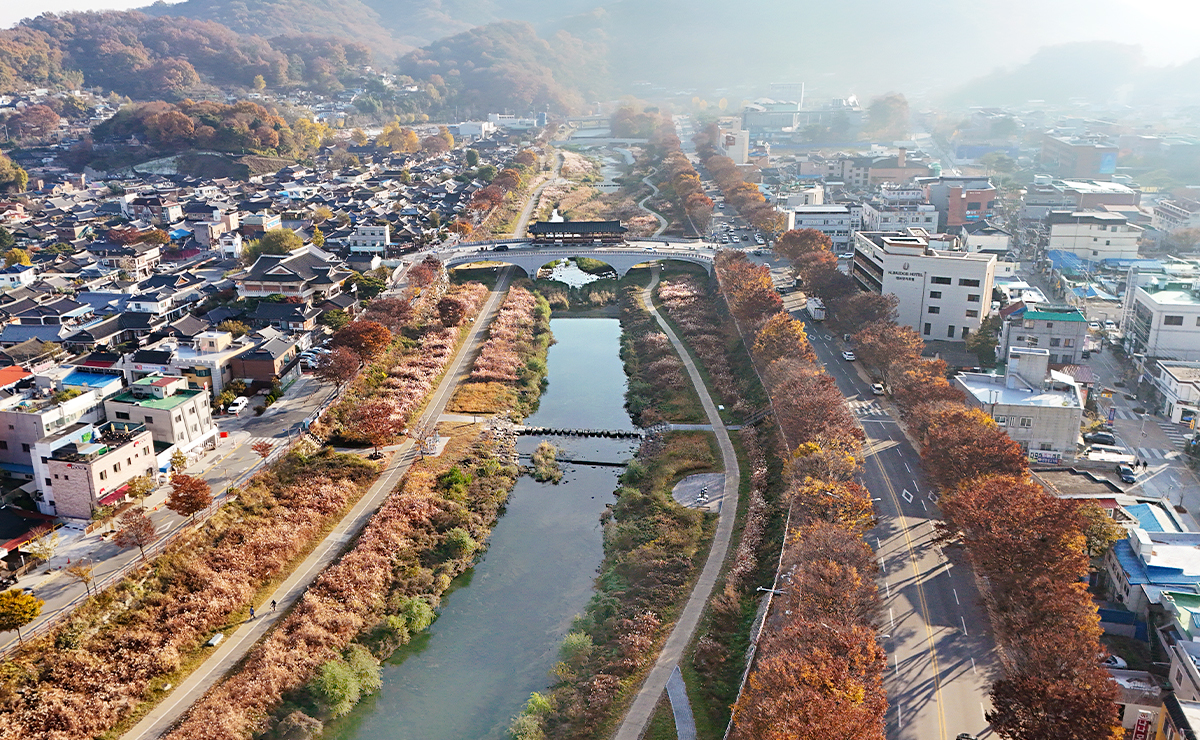 Travel Guide
An Ecological Walking Trail Along the Waterway of Jeonju Hanok Village
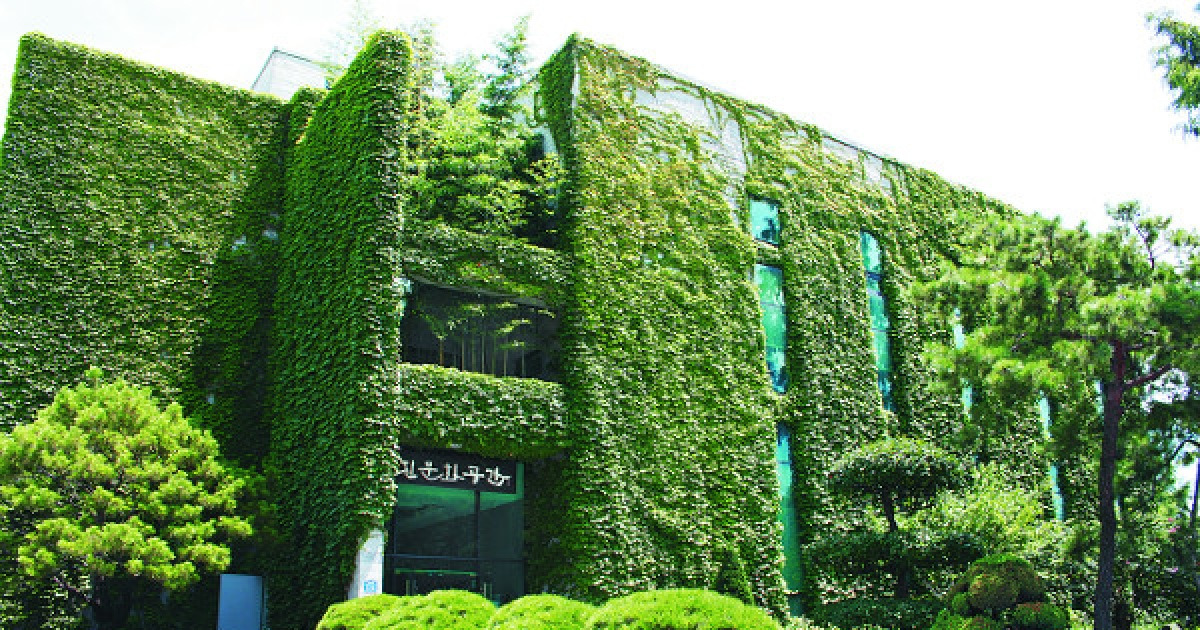 Travel Guide
Performances and Exhibitions at Ujin Cultural Space by Jeonjucheon Stream
Korea News
 News
News
‘NewJeans Expulsion’ Danielle Releases Her First YouTube Video… “We Don’t Know What Will Happen Next”
![aespa’s North American Tour Has Remaining Seats Despite ‘$49’ Bargain Prices… A Stark Popularity Gap with KATSEYE [TEN Starfield]](https://kotourlive-images.s3.ap-northeast-1.amazonaws.com/news/1788485037424_a59b1932_naver_rank_thumb_0000774618_1788485037424.jpg) News
News
aespa’s North American Tour Has Remaining Seats Despite ‘$49’ Bargain Prices… A Stark Popularity Gap with KATSEYE [TEN Starfield]
![[Photo] TWICE’s Dahyun attends a film festival red carpet as an actress](https://kotourlive-images.s3.ap-northeast-1.amazonaws.com/news/1788485316508_edd43ecd_news_870a60a6-6f11-4d73-aa7c-48d91318a0f7.jpg) News
News
[Photo] TWICE’s Dahyun attends a film festival red carpet as an actress
![[On-Site Video] “We’re Departing Separately Together”… BIGBANG Begins ‘COSMOS’ World Tour](https://kotourlive-images.s3.ap-northeast-1.amazonaws.com/news/1788485226518_c5719641_news_fdd4764a-0f4e-4968-8e4e-e98a02872f88.jpg) News
News