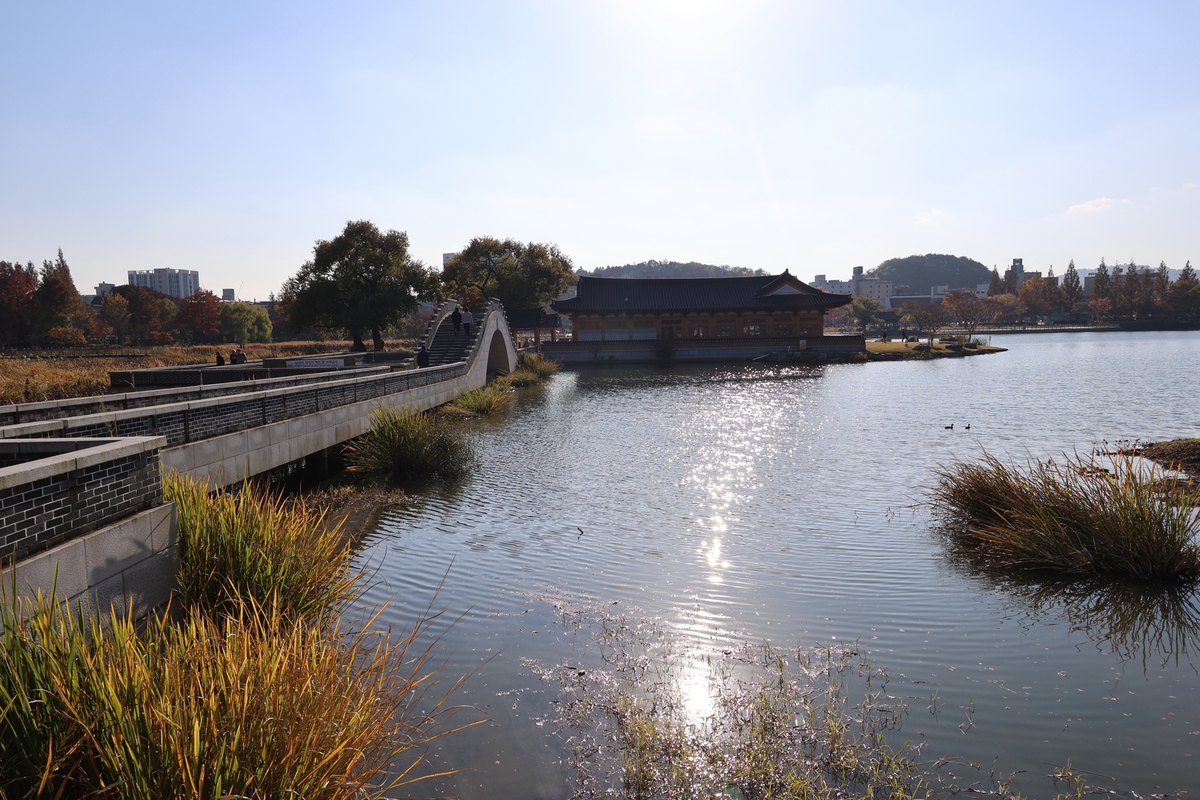
The 261 m Yeonhwa Bridge and Yeonhwajeong Library spanning Deokjin Lake
Jeonju Deokjin Park is an urban waterfront park centered around Deokjin Lake, which has endured since the Goryeo period, with lotus flowers, a sweet flag garden, poetry monuments, Yeonhwa Bridge, and a traditional Korean-style library. During the lotus season in early July, plan your route around the lake scenery, and around the night lighting and projection mapping at Yeonhwajeong Library at dusk.

I’ve been here?
Your check-in helps the next traveler.
24 people viewed this week Be the first
One tap — no writing needed
How Deokjin Lake from the Goryeo period became one of Jeonju’s Eight Scenic Views, ‘Deokjin Chaeryeon’
The heart of Deokjin Park is Deokjin Lake, a natural pond dating back to the Goryeo period. According to information from the Korea Tourism Organization, the park was officially designated as an urban park in April 1978, and the pond occupies approximately two-thirds of the southern section. Survey figures also indicate a park-facility area of 49,587㎡ and a lake area of 99,174㎡, so it is more accurate to understand the site as a waterside space extending along the lake’s edge rather than as a small, garden-style park.
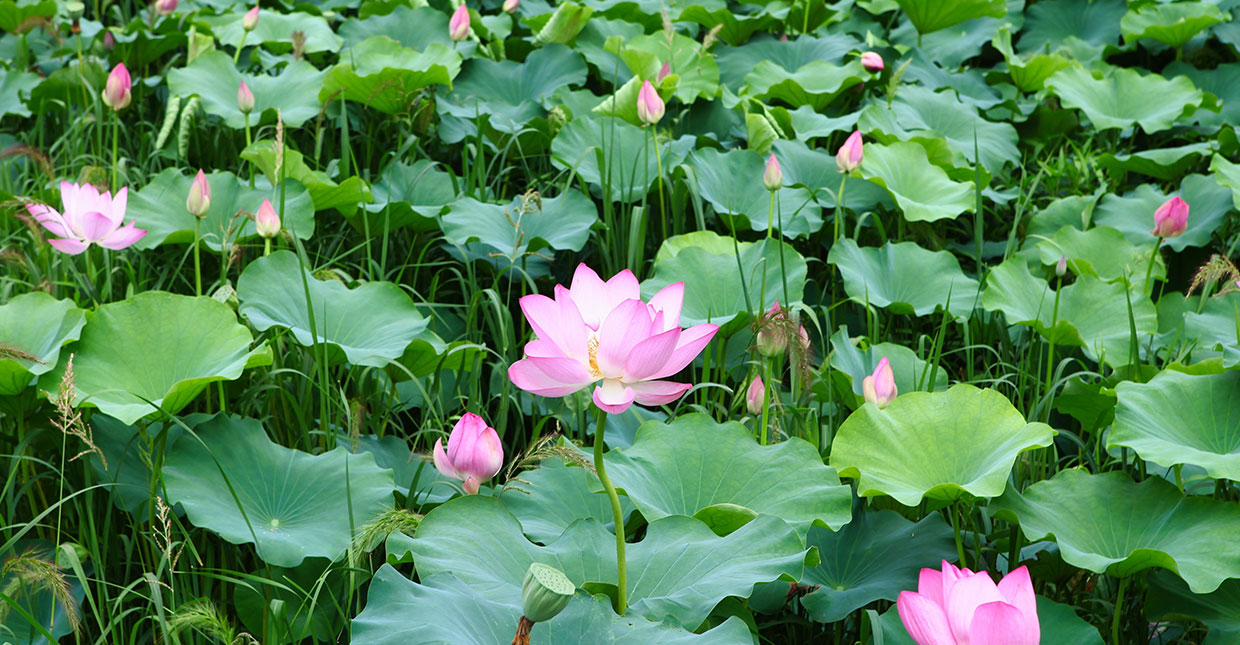
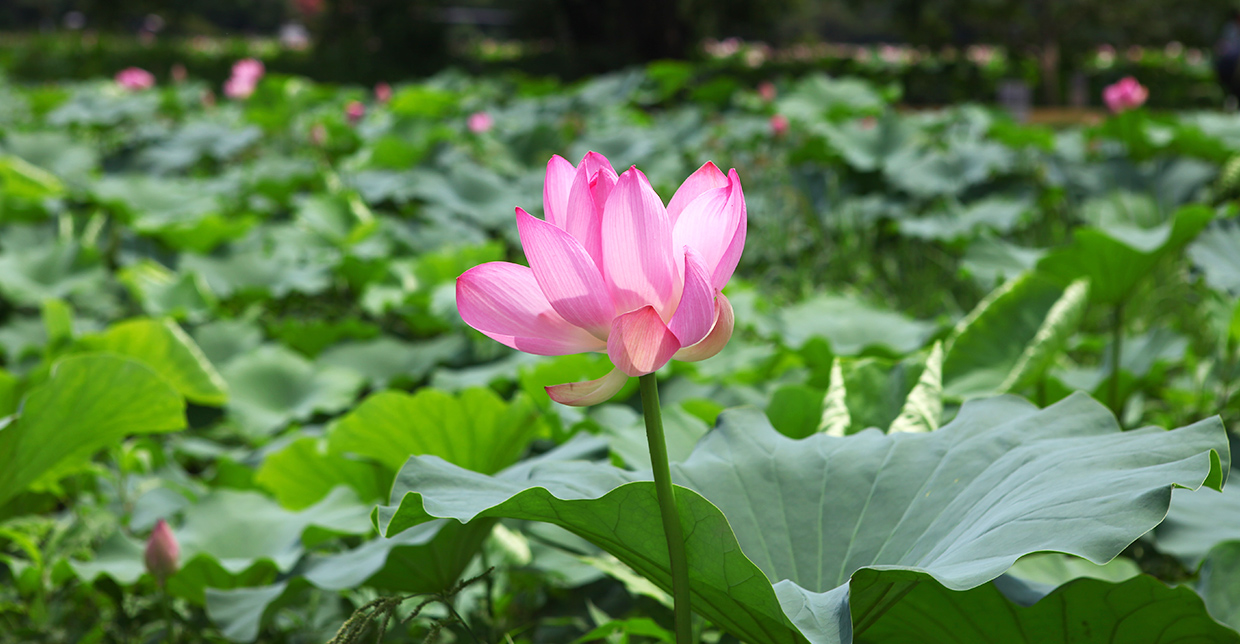
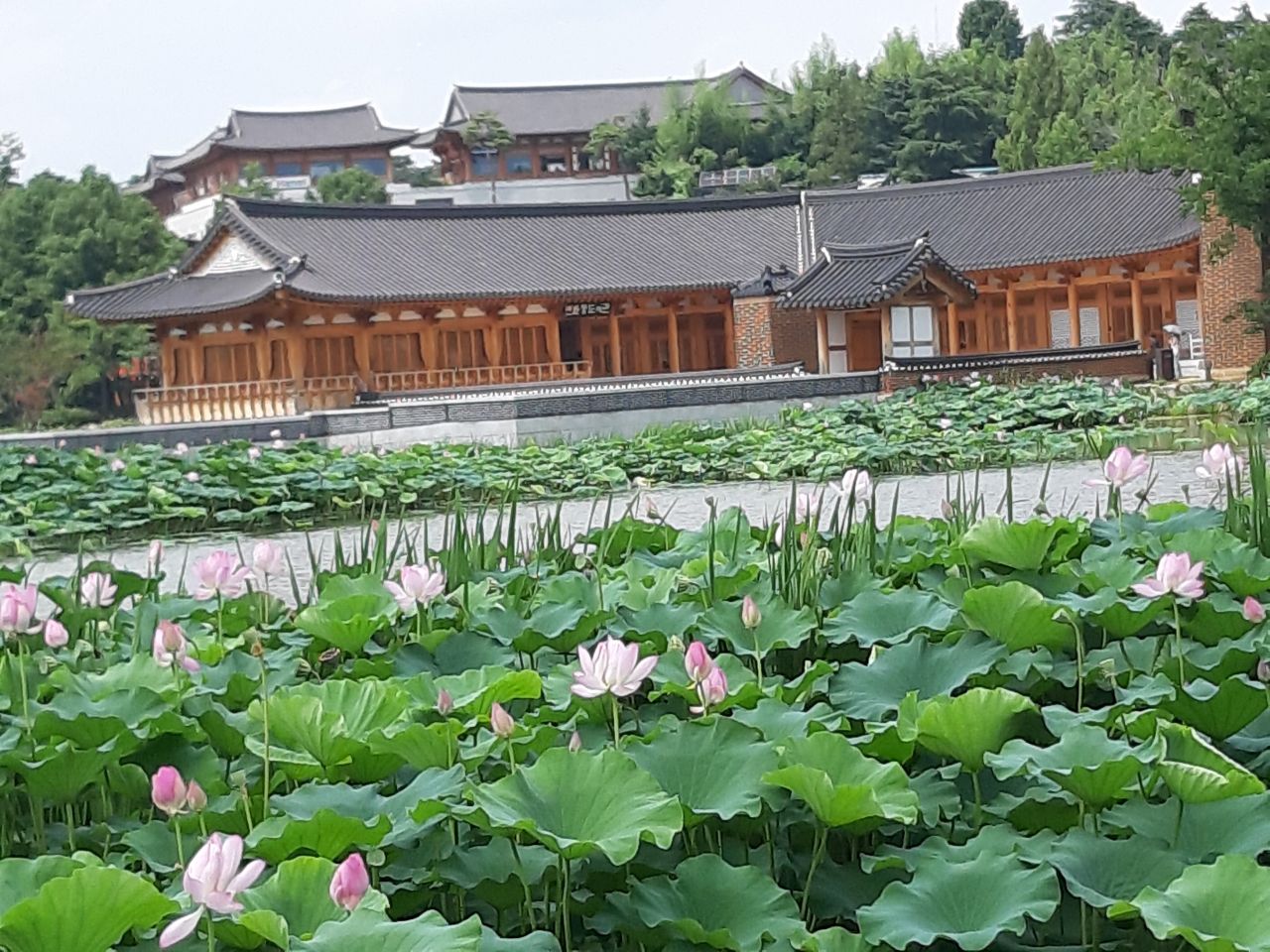
One of Jeonju’s Eight Scenic Views, ‘Deokjin Chaeryeon’ (德津採蓮), refers to the scene of viewing lotus flowers at Deokjin Lake. Jeonju City’s tourism information introduces the lotus flowers at Deokjin Lake as being especially prominent in early July each year. The park also contains poetry monuments for poets Shin Seok-jeong, Kim Hae-gang, Lee Cheol-gyun, and Baekyangchon, as well as a statue of General Jeon Bong-jun and the Children’s Charter. It is therefore not merely a place to see lotus flowers, but a park where the everyday history of Jeonju’s citizens overlaps with literary memorials.
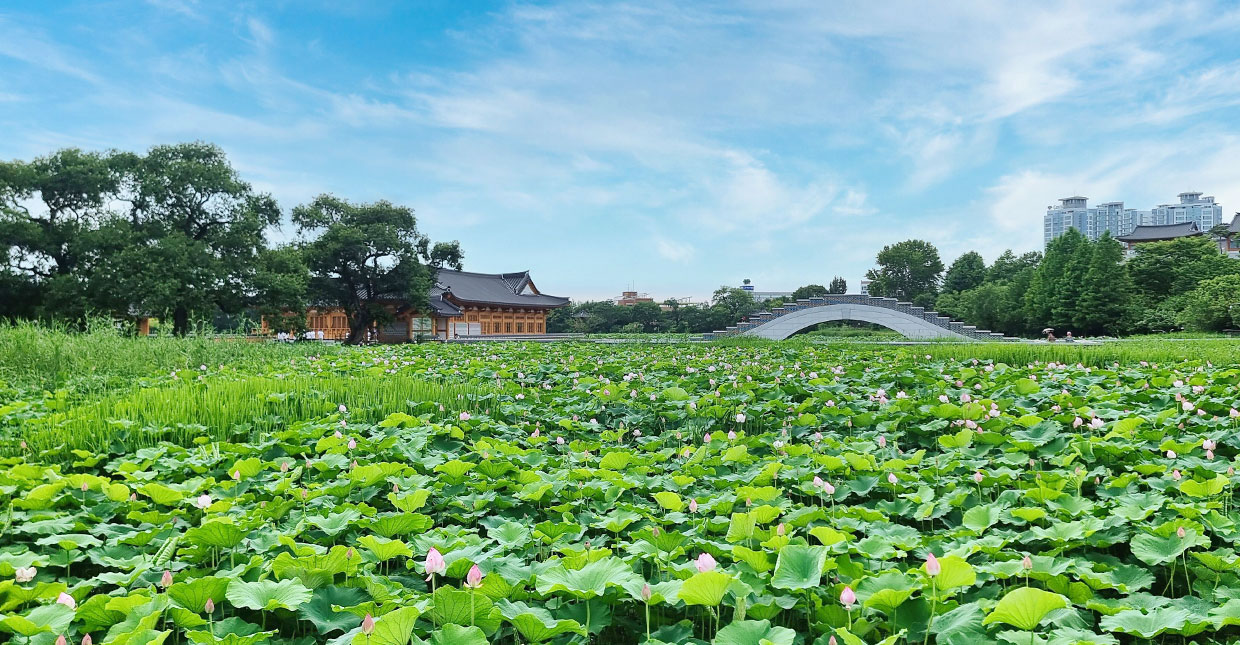
The Route to Take on Yeonhwagyo Bridge in Early July, Lotus Season
If your main purpose is to see lotus flowers, it is best to check the blooming conditions from early July and plan your visit accordingly. Jeonju City’s summer information from 2022 and 2023 indicates that July is when lotus leaves and flowers fill Deokjin Lake, and explains that Yeonhwagyo Bridge offers views of the lotus colonies from close to the water. Since the blooming period varies with the weather, rather than assuming a particular date will be the peak, it is safer to check photo announcements on Jeonju’s tourism channels just before setting out.
Yeonhwagyo Bridge is a 261 m bridge crossing the center of Deokjin Lake, and renovation work continued after concerns were raised about the aging original bridge. Jeonju City’s tourism information explains that the bridge is wide enough to be relatively convenient for strollers and wheelchairs. Allowing 60–90 minutes to cross Yeonhwagyo from the park entrance, continue to Yeonhwajeong Library, and return via the walking path on the opposite side lets you see the poetry monuments, Changpowon, and the lake scenery together.
Yeonhwajeong Library in the Middle of the Lake: Different Hours from the Park
Deokjin Park is open 24 hours a day, all year round, and admission is free. However, Yeonhwajeong Library at the end of Yeonhwagyo Bridge is a separately operated facility. Its address is 390-1 Gwonsamdeuk-ro, Deokjin-gu, Jeonju. According to the summer schedule, it is open Tuesday–Friday from 10:00 to 21:00 and Saturday–Sunday from 10:00 to 19:00, and is closed on Mondays and public holidays. Outside the summer season, it is listed as open Tuesday–Sunday from 10:00 to 19:00.
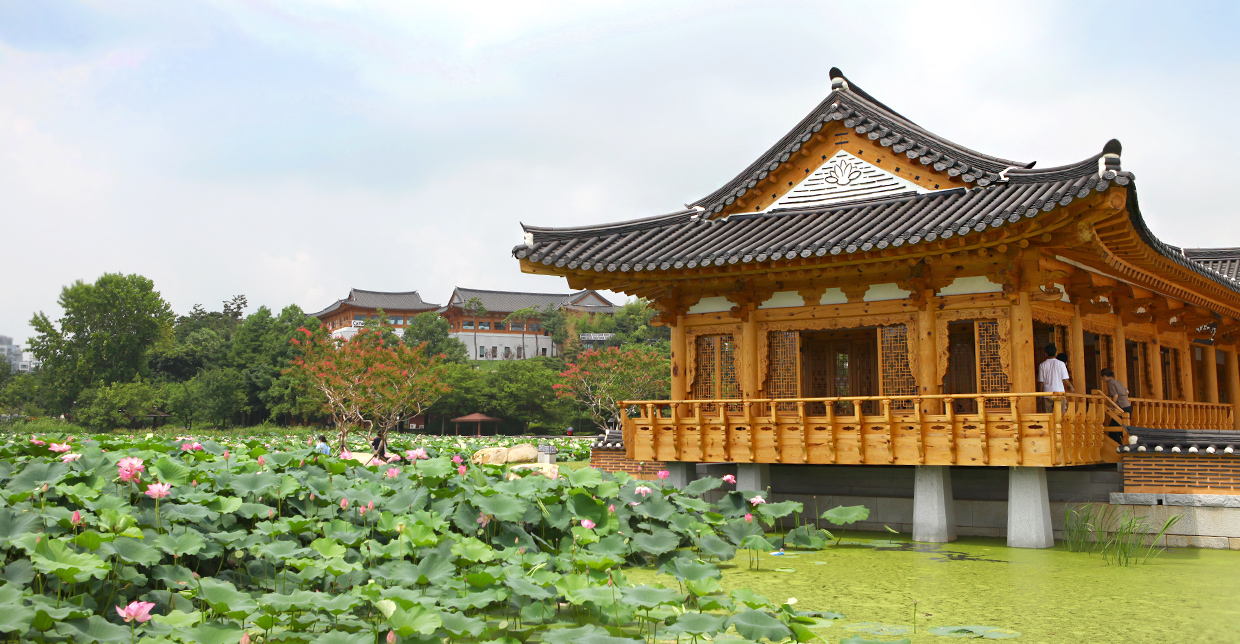
Yeonhwajeong Library is a hanok library consisting of ‘Yeonhwadang,’ centered on bookshelves, and ‘Yeonhwalu,’ a cultural space. The inquiry telephone number is 063-714-3527. Projection mapping is scheduled on Fridays and Saturdays, at 21:10 and 21:40 from May to August, and at 19:30 and 20:00 from September to April. Since schedules may change due to events or weather conditions, visitors going specifically for the nighttime screening should check the operating notice on the day.
The Civic History of Deokjin Park Preserved by the Iris-Water Festival and Poetry Monuments
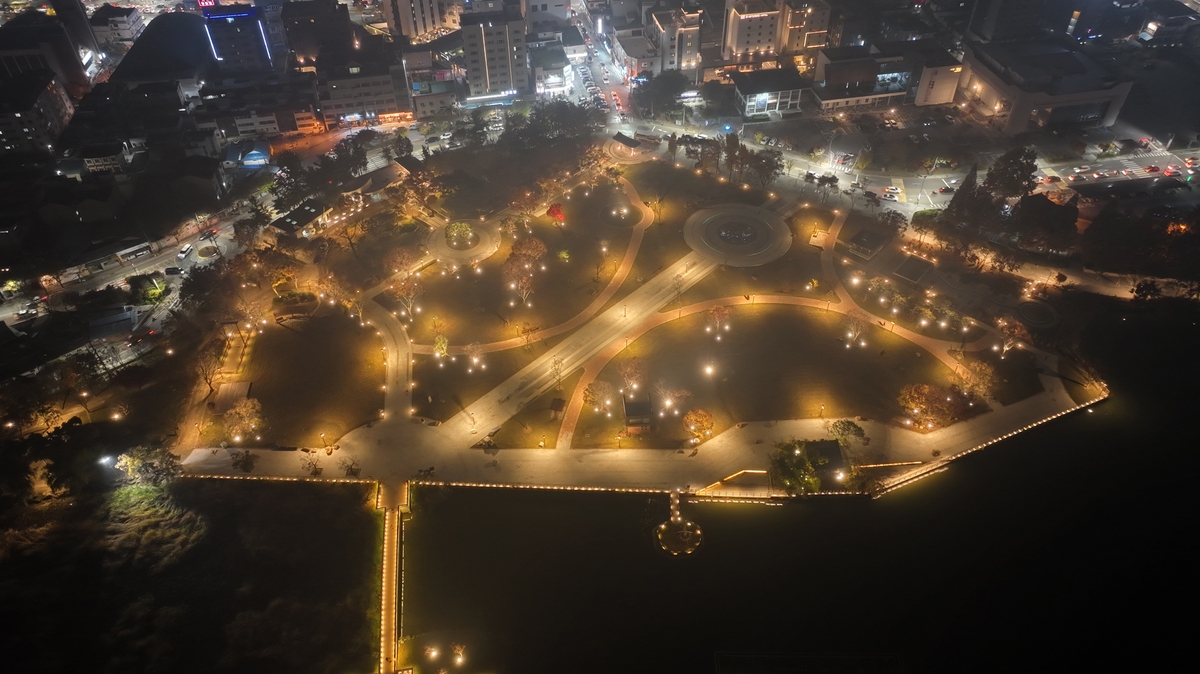
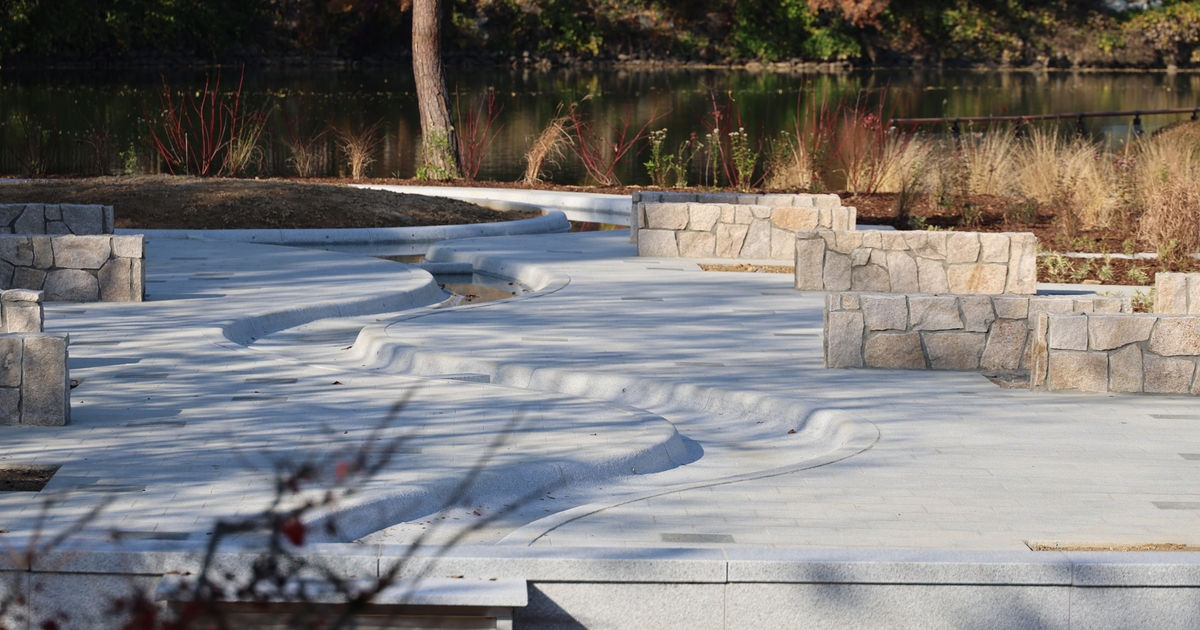
The present appearance of Deokjin Park is the result of reopening and renovation work carried out since 1998. Jeonju City’s tourism information states that the park was redesigned with mounded landscaping reminiscent of small hills, traditional pavilions, Changpo Marsh, an artificial waterfall, and a wooden bridge. In January 2026, Jeonju City announced that it had completed five years of renovation, reorganized the entrance embankment, created a lawn plaza and a circular plaza, and added a pattern from the Cheonsang Yeolcha Bunyajido star chart to the floor of the circular plaza.
Changpowon is connected to the living traditions of Dano. According to Jeonju tourism information, the ‘Dano Changpo Water Festival,’ in which people washed their hair with water from Deokjin Pond and prayed for good health during Dano, is one of the site’s defining memories. More recently, dredging of lake sediments has been carried out alongside photocatalyst-based purification technology, and Jeonju City has reported sightings of otters and black-faced spoonbills. Wildlife sightings are not guaranteed as part of a program, so visitors should simply regard them as a possibility while walking quietly.
Free Parking at 45 Changpo-gil and Access from Jeonbuk National University and Jeonju Station
The park’s address is 390 Gwonsamdeuk-ro, Deokjin-gu, Jeonju, Jeonbuk Special Self-Governing Province, and the tourism inquiry telephone number is 063-281-8661. The official tourism page lists 45 Changpo-gil, Deokjin-gu, as the address of the free parking lot inside the park. The Korea Tourism Organization’s English information states that there are 70 parking spaces. Since the parking lot is not particularly large, it is better to consider public transportation or a taxi first on weekends during lotus season or on days when nearby events are held.
Jeonju Station and Deokjin Park are easy to combine into the same northern-area route, as they are included together in Jeonju’s three-hour budget tourism taxi course. For city buses, the most accurate approach is to check real-time routes and stops by departure point through the Jeonju Transportation Information Center. The park’s pedestrian paths have recently been renovated, including their surfaces and sloped sections, and Yeonhwagyo Bridge was built with a wide span to accommodate strollers and wheelchairs. At night, however, it is safer to stay mainly around the illuminated Yeonhwagyo Bridge, circular plaza, and library rather than along the lake’s outer edges.
A Two-Hour Plan Dividing Daytime Lotus Viewing from Friday and Saturday Night Lighting
For a first visit, a realistic plan is to allow 60–90 minutes during the day for a route connecting the park entrance, Changpowon, Yeonhwagyo Bridge, and Yeonhwajeong Library, then add another 30–60 minutes around the projection-mapping schedule on summer Fridays and Saturdays. The park itself is free, open year-round, and accessible 24 hours a day, but access to the inside of Yeonhwajeong Library is subject to its operating hours and closing days.
The 2026 renovation information includes nighttime lighting, a circular plaza, waterside spaces, and gently improved walking paths. However, because this is a lake-centered park, the enjoyment of viewing lotus flowers and spending time outdoors may decline on rainy or windy days. It is better suited to travelers who want to see seasonal aquatic plants, walk around a lake, and visit a hanok library along one route than to travelers seeking a venue with a steady stream of content like an indoor exhibition hall.
Before You Go
- Address
- 390 Gwonsamdeuk-ro, Deokjin-gu, Jeonju, Jeonbuk Special Self-Governing Province
- Hours
- Park open 24 hours, all year round. Yeonhwajeong Library: Tuesday–Friday 10:00–21:00 and Saturday–Sunday 10:00–19:00 in summer; Tuesday–Sunday 10:00–19:00 outside summer.
- Closed
- None for the park. Yeonhwajeong Library is closed every Monday and on public holidays.
- Admission
- Free
- Phone
- 063-281-8661
- Official site
- https://tour.jeonju.go.kr/board/view.jeonju?boardId=BBS_0000003&dataSid=9772&menuCd=DOM_000000101006002000
- Transport
- Checking real-time bus routes and stops by departure point through the Jeonju Transportation Information Center is recommended. Jeonju Station and Deokjin Park are both included in the three-hour budget tourism taxi course.
- Parking
- Free parking lot inside the park (45 Changpo-gil, Deokjin-gu, Jeonju), with 70 spaces according to Korea Tourism Organization information.
- Time needed
- 60–90 minutes for a daytime walk; 90–150 minutes including Yeonhwajeong Library and nighttime projection mapping.
- Accessibility
- Yeonhwagyo Bridge is described as an open space with a wide span suitable for strollers and wheelchairs. Foreign-language assistance is available through the Korea Tourism Organization’s 1330 Travel Hotline (Korean, English, Japanese, and Chinese).
The information above is current as of the time of writing. Please check the official information again before visiting.

Places
Nearby Attractions 5
-
 1
Jeonju Deokjin Park
1
Jeonju Deokjin Park -
 2
2
-
 3
3
-
 4
4
-
 5
5
Food & Dining 5
-
 6
6
-
 7
7
-
 8
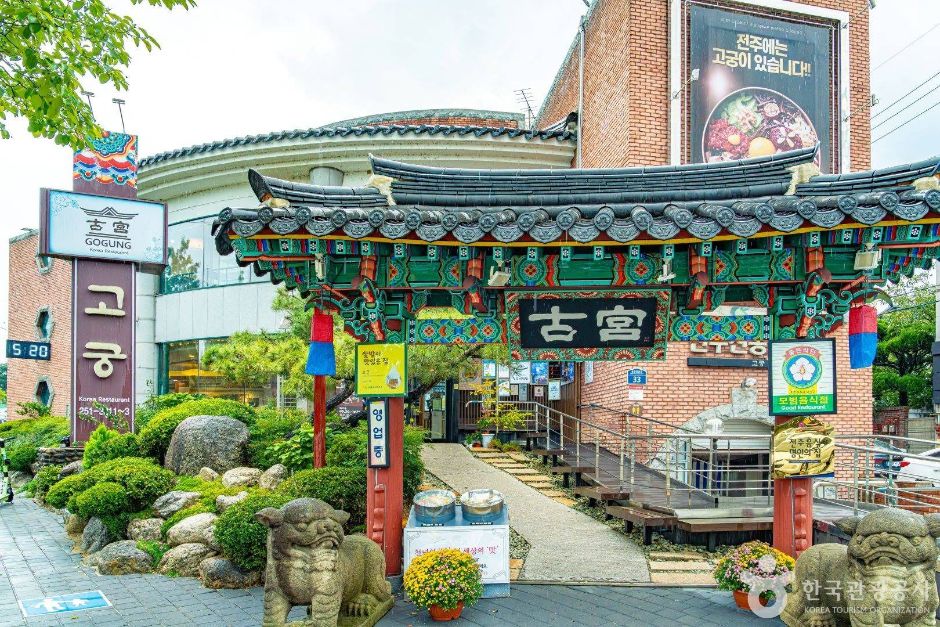
Gogung Jeonju Main Branch
8
Gogung Jeonju Main Branch -
 9
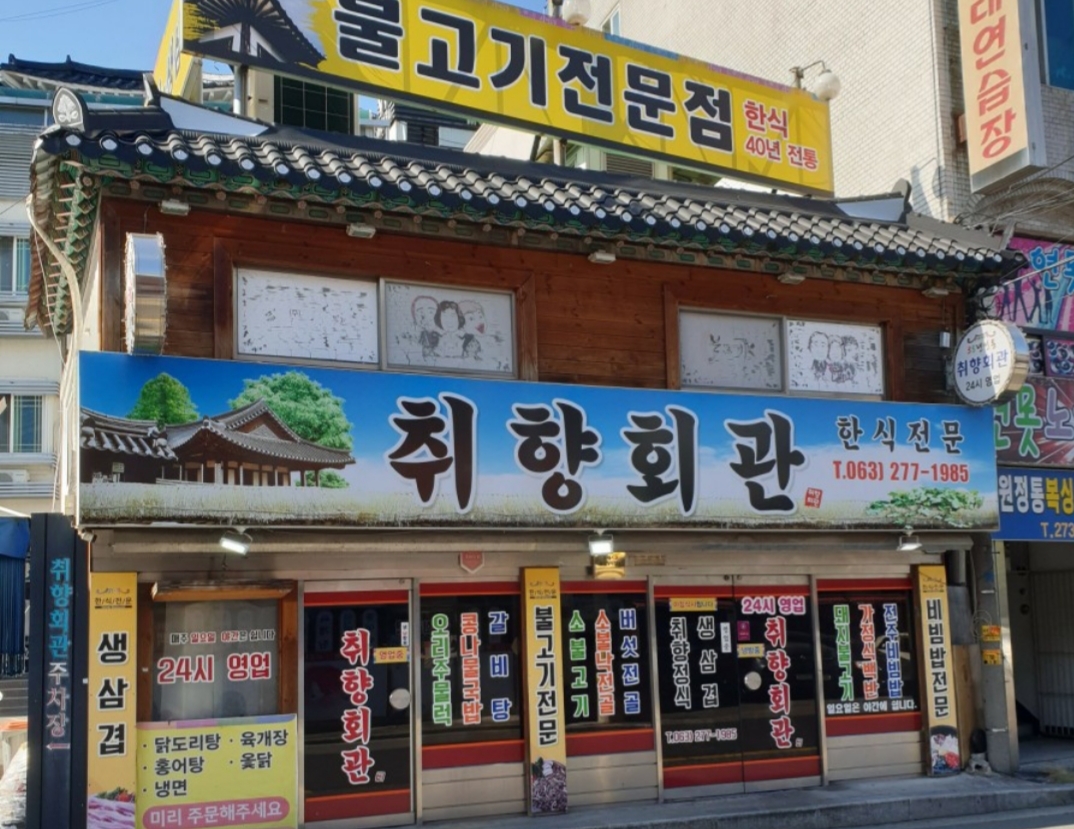
Chwi hyang Gwan
9
Chwi hyang Gwan -
 10
10
More Travel Guides in This Area
 Travel Guide
Performances and Exhibitions at Ujin Cultural Space by Jeonjucheon Stream
 Travel Guide
A Book Playground in Jeonju at Jeonju Municipal Library Kkotsim
 Travel Guide
Jeonju Seonosong Art Village: An Urban Regeneration Site Where 20 Rooms of Seonmi Village Were Transformed
 Travel Guide
An Ecological Walking Trail Along the Waterway of Jeonju Hanok Village
Korea News
 News
News
‘NewJeans Expulsion’ Danielle Releases Her First YouTube Video… “We Don’t Know What Will Happen Next”
![aespa’s North American Tour Has Remaining Seats Despite ‘$49’ Bargain Prices… A Stark Popularity Gap with KATSEYE [TEN Starfield]](https://kotourlive-images.s3.ap-northeast-1.amazonaws.com/news/1788485037424_a59b1932_naver_rank_thumb_0000774618_1788485037424.jpg) News
News
aespa’s North American Tour Has Remaining Seats Despite ‘$49’ Bargain Prices… A Stark Popularity Gap with KATSEYE [TEN Starfield]
![[Photo] TWICE’s Dahyun attends a film festival red carpet as an actress](https://kotourlive-images.s3.ap-northeast-1.amazonaws.com/news/1788485316508_edd43ecd_news_870a60a6-6f11-4d73-aa7c-48d91318a0f7.jpg) News
News
[Photo] TWICE’s Dahyun attends a film festival red carpet as an actress
![[On-Site Video] “We’re Departing Separately Together”… BIGBANG Begins ‘COSMOS’ World Tour](https://kotourlive-images.s3.ap-northeast-1.amazonaws.com/news/1788485226518_c5719641_news_fdd4764a-0f4e-4968-8e4e-e98a02872f88.jpg) News
News