
Jeonju Movie Street — A 700 m Film Road Born in the Gosa-dong Five-Way Intersection Theater District
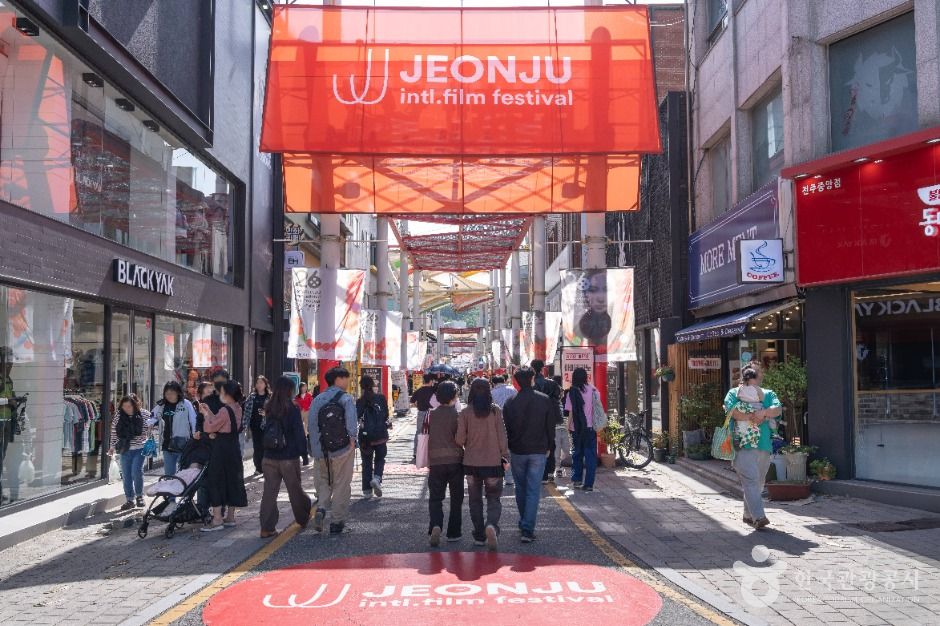
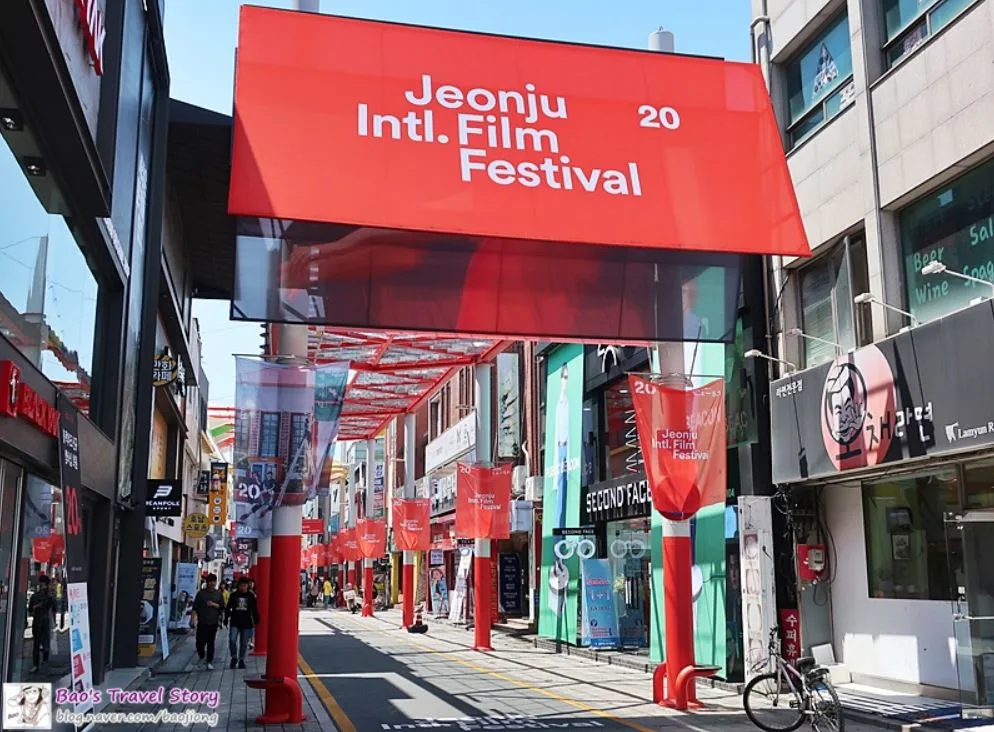
Jeonju Movie Street is a roughly 700 m road running through the Gosa-dong theater district at the Ogeori Five-Way Intersection in Wansan-gu, Jeonju, North Jeolla Province. It was created in 2000 to mark the launch of the Jeonju International Film Festival, with the road paved in red and designed in the shape of film strips. Normally a bustling area lined with commercial theaters such as CGV and Megabox, as well as cafés and shops, it transforms into a festival space covered with red banners and large posters during the Jeonju International Film Festival every May.
Gosa-dong Five-way Intersection Theater District Reborn Amid the Old Downtown Crisis of the 1990s
In the 1990s, Korea’s old provincial cities faced the threat of old downtown devastation. As local governments focused on building new towns, the imbalance worsened: old downtown areas declined while only the new towns grew, and Jeonju’s old downtown could not escape this trend. The Jeonju International Film Festival, which opened its first edition in 2000, became a channel for injecting new momentum into this stagnant old downtown.
Ahead of the film festival, Jeonju City created a Film Street in the old downtown area around Gosa-dong Five-way Intersection, where theaters had been concentrated. This road, approximately 700 meters long, was paved in red, the symbolic color of the Jeonju International Film Festival, with a film-strip pattern. The festival logo was engraved in the middle of the road, and even the streetlights were newly installed to match the festival’s stature. The revitalized street attracted tourists and generated its own momentum.
The Road Extending from Pungpaejigwan Guesthouse — Gaeksa-gil and Film Street
Film Street is connected to Gaeksa-gil as part of the same district. At the entrance to Gaeksa-gil is a cultural heritage site called Pungpaejigwan. A gaeksa was a government guesthouse where officials stayed by royal order during the Joseon period. Jeonju’s gaeksa was called Pungpaejigwan because “Pungpae,” originally the name of the hometown of Liu Bang, founder of the Former Han, later came to signify the birthplace of a dynasty. The name therefore referred to the hometown of Yi Seong-gye, the founder of the Joseon dynasty and a member of the Jeonju Yi clan. Today, this area serves as both a rest area for Jeonju residents and a commercial center, with Film Street located farther inside and hosting the Jeonju International Film Festival every year.
The commercial district of Gaeksa-gil has experienced ups and downs. In the latter half of the 2000s, it declined sharply along with the entire old downtown when various institutions, including the Jeollabuk-do Provincial Government, moved to the Western New Town. However, its renewed emergence as a tourist destination in Jeonju began in the latter half of the 2010s. Around 2017, young merchants began opening restaurants in this area, which was close to the old downtown and offered relatively low rents, helping it rise again as a bustling district.
Among the Nation’s Largest Theater Concentrations — A Film City Alongside Chungmuro in the 1950s and 1960s
Jeonju’s nickname, “film city,” is rooted in a substantial industrial history. The area had both the locational distinction of being one of the nation’s largest concentrations of theaters and the historical significance of being a center of the film industry in the 1950s. During the 1950s and 1960s, it was a city where films were actually produced, alongside Seoul’s Chungmuro. Jeonju City officially named the section from the Film Tower at the Five-way Intersection between Paldal-ro, Daedong-gil, and Chunggyeong-ro to the Jeonju Film Production Center “Film Street.”
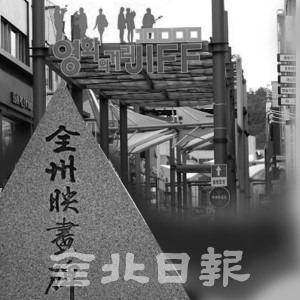
At the entrance to the street stands the “Jeonju Film Monument.” It was built after Jeonju cultural and artistic figures promoted the construction of a film tower to commemorate the city’s film-production history in the 1950s and 1960s, ahead of the first Jeonju International Film Festival. The coexistence of the site of the former Jeonju Theater, film-production companies, and large multiplexes along one street stems from the fact that this area was genuinely a theater district.
Every May, the Jeonju International Film Festival Colors the Street Red for About Ten Days
The Jeonju International Film Festival (JIFF) began with a proposal from Jang Myeong-su, former president of Jeonbuk National University and a city-planning expert. Its first edition was held for seven days, from April 28 to May 4, 2000. A total of 184 films from 21 countries were invited, and the opening film was Oh! Soo-jung by director Hong Sang-soo. The first programmers were critics Jeong Seong-il and Kim So-young, who established the foundations of the festival’s identity around “digital films,” “alternative films,” and “independent films,” concepts that were unfamiliar at the time.
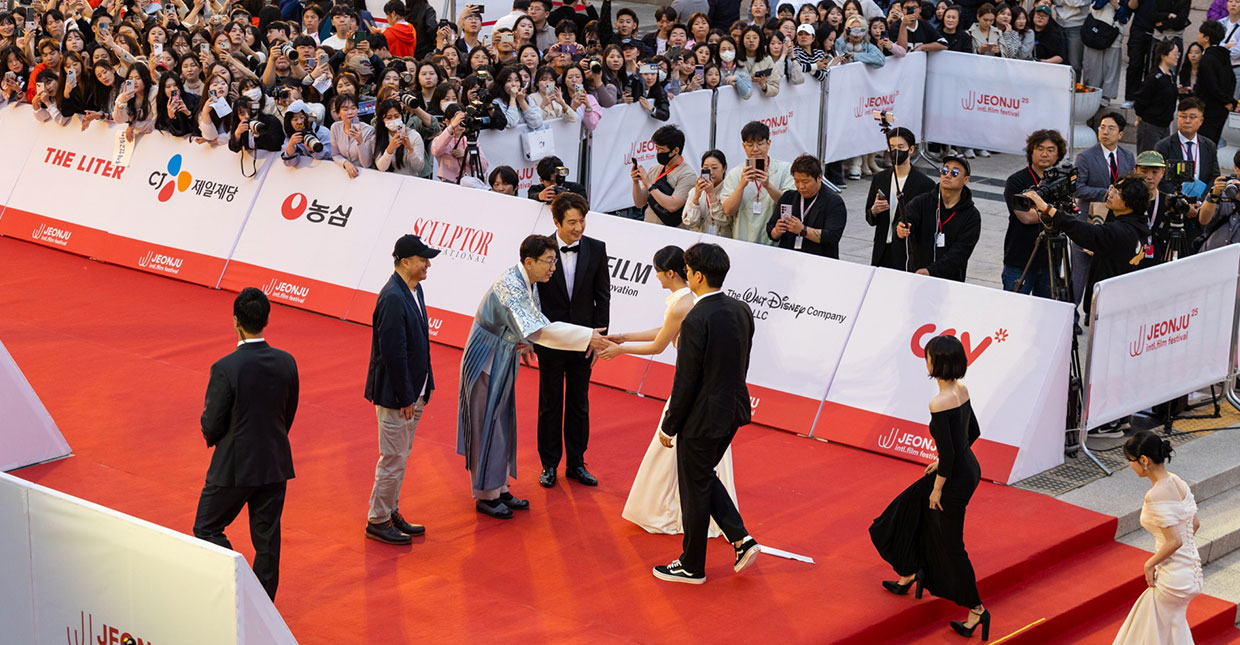
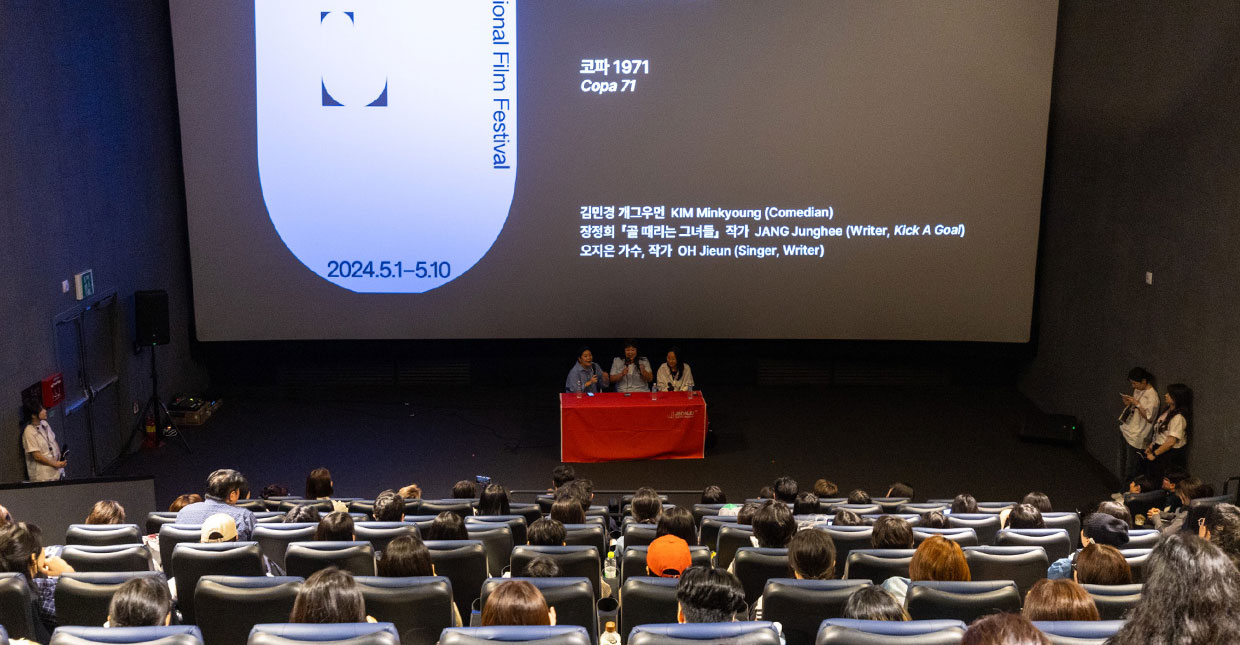
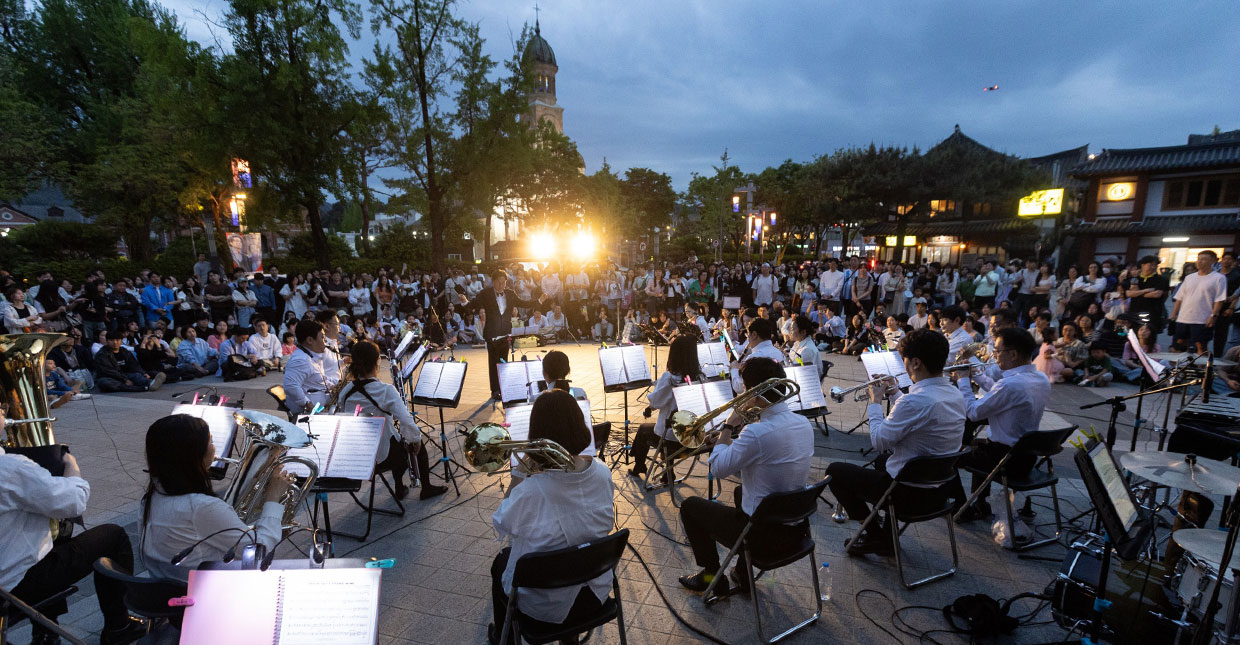
The 25th festival in 2024 was held from May 1 to 10. Beginning with a spectacular opening ceremony, exhibitions, screenings, and events took place throughout Film Street and at Palbok Arts Factory. The signature exhibition “100 Films 100 Posters” presented 100 films screened that year as posters created by 100 graphic designers; curation talks and design talks were also held. “Alley Screenings,” a representative side event of the festival, presents outdoor screenings in distinctive local spaces, using Film Street and the Hanok Village area as its stage. Value Spring barrier-free short films are also included in the screening lineup.
A Theater Tour — From CGV Jeonju Gosa to the 98-Seat Jeonju Digital Independent Cinema
The street contains a mix of commercial multiplexes such as CGV Jeonju Gosa and Megabox Jeonju Gaeksa, old theater buildings, and offices related to film production. Operated by the Jeonju International Film Festival Organizing Committee, Jeonju Digital Independent Cinema opened on May 19, 2009, on the fourth floor of the Jeonju Film Production Center building, constructed on the former site of the Wansan Public Health Center. It is a single-screen theater with 98 seats, including two seats for people with disabilities. It is regularly closed every Monday, and general screenings are suspended during the film festival.
Admission is 7,000 won for general visitors, 6,000 won for sponsor members and groups of 10 or more, and 5,000 won for discount-eligible visitors including seniors, children, teenagers, national merit recipients, and people with disabilities. Discounts cannot be combined. Local multiplexes Joy & Cinema and Jeonju Cinema Town are known to charge approximately 8,000 won and 7,000 won, respectively, for adults, based on visitor reviews from 2024. At 340-1 Gosadong, the “Jeonju House of Independent Film” is being built with completion targeted for 2026. With a total project cost of 72 billion won, including 19.5 billion won in national funding, it will have a total floor area of 13,702 square meters and span one basement level and four above-ground floors. Facilities will include three screening rooms dedicated to independent films, post-production facilities, an outdoor plaza, and a Larchiveum, a combined library, archive, and museum space.
How to Get There — From Jeonju Express Bus Terminal and Jeonju Station
Jeonju Film Street is located in the old downtown area centered on Gosa-dong Five-way Intersection, around 44-31 Jeonjuggaeksa 4-gil, Wansan-gu, Jeonju-si, Jeonbuk State. From Jeonju Express Bus Terminal, take bus 5-1 from the stop across from the taxi stand, or bus 79 from the stop in front of the terminal’s main entrance. These buses head toward Hanok Village, from where the street can be reached on foot.
From Jeonju Station, the area can be reached using city bus routes such as bus 999, which connects Jeonju Station, Jeonju Express Bus Terminal, Jeonju Intercity Bus Terminal, Jungang Market, Jeondong Catholic Cathedral, and Hanok Village. Film Street lies within the old downtown district and is connected on foot to Gaeksa-gil, Jungang Market, and Hanok Village, serving as a central axis of Jeonju’s old downtown since the era when the provincial government was located here.
Parking and Barrier-Free Tourism Information
Visitors arriving by car can use nearby public parking lots, including the Gosa-dong Jeonju Film Production Center public parking lot at 12-5 Jeonjuggaeksa 3-gil. The parking lots at the CGV Jeonju Gosa and Megabox Jeonju Gaeksa theater buildings offer up to three hours of free parking to visitors with a movie ticket for the same day. The festival organizers have announced that during the Jeonju International Film Festival, attending at least one screening does not extend the free parking period beyond three hours.
According to barrier-free tourism information from Korea’s Open Tourist Destinations program, the area has accessible restrooms, elevators for people with disabilities, and dedicated accessible parking spaces. The main entrance has no step and low-floor buses can access the area. Wheelchair and stroller rental services, as well as convenience services for visitors with visual or hearing impairments, are also available.
An Old Downtown Route Ideal for Combining with a Walk — Gaeksa-gil and Nambu Market Night Market
Gaeksa-gil, Jeonju’s representative shopping street, and Film Street, where the Jeonju International Film Festival is held, are effectively connected as one district. Gaeksa-gil is lined with varied shops and charming cafés among buildings bearing the traces of time, making it easy to continue walking there naturally after exploring Film Street.
The Nambu Market Hanok Village Night Market, reached with a slightly longer walk, is open only on Fridays and Saturdays. It operates from 18:00 to 24:00 in summer and from 17:00 to 22:00 in winter. Forty-five mobile stalls line the market’s 250-meter passageway, 31 of them selling food, and average weekend daily attendance reaches 8,000 to 9,000 visitors. Arcade roofing allows it to operate even in bad weather.
When to Visit, and Who Might Not Find It Suitable
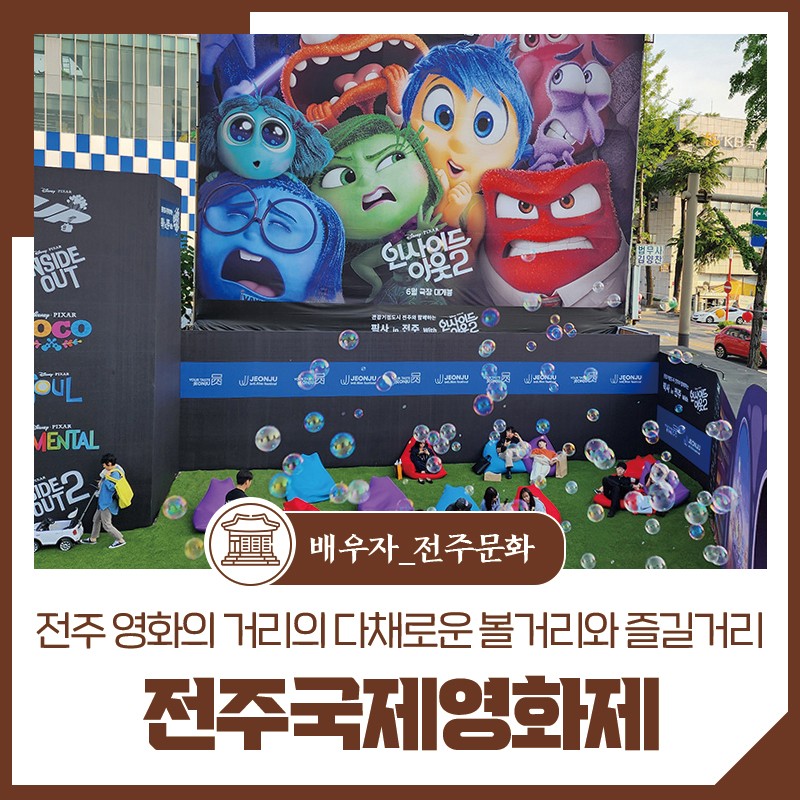
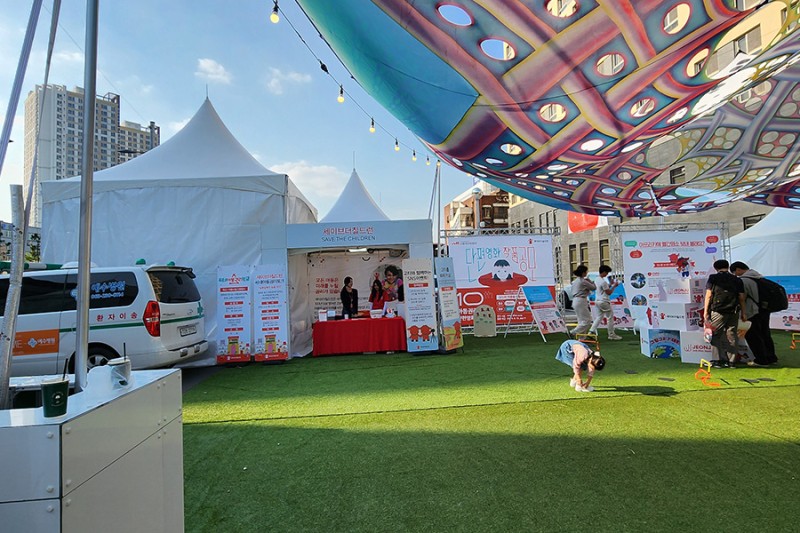
Visit during the Jeonju International Film Festival, which runs for around ten days from late April to early May each year, and the entire street will be filled with red banners and large poster photo zones towering above head height. You can watch independent films at “Jeonju Dome,” installed only during the festival, or browse handicrafts and merchandise booths. Outside the festival period, however, Film Street is closer to an ordinary downtown commercial district lined with well-known brand shops, restaurants, and cafés.
If you are expecting the tranquil atmosphere of tiled roofs and hanok alleys, the nearby Hanok Village may be more suitable. Keep in mind that this street has a strong identity as a theater and shopping district. During the festival, crowds quickly fill theater parking lots, and on opening-ceremony days, parking at nearby performance venues may be restricted entirely. Public transportation is therefore recommended during this period.
Before You Go
- Address
- 44-31 Jeonjuggaeksa 4-gil, Wansan-gu, Jeonju-si, Jeonbuk State (Gosa-dong Five-way Intersection to the Jeonju Film Production Center, approximately 700 meters)
- Hours
- The street itself is open at all times, with no separate operating hours. The affiliated Jeonju Digital Independent Cinema operates according to its screening schedule and is regularly closed every Monday.
- Closed
- The street is open year-round. Jeonju Digital Independent Cinema is closed every Monday, and general screenings are suspended during the Jeonju International Film Festival.
- Admission
- Free access to the street. Jeonju Digital Independent Cinema: general 7,000 won / sponsor members and groups of 10 or more 6,000 won / seniors, children, teenagers, national merit recipients, and people with disabilities 5,000 won (discounts cannot be combined).
- Official site
- https://tour.jeonju.go.kr
- Transport
- From Jeonju Express Bus Terminal, take bus 5-1 from the stop across from the taxi stand or bus 79 from the stop in front of the terminal’s main entrance toward Hanok Village, then walk. From Jeonju Station, routes such as bus 999, passing through Jeonju Station, Jeonju Express Bus Terminal, Jungang Market, Jeondong Catholic Cathedral, and Hanok Village, are available.
- Parking
- Nearby public parking lots, including the Gosa-dong Jeonju Film Production Center public parking lot at 12-5 Jeonjuggaeksa 3-gil, are available. CGV Jeonju Gosa and Megabox Jeonju Gaeksa provide three hours of free parking to visitors with a same-day movie ticket; parking is paid thereafter.
- Time needed
- 30 minutes to 1 hour on foot for the street alone; 2 to 3 hours or more if including a movie screening.
- Accessibility
- According to Open Tourist Destinations barrier-free tourism information, the area has accessible restrooms, elevators, and dedicated parking spaces; the main entrance has no step; low-floor buses can access the area; wheelchairs and strollers can be rented; and convenience services for visitors with visual or hearing impairments are provided.
The information above is current as of the time of writing. Check the official information again before your visit.

Places
Nearby Attractions 5
-
 1
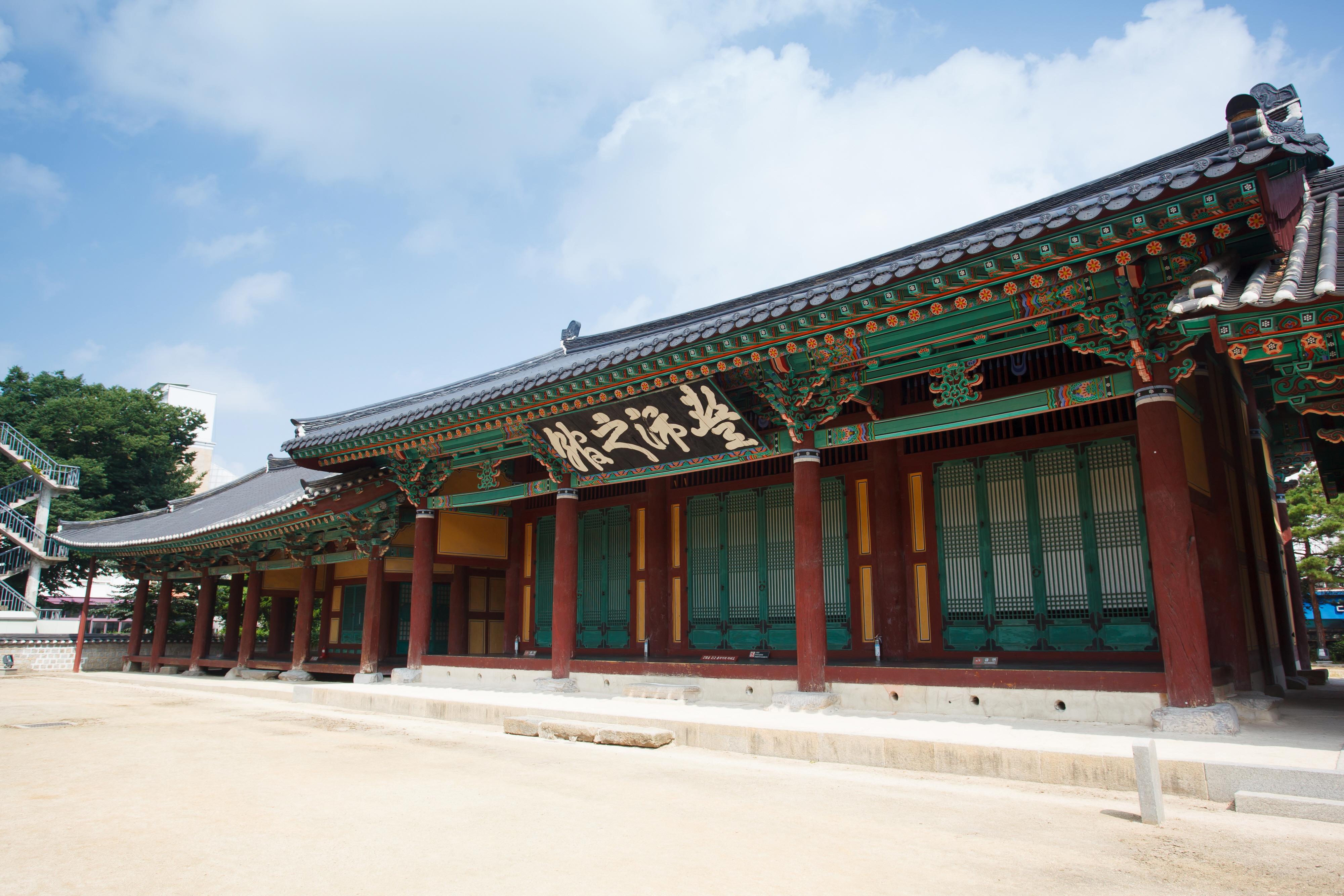
PungpaejigwanA place to explore a Joseon-era guesthouse building and the history of Jeonju’s old downtown.
1
PungpaejigwanA place to explore a Joseon-era guesthouse building and the history of Jeonju’s old downtown. -
 2
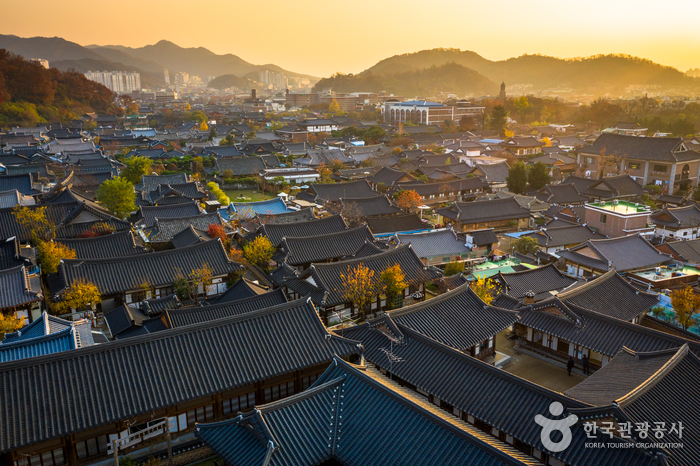
Jeonju Hanok VillageA tourist destination where visitors can explore traditional hanok alleyways and cultural experience spaces
2
Jeonju Hanok VillageA tourist destination where visitors can explore traditional hanok alleyways and cultural experience spaces -
 3
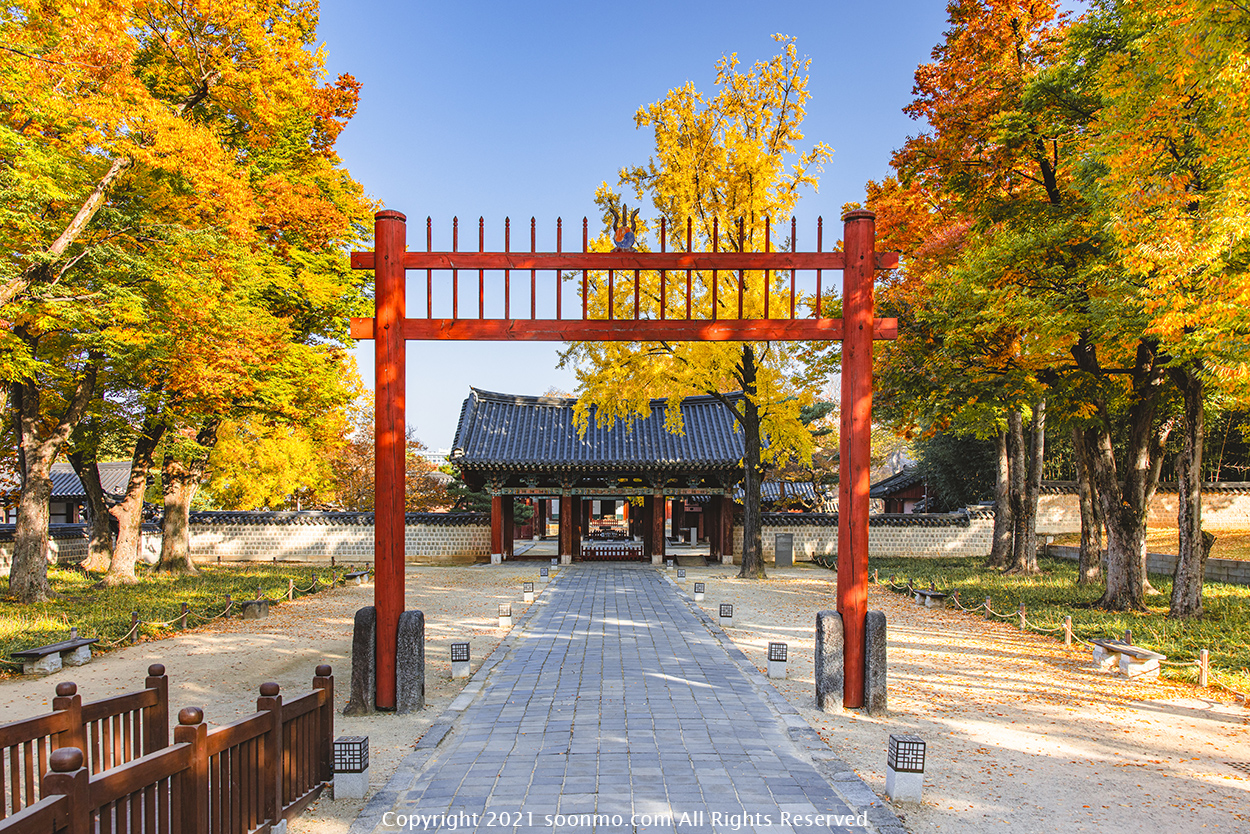
Gyeonggijeon ShrineA historic site where the portrait of King Taejo, founder of the Joseon Dynasty, is enshrined.
3
Gyeonggijeon ShrineA historic site where the portrait of King Taejo, founder of the Joseon Dynasty, is enshrined. -
 4
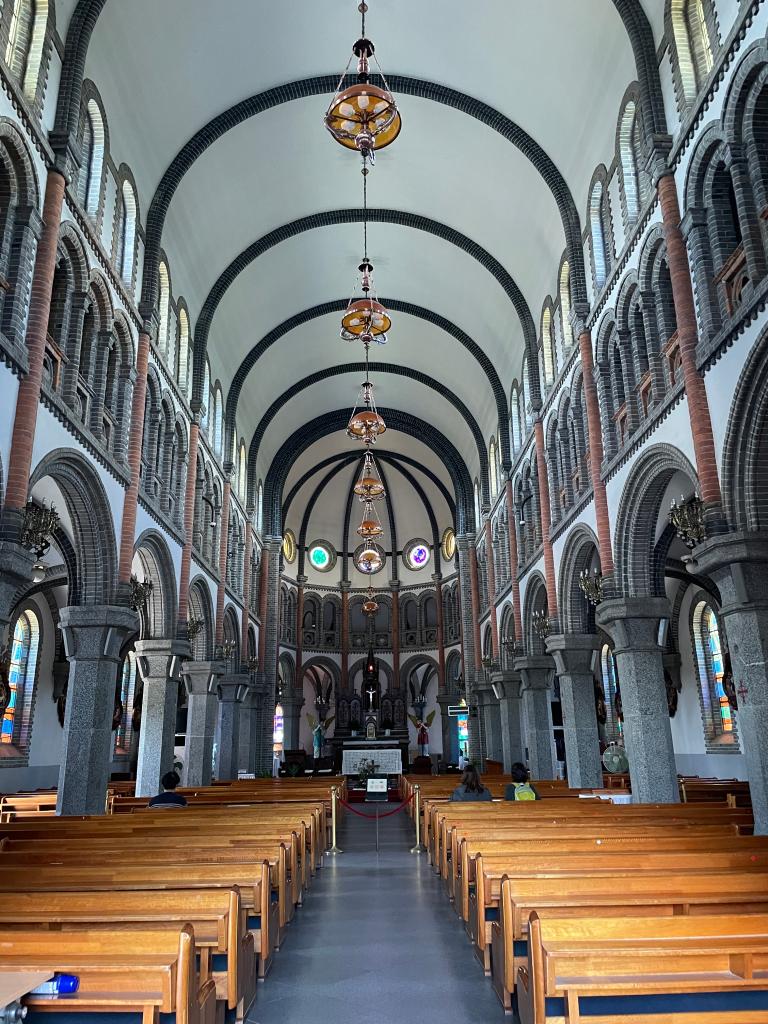
Jeondong CathedralA place to explore the history of Catholic martyrdom and Western-style cathedral architecture
4
Jeondong CathedralA place to explore the history of Catholic martyrdom and Western-style cathedral architecture -
 5
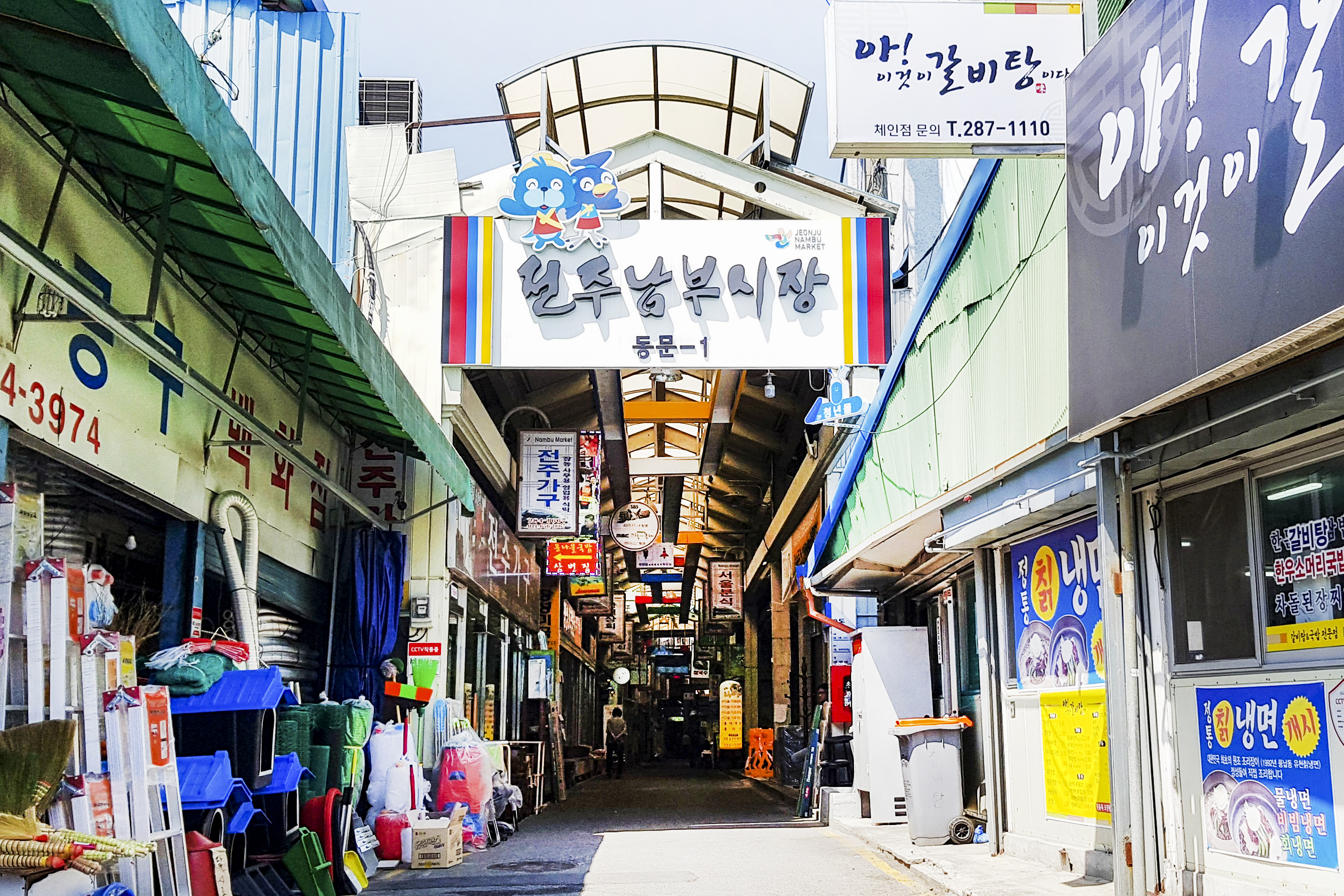
Nambu MarketA place to enjoy traditional market food and the lively atmosphere of a weekend night market
5
Nambu MarketA place to enjoy traditional market food and the lively atmosphere of a weekend night market
More Travel Guides in This Area
 Travel Guide
A Kettle-Centered Spread in Jeonju’s Samcheon-dong, Continuing Since the 1990s
 Travel Guide
Under 700 Roofs, Jeonju Hanok Village Brings Together a Joseon Fortress Site and 1930s Residential Areas
 Travel Guide
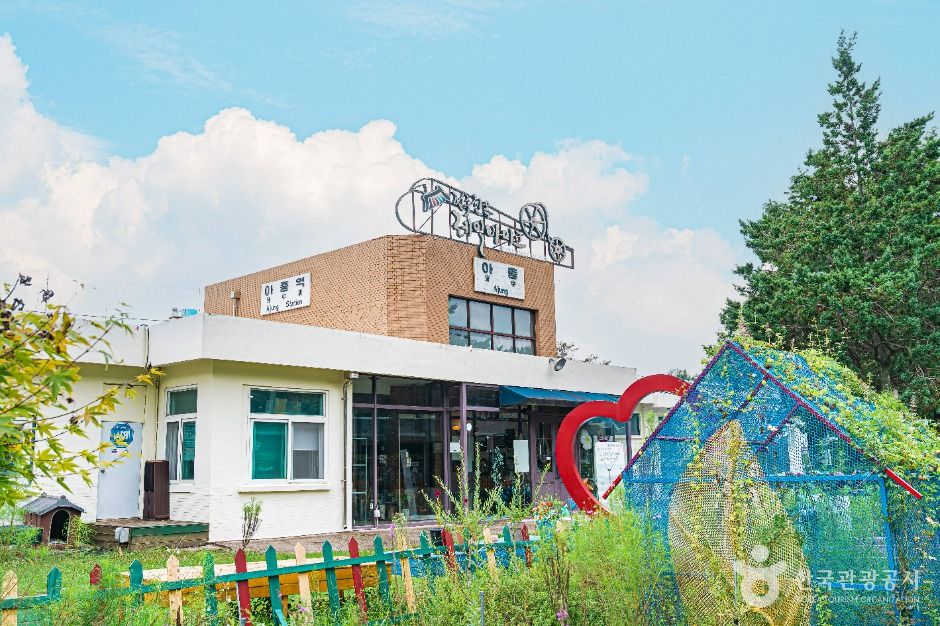
Jeonju Hanok Rail Bike on the Old Ajung Station Railway Line
 Travel Guide
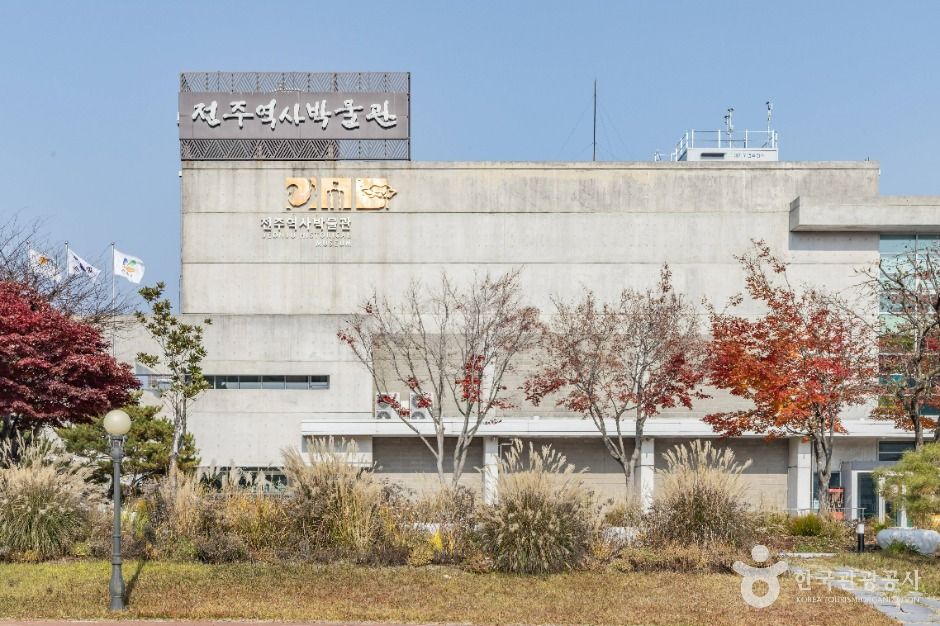
Jeonju History Museum
Korea News
![ZEROBASEONE ‘ZEROBASEONE Shining Even at Night!’ [★Video]](https://kotourlive-images.s3.ap-northeast-1.amazonaws.com/news/1786629298196_13d8a4bb_news_075face7-fb4e-402c-b833-25ccaf88cf8f.jpg) News
News
ZEROBASEONE ‘ZEROBASEONE Shining Even at Night!’ [★Video]
 News
News
Kwon Eun-bi, First Comeback Since Moving from Woollim to RBW: “Aiming for a September Release”
 News
News
“Did Jungkook’s connection continue?” Pop star Usher spotted warmly hugging BTS’s RM and J-Hope
 News
News