Jeonju Dongmun Art Street: An Old Downtown Walk Connecting Used Bookstores and Samyang Dabang
Dongmun Art Street is an open alleyway art space created from the printing and bookstore culture around the eastern gate of Jeonju Fortress. Explore Hongji Bookstore, Hangane Bookstore, Samyang Dabang, and the Dongmun Used Book Library along one route, then continue on foot to Jeonju Hanok Village.

I’ve been here?
Your check-in helps the next traveler.
34 people viewed this week Be the first
One tap — no writing needed
The Location of the Alley That Began at the Eastern Gate of Jeonju Fortress 1,410 Years Ago
The “eastern gate” in the name Dongmun Art Street is presumed to have been situated at the intersection on the way to Gyeonggijeon as Jeonju Fortress was expanded around 1410. Today, the street is addressed as 38 Hyeonmu 2-gil, Wansan-gu, Jeonju-si, Jeonbuk State, and corresponds to the Dongmun shopping district spanning Pungnam-dong and Gyeongwon-dong.
During the Japanese colonial period, the walls of Jeonju-buseong Fortress were demolished and new roads were laid, drawing people to the area around the eastern gate and gradually creating the distinctive atmosphere of its alleys. Gyeonggijeon, Taejo-ro, and Jeonju Hanok Village extend to the south, so visitors can expand their route beyond the main paths of the hanok village to explore Jeonju’s modern and contemporary everyday history.
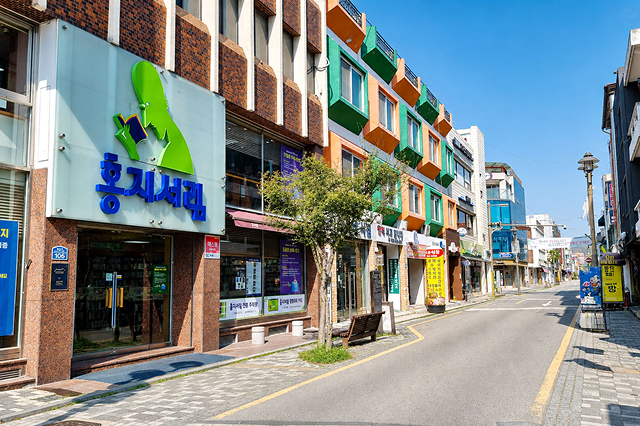
Cultural Hub No. 1 Created by Wanpan Editions and 20th-Century Printing Shops
Dongmun Art Street is connected to Jeonju’s publishing and printing culture, which produced Wanpan editions, woodblock-printed books from the Joseon period. In the 20th century, numerous printing shops, bookstores, and used-book stores were established in this area, making it a leading cultural district for citizens.
In the past, Dongmun Street was both a treasure house of knowledge and a place of rest where students and intellectuals with limited means gathered to discuss learning and art. Although it declined as commercial activity shifted and new urban areas expanded in the 1980s and 1990s, traces of the former used-book stores, printing shops, and art workshops became the cultural backdrop of today’s street.
How the 2012–2016 Art Street Development Project Changed Dongmun-gil
Dongmun Art Street was designated through an art street development project in 2012, which was carried out over five years from 2012 to 2016. The project area ran from the northern wall of Gyeonggijeon to the Korea Traditional Culture Center, with the operation of hub spaces, landscape development, and cultural and arts planning programs as its main components.
The total project cost was 2,600 million won, and two hub spaces, including Jeonju Citizens’ Playground and the Creative Support Center, were established and operated. As of May 2014, there were 310 registered members, the hub spaces had been rented 2,554 times in total, and 19,827 people had used them. These figures show that the area was planned not merely as a decorative street but as a space for civic activity.
In 2013, an “Idea Competition for Creating an Art Road Storytelling Project” was held. At the time, the art road was planned according to a “one artist, one building” approach, in which one artist would be assigned to each building on Dongmun Street, gather the opinions of the building owner and residents, and then install an artwork.
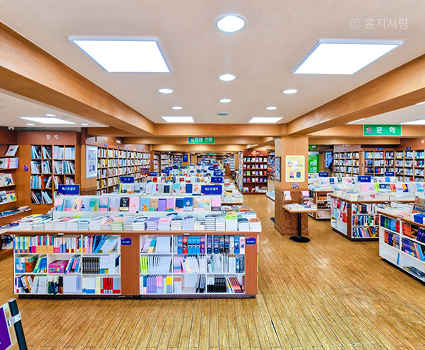
Hongji Seorim, Founded in 1963, and Hangane Bookstore’s Used-Book Alley
At the heart of Dongmun Art Street are three Future Heritage sites that testify to Jeonju’s modern and contemporary humanities history. Jeonju Future Heritage refers to places recognized as “treasures for 100 years from now” among cultural assets containing the lives and memories of modern and contemporary Jeonju citizens.
Hongji Seorim is introduced as the second-oldest bookstore in the country, having opened in 1963. Writers including Choi Myeong-hui, Eun Hee-kyung, and Yang Gui-ja nurtured their literary dreams here, and there is also a story of novelist Yang Gui-ja acquiring and preserving the bookstore when it faced bankruptcy.
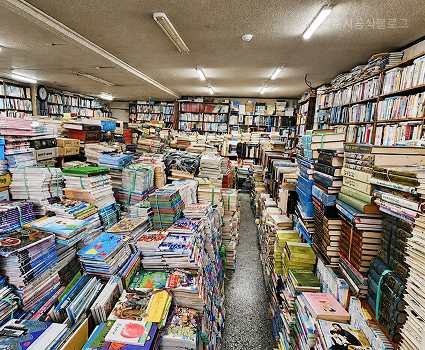
Hangane Bookstore is introduced as the representative antique bookstore with the longest history in Dongmun’s used-book alley. These are shops where visitors choose and purchase books rather than designated exhibition halls to tour like modern bookstores, so interior access and photography are subject to each store’s operating policies.
Meeting the Old Jeonju at Samyang Teahouse, Opened in 1952
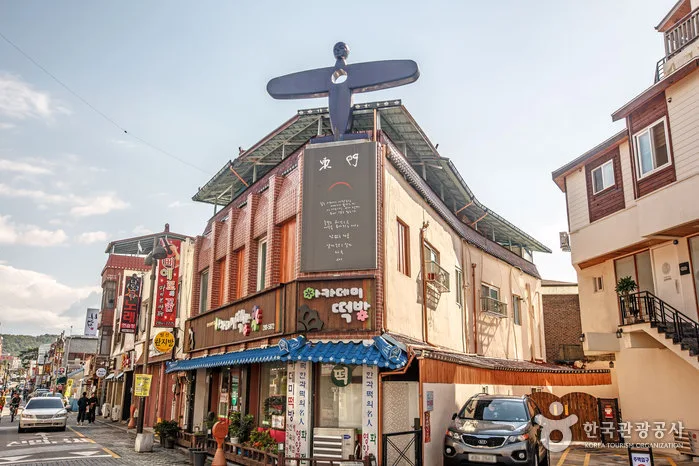
Samyang Teahouse is introduced as the oldest teahouse in the Republic of Korea, having opened in 1952. Because it once served as a haven for artists and intellectuals, Dongmun Art Street allows visitors to explore not only the history of books and printing culture but also the history of a place where people met and talked.
Samyang Teahouse is a teahouse serving beverages, not an independent exhibition facility. Therefore, the use of indoor seating and the extent to which photography is permitted depend on the store’s operations on the day of the visit. The fact that Dongmun Art Street itself is always open and free does not guarantee Samyang Teahouse’s business hours or conditions of use.
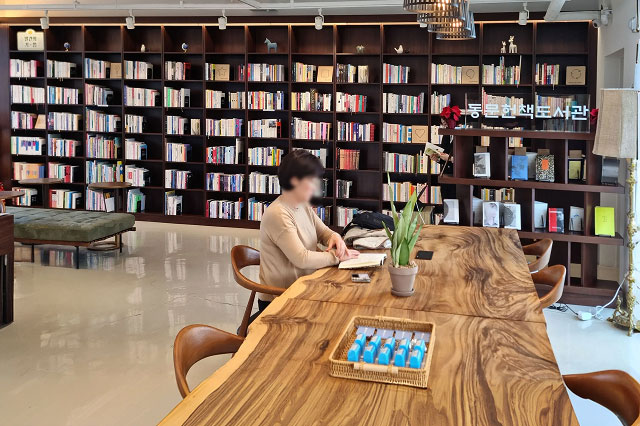
Dongmun Used-Book Library, Opened in December 2022
Dongmun Used-Book Library is a newly reborn space that preserves the history of Jeonju’s representative used-book alley, which has continued since the 1950s. With more than approximately 4,000 books, it is a free library where visitors can experience the alley’s reading culture without buying a book.
The building consists of three floors, from one basement level to two above-ground levels. Visitors can see nostalgic comic books, antique books, and rare editions. It also has a DVD viewing area, laptop workstations, and mobile-phone charging facilities, making it a useful stopping point while walking through Jeonju’s old downtown.
However, the latest opening hours and closing days of Dongmun Used-Book Library are separate from information about the street being open at all times. If the library interior is your destination, distinguish between entering the street and entering the building.

How to Get There from Jeonju Station or the Bus Terminal via Hanok Village
For foreign visitors departing from Jeonju Station, the easiest route to understand is to take bus 1000 or 79, as shown on Jeonju’s official walking-tour map, toward Jeonju Hanok Village. Bus 1000 is listed as taking 21 minutes from the main gate of Jeonju Zoo to Jeonju Station’s First-Meeting Road, 19 minutes to the Express Bus Terminal, 25 minutes to Jeonju Hanok Village, and 15 minutes to Seohak-dong Art Village.
Bus 79 is listed as taking 17 minutes from the main gate of Jeonju Station to the Intercity Bus Terminal, 4 minutes to the Express Bus Terminal, 23 minutes to Jeonju Hanok Village, and 3 minutes to Pungnammun Gate. This does not mean the bus goes directly in front of Dongmun Art Street’s address, so it is more realistic to get off at Jeonju Hanok Village and walk in for about five minutes.
Dongmun Art Street is about a five-minute walk from Jeonju Hanok Village. It is not a destination accessed through a subway station exit like those in Seoul, and publicly available information does not confirm the exact stop name, stop number, or walking distance after getting off for a stop directly connected to Dongmun Art Street.
Always Open and Free, but Consider Each Store’s Terms Separately
As of 2026, Dongmun Art Street itself is open at all times and has no closing days throughout the year. Admission is also free, and no separate ticket booth or combined admission ticket is required to walk along the street and view the alley scenery.
Exhibitions, performances, and cultural and arts programs take place throughout the four seasons, while flea markets and cultural events are held in the alleys. However, the dates of specific events, access to workshops, store hours, photography policies, and the availability of English guidance or audio guides are separate matters from the street’s free and always-open status, so they cannot be covered by one general rule in this article.
It is safest to check the latest information before visiting, including the representative telephone number and official Information address.
},{Using Public Hanok Village Parking Lots When Arriving by Car
No dedicated parking information for Dongmun Art Street has been confirmed. Instead, visitors may consider Hanok Village Public Parking Lots 1, 2, 3, and 4, which are listed by Jeonju City. Publicly available information does not provide exact walking times from each parking lot to the street.
Hanok Village Public Parking Lots 1, 2, and 3 are listed as charging 1,200 won for the first 30 minutes, 600 won for each additional 15 minutes, and a maximum of 14,400 won per day. Public Parking Lot 4 is listed as free, so first distinguish between the conditions of paid and free parking lots.
The recommended sightseeing time for Dongmun Art Street as a whole and wheelchair and stroller accessibility have not been confirmed in publicly available materials. Since the itinerary involves walking through alleys, it is more suitable to park nearby and connect Hanok Village and Dongmun Street on foot rather than drive into the street.
A Southern Walking Route Combined with Gyeonggijeon and Taejo-ro
Gyeonggijeon, Taejo-ro, and Jeonju Hanok Village are located south of Dongmun Art Street. After walking about five minutes from Jeonju Hanok Village into Dongmun Art Street, visiting Hongji Seorim, Hangane Bookstore, Samyang Teahouse, and Dongmun Used-Book Library in that order best reveals the character of the area.
Nearby are Jeonju’s representative kongnamul-gukbap restaurants and long-established eateries. You do not need to eat in every space within the art street; instead, you can visit the bookstores and teahouse first and then choose a nearby long-established restaurant.
Dongmun Art Street is connected to plans to develop it as a tourism hub that draws visitors from Jeonju Hanok Village. In 2019, murals were painted along Dongmun Street’s alleys and old flowerbeds were replaced to create an art garden. Jeonju City also created a map of Dongmun’s alleys and improved the walking environment so travelers could explore every corner of the street.
The Character of Jeonju Citizens’ Playground and Spaces for Young Artists
Jeonju Citizens’ Playground is introduced as the nation’s first practice space open 24 hours a day and is described as a facility that Jeonju citizens and various clubs—anyone in Jeonju—can use throughout the year. It is a multipurpose space for practice, presentations, education, and rest, but it is not described as a tourist facility where visitors can freely tour every interior area without a reservation.
The first floor has Story Playground, the Tteodeum Space, a meeting space, and a Consideration Space, which is designated as a practice room for people with disabilities. The second floor has Sound Playground, a soundproof practice room focused on music, while the third floor has a multipurpose practice room and Creative Playground, a creative space.
As of May 2014, regular rentals were available for three hours at a time, for up to three months, with regulations allowing use twice a week and eight times a month. Support projects such as Dongmun Art School and Dongmun Art Market were also promoted on Dongmun Street, and 60 Dongmun-gil was introduced as a space for humanities concerts, a humanities rest area, and a gallery café.
Before You Go
- Address
- 38 Hyeonmu 2-gil, Wansan-gu, Jeonju-si, Jeonbuk State
- Hours
- Open at all times
- Closed
- Open year-round (the street itself)
- Admission
- Free
- Phone
- 063-287-2012
- Official site
- https://tour.jeonju.go.kr/index.jeonju?menuCd=DOM_000000112002005000
- Transport
- About a five-minute walk from Jeonju Hanok Village. Jeonju’s official walking-tour map lists bus routes 1000 and 79, which pass through Jeonju Hanok Village.
- Parking
- No dedicated parking information for Dongmun Art Street has been confirmed. Nearby options include Hanok Village Public Parking Lot 1 (1,200 won for the first 30 minutes, 600 won for each additional 15 minutes, maximum 14,400 won per day), Public Parking Lot 2 (same rates), Public Parking Lot 3 (same rates), and Public Parking Lot 4 (free).
The information above is accurate as of the time of writing. Check the official information again before visiting.

Places
Nearby Attractions 3
-
 1
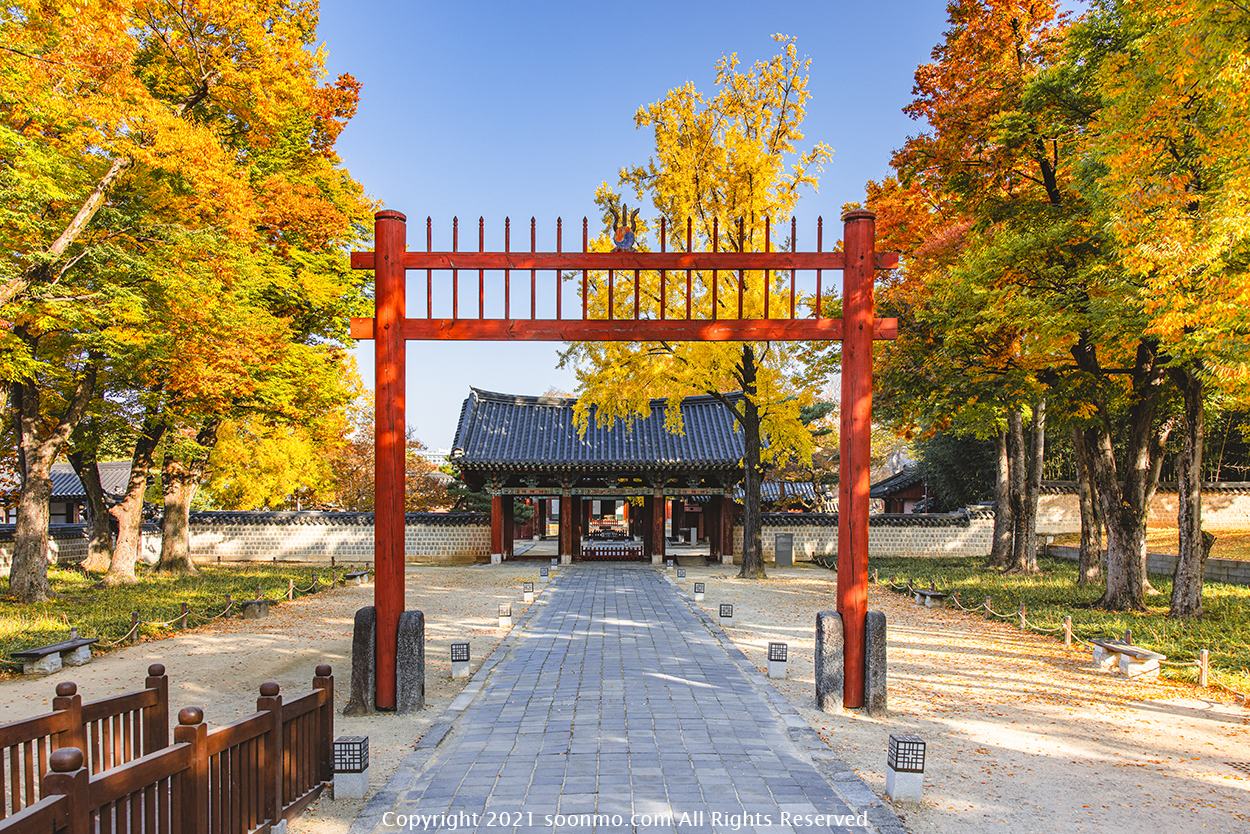
Gyeonggijeon ShrineExplore the portrait of King Taejo and historic sites associated with the Joseon royal family.
1
Gyeonggijeon ShrineExplore the portrait of King Taejo and historic sites associated with the Joseon royal family. -
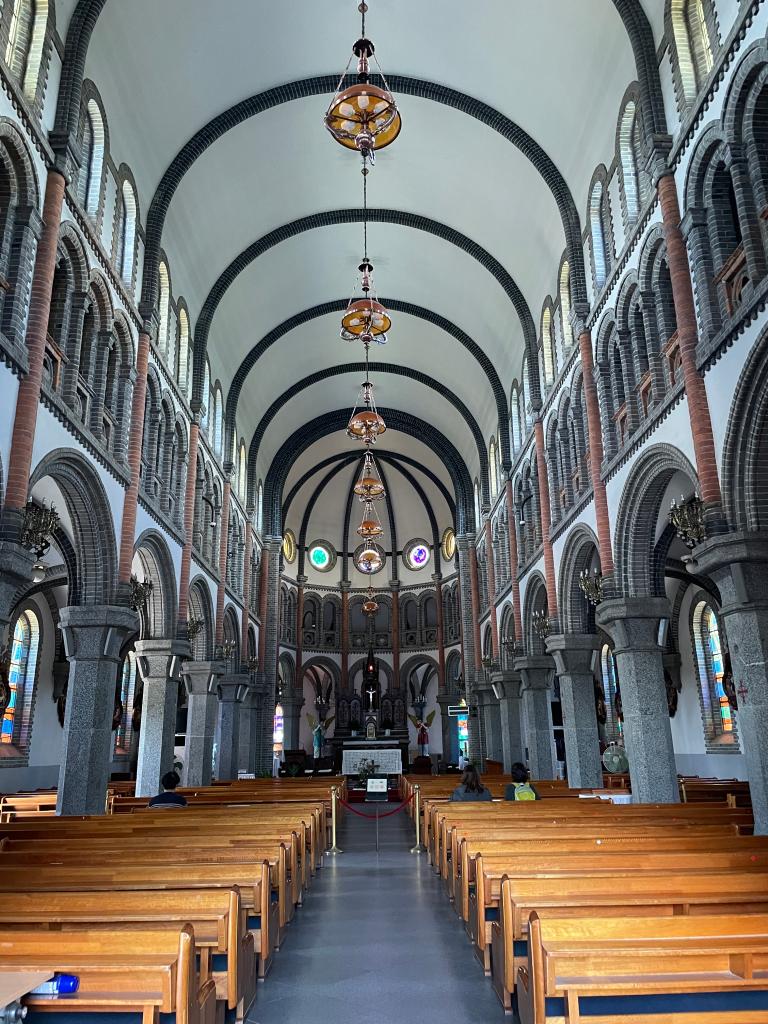 2
Jeondong CathedralExplore the cathedral’s Romanesque architecture and its history of martyrdom.
2
Jeondong CathedralExplore the cathedral’s Romanesque architecture and its history of martyrdom. -
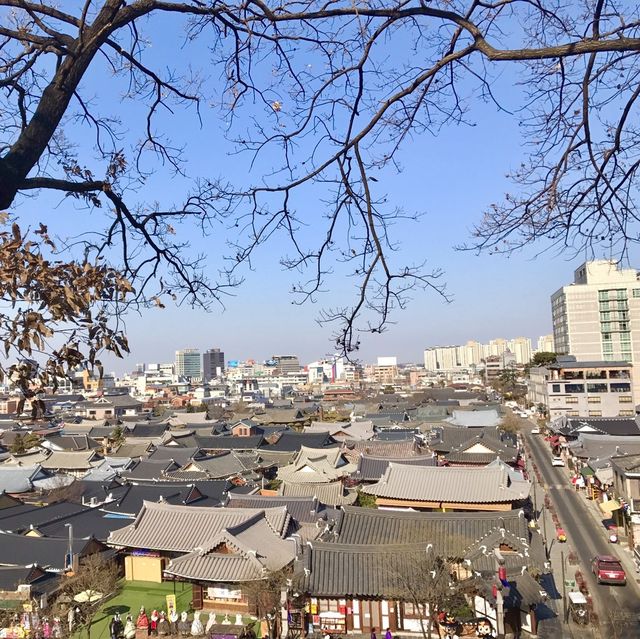 3
3
Food & Dining 2
-
 4
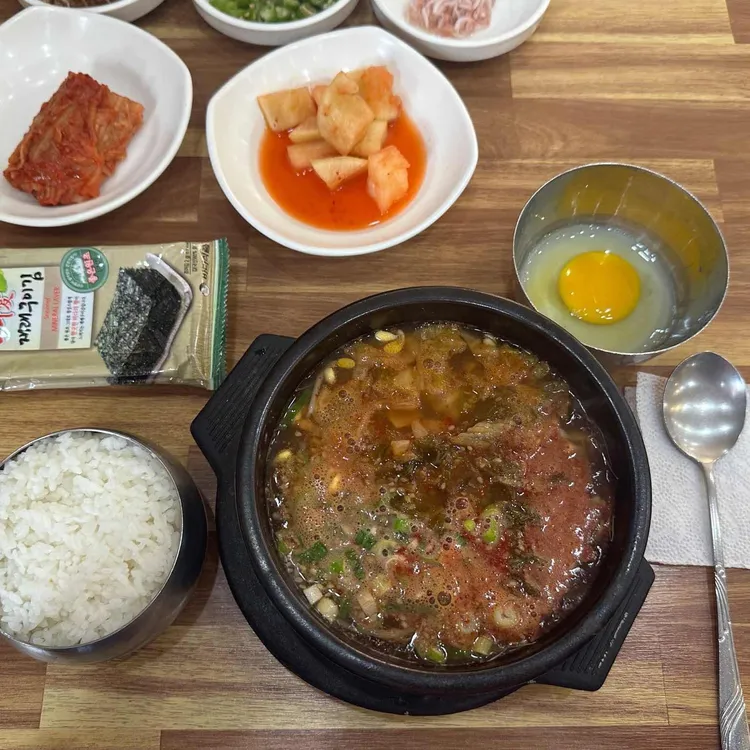
Pungjeon Kongnamul GukbapEnjoy bean sprout soup with rice, blood sausage soup, and dried radish leaf soup.
4
Pungjeon Kongnamul GukbapEnjoy bean sprout soup with rice, blood sausage soup, and dried radish leaf soup. -
 5
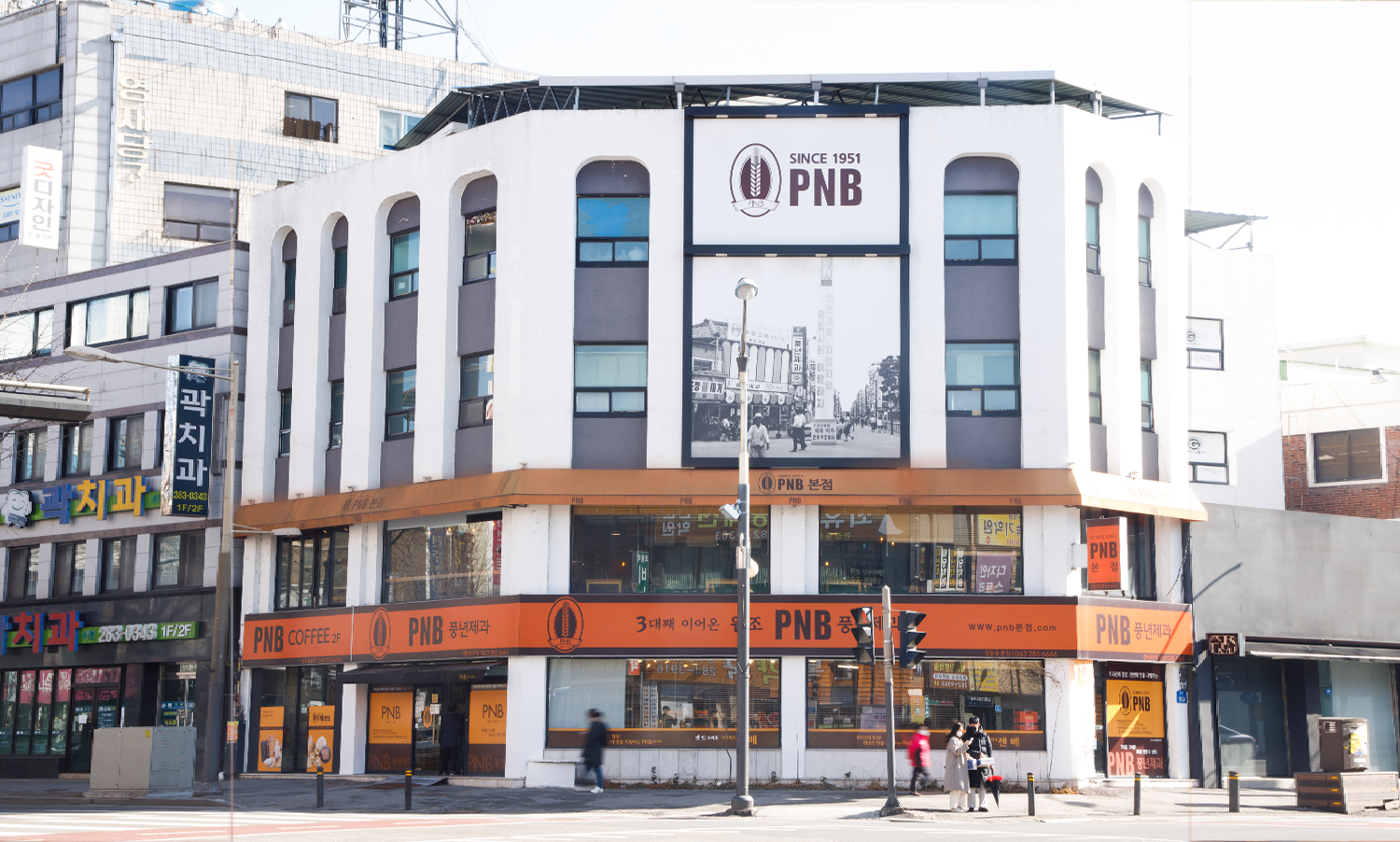
PNB Pungnyeon Confectionery Jeonju Main StoreTaste and purchase handmade chocolate pies and traditional confectionery.
5
PNB Pungnyeon Confectionery Jeonju Main StoreTaste and purchase handmade chocolate pies and traditional confectionery.
More Travel Guides in This Area
 Travel Guide
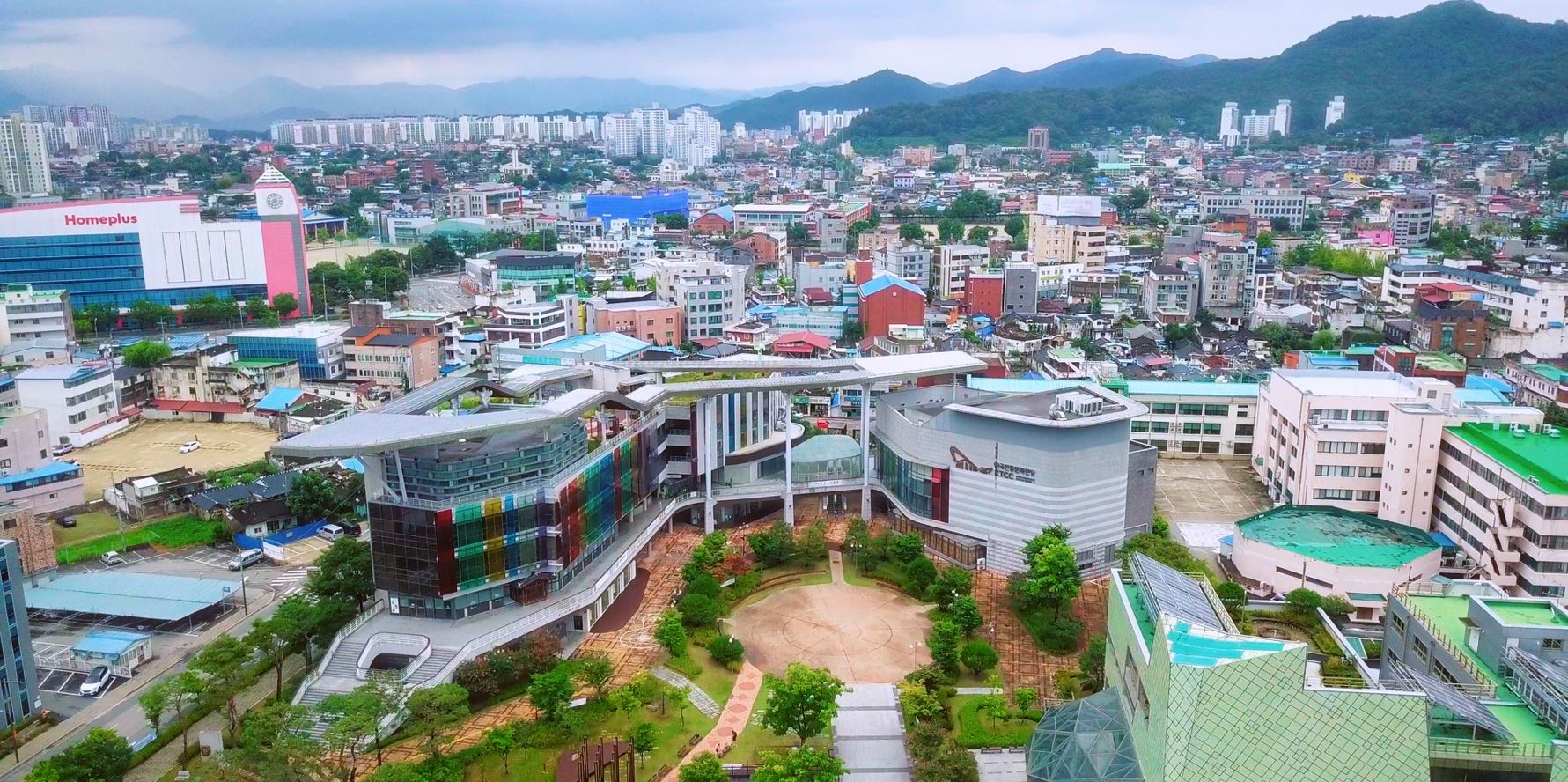
20 Hyeonmu 1-gil, the Korea Traditional Culture Center Where Hanji and Korean Cuisine Meet
 Travel Guide
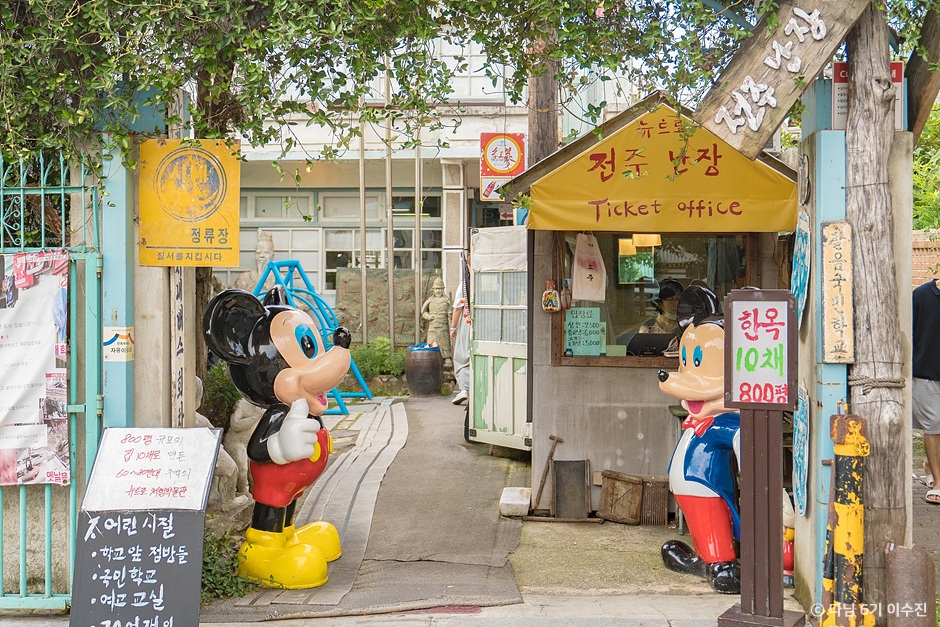
77 Hands-On Modern Life Themes at Jeonju Nanjang
 Travel Guide
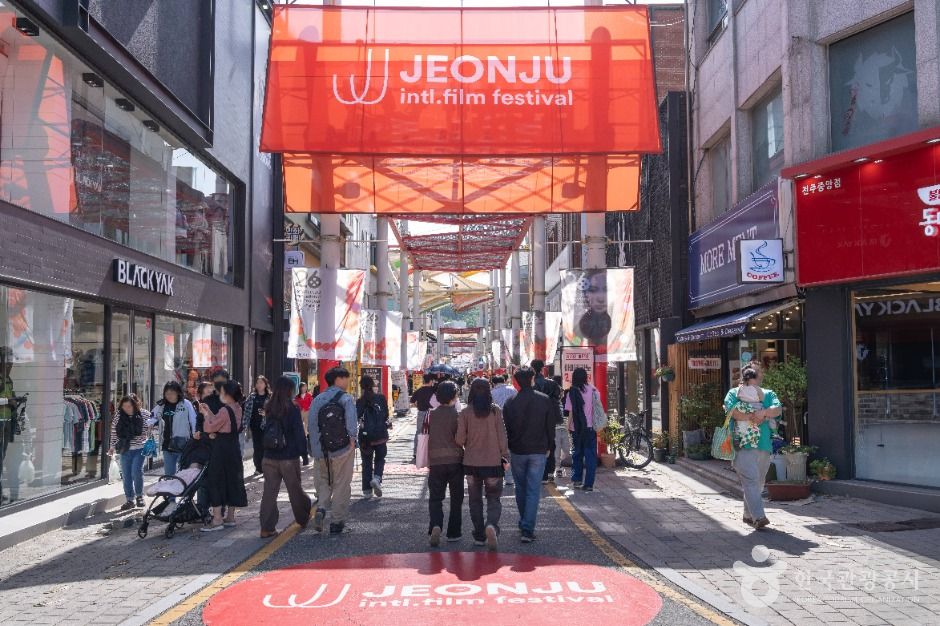
Jeonju Movie Street — A 700 m Film Road Born in the Gosa-dong Five-Way Intersection Theater District
 Travel Guide
Jeonju Seonosong Art Village: An Urban Regeneration Site Where 20 Rooms of Seonmi Village Were Transformed
Korea News
 News
News
‘NewJeans Expulsion’ Danielle Releases Her First YouTube Video… “We Don’t Know What Will Happen Next”
![aespa’s North American Tour Has Remaining Seats Despite ‘$49’ Bargain Prices… A Stark Popularity Gap with KATSEYE [TEN Starfield]](https://kotourlive-images.s3.ap-northeast-1.amazonaws.com/news/1788485037424_a59b1932_naver_rank_thumb_0000774618_1788485037424.jpg) News
News
aespa’s North American Tour Has Remaining Seats Despite ‘$49’ Bargain Prices… A Stark Popularity Gap with KATSEYE [TEN Starfield]
![[Photo] TWICE’s Dahyun attends a film festival red carpet as an actress](https://kotourlive-images.s3.ap-northeast-1.amazonaws.com/news/1788485316508_edd43ecd_news_870a60a6-6f11-4d73-aa7c-48d91318a0f7.jpg) News
News
[Photo] TWICE’s Dahyun attends a film festival red carpet as an actress
![[On-Site Video] “We’re Departing Separately Together”… BIGBANG Begins ‘COSMOS’ World Tour](https://kotourlive-images.s3.ap-northeast-1.amazonaws.com/news/1788485226518_c5719641_news_fdd4764a-0f4e-4968-8e4e-e98a02872f88.jpg) News
News