Reading the Divided Landscape of Paju's Imjingak from the 83m Freedom Bridge
Paju's Imjingak is a unification tourism site created after the July 4, 1972 North-South Joint Statement. The Freedom Bridge, Mangbaedan Altar, and the Jangdan Station steam locomotive on the Gyeongui Line connect memories of the Korean War and separation. The outdoor areas can be visited for free, but parking is charged separately, and for the Peace Gondola that goes into the civilian control line, you should check the separate fare and operating conditions.
I’ve been here?
Your check-in helps the next traveler.
19 people viewed this week Be the first
One tap — no writing needed
After the July 4, 1972 Joint Statement, a gateway of memory built south of the Imjin River
Imjingak Tourist Site is a unification-themed attraction created after the July 4, 1972 North-South Joint Statement. The official Paju City guide explains this place as one where the sorrow of the Korean War, which broke out on June 25, 1950, and the ensuing conflict between compatriots remains, and notes that the Imjingang Battlefield Memorial, U.S. Armed Forces Service Memorial, Mangbaedan, Freedom Bridge, and the steam locomotive from Jangdan Station on the Gyeongui Line can all be seen in one place.
The core of this site is not a single observation deck, but rather reading in sequence the various relics left where the Imjingang railway bridge and the north-south transport axis were cut off. Imjingak is located at 148-53 Imjingak-ro, Munsan-eup, and the Paju City Tourist Information Center phone number is 031-953-4744. The official Paju City tourism website is https://tour.paju.go.kr.
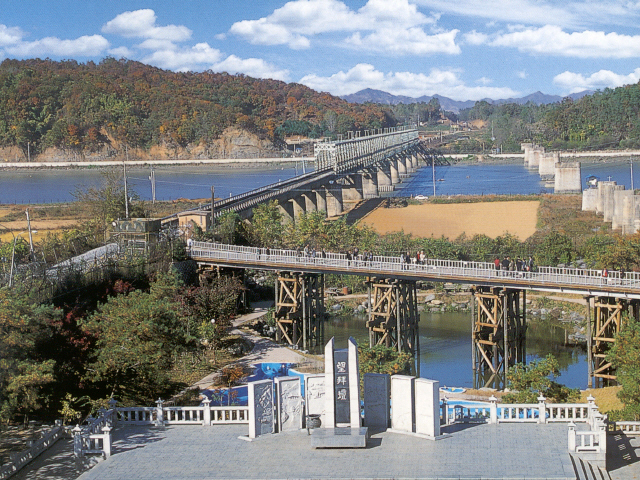
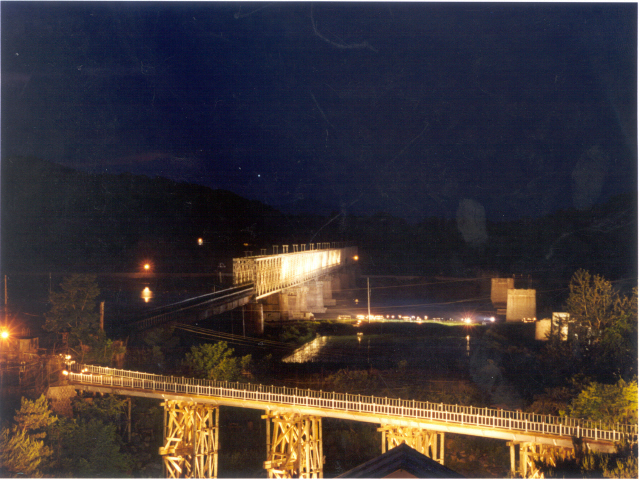
Freedom Bridge, 83 m long, where 12,773 prisoners of war returned
Freedom Bridge got its name from the return of 12,773 Korean War prisoners of war in 1953. The original Gyeongui Line railway bridge had two spans, one for upbound and one for downbound traffic, but it was destroyed by bombing; to allow the prisoners to pass through, the railway bridge on the western pier was restored, and a temporary bridge was placed at the southern end.
According to current guide materials, the bridge is a six-span wooden flat bridge, 83 m long, 4.5 to 7 m wide, and about 8 m high. Because it was a temporary bridge made with both steel beams and timber, its historical meaning as a place of return is more important than its architectural beauty. When visiting, it is easiest to understand how war severed the transport network by moving from Mangbaedan toward the bridge and viewing it together with the remaining railway bridge piers.
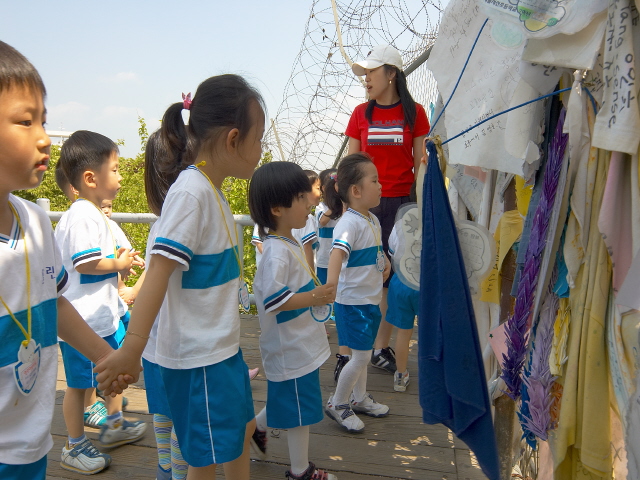
The place left by Mangbaedan and the Lunar New Year and Chuseok rites to the North
Mangbaedan was a place where displaced people with their hometowns north of the armistice line paid respects to their parents and grandparents in the North. The Paju City guide explains that during Lunar New Year and Chuseok, or when missing their families, displaced people would offer rites here, closer to their hometowns.
Therefore, Mangbaedan should be read not merely as a sculpture for photography, but as a space that reveals the experience of division, when even confirming whether separated family members were alive or dead was difficult. Before and after your visit, it is better to link Freedom Bridge and Mangbaedan along the same route, and to start with this section rather than the noisier amusement area so you do not miss the character of the site.
The Jangdan Station steam locomotive with more than 1,020 bullet marks left on it
The Gyeongui Line Jangdan Station steam locomotive is Registered Cultural Heritage No. 78. After being bombed and derailed during the Korean War, it was left in the DMZ for more than half a century, and after being registered as cultural heritage in 2004, it was preserved and moved to Imjingak for exhibition.
Paju City guide materials state that the locomotive bears more than 1,020 bullet marks and has twisted wheels. What matters is that it is a train that stopped on a section of the Gyeongui Line, which opened in 1906 and linked Seoul and Sinŭiju. When viewing the "Iron Horse Wants to Run" exhibit, it is better not to see the rusted exterior simply as an old train, but to understand it as a trace of a railway that was halted, along with evacuation and military transport.
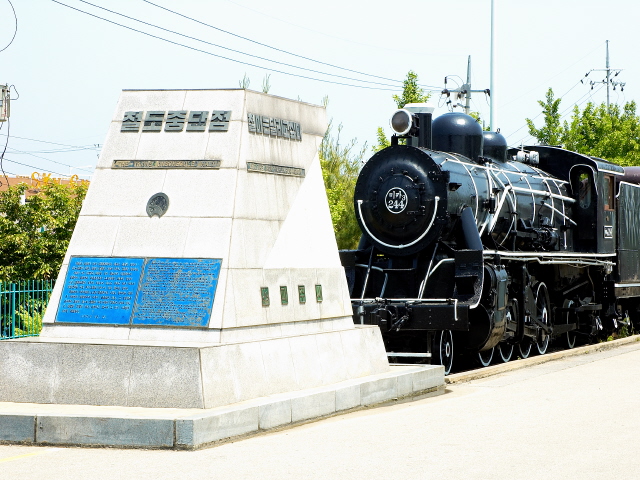
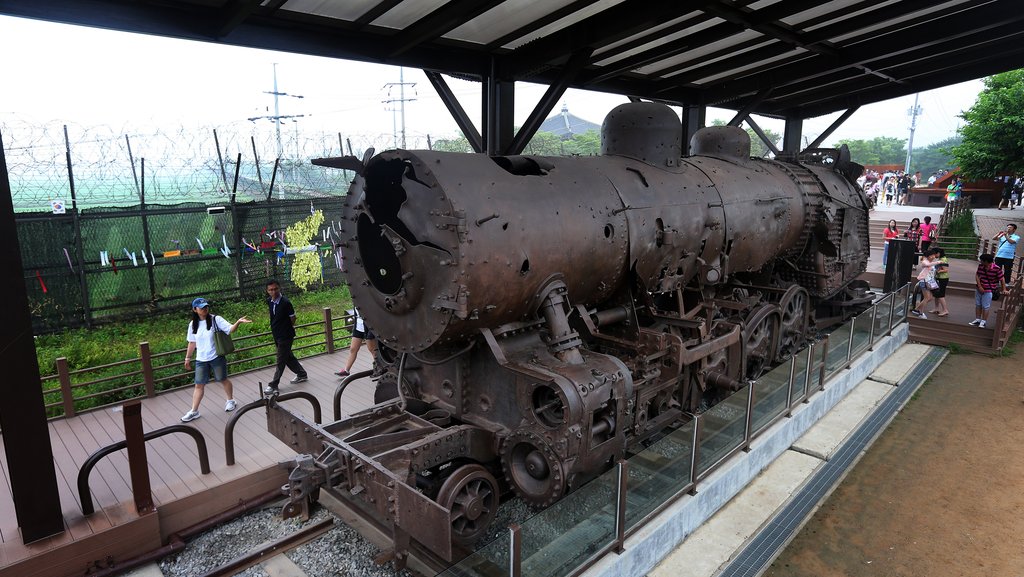
The 21-ton Bell of Peace and the Peace Nuri grassy hill for 30,000 people
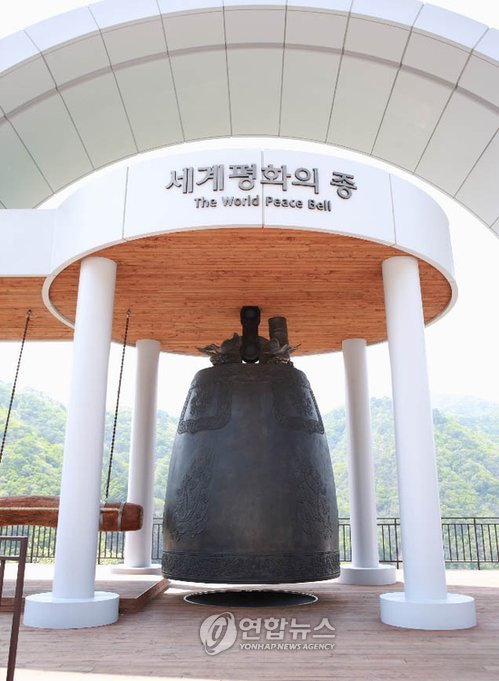
Imjingak's Bell of Peace was created to symbolize the 21st century, with a weight of 21 tons, a height of 3.4 m, and a diameter of 2.2 m, and was struck 21 times at 0:00 on January 1, 2000. The bell pavilion is described as a wooden hip-roof structure with an area of 21 pyeong and a height of 12.2 m.
Peace Nuri Park was developed in connection with the 2005 World Peace Festival, and the integrated reservation guide for cultural tourism interpreters introduces it as an outdoor space centered on a large grassy hill for 30,000 people. However, reservations for cultural tourism interpreters are currently marked as "Reservations unavailable," so instead of planning your schedule around a guided tour, it is safer to ask the on-site information center at 031-953-4744 whether there is a program on the day of your visit.
Parking from 1,000 KRW to 5,000 KRW, gondola ticket sold separately
The general admission fee for the outdoor area of Imjingak Tourist Site itself is free, but parking is paid. Compact cars are 1,000 KRW, small to mid-size cars 2,000 KRW, and large vehicles 5,000 KRW, in accordance with Paju City's facility usage fee standards for tourist sites. Since address listings differ between 148-53 and 148-73 Imjingak-ro depending on the source, it is better to enter "Imjingak Tourist Site" or the official address, 148-53 Imjingak-ro, Munsan-eup, into your vehicle navigation first.
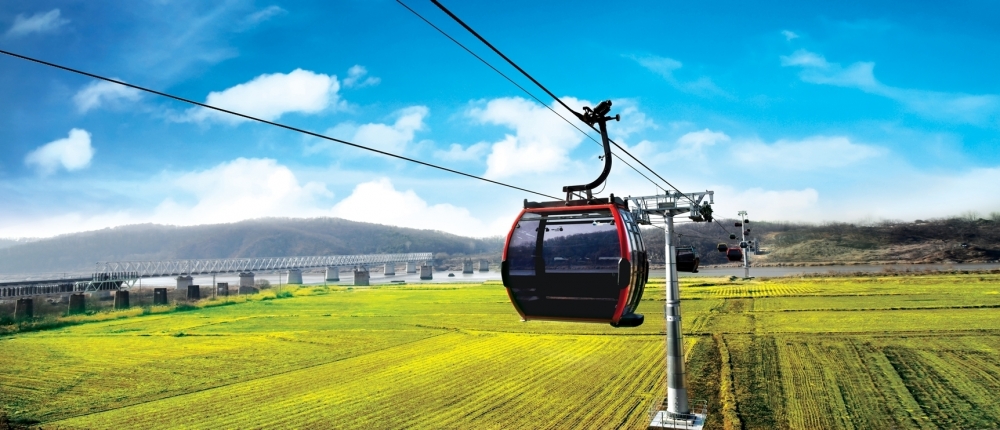
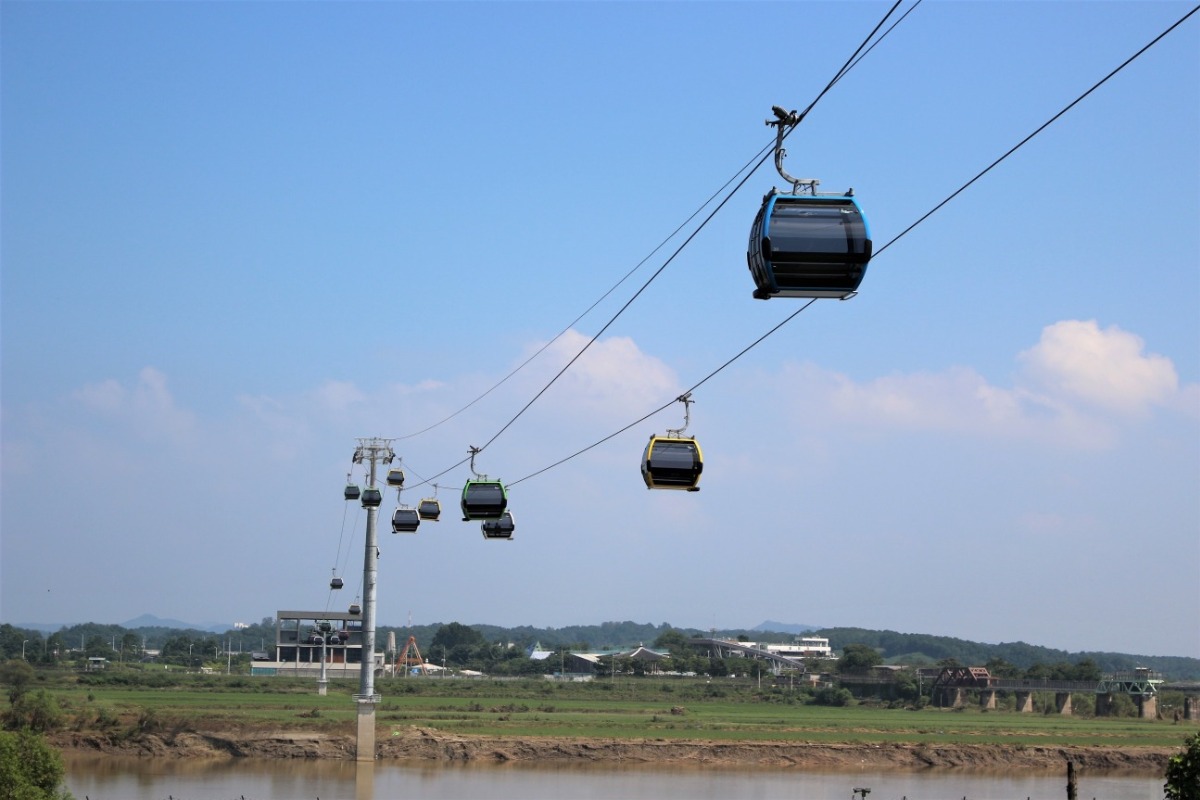
The Imjingak Peace Gondola, which crosses a civilian control zone section, is a separate product from sightseeing in the tourist site. For a standard round trip, adults pay 11,000 KRW, children 9,000 KRW, and seniors, people with disabilities, and national merit recipients 8,000 KRW; Crystal Gondola fares are 14,000 KRW, 12,000 KRW, and 11,000 KRW respectively. Operating hours are listed as 09:00 to 18:00, but it may be closed for regular quarterly safety inspections and in bad weather, so confirmation on the day of boarding is necessary.
- Imjingak Tourist Information Center: 031-953-4744
- DMZ Peace Tour Information: 031-950-1974
- DMZ Peace Tour Ticket Office: 031-954-0303
- Boarding the gondola may require separate operating conditions such as identity verification.
For wheelchair and stroller routes, start at the Korea Peninsula Ecology and Peace Integrated Tourism Center
Imjingak Tourist Site has been developed as an open tourist site and includes 28 designated parking spaces for people with disabilities, pedestrian safety paths in front of the parking lot, and accessible and general-use restrooms on the first and second floors of the Korea Peninsula Ecology and Peace Integrated Tourism Center. The restrooms are equipped with backrests for toilets, washbasins, and infant care stations.
At the center ticket office, there is one priority counter for people with disabilities and their companions, and on the rooftop outdoor space there are history guides using easy language, braille, and embossed photographs. The Peace Gondola is said to allow electric wheelchair users to board because it has foldable seats. However, the area around Freedom Bridge is a historical heritage zone, so before you move strollers or wheelchairs, it is best to check the day’s accessible route with the on-site information center.
- Special transportation / voucher taxi: after prior registration, reserve through the Gyeonggi Province Metropolitan Mobility Support Center, 080-699-6199
- Basic fare for special transportation: 1,500 KRW, plus 100 KRW for every 5 km beyond 10 km
- Voucher taxi basic fare within the district: flat 1,200 KRW
- The mobility support center is listed as operating 24 hours a day, year-round
Two-hour route: Mangbaedan → Freedom Bridge → Steam Locomotive → Bell of Peace
For a first visit, it is appropriate to start at the parking lot or tourist information center and allow about two hours in the order of Mangbaedan, Freedom Bridge, the Gyeongui Line Jangdan Station steam locomotive, the Bell of Peace, and the Peace Nuri grassy hill. If you also use the gondola, you should plan for at least three hours, including ticketing, boarding wait times, and time to view the civilian control zone section.
Imjingak is not a place where you quickly see one indoor museum; it is a place where wartime relics scattered outdoors are connected on foot. It may not suit those who want to stay indoors out of the wind or expect an itinerary centered on amusement rides. On the other hand, it is suitable for visitors who want to understand the history of the Korean War and division, the interruption of the Gyeongui Line, and the everyday life of displaced people through concrete relics and terrain.
Before You Go
- Address
- 148-53 Imjingak-ro, Munsan-eup, Paju-si, Gyeonggi-do
- Hours
- Whether the outdoor area of Imjingak Tourist Site is open for viewing all the time should be confirmed in a separate notice, and Imjingak Peace Gondola operates from 09:00 to 18:00
- Closed
- Imjingak Peace Gondola: closed for regular quarterly safety inspections and during bad weather
- Admission
- Outdoor area of Imjingak Tourist Site free; Imjingak Peace Gondola standard round trip adults 11,000 KRW / children 9,000 KRW
- Phone
- 031-953-4744
- Official site
- https://tour.paju.go.kr
- Parking
- Paid: compact 1,000 KRW, small to mid-size 2,000 KRW, large 5,000 KRW
- Time needed
- About 2 hours for the outdoor heritage route, at least 3 hours if including the Peace Gondola
- Accessibility
- 28 designated parking spaces for people with disabilities, barrier-free routes, accessible restrooms, braille and tactile guidance, electric wheelchair access to the Peace Gondola
The information above is current as of the time of writing. Please check the official notice again before visiting.

Places
Nearby Attractions 5
-
 1
1
-
 2
2
-
 3
3
-
 4
4
-
 5
5
Food & Dining 5
-
 6
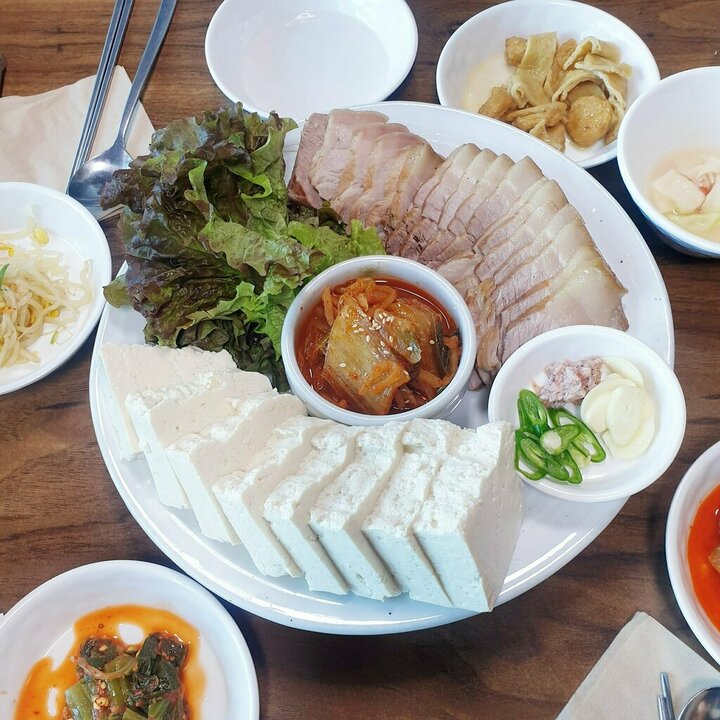
Saemteul Tofu House
6
Saemteul Tofu House -
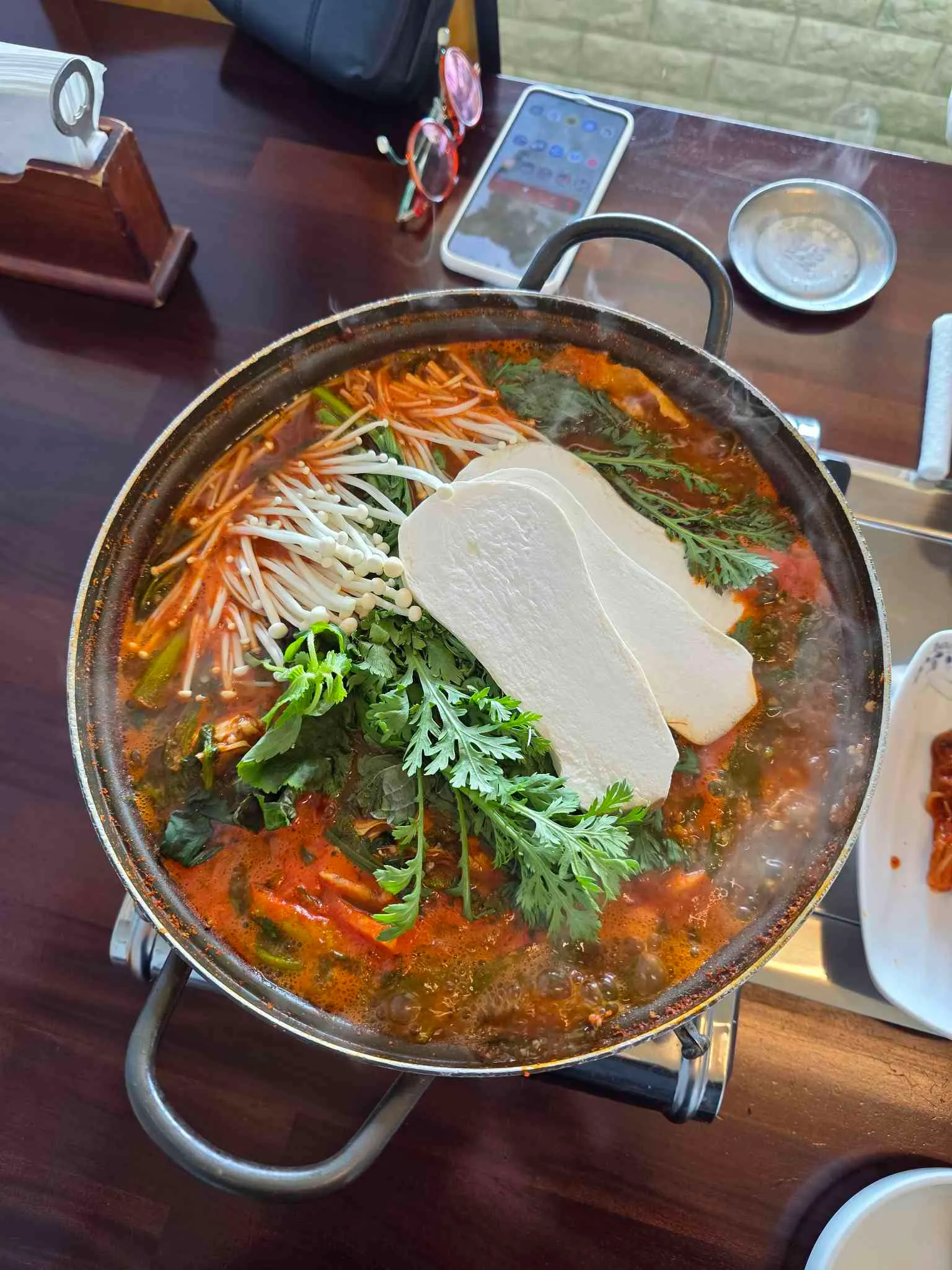 7
7
-
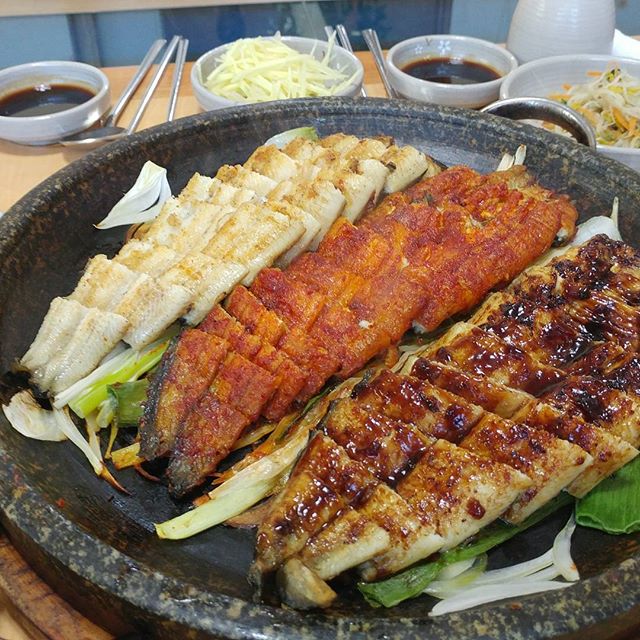 8
8
-
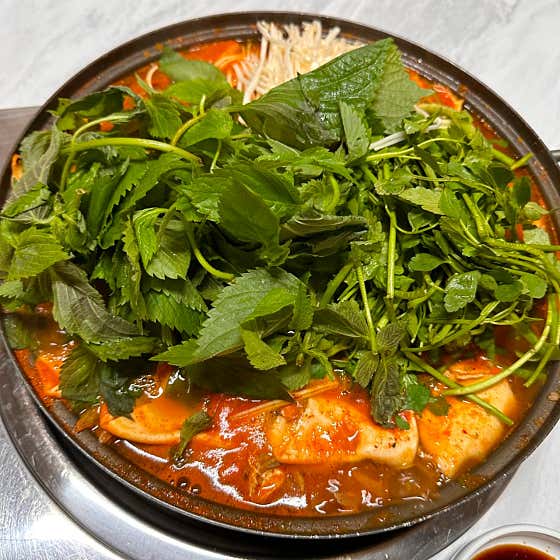 9
9
-
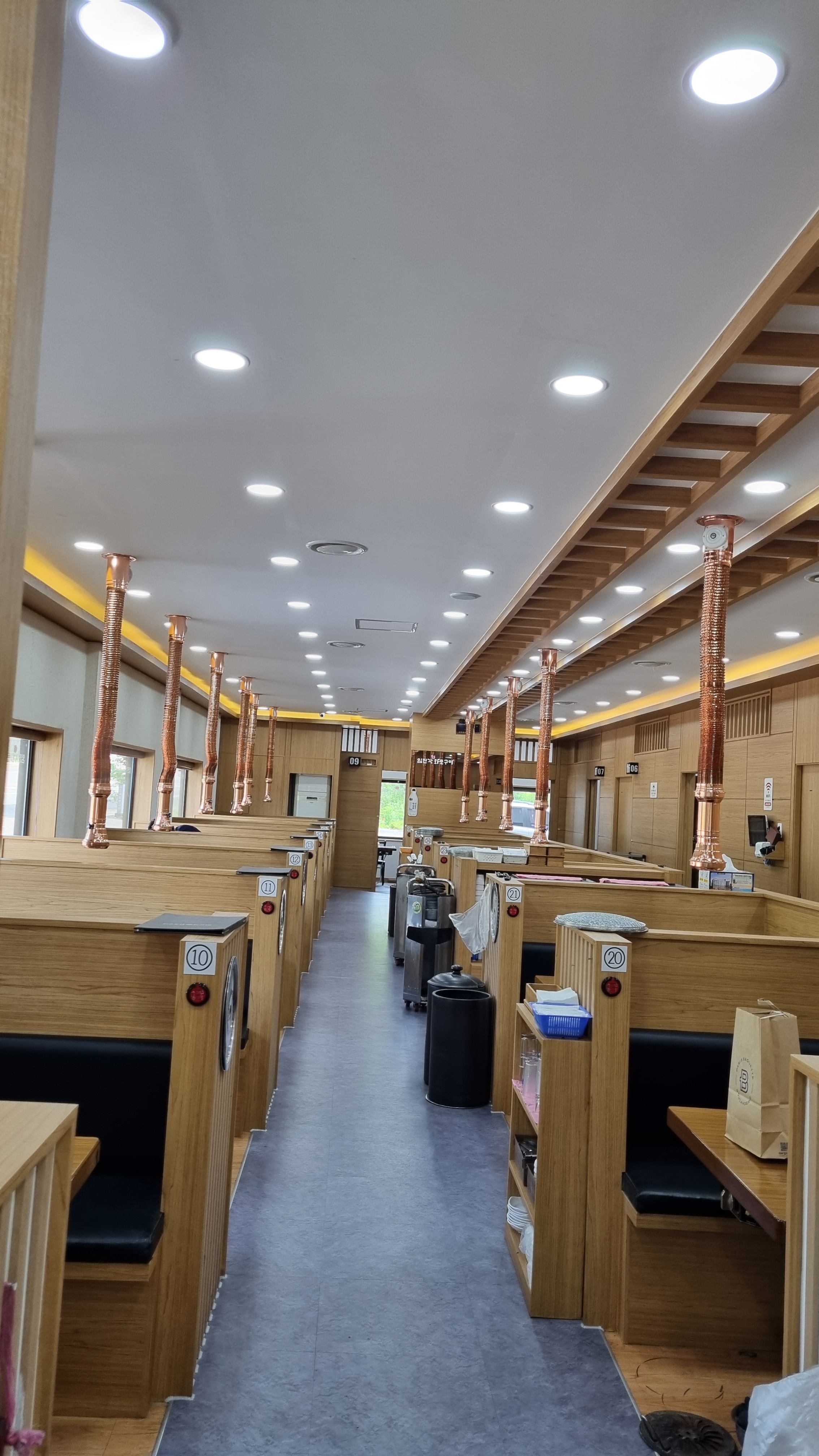 10
10
Events in This Area

Festivals in This Area
More Travel Guides in This Area
 Travel Guide
Paju Imjingak Peace Gondola Crossing the Imjin River into the Civilian Control Zone
 Travel Guide
Pyeonghwa Nuri Campsite: Connecting the Night of Imjingak through Camping
 Travel Guide
The 3rd Tunnel, Discovered in 1978: A 3-Hour DMZ Route Starting at Imjingak
 Travel Guide
Paju Yennal Sigol Bapsang, Serving More Than 10 Side Dishes at Tongildongsan Matgoeul
Korea News
 News
News
BTS’s “Arirang” Surpasses 5 Billion Streams…Highest Among Albums Released This Year
!['Salon Drip' San: "ATEEZ's 'reverse export' feeling... We didn't expect the 'Bad' craze" [RE:TV]](https://kotourlive-images.s3.ap-northeast-1.amazonaws.com/news/1791944381066_82499d27_news_5532e781-915c-426a-aab0-e4580e1952e8.jpg) News
News
'Salon Drip' San: "ATEEZ's 'reverse export' feeling... We didn't expect the 'Bad' craze" [RE:TV]
 News
News
“He gathered nine BoAs to create Girls’ Generation” — Lee Soo-man’s uncanny girl-group visuals send fans into a frenzy
 News
News