
A Walk Through Gwangjuho Lake Eco Park Connecting the Giant Willows, Seven-Star Rock, and Jamitan
Gwangjuho Lake Eco Park is a 184,948-square-meter ecological park that opened on March 20, 2006, upstream of an artificial agricultural reservoir completed in 1976. Its lakeside decks, wetlands, nature observation area, and Joseon-era Korean lyric literature sites can be explored along one route, making it practical for both car travel and barrier-free walks.
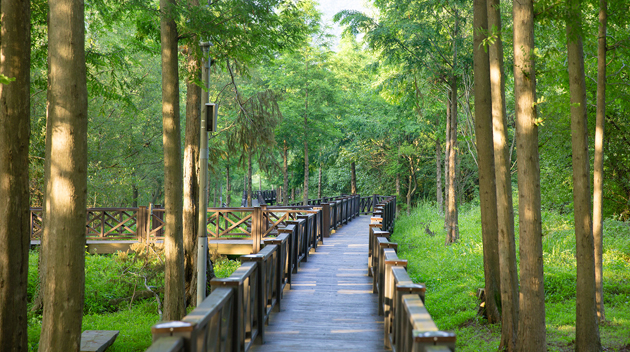
The Connection Between Gwangjuho Lake in 1976 and the Ecological Garden on March 20, 2006
Gwangjuho Lake Eco Garden is a 184,948㎡ ecological park located at 7, Chunghyosaem-gil, Buk-gu, Jeonnam Gwangju Integrated Special City. Completed in 1976, Gwangjuho Lake is an artificial lake that has supplied agricultural water to Gwangju and the surrounding area of Damyang County. The garden opened on March 20, 2006, using the lakeside upstream as a hub for improving water quality, increasing the diversity of native organisms, and enhancing the lakeside landscape.
Therefore, this is not simply a park for viewing the lake, but a place designed to connect the foothills of Mudeungsan Mountain, Gwangjuho Lake, and the literary and cultural area of Chung hyodong associated with gasa poetry. A nature observation garden, aquatic plant garden, wildflower garden, rock garden, ecological ponds, waterside wetlands, observation decks, viewing platforms, and deck trails are arranged within one site.
Planning a Visit to 7 Chunghyosaem-gil from 09:00 to 18:00 with Free Admission
Official hours are 09:00–18:00 every day. There are no holidays, and admission is free. The management office can be reached at 062-613-7892, and the official information page is https://www.gwangju.go.kr/envi/contentsView.do?pageId=envi53. Since the site is managed with natural lighting, visitors should avoid touring after 18:00.
Bringing food or beverages, smoking or drinking, collecting or capturing plants and animals, and damaging landscaping trees or facilities are prohibited. As the site borders the lake, it is safest not to go beyond the railings or decks when taking photographs near the water. Because the grounds are extensive, 60–90 minutes is realistic for a short visit focused on the metasequoia path and ecological pond, while 2–3 hours is appropriate if including the wetlands, viewing platforms, and nearby pavilions.
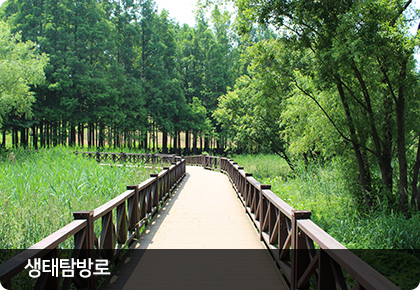
The Deck from the Wangbeodeul Grove and Chilseong Rock to the Third Ecological Pond
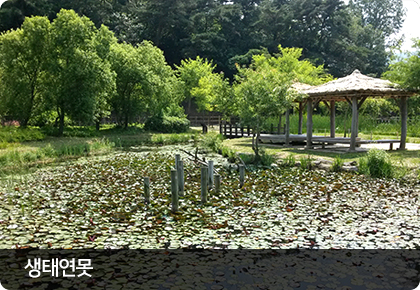
The site includes a willow grove, Chilseong Rock, Jamitan, waterside wetlands, observation decks, and viewing platforms. In particular, the section from Chilseong Rock to the Nine Wangbeodeul Siblings west of the ecological pond is equipped with a 1.6–1.8 m-wide wooden deck, making it a good stretch for slowing your pace and observing the wetlands and water surface.
According to barrier-free access information, the main walking trails are concrete-paved, while some areas around the lake use wooden decks. The deck continues to the third ecological pond, but some sections farther back are narrow and sloped. Visitors using wheelchairs or strollers may therefore find it easiest to make the metasequoia path their primary route.
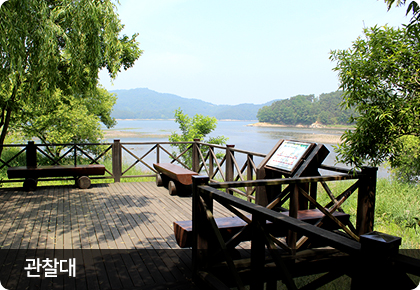
Practical Access via the Chunghyo 188 and Chunghyo 187 Stops and the 180-Space Parking Lot
For public transportation, Gwangjuho Lake Eco Garden, Gwangjuho Lake Eco Garden, Suri, and Chunghyodong Hwanbyeokdang are access points, served by the Chunghyo 188 and Chunghyo 187 routes. The garden is introduced as approximately 30 minutes from central Gwangju, but travel times vary depending on bus intervals and departure location, so it is advisable to check bus arrival information again on the day of your visit.
If driving, parking facilities are available for 180 vehicles. Designated accessible parking spaces are provided, and barrier-free tourism information lists four accessible parking spaces and an accessible restroom in the public restroom at the parking lot. After parking, visitors can enter via the main access route, which has no steps.
Why to Check Wheelchair and Stroller Rental and Accessible Restrooms First
Tourism information states that walking is relatively easy, ramps are available, and there are accessible restrooms and designated accessible parking spaces. Wheelchairs and strollers are listed as available for rental, but this service requires an inquiry to the management office. If you plan to use one, it is best to confirm same-day availability in advance at 062-613-7892.
Guide dogs are permitted, and geological park interpreters are available. However, barrier-free information also notes that there are relatively few accessible restrooms compared with the size of the grounds. Before beginning a long route, check the location of the parking-lot restroom, and travel with a companion on the sloped deck near the water for safety.
The Joseon-Era Gasa Literary Area Extending to Sikyeongjeong, Hwanbyeokdang, and Chwijeong
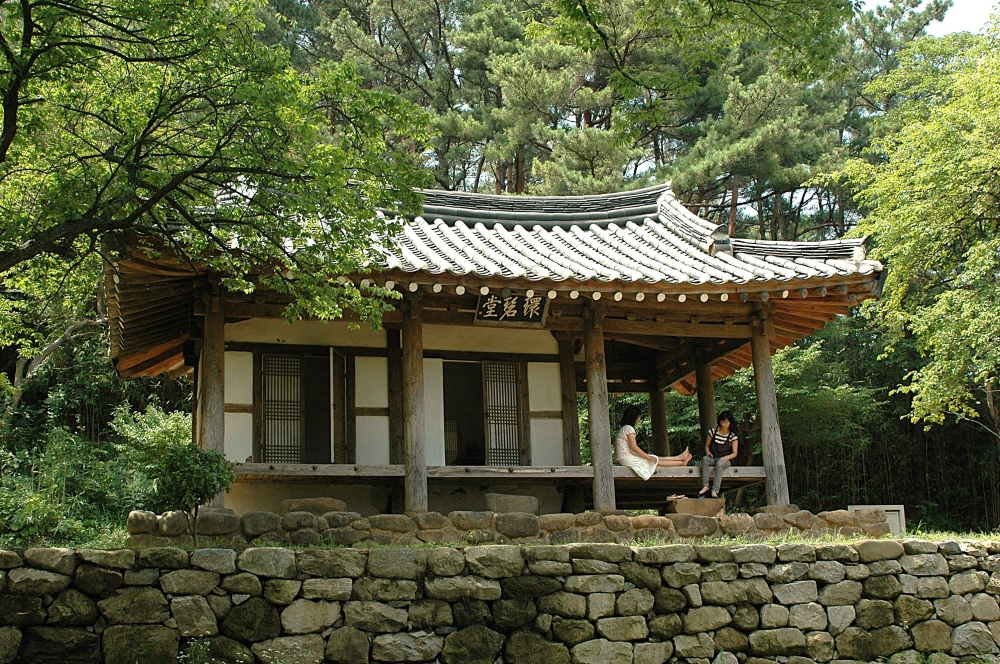
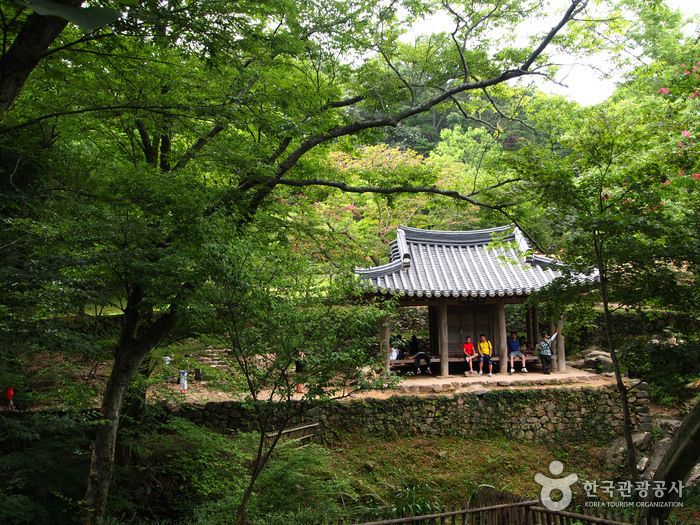
The area around the lake garden is the Chung hyodong–Gasa Culture Area, where Joseon-era gasa literary sites are concentrated. Nearby are Sikyeongjeong, where the poet Jeong Cheol of Songgang wrote “Seongsanbyeolgok” and “Twenty Poems of Sikyeongjeong,” Soswaewon, regarded as a representative site of Joseon garden culture, as well as Hwanbyeokdang and Chwijeong. Rather than simply viewing the lake scenery and returning, visitors can follow a route that also takes in the valley terrain north of Mudeungsan Mountain, where literary and pavilion culture developed.
“An Outing at the Foot of Mudeungsan,” proposed by Gwangju Tourism, links five points: the Chung hyodong pottery kiln site, Pungamjeong, Gwangjuho Lake Eco Garden, the Hwanbyeokdang area, and Chwijeong. The Chung hyodong pottery site is introduced as a kiln site where inlaid celadon, buncheong ware, and white porcelain were fired from the late Goryeo period through the early Joseon period. It is therefore well suited to visitors who want to add the region’s ceramic production history and scholar culture to a nature walk.
A Seasonal Way to See Azaleas, Hydrangeas, Roses, and 170,000 Flowering Plants
The garden has themed flower beds featuring azaleas, forsythia, evergreen azaleas, roses, royal azaleas, and hydrangeas. Open tourism information introduces approximately 170,000 wildflowers and 3,000 trees. The subjects of observation change with the seasons—azaleas, forsythia, and royal azaleas in spring, and roses and hydrangeas in early summer—so the same path can look different depending on when you visit.
If observing living organisms is your priority rather than photography, it is better to focus first on the aquatic plant garden, floating-leaved plant garden, ecological ponds, and waterside observation decks. The park is a place to observe plants and animals growing and active in their natural environment, so visitors should move quietly without picking flowers or plants. Dogs are permitted, but they must be managed so as not to disturb other visitors or wildlife.
Before You Go
- Address
- 7, Chung hyosaem-gil, Buk-gu, Jeonnam Gwangju Integrated Special City (Chunghyodong)
- Hours
- Daily 09:00–18:00
- Closed
- None (open year-round)
- Admission
- Free
- Phone
- 062-613-7892
- Official site
- https://www.gwangju.go.kr/envi/contentsView.do?pageId=envi53
- Transport
- Take routes Chunghyo 188 or Chunghyo 187. Access is available from the Gwangjuho Lake Eco Garden, Gwangjuho Lake Eco Garden, Suri, and Chunghyodong Hwanbyeokdang stops.
- Parking
- Parking facilities available for 180 vehicles. Designated accessible parking spaces provided.
- Time needed
- 60–90 minutes focused on the metasequoia path and ecological pond; 2–3 hours including the wetlands, viewing platforms, and nearby pavilions.
- Accessibility
- Step-free main access route, concrete walking trails and some decks, ramps, accessible restrooms, and accessible parking spaces. Inquire with the management office about wheelchair and stroller rental. Guide dogs permitted.
The information above is accurate as of the time of writing. Check the official information again before visiting.

Places
Nearby Attractions 3
-
 1
Sigyeongjeong PavilionExplore traces of Songgang Jeong Cheol’s gasa poetry and the scenic pavilion surroundings.
1
Sigyeongjeong PavilionExplore traces of Songgang Jeong Cheol’s gasa poetry and the scenic pavilion surroundings. -
 2
2
-
 3
3
Food & Dining 3
-
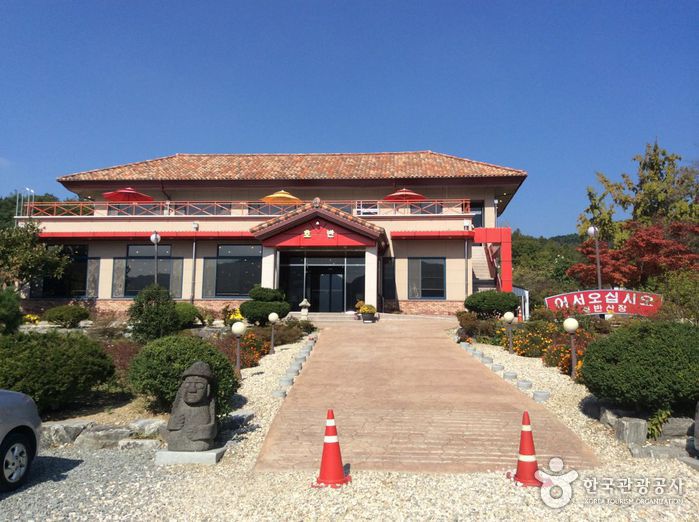 4
4
-
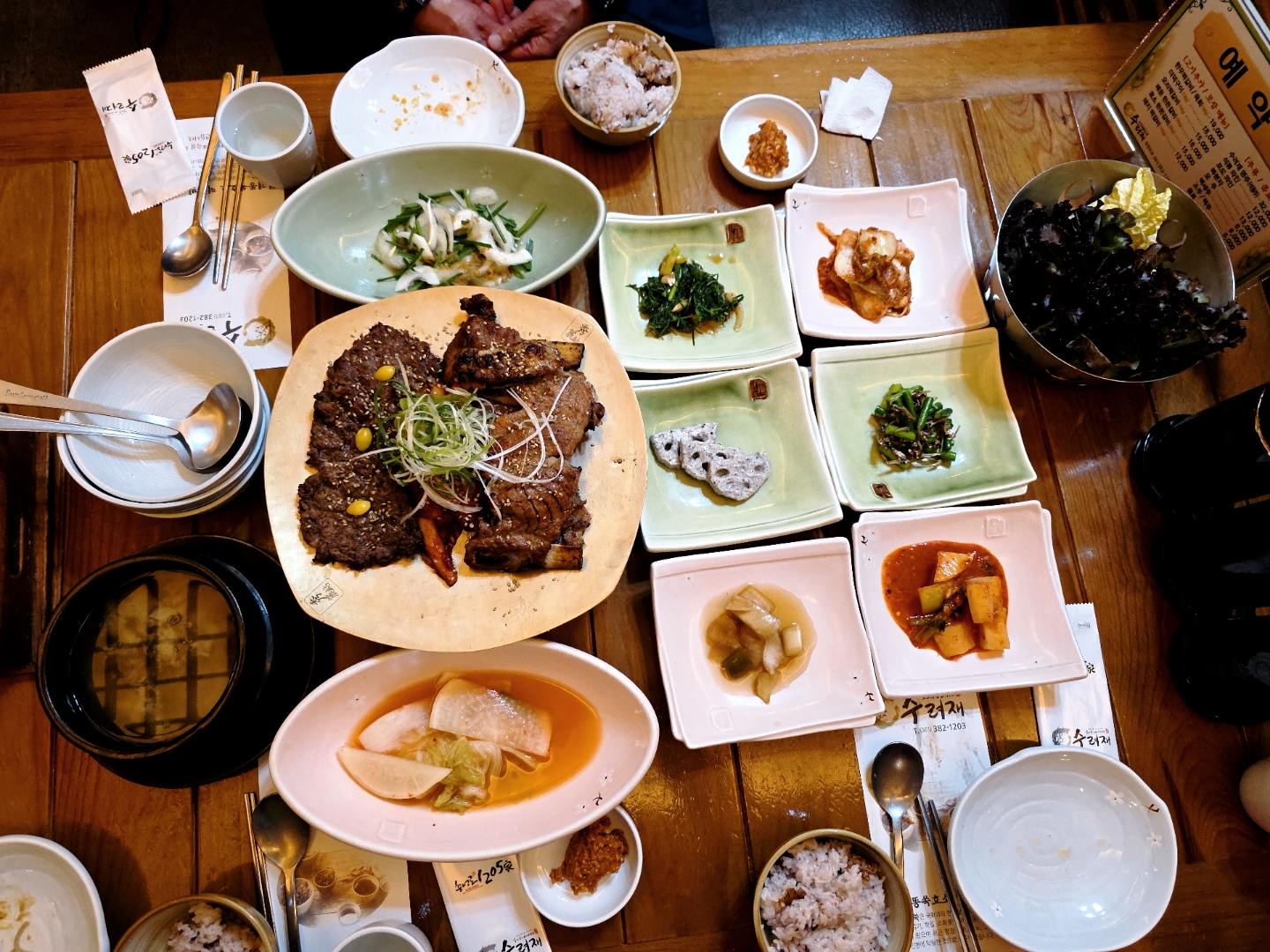 5
5
-
 6
Opera HouseEnjoy a variety of dishes, including grilled pollock, seafood hot pot, and pasta.
6
Opera HouseEnjoy a variety of dishes, including grilled pollock, seafood hot pot, and pasta.
Events in This Area

Festivals in This Area


More Travel Guides in This Area
 Travel Guide
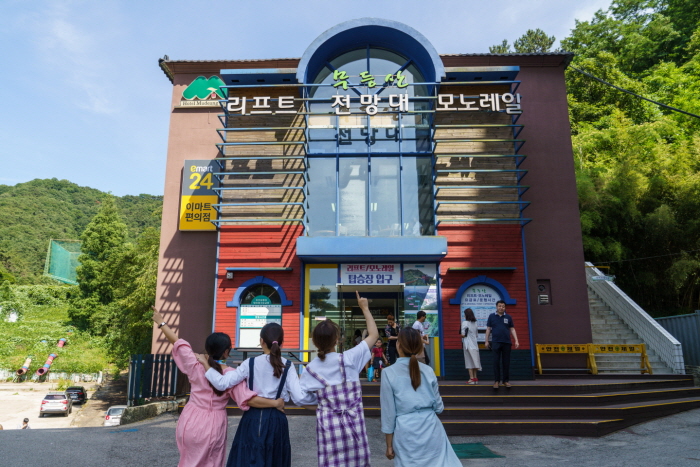
The Jisan Amusement Park Lift Car That Has Crossed the Mudeungsan Forest Since 1978: How to Reach Palgakjeong
 Travel Guide
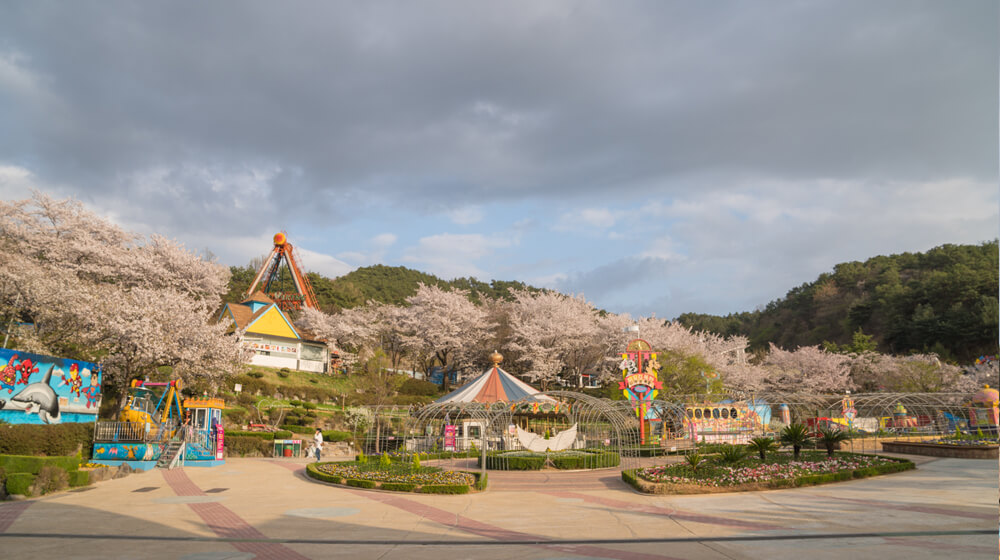
Gwangju Family Land, Where Uchi Park’s Forest Meets a 1991 Amusement Park
 Travel Guide
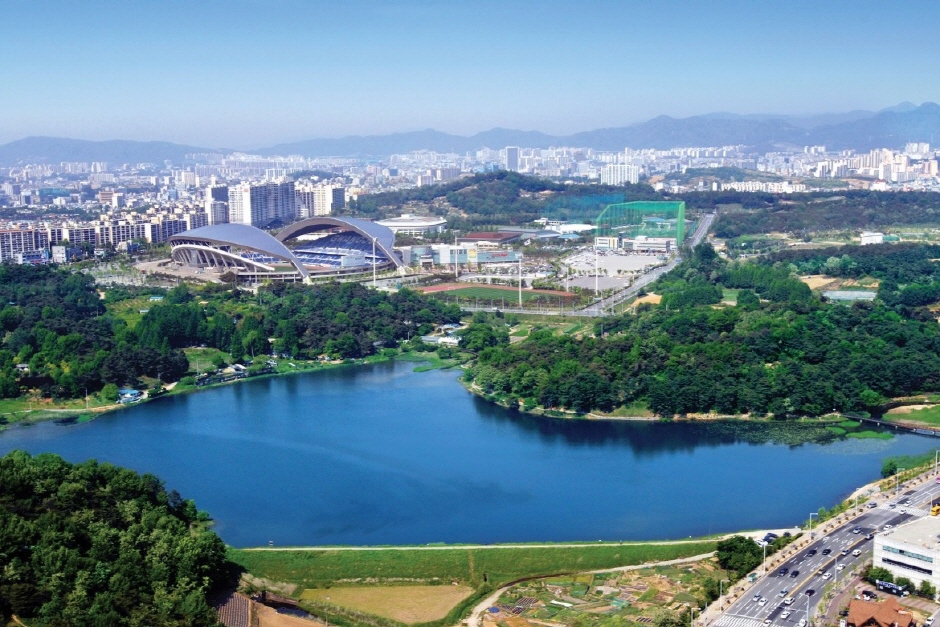
From the 1992 Zoo to the 2002 Golf Practice Range: A One-Day Route through 960,000㎡ Uchi Park
 Travel Guide
From a 1956 Reservoir to a Rose Garden with 140 Varieties: Pungam Lake Park
Korea News
![ZEROBASEONE ‘ZEROBASEONE Shining Even at Night!’ [★Video]](https://kotourlive-images.s3.ap-northeast-1.amazonaws.com/news/1786629298196_13d8a4bb_news_075face7-fb4e-402c-b833-25ccaf88cf8f.jpg) News
News
ZEROBASEONE ‘ZEROBASEONE Shining Even at Night!’ [★Video]
 News
News
Kwon Eun-bi, First Comeback Since Moving from Woollim to RBW: “Aiming for a September Release”
 News
News
“Did Jungkook’s connection continue?” Pop star Usher spotted warmly hugging BTS’s RM and J-Hope
 News
News