Reading Daejeon’s History at 398 Doan-daero: Daejeon Municipal Museum
The Daejeon History Museum, renamed Daejeon Municipal Museum in 2017, is a museum dedicated to the local history of Daejeon. Its exhibits cover the prehistoric and ancient periods, Goryeo, the Hoseo Confucian literati and traditional-house culture of Joseon, as well as Daejeon’s railways in the modern era and the relocation of the Chungcheongnam-do Provincial Government Office. Check the opening hours and transportation information before visiting.

I’ve been here?
Your check-in helps the next traveler.
33 people viewed this week Be the first
One tap — no writing needed
Why the Name Changed to Daejeon Museum in 2017
Today’s Daejeon Museum began as the Daejeon Local History Materials Center, which opened in December 1991. The institution was registered as a museum with the Ministry of Culture in November 1992 and renamed the Daejeon Metropolitan City Local History Materials Center in January 1996.
The Daejeon Prehistory Museum opened in March 2007, and construction of the Doan Complex Cultural Center, now the main museum building, began in December 2010. The operating ordinance for the Daejeon History Museum was enacted in August 2012, and the museum opened in October 2012. In October 2017, its name was changed from Daejeon History Museum to Daejeon Museum.
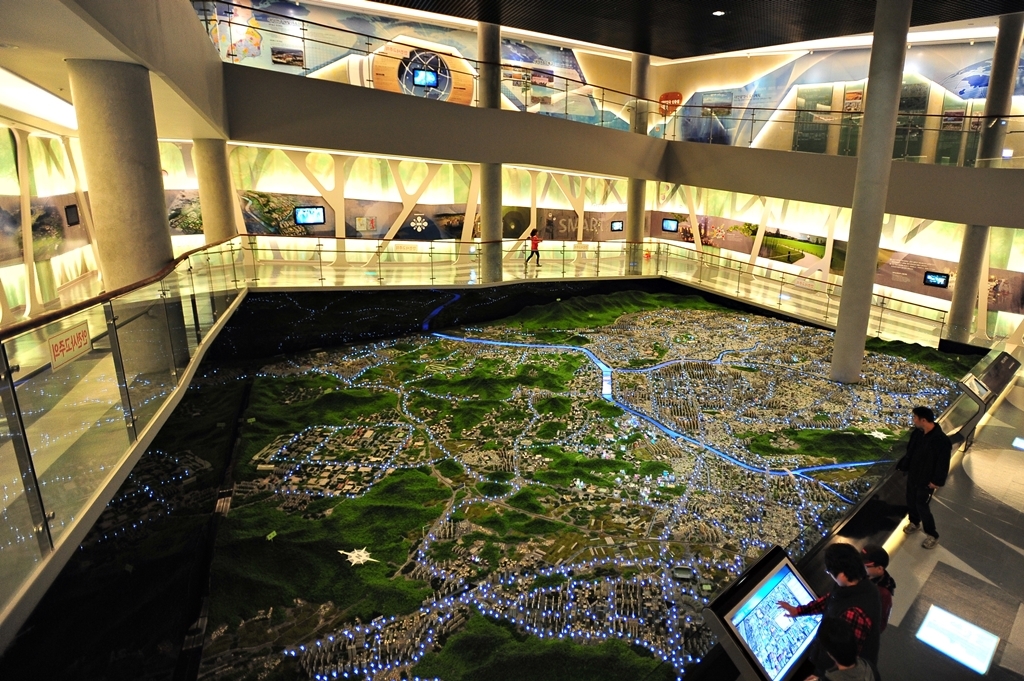
An Exhibition Sequence Spanning from Prehistory to the Modern Era in One Building
The permanent exhibition in the main building covers “Daejeon’s Historical and Cultural Spaces,” prehistoric and ancient culture, the art and sociocultural life of Goryeo, the scholar-official culture of Joseon, and the turbulent modern era, in that order. Because the chronology is clear, even visitors unfamiliar with Korean history can easily follow how the city of Daejeon developed.
Excavated artifacts from the archaeological sites of Sangdae-dong, Yonggye-dong, and Gwanjeo-dong, discovered during the development of Doan New Town, are also presented as part of the museum’s holdings. A 2013 review introduced the collection as totaling approximately 48,000 items, including more than 13,000 state-owned cultural heritage objects and more than 35,000 items such as Joseon-era historical documents and books.
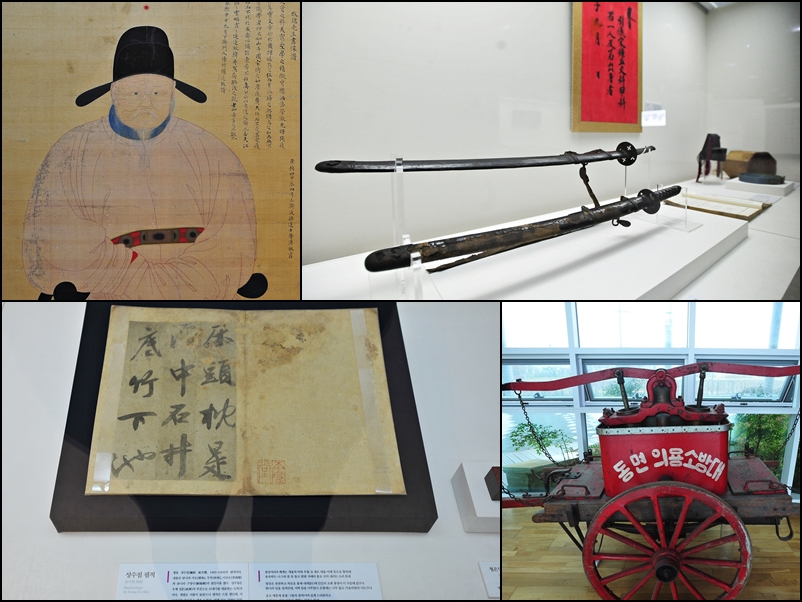
The Joseon Exhibition: Hoseo Scholars, Namganjeongsa, and Dongchundang
The Joseon exhibition explains the government offices and schools established as administrative districts changed, as well as the Hoseo scholar-official class that led politics and intellectual thought in the late Joseon period. Rather than viewing Daejeon’s Joseon history solely through the dynasty and its rulers, the exhibition connects it to how scholarship and politics operated at the local level.
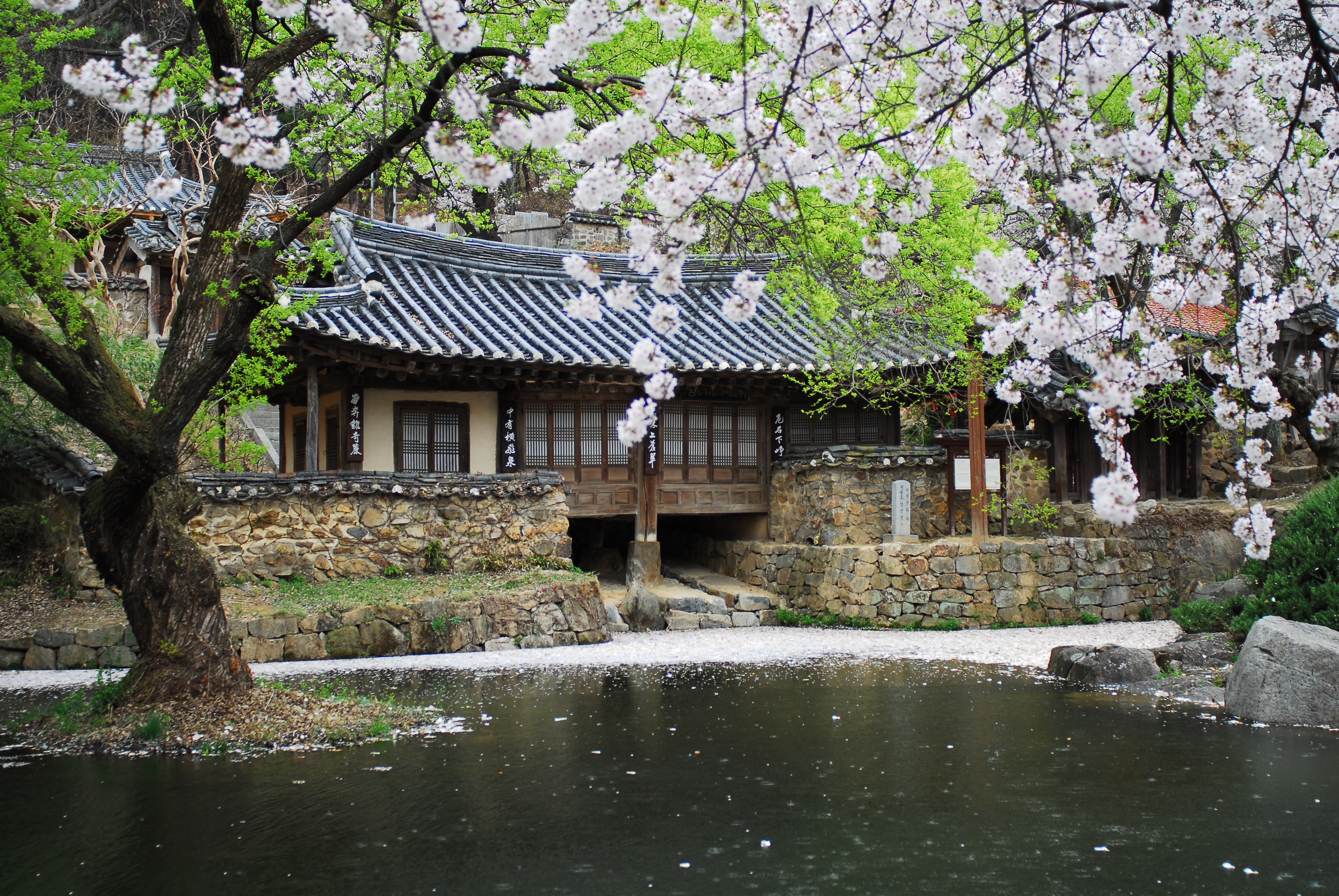
Visitors can see the traditional residences of Daejeon’s scholar-officials, represented by Namganjeongsa and Dongchundang; clothing excavated in Daejeon; portraits of eminent Hoseo figures; and examples of Joseon calligraphy. Joseon-era food culture is also included. Among the related artifacts, a portrait of Yi Saek, known by his pen name Mogeun, is introduced as Treasure No. 1215, while a portrait of Yi Si-bang is listed as Treasure No. 1482.
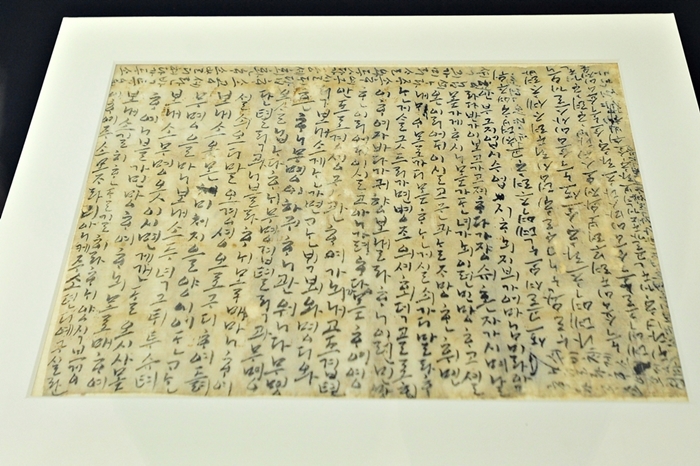
Modern Daejeon Transformed by the Gyeongbu Line and the Relocation of the Chungnam Provincial Government Office
The modern-era exhibition covers the Wijeong Cheoksa Movement to defend national sovereignty, the Patriotic Enlightenment Movement, and the March 1st Independence Movement. Instead of presenting local Daejeon history merely as one episode in national history, it invites visitors to examine how local residents and administrative spaces experienced the changes of modern history.
The exhibition also presents changes in administrative districts during the period of Japanese colonial rule, the construction of the Gyeongbu Railway, and the impact of relocating the Chungnam Provincial Government Office on modern Daejeon. Understanding how these two administrative and transportation elements—the railway and the government office—changed the city’s direction of growth and living areas makes the exhibition’s account of the city more concrete.
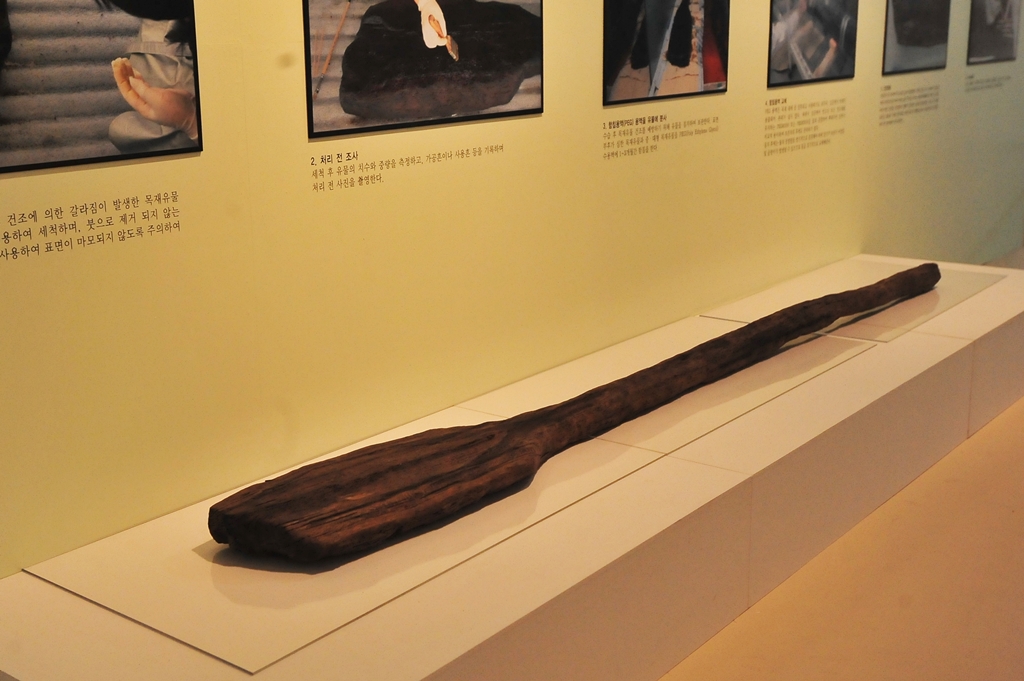
Changes in the Main and Branch Museum Structure of Daejeon Museum
The Donated Artifacts Room of Daejeon History Museum opened in October 2013. In the same month, the Exhibition Hall of Daejeon’s Modern and Contemporary History opened inside the former Chungnam Provincial Government Office as a branch of Daejeon History Museum.
In January 2014, Daejeon Museum operated as a three-museum system consisting of the History Museum, Prehistory Museum, and Modern and Contemporary History Hall. In January 2015, it was reorganized into a two-museum system consisting of the History Museum and Prehistory Museum. A 2013 review described the main building as comprising a permanent exhibition hall, special exhibition hall, donated artifacts room, outdoor exhibition area, and city promotion hall. It also recorded that the City Planning Promotion Hall presented Daejeon’s urban planning and development.
A Doan Transit Route That Does Not Continue Directly from Daejeon Station
The address is 398 Doan-daero, Yuseong-gu, Daejeon, postal code 34194. Since no verified information is available on a current direct route or walking time from Daejeon Station to the museum, visitors from outside the area may find it more practical to consult the former official guidance involving a transfer via Yuseong Spa Station or Guam Station.
According to Daejeon City guidance from 2014, visitors could transfer to bus 106 at Yuseong Spa Station or to bus 312 at Guam Station. The same guidance instructed passengers to take buses 106, 115, 312, 706, or 11 and get off at the Humansia 10 Complex stop, but these route and stop details were based on conditions at that time. It also stated that the museum was approximately seven minutes by taxi from Yuseong Spa Station and approximately nine minutes by taxi from Yuseong Intercity Bus Terminal.
A Day When You Should Check Both 10 a.m. Opening and Free Admission Information
According to the official Daejeon Museum guidance as of August 24, 2026, winter hours from November through February are 10:00–18:00, while summer hours from March through October are 10:00–19:00. Admission is allowed until 30 minutes before closing, making 17:30 in winter and 18:30 in summer the practical last admission times.
The museum is closed every Monday, as well as January 1 and the day of each major holiday. Admission was listed as free in Daejeon City’s official guidance from 2014, but the current official visitor information page does not separately confirm an admission fee item. The main inquiry telephone number is 042-270-8600~13, and the official website is https://daejeon.go.kr/his/index.do.
Practical Variables Regarding Reservations, Parking, and Foreign Visitor Convenience
The official website offers reservations for group visits and exhibition tours. It also operates menus for educational programs, performances, special exhibitions, and outdoor exhibitions, so visitors seeking a group visit or guided explanation should arrange a separate reservation process rather than relying solely on general admission.
A 2013 visitor review recorded that Parking Lots 1 and 2 were fully equipped, but current parking availability and fees could not be confirmed on the official page. A 2015 Daejeon City visit record noted that introducing and touring the museum took more than two hours. Therefore, if you plan to see both the permanent and special exhibitions, it is safer to allow at least two hours rather than fitting the museum into a short transfer schedule. Information on wheelchair and stroller accessibility, photography restrictions, cash-only policies, and the availability of English information or audio guides has not been confirmed.
Viewing collection artifacts is governed by rules different from those for general admission. It is limited to three times per year, no more than five items and two hours per session, and no more than three people per session. The inquiry telephone number is 042-270-8612.
Before You Go
- Address
- (34194) 398 Doan-daero, Yuseong-gu, Daejeon
- Hours
- Winter (November–February) 10:00–18:00 / Summer (March–October) 10:00–19:00; admission permitted until 30 minutes before closing
- Closed
- Every Monday, January 1, and the day of each major holiday
- Admission
- Some sources state that admission is free, but the admission fee item could not be separately confirmed on the current official visitor information page
- Phone
- 042-270-8600~13
- Official site
- https://daejeon.go.kr/his/index.do
- Transport
- According to former official guidance, take buses 106, 115, 312, 706, or 11 and get off at the Humansia 10 Complex stop. Transfers to bus 106 at Yuseong Spa Station and bus 312 at Guam Station were also indicated
- Parking
- A 2013 visitor review recorded that Parking Lots 1 and 2 were fully equipped, but current availability and fees could not be confirmed on the official page
- Time needed
- No official recommended viewing time was confirmed. A 2015 visit record noted that introducing the museum took more than two hours
The information above is based on the time of writing. Check the official guidance again before visiting.

Places
Nearby Attractions 3
-
 1
1
-
 2
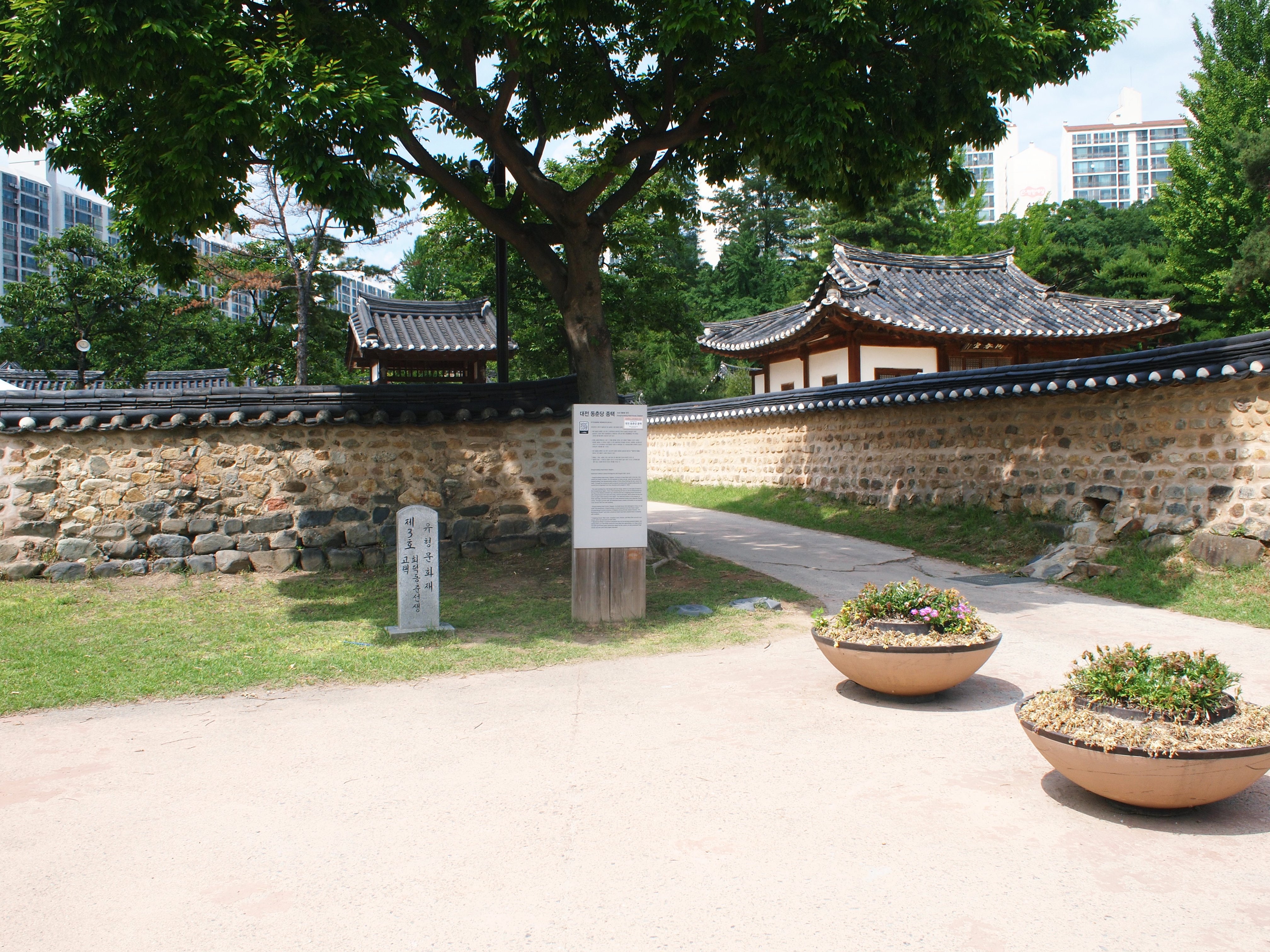
DongchundangA place where you can explore Song Jung-gil’s detached residence and the literati culture of the late Joseon period.
2
DongchundangA place where you can explore Song Jung-gil’s detached residence and the literati culture of the late Joseon period. -
 3
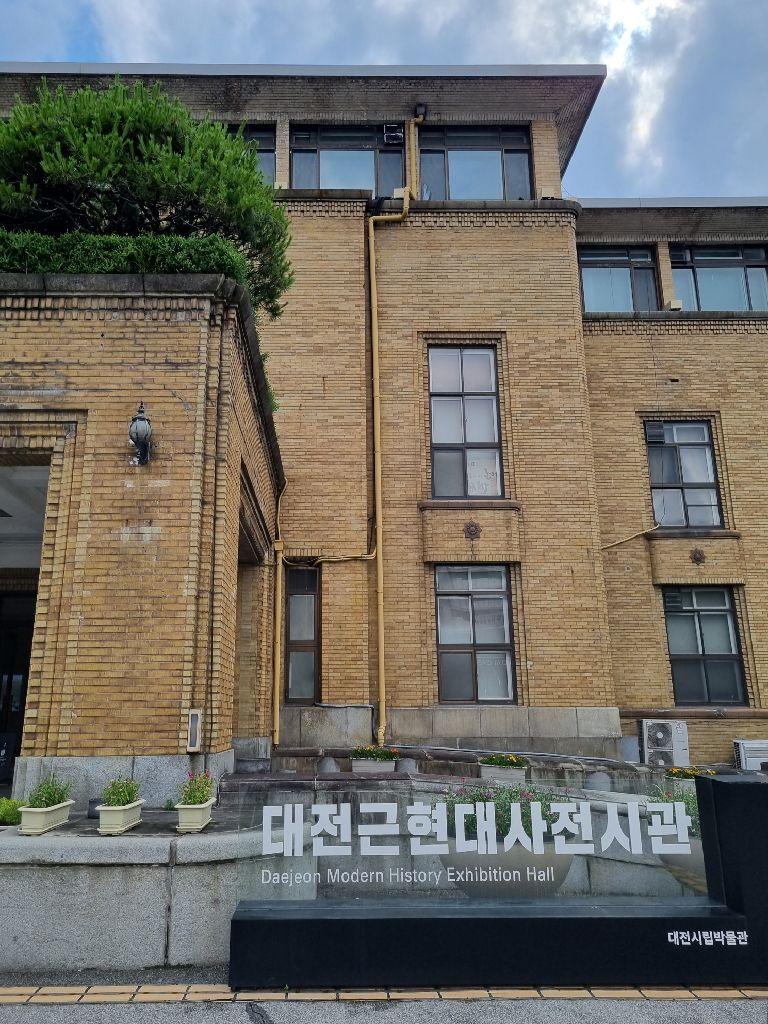
Daejeon Modern and Contemporary History Exhibition HallA space showcasing Daejeon’s modern and contemporary history in the former Chungnam Provincial Government Building.
3
Daejeon Modern and Contemporary History Exhibition HallA space showcasing Daejeon’s modern and contemporary history in the former Chungnam Provincial Government Building.
Food & Dining 2
-
 4
4
-
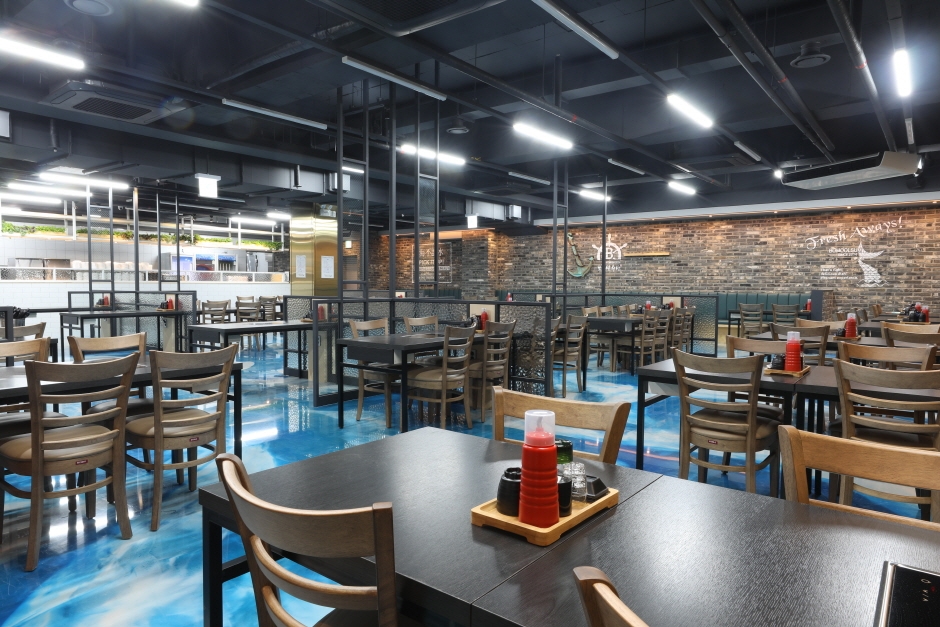 5
Bomulseom SusanA seafood restaurant where you can choose sashimi and seafood and enjoy a meal.
5
Bomulseom SusanA seafood restaurant where you can choose sashimi and seafood and enjoy a meal.
Events in This Area
Festivals in This Area
More Travel Guides in This Area
 Travel Guide
The 39.9 km Waterway Crossing Daejeon City Center, Gapcheon Nuri-gil and Gapcheon Wetland
 Travel Guide
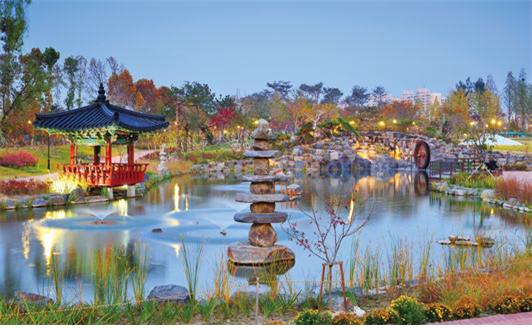
Yurim Park Walking Route Connecting Bandoji Pond and Gapcheon Stream
 Travel Guide
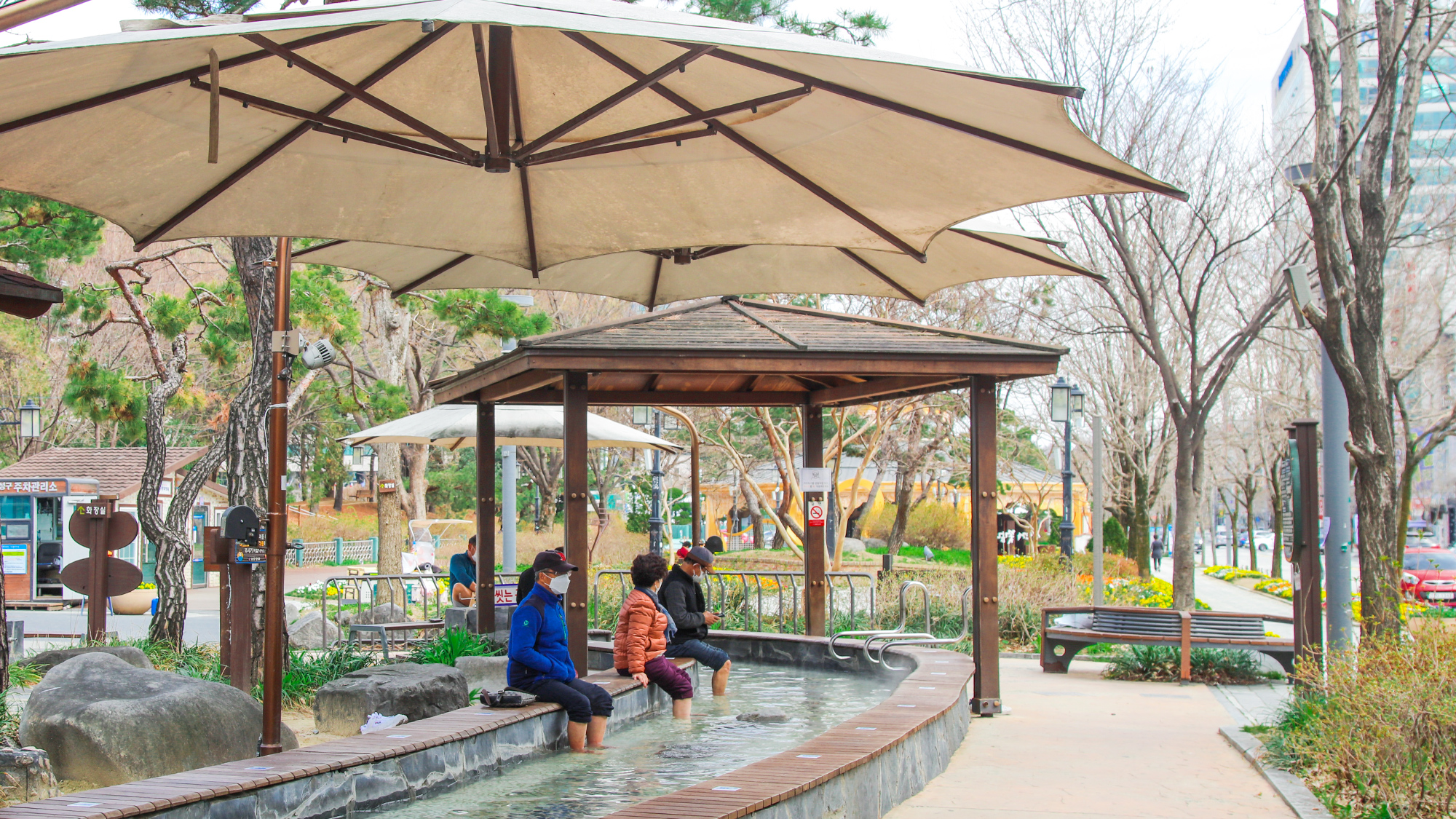
Daejeon’s Yuseong Hot Spring Street: Walk Along 41°C Hot Spring Waters and a 900 m Park
 Travel Guide
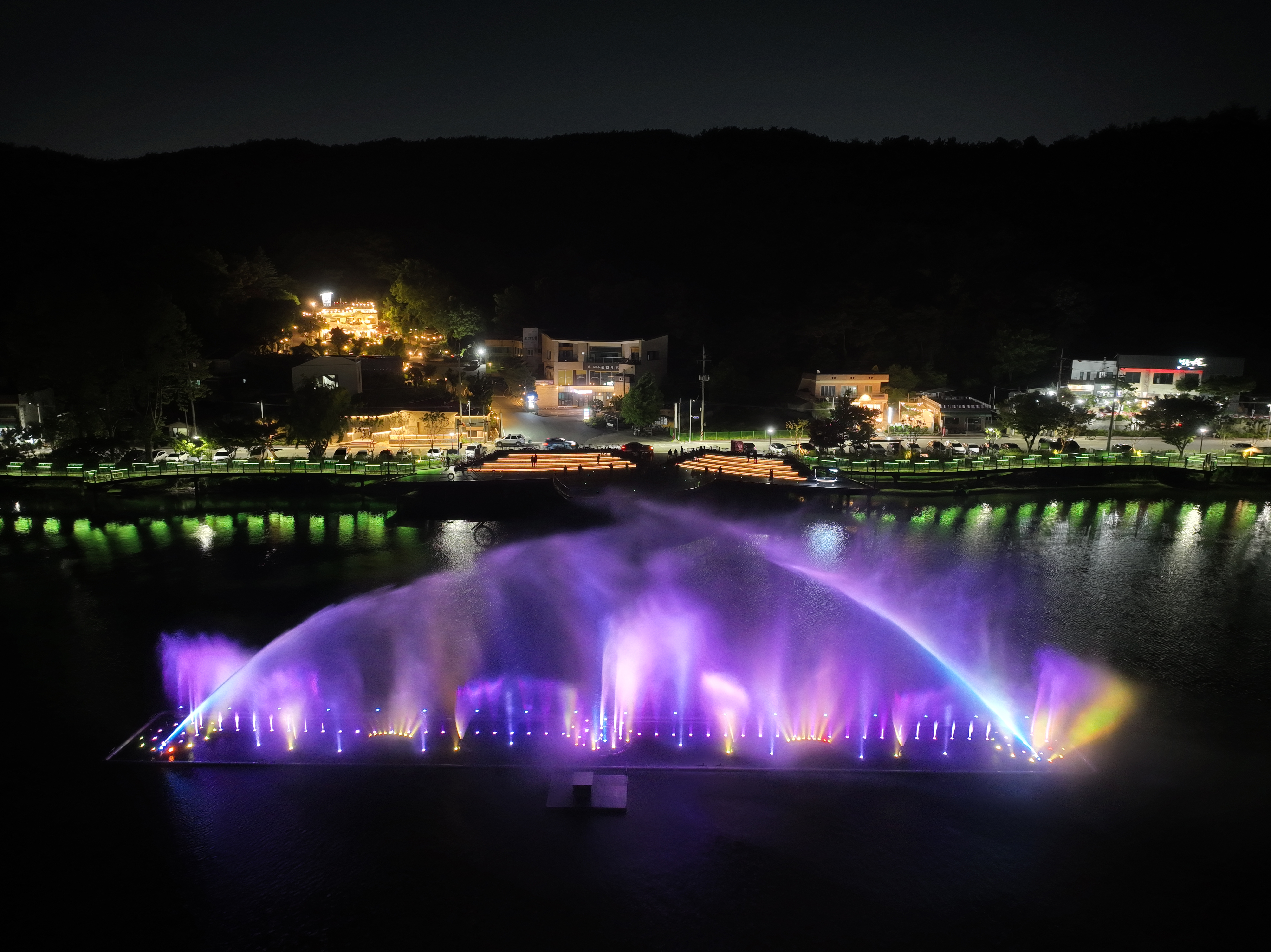
From Bangdong Reservoir’s Yunsleul Promenade to the Musical Fountain: A First-Time Visitor’s Actual Route
Korea News
 News
News
‘NewJeans Expulsion’ Danielle Releases Her First YouTube Video… “We Don’t Know What Will Happen Next”
![aespa’s North American Tour Has Remaining Seats Despite ‘$49’ Bargain Prices… A Stark Popularity Gap with KATSEYE [TEN Starfield]](https://kotourlive-images.s3.ap-northeast-1.amazonaws.com/news/1788485037424_a59b1932_naver_rank_thumb_0000774618_1788485037424.jpg) News
News
aespa’s North American Tour Has Remaining Seats Despite ‘$49’ Bargain Prices… A Stark Popularity Gap with KATSEYE [TEN Starfield]
![[Photo] TWICE’s Dahyun attends a film festival red carpet as an actress](https://kotourlive-images.s3.ap-northeast-1.amazonaws.com/news/1788485316508_edd43ecd_news_870a60a6-6f11-4d73-aa7c-48d91318a0f7.jpg) News
News
[Photo] TWICE’s Dahyun attends a film festival red carpet as an actress
![[On-Site Video] “We’re Departing Separately Together”… BIGBANG Begins ‘COSMOS’ World Tour](https://kotourlive-images.s3.ap-northeast-1.amazonaws.com/news/1788485226518_c5719641_news_fdd4764a-0f4e-4968-8e4e-e98a02872f88.jpg) News
News