Ha-jungdo in the Middle of the Geumho River, Daegu, Where the Fields Change with Each Season
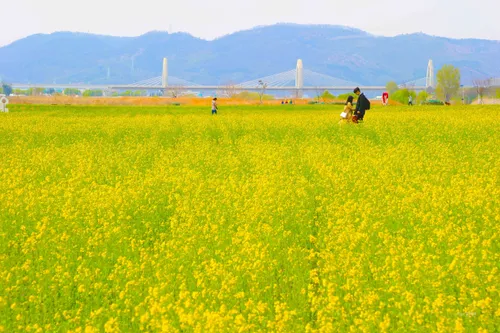
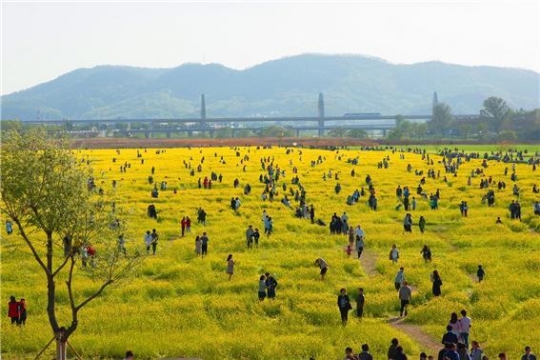
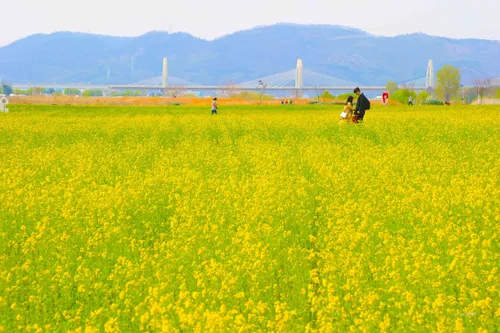
Ha-jungdo in Nogok-dong, Buk-gu, Daegu, is a riverside space revived through ecological river restoration on an island formed in the Geumho River. In spring, when the rapeseed flowers bloom, and in autumn, when the cosmos are in season, it is best to center your route around the flower fields; in other seasons, a riverside walk and cycling path are the best focus.

I’ve been here?
Your check-in helps the next traveler.
No one has checked in yet Be the first
One tap — no writing needed
The process by which 'Hajungdo' changed from farmland into an ecological river space in 2012
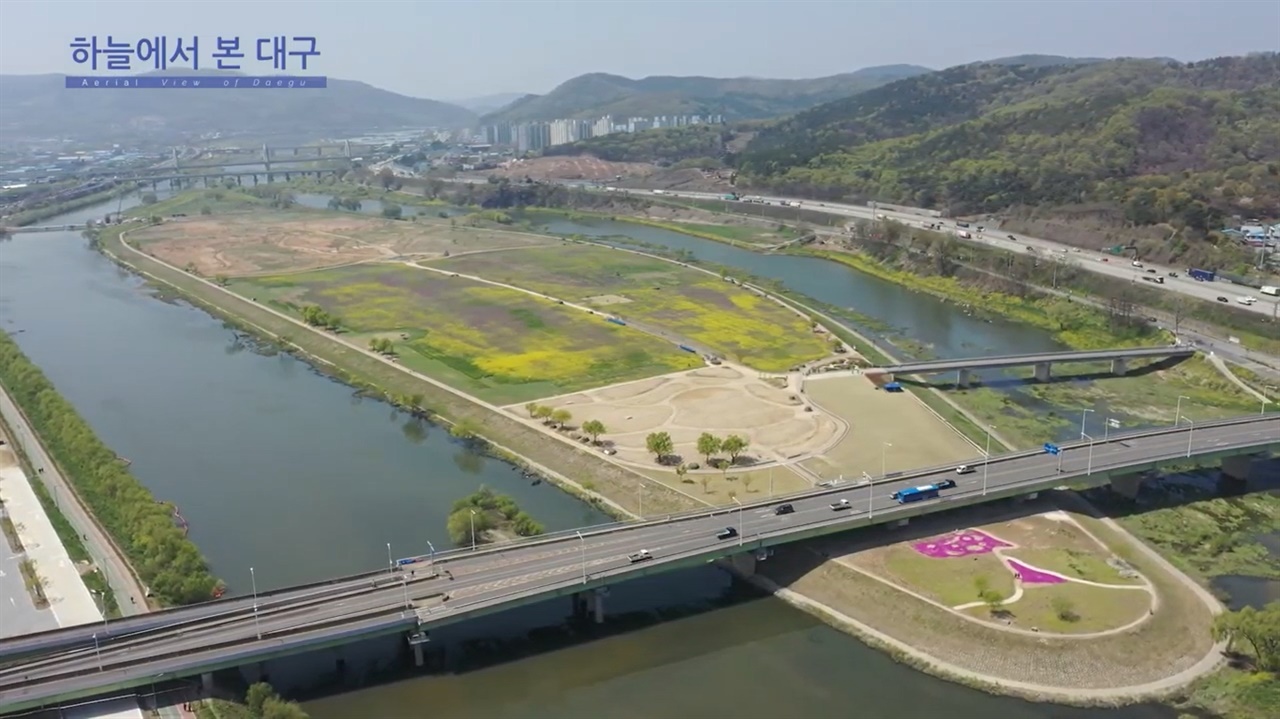
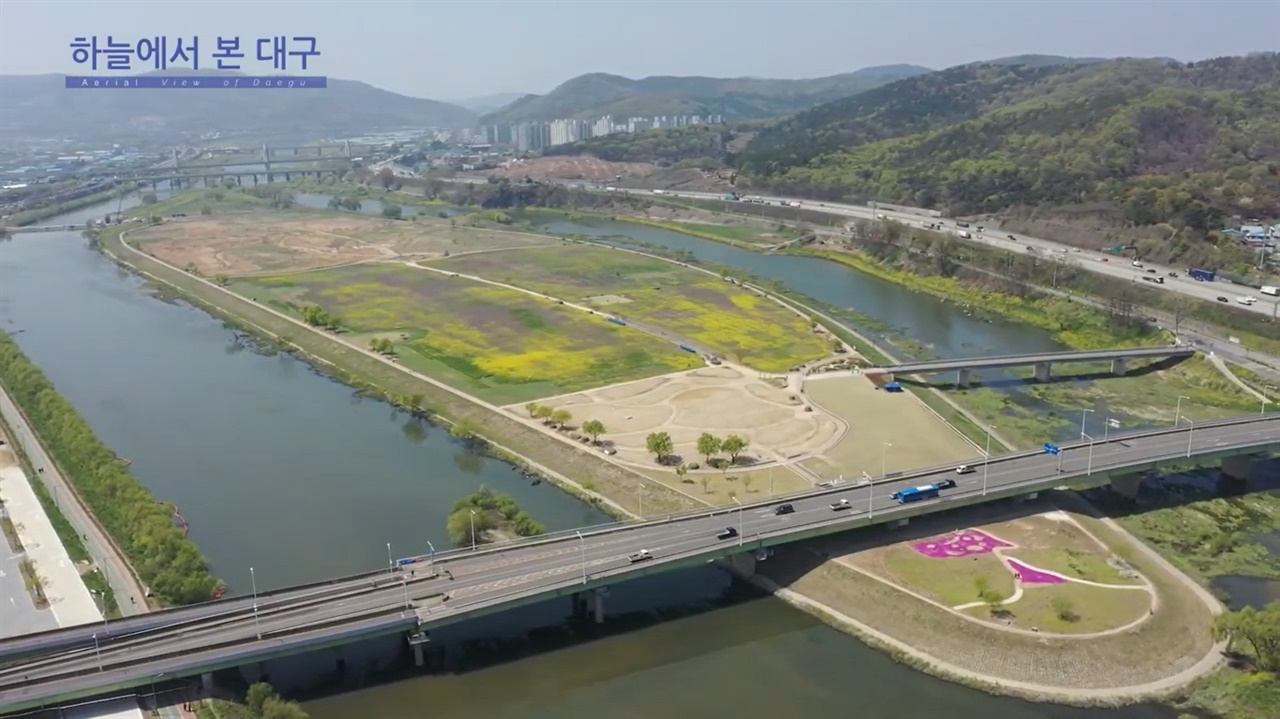
Hajungdo is the name for an island formed in the middle of Geumhogang. According to Daegu city Information, Geumhogang Hajungdo in Nogeok-dong is Introduction as the largest among the various Hajungdo islands in Geumhogang, and in the past it had a concentration of vegetable fields and vinyl greenhouses, along with water pollution problems caused by excessive fertilizer use.
During the 2012 Geumhogang ecological river creation and maintenance project, around 500 unauthorized vinyl greenhouses were cleared and canola and cosmos were planted, creating the current riverside flower field character. So rather than thinking of this place as a permanent garden, it is easier to plan your route and visit time if you understand it as a space combining the river floodplain and seasonal planting.
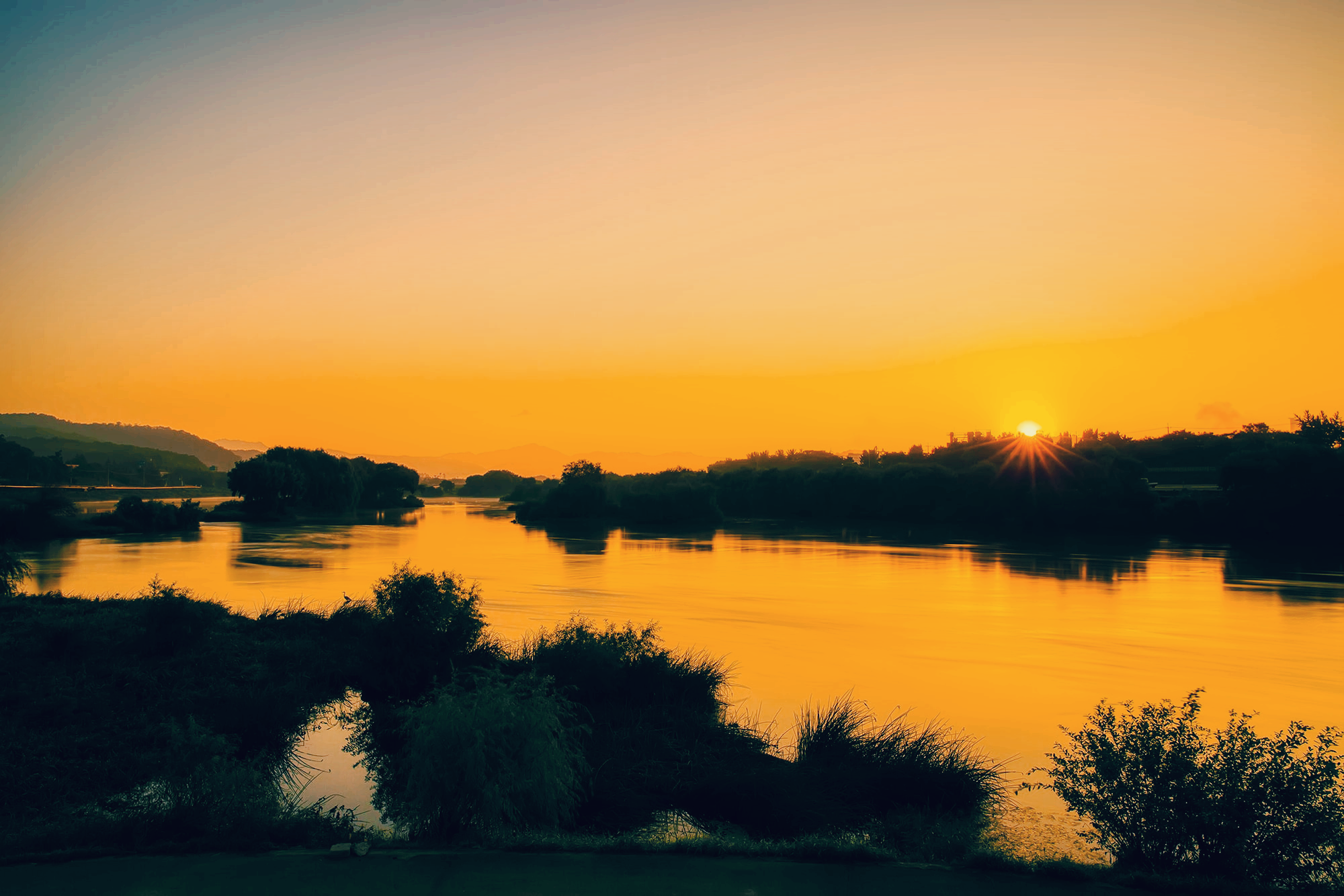
The 98,500㎡ cosmos area that set the standard for autumn routes
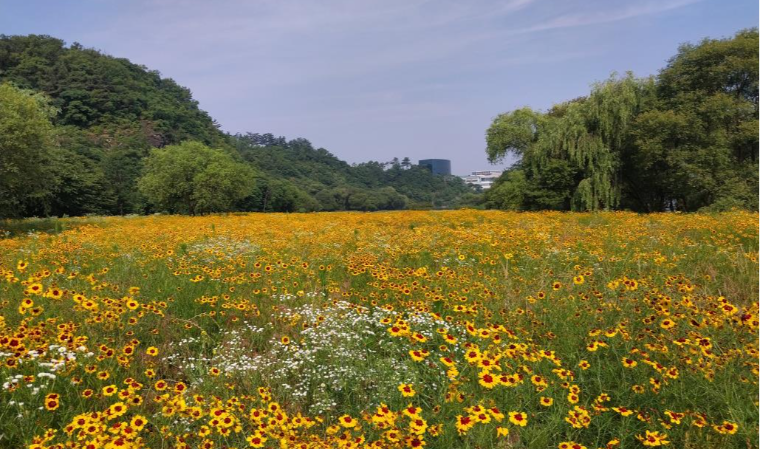
In 2017, Daegu City created a flower complex on Hajungdo with a total area of 98,500㎡, combining 76,500㎡ of common cosmos and 22,000㎡ of yellow cosmos. At that time, the opening period was August 26 to September 24, and the peak bloom was expected in early September. Since planting, blooming, and opening ranges can change every year, it is safest to check Daegu City or Daegu Tourism notices again right before your autumn visit.
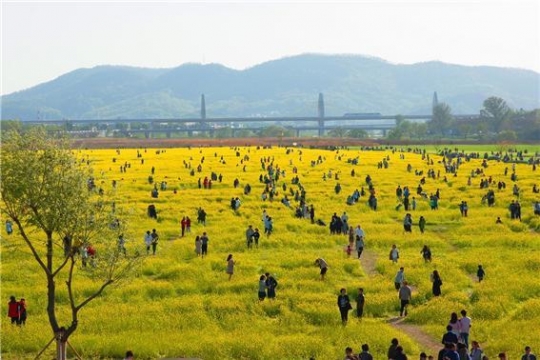
Official guides repeatedly note that canola flowers are the key spring scenery and cosmos are the key autumn scenery. If flowers are your main goal, it is better to prioritize the morning or the time before sunset, when the light is lower than at midday, but bridge and pedestrian path operations and event restrictions can vary by season, so follow on-site guidance.
- Total area of the 2017 autumn flower complex: 98,500㎡
- Common cosmos: 76,500㎡
- Yellow cosmos: 22,000㎡
- Parking at the time: 650 existing spaces, plus 350 temporary spaces
'Geumho Flower Island' is a nickname, and it should be distinguished from an official place-name confirmation
The name 'Geumho Flower Island' was proposed after citizen-name ideas and preference surveys. However, in Daegu City's 2023 response to a civil complaint, it was explained that the name proposal was put on hold due to differing opinions during the review process by the Buk-gu place-name committee. Therefore, maps and official documents may list both 'Geumhogang Hajungdo' and 'Hajungdo'.
For travel searches, it is better to enter 'Daegu Hajungdo', 'Geumhogang Hajungdo', and 'Geumho Flower Island' together. For destination settings, use 665, Nogeok-dong, Buk-gu, Daegu Metropolitan City as the Standard, and when checking event notices or directions, also confirm nearby place names such as Nogeok Bridge, Nogeok-dong stop, and Paldal Bridge.
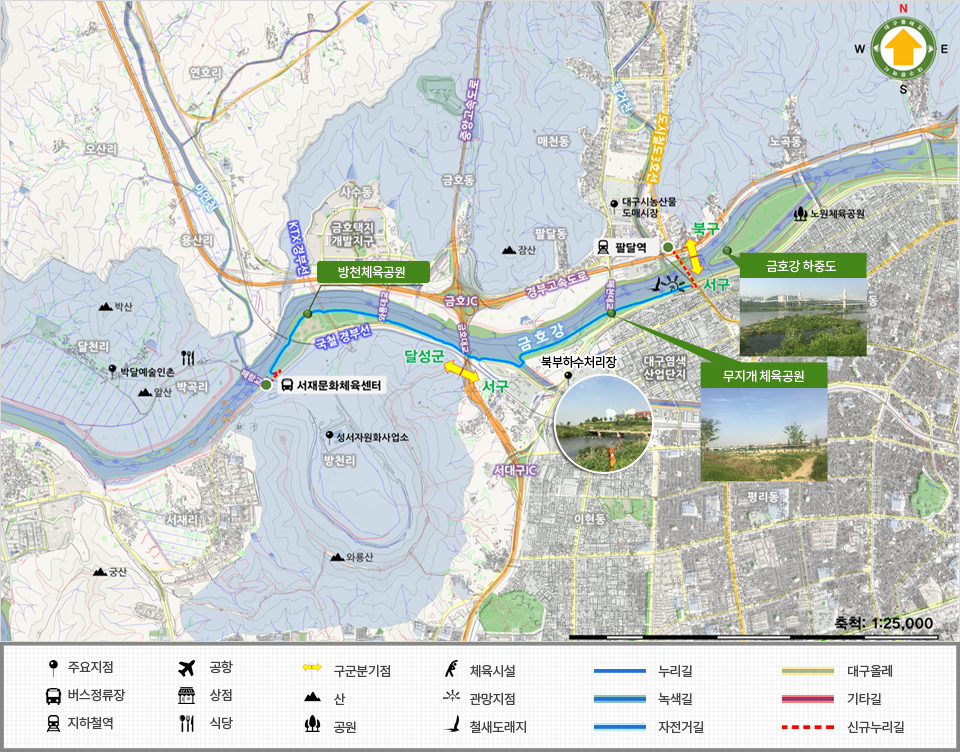
How to transfer from Manpyeong Station and Buk-gu Office Station to the 'Nogeok-dong' stop
For public transportation, the official guide presents a method of transferring once from Subway Line 3 to a bus. The first route is to get off at Manpyeong Station, transfer to Buk-gu No. 3 at Paldal Sijang 2 stop, and get off at Nogeok-dong stop.
Another route is to get off at Buk-gu Office Station on Subway Line 3, transfer to Chilgok No. 2 at the 'Buk-gu Office Across the Street' stop, and get off at Nogeok-dong stop. Paldal Station is a station served by Line 3 and the Buk-gu 4, Chilgok 2, and 730 buses, so depending on where you are staying, you can also compare routes via this station.
- Subway: Line 3 Manpyeong Station or Buk-gu Office Station
- Manpyeong Station transfer: Paldal Sijang 2 stop → Buk-gu No. 3 → Nogeok-dong stop
- Buk-gu Office Station transfer: Buk-gu Office Across the Street stop → Chilgok No. 2 → Nogeok-dong stop
- Reference points for directions: Nogeok Bridge, Paldal Bridge, Nogeok-dong
Driving access via Nogeok Bridge and Paldal Bridge, and parking considerations
For private cars, using Sincheon-daero and Nogeok Bridge as reference points makes access easier to judge. On Daegu City's guide map, the suggested route is to enter Nogeok-ro 1-gil from the detour road under the bridge before entering Paldal Bridge, go straight for about 1.5 km, and then turn right, or cross Nogeok Bridge, move toward Nogeok Village, make a U-turn, and then turn right about 70 m from the Nogeok Bridge direction.
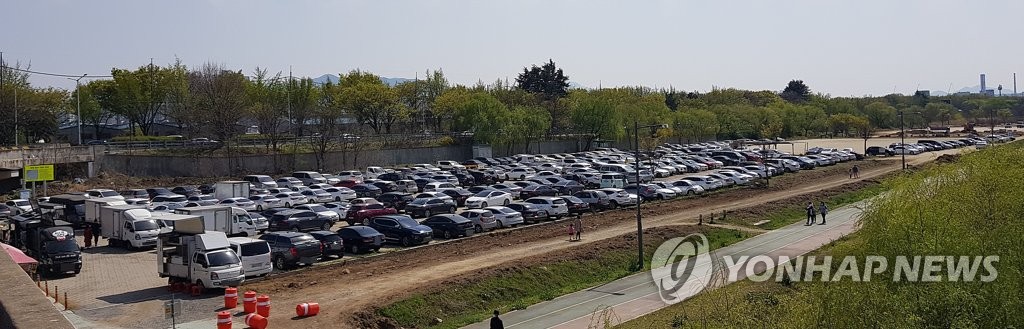
The Korea Tourism Organization guide specifies use of public parking lots. During the 2017 cosmos opening, there were 650 existing spaces plus 350 temporary parking spaces around Nowon Sports Park, but this was the figure for event operations at the time, so it should not be taken as the current permanent parking capacity. On flower-blooming weekends or during large events, you must separately check whether temporary parking and traffic controls are in place.
Open year-round and free, but expectations should be lowered in seasons without flowers
According to the Korea Tourism Organization, Hajungdo is open year-round and free to use. It is not a place with a separately confirmed ticket booth or reservation procedure, but the flower fields change depending on seasonal planting and weather. If your schedule is centered on canola or cosmos, it is better to check bloom notices and recent on-site photos rather than visiting based only on the date.
For a leisurely look at the flower fields and riverside walking paths, the recommended stay time can be around 40 minutes to 1 hour and 30 minutes. However, since the official materials do not confirm the length of a formal loop course, wheelchair-only routes, or foreign-language information facilities, users of wheelchairs or strollers should inquire about pedestrian bridge and on-site pavement conditions before departure.
- Operation: Open year-round
- Admission: Free
- Address: 665, Nogeok-dong, Buk-gu, Daegu Metropolitan City
- Inquiry reference: Daegu City Geumhogang Development Division, 053-803-2341
Distance to keep from otter habitat and the Geumhogang Bicycle Path
Daegu City's Dulle-gil guide explains that Hajungdo is home to otters, which are a Class I endangered wild animal and a natural monument. Even when simply viewing the flower fields, it is better to avoid going down forcefully to the river edge or chasing wild animals. This is a place where planted scenery and natural wetlands meet.
The nearby Geumhogang Bicycle Path carries fast-moving bicycles, so the official guidance notes that caution is needed when walking. When crossing the bike path, remove your earphones, check left and right, and avoid standing on the roadway for a long time to take photos. As this is an outdoor space centered on water and grassland, it is practical to prepare insect repellent and water in summer, and non-slip shoes after rain.
In visit reviews from 2024 and 2025, there are cases mentioning sunrise and cosmos photography, convenient parking, and walking trails as advantages. On the other hand, during periods when the flowers are not in full bloom, it may feel monotonous to visitors expecting a large planting area, so it is more suitable for people who enjoy riverside walks themselves rather than seasonal scenery alone.
Before You Go
- Address
- 665, Nogeok-dong, Buk-gu, Daegu Metropolitan City
- Hours
- Open year-round
- Closed
- None
- Admission
- Free
- Phone
- 053-803-2341
- Official site
- https://www.daegu.go.kr/cts/index.do?menu_id=00934006
- Transport
- Get off at Manpyeong Station on Subway Line 3 → transfer to Buk-gu No. 3 at Paldal Sijang 2 stop → get off at Nogeok-dong stop. Or get off at Buk-gu Office Station on Line 3 → transfer to Chilgok No. 2 at the Buk-gu Office Across the Street stop → get off at Nogeok-dong stop.
- Parking
- Use public parking lots. Temporary parking and traffic restrictions during flower bloom and event periods must be checked separately.
- Time needed
- 40 minutes to 1 hour 30 minutes
- Accessibility
- Wheelchair- and stroller-only routes and foreign-language guide information could not be confirmed. Inquire about the pedestrian bridge and pavement conditions before visiting.
The information above is current as of the time of writing. Please check the official guide again before visiting.

Places
Nearby Attractions 4
-
 1
Hajungdo Canola Flower Park
1
Hajungdo Canola Flower Park -
 2
2
-
 3
Geumho Flower Island Bridge
3
Geumho Flower Island Bridge -
 4
Geumho River Natural Ecology Park
4
Geumho River Natural Ecology Park
Food & Dining 5
-
 5
Hajungdo Canola Flower Park
5
Hajungdo Canola Flower Park -
 6
6
-
 7
7
-
 8
Geumho Flower Island Bridge
8
Geumho Flower Island Bridge -
 9
9
More Travel Guides in This Area
 Travel Guide
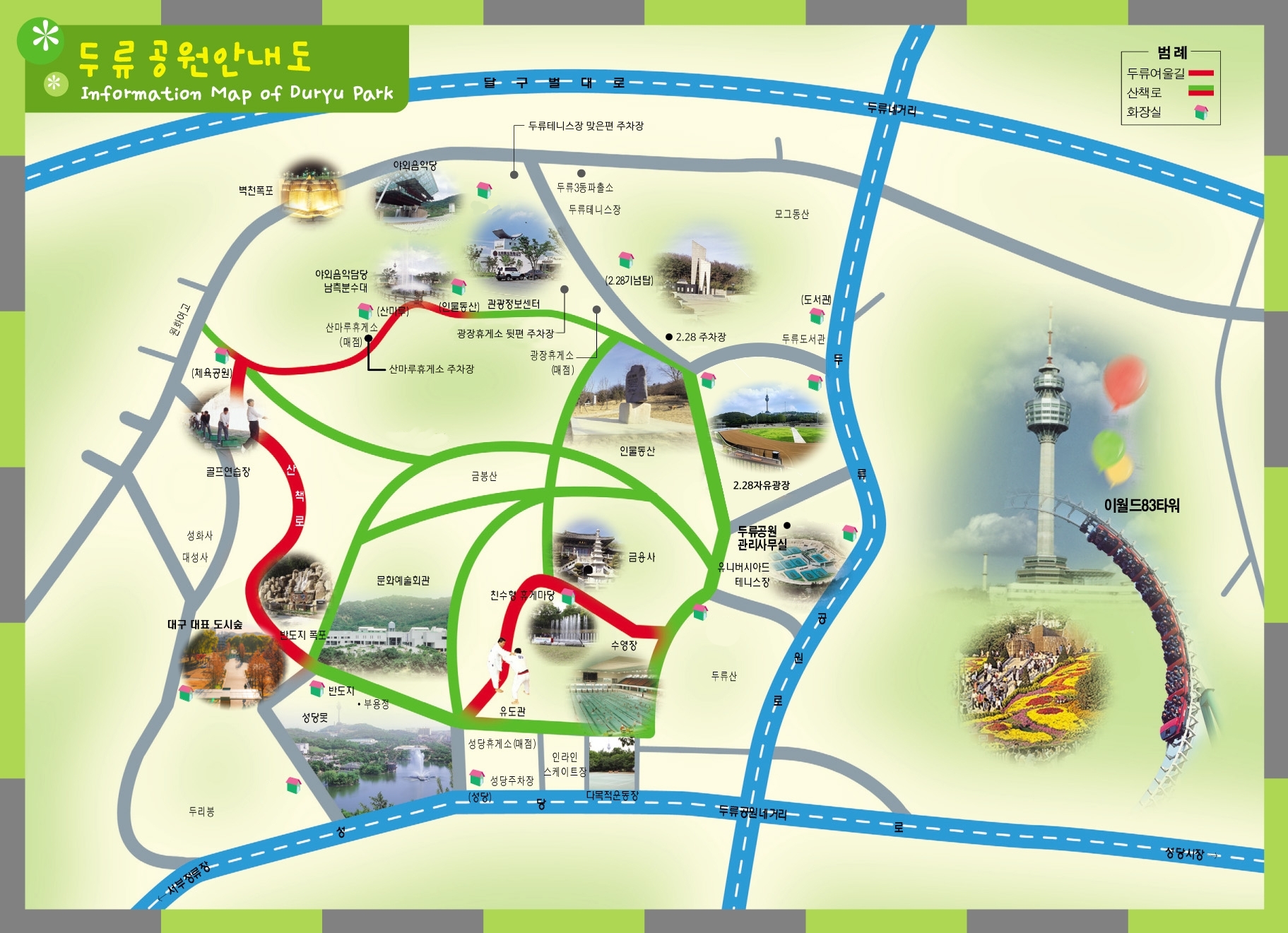
How to Experience a Day in Daegu at Duryu Park, Between Seongdangmot and 83 Tower
 Travel Guide
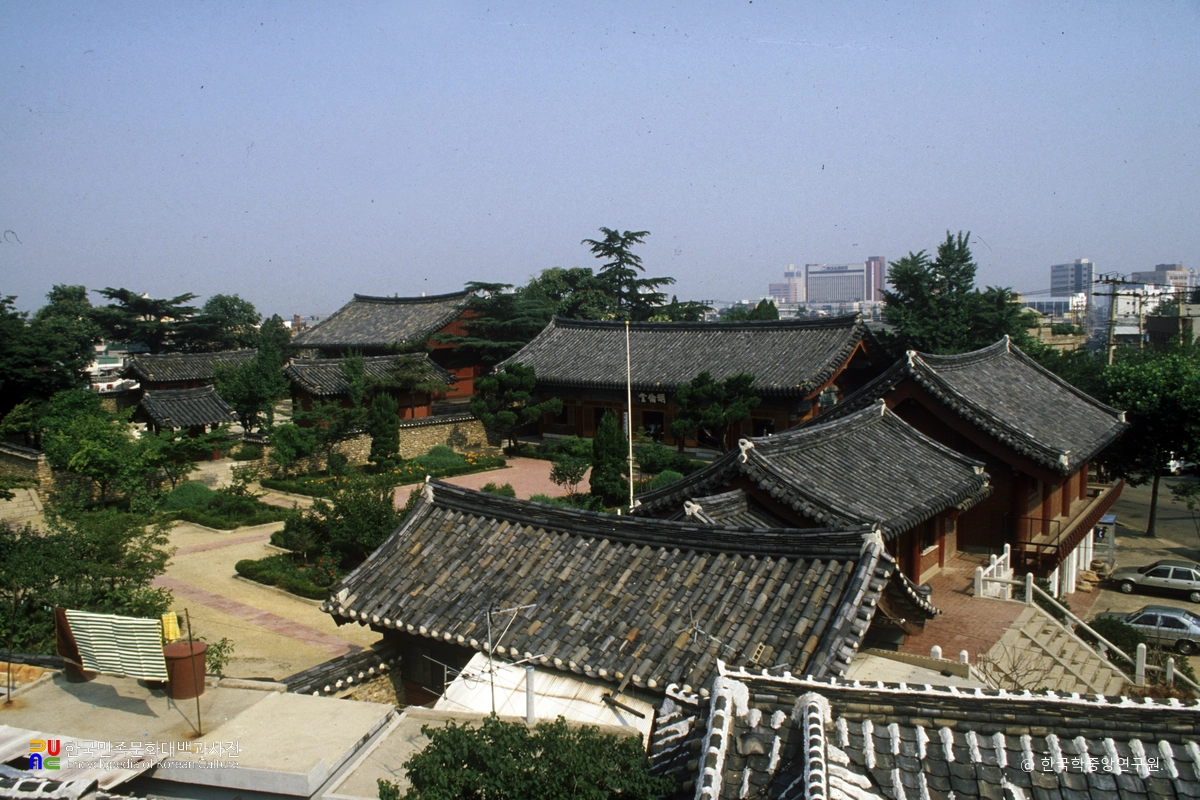
How to Read the Traces of Confucian Rituals and Joseon Education at Daegu Hyanggyo
 Travel Guide
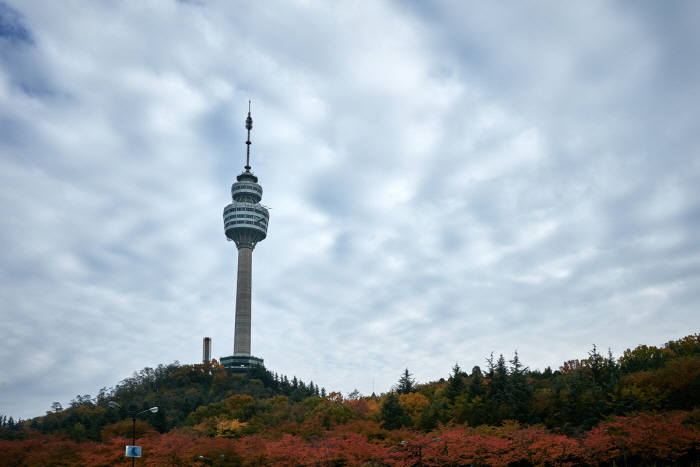
How to Make the Most of 83 Tower, with 360-Degree Views over Downtown Daegu
 Travel Guide
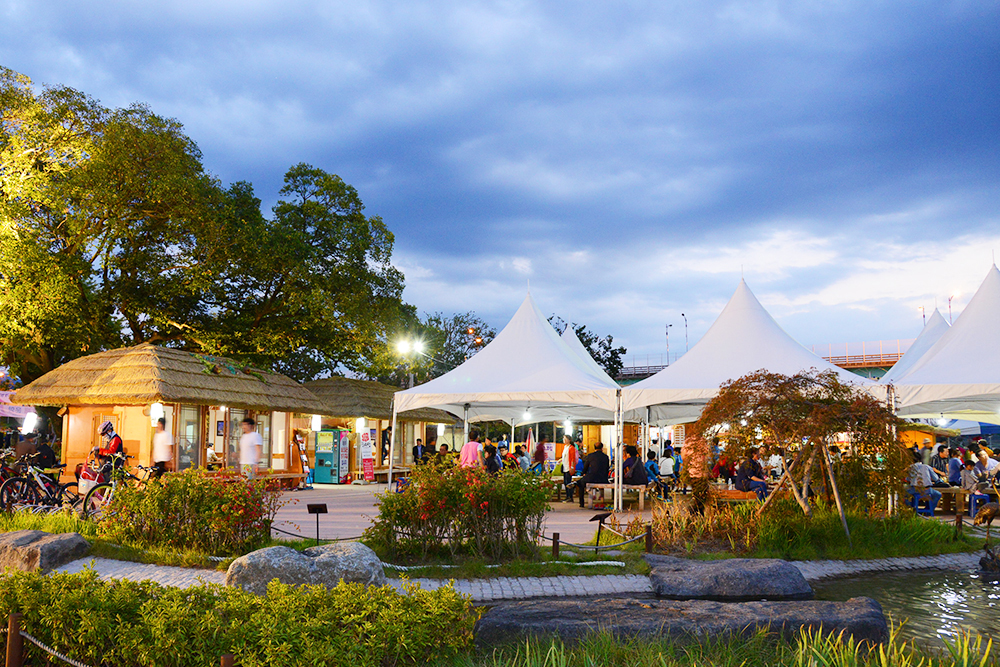
Samunjin Tavern Village, Where the Memory of the Nakdong River Ferry Crossing Remains
Korea News
![BLACKPINK’s Lisa Dominates the VMA Red Carpet in a Sheer Corset Dress and Red Fur [Star Issue]](https://kotourlive-images.s3.ap-northeast-1.amazonaws.com/news/1790557894714_010e956a_news_94409db1-fab6-40bf-bc7b-4b985b1fbac7.jpg) News
News
BLACKPINK’s Lisa Dominates the VMA Red Carpet in a Sheer Corset Dress and Red Fur [Star Issue]
![BLACKPINK’s Jisoo Spotted by Surprise with BIGBANG in London… Their Special Loyalty as Labelmates [IS High Cut]](https://kotourlive-images.s3.ap-northeast-1.amazonaws.com/news/1790557854683_6ea979f5_news_caab62e5-8462-43c8-8622-da794f3df9de.png) News
News
BLACKPINK’s Jisoo Spotted by Surprise with BIGBANG in London… Their Special Loyalty as Labelmates [IS High Cut]
 News
News
Tattoos All Over Her Body… AOA’s Jimin Draws Shocked Attention After Kwon Mina’s ‘Bullying’ Allegations
![You’ll Have to Look Twice… Choi Min-a-soo Perfectly Pulls Off Everything from a Daring Illusion Dress at the Awards Ceremony to Long Braided Hair [RE:STAR]](https://kotourlive-images.s3.ap-northeast-1.amazonaws.com/news/1790492384850_1f293dad_news_d834c50e-0685-43ef-9aa5-6995cd6d8848.jpg) News
News