Sasang Museum of Everyday Life: Memories of Nakdong River Clams and the Sasang Industrial Complex in Three Exhibition Rooms
Sasang Museum of Everyday Life is a free public museum exploring the livelihoods, education, and environmental activism of local residents shaped by the Nakdong River and the Sasang Industrial Complex. It is a 529-meter walk from Exit 1 of Deokpo Station, and 60–90 minutes is recommended to see the third-floor exhibitions and rooftop observatory.
I’ve been here?
Your check-in helps the next traveler.
20 people viewed this week Be the first
One tap — no writing needed
How a Public Parking Lot Became a Resident-Participatory Museum on May 6, 2016
Sasang Living History Museum is a space created to record the changes in the daily lives of residents who have lived alongside Sasang’s natural environment and to enable residents, experts, and the administration to participate together in its operation. The project began with the Eco-Museum Development Plan in February 2013. After the resident community ‘Saetgang People’ was formed in July 2014, construction took place from November 2014 to December 2015.
The museum was registered as Busan Metropolitan City’s 14th Type II museum on March 17, 2016, and opened on May 6 of the same year. It has three above-ground floors and a total floor area of 641.5㎡; the site formerly held a public parking lot. The reason for choosing urban regeneration instead of commercial development remains embedded in the building’s very origins.
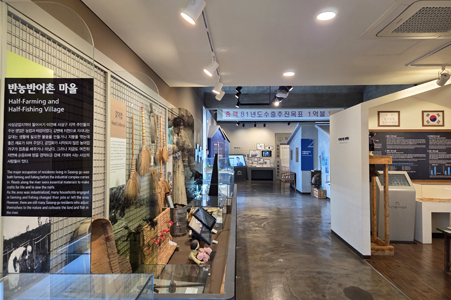
Livelihoods Along the Nakdonggang River Seen Through the Shellfish Bucket in Exhibition Room 1
The first section of the permanent exhibition on the third floor is titled ‘The River, Sasang’s Lifeline.’ It covers the history, livelihoods, and education of the people of Sasang who have lived alongside the Nakdonggang River. Representative artifacts include the Sasang-myeon Banggyeong register, a shellfish rake, a reed broom, an eel rake, a shellfish bucket, and a pump organ.
The shellfish bucket is more than a simple household tool; it is a source showing the harvesting of shellfish from the sandy tidal flats of the Nakdonggang River and the labor involved in selling them in downtown Busan. Records in the Busan City Bulletin introduce a bucket used by a resident who sold shellfish soup in Gamjeon-dong for more than 20 years. When viewing the exhibition, it is helpful to follow the sequence of livelihoods extending from the waterways and sandbars to the market.
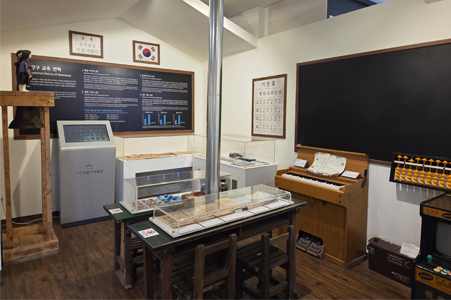
Sasang Industrial Complex Through Rubber Shoes and International Trading Company’s Thirty-Year History in Exhibition Room 2
The title of the second exhibition room is ‘The Winds of Modernization Blowing Across the Sandbar.’ It covers the development and growth of the Sasang industrial area, once the center of Busan’s modern economy, while also presenting the other side of that growth. Representative materials include ‘International Trading Company’s Thirty-Year History’ and rubber shoes.
The Sasang Industrial Complex was connected to the growth of Busan’s manufacturing industry, and memories of footwear-factory labor and family livelihoods are also part of this exhibition. Including photographs, videos, and records documenting the daily lives of residents in the Nakdonggang area from the 1960s to the 1980s, the exhibition was introduced as containing more than 5,000 items. If you are interested in industrial history, it is better not to look only at the rubber shoes but to view the formation of the industrial complex, labor, and environmental issues as one continuous story.
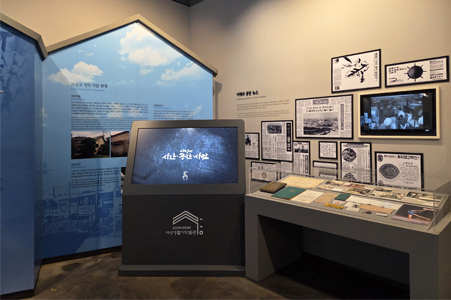
Why Exhibition Room 3 Also Addresses ‘Overcoming’ Environmental Pollution
The third exhibition room, ‘Sasang Today and Tomorrow,’ focuses on the environmental pollution caused by industrialization and the activities of Sasang residents to overcome it. While the previous room shows the speed and scale of industrialization, this section also examines its cost, including the Saetgang stream damaged by wastewater and efforts to restore it.
The museum’s permanent exhibition does not separate riverside livelihoods, industrialization, and environmental recovery. This makes it possible to understand Sasang-gu not merely as a transportation hub or industrial district, but through the living history of a region where the Nakdonggang riverside and industrial complexes meet. After viewing the exhibitions, you can keep your route short by continuing to the storage area on the same third floor and the rooftop observatory.
A 529 m Walk Along Samnakcheon from Exit 1 of Deokpo Station
For public transportation, Exit 1 of Deokpo Station on Busan Metro Line 2 is the reference point. The official walking route is 529 m: enter the alley by Busan Bank from Deokpo Station, then turn left along Samnakcheon. The museum is near the entrance to Deokpo Market. Allow approximately eight minutes at an ordinary walking pace.
Another option is to take buses 123 or 126, get off at the ‘Samnak Ecological Park’ stop, and walk approximately 161 m. Bus 138-1 requires getting off at the ‘Hanshin Apartment 2’ stop and walking approximately 309 m via the crosswalk and Samnak Waterway Bridge. Village bus Sasang-gu 7 uses the Deokpo Market stop. From the main gate of Samdeok Elementary School, walk 180 m toward Gwaebeop-dong along the one-way road.
- Address: 36 Nakdong-daero 1258beon-gil, Sasang-gu, Busan (Samnak-dong)
- Main telephone: 051-310-5136
- Official website: https://www.sasang.go.kr/lmuseum/index.sasang
Free Admission from 09:00 to 18:00; Groups of 10 Must Reserve Seven Days in Advance
Visiting hours are 09:00–18:00 from Tuesday through Sunday, with admission permitted until 17:30. Admission is free. The museum is closed every Monday, January 1, and during the Lunar New Year and Chuseok holiday periods; if Monday is a public holiday, it closes the following day. If your schedule is tight, you must arrive before 17:30 to enter the exhibition.
Groups of 10 or more must make an advance reservation by calling 051-310-5136 at least seven days before the visit. Food and beverages may not be brought into the exhibition rooms, and pets other than guide dogs are not permitted. Flash photography, tripod photography, and commercial photography are also prohibited, so if photography is your main purpose, it is safest to ask on site about the scope of ordinary photography permitted.
12-Space Parking Lot, Second-Floor Diaper-Changing Table, and Rooftop New Sasang Eight Scenic Views Observatory
There are 12 parking spaces in total, including one space for people with disabilities. From 09:00 to 18:00, the lot operates for museum visitors; from 18:00 until 09:00 the following day, it is opened in consideration of nearby parking demand. Since the number of available spaces is limited, prioritizing access from Deokpo Station is more practical on weekends or program days.
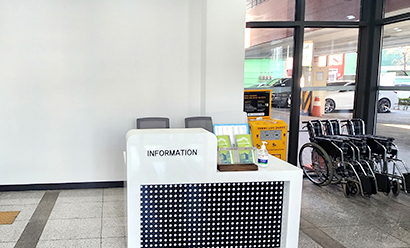
The first floor has an information desk and parking area, while the second floor includes the Cultural Courtyard, Conversation Room, outdoor deck, accessible restroom, and diaper-changing table. The third floor consists of exhibition rooms and storage, and the rooftop is arranged as the ‘New Sasang Eight Scenic Views Observatory.’ Braille guidance and an elevator are available, allowing wheelchair and stroller users to move between floors. The recommended visiting time, including the exhibitions and rooftop, is 60–90 minutes.
The 90㎡, 40-Seat Cultural Courtyard and Exhibits Created by Residents’ Donations
This is a museum where items donated by residents form the core of the exhibitions. At the time of opening, more than 1,000 everyday artifacts donated or entrusted by residents were introduced, along with more than 5,000 materials including photographs, videos, and records. The resident community ‘Saetgang People’ has participated in operations and exhibition interpretation. A defining feature is that the focus of the exhibition is not the rarity of the objects, but who used them and in what kind of life.
The second-floor Cultural Courtyard covers 90㎡ and seats 40 people, with laptops, a beam projector, microphones, and a whiteboard. The space can be rented for educational, academic, cultural, and artistic events from Tuesday through Sunday during museum operating hours, and applications must be submitted at least seven days before use. Even if you are only visiting the exhibitions, it is useful to check official announcements because the way the second-floor space is used may vary depending on the program schedule.
- Rental inquiries: 051-310-5247
- Cultural Courtyard: 90㎡, 40 seats
- Rental application: Submit at least seven days before use; decision within three days of receipt
Before You Go
- Address
- 36 Nakdong-daero 1258beon-gil, Sasang-gu, Busan (Samnak-dong)
- Hours
- Tuesday–Sunday, 09:00–18:00 (last admission 17:30)
- Closed
- Every Monday, January 1, and the Lunar New Year and Chuseok holiday periods (if Monday is a public holiday, closed the following day)
- Admission
- Free
- Phone
- 051-310-5136
- Official site
- https://www.sasang.go.kr/lmuseum/index.sasang
- Transport
- 529 m toward Samnakcheon from Exit 1 of Deokpo Station on Busan Metro Line 2, approximately an eight-minute walk. After taking buses 123 or 126, walk approximately 161 m from the Samnak Ecological Park stop; after taking bus 138-1, walk approximately 309 m from the Hanshin Apartment 2 stop; village bus Sasang-gu 7 uses the Deokpo Market stop.
- Parking
- 12 spaces in total, including one accessible space. For museum visitors from 09:00–18:00; open from 18:00–09:00 the following day.
- Time needed
- 60–90 minutes
- Accessibility
- Braille guidance and an elevator are available, and the second floor has an accessible restroom and diaper-changing table. Foreign-language guidance was not confirmed.
The information above is current as of the time of writing. Check the official guidance again before visiting.

Places
Nearby Attractions 3
-
 1
1
-
 2
Samnak Park Gangnaru Grand Plaza
2
Samnak Park Gangnaru Grand Plaza -
 3
3
Food & Dining 5
-
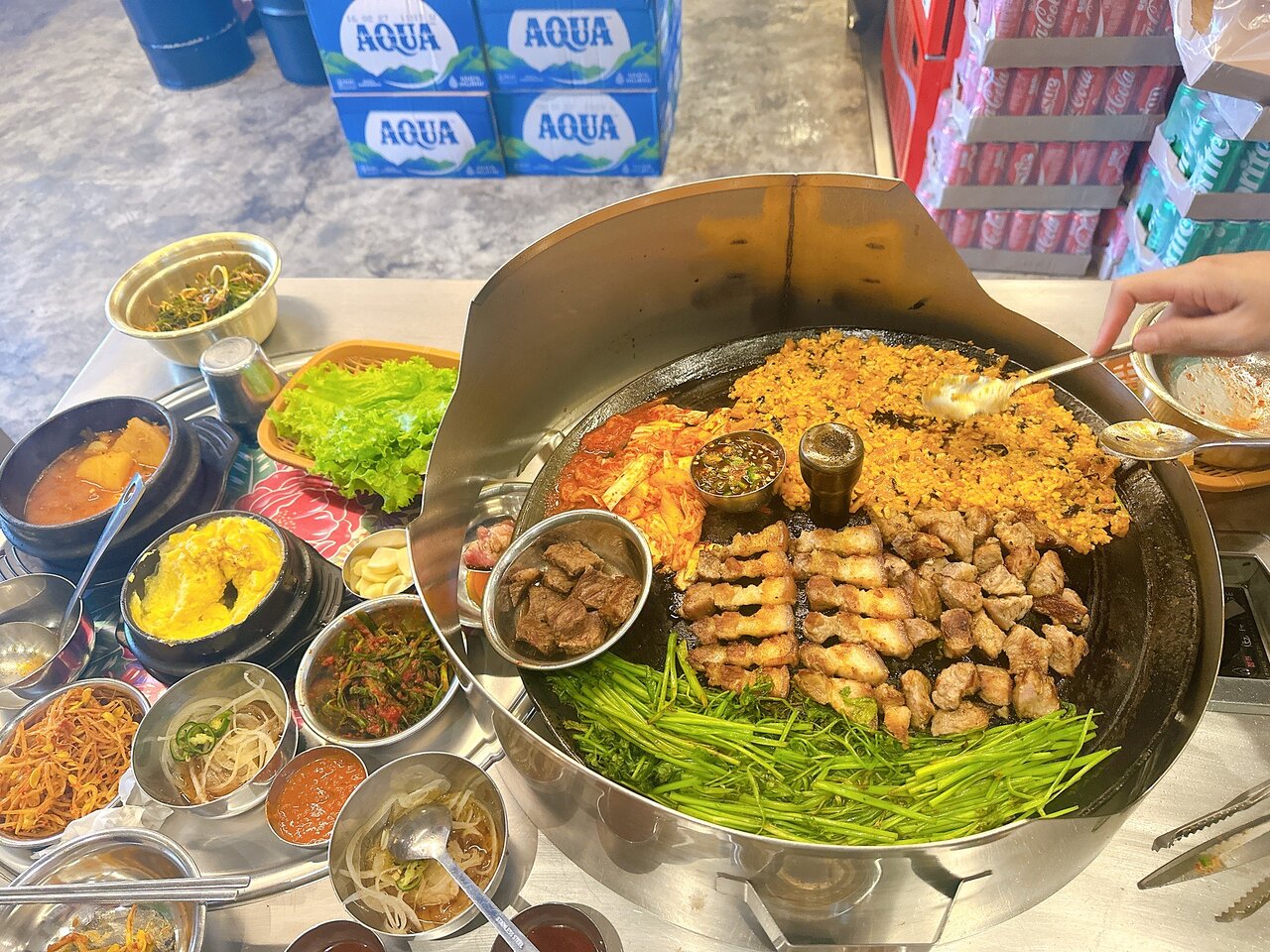 4
Sasang Moggumung BBQ Restaurant
4
Sasang Moggumung BBQ Restaurant -
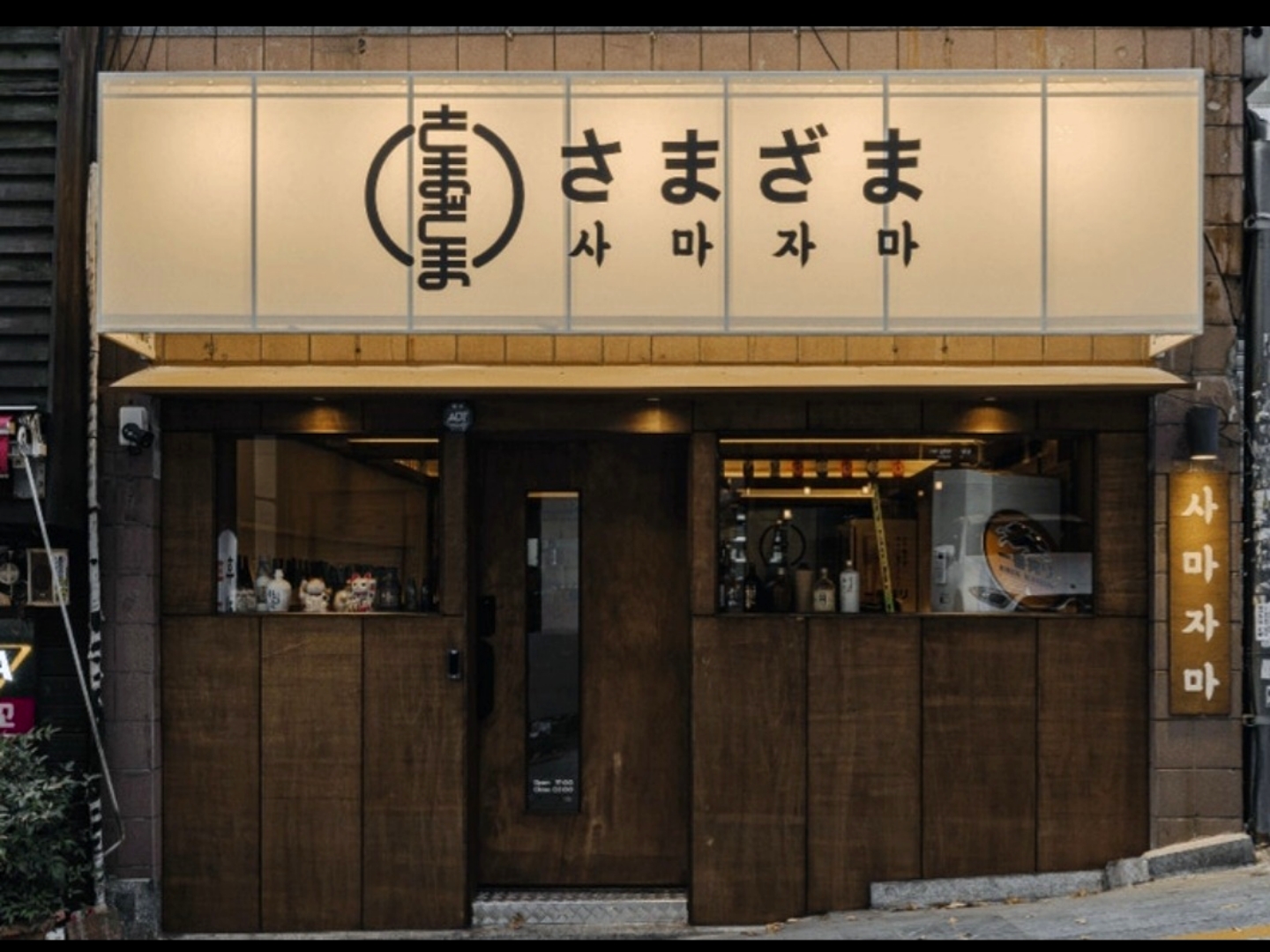 5
5
-
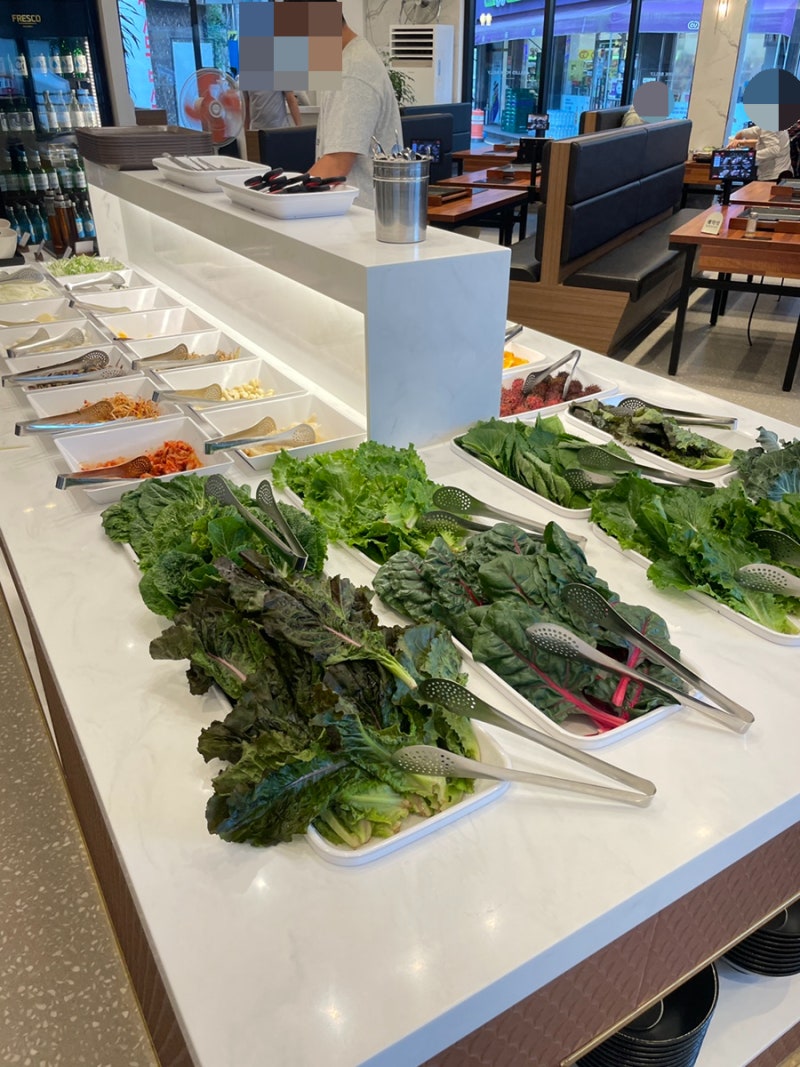 6
6
-
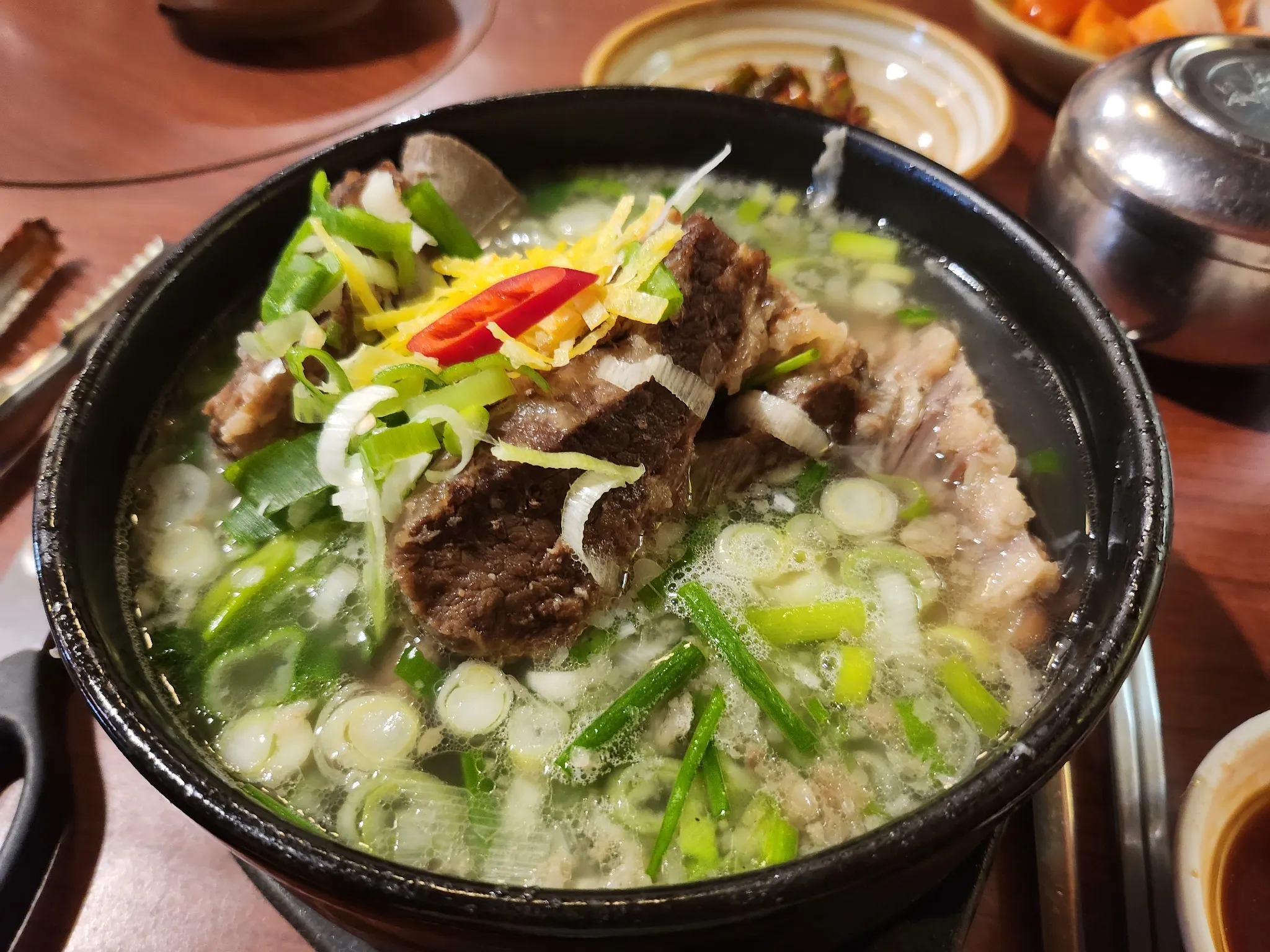 7
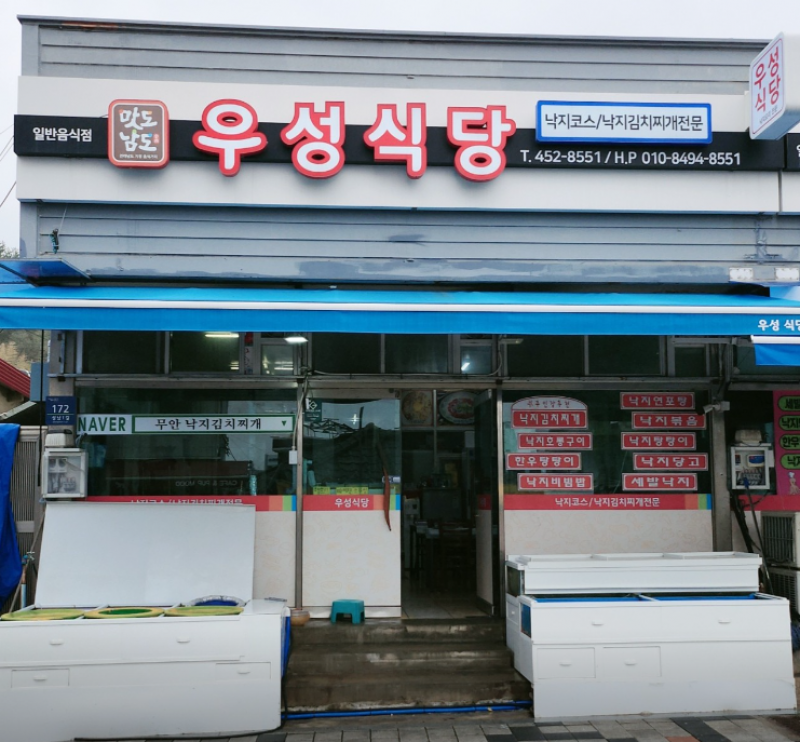
Dae-gyeol Anjip
7
Dae-gyeol Anjip -
 8
8
Events in This Area

Festivals in This Area

More Travel Guides in This Area
 Travel Guide
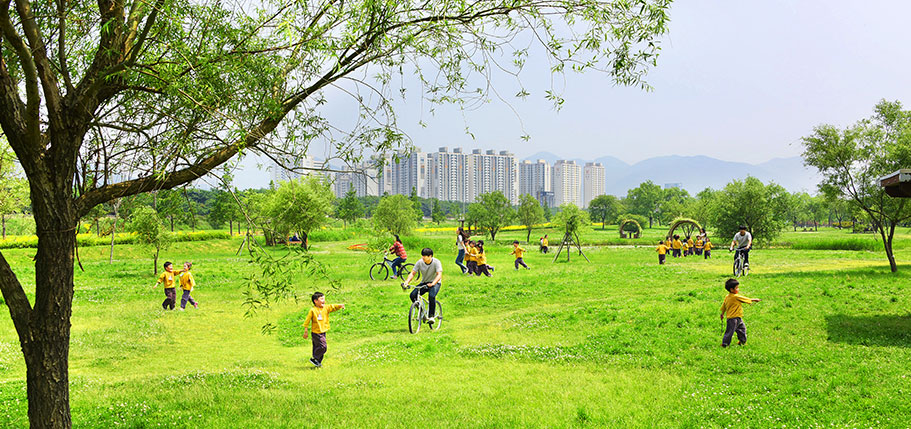
Walking through Busan’s Samnak Ecological Park, a 4.72 km² riverside park along the Nakdong River
 Travel Guide
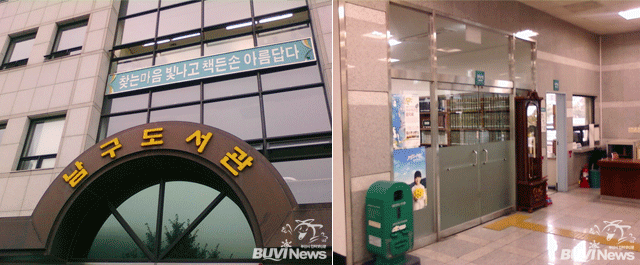
Busan Braille Library: A Braille and Audio Resource Hub in Deokpo-dong Since 1983
 Travel Guide
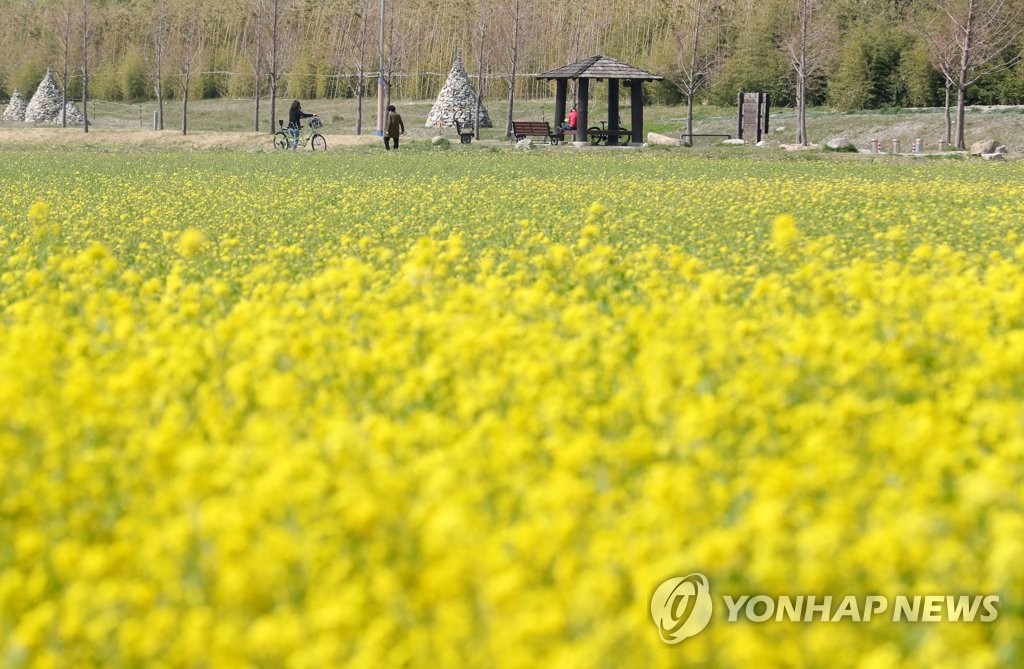
Daejeo Ecological Park Along 7.62 km of the Nakdong River: Connecting the Canola Fields and Sindeok Wetland
 Travel Guide
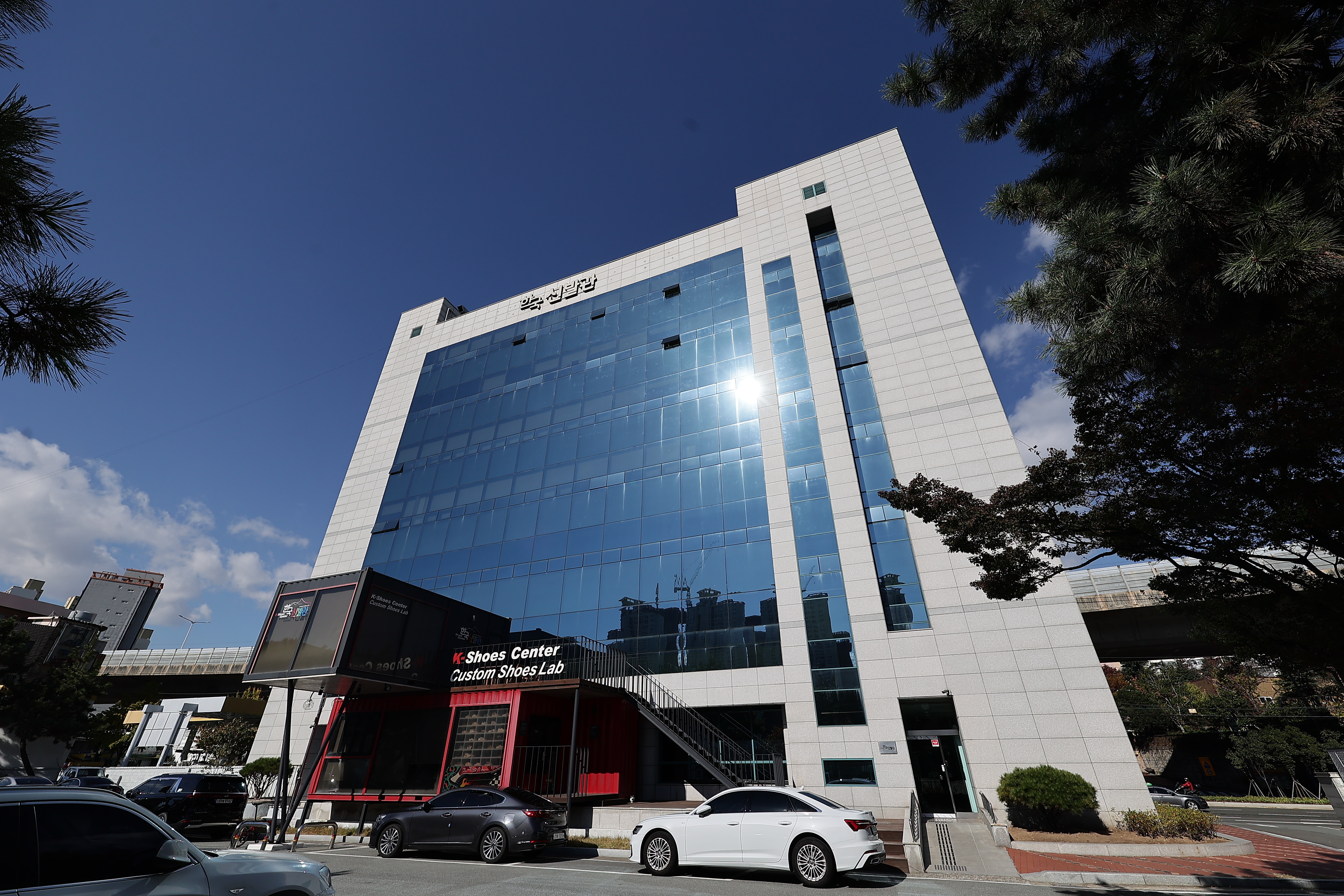
Seven minutes from Exit 2 of Gaegum Station: Step into the history of Busan’s footwear industry at the Korea Footwear Center
Korea News
 News
News
‘NewJeans Expulsion’ Danielle Releases Her First YouTube Video… “We Don’t Know What Will Happen Next”
![aespa’s North American Tour Has Remaining Seats Despite ‘$49’ Bargain Prices… A Stark Popularity Gap with KATSEYE [TEN Starfield]](https://kotourlive-images.s3.ap-northeast-1.amazonaws.com/news/1788485037424_a59b1932_naver_rank_thumb_0000774618_1788485037424.jpg) News
News
aespa’s North American Tour Has Remaining Seats Despite ‘$49’ Bargain Prices… A Stark Popularity Gap with KATSEYE [TEN Starfield]
![[Photo] TWICE’s Dahyun attends a film festival red carpet as an actress](https://kotourlive-images.s3.ap-northeast-1.amazonaws.com/news/1788485316508_edd43ecd_news_870a60a6-6f11-4d73-aa7c-48d91318a0f7.jpg) News
News
[Photo] TWICE’s Dahyun attends a film festival red carpet as an actress
![[On-Site Video] “We’re Departing Separately Together”… BIGBANG Begins ‘COSMOS’ World Tour](https://kotourlive-images.s3.ap-northeast-1.amazonaws.com/news/1788485226518_c5719641_news_fdd4764a-0f4e-4968-8e4e-e98a02872f88.jpg) News
News