Walking into 1,023 Nights Under Yeongdodaegyo Bridge
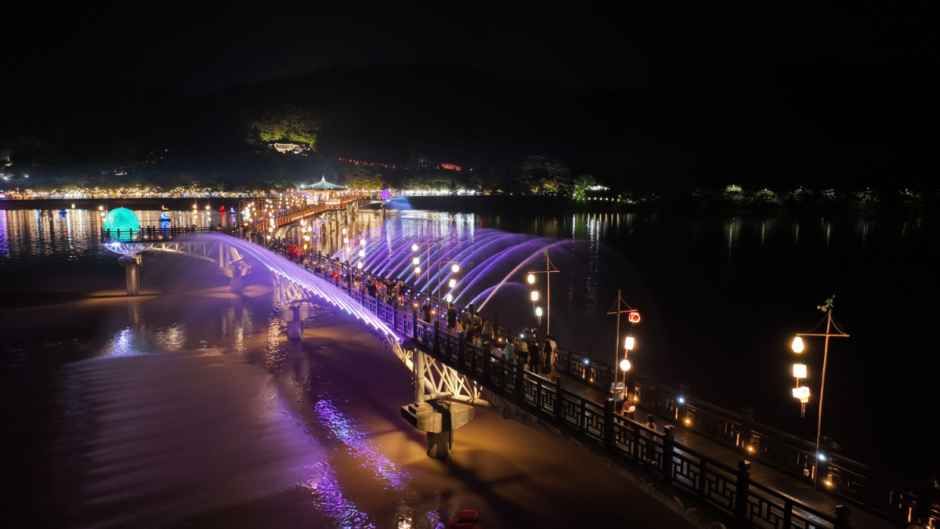
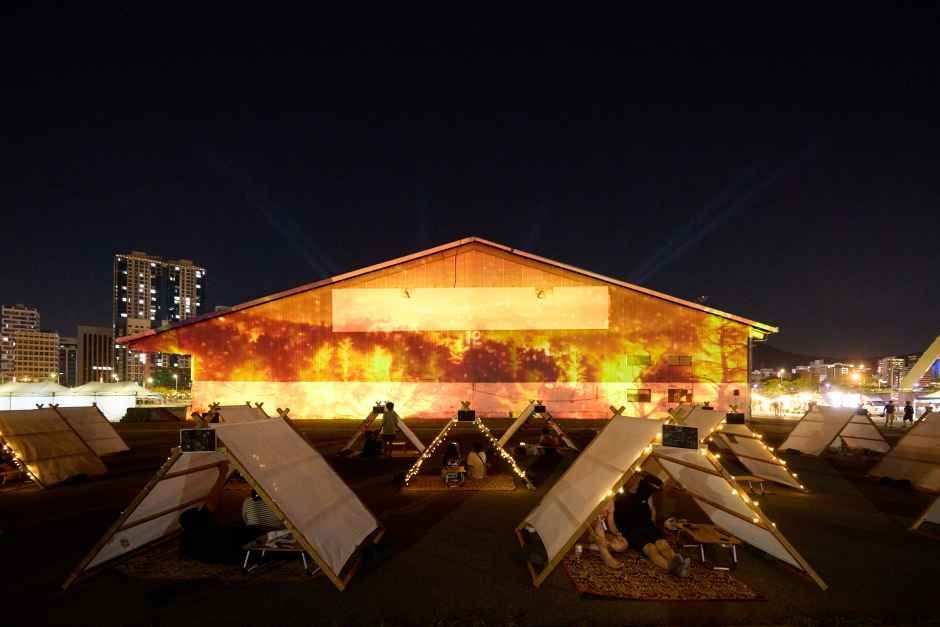
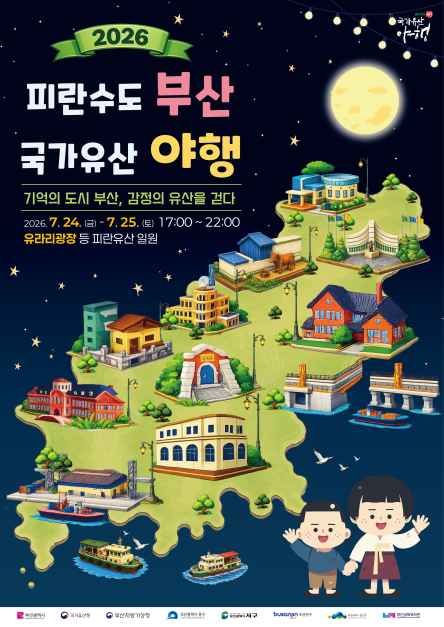
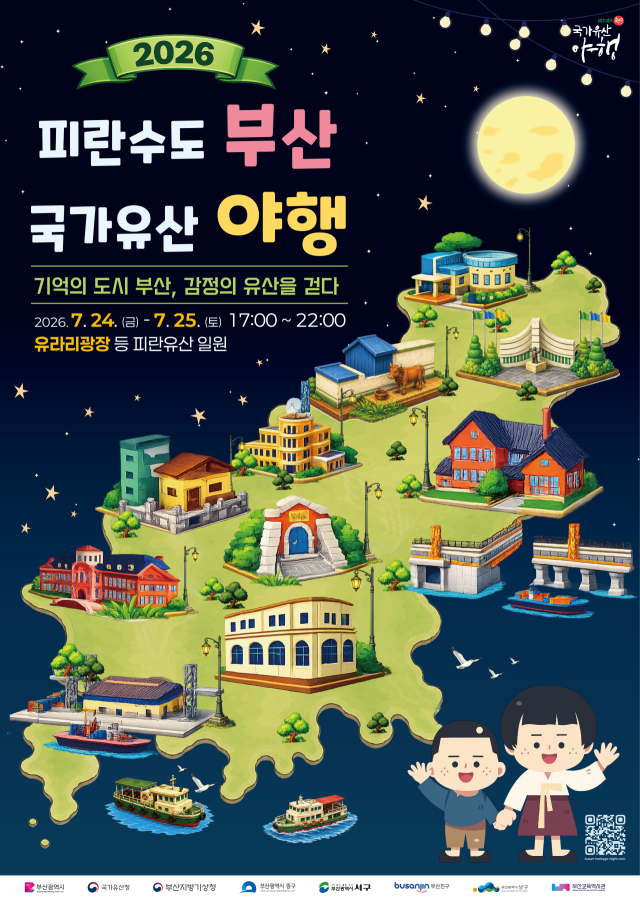
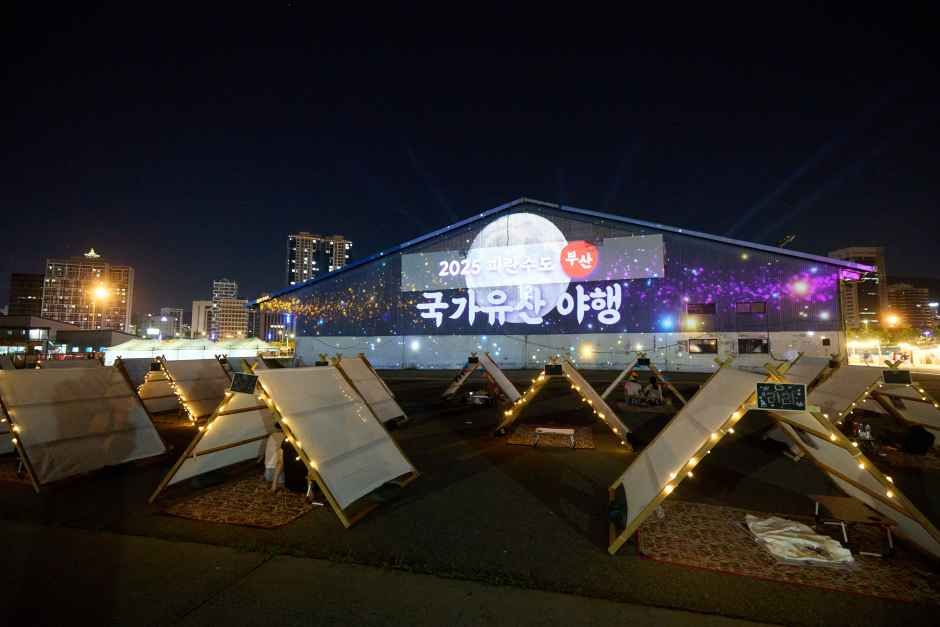
While thinking about what to do at night in Busan, I came across this festival. The “2026 Firan Capital Busan National Heritage Night Walk” is a nighttime history-and-culture festival held for two days, Friday, July 24 and Saturday, July 25, centered on U-lari Square below Yeongdodaegyo Bridge and throughout the heritage sites of the wartime capital. The slogan is “Busan, the City of Memory, Walking Through the Heritage of Emotion,” and true to its name, all programs run in the evening rather than during the day, from 5:00 p.m. to 10:00 p.m. Guided by interpreters, you walk through old heritage sites after dark, the spaces turn into performance stages for artists, and the walls of buildings are covered with light and video.
If you know a little of the background before going, it feels much more vivid. During the Korean War, Busan served as the temporary capital for 1,023 days and took in more than 1 million refugees, far beyond the city’s capacity. This night walk uses 11 heritage sites that still bear traces of that era as its stage. The programs are divided into the “8 Nights” of night view, night road, night story, night history, night art, night market, night snack, and night stay, with around 20 detailed programs. From the media facade at Yeongdodaegyo Bridge to a pop-up museum of modern and contemporary life, youth artist showcases, and AR stamp tours, the festival blends history with digital experiences. In particular, this year overlaps with the first UNESCO World Heritage Committee meeting ever held in Korea (taking place in Busan from July 19 to 29), so the whole city is buzzing with heritage stories.
An Evening Route Starting from Exit 6 of Nampo Station
The first thing to secure is advance registration. Many of the night walk programs are introduced on the official website and accept sign-ups in advance, so popular programs fill up quickly. For night-themed tours with interpreters and hands-on activities, seats are limited, so choosing your preferred program on the website and reserving before you go is the key to avoiding disappointment. On the other hand, there are also plenty of drop-in contents like the square night market and media facade, so even without a reservation you can still enjoy the atmosphere.
Getting there is easy. U-lari Square, the main venue, is very close to Nampo Station on Busan Metro Line 1. Exit through Exit 6, head about 100 meters toward Yeongdo, and in about 3 minutes on foot you’ll reach the entrance to Yeongdodaegyo Bridge. Since it connects with the underground shopping area, Nampo-dong’s food alleys, BIFF Square, and Jagalchi Market are all within walking distance, so I ate dinner in Nampo-dong before sunset and then strolled down to the square. The return trip is important too: even though the programs end at 10 p.m., Nampo Station is right nearby, so as long as you check the last subway train time, getting home is easy. Being in the heart of the city, it’s not hard to catch a taxi either.
You don’t have to worry much about payment or language on site. The Nampo-dong and Jagalchi area is a tourist hub where cards and mobile payments work well, but some night-market stalls or booths decorated with a retro vibe may only accept cash, so it’s a good idea to bring a little cash in small bills for peace of mind. I’m not certain how detailed the English guidance is for each program, but since there are many contents you can enjoy with your eyes and palate—like media facades, night markets, and food— you can still fully enjoy the atmosphere even if you don’t speak Korean.
The Fun of Choosing Among Eight Kinds of "Night"
The charm of this festival lies in its “8 Nights” framework. By dividing the night into eight sensory categories, it becomes fun to pick and choose according to your taste. If you want light, there’s night view—this includes the media show projected onto Yeongdodaegyo Bridge and the heritage walls. If you like walking, choose night road: follow the refugee route, join a moonlight plogging event, or take part in the stamp tour. If you want stories, night story offers small-theater performances and the “Mildawon” teahouse-concept program. If you want to learn history properly, there’s night history, and making drawings or postcards falls under night art. And when you get hungry, the night market and night snack corners are waiting. There is even night stay, a lodging concept program called “a night of the night walk.”
- Light and video viewing: night-view programs such as the Yeongdodaegyo Bridge media facade (available even without a reservation)
- Reservation recommended: guided night theme tours and hands-on craft/experience programs
- Food and strolling: the night refugee market and snack boxes are great for a casual visit
As you walk among booths recreating the 1950s and old objects, the characters Geumsoonie and Geumdongie appear here and there. Since the story of a brother and sister who lost each other on the refugee route ties the whole festival together, it’s also a great experience for families with children, almost like following a mission trail.
What to Know Before You Go
Busan in late July is hot and humid. On top of that, this is a festival where you walk around heritage sites at night, so the amount of walking is more than you might expect. Wear sneakers, bring water, a hand fan or portable fan, and pack a folding umbrella in case of summer evening showers.
There are restrooms at U-lari Square, so you don’t need to worry too much near the main venue, but for tour-style programs that spread out to multiple heritage sites, restrooms may be scarce while moving between stops, so I recommend using the facilities at the square beforehand.
One more thing: because it overlaps with the World Heritage Committee meeting this year, the entire old downtown area is likely to be busier than usual. At peak times for media facades, when crowds gather, it’s better to arrive a little early if you want a good viewing spot. Before you leave, check the official website again for the exact operating hours and reservation availability for each program.
In short, this is perfect for anyone who wants to spend Busan’s night not by “eating and drinking,” but by “walking and remembering.” It suits travelers interested in history, couples who love night views and media art, and families who want to walk while following a story with their children. Under the lights of Yeongdodaegyo Bridge, I hope you take a brief walk by borrowing the warmth this city held more than 70 years ago.
| Item | Score | Basis |
|---|---|---|
| Language accessibility | 3.0 | The extent of English guidance is limited in available information, but viewing is possible thanks to many nonverbal contents such as media and food |
| Transportation accessibility | 5.0 | A 3-minute walk from Exit 6 of Nampo Station on Line 1, with easy access to the last train and taxis in the city center |
| Facilities for foreign visitors | 3.5 | Basic amenities such as restrooms are available at U-lari Square, but facilities may be sparse while moving between tour stops |
| Local cultural experience | 5.0 | A dense experience of 1950s history through 11 heritage sites of the wartime capital and the 8 Nights theme |
| Value for money | 4.5 | Many programs are free, with spending mainly limited to night-market food |
| Cleanliness/Safety | 4.0 | A managed area in the city center, but caution is needed during nighttime and crowd-heavy periods |
| Food/Convenience facilities | 4.5 | The night refugee market and night snack booths are within walking distance of the Nampo-dong and Jagalchi food alleys |
Festival Details
-
Festival Period7/24/2026 ~ 7/25/2026
-
Festival Venue6-45, Yongmi-gil 9beon-gil, Jung-gu, Busan Metropolitan City (Nampodong 1-ga) Yeongdodaegyo (Yurari Plaza)
-
Admission FeeFree
-
TagsPiran Capital Busan Nighttime Heritage Event Busan History & Culture Festival Night View (Yagyeong) AR Stamp Tour Yeongdodaegyo Media Facade