Ulsan Museum: Tracing the City’s History Back to the Starting Line of the 1962 Industrial City
Ulsan Museum is a municipal comprehensive museum that connects prehistoric culture with the formation of an industrial city along a single route, covering everything from the Bangudae Petroglyphs to the changes surrounding the launch of the Ulsan Industrial District in 1962. Located next to Ulsan Grand Park, it is easy to combine the permanent exhibition, rooftop garden, and outdoor relic exhibition area into a 1.5- to 2-hour visit.

I’ve been here?
Your check-in helps the next traveler.
No one has checked in yet Be the first
One tap — no writing needed
June 22, 2011: A museum that rearranged the timeline of Ulsan, the “industrial city”
Ulsan Museum began by establishing a detailed construction plan in August 2003, started construction in January 2009, was completed on January 31, 2011, and opened on June 22, 2011, after being registered on March 3 of the same year as Ulsan Metropolitan City’s first Class 1 comprehensive museum. Its address is 277 Duwang-ro, Nam-gu, Ulsan, and its official website is https://ulsan.go.kr/s/museum/main.ulsan.
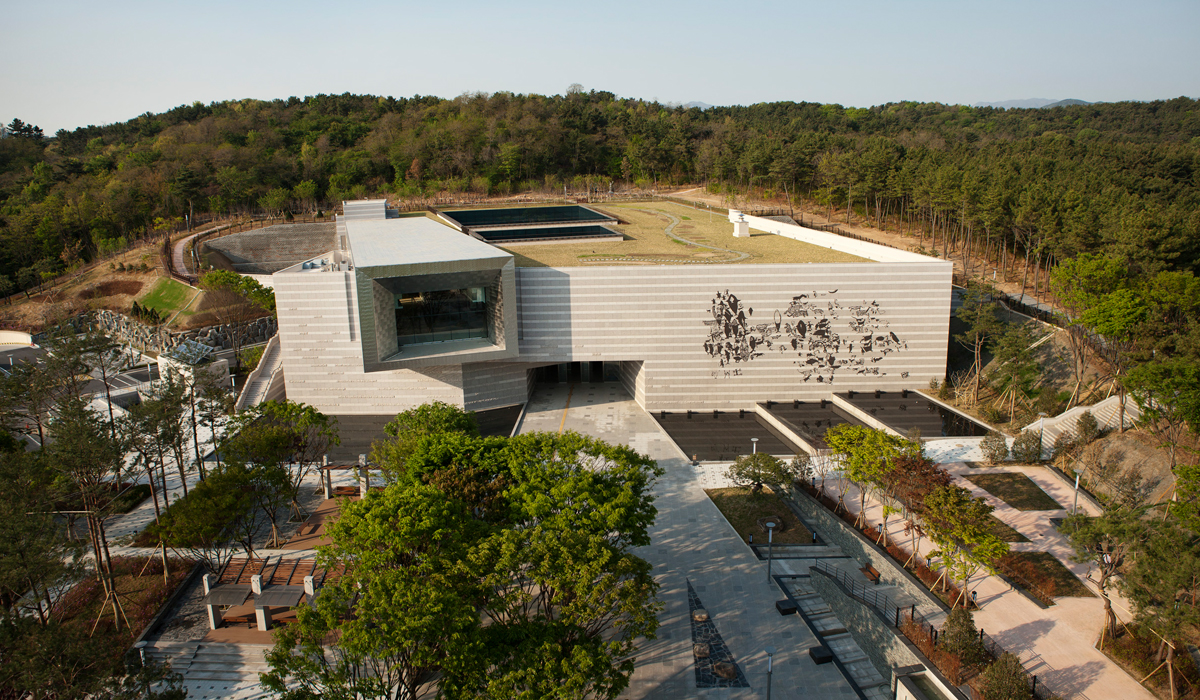
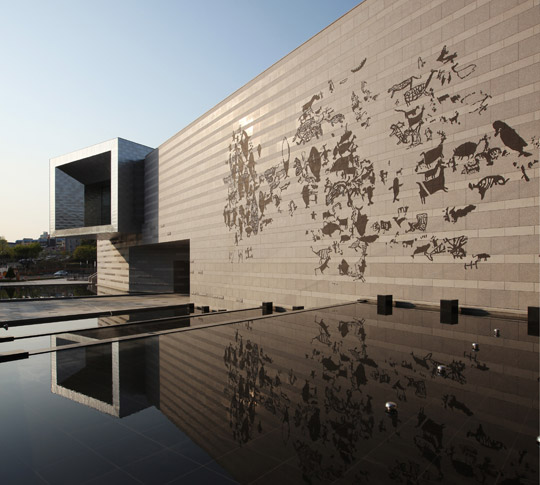
The key to this museum is that it does not view Ulsan solely as an industrial city of shipbuilding, automobiles, and petrochemicals. The Permanent History Gallery covers the period from prehistoric times to before the launch of the Ulsan Industrial District in 1962, while the Industrial History Gallery connects this history to explain how industrialization changed the city’s daily life and spaces. The metal mass on the front of the building was also designed to symbolize the continuity between Dalcheon Iron Mine, a center of Iron Age culture, and Ulsan’s industrial culture.
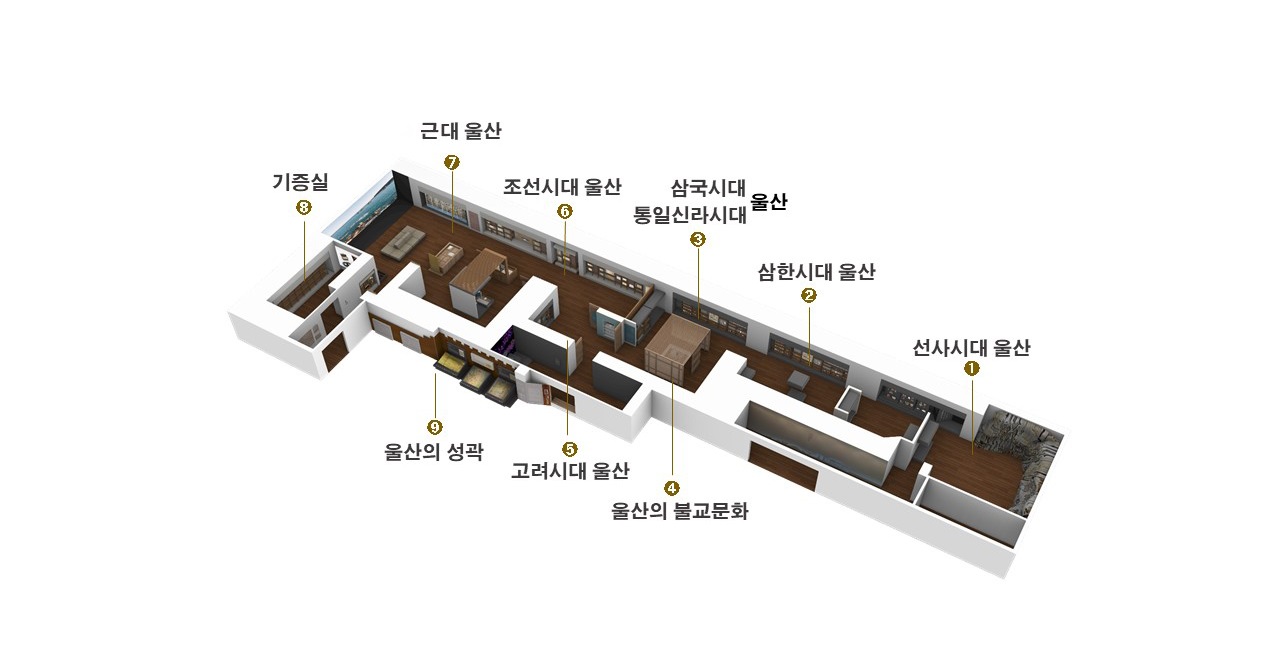
From the Bangudae Petroglyphs model to before the 1962 Ulsan Industrial District: Nine scenes in the History Gallery
The theme of the History Gallery is “Embracing Ulsan’s History and Culture,” and its sections proceed through prehistoric culture, the Three Han States, the Three Kingdoms, Unified Silla, Buddhist culture, Goryeo, Joseon, the modern and contemporary periods, fortresses, and the Donated Collections Gallery. Starting with a model of the Bangudae Petroglyphs in Daegok-ri, visitors can follow the long history of a region whose people lived between the sea and rivers, tracing it chronologically through Ulsan before industrialization.
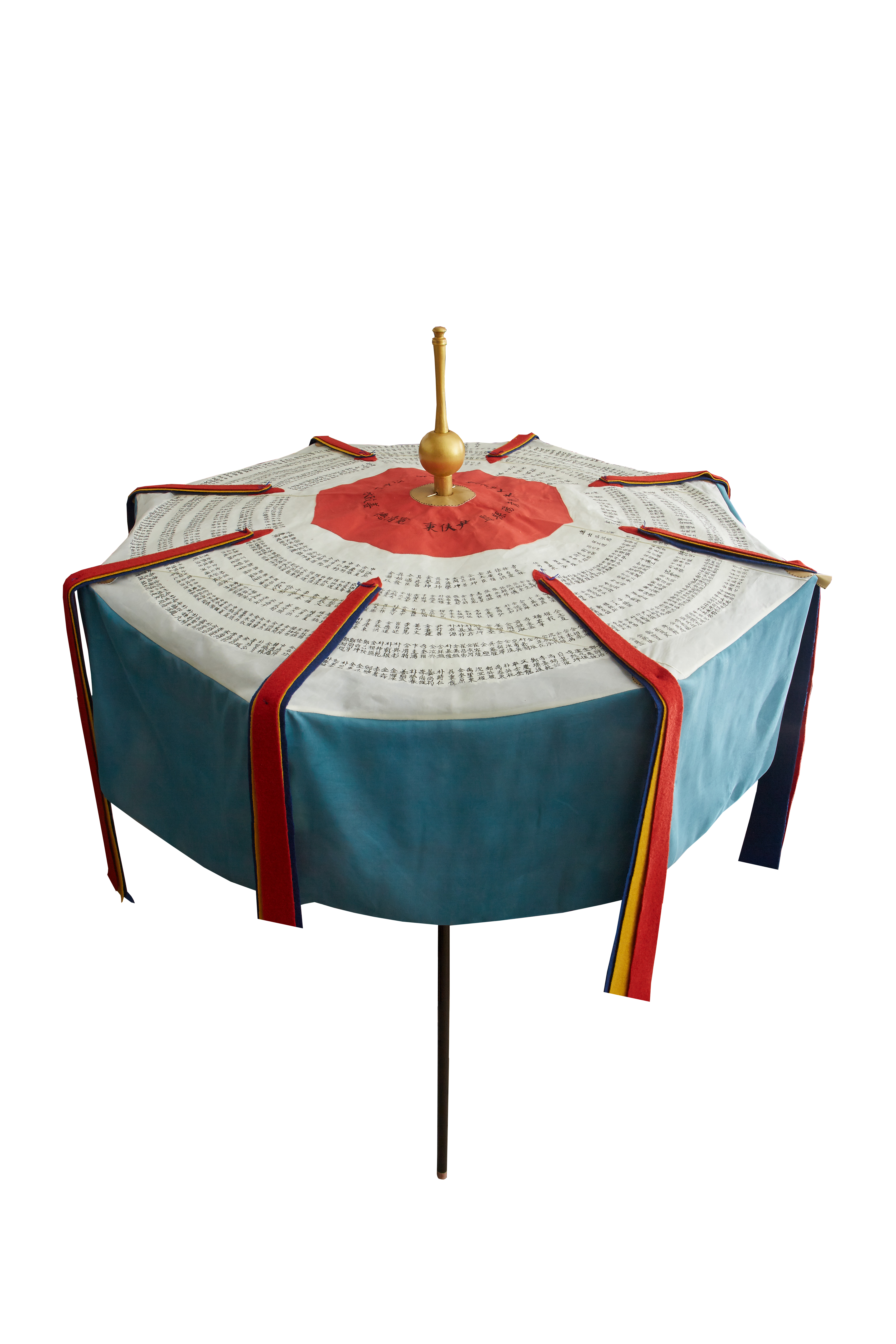
Major exhibits include whale bones with embedded bone points from the Hwangseong-dong site, Neolithic artifacts excavated at Sinam-ri, Three Kingdoms-period armor, a bronze incense burner excavated at Yeongchuksa Temple Site, the reliquary pagoda with the Twelve Zodiac Figures from Taehwasa Temple Site in Ulsan, the Ulsan Buseon Saeng-an register, the Bubuk Diary, and the Treasure-designated royal appointment document of Yi Jong-ju. After looking at the gallery map first and choosing the periods that interest you, you can plan either a tour covering the entire History Gallery or one centered on particular artifacts.
The Industrial History Gallery linking Dalcheon Iron Mine, shipbuilding, automobiles, and petrochemicals
Ulsan Museum’s Industrial History Gallery does not merely display the outcome of Ulsan’s status as an industrial capital; it explains how the city’s resources, technology, labor, and urban expansion developed in succession. The museum interprets Dalcheon Iron Mine as the starting point for Ulsan’s technology and resources and the Ulsan Industrial Center as a launching point for industrialization, presenting both the origins and future of its industrial culture.
For first-time visitors, it is easiest to understand the displays by visiting the History Gallery first and then moving to the Industrial History Gallery. This is because the story connects a region rich in Bangudae Petroglyphs and ancient sites with its transformation into a large-scale industrial city of shipbuilding, automobiles, and petrochemicals after the launch of the industrial district in 1962. The museum’s color system was also designed with blue-green representing the Taehwa River, the East Sea, and the future, and dark brown representing the value of prehistoric and ancient culture.
Free admission from 09:00 to 18:00, closed Mondays: Key details that are easy to miss in a day’s itinerary
Visiting hours are 09:00–18:00, Tuesday through Sunday, and basic admission is free. However, some special exhibitions, including jointly hosted or rental exhibitions, may charge admission, so it is best to check the exhibition notice for the day of your visit. The museum is closed every Monday and January 1; when Monday is a public holiday, it closes on the first weekday afterward.
The main telephone numbers are 052-222-8501~3 and 052-229-4766. Food and beverages, pets other than guide dogs, and flash photography, tripods, and commercial-purpose photography are prohibited in the galleries. Allowing 1.5–2 hours is appropriate if you plan to see the indoor exhibitions together with the rooftop garden and outdoor artifact exhibition area; special exhibitions or guided tours will extend your visit.
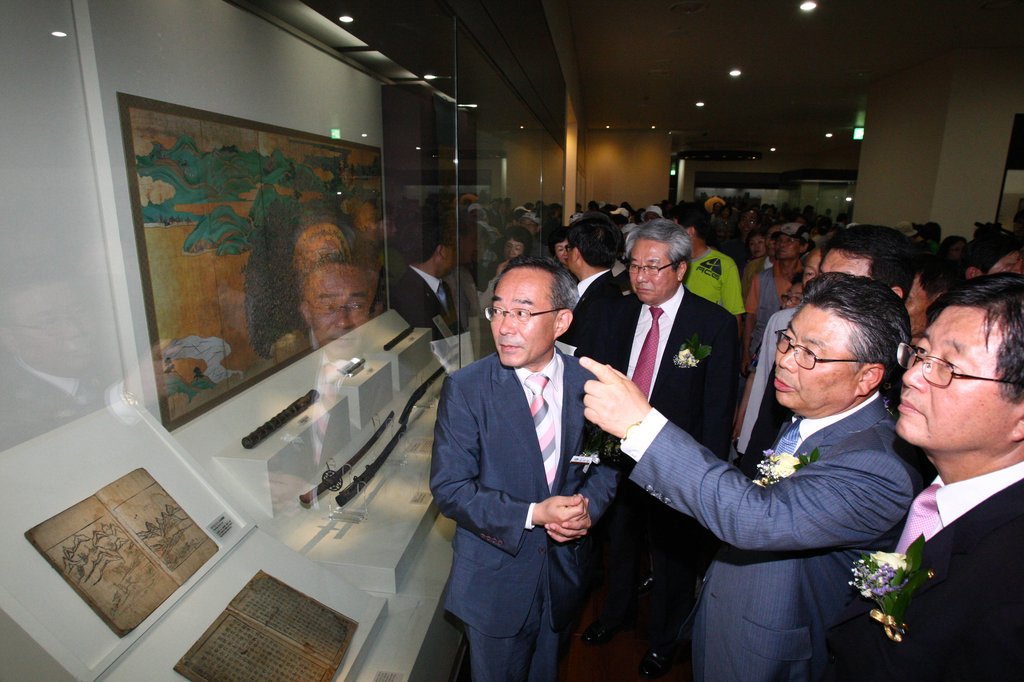
30-minute docent tours from 10:00 to 17:00: Options for individuals of up to 10 people and groups of 90
Guided tours of the permanent and special exhibitions operate from 10:00 to 17:00, with no tours during the lunch break from 13:00 to 14:00. Individuals or parties of up to 10 people may request an on-site tour from a docent for the permanent or special exhibitions on the day of their visit; the approximately 30-minute tour is followed by independent viewing.
Groups such as schools and companies must apply at the information desk at least three days in advance, and up to 90 people per session can make advance reservations. Depending on the reservation order, the requested time may not be available, and reservations are automatically canceled if visitors are more than 10 minutes late. Educational and event reservations are scheduled to be handled through the Ulsan Moa integrated reservation system starting in April 2026, so check whether advance registration is required for children’s or school-break programs.
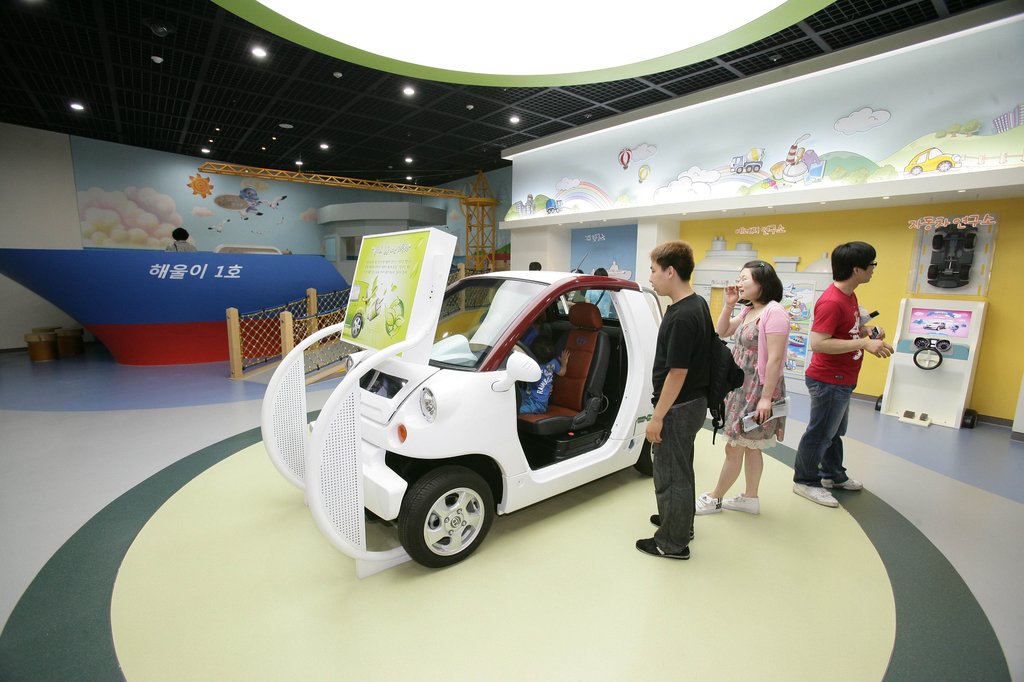
At the foot of Ulsan Grand Park with 126 parking spaces: A practical choice when arriving by car
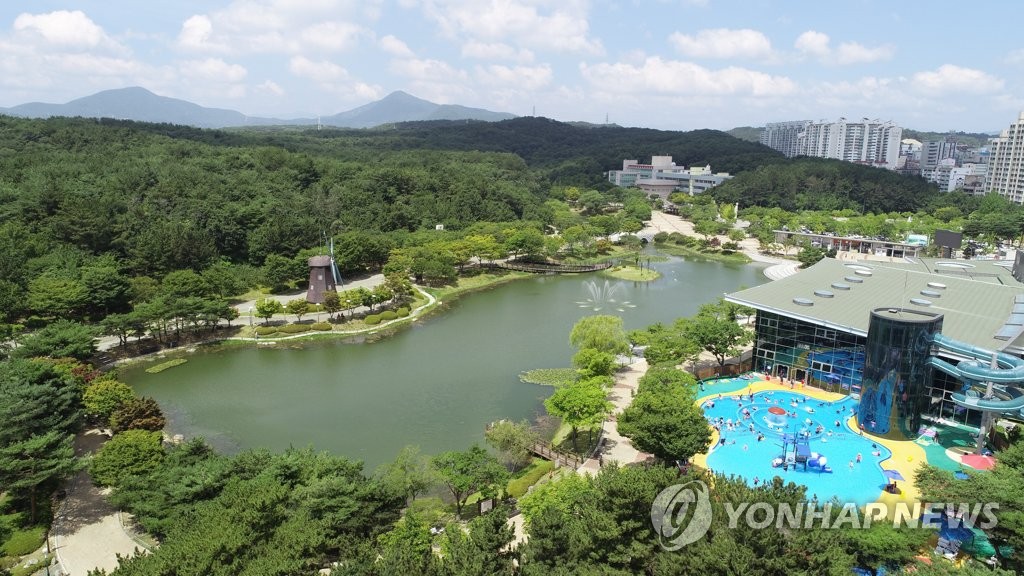
Ulsan Museum adjoins Ulsan Grand Park, and the courtyard at the center of the building, rooftop garden, and outdoor artifact exhibition area were designed to extend the visitor route outdoors after the exhibitions. On a day without rain, it is a good way to understand the architectural concept to visit the indoor permanent exhibitions first and then continue to the rooftop garden and outdoor artifact exhibition area.
The museum has 126 parking spaces. On days when many vehicles are expected, such as event days or weekends, visitors may be directed to the paid east-gate parking lot of Ulsan Grand Park. The official information did not specify the detailed availability of wheelchair and stroller routes or foreign-language assistance, so if you need support, it is safest to contact the main telephone number, 052-222-8501~3, before visiting.
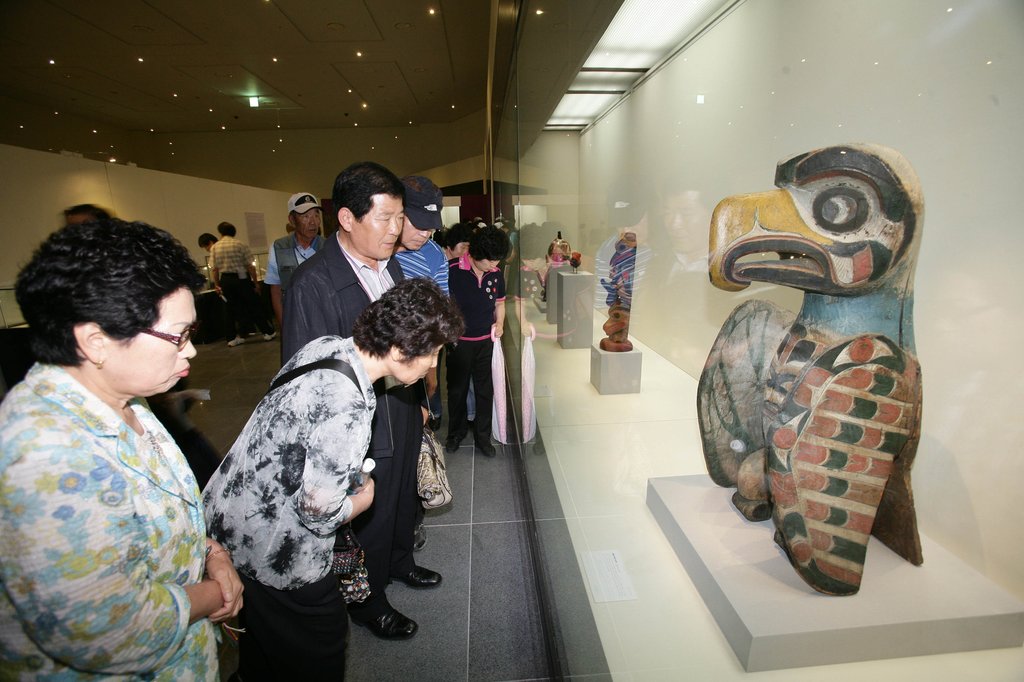
Two to three hours combined with Ulsan Grand Park: For visitors seeing only the museum and those continuing outdoors
For a visit focused on the permanent exhibitions, allocate about 90 minutes to the History Gallery and Industrial History Gallery. Including a 30-minute docent tour and the rooftop garden and outdoor artifact exhibition area, it is suitable to allow at least two hours. If traveling with children, it is best to calculate the tour time, educational programs operating that day, and rest breaks separately.
Because of its location next to Ulsan Grand Park, the museum is convenient for combining an indoor cultural itinerary with a walk on the same day, but visitors who want to see only the museum exhibitions quickly may skip the outdoor sections. Conversely, for visitors who want to understand the connection between Ulsan’s prehistoric culture and industrial history, the most important route is to maintain the sequence from the History Gallery through the Industrial History Gallery.
Before You Go
- Address
- 277 Duwang-ro, Nam-gu, Ulsan
- Hours
- Tuesday–Sunday, 09:00–18:00
- Closed
- Every Monday and January 1. If Monday is a public holiday, closed on the first weekday afterward
- Admission
- Free. Some special exhibitions may charge admission
- Phone
- 052-222-8501~3, 052-229-4766
- Official site
- https://ulsan.go.kr/s/museum/main.ulsan
- Parking
- 126 parking spaces. When the museum parking area is crowded, visitors may be directed to the paid east-gate parking lot of Ulsan Grand Park
- Time needed
- 1.5–2 hours for the permanent exhibitions; more than 2 hours including the docent tour, rooftop garden, and outdoor artifact exhibition area
- Accessibility
- The official information does not specify the detailed availability of wheelchair and stroller access or foreign-language assistance. Contacting the main telephone number before visiting is recommended
The information above is accurate as of the time of writing. Check the official information again before visiting.

Places
Nearby Attractions 3
-
 1
1
-
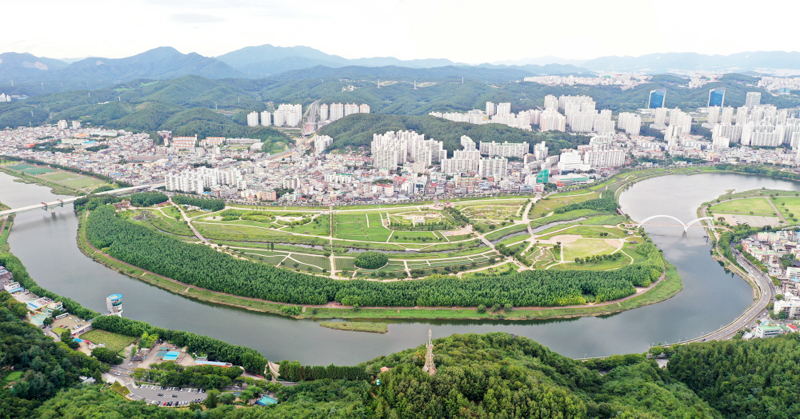 2
2
-
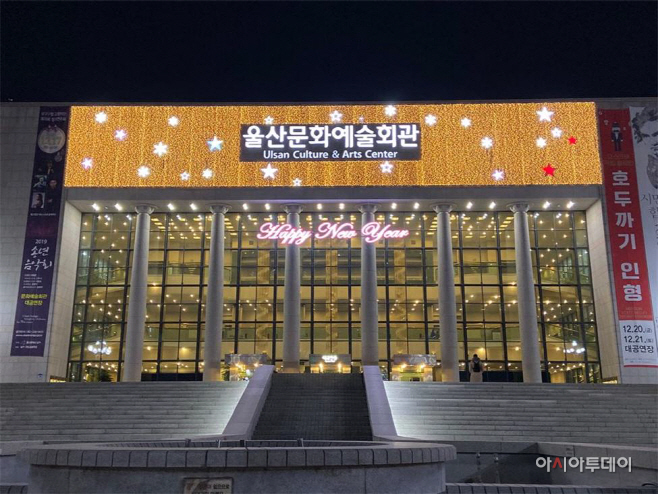 3
Ulsan Culture and Arts CenterA cultural and arts space where visitors can enjoy performances and art exhibitions
3
Ulsan Culture and Arts CenterA cultural and arts space where visitors can enjoy performances and art exhibitions
Food & Dining 3
-
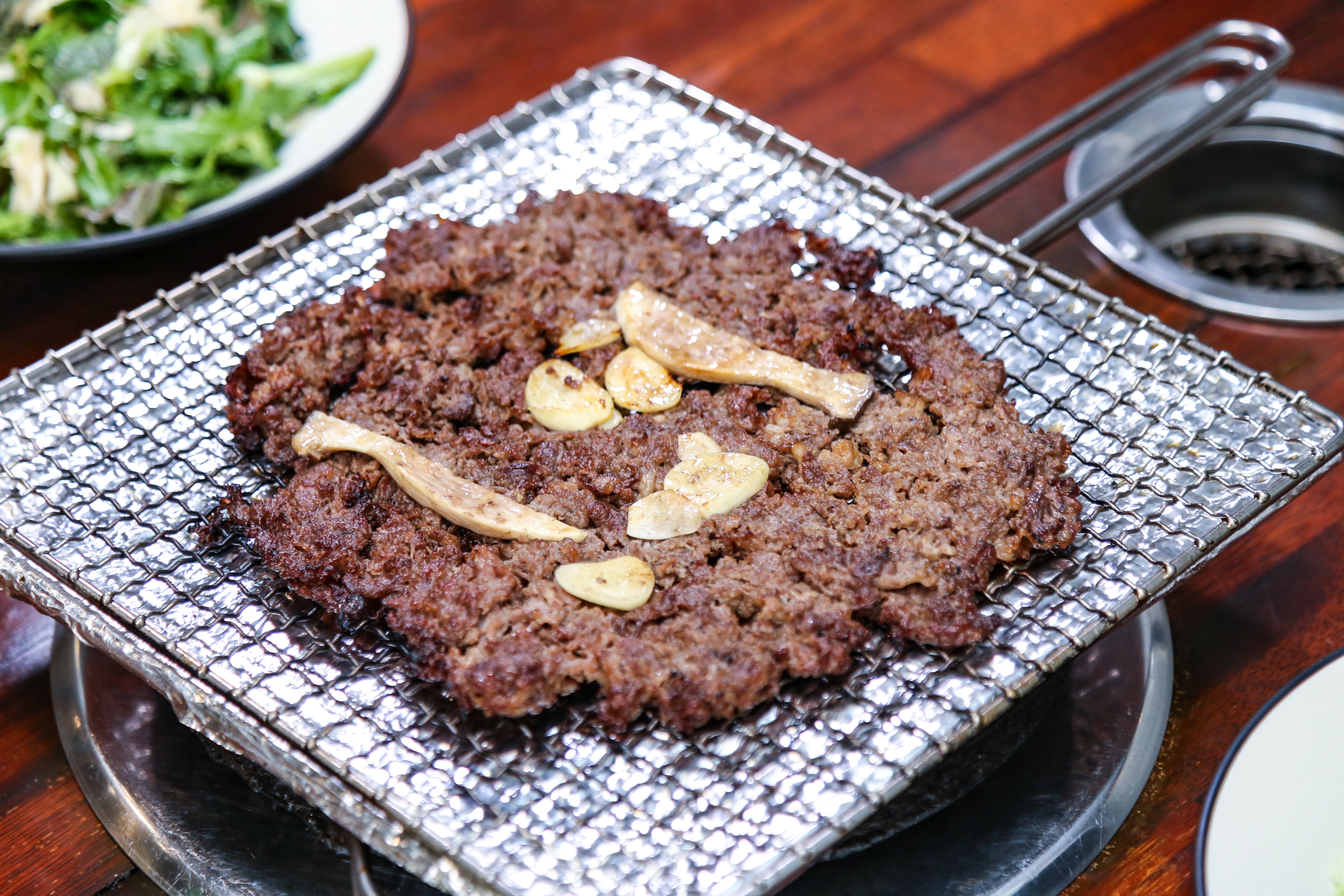 4
4
-
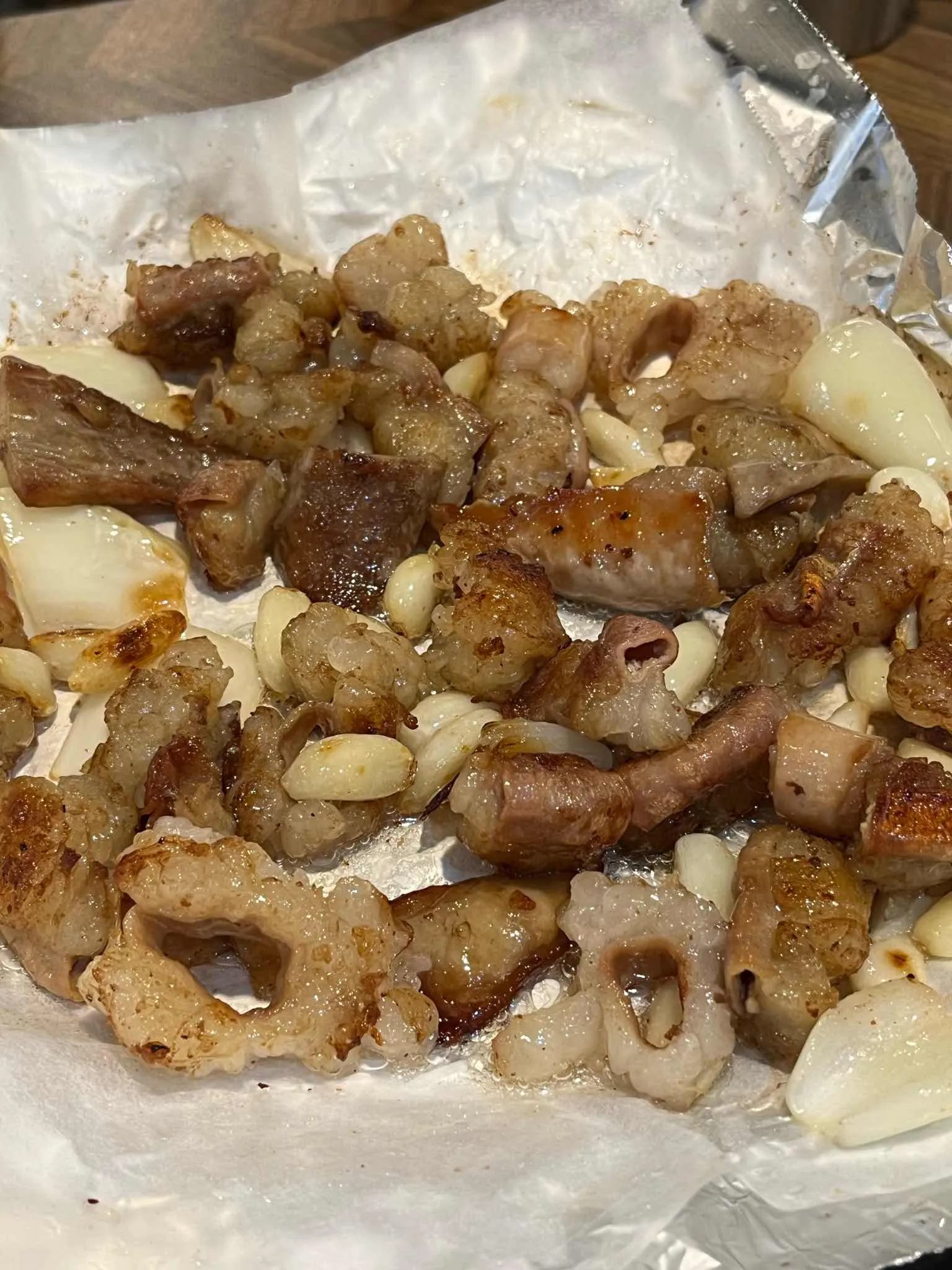 5
5
-
 6
6
More Travel Guides in This Area
 Travel Guide
Walking Ulsan Arboretum at the Foot of Daeunsan on 1- and 2-Hour Routes
 Travel Guide
Ulsan’s Whaling Industry History Read in Whale Culture Village, a Restored Hilltop of 1960s–70s Jangsaengpo
 Travel Guide
Ulsan, the Automotive City That Began on a Salt Farm Site in 1968
 Travel Guide
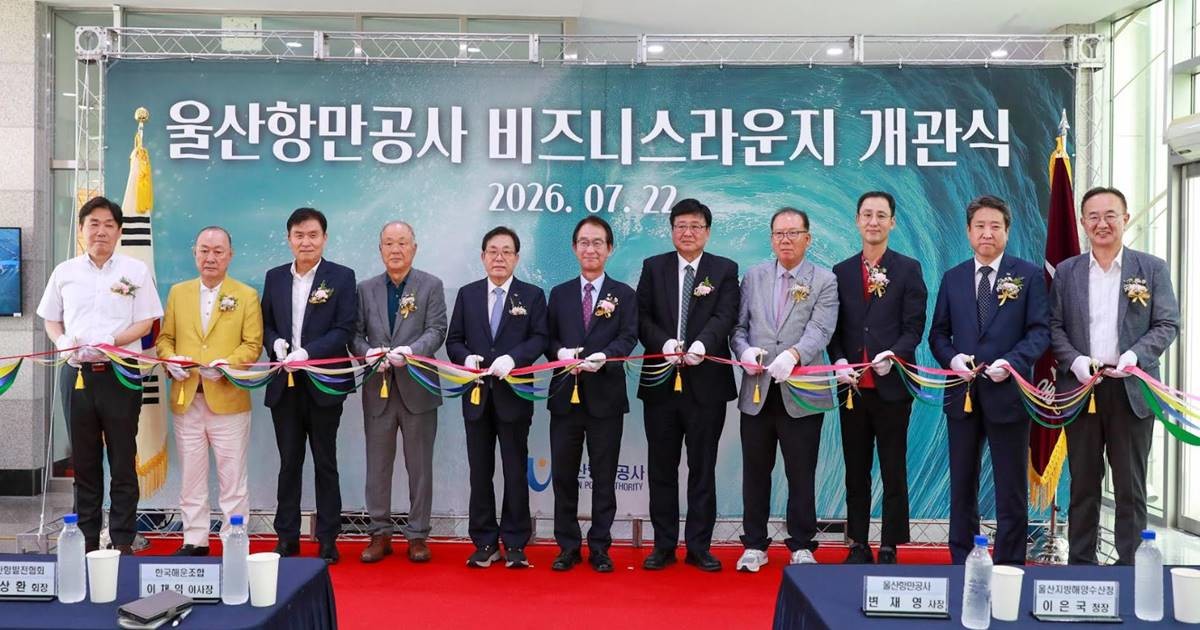
Reading Ulsan Port’s journey since its 1963 opening in a 360 m² lounge
Korea News
![BLACKPINK’s Lisa Dominates the VMA Red Carpet in a Sheer Corset Dress and Red Fur [Star Issue]](https://kotourlive-images.s3.ap-northeast-1.amazonaws.com/news/1790557894714_010e956a_news_94409db1-fab6-40bf-bc7b-4b985b1fbac7.jpg) News
News
BLACKPINK’s Lisa Dominates the VMA Red Carpet in a Sheer Corset Dress and Red Fur [Star Issue]
![BLACKPINK’s Jisoo Spotted by Surprise with BIGBANG in London… Their Special Loyalty as Labelmates [IS High Cut]](https://kotourlive-images.s3.ap-northeast-1.amazonaws.com/news/1790557854683_6ea979f5_news_caab62e5-8462-43c8-8622-da794f3df9de.png) News
News
BLACKPINK’s Jisoo Spotted by Surprise with BIGBANG in London… Their Special Loyalty as Labelmates [IS High Cut]
 News
News
Tattoos All Over Her Body… AOA’s Jimin Draws Shocked Attention After Kwon Mina’s ‘Bullying’ Allegations
![You’ll Have to Look Twice… Choi Min-a-soo Perfectly Pulls Off Everything from a Daring Illusion Dress at the Awards Ceremony to Long Braided Hair [RE:STAR]](https://kotourlive-images.s3.ap-northeast-1.amazonaws.com/news/1790492384850_1f293dad_news_d834c50e-0685-43ef-9aa5-6995cd6d8848.jpg) News
News