
The Black Jars of Oegosan, Where the Livelihood of Korean War Refugees Became a Museum
Ulsan Onggi Museum is a specialized museum in Oegosan Onggi Village, Korea’s largest traditional onggi pottery cluster, where visitors can explore the history of onggi making, distribution, and everyday use. After viewing the exhibits, walk along the village roads, where actual kilns and workshops remain, to understand why artisans gathered here after the 1950s.
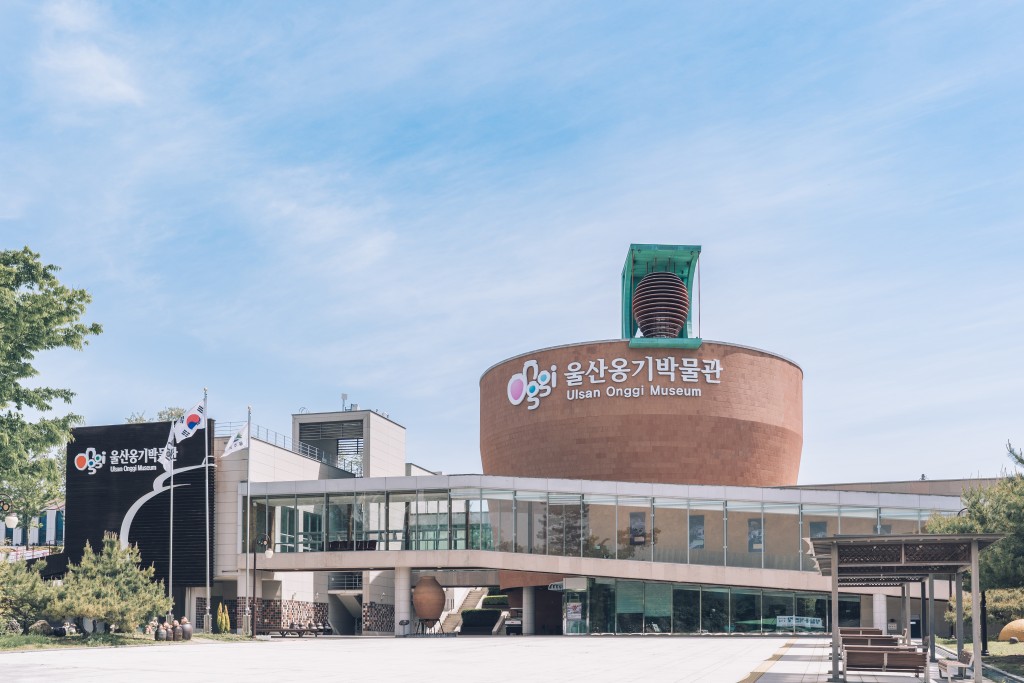

Why Ulsan Onggi Museum, opened in 2009, stands in the middle of Oegosan
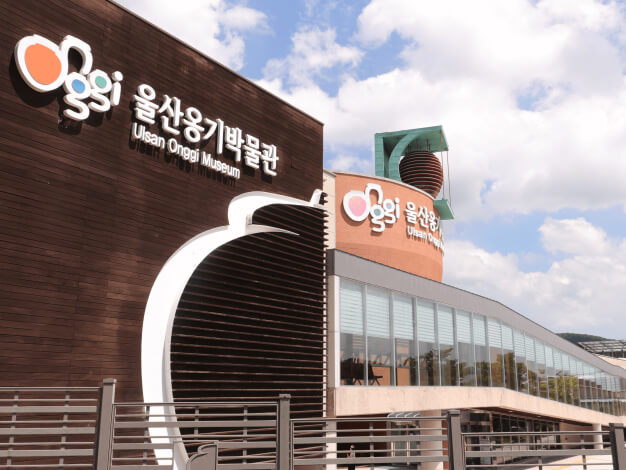
Ulsan Onggi Museum is a specialized museum dedicated to onggi, traditional Korean earthenware, opened in 2009 inside Oegosan Onggi Village at 36 Oegosan 3-gil, Onyang-eup, Ulju-gun, Ulsan Metropolitan City. The building itself is modeled after a large onggi vessel, and its key feature is that it is located within a production village where artisans’ workshops, traditional kilns, and sales studios remain, rather than being merely an exhibition hall that collects artifacts.
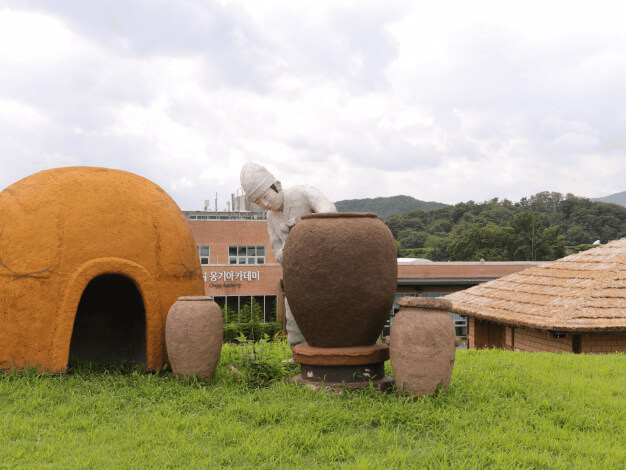
Oegosan’s present-day appearance is connected to the movement of livelihoods after the Korean War. Heo Deok-man, an onggi artisan from Yeongdeok, began making onggi here in the late 1950s, after which artisans and potters from across the country gathered and formed the village. In the 1960s, it supplied about 70% of the nation’s onggi and exported products to Hawaii and Japan, but demand declined after industrialization, causing the number of producing households to fall sharply.
Traces of the 2010 expo seen in the world’s largest onggi, standing 221 cm tall
The exhibition is divided into sections on the world’s largest onggi, the history of onggi, onggi and daily life, the people carrying on the tradition of onggi, the beauty of onggi, and onggi from other countries. In particular, the world’s largest onggi, measuring 221 cm in height, was made to commemorate the 2010 Ulsan World Onggi Culture Expo and is known as an exhibit certified by Guinness World Records, making it worth viewing first to appreciate its scale.
Rather than stopping at the simple explanation that onggi are breathing vessels, it is better to examine in the exhibition context how they were used in Korean fermentation and daily life, such as storage crocks, jangdok, and water jars. Records indicate that Oegosan had high-quality clay suitable for onggi and terrain favorable for installing kilns, so the museum’s artifacts can be viewed not merely as individual craftworks but as products of a regional industry.
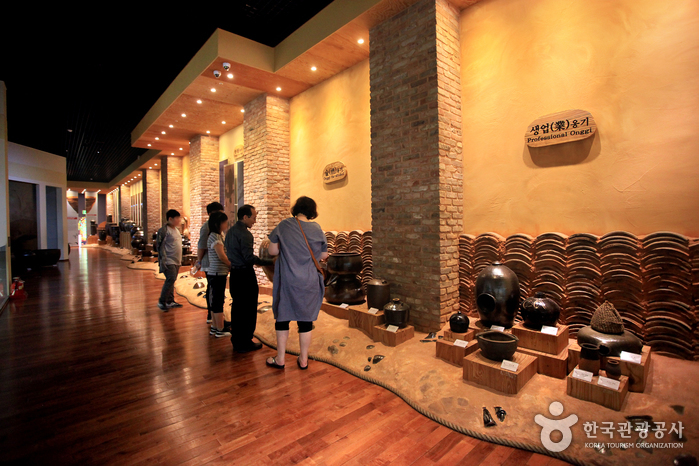
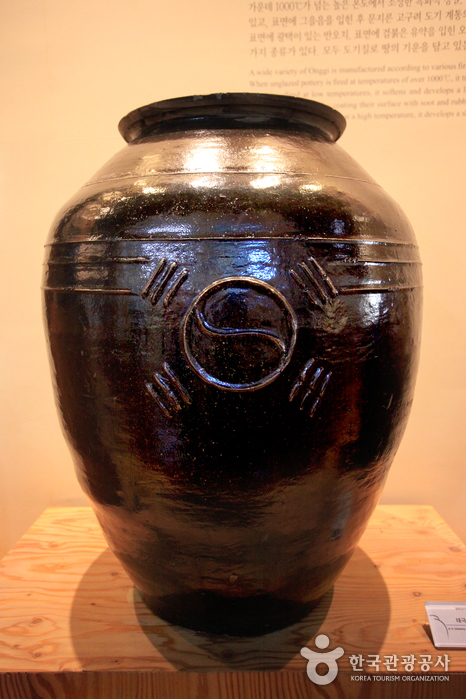
Visiting hours are 09:00–18:00, and entry must be completed by 17:20
The museum is open from 09:00 to 18:00, with admission available until 17:20. It is closed every Monday, on public holidays, January 1, and the day of Lunar New Year and Chuseok, so when a Monday coincides with a public holiday, it is safest to check the official website notices again before departing.
Admission to the permanent exhibition is free. The main telephone number is 052-237-7894, and the official website is https://onggi.ulju.ulsan.kr/. Allow approximately 40–60 minutes for a quick visit to the museum alone, or 1.5–2 hours if also visiting the workshops, kilns, and Onggi Culture Park in Oegosan Onggi Village. On Saturdays, there have been cases in which an onggi paper-art program was held in the second-floor classroom with 20 participants per session, so inquire separately about same-day registration availability and fees.
- Visiting hours: 09:00–18:00, admission closes at 17:20
- Closed: Mondays, public holidays, January 1, and the day of Lunar New Year and Chuseok
- Permanent exhibition: Free
- Inquiries: 052-237-7894
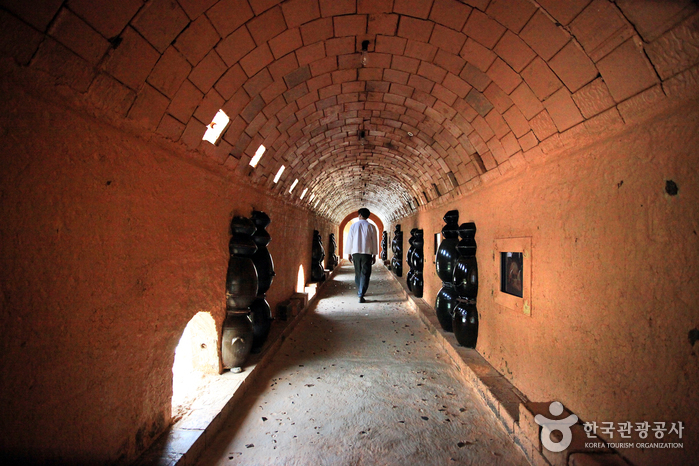
How to combine the museum and kilns into one route from 36 Oegosan 3-gil
The address is 36 Oegosan 3-gil, Onyang-eup, Ulju-gun, Ulsan Metropolitan City (Onggi Culture Center). Since public transportation stops, routes, and walking times are not consistently confirmed in the official information, it is better to set “Ulsan Onggi Museum” as the destination and check the day’s route rather than assume a specific bus number. If visiting by car, you can call to check whether parking spaces around Oegosan Onggi Village are available and how crowded it may be on event days.
The most natural route is to see the museum exhibition first and then walk along the traditional kilns and workshops deeper inside the village. Oegosan Onggi Village is still an active production site, so ask each workshop in advance whether photography of workspaces or viewing the production process is allowed. On rainy days, reduce walking through the village and plan around the museum.
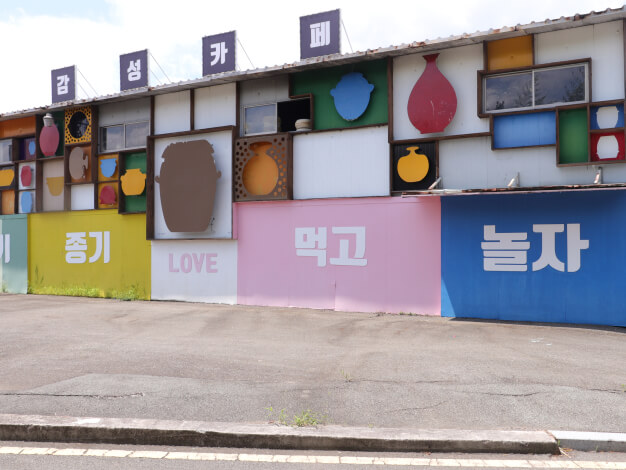
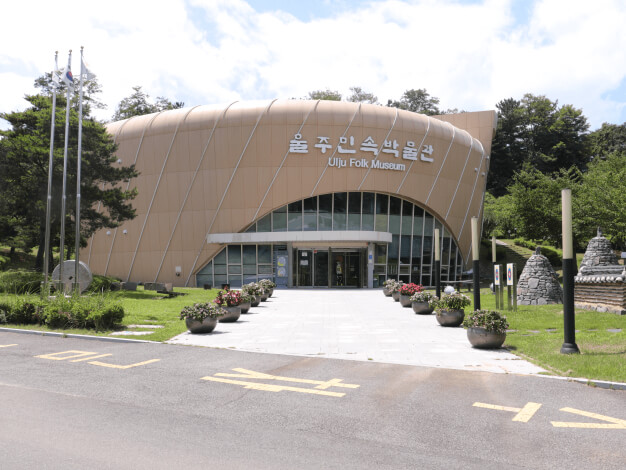
Onggi Academy Hall at 052-237-7893: hands-on programs operate separately from the exhibition
Onggi Academy Hall next to the museum is a space that offers hands-on programs separately from the free exhibition. Previous information lists operating hours of 09:00–18:00 and the activity inquiry number as 052-237-7893, with fees varying by program. Since materials and session capacities may differ during peak seasons and on weekends, do not assume that “free museum admission” automatically includes an on-site activity.
If visiting with children, it is best to call and confirm whether advance reservations are required for programs in the museum’s second-floor classroom, as well as the recommended age, duration, and drying and collection arrangements. For international visitors, the scope of Korean-language exhibition and guidance services and the availability of English interpretation are not clearly confirmed on the official page, so inquire about the language support you need before visiting.
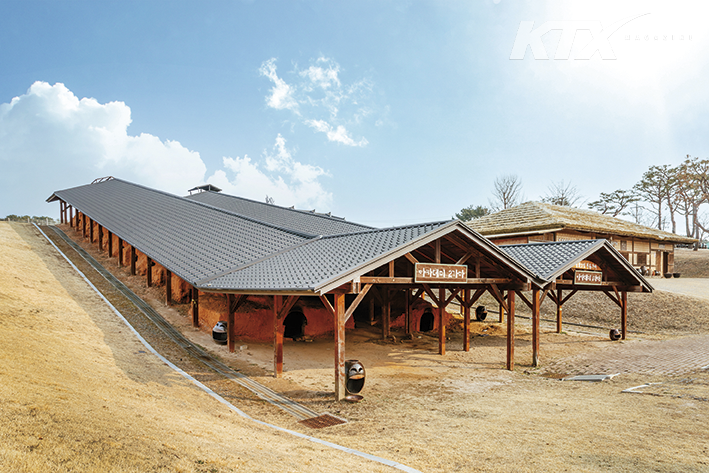
Choose between different visiting purposes: the Ulsan Onggi Festival in May or a weekday morning
The Ulsan Onggi Festival takes place at Oegosan Onggi Village and in the front courtyard of Ulsan Onggi Museum; in 2025, it ran from May 3 to 5. During the festival, the program schedule may become denser with demonstrations, hands-on activities, and performances, but parking and visitor routes are likely to be more crowded than usual. Since the festival dates vary each year, do not assume it is a fixed event in early May; check the official festival announcement.
If you want to calmly read the exhibition and see the village’s kilns and jar scenery together, a weekday morning between 09:00 and 11:00 is relatively easy to plan. Conversely, if hands-on activities are your goal, check first whether a Saturday program is available and adjust your arrival time accordingly. The site is better suited to travelers who want to see the connection between an exhibition and an actual production village than to those expecting a large-scale multi-purpose complex from the museum alone.
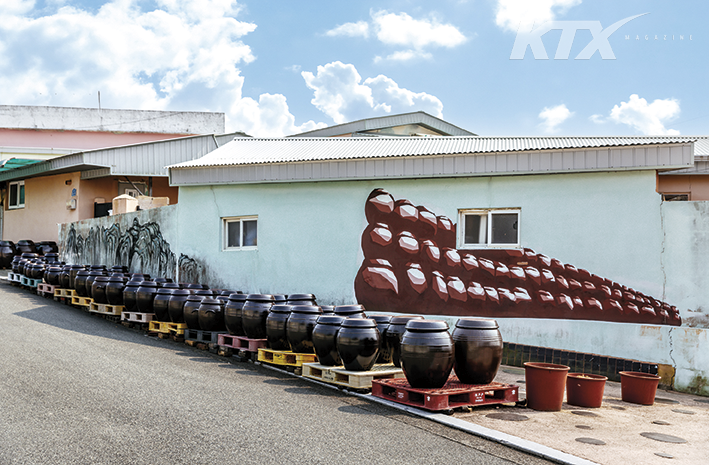
Adding the Ulju Folk Museum lets you read Ulju’s history of daily life on two levels
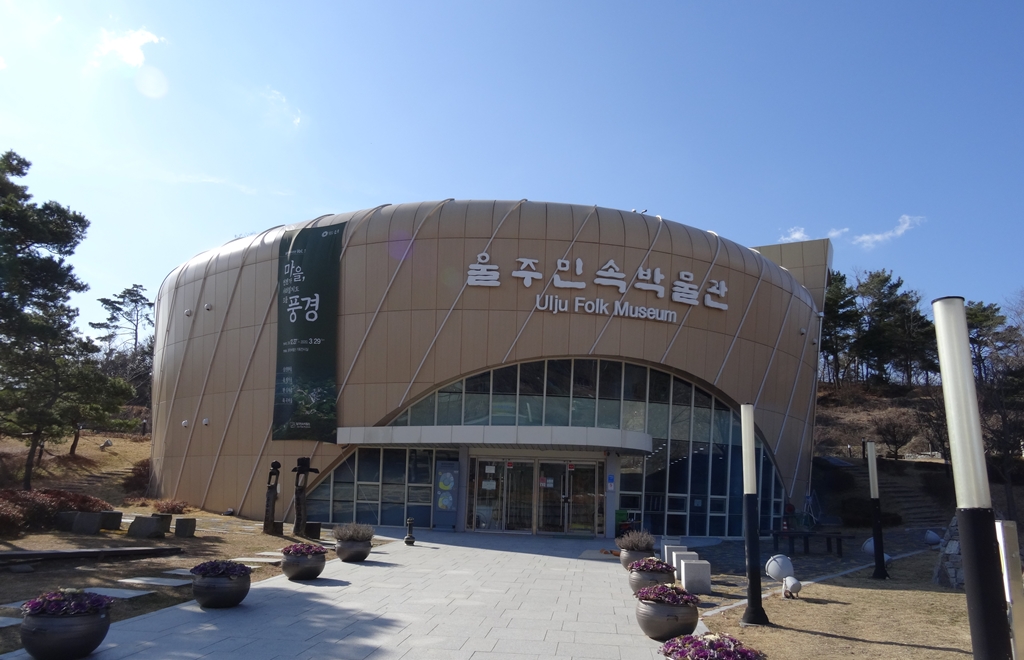
Oegosan Onggi Village also contains the Ulju Folk Museum in addition to Ulsan Onggi Museum, allowing visitors to explore the production culture of onggi alongside the history of daily life in Ulju. KTX Magazine introduces the two museums and artisans’ workshops as being located close together and easy to tour on foot, and lists 052-204-4033 as the inquiry number for the Ulju Folk Museum.
After leaving the museum, you can see jars made at the sales workshops, but purchasing an item is not an essential part of the visit. The exhibition’s central theme is Oegosan’s history: from refugees and livelihoods in the 1950s, through nationwide supply and overseas exports in the 1960s and 1970s, to today’s preservation and hands-on experience spaces. Understanding this background allows the size and shape of the black jars to be read as traces of regional industrial history.
Before You Go
- Address
- 36 Oegosan 3-gil, Onyang-eup, Ulju-gun, Ulsan Metropolitan City (Onggi Culture Center)
- Hours
- 09:00–18:00 (admission closes at 17:20)
- Closed
- Every Monday, public holidays, January 1, and the day of Lunar New Year and Chuseok
- Admission
- Free (Onggi Academy Hall activity fees are separate)
- Phone
- 052-237-7894
- Official site
- http://onggi.ulju.ulsan.kr/
- Time needed
- Museum: 40–60 minutes; including Oegosan Onggi Village: 1.5–2 hours
- Accessibility
- Call before visiting to inquire about wheelchair and stroller access and the scope of foreign-language guidance
The information above is current as of the time of writing. Check the official information again before visiting.

Places
Nearby Attractions 3
-
 1
1
-
 2
Jinha BeachEnjoy swimming and strolling along the beach in the shallow waters and on the sandy shore.
2
Jinha BeachEnjoy swimming and strolling along the beach in the shallow waters and on the sandy shore. -
 3
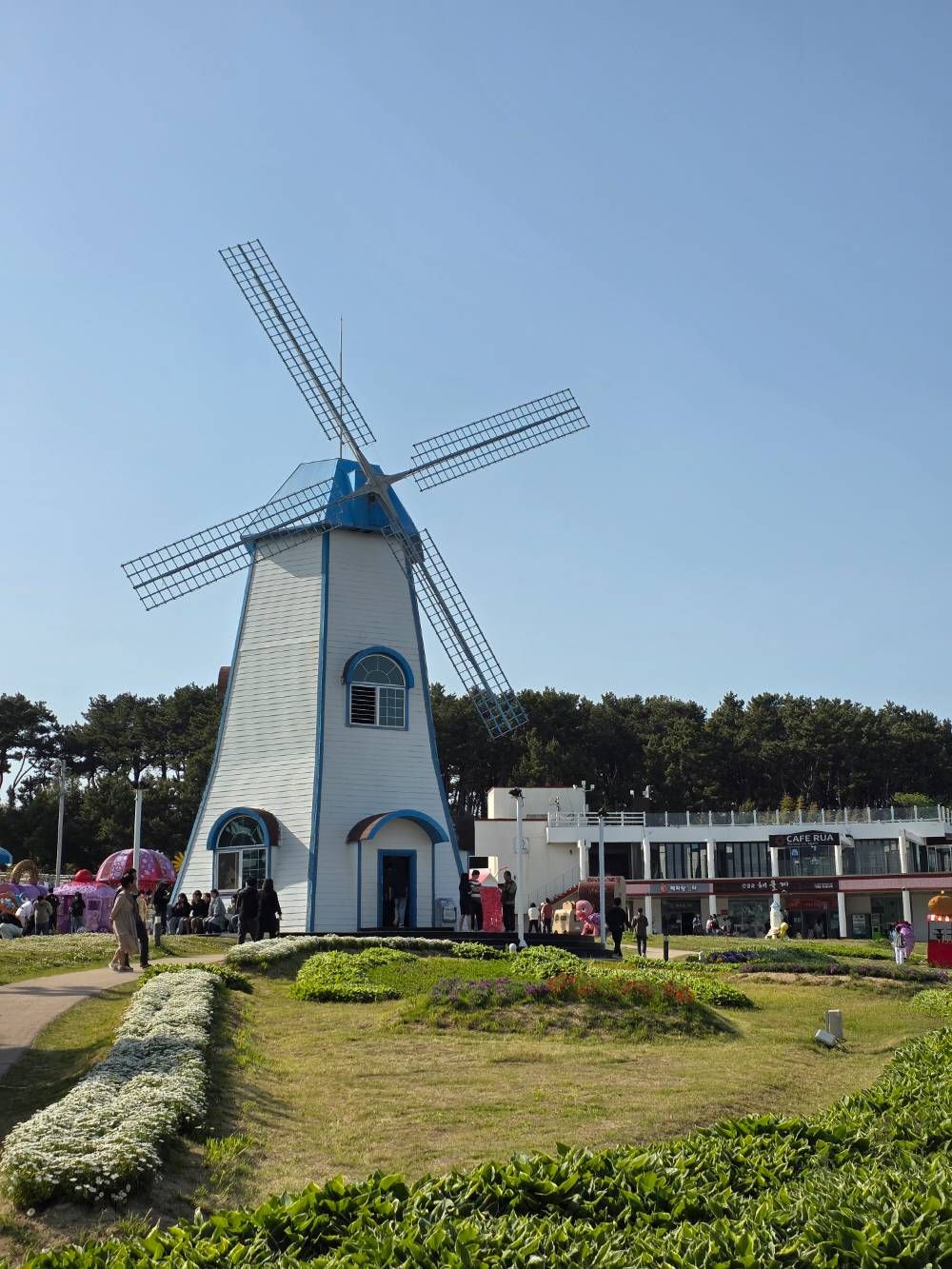
Ganjeolgot CapeTake in the East Sea sunrise while exploring the lighthouse and the Wishing Postbox.
3
Ganjeolgot CapeTake in the East Sea sunrise while exploring the lighthouse and the Wishing Postbox.
Food & Dining 2
-
 4
4
-
 5
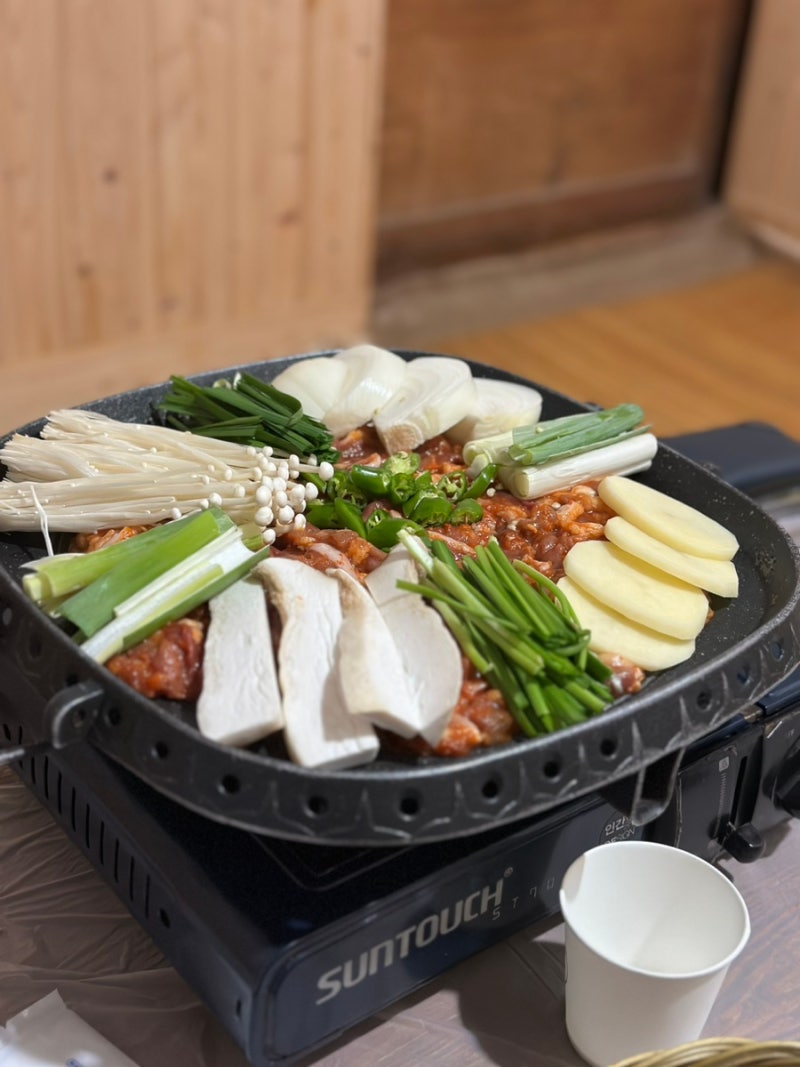
Yosan YosuA restaurant where you can enjoy boiled chicken and duck dishes and spicy stir-fried duck while taking in the scenery of a mountain valley.
5
Yosan YosuA restaurant where you can enjoy boiled chicken and duck dishes and spicy stir-fried duck while taking in the scenery of a mountain valley.
More Travel Guides in This Area
 Travel Guide
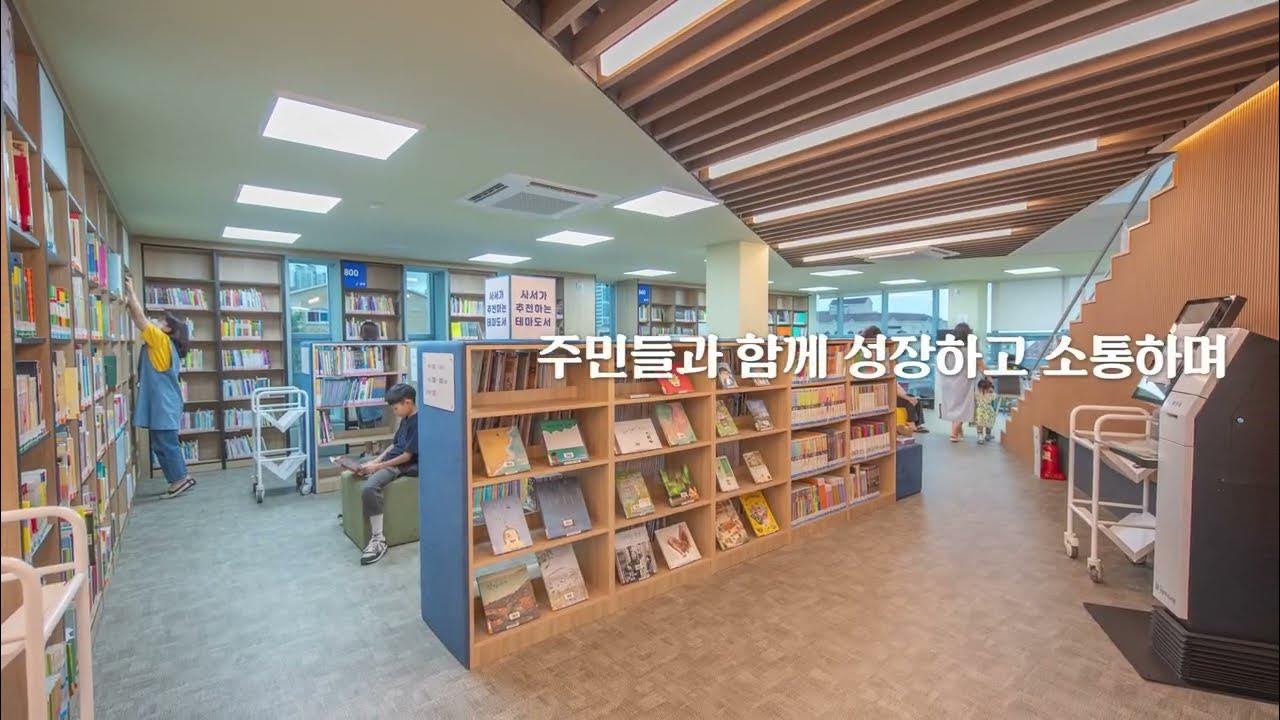
132 Seats Facing the East Sea: Gangdong Sea Library’s 4th-Floor Rooftop
 Travel Guide
Exploring Ulsan Ulju Culture and Arts Center Through Its 392-Seat Theater and 110㎡ Exhibition Hall
 Travel Guide
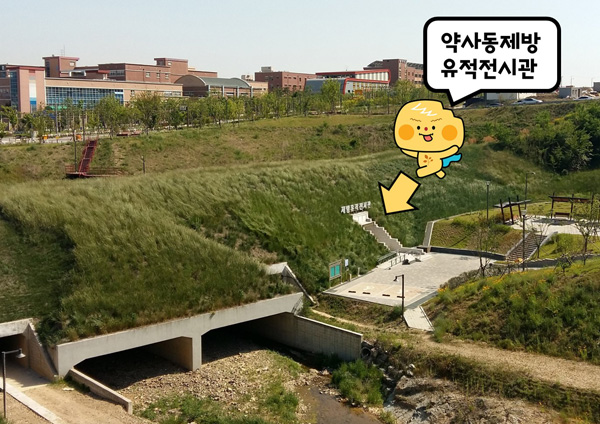
Reading Ulsan’s Yaksacheon Water-Management Technology in Front of an 8-Meter Soil Layer
 Travel Guide
Reading Ulsan Port’s journey since its 1963 opening in a 360 m² lounge
Korea News
![ZEROBASEONE ‘ZEROBASEONE Shining Even at Night!’ [★Video]](https://kotourlive-images.s3.ap-northeast-1.amazonaws.com/news/1786629298196_13d8a4bb_news_075face7-fb4e-402c-b833-25ccaf88cf8f.jpg) News
News
ZEROBASEONE ‘ZEROBASEONE Shining Even at Night!’ [★Video]
 News
News
Kwon Eun-bi, First Comeback Since Moving from Woollim to RBW: “Aiming for a September Release”
 News
News
“Did Jungkook’s connection continue?” Pop star Usher spotted warmly hugging BTS’s RM and J-Hope
 News
News