The First Chapter of Baekje Buddhism at the End of the Red Spider Lily Trail: Bulgapsa Temple in Yeonggwang
Bulgapsa Temple in Yeonggwang is said to have been founded in 384 by Marananta, during the reign of King Chimnyu of Baekje. Visitors can see the Daeungjeon, a late-Joseon wooden building designated as a Treasure, along with clusters of red spider lilies in late summer. The temple is open year-round, and admission and parking are free. It can also be reached by county bus from Yeonggwang Bus Terminal.
I’ve been here?
Your check-in helps the next traveler.
19 people viewed this week Be the first
One tap — no writing needed
The Starting Point of Baekje Buddhism Left at the Foot of Bulgapsan Mountain by the 384 Legend of Marananta
Yeonggwang Bulgapsa is a temple said to have been founded in 384, during the reign of King Chimnyu of Baekje, by the Indian monk Marananta. The Korea Tourism Organization’s tourism information introduces it as the first Buddhist temple established in Korea, while the Baekje Buddhist First Arrival Site in the Beopseongpo area of Yeonggwang also explains the local context of Buddhism’s introduction by describing the record that Marananta entered Yeonggwang in 384 via Eastern Jin China.
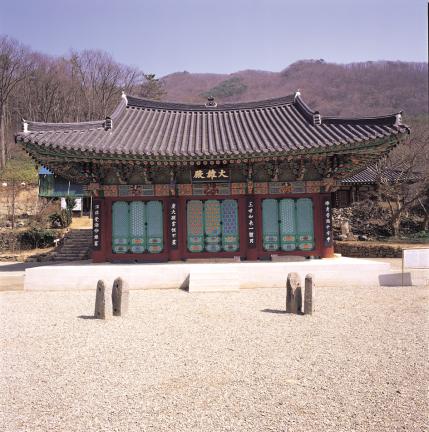
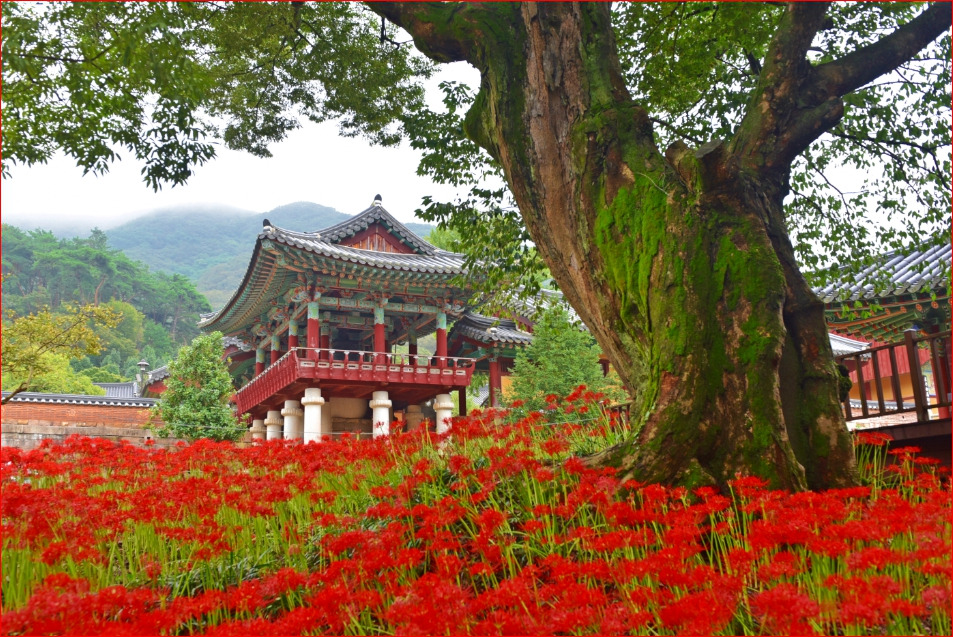
Because this founding date is based on tradition, it is more accurate to distinguish it from the construction dates of the existing buildings. The Daeungjeon Hall seen in the temple grounds today is a Joseon-period building, and the National Heritage Portal explains that it was repaired in 1764, based on the inscription “Qianlong Year 29” on the roof tiles, after having been built before the 18th century.
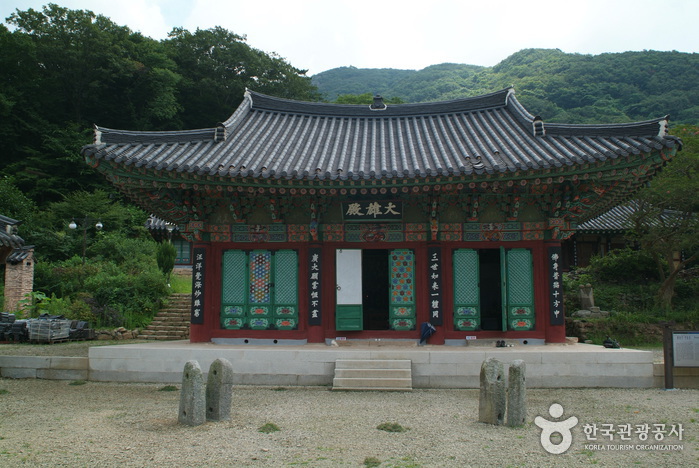
18th-Century Wooden Architecture Seen in the Treasure-Class Daeungjeon Hall of Yeonggwang Bulgapsa
Daeungjeon Hall is a Buddhist hall designated as a Treasure on January 8, 1985, and the quantity registered with the National Heritage Portal is one building. Its address is 450 Bulgapsa-ro, Bulgapsa-myeon, Yeonggwang-gun, Jeonnam-Gwangju Integrated Special City, and it is classified as a Joseon-period historic building, religious belief structure, Buddhist structure, and Buddhist hall.
The building is known as a 3-bay front by 3-bay side structure with a multi-bracket design. Because it is valued for preserving the characteristics of late Joseon Buddhist halls featuring elaborate carvings and patterns, visitors should refrain from entering during worship or ceremonies and avoid approaching the doors or altar area closely for photography.
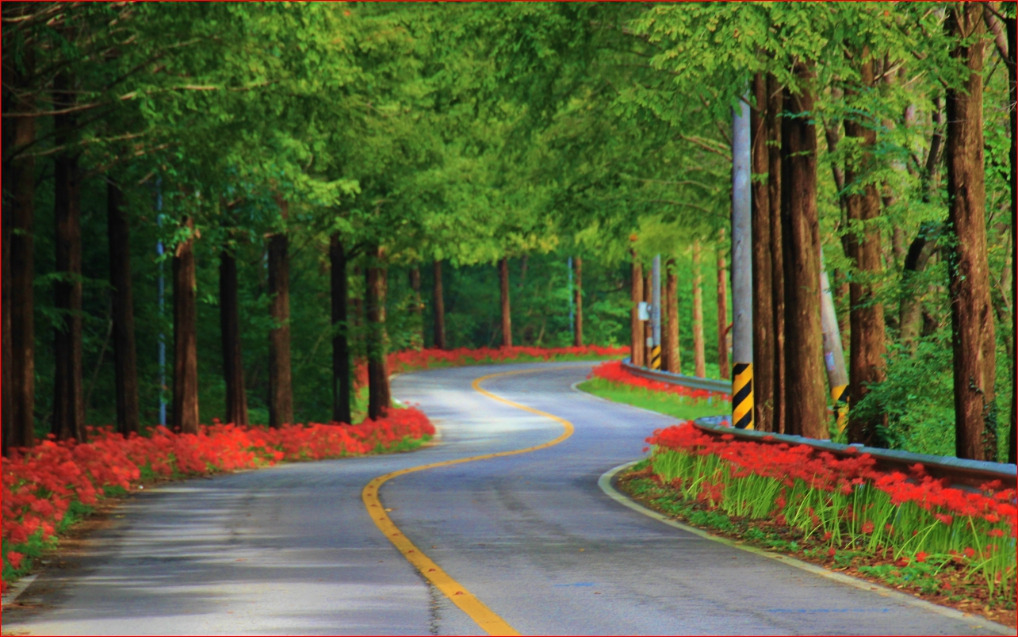
Red Spider Lilies at Bulgapsan in Late September and the 10-Day Festival in 2025
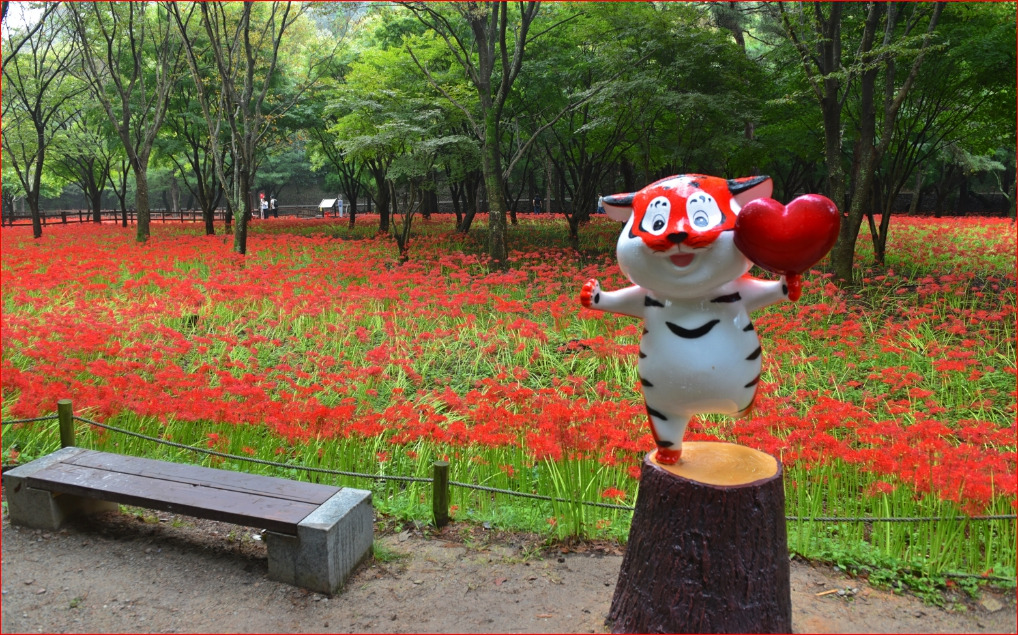
Bulgapsa is widely known for red spider lilies, which bloom from late summer to early autumn. The 2025 Yeonggwang Bulgapsan Red Spider Lily Festival was held for 10 days, from Friday, September 26, to Sunday, October 5, and admission and parking were free.
If red spider lilies are your main objective, remember that blooming conditions can vary each year depending on the weather, so it is safest to check Yeonggwang-gun’s festival information again before departing. During the 2025 festival, a nighttime shuttle connecting Yeonggwang Terminal and the festival site operated with departures at 16:30 and arrivals at 22:00, but this was event information for that particular year and should not be regarded as regular transportation.
Reaching 450 Bulgapsa-ro: Local Bus from Yeonggwang Terminal and Transfer at Gwangju Songjeong Station
The road-name address is 450 Bulgapsa-ro, Bulgapsa-myeon, Yeonggwang-gun, Jeonnam-Gwangju Integrated Special City. For car navigation, entering “Bulgapsa” or “Bulgap Tourist Complex Parking Lot 1” is recommended; parking is available for temple visitors and is listed as free of charge.
By public transportation, one option is to take a local county bus to Bulgapsa from Yeonggwang-eup. Tourist information states that local county buses to Bulgapsa run nine times a day from Yeonggwang-eup and take approximately 20 minutes, but routes and schedules may change, so visitors should check the same-day timetable through Yeonggwang-gun transportation information. An example of festival guidance for departures from Gwangju Songjeong Station gives a travel time of approximately 3 hours and 30 minutes, including a transfer to an intercity bus bound for Yeonggwang.
Open Year-Round with Free Admission, but Why Arriving Before 6 p.m. Is Safer
According to tourism information, Bulgapsa is open year-round and has no separate admission fee. Recent travel guides describe it as continuously open while also warning that access may be restricted after 18:00. Therefore, if you want to see both Daeungjeon Hall and the temple grounds, it is practical to plan to arrive around 5 p.m. at the latest.
The Yeonggwang-gun tourism information contact number is 061-350-4889, and the official tourism website is https://tour.yeonggwang.go.kr. For assistance in a foreign language, the Korea Tourism Organization’s 1330 Tourism Information Phone offers consultations in Korean, English, Japanese, and Chinese. Visits to the temple itself are not Information as requiring reservations, but participation in and schedules for the temple stay program should be checked separately.
Slopes and Steps on the Grounds: 5 Things to Know Before Visiting with a Wheelchair or Stroller
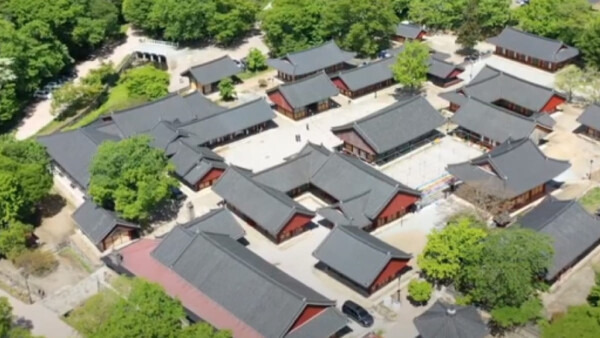
Tourism information indicates that the site has accessible parking spaces, wheelchair rentals, a ramp at the main entrance, accessible restrooms, and information staff. Access to the parking lot and main entrance area is therefore possible, but some sections of the temple grounds have stairs, so it should not be assumed that the entire area around Daeungjeon Hall and all walking paths can be traversed by wheelchair in the same way.
If using a stroller or mobility aid, visitors should first use the flatter entrance sections with a companion and call 061-350-4889 in advance to ask whether wheelchair rental is available on site. Restrooms are provided, and because visitors are concentrated during the red spider lily festival, visitors requiring mobility assistance may wish to consider less crowded times, such as weekday mornings.
60–90 Minutes for Daeungjeon, Manseru, and Myeongbujeon; Plan Hiking Separately
If you are planning only a temple visit, allowing approximately 60–90 minutes to focus on Daeungjeon, Manseru, Myeongbujeon, Ilgwangdang, and the red spider lily path is a reasonable plan. Since Bulgapsa lies at the foot of Bulgapsan Mountain, adding a hike requires separate calculations for physical stamina, hiking shoes, and return transportation time in addition to the temple tour.
Daeungjeon is not the only cultural heritage at the temple. Among the Buddhist relic records preserved inside the statues at Bulgapsa, the records inside the statues of the Shakyamuni Triad and the 16 Arhats comprise 93 types and 101 items; those inside the statues of Ksitigarbha and the Ten Kings comprise 83 types and 112 items; and those inside the Four Heavenly Kings comprise 33 types and 46 items, according to National Heritage materials. Visitors cannot see all of these artifacts on site, but they provide a clue to understanding that the temple is more than a simple flower-viewing destination: it also preserves Joseon Buddhist sculpture and scriptural materials.
Before You Go
- Address
- 450 Bulgapsa-ro, Bulgapsa-myeon, Yeonggwang-gun, Jeonnam-Gwangju Integrated Special City
- Hours
- Open continuously (access may be restricted after 18:00)
- Closed
- Open year-round
- Admission
- Free
- Phone
- 061-350-4889
- Official site
- https://tour.yeonggwang.go.kr
- Transport
- Take a local county bus to Bulgapsa from Yeonggwang-eup (according to tourism information: 9 services daily, approximately 20 minutes; check the same-day timetable)
- Parking
- Parking available; listed as free
- Time needed
- 60–90 minutes recommended for a temple visit
- Accessibility
- Information on accessible parking, wheelchair rental, a ramp at the main entrance, and accessible restrooms; some stairs on the grounds; English, Japanese, and Chinese assistance available through 1330
The information above is current as of the time of writing. Check the official information again before visiting.

Places
Nearby Attractions 5
-
 1
Baekje Buddhist First Arrival SiteA sacred site of Buddhist history featuring the Gandhara Relic Hall and the Four-Faced Buddha.
1
Baekje Buddhist First Arrival SiteA sacred site of Buddhist history featuring the Gandhara Relic Hall and the Four-Faced Buddha. -
 2
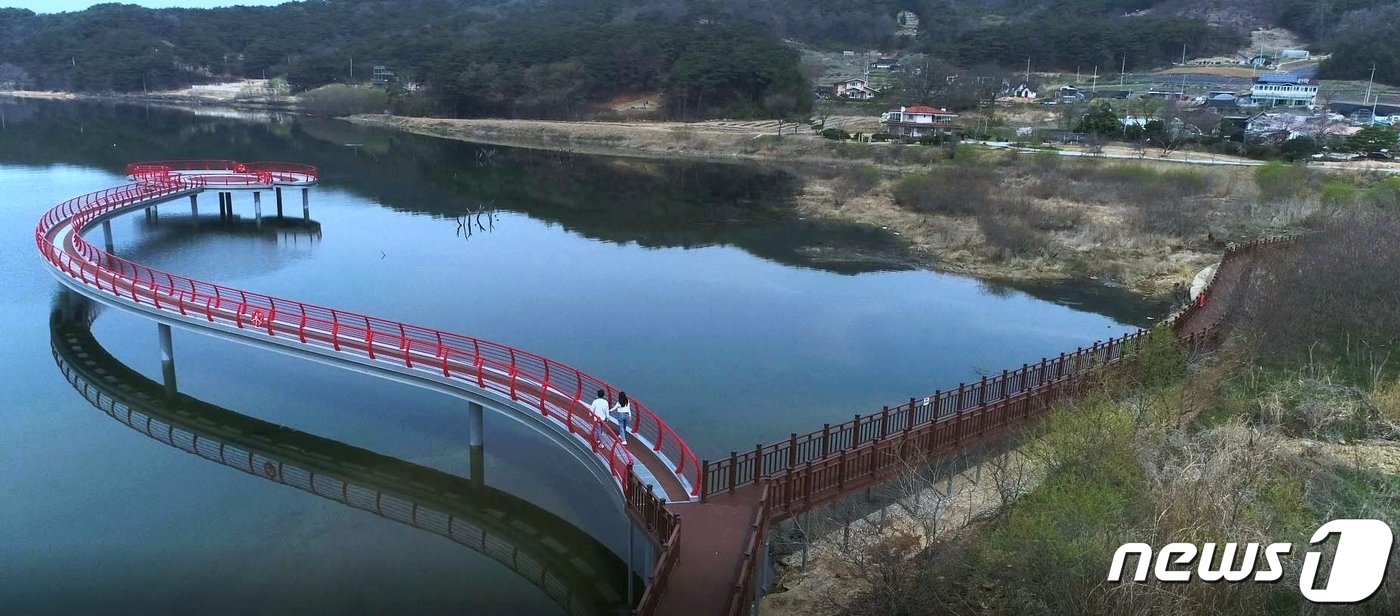
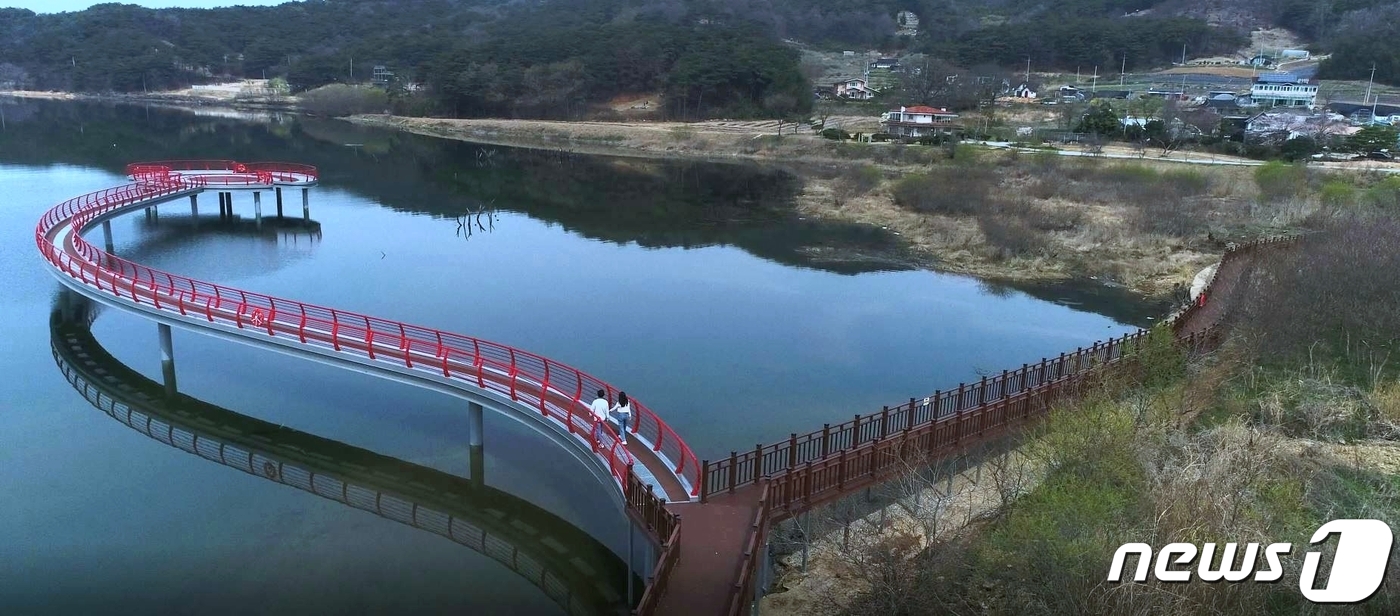
Yeonggwang Bulgab Theme ParkA theme park where you can stroll along the Millennium Mill and the waterside deck path.
2
Yeonggwang Bulgab Theme ParkA theme park where you can stroll along the Millennium Mill and the waterside deck path. -
 3
Bulgap Reservoir Waterfront ParkA waterfront park where you can take a walk and go for a drive while enjoying views of the reservoir.
3
Bulgap Reservoir Waterfront ParkA waterfront park where you can take a walk and go for a drive while enjoying views of the reservoir. -
 4
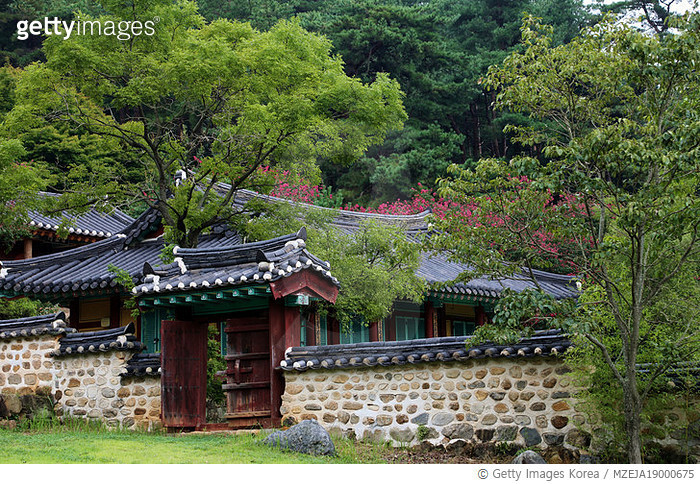
Naesan SeowonA place to explore Joseon-era Confucian culture at a seowon dedicated to Kang Hang.
4
Naesan SeowonA place to explore Joseon-era Confucian culture at a seowon dedicated to Kang Hang. -
 5
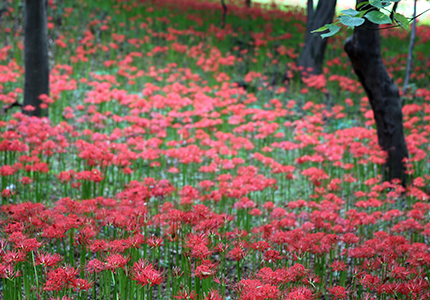
Yongcheonsa Red Spider Lily ParkA park where visitors can enjoy both the clusters of red spider lilies and the scenery around the temple.
5
Yongcheonsa Red Spider Lily ParkA park where visitors can enjoy both the clusters of red spider lilies and the scenery around the temple.
Food & Dining 1
-
 6
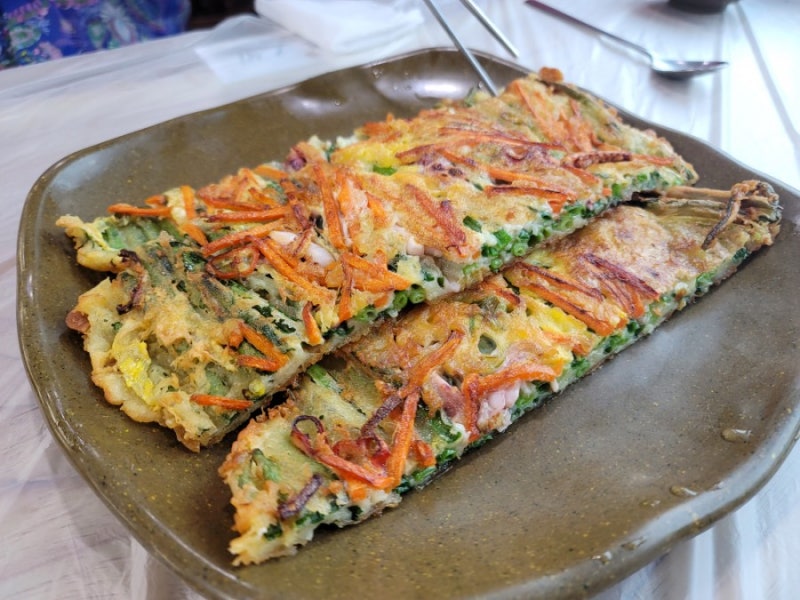
Halmae BoribapA Korean restaurant serving barley rice with seasoned vegetable side dishes and seafood pajeon.
6
Halmae BoribapA Korean restaurant serving barley rice with seasoned vegetable side dishes and seafood pajeon.
Events in This Area
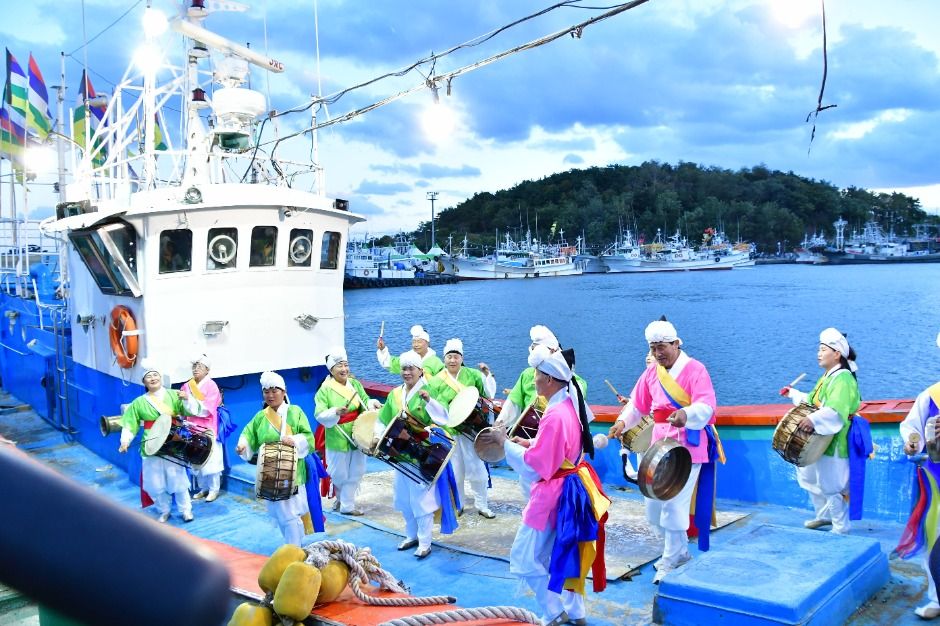
Festivals in This Area
More Travel Guides in This Area
 Travel Guide
Jangheung Waterside, Where You Can See Pohang Reservoir’s Aquatic Plants and 40 cm Crucian Carp
 Travel Guide
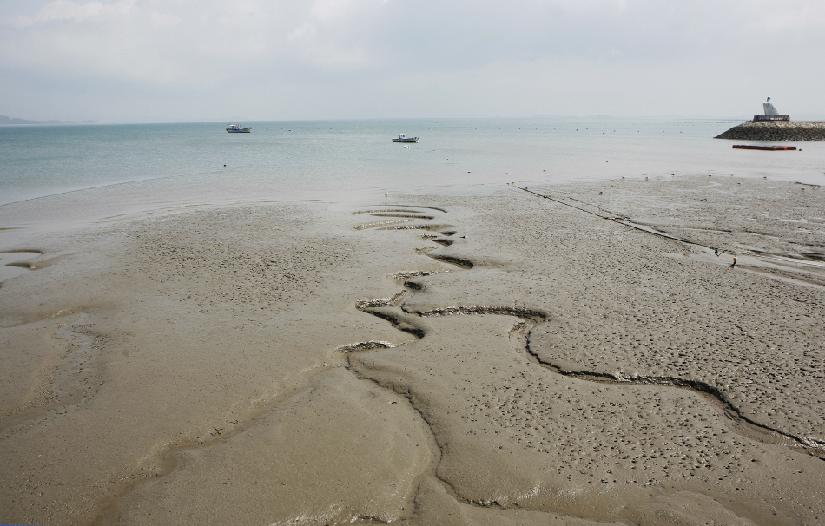
A Day at the Edge of Muan Tidal Flat’s 113.34 km², Reading Red Clay and Tidal Times
 Travel Guide
Discovering Jangseong’s Village Records and Local Culture at the Jangseong Cultural Center
 Travel Guide
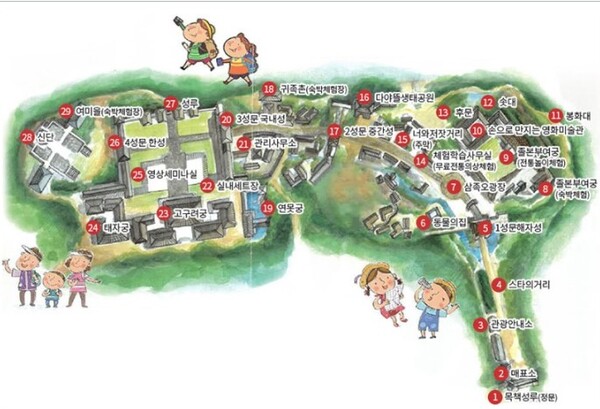
From the 2007 ‘Jumong’ Set to a Site Slated for Demolition: What to Know Before Visiting Naju Image Theme Park
Korea News
 News
News
‘NewJeans Expulsion’ Danielle Releases Her First YouTube Video… “We Don’t Know What Will Happen Next”
![aespa’s North American Tour Has Remaining Seats Despite ‘$49’ Bargain Prices… A Stark Popularity Gap with KATSEYE [TEN Starfield]](https://kotourlive-images.s3.ap-northeast-1.amazonaws.com/news/1788485037424_a59b1932_naver_rank_thumb_0000774618_1788485037424.jpg) News
News
aespa’s North American Tour Has Remaining Seats Despite ‘$49’ Bargain Prices… A Stark Popularity Gap with KATSEYE [TEN Starfield]
![[Photo] TWICE’s Dahyun attends a film festival red carpet as an actress](https://kotourlive-images.s3.ap-northeast-1.amazonaws.com/news/1788485316508_edd43ecd_news_870a60a6-6f11-4d73-aa7c-48d91318a0f7.jpg) News
News
[Photo] TWICE’s Dahyun attends a film festival red carpet as an actress
![[On-Site Video] “We’re Departing Separately Together”… BIGBANG Begins ‘COSMOS’ World Tour](https://kotourlive-images.s3.ap-northeast-1.amazonaws.com/news/1788485226518_c5719641_news_fdd4764a-0f4e-4968-8e4e-e98a02872f88.jpg) News
News