Traces of the Mokpo Branch of the Oriental Development Company, Mokpo Modern History Museum 2
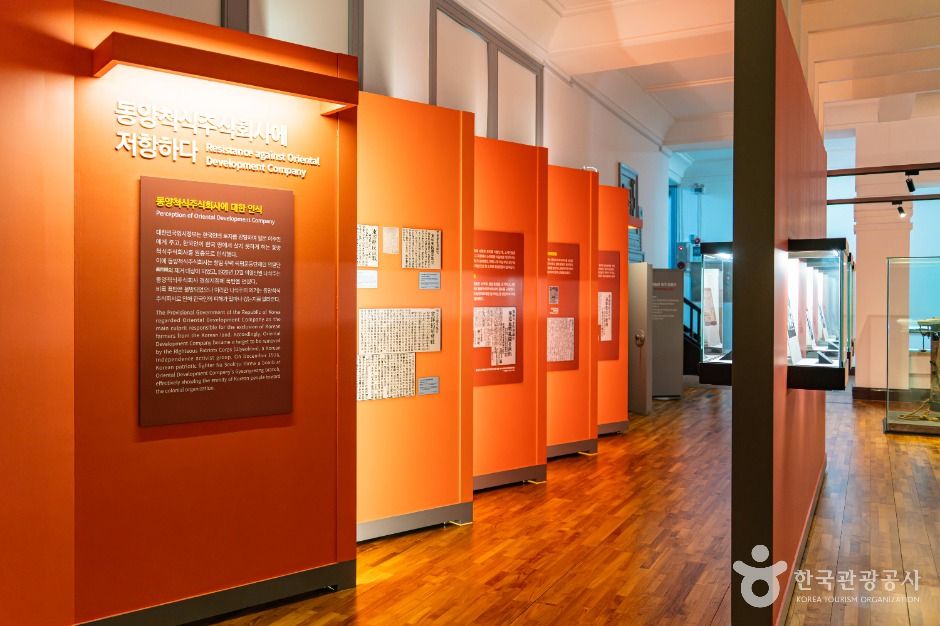
Mokpo Modern History Museum 2 is housed in the former Mokpo Branch of the Oriental Development Company, built in June 1920. Its exhibitions cover both the economic exploitation during the Japanese colonial period and the resistance of Mokpo’s citizens and workers. Visitors can connect the building’s history with the exhibition’s purpose by focusing on the land-surveying instrument and large vault on the first floor, followed by the videos and graphic displays about the resistance movement on the second floor.
I’ve been here?
Your check-in helps the next traveler.
19 people viewed this week Be the first
One tap — no writing needed
Why the 1920 Dongyang Cheoksik Corporation Mokpo Branch Became a Museum
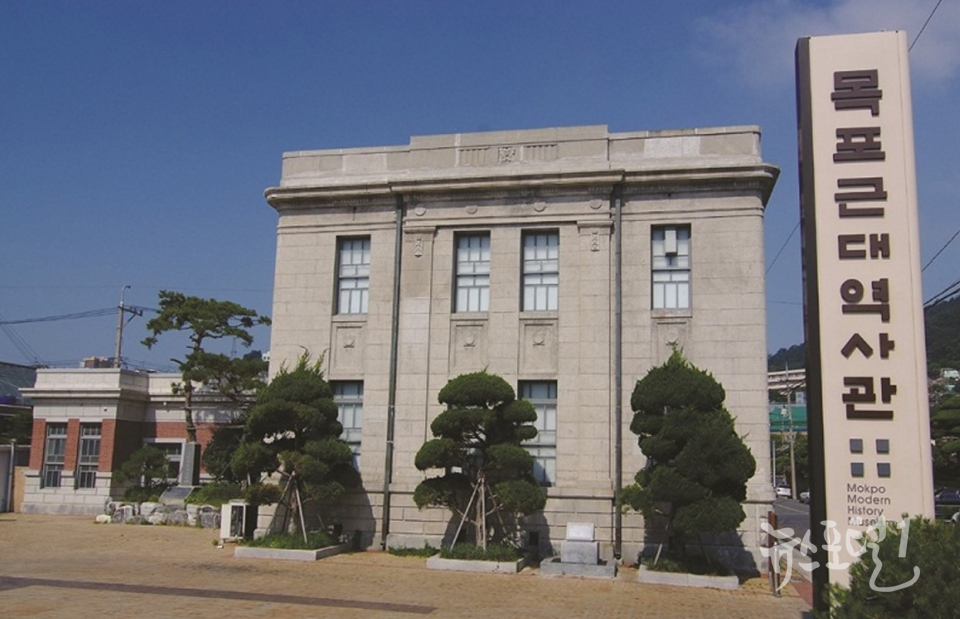
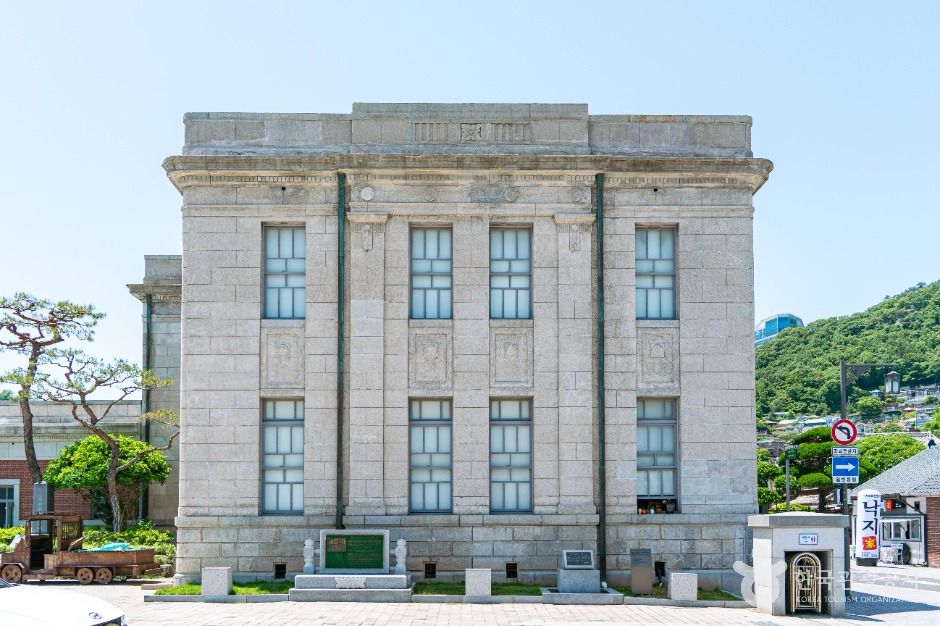
Mokpo Modern History Museum 2 is the former Mokpo branch building of the Oriental Development Company, built in June 1920. Constructed in the Renaissance style during the Japanese colonial period, the Oriental Development Company is described as an institution that claimed to manage land while managing Korean land and carrying out economic exploitation.
The Oriental Development Company had branches not only in Mokpo but also in Busan, Iri, Daejeon, Daegu, Wonsan, Pyongyang, and Sariwon. Among them, the Mokpo branch was known for collecting the highest amount of tenant rent in the country. Thus, this building is not simply a former government office but a place connected to Mokpo’s colonial agricultural and port economies.
From the Threat of Demolition in 1999 to an Exhibition Hall in 2006
After liberation, the building was used by the Joseon Coastal Guard and the Navy, but it later stood vacant and faced demolition in 1999. After being preserved due to opposition from citizens, it was designated a provincial cultural property that same year. In 2006, it opened as Mokpo Modern History Museum and began exhibiting modern photographs and other materials.
During renovations in 2022, the aging interior floors and partition walls were repaired, and new air-conditioning equipment was installed. Therefore, the current Museum 2 is best understood as a space where the exterior of the 1920 building, traces of its post-liberation use, and the 2022 exhibition-environment improvements overlap.
What to See First on the First Floor: Scales, a Land Surveying Instrument, and a Large Safe
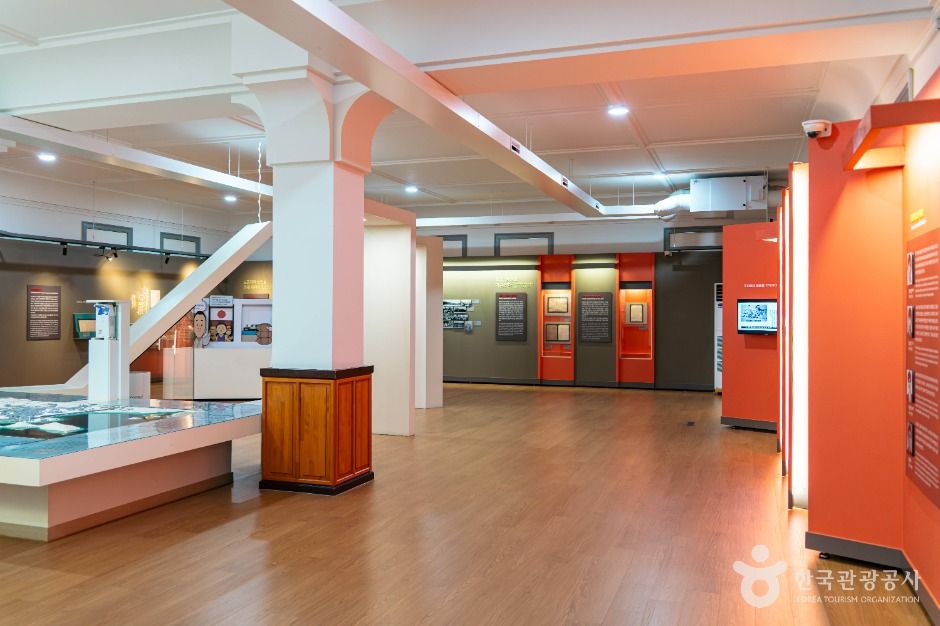
The first floor is introduced in the Korea Tourism Organization’s English guide as a space presenting “Mokpo Through Photographs.” It covers the establishment and role of the Oriental Development Company, the abuses inflicted on Koreans and their resistance, and photographs from the period after liberation when the Joseon Coastal Guard and Navy used the building.
Exhibits include a “Scale Made by the Government-General of Joseon” and a “Land Surveying Instrument” used during the Japanese colonial period, offering a view of the physical tools of the administration that measured and managed land and harvest yields. A large safe used at the time remains beside the stairs, and this safe area was used as a detention room by the naval military police after liberation.
Behind the stairs stands a stone pillar engraved with “八紘一宇,” meaning “the whole world as one family.” The pillar is introduced as having been erected in 1940 by Governor-General Jiro Minami to encourage participation in the war.
Mokpo’s Resistance Shown on the Second Floor: From Donghak to the April 8 Independence Demonstrations
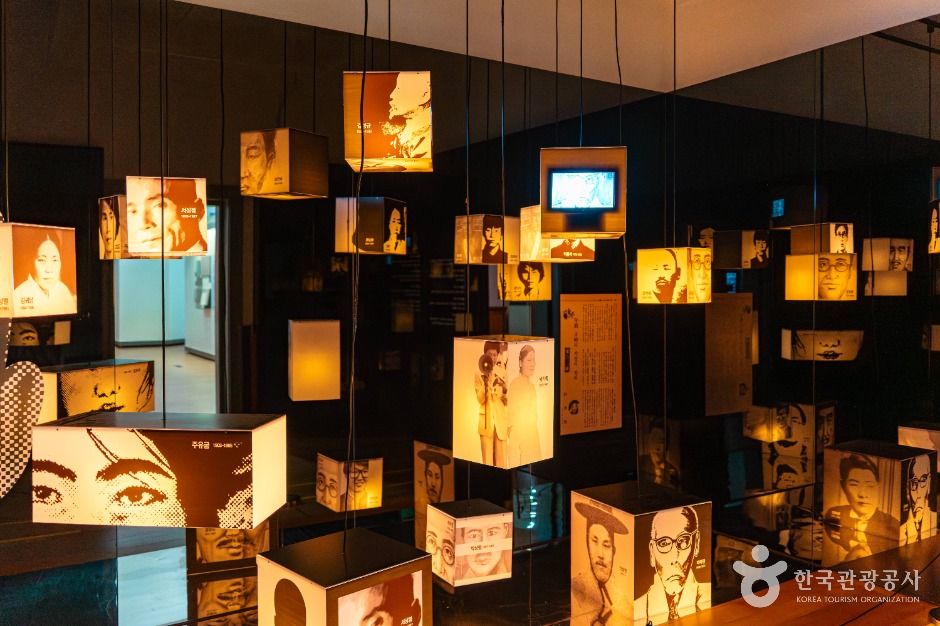
The second floor is an exhibition space portraying the resistance of people from Mokpo and nearby areas through characters and video graphics. It covers a progression from Donghak, dockworkers’ labor movements, the April 8, 1919 independence demonstrations, and anti-Japanese student movements to the tenant farmers’ dispute and workers’ strikes on Amtae Island, as well as modern popular uprisings.
A collaborative guide from the National Museum of Forced Mobilization under Japanese Occupation introduces Museum 2 as a space where visitors can encounter, through photographic materials, the history of Japanese aggression and the Korean people’s independence movement. The second-floor theme in the Korea Tourism Organization’s English guide is also “The Japanese Colonial Period.” Therefore, it is natural to first view the building, institution, and photographic materials on the first floor and then follow the flow of local resistance on the second floor.
Visitor reviews mention that the media experience on the first floor was memorable, while some comments suggest that understanding the exhibition may be limited without a guided explanation. If you would like a guide, you may consider the sessions at 10:30–11:00, 11:30–12:00, 13:30–14:00, and 15:00–15:30.
Open from 09:00 to 18:00, with Last Admission at 17:00
Mokpo Modern History Museum 2 is open Tuesday through Sunday from 09:00 to 17:30, with last admission at 17:00. It is closed every Monday, and when Monday is a public holiday, it closes on the following weekday. Because operating hours and closing days may change, it is safest to confirm them just before departure by calling 061-270-8728.
Regular individual admission is 2,000 won for adults, 1,000 won for teenagers, and 500 won for children. Adults are defined as age 20 or older, teenagers as ages 14–19, and children as ages 8–13. Separate information is required for Mokpo residents, groups, and visitors eligible for free admission.
Mokpo Modern History Museum consists of Museums 1 and 2, and visitor reviews state that one admission ticket allows access to both. However, the two buildings are separated, so visitors moving from Museum 2 to Museum 1 should check the location map when purchasing their ticket.
Practical Ways to Reach 18 Beonhwa-ro
The address is 18 Beonhwa-ro, Mokpo-si, Jeonnam-Gwangju Integrated Special City. Mokpo’s official tourism information provides intercity bus, express bus, train, and air travel information for reaching Mokpo. Travelers arriving at Muan International Airport must use another form of transportation to continue to Mokpo.
Buses 1 and 300 are listed near Museum 2, but the available information does not provide the exact stop names or walking times from the stops to the building. Therefore, foreign travelers may find it simpler to check the day’s routes through the Mokpo City Bus Information Center or request a taxi through Mokpo Call at 061-285-7777 or Nice Call at 1577-3800 or 1544-3844.
Accessible taxis operate 12 vehicles from 07:00 to 22:00, and the telephone number is 061-245-4757. The available information does not specify Mokpo Station’s exit number, the official walking distance from Mokpo Station to Museum 2, or walking times from individual bus stops, so it is best not to estimate these figures.
Easy-to-Miss Points About Free Parking and Accessibility
Parking is available, and the Korea Tourism Organization’s English guide lists parking as free. Visitor reviews suggest parking at Museum 2 and then touring Museums 2 and 1 in sequence, but the exact walking distance between the two buildings is not provided.
Accessibility information indicates that no facilities for visitors with disabilities are available. Because it has not been confirmed how wheelchair and stroller users can access the interior exhibits and stairs, or whether a separate assisted route exists, travelers using mobility aids should contact 061-270-8728 before visiting.
Information has not been confirmed regarding whether photography is allowed, restricted photography areas, glass walls or controlled-access zones, whether payment is cash-only, or whether English signage and audio guides are available. On site, follow the instructions on exhibit and information signs first. If foreign-language explanations are essential, it is practical to ask by phone about the guided-tour sessions.
Planning to Visit Museum 1 Alongside Museum 2
The recommended visiting time for Museum 2 alone has not been confirmed. Visitor reviews estimate that touring Museums 1 and 2 together takes about one hour or more, but this is not the official time required for Museum 2 alone. Travelers who want to view the photographic materials and video exhibits thoroughly should therefore allow extra time.
The recommended order is to view the institutional and land-management materials and traces of the building on the first floor of Museum 2, then see the resistance-history exhibition on the second floor, and finally move to Museum 1. Museum 2 connects the Oriental Development Company’s exploitation structure with local resistance within a single building, making it suitable for travelers who want to understand colonial-era Mokpo through the histories of land, the port, and labor rather than through a single architectural structure alone.
Conversely, travelers who only want to photograph the exterior quickly, have difficulty using stairs, or require English explanations should make inquiries in advance. The official website is Mokpo City’s tourism page at https://www.mokpo.go.kr/tour, and the main telephone number is 061-270-8728.
Before You Go
- Address
- 18 Beonhwa-ro, Mokpo-si, Jeonnam-Gwangju Integrated Special City
- Hours
- Tuesday–Sunday 09:00–18:00, last admission 17:00
- Closed
- Every Monday. If Monday is a public holiday, closed the following weekday. Whether it is closed on January 1 requires confirmation before visiting because official and public sources differ.
- Admission
- Regular individual admission: adults 2,000 won, teenagers 1,000 won, children 500 won. Separate confirmation is required for Mokpo residents, groups, and visitors eligible for free admission.
- Phone
- 061-270-8728
- Official site
- https://www.mokpo.go.kr/tour
- Transport
- Mokpo’s official tourism information provides city bus information and the Mokpo City Bus Information Center. Mokpo Call 061-285-7777 and Nice Call 1577-3800 or 1544-3844 are available. Accessible taxis operate 12 vehicles from 07:00 to 22:00 and can be reached at 061-245-4757. Separate transportation information lists buses 1 and 300 near Mokpo Modern History Museum 2, but the stop names and walking times have not been confirmed.
- Parking
- Parking available. The Korea Tourism Organization’s English guide lists parking as free.
- Time needed
- The recommended time for Museum 2 alone has not been confirmed. Reviews mention touring Museums 1 and 2 together and attending a guided explanation.
- Accessibility
- Listed as having no facilities for visitors with disabilities.
The information above is current as of the time of writing. Check the official information again before visiting.

Places
Nearby Attractions 1
-
 1
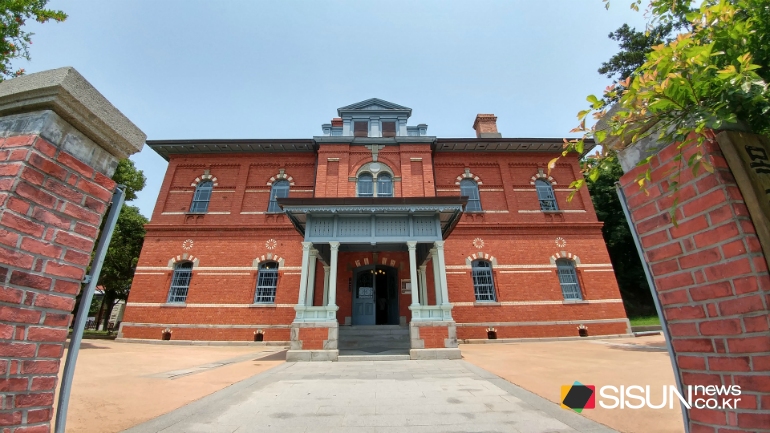
Modern History Museum 1Exhibits on Mokpo’s modern history are presented in the former Japanese Consulate building.
Food & Dining 3
-
 2
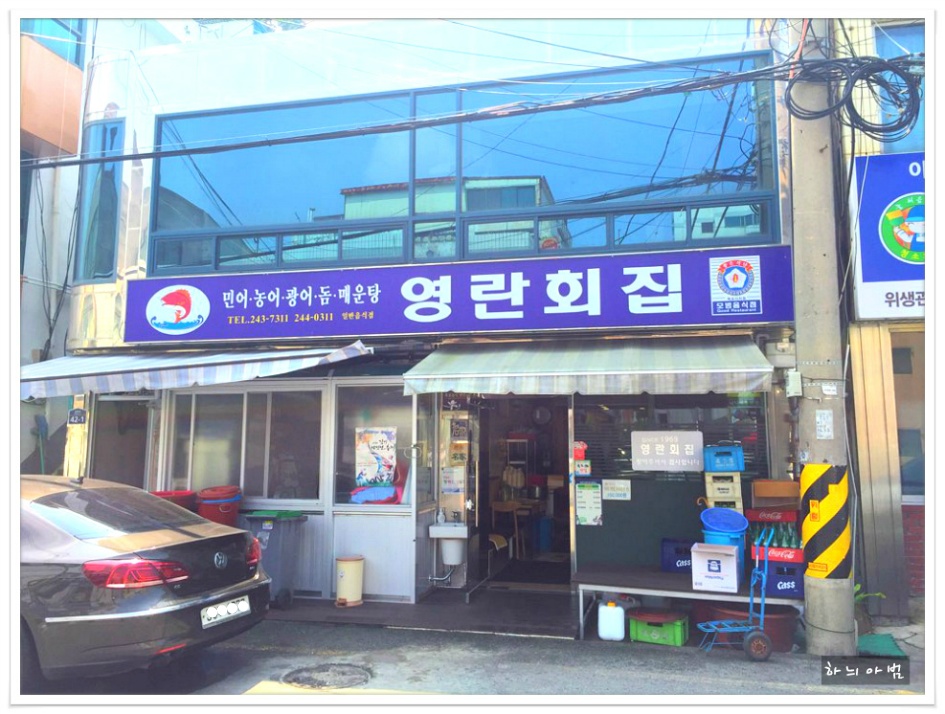
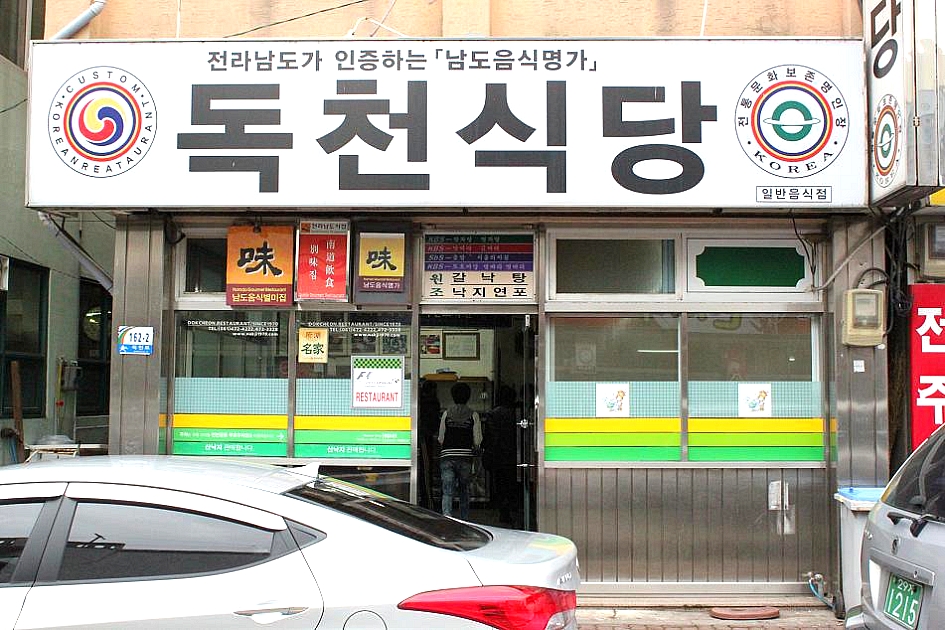
Yeongnan Sashimi RestaurantEnjoy Mokpo-style dishes made with croaker, including croaker sashimi and pan-fried croaker.
-
 3
-
 4
More Travel Guides in This Area
 Travel Guide
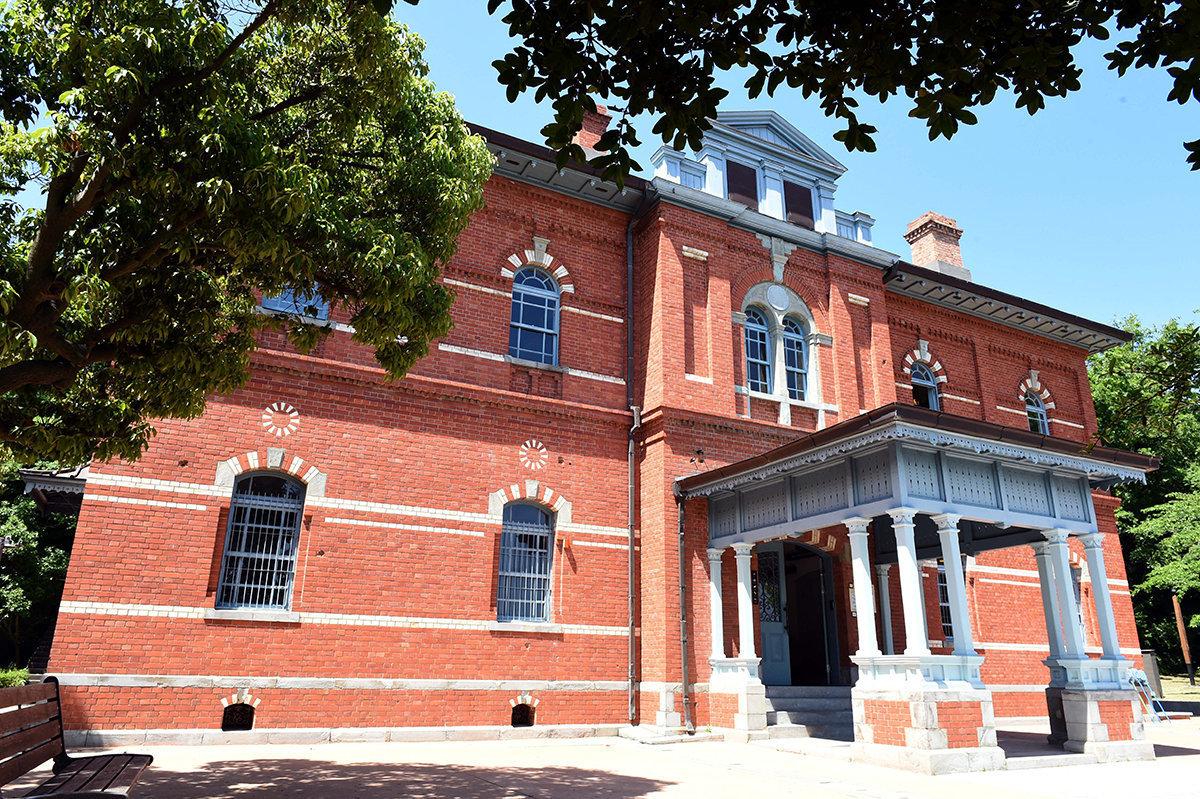
Reading Mokpo’s History of Resistance at Mokpo Modern History Museum Hall 1, the 1900 Japanese Consulate
 Travel Guide
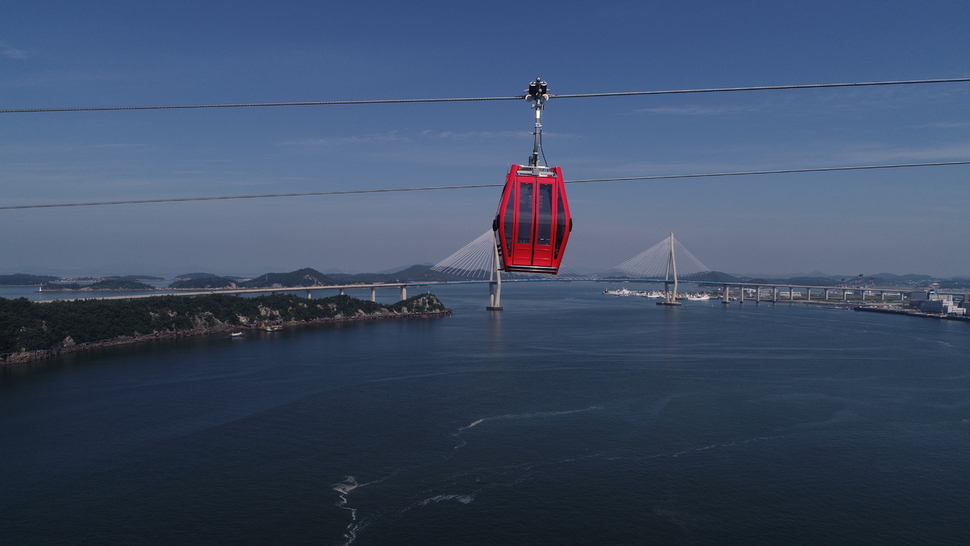
Mokpo Marine Cable Car, Crossing 155 m Yudalsan Mountain to Gohado
 Travel Guide
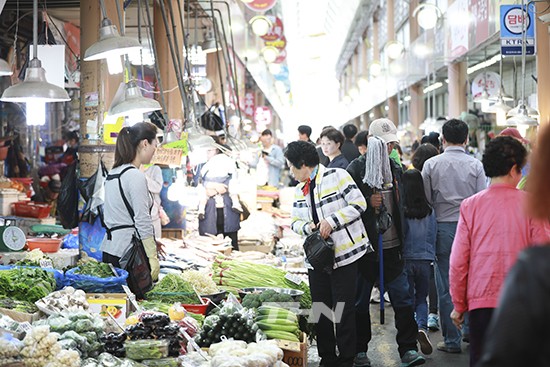
Mokpo Dongbu Market, which grew from a street stall area in 1958 to 305 shops
 Travel Guide
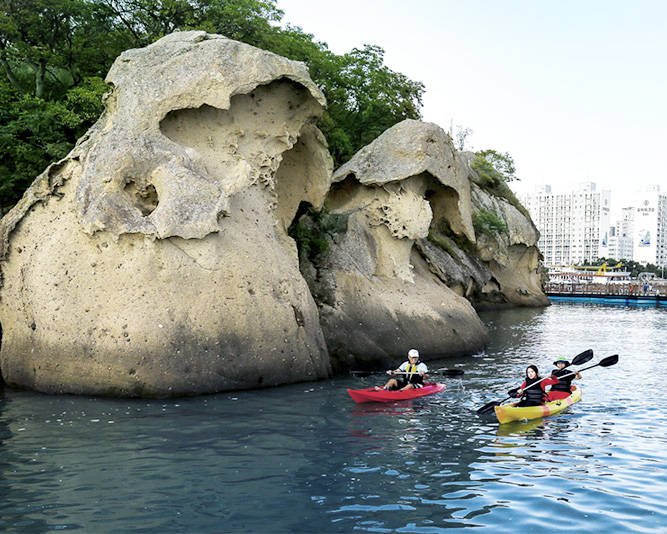
Mokpo Gatbawi at the End of a 298 m Seawalk
Korea News
 News
'There Is No Danielle': NewJeans Unleashes a Massive B-Cut Collection to Celebrate the 4th Anniversary of Their Fandom, Bunnies
 News
G-Dragon Kneels to Propose in Public…The Recipient Turns Out to Be Daesung: “We’re Still Newlyweds”
 News
ATEEZ’s San, the Grand Duke of the North with Rock-Solid Abs
 News